Basilica of St. Pius X: An Underground Marvel
Discover the Basilica of St. Pius X in Lourdes, an awe-inspiring underground church accommodating thousands of pilgrims, offering a unique spiritual experience and modern architectural marvel.
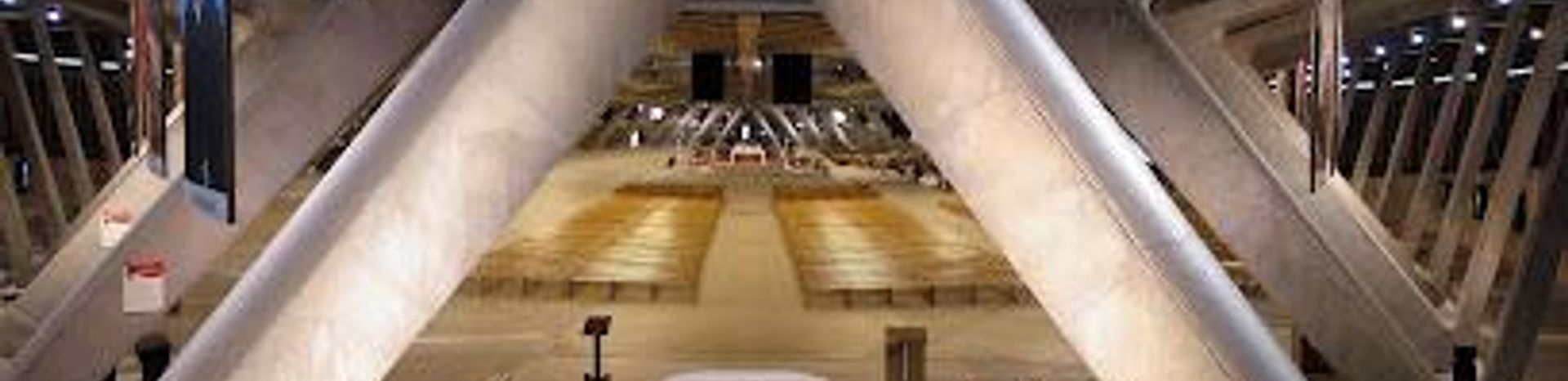
The Basilica of St. Pius X, also known as the Underground Basilica, is a remarkable church in Lourdes, France, part of the Sanctuary of Our Lady of Lourdes. Consecrated in 1958 to commemorate the centenary of the Marian apparitions to Bernadette Soubirous, it stands out for its unique subterranean architecture. Designed to accommodate up to 25,000 pilgrims, it is one of the largest churches in the world. Its modern design, featuring a vast, sparsely decorated interior supported by concrete pillars, offers a serene and contemplative space for worship and reflection. The basilica hosts international masses and the moving Eucharistic procession, making it a central point for pilgrims seeking spiritual solace. Despite its unconventional appearance, the Basilica of St. Pius X remains a powerful symbol of faith and devotion in Lourdes.
A brief summary to Basilica of St. Pius X
- 97 Bd Rémi Sempé, Lourdes, 65100, FR
- +33562427878
- Visit website
- Monday 8 am-6 pm
- Tuesday 8 am-6 pm
- Wednesday 8 am-6 pm
- Thursday 8 am-6 pm
- Friday 8 am-6 pm
- Saturday 8 am-6 pm
- Sunday 8 am-6 pm
Local tips
- Attend the International Mass, held on Wednesdays and Sundays (April to October), for a multilingual worship experience uniting pilgrims from around the world.
- Dress modestly when visiting; covering shoulders and knees is required out of respect for the sacred space.
- Visit during the spring or autumn months to avoid the largest crowds and enjoy pleasant weather.
- Take time to explore the gemmail-style stained glass images depicting the Mysteries of the Rosary and Stations of the Cross for a deeper understanding of the basilica's artistic and spiritual significance.
- Participate in the Blessed Sacrament procession in the afternoon, concluding with a special blessing for the sick.

Getting There
-
Walking
From the center of Lourdes, including areas around the Sanctuary of Our Lady of Lourdes or the Grotto of Massabielle, the Basilica of St. Pius X is easily accessible on foot. Follow the signs within the Sanctuary grounds directing you towards the basilica. It's located beneath the esplanade, near the Rosary Basilica. The walk is generally short and well-marked.
-
Public Transport
If arriving by train at Lourdes station, take bus route 1, 2, 3, 4 or 5 towards the Sanctuary. Get off at a stop near the Sanctuary, such as 'Saint Joseph / Grotte'. From there, follow the walking directions to the Basilica of St. Pius X within the Sanctuary grounds. Bus tickets cost approximately €2 for a single journey.
-
Taxi/Ride-Share
Taxis and ride-sharing services are readily available in Lourdes. A taxi from Lourdes train station or any central location to the Basilica of St. Pius X will cost approximately €7-€10, depending on traffic and the exact starting point. The journey is short, typically taking only a few minutes.
-
Driving
If driving, be aware that parking near the Sanctuary can be challenging, especially during peak season. Metered parking lots are available on nearby streets. Some free parking options exist further from the Sanctuary, such as Lapacca car park, but may require a longer walk. Parking fees in metered lots typically range from €1.50-€2.50 per hour. Check if your accommodation includes parking to avoid difficulties.
Discover more about Basilica of St. Pius X
Iconic landmarks you can’t miss

Miraculous water of Lourdes
0.2 km
Experience faith and healing at the Grotto of Massabielle, where the miraculous water of Lourdes flows freely for pilgrims seeking solace and hope.
Pont Vieux
0.3 km
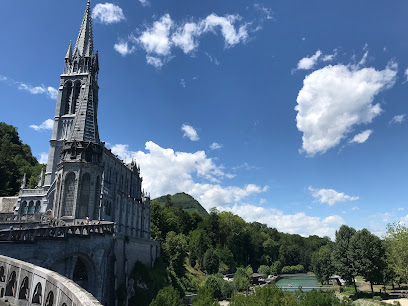
Experience the timeless beauty of Pont Vieux, a medieval bridge in Lourdes, offering stunning views and a glimpse into the city's rich history.
Church of Saint Bernadette
0.3 km
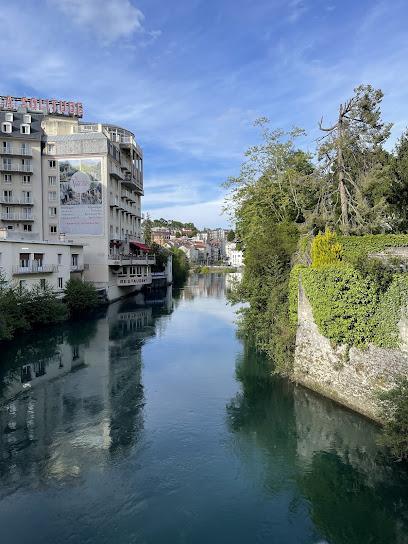
A modern church in Lourdes, built on the site of the final apparition, offering a space for reflection and large gatherings.
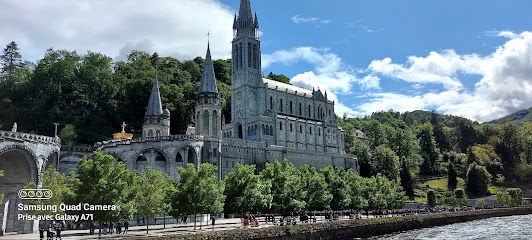
Ancien Presbytère
0.7 km
Visit the Ancien Presbytère in Lourdes, where Bernadette met with Father Peyramale, and discover a piece of Lourdes' spiritual history.
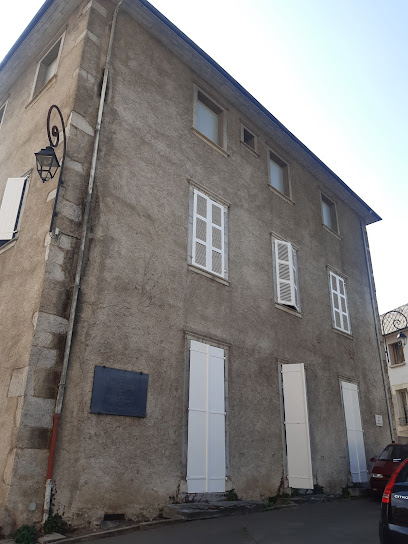
Town hall of Lourdes
0.9 km
Discover the charm of Lourdes at its historic Town Hall, a striking architectural gem and cultural hub in the heart of this captivating French town.
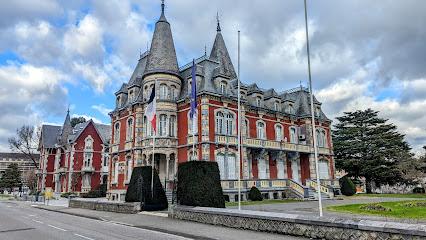
Grotte du Loup
1.1 km
Discover the natural beauty of Grotte du Loup near Lourdes, a former tourist spot now known for climbing and serene landscapes.
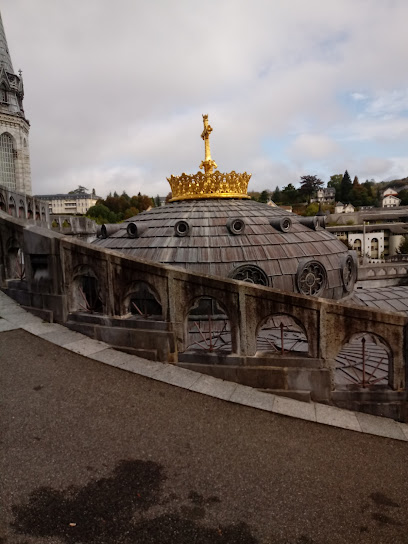
Lourdes Woods
2.4 km
Escape to the tranquility of Lourdes Woods: scenic trails, diverse wildlife, and a peaceful retreat near the famous pilgrimage site.
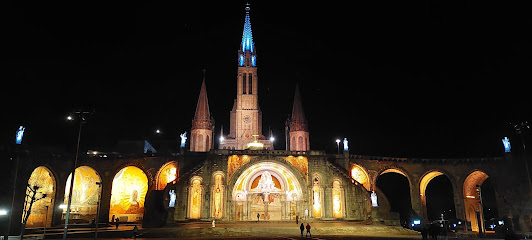
Eglise Saint Saturnin d'Argelès-Gazost
10.8 km
Discover a 19th-century church in Argelès-Gazost with historical treasures and a story of faith and community spirit.
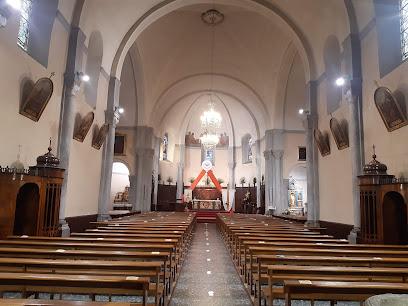
Observatory Midi Pyrénées
16.4 km
Explore the cosmos at the Midi Pyrénées Observatory, a research institute in Tarbes, offering captivating astronomy experiences and educational workshops.
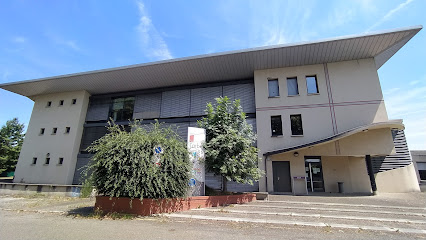
Aupres de Pyrene
16.9 km
Explore the literary charm of Aupres de Pyrene in Bagnères-de-Bigorre, a must-visit book store for every literature lover.
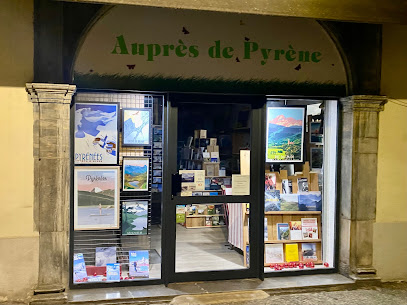
Amour des Pyrénées
17.2 km
Discover the enchanting hiking trails of Amour des Pyrénées in Bagnères-de-Bigorre, where nature and adventure await around every corner.
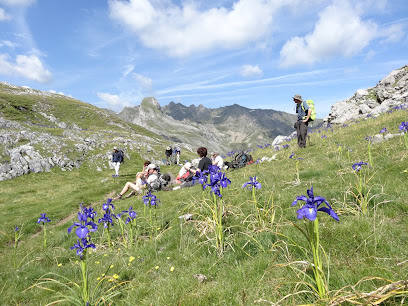
Pyrénéance
17.5 km
Explore the breathtaking landscapes and rich culture of the Pyrenees with Pyrénéance, your premier tour agency in Bagnères-de-Bigorre.
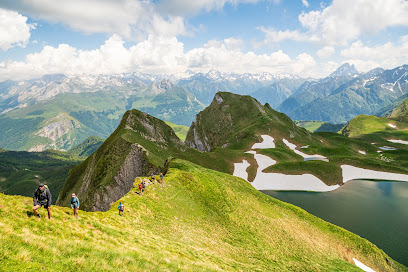
Les Amis du Parc National des Pyrénées (APNP)
18.0 km
Discover the breathtaking landscapes of the Pyrenees with guided hiking experiences at Les Amis du Parc National des Pyrénées in Tarbes.
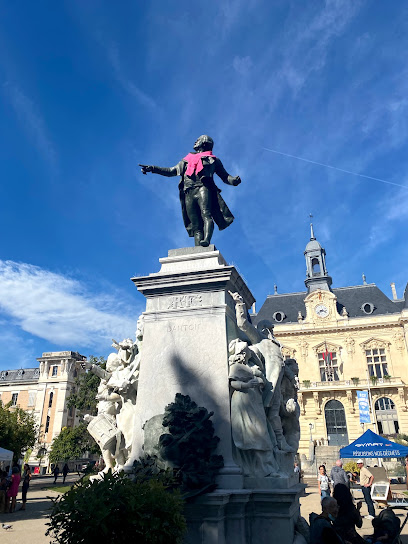
Statue of Danton
18.5 km
A historical landmark in Tarbes, commemorating Georges Danton and the ideals of the French Revolution.
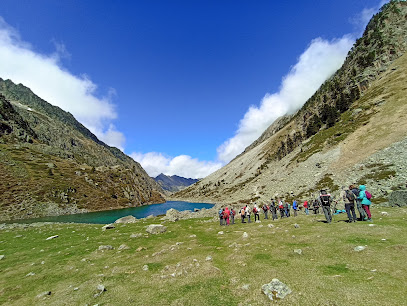
Pic de Predouset
20.9 km
Explore the tranquil beauty of Pic de Predouset, a hidden gem in the Pyrenees offering stunning views and serene hiking experiences in Arrens-Marsous.

Unmissable attractions to see

Museum of the Miracles of Lourdes
0.1 km
Explore the profound history and spiritual significance of Lourdes at the Museum of the Miracles, a captivating destination for every traveler.
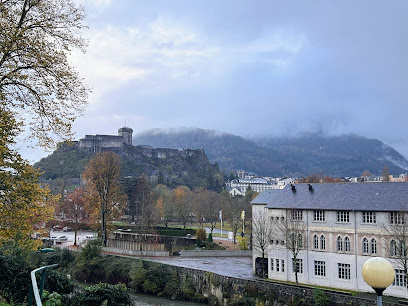
Basilica of Our Lady of the Rosary
0.2 km
Discover the architectural splendor and spiritual heart of Lourdes at the Basilica of Our Lady of the Rosary, a renowned Catholic pilgrimage site.
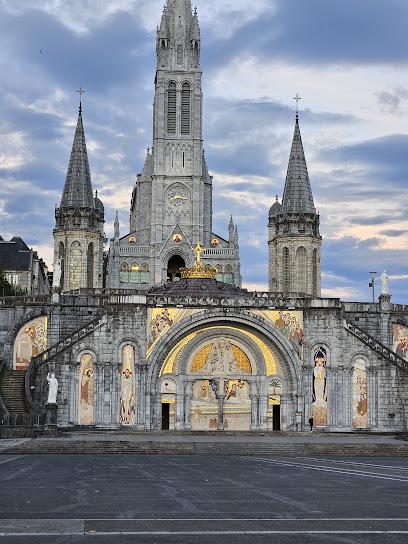
Basilica of the Immaculate Conception
0.3 km
Discover the spiritual heart of Lourdes at the Basilica of the Immaculate Conception, a stunning Gothic Revival masterpiece offering panoramic views and a serene atmosphere for reflection.
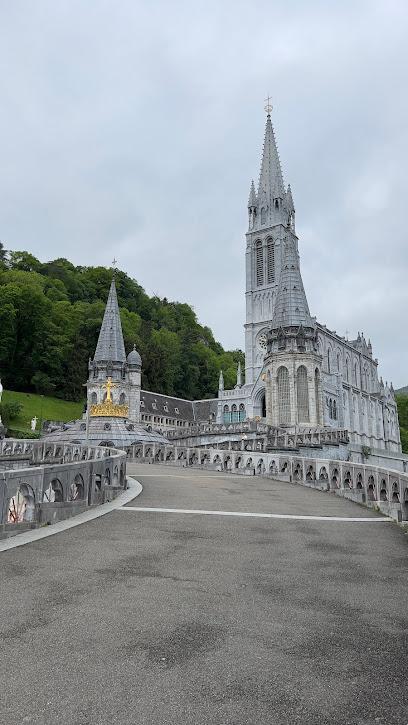
Sanctuary of Our Lady of Lourdes
0.3 km
Discover the Sanctuary of Our Lady of Lourdes, a world-renowned pilgrimage site in the French Pyrenees, where millions seek spiritual healing and experience the profound message of faith and hope.
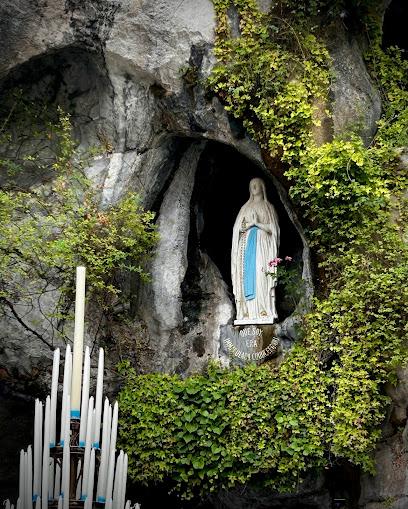
Dormition of the Virgin Ukrainian Catholic Church
0.3 km
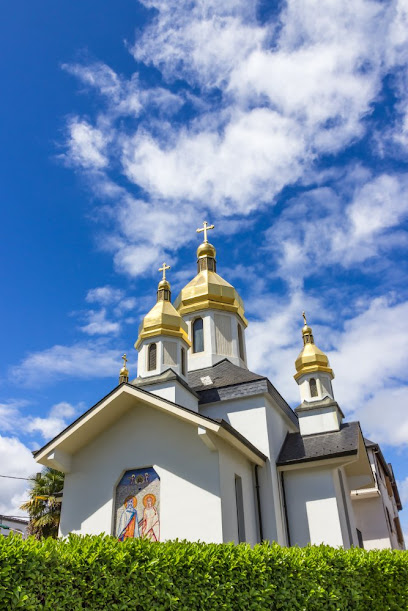
Discover the serene beauty and rich cultural heritage of the Dormition of the Virgin Ukrainian Catholic Church in Lourdes, a unique spiritual sanctuary embodying faith and unity.
Musée de Cire de Lourdes
0.3 km
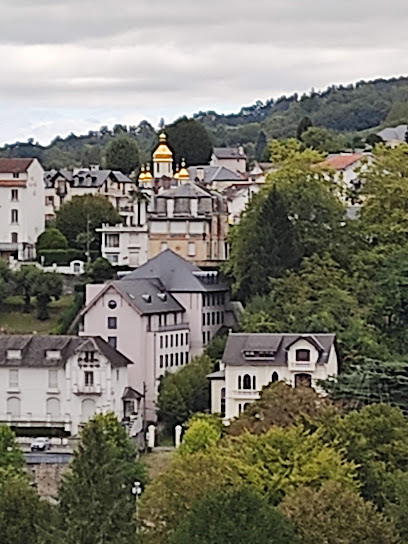
Explore the magical Musée de Cire de Lourdes, where history and artistry come alive through exquisite wax figures and captivating exhibits.
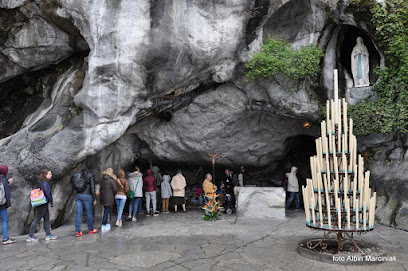
Massabielle Grotto
0.3 km
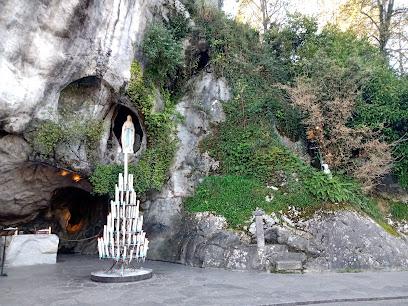
Experience the spiritual heart of Lourdes at the Massabielle Grotto, where faith, healing, and history converge in a serene and awe-inspiring setting, drawing millions of pilgrims annually.
Grotte de Massabielle
0.4 km
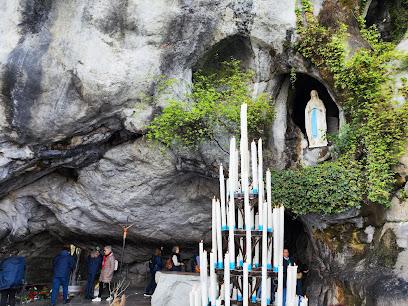
Experience the spiritual heart of Lourdes at the Grotte de Massabielle, where faith, healing, and history converge in a serene and awe-inspiring setting, attracting millions annually.
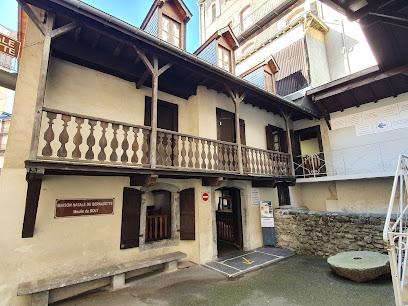
Molino de Boly / Casa natal de Bernardita
0.5 km
Explore the birthplace of Saint Bernadette at Molino de Boly in Lourdes, a captivating museum revealing the profound history and spiritual significance of the site.
Lourdes Baths
0.5 km
Experience spiritual renewal at the Lourdes Baths, where millions have sought healing and solace in the sacred waters since the apparitions of 1858.
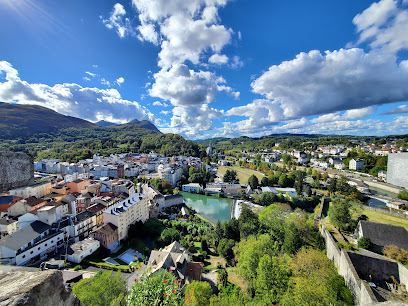
Château Fort Musée Pyrénéen
0.5 km
Explore a thousand years of history, panoramic views, and Pyrenean culture at the Château Fort Musée Pyrénéen in Lourdes, France.
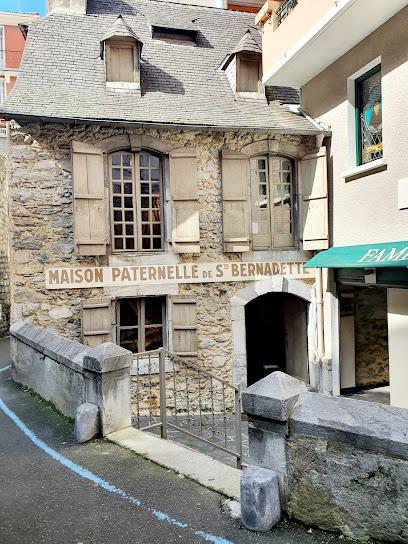
Maison Paternelle de Sainte-Bernadette
0.5 km
Explore the life and legacy of St. Bernadette at Maison Paternelle, a unique museum experience in Lourdes, France, combining history, spirituality, and culture.
Le Cachot
0.6 km
Step back in time and discover the humble beginnings of Saint Bernadette Soubirous at Le Cachot, the former prison cell where her family lived, and witness the origins of the Lourdes miracle.
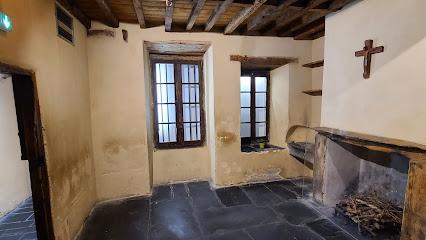
Tourist Office of Lourdes
0.8 km
Explore Lourdes with ease from the Tourist Office, your gateway to sacred sites, local attractions, and the stunning Pyrenees mountains.
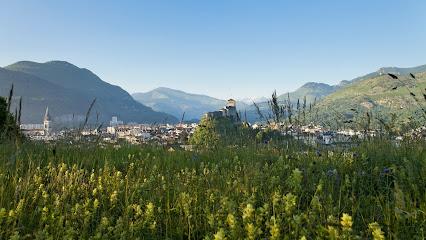
Musée du Petit Lourdes
0.8 km
Explore the rich history and captivating art at the Musée du Petit Lourdes, a cultural gem in the heart of Lourdes, France.
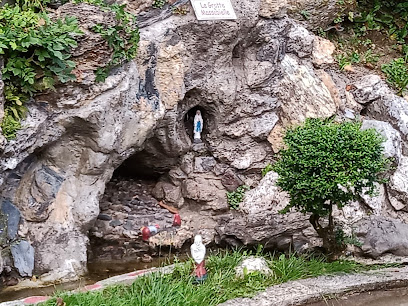
Essential places to dine

Restaurant l' Ermitage
0.1 km
Experience authentic French cuisine at Restaurant l'Ermitage in Lourdes—where local flavors meet exceptional dining.
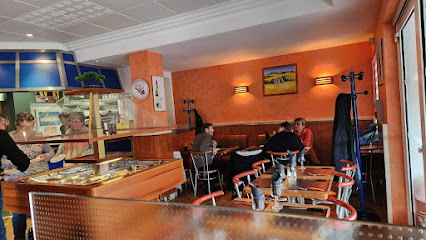
New Orleans Café
0.1 km
Experience the vibrant flavors of New Orleans Café in Lourdes – where delightful dishes meet warm hospitality.
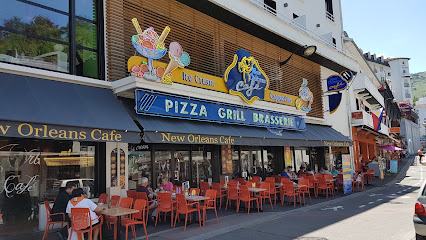
Café Brasserie Les Brancardiers
0.1 km
Experience authentic French cuisine at Café Brasserie Les Brancardiers in Lourdes – where every meal is a celebration of local flavors.
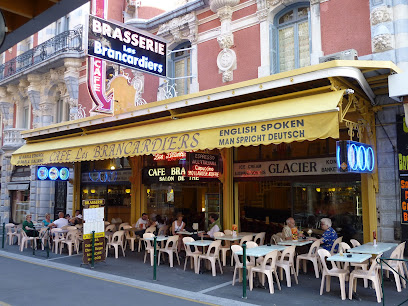
Asian Delices Food
0.2 km
Discover authentic Filipino cuisine at Asian Delices Food in Lourdes, where every dish tells a story of rich flavors and cultural heritage.
Restaurant La Belle Époque
0.2 km
Savor traditional French cuisine at Restaurant La Belle Époque in Lourdes—where culinary history meets contemporary dining.
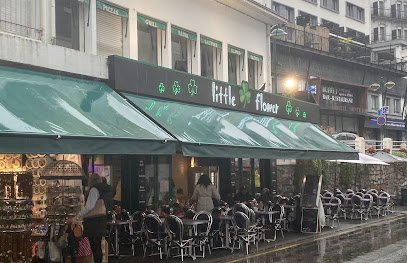
Petit Fleur - Little Flower
0.2 km
Discover the flavors of France at Petit Fleur - Little Flower in Lourdes, where culinary excellence meets local charm in every dish.
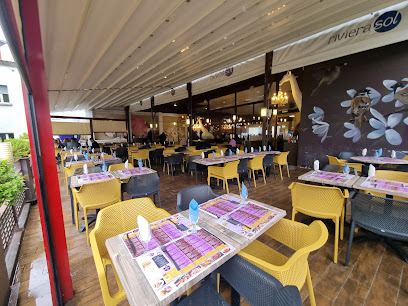
Rivierasol
0.2 km
Discover Rivierasol in Lourdes - A delightful fusion of French cuisine, pizza perfection, and fresh salads in a vibrant atmosphere.
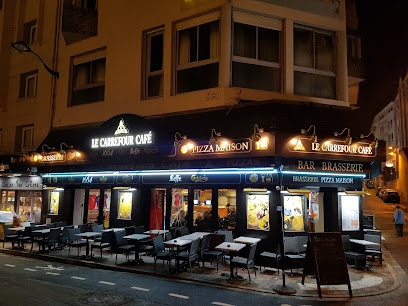
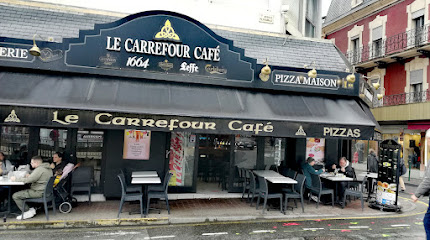
Restaurant Le Carrefour Café
0.3 km
Experience delightful French cuisine at Restaurant Le Carrefour Café in Lourdes - perfect for every palate!
St PAUL CAFE
0.3 km
Experience authentic French cuisine at St Paul Cafe in Lourdes – a cozy spot offering delicious pizzas and local delicacies amidst serene surroundings.
Joan of Arc Cafe
0.3 km
Discover delightful French cuisine at Joan of Arc Cafe in Lourdes—where local flavors meet warm hospitality.
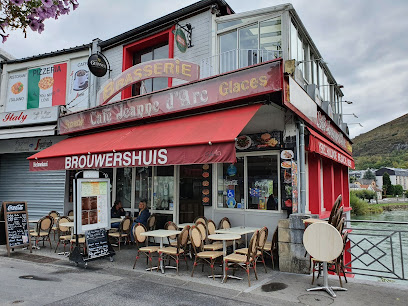
Bar Made In Italy
0.3 km
Experience the best of Italian cuisine at Bar Made In Italy in Lourdes, where authentic flavors meet a warm atmosphere.
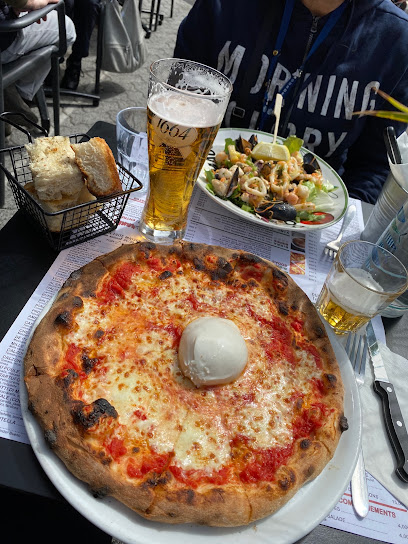
At King Albert
0.3 km
Experience delightful dining at At King Albert in Lourdes—where local flavors meet warm hospitality.
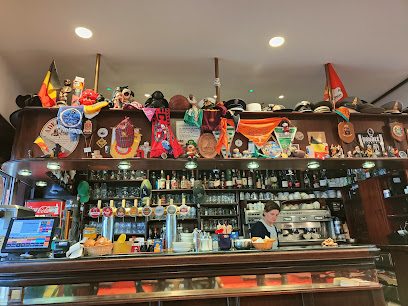
Restaurant Africain CHEZ YACOU
0.3 km
Experience authentic African cuisine at Restaurant Africain CHEZ YACOU in Lourdes—where every dish tells a story.
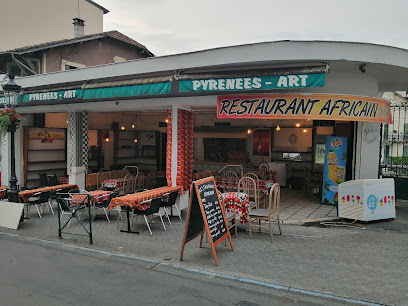
Le Perchoir Lourdes
0.3 km
Experience exquisite dining with breathtaking views at Le Perchoir in Lourdes - a culinary gem in the heart of France.
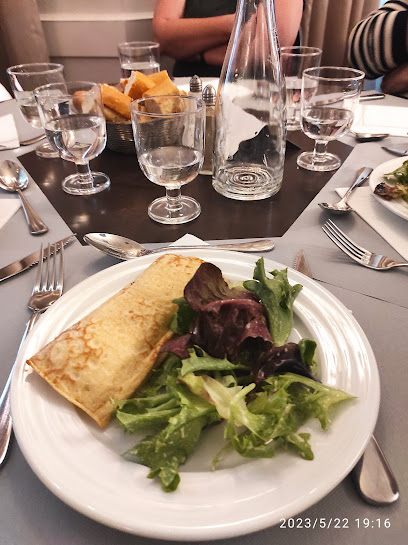
Pasta & Basta
0.4 km
Experience authentic Italian cuisine at Pasta & Basta in Lourdes - where every dish tells a story of tradition and flavor.
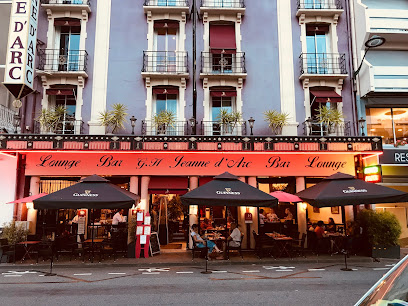
Markets, malls and hidden boutiques

Librairie de la Grotte - la boutique officielle du Sanctuaire Notre - Dame de Lourdes
0.1 km
Explore the Librairie de la Grotte in Lourdes, a spiritual haven offering an extensive selection of religious books and artifacts for every pilgrim.
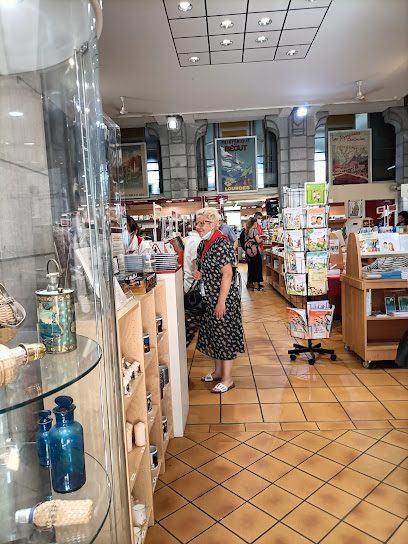
Saint Patrick
0.1 km
Explore the enchanting Saint Patrick souvenir store in Lourdes, offering unique gifts that capture the essence of your travel experience.
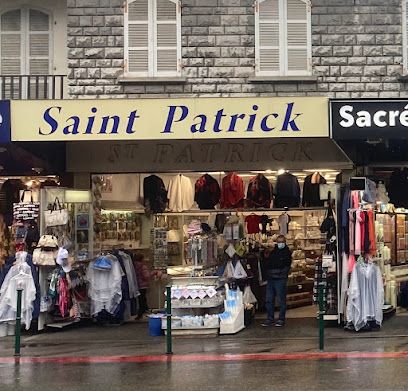
L'Ermitage
0.1 km
Discover L'Ermitage in Lourdes for unique souvenirs that embody the spirit of this sacred pilgrimage destination.
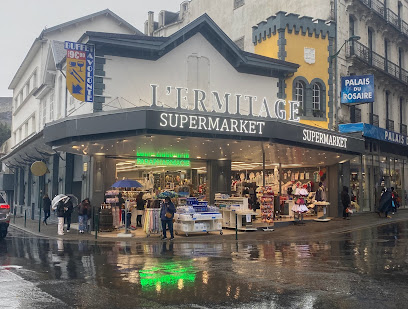
Magasin Euroself
0.1 km
Discover unique souvenirs and local crafts at Magasin Euroself, a charming gift shop in the heart of Lourdes, perfect for all visitors.
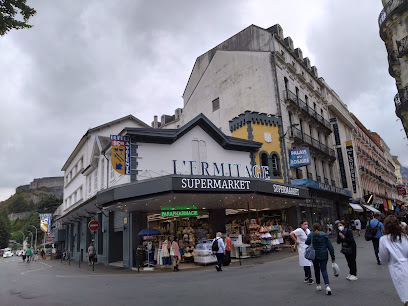
Magasin Soubirous
0.1 km
Discover unique gifts and religious treasures at Magasin Soubirous in Lourdes, a charming destination for every traveler seeking memorable souvenirs.
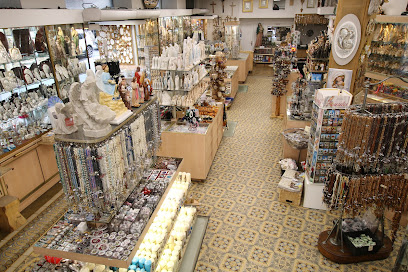
Palais Du Rosaire
0.1 km
Discover the finest selection of artisanal gift baskets at Palais Du Rosaire, where local culture and craftsmanship come together in Lourdes.
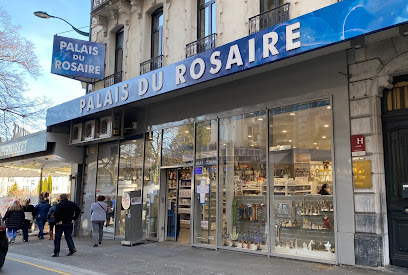
L'ex-voto
0.1 km
Explore L'ex-voto in Lourdes for exquisite gift baskets filled with local delicacies and handcrafted treasures that celebrate the region's rich culture.
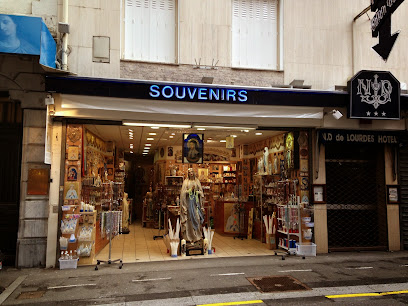
Souvenirs
0.1 km
Explore Lourdes Souvenirs for unique gifts that capture the spirit of this iconic pilgrimage site, perfect for remembering your spiritual journey.
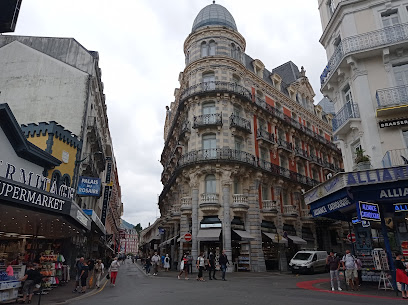
Store Foucauld The Father
0.1 km
Explore the spiritual heart of Lourdes at Store Foucauld The Father, your destination for religious goods and meaningful souvenirs.
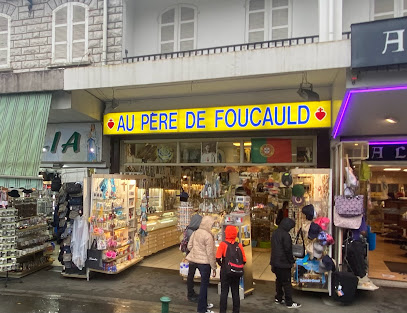
Coecilia/Lourdes-shopping.fr
0.1 km
Discover the charm of Lourdes at Coecilia/Lourdes-shopping.fr, your go-to gift shop for unique souvenirs and local treasures.
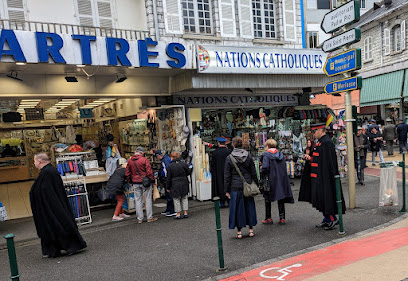
A la Grace de Dieu Anne Marie Michèle
0.1 km
Explore A la Grace de Dieu Anne Marie Michèle, Lourdes’ charming gift shop, offering unique souvenirs and religious artifacts to cherish your spiritual journey.
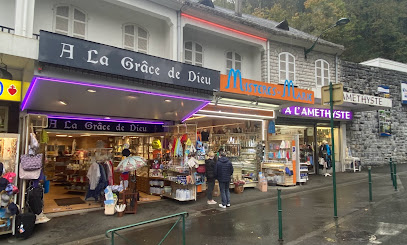
A la Grotte de Lourdes
0.1 km
Discover a treasure trove of religious artifacts and souvenirs at A la Grotte de Lourdes, a must-visit for spiritual seekers in the heart of Lourdes.
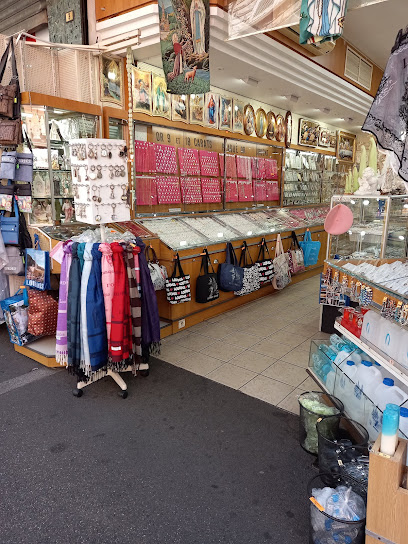
Produits Monastiques (Le bastan)
0.1 km
Explore Produits Monastiques in Lourdes for gourmet delights, artisanal products, and unique souvenirs that capture the spirit of the region.
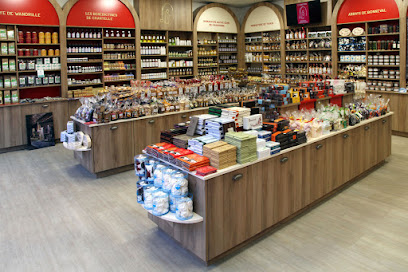
Magasin Notre Dame des Victoires
0.2 km
Explore the charm of Magasin Notre Dame des Victoires in Lourdes, your perfect destination for unique souvenirs and religious artifacts.
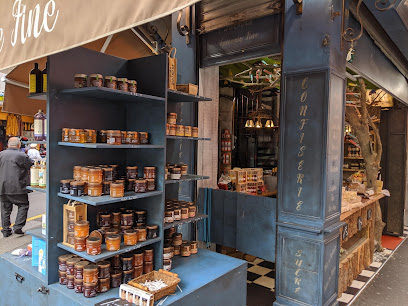
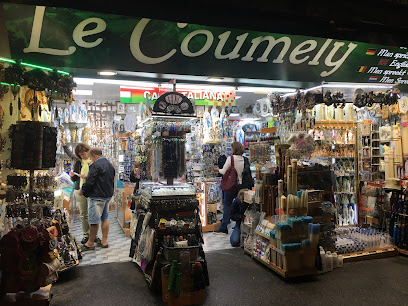
Le Coumely store
0.2 km
Explore Le Coumely Store in Lourdes for unique religious gifts, exquisite jewelry, and local souvenirs that embody the spirit of this spiritual destination.
Essential bars & hidden hideouts

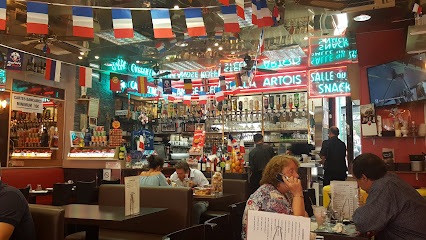
Le Saint Honoré Café Brasserie
0.1 km
Discover the perfect blend of café culture and bar charm at Le Saint Honoré in Lourdes. Enjoy local cuisine and a welcoming atmosphere.
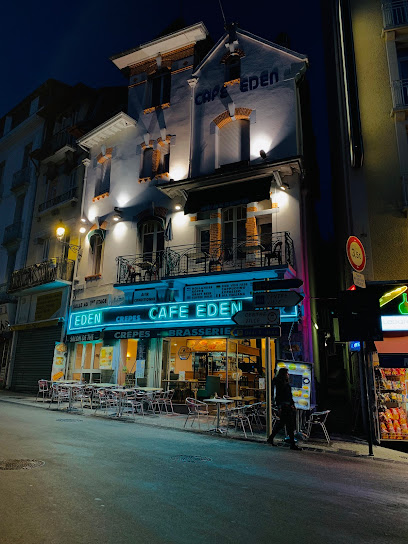
L'EDEN Bar Brasserie
0.3 km
Discover the flavorful delights of L'EDEN Bar Brasserie in Lourdes, where local brews and French cuisine come together in a warm, inviting atmosphere.
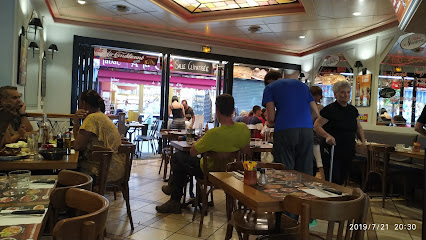
Le Navarre
0.4 km
Experience authentic French dining at Le Navarre in Lourdes, where every meal is a celebration of flavor and tradition.
Show Case Time
0.5 km
Experience the vibrant nightlife of Lourdes at Show Case Time, where great drinks and good company await in a lively atmosphere.
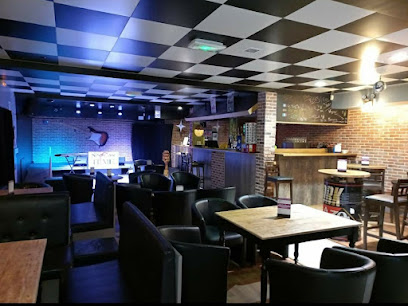
Le Phocéen
0.5 km
Experience the vibrant flavors of Le Phocéen, a tapas bar in Lourdes offering authentic Spanish cuisine and a cozy atmosphere perfect for social dining.
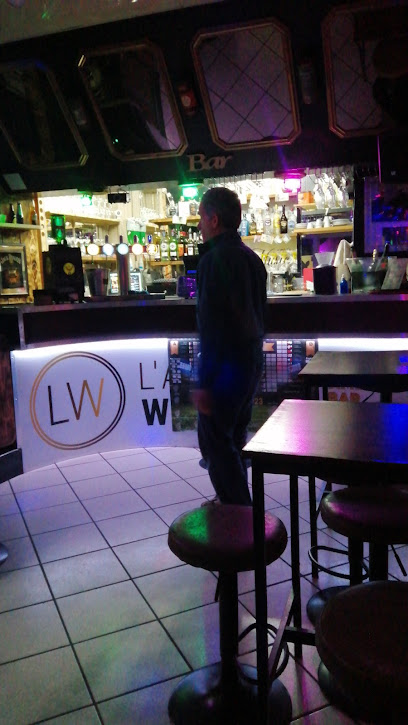
The Limerick Irish Pub
0.6 km
Experience authentic Irish hospitality at The Limerick Irish Pub in Lourdes, where good food, great drinks, and lively entertainment await travelers.
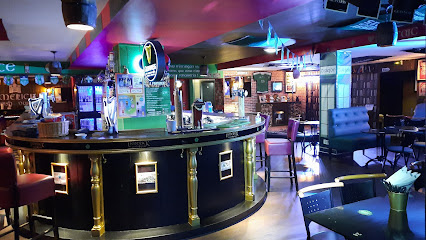
Le Cardinal Bar Brasserie
0.6 km
Discover the local charm at Le Cardinal Bar Brasserie in Lourdes, a cozy spot for drinks and light bites amid the city's rich heritage.
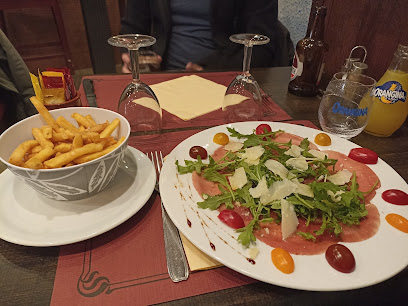
Café Brasserie Le Barcelonne
0.7 km
Experience the warmth of French hospitality at Café Brasserie Le Barcelonne in Lourdes, where delicious cuisine meets charming atmosphere.
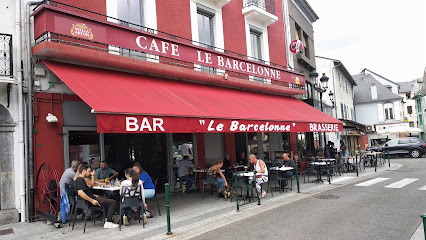
Café Le Cantegril
0.7 km
Discover the charm of Café Le Cantegril in Lourdes, where delicious cuisine and a warm atmosphere await every traveler.
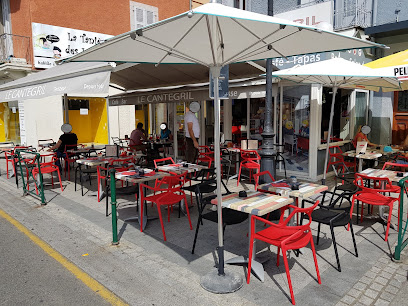
Bar des PTT
0.7 km
Experience the charm of Lourdes at Bar des PTT, a cozy bar and café offering delightful drinks and local flavors in a welcoming atmosphere.
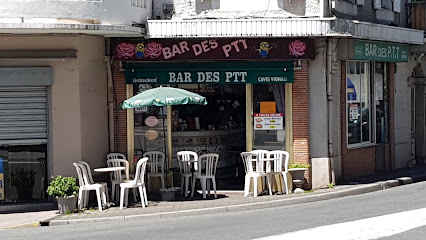
Bar Toutatis
0.8 km
Discover the exquisite wines of Bar Toutatis in Lourdes, where every sip tells a story of tradition and taste.
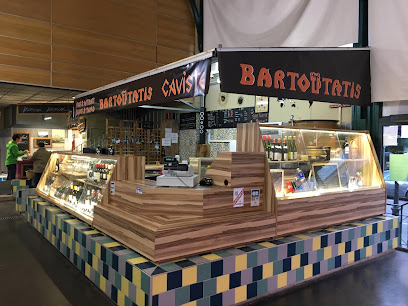
La Pergola
1.2 km
Discover the cozy charm of La Pergola in Lourdes, where delightful drinks and welcoming ambiance await every visitor.
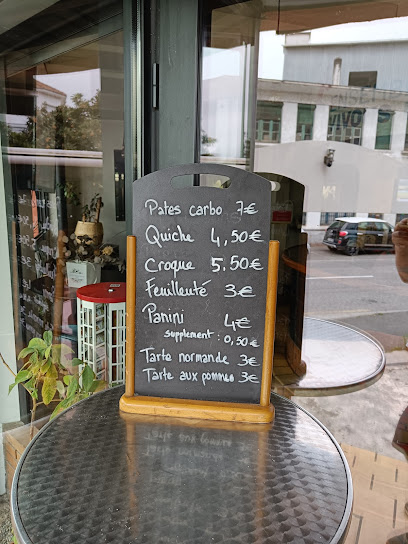
Bar d'Azun
10.8 km
Discover the inviting atmosphere of Bar d'Azun, a charming bar in Argelès-Gazost, perfect for drinks and local flavors after an adventurous day.
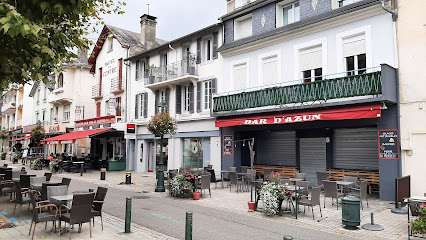
O Toulouse
15.9 km
Experience the vibrant atmosphere and delightful drinks at O Toulouse, a charming bar in Laloubère, where local culture comes alive.
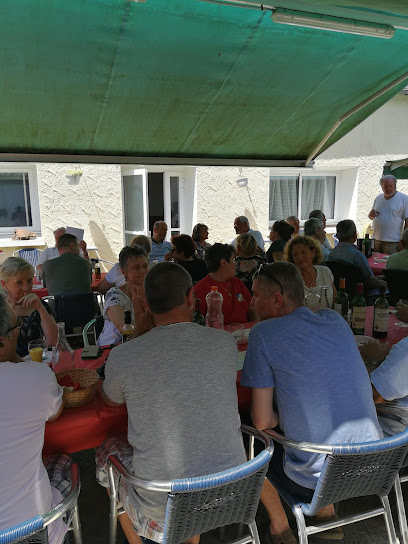
L'excuse
16.9 km
Experience the cozy ambiance and vibrant atmosphere at L'excuse, the perfect bar in Bagnères-de-Bigorre for a relaxing drink after exploring.
Nightclubs & after hour spots

The Munster Bar
0.6 km
Experience the heart of Irish hospitality at The Munster Bar in Lourdes, where great drinks and warm camaraderie await every visitor.
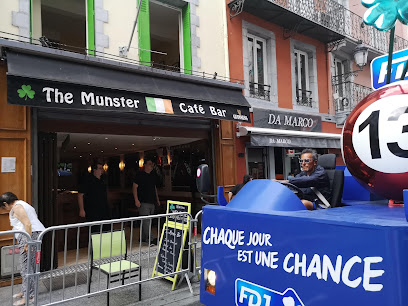
La Bamba
0.7 km
Discover Lourdes' vibrant nightlife at La Bamba, a premier night club where music, dance, and fun come together for an unforgettable experience.
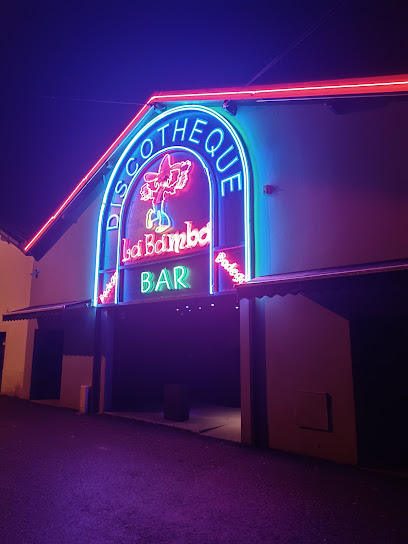
Bar De L'hotel De Ville
0.9 km
Experience the welcoming charm of Bar De L'hotel De Ville in Lourdes, where locals and tourists gather for great drinks and lively atmosphere.
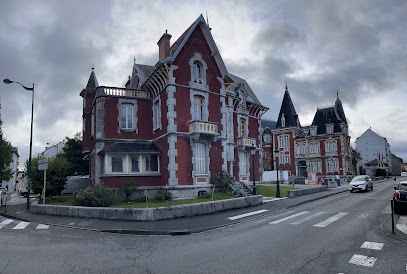
Media cancha
1.0 km
Experience the lively nightlife at Media Cancha, a vibrant bar in Lourdes offering a great selection of drinks and a welcoming atmosphere.
Field Of Golf Country Club De Bigorre
16.9 km
Experience golfing excellence and exquisite dining at the Field Of Golf Country Club De Bigorre, where the beauty of the Pyrenees meets luxury.
URBAN CLUB
18.3 km
Dive into the vibrant nightlife of Tarbes at Urban Club, where music, dancing, and unforgettable experiences await until dawn.
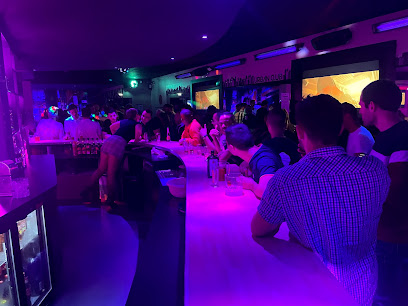
RG
19.3 km
Experience the electrifying nightlife at RG Night Club in Tarbes, where music, dance, and vibrant energy come together for an unforgettable night out.
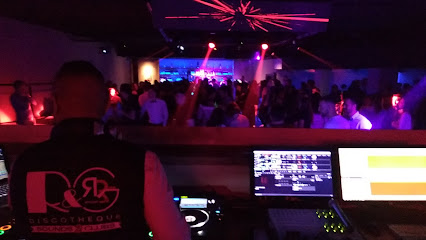
Le W
33.5 km
Discover vibrant nightlife at Le W, Pau's chic lounge, where stylish decor meets an extensive drink menu in a welcoming atmosphere.
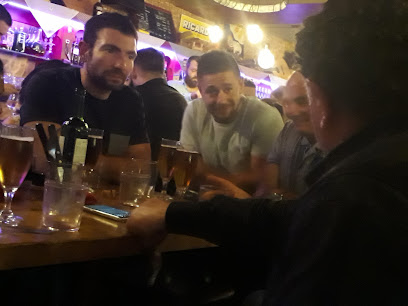
Durango
34.0 km
Discover the electric atmosphere of Durango, the ultimate night club in Pau, where unforgettable nights filled with music and dance await you.
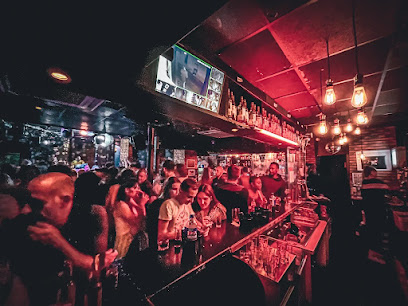
New Red Lion
34.4 km
Discover New Red Lion in Pau: A lively beer hall with karaoke, pool tables, and a vibrant atmosphere perfect for a night out.
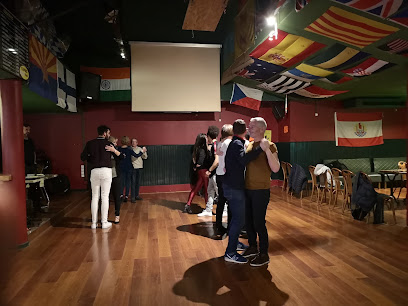
La Noche
38.5 km
Dance the night away at La Noche, Lons' vibrant disco club, where music meets excitement for an unforgettable nightlife experience.
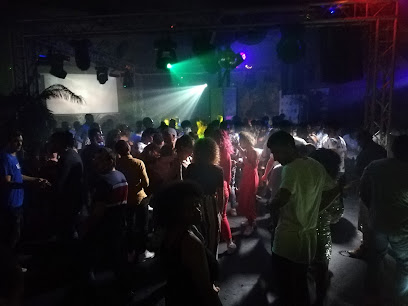
Secret Club Formigal
43.7 km
Discover the electrifying nightlife at Secret Club Formigal, where exceptional DJs and a lively atmosphere await every night.
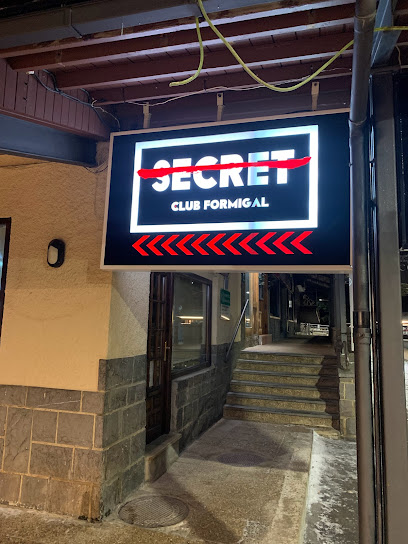
Nightclub - La Luna
43.7 km
Dance the night away at La Luna, the top disco club in Saint-Lary-Soulan, where vibrant nightlife meets the beauty of the Pyrenees.
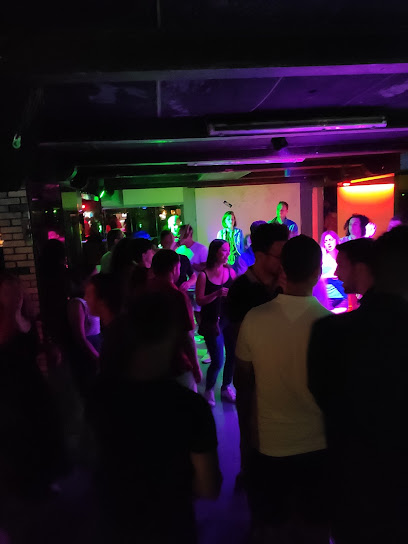
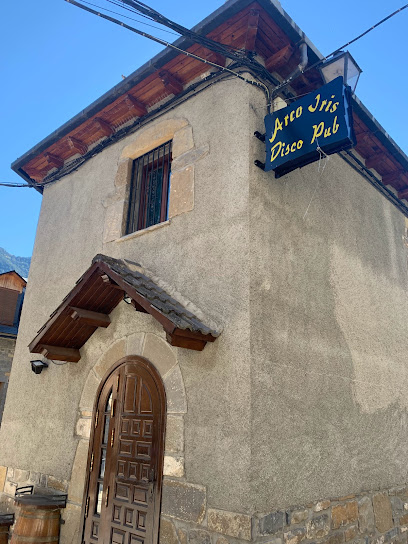
Arco Iris Disco Pub
52.6 km
Dive into the lively atmosphere of Arco Iris Disco Pub, where music, dancing, and unforgettable nights await in the heart of Torla-Ordesa.
EL XALET DE VIELHA
81.9 km
Experience the vibrant nightlife of El Xalet de Vielha, where music, dance, and the stunning Pyrenees create unforgettable memories.