

Carmes (Toulouse) Travel Guide - Free
Explore Carmes in Toulouse with Evendo's free guide. Find the best shops, historic streets, restaurants, and gems on web or mobile.


Carmes in Toulouse blends medieval streets, the Marché des Carmes, museums, cafés and South-West French flavours in a lively historic quarter.
A Historic Quarter beside the Garonne
Carmes occupies a compact part of central Toulouse south of the Capitole, where medieval street patterns, grand private mansions and lively market life meet. Its name recalls the Carmelite religious community that once occupied this area; today, Place des Carmes and the surrounding streets form one of the city's most recognisable urban quarters. Narrow routes such as rue Pharaon, rue Ozenne and rue des Filatiers open unexpectedly onto small squares, elegant façades and café terraces.Read more about Carmes
Mansions, Museums and Sacred Architecture
Market Life and Contemporary Dining
Best attractions in Carmes
Carmes offers a concentrated sequence of sights within a short walk. Marché couvert des Carmes is the neighbourhood's everyday focal point, combining food shopping with an opportunity to observe local routines and regional produce. The Musée des Augustins, housed in a former Augustinian convent on rue de Metz, presents medieval and later art in an architecturally important setting. Notre-Dame de la Dalbade adds a striking religious landmark, while streets such as rue Ozenne and rue Pharaon reveal brick façades, carved doorways and the courtyards of former private mansions. Place Mage provides a smaller-scale urban pause amid restaurants and historic buildings. At the edges of the quarter, the Garonne and Jardin Royal extend the experience towards riverside walks and formal greenery, although their exact boundaries sit close to adjoining central districts.
-
Tourist attraction
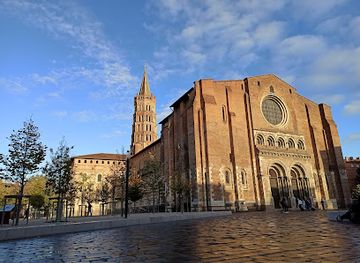
Basilique Saint-Sernin de Toulouse
Explore the Romanesque masterpiece of Basilique Saint-Sernin, a UNESCO World Heritage site and a symbol of Toulouse's rich history.
15 min walk · 1.2 km from neighbourhood centre
-
Church
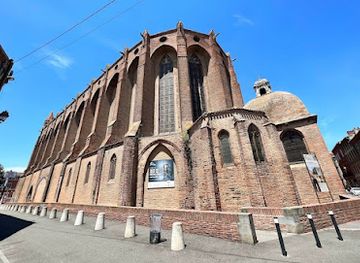
Couvent des Jacobins
Explore the Couvent des Jacobins in Toulouse: a stunning example of Southern Gothic architecture with a rich history and unique 'palm tree' vault.
9 min walk · 0.7 km from neighbourhood centre
-
Tourist attraction
Grand Rond
Escape to Toulouse's historic Grand Rond: a circular garden oasis with lush greenery, vibrant flowers, and tranquil pathways.
10 min walk · 0.8 km from neighbourhood centre
-
Tourist attraction
Muséum de Toulouse
Explore the wonders of the natural world at Muséum de Toulouse, home to millions of specimens and interactive exhibits for all ages.
7 min walk · 0.6 km from neighbourhood centre
Best landmarks in Carmes
Carmes is marked by a close relationship between religious buildings, Renaissance private architecture and the market structure that replaced older commercial arrangements. Notre-Dame de la Dalbade is among its most recognisable landmarks, with a richly detailed façade and a long connection to the parish life of this part of Toulouse. The former Augustinian convent, now home to the Musée des Augustins, is significant both as an architectural complex and as a major art institution. Around rue Ozenne and nearby lanes, hôtels particuliers reveal the wealth of merchants and officials who shaped early modern Toulouse, while Place des Carmes and its covered market represent the neighbourhood's continuing civic and commercial role. The quarter's warm brick buildings and irregular street plan are themselves important elements of its identity.
-
Historical landmark
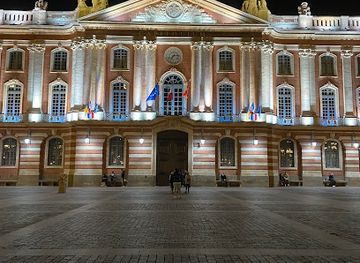
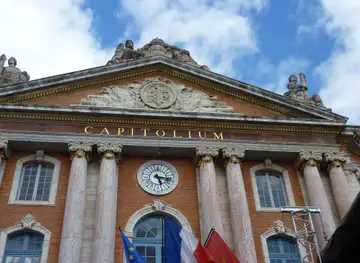
Place du Capitole
Experience the vibrant atmosphere and stunning architecture of Place du Capitole, the heart of Toulouse, rich in history and local culture.
9 min walk · 0.8 km from neighbourhood centre
-
Botanical garden
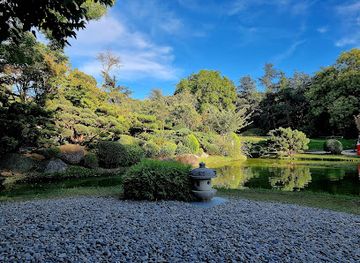
Pierre-Baudis Japanese Garden
Experience tranquility at the Pierre-Baudis Japanese Garden in Toulouse – a serene escape showcasing Japanese culture and breathtaking landscapes.
6 min drive · 1.9 km from neighbourhood centre
-
Basilica
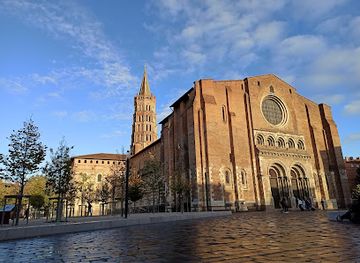
Basilique Saint-Sernin de Toulouse
Discover the stunning architecture and rich history of Basilique Saint-Sernin, a UNESCO World Heritage site in Toulouse, France.
15 min walk · 1.2 km from neighbourhood centre
-
Garden
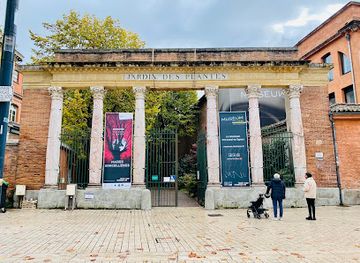
Jardin des Plantes
Discover the tranquil beauty of Jardin des Plantes, a botanical garden gem in Toulouse, perfect for leisure and exploration amidst nature's splendor.
10 min walk · 0.8 km from neighbourhood centre
Explore Carmes on the map
A handpicked selection of must-see spots in Carmes, mapped for you.
Best hotels in Carmes
Best restaurants in Carmes
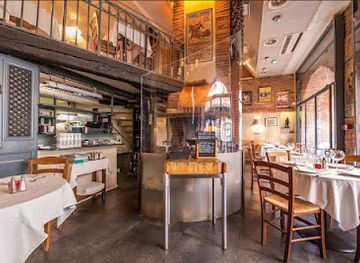
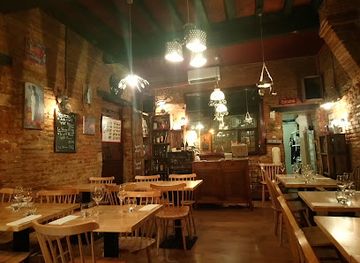
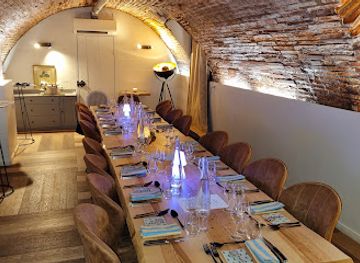
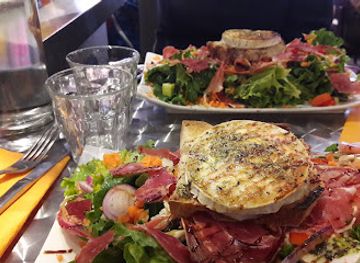
Dining in Carmes is shaped by the covered market, Toulouse's regional food culture and the quarter's concentration of independent restaurants, cafés and wine-focused venues. Marché couvert des Carmes is useful for encountering fresh produce, cheeses, charcuterie and prepared foods associated with south-western France, while nearby streets offer settings ranging from informal cafés to more polished contemporary restaurants. Foie gras, duck, cassoulet and other regional traditions may appear on menus, though the local scene also includes Mediterranean, international and modern interpretations. Around Place des Carmes, rue Ozenne, rue Pharaon and Place Mage, food businesses occupy historic ground floors and often spill into outdoor seating. The market is primarily a daytime experience; evening dining is more dispersed through the surrounding lanes, where reservations may be sensible for particularly sought-after restaurants.
-
French
La Braisière
Experience authentic French cuisine at La Braisière - where tradition meets elegance in every dish.
1 min walk · 0.1 km from neighbourhood centre
-
Restaurant
Restaurant Une Table à Deux
Experience the essence of French gastronomy at Une Table à Deux in Toulouse - where every meal tells a story.
3 min walk · 0.3 km from neighbourhood centre
-
Restaurant
La Verrière
Discover La Verrière: A delightful restaurant in Toulouse offering exquisite French cuisine and a curated selection of wines.
1 min walk · 0.1 km from neighbourhood centre
-
Bistro
Le Bistrot des Carmes
Savor traditional French flavors at Le Bistrot des Carmes in Toulouse – where every meal is a celebration of culinary art.
1 min walk · 0.1 km from neighbourhood centre
Best bars in Carmes
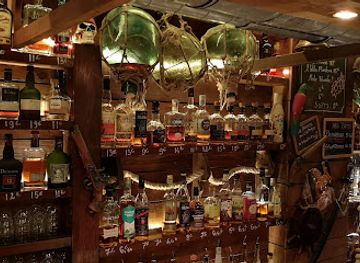
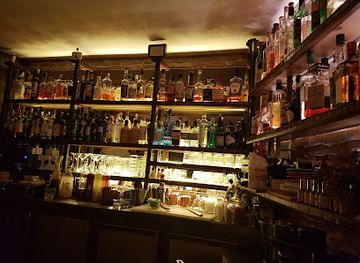
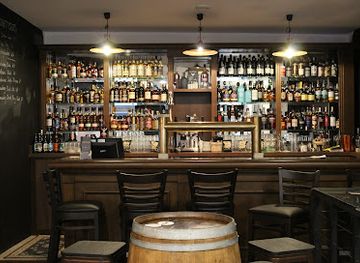
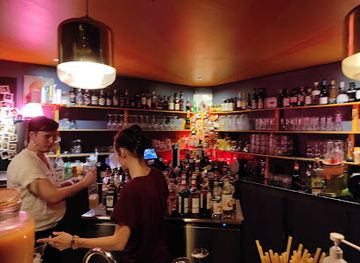
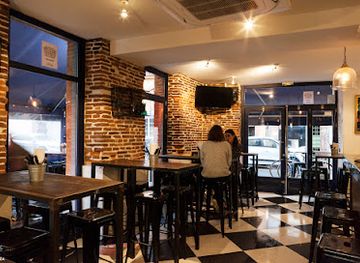
Carmes has a sociable evening scene rather than a large-scale club district. Wine bars, cocktail spots, cafés and restaurant terraces gather around Place Mage, Place des Carmes and the streets leading towards rue Pharaon, giving the quarter a steady after-dark flow. The atmosphere is strongest where historic façades frame compact terraces, while quieter residential lanes quickly return to a local rhythm. Evening entertainment generally centres on conversation, food, wine and small-group gatherings rather than major nightclubs or purpose-built venues. The quarter's central position makes it easy to continue towards other parts of Toulouse after dinner, but visitors staying locally should remember that many surrounding buildings are residential and that noise carries through the narrow streets.
-
Bar
The Dry Dock
Experience the vibrant atmosphere of The Dry Dock in Toulouse, where local culture meets delicious drinks and unforgettable nights.
9 min walk · 0.7 km from neighbourhood centre
-
Cocktail bar
Fat Cat
Experience the vibrant cocktail culture at Fat Cat, Toulouse's premier bar offering creative drinks and an unforgettable atmosphere.
11 min walk · 0.8 km from neighbourhood centre
-
Pub
The Hopscotch Pub & Brewery
Experience the best of Toulouse's craft beer culture at The Hopscotch Pub & Brewery, where great brews and delicious food await.
8 min walk · 0.6 km from neighbourhood centre
-
Bar
Moloko
Discover the vibrant nightlife at Moloko, a premier bar and club in Toulouse offering cocktails, music, and unforgettable experiences.
1 min walk · 0.1 km from neighbourhood centre
Best nightclubs in Carmes
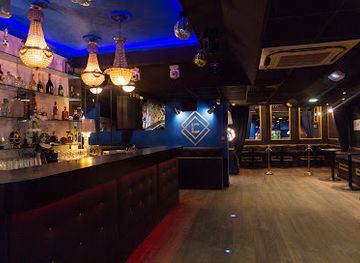
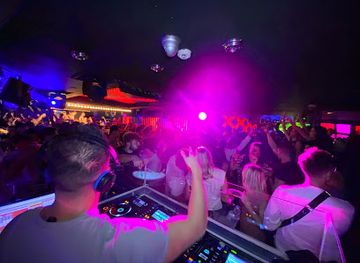
Carmes has a sociable evening scene rather than a large-scale club district. Wine bars, cocktail spots, cafés and restaurant terraces gather around Place Mage, Place des Carmes and the streets leading towards rue Pharaon, giving the quarter a steady after-dark flow. The atmosphere is strongest where historic façades frame compact terraces, while quieter residential lanes quickly return to a local rhythm. Evening entertainment generally centres on conversation, food, wine and small-group gatherings rather than major nightclubs or purpose-built venues. The quarter's central position makes it easy to continue towards other parts of Toulouse after dinner, but visitors staying locally should remember that many surrounding buildings are residential and that noise carries through the narrow streets.
-
Tapas Bar
Le Club
Experience the vibrant flavors of Spain in the heart of Toulouse at Le Club, a lively tapas bar offering delicious dishes and an energetic atmosphere.
4 min walk · 0.3 km from neighbourhood centre
-
Disco club
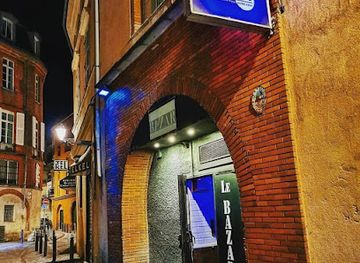
Le Bazar
Experience the electrifying nightlife at Le Bazar, Toulouse's top disco club, where vibrant music and an energetic crowd come together.
6 min walk · 0.5 km from neighbourhood centre
-
Disco club
ICE CLUB
Discover the electrifying nightlife at ICE CLUB in Toulouse, where unforgettable parties and vibrant beats await every night.
8 min walk · 0.6 km from neighbourhood centre
-
Night club
Le Purple
Discover the vibrant nightlife of Toulouse at Le Purple, a stylish night club offering an energetic atmosphere and diverse music for an unforgettable evening.
12 min walk · 0.9 km from neighbourhood centre
Best shops in Carmes
Shopping in Carmes is centred on food, specialist retail and independent businesses rather than department stores. Marché couvert des Carmes is the principal destination, with stalls and traders associated with fresh produce, meat, fish, cheese, prepared foods and other ingredients used in south-west French cooking. Around the market and along rue Pharaon, rue Ozenne and adjoining streets, visitors find delicatessens, bakeries, wine shops, cafés and small lifestyle or fashion businesses mixed with everyday services. The strongest retail experience comes from browsing rather than searching for souvenirs, since the quarter's appeal lies in its continuing role as a local shopping district. Larger-scale commercial streets are nearby in central Toulouse, but Carmes retains a more intimate market-and-independent-shop character.
-
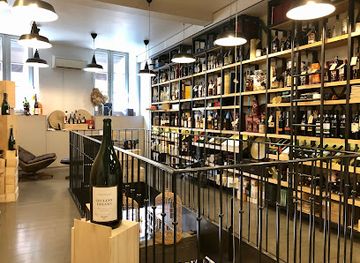
Wine store
La Boutique des Vins
Explore La Boutique des Vins in Toulouse for an extensive selection of local and international wines, expertly curated for every palate.
2 min walk · 0.1 km from neighbourhood centre
-
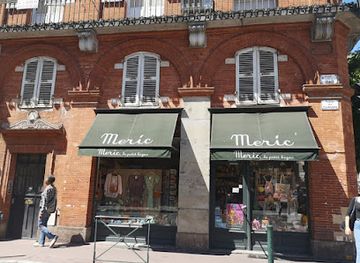
Fashion accessories store
Meric
Discover stylish accessories for all ages at Meric in Toulouse, a boutique that blends chic fashion with a cozy shopping experience.
2 min walk · 0.1 km from neighbourhood centre
-
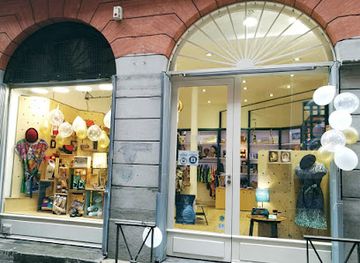
Store
Mano Facto
Explore Mano Facto, a treasure trove of local art and design in Toulouse, where creativity meets culture in every unique piece.
3 min walk · 0.2 km from neighbourhood centre
-
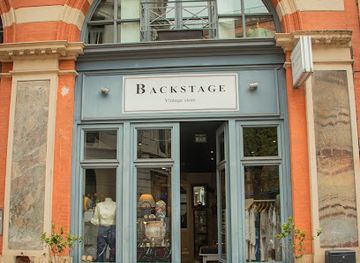
Women's clothing store
Backstage Vintage Store
Explore unique vintage women's fashion at Backstage Vintage Store in Toulouse, a treasure trove of sustainable style and timeless elegance.
3 min walk · 0.3 km from neighbourhood centre
Carmes essentials
Getting There
Getting Around
Safety
Emergency Situations
Do's and Don'ts
Local Tips

From Eve
Local phrases worth knowing
You don't need to get them perfect. A few words go a long way, and locals appreciate the effort.
Basics
| English | Local | Say it |
|---|---|---|
| Hello | Bonjour | [bohn-zhoor] |
| Goodbye | Au revoir | [oh ruh-vwahr] |
| Yes | Oui | [wee] |
| No | Non | [nohn] |
| Please/You're welcome | S'il vous plaît / De rien | [seel voo pleh / duh ryuhn] |
| Thank you | Merci | [mehr-see] |
| Excuse me/Sorry | Excusez-moi / Désolé | [ehk-skew-zay mwah / day-zoh-lay] |
| How are you? | Comment ça va? | [koh-mohn sah vah] |
| Fine. And you? | Bien. Et toi? | [byehn. ay twah] |
| Do you speak English? | Parlez-vous anglais? | [par-lay voo ahn-glay] |
| I don't understand | Je ne comprends pas | [zhuh nuh kohm-prahnd pah] |
Eating & Drinking
| English | Local | Say it |
|---|---|---|
| I'd like to see the menu, please | Je voudrais voir la carte, s'il vous plaît | [zhuh voo-dray vwahr lah kart, seel voo pleh] |
| I don't eat meat | Je ne mange pas de viande | [zhuh nuh mahnj pah duh vyand] |
| Cheers! | Santé! | [sahn-tay] |
| I would like to pay, please | Je voudrais payer, s'il vous plaît | [zhuh voo-dray pay-ay, seel voo pleh] |
Emergencies
| English | Local | Say it |
|---|---|---|
| Help! | Au secours! | [oh suh-koor] |
| Go away! | Allez-vous en! | [ah-lay vooz ahn] |
| Call the Police! | Appelez la police! | [ah-peh-lay lah plees] |
| Call a doctor! | Appelez un médecin! | [ah-peh-lay uh meh-deh-sahn] |
| I'm lost | Je suis perdu | [zhuh swee pehr-doo] |
| I'm ill | Je suis malade | [zhuh swee mah-lahd] |
Shopping
| English | Local | Say it |
|---|---|---|
| I'd like to buy... | Je voudrais acheter... | [zhuh voo-dray zheh-tey...] |
| I'm just looking | Je regarde juste | [zhuh ruh-gahrd zhew-stuh] |
| How much is it? | Combien ça coûte? | [kohm-byen sah koot] |
| That's too expensive | C'est trop cher | [say troh shair] |
| Can you lower the price? | Pouvez-vous baisser le prix? | [poo-vey voo bey-say luh pree] |
Time & Numbers
| English | Local | Say it |
|---|---|---|
| What time is it? | Quelle heure est-il? | [kehl uhr eh-teel] |
| It's one o'clock | Il est une heure | [eel ehz oon uhr] |
| Half past (10) | Dix et demi | [dees ay duh-mee] |
| Morning | Matin | [ma-tahn] |
| Afternoon | Après-midi | [ah-pray mee-dee] |
| Evening | Soir | [swahr] |
| Yesterday | Hier | [yehr] |
| Today | Aujourd'hui | [oh-zhoor-dwee] |
| Tomorrow | Demain | [duh-mahn] |
| 1 | Un | [uhn] |
| 2 | Deux | [duh] |
| 3 | Trois | [twah] |
| 4 | Quatre | [kat] |
| 5 | Cinq | [sank] |
| 6 | Six | [sees] |
| 7 | Sept | [set] |
| 8 | Huit | [weet] |
| 9 | Neuf | [nurf] |
| 10 | Dix | [dees] |
Transport & Directions
| English | Local | Say it |
|---|---|---|
| Where's a/the...? | Où est...? | [oo eh...] |
| What's the address? | Quelle est l'adresse? | [kehl eh lah-dress] |
| Can you show me (on the map)? | Pouvez-vous me montrer (sur la carte)? | [poo-vey voo muh mohn-tray (soor lah kart)] |
| When's the next (bus)? | Quand est le prochain (bus)? | [kahnd eh luh proh-shahn (boos)] |
| A ticket (to ....) | Un billet (pour ...) | [uhn bee-yay (poor ...)] |
History of Carmes
The Carmelite Foundation
The neighbourhood takes its name from the Carmelites, a religious order whose presence helped define this part of Toulouse during the medieval period. Their convent and associated buildings stood near what became Place des Carmes, within a dense quarter of churches, workshops and homes south of the historic centre. The area was connected to Toulouse's wider parish and commercial life, but its identity was also shaped by religious institutions and the narrow street network that still distinguishes the quarter. The Carmelite presence disappeared during the upheavals of the French Revolution, when religious properties were confiscated and urban land began to be reorganised for new civic and commercial purposes.
Merchants and Renaissance Mansions
Toulouse's prosperity during the late medieval and Renaissance periods left a particularly visible mark on Carmes. Merchants and officials associated with the regional pastel trade and the city's legal and administrative institutions built substantial private residences, or hôtels particuliers, among more modest houses and workshops. Courtyards, staircases and sculpted stone details survive in several streets, although many façades were altered over time. The quarter's proximity to the Garonne and to important central routes supported trade, while its churches and convents gave the district a strong religious presence. This mixture of commerce, civic status and faith created the architectural texture visitors encounter today.
From Convents to a Covered Market
The nineteenth century brought major changes to Carmes as Toulouse modernised its streets, sanitation and food distribution. Former ecclesiastical land was adapted to new urban uses, and the district became increasingly associated with commerce and daily shopping. Marché couvert des Carmes was established in the late nineteenth century, replacing older forms of open-air market activity with a permanent covered facility. The market helped preserve the quarter's role as a place where residents bought fresh food and exchanged news, while improvements to surrounding streets made Carmes more accessible from other parts of central Toulouse.
Heritage and Urban Renewal
During the twentieth and early twenty-first centuries, Carmes experienced the pressures common to historic central districts: traffic management, restoration of old buildings, changing retail patterns and the conversion of some homes into offices or apartments. The preservation of brick architecture, religious buildings and Renaissance hôtels particuliers has strengthened its cultural appeal, while restaurants, cafés and specialist food businesses have expanded around the market and nearby squares. The quarter remains a lived-in part of Toulouse rather than an open-air museum, and its contemporary identity depends on the continuing coexistence of residents, heritage institutions, market traders and evening businesses.
Carmes in Photos
Browse through our photo collection highlighting the charm and character of the destination.
Neighbourhoods near Carmes
The closest neighbourhoods to Carmes, if you have time for more than one stop.
-
-

-

-


Swipe for more neighbourhoods
Explore more

Explore more of Toulouse
Toulouse, France’s Pink City, combines Roman and medieval heritage with aerospace museums, riverside walks, lively markets, southern cuisine and culture.
Explore Toulouse