

Free Kakheti Travel Guide & Mobile App
Explore Kakheti with free travel guides. Discover regional history, expert tips, proposed trips, and audio guides on web or mobile app.


Explore Kakheti’s vineyards, qvevri wine cellars, monasteries, fortified towns and mountain parks across eastern Georgia.
Read more about Kakheti
When is the best time to visit Kakheti?
Best: April–May, September · 21–28°C| Month | High (°C) | Rainfall (mm) |
|---|---|---|
| January | 10 | 40 |
| February | 12 | 35 |
| March | 15 | 45 |
| April (best) | 21 | 50 |
| May (best) | 26 | 55 |
| June | 31 | 50 |
| July | 34 | 45 |
| August | 34 | 40 |
| September (best) | 28 | 45 |
| October | 20 | 50 |
| November | 14 | 55 |
| December | 9 | 60 |
Getting to and around Kakheti
How to get there
Transportation
Top city travel guides in Kakheti
The cities of Kakheti, and the easiest places to base yourself.
-

-
-

-

-


Swipe for more cities
Best attractions in Kakheti
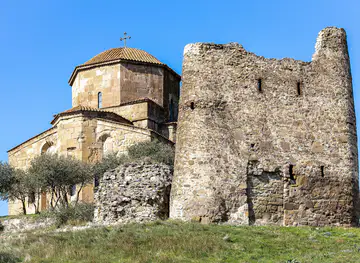
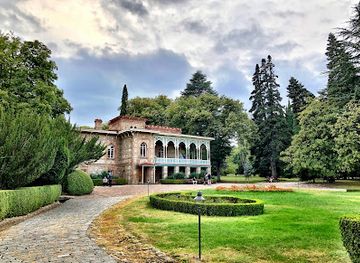
Kakheti’s attractions range from substantial religious monuments to working vineyards and remote protected landscapes. In the Alazani Valley, Alaverdi Cathedral, Gremi Architectural Complex, Ikalto Monastery and the Tsinandali estate show different aspects of the region’s ecclesiastical, royal and aristocratic past. Sighnaghi combines a compact historic town with sections of its defensive wall and views over the valley, while Bodbe Monastery lies nearby in a wooded setting associated with Saint Nino. Wine tourism is not limited to large estates: village cellars and family producers offer insight into qvevri fermentation, harvest customs and regional food. For outdoor travel, Lagodekhi Protected Areas provide forest trails, gorges and waterfalls, Vashlovani Protected Areas present a much drier landscape of eroded formations and open valleys, and Tusheti offers highland villages, historic towers and demanding mountain routes. These environments are not interchangeable; each requires different equipment, transport and seasonal planning.
-
Tourist attraction
Bodbe's St. Nino's Convent Cathedral
Discover spiritual serenity at Bodbe Monastery near Sighnaghi, Georgia, the final resting place of St. Nino, with stunning views of the Alazani Valley.
-
Museum
House Museum of Alexander Chavchavadze
Explore a noble estate in Kakheti: History, culture, gardens, and Georgia's first European-style winery await at the Alexander Chavchavadze Museum.
-
Historical landmark
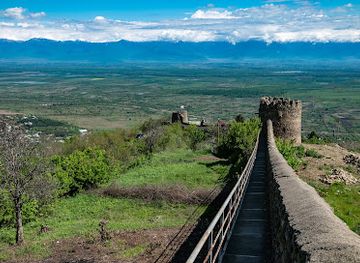
Sighnaghi Wall
Explore the historic Sighnaghi Wall in Georgia, offering breathtaking views of the Alazani Valley and a glimpse into the region's rich cultural heritage.
-
Resort hotel
Lopota Lake Resort & Spa
Discover Kakheti's charm at Lopota Lake Resort & Spa: luxury accommodations, diverse activities, and exquisite wines await in a stunning natural setting.


Best landmarks in Kakheti
Gremi’s church, castle and surviving architectural complex are among Kakheti’s clearest symbols of its former royal power, recalling the sixteenth-century capital of the Kingdom of Kakheti. Alaverdi Cathedral dominates the central valley with its tall medieval form and monastic setting, while Nekresi preserves a group of early Christian and later ecclesiastical buildings on a hillside above the plain. Bodbe Monastery is an important religious landmark near Sighnaghi because of its association with Saint Nino. Sighnaghi’s stone fortifications and towers define the hill town’s outline and reflect the defensive needs of eastern Georgia. In the south, Khornabuji Fortress rises above the landscape near Dedoplistskaro, linking a dramatic natural setting with the region’s long military history. Natural landmarks are equally significant: the forests and waterfalls of Lagodekhi, the dry formations of Vashlovani and the high valleys of Tusheti demonstrate how sharply Kakheti’s geography changes across a single region.
-
Cathedral
Bodbe's St. Nino's Convent Cathedral
Discover the spiritual heart of Georgia at Bodbe's St. Nino's Convent Cathedral, a stunning blend of history, architecture, and breathtaking views.
-
National park
Tbilisi National Park
Experience the tranquility and natural beauty of Tbilisi National Park, a stunning escape just outside Georgia's capital, perfect for adventure and relaxation.
-
Museum
House Museum of Alexander Chavchavadze
Discover the rich cultural heritage of Georgia at the House Museum of Alexander Chavchavadze in Tsinandali, where history and beauty intertwine.
-
Historical landmark
Sighnaghi Wall
Discover the majestic Sighnaghi Wall, a historical gem offering breathtaking views and rich cultural experiences in Georgia's charming Kakheti region.


Explore Kakheti on the map
Plan your trip on one map. See where the top cities, national parks and sights are, and book hotels and experiences in a few clicks.
Best hotels in Kakheti
Best restaurants in Kakheti
Kakhetian dining is closely connected with vineyards, household hospitality and long shared meals. Menus commonly feature grilled meat, stews, fresh herbs, beans, aubergine with walnuts, local cheeses and bread, while churchkhela remains a familiar grape-and-nut confection sold in markets and village shops. Mtsvadi, meat cooked over charcoal, is strongly associated with Georgian feasting and is frequently encountered in rural settings, although it is part of the wider national cuisine rather than an exclusive Kakhetian invention. Telavi and Sighnaghi offer the broadest choice of restaurants, cafés and wine-focused dining, while estates and guesthouses often serve set meals matched with local bottles or qvevri wines. In higher districts such as Tusheti, food is heartier and shaped by mountain pastoral traditions, with dishes such as khinkali appearing in regional variations. Confirm arrangements in advance at rural guesthouses, where meals may be prepared only for resident guests.
-
Georgian
Kakhelebi
Discover authentic Georgian flavors at Kakhelebi - where tradition meets taste in Tbilisi's culinary scene.
-
Resort hotel
Lopota Lake Resort & Spa
Discover unparalleled relaxation at Lopota Lake Resort & Spa in Georgia's scenic Kakheti region—where luxury meets nature.
-
Georgian
Kapiloni
Experience authentic Georgian cuisine at Kapiloni in Telavi - where tradition meets taste.
-
Wine cellar
Vineria Kakheti
Experience authentic Georgian cuisine and exceptional local wines at Vineria Kakheti - a must-visit destination for every traveler.


Best bars in Kakheti
Kakheti is not a major clubbing destination; evenings generally centre on wine bars, restaurant terraces, hotel courtyards and traditional pubs rather than late-night dance venues. Telavi has the region’s broadest selection of places for an evening drink, including venues focused on Georgian wines and informal local dining. Sighnaghi’s compact centre is suited to relaxed dinners and tastings, with activity varying by season and visitor numbers. Around Kvareli and Tsinandali, winery spaces may offer scheduled tastings or cultural programmes, but these should not be assumed to continue late into the night. In villages, the evening experience is more likely to involve a guesthouse meal, a supra-style gathering or conversation over wine than a commercial nightlife scene. Drink responsibly, particularly when travelling by road, and arrange transport before visiting rural cellars.
-
Resort hotel
Lopota Lake Resort & Spa
Discover the luxurious Lopota Lake Resort & Spa, where nature meets comfort in Georgia's breathtaking landscapes.
-
Restaurant
Vineria Kakheti
Discover the heart of Kakheti at Vineria Kakheti, where exquisite wines and traditional Georgian cuisine come together in a stunning vineyard setting.
-
Hotel
Chateau Mere
Experience luxurious accommodations and exquisite wines at Chateau Mere, nestled in the picturesque landscapes of Telavi, Georgia.
-
Restaurant
Kerovani Winery
Discover the essence of Georgian winemaking at Kerovani Winery in Sighnaghi, where tradition meets breathtaking views and exquisite flavors.


Best nightclubs in Kakheti
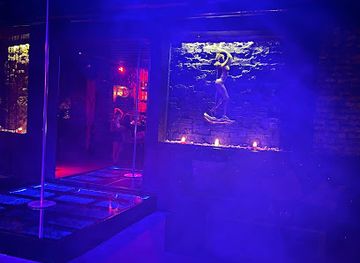
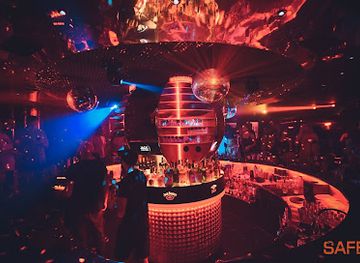
Kakheti is not a major clubbing destination; evenings generally centre on wine bars, restaurant terraces, hotel courtyards and traditional pubs rather than late-night dance venues. Telavi has the region’s broadest selection of places for an evening drink, including venues focused on Georgian wines and informal local dining. Sighnaghi’s compact centre is suited to relaxed dinners and tastings, with activity varying by season and visitor numbers. Around Kvareli and Tsinandali, winery spaces may offer scheduled tastings or cultural programmes, but these should not be assumed to continue late into the night. In villages, the evening experience is more likely to involve a guesthouse meal, a supra-style gathering or conversation over wine than a commercial nightlife scene. Drink responsibly, particularly when travelling by road, and arrange transport before visiting rural cellars.
-
Night club
KHIDI CLUB 中 კლუბი ხიდი
Dive into Tbilisi's vibrant nightlife at KHIDI CLUB, where great music meets a stylish atmosphere along the scenic embankment.
-
Adult entertainment club
Night Life
Discover Tbilisi's nightlife, where vibrant clubs and disco experiences create unforgettable evenings filled with music and dance.
-
Night club
Night Office
Dive into Tbilisi's nightlife at Night Office, the ultimate hub for music, dance, and unforgettable memories in Georgia's vibrant capital.
-
Night club
Safe Night Club
Discover the heart of Tbilisi's nightlife at Safe Night Club, where music, cocktails, and vibrant energy come together for an unforgettable experience.


Best shops in Kakheti
Shopping in Kakheti is centred on market towns, wine producers and small food businesses rather than large retail centres. Telavi has the most useful everyday shopping and a lively market culture, where visitors may find seasonal fruit, herbs, cheeses, churchkhela and other Georgian produce. Sighnaghi’s historic streets contain galleries, craft outlets and boutiques aimed at visitors, while Kvareli and Tsinandali are practical places to buy bottled wine directly from producers. Look for qvevri wines, grape products, honey, preserves, walnuts and locally made textiles or ceramics, checking labelling and transport arrangements before purchasing bottles for an international journey. Rural markets change with the agricultural season, and many small producers accept cash more readily than cards. Souvenirs are best chosen for their connection with Kakheti’s farming and wine traditions rather than for generic Georgian branding.
-
Resort hotel
Lopota Lake Resort & Spa
Discover tranquility and luxury at Lopota Lake Resort & Spa, a picturesque getaway in the heart of Georgia, perfect for relaxation and adventure.
-
Cheese shop
Cheese Shop
Explore a delightful selection of artisanal cheeses in Badiauri's charming Cheese Shop, where local flavors meet international favorites.
-
Cafe
ChikChiki Cafe • ჭიკჭიკი კაფე
Experience the essence of Georgian cuisine and vibrant nightlife at ChikChiki Cafe in Sighnaghi, a perfect blend of food, drinks, and live music.
-
Winery
VELLINO Wine Cellar
Discover the essence of Georgian winemaking at VELLINO Wine Cellar, where exceptional wines meet exquisite dining in a breathtaking setting.


Get your free copy of our complete guide to Kakheti, delivered straight to you.
Everything on this page, from attractions and restaurants to essentials and local phrases, in one PDF you can read offline, print or share.
Already have an account? Sign in
Your Kakheti guide is ready.
We'll send it to · Not you? Sign out

Getting your guide ready…
We are putting together a fresh copy of the Kakheti guide. This can take up to a minute.
This can take a few moments. If your browser asks, choose Allow so the download can start. You'll find the guide in your Downloads folder.
Nothing happened? Download it again
Sorry, the guide is taking longer than usual. Please try again in a minute, or get it by email instead.
Kakheti essentials
Currency and Payment
Safety
Emergency Situations
Do's and Don'ts
Local Tips
From Eve
Local phrases worth knowing
You don't need to get them perfect. A few words go a long way, and locals appreciate the effort.
Basics
| English | Local | Say it |
|---|---|---|
| Hello | Howdy | [Ha-dee] |
| Goodbye | See ya later | [See ya lay-ter] |
| Yes | Yep | [Yep] |
| No | Nope | [Nope] |
| Please/You're welcome | Sure thing | [Shur thing] |
| Thank you | Thanks a lot | [Thanks a lot] |
| Excuse me/Sorry | Pardon me | [Par-don me] |
| How are you? | How's it going? | [How's it goin'?] |
| Fine. And you? | Good. How about you? | [Good. How 'bout you?] |
| Do you speak English? | You speakin' English? | [You speakin' English?] |
| I don't understand | I don't get it | [I don't git it] |
Eating & Drinking
| English | Local | Say it |
|---|---|---|
| I'd like to see the menu, please | Can I see the menu? | [Can I see the men-you?] |
| I don't eat meat | I'm a vegetarian | [I'm a vege-tair-ee-an] |
| Cheers! | Cheers! | [Cheers!] |
| I would like to pay, please | Can I get the check? | [Can I git the check?] |
Emergencies
| English | Local | Say it |
|---|---|---|
| Help! | Help! | [Help!] |
| Go away! | Leave me alone! | [Leave me alone!] |
| Call the Police! | Call 911! | [Call nine-one-one!] |
| Call a doctor! | Get a doctor! | [Get a doctor!] |
| I'm lost | I'm turned around | [I'm turned around] |
| I'm ill | I'm not feeling well | [I'm not feelin' well] |
Shopping
| English | Local | Say it |
|---|---|---|
| I'd like to buy... | I wanna buy... | [I wanna buy...] |
| I'm just looking | Just browsing | [Just browsin'] |
| How much is it? | What’s the price? | [What’s the price?] |
| That's too expensive | That's a bit pricey | [That's a bit pry-see] |
| Can you lower the price? | Can you bring the price down? | [Can you bring the price down?] |
Time & Numbers
| English | Local | Say it |
|---|---|---|
| What time is it? | What time ya got? | [What time ya got?] |
| It's one o'clock | It's one | [It's one] |
| Half past (10) | Half past ten | [Half past ten] |
| Morning | Morning | [Mornin'] |
| Afternoon | Afternoon | [Afternoon] |
| Evening | Evenin' | [Evenin'] |
| Yesterday | Yesterday | [Yesterday] |
| Today | Today | [Today] |
| Tomorrow | Tomorrow | [Tomorrow] |
| 1 | One | [One] |
| 2 | Two | [Two] |
| 3 | Three | [Three] |
| 4 | Four | [Four] |
| 5 | Five | [Five] |
| 6 | Six | [Six] |
| 7 | Seven | [Seven] |
| 8 | Eight | [Eight] |
| 9 | Nine | [Nine] |
| 10 | Ten | [Ten] |
Transport & Directions
| English | Local | Say it |
|---|---|---|
| Where's a/the...? | Where's the nearest...? | [Where's the nearest...?] |
| What's the address? | What's the address? | [What's the address?] |
| Can you show me (on the map)? | Can you point it out? | [Can you point it out?] |
| When's the next (bus)? | When's the next bus? | [When's the next bus?] |
| A ticket (to ....) | A ticket to... | [A ticket to...] |
History of Kakheti
Early settlements and the ancient wine tradition
Kakheti has long supported settled farming in the Alazani and Iori basins, where fertile soils, water and a comparatively dry climate favoured cereals, orchards and vines. Archaeological evidence from Georgia has helped establish the exceptional antiquity of winemaking in the South Caucasus, while clay vessels related to the qvevri tradition remain a defining feature of regional wine culture. The modern visitor should understand this as a continuing agricultural practice rather than a museum reconstruction: families and wineries in Kakheti still use underground vessels, although production methods vary widely.
Christianity and the medieval monasteries
Christianity became central to Kakheti during the early medieval period, and monasteries developed as places of worship, learning, manuscript culture and estate management. Alaverdi, Nekresi and Ikalto are among the most important surviving religious centres. Their buildings reflect successive periods of construction and restoration rather than a single architectural moment. The tradition associated with Saint Nino, who is said to have helped convert the Georgian kingdom to Christianity in the fourth century, remains especially important at Bodbe near Sighnaghi.
The medieval Kingdom of Kakheti
Kakheti emerged as a distinct political centre during Georgia’s medieval fragmentation, with royal authority shifting between settlements and fortified sites. Gremi became the capital of the Kingdom of Kakheti in the sixteenth century and developed into a commercial and political centre on routes linking the Caucasus with Iran and the wider region. The surviving church, castle and ruins at Gremi convey both the ambition of the kingdom and the vulnerability of an exposed frontier. Repeated warfare with neighbouring powers damaged towns and disrupted trade across eastern Georgia.
Persian influence and the eighteenth-century revival
For centuries, Kakheti stood within a contested borderland shaped by the Ottoman and Persian empires, with Persian influence particularly significant in eastern Georgia. Population movements, raids and political pressure affected agriculture and settlement, yet local Georgian institutions and Christian traditions endured. The reign of King Erekle II, who ruled Kakheti before becoming king of the united eastern Georgian kingdom of Kartli-Kakheti, is associated with attempts to strengthen the state and resist external powers. His legacy is visible in the political memory and architectural heritage of the region.
Russian annexation and imperial administration
The Kingdom of Kartli-Kakheti was annexed by the Russian Empire in 1801, bringing eastern Georgia under imperial administration and ending its independent monarchy. Roads, administrative institutions and commercial links were gradually reshaped, while landholding and social relationships also changed. Kakheti retained its agricultural importance, particularly for wine and grain, but regional production increasingly operated within imperial markets. The period helped connect the valleys more closely with Tbilisi and other centres, even as political control moved away from local royal institutions.
Wine production in the nineteenth and twentieth centuries
Kakheti’s vineyards became increasingly important during the nineteenth century, when estates, merchants and emerging industrial methods expanded production for markets across the Russian Empire. The Tsinandali estate is a notable expression of this period, combining aristocratic culture, vineyards and European-influenced winemaking. Soviet rule later reorganised agriculture through state and collective farms, favouring large-scale production and standardised styles while household methods continued in many villages. Since independence, Kakheti has experienced renewed investment in wineries and a revival of interest in traditional qvevri techniques.
Protected landscapes and the contemporary region
Late twentieth- and early twenty-first-century conservation initiatives brought greater formal protection to several of Kakheti’s contrasting environments. Lagodekhi, Vashlovani and Tusheti now support protected areas that conserve forests, semi-desert ecosystems and high mountain habitats while accommodating carefully managed tourism. The region’s contemporary identity combines wine, heritage and rural hospitality with conservation challenges, road access issues and the need to balance visitor growth with agricultural and community life. Kakheti is therefore both a historic cultural landscape and a living, changing part of Georgia.
Kakheti in Photos
Browse through our photo collection highlighting the charm and character of the destination.
Neighbouring regions of Kakheti
The closest regions to Kakheti, if you have time for more than one.
-

-

-

-

-


Swipe for more regions
Explore more

Explore more of Georgia
Discover Georgia: A vibrant mix of ancient history, stunning landscapes, and warm hospitality at the crossroads of Europe and Asia.
Explore Georgia