Peace Column, Berlin Travel Guide
Discover Berlin's Peace Column in Mehringplatz: A historical monument commemorating peace and victory, offering a quiet escape in a vibrant urban setting.
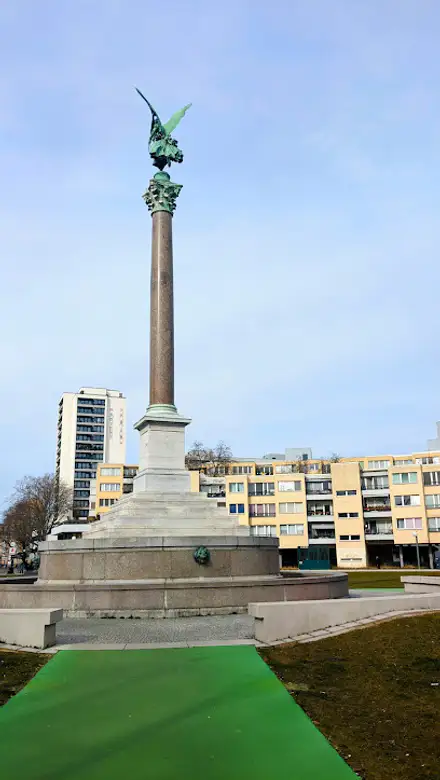
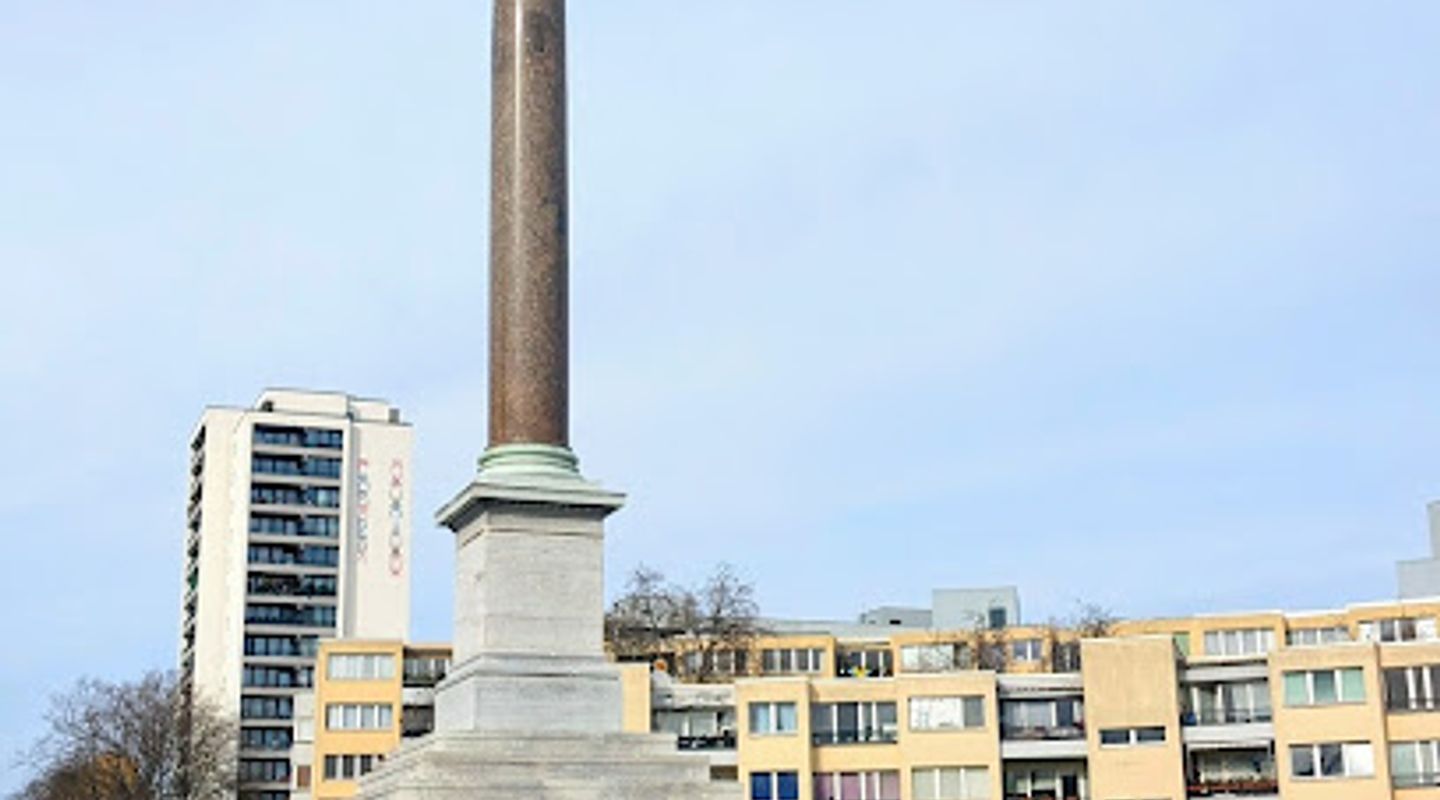
The Peace Column, standing tall in Mehringplatz, is more than just a monument; it's a historical marker reflecting Berlin's complex past. Erected in 1843, it initially commemorated the Napoleonic Wars. Later, allegories of the victorious allies in the Battle of Waterloo were added, transforming it into a symbol of peace and victory. The column's location within the unique circular layout of Mehringplatz, designed by architect Werner Düttmann, adds to its significance. While not as widely known as the Victory Column, the Peace Column offers a quieter, more contemplative experience, inviting visitors to reflect on Berlin's history and the enduring hope for peace. Its central location makes it easily accessible and a worthwhile stop for those exploring the city's historical sites and architectural landmarks. The surrounding Mehringplatz provides a vibrant urban environment, with cafes and shops adding to the area's appeal.
A brief summary to Peace Column
- Mehringpl., Berlin, Friedrichshain-Kreuzberg, 10969, DE

Know before you go
Hi, I'm Eve. Here are a few practical things to know before exploring Peace Column.
- Take a stroll around Mehringplatz to appreciate the unique circular architecture designed by Werner Düttmann.
- Visit the nearby Jewish Museum to delve deeper into Berlin's rich and complex history.
- Enjoy a coffee or meal at one of the many cafes and restaurants surrounding Mehringplatz.
Do you manage this location?
Take control to get all the benefits, like improved information, better appearance, and stronger visibility across AI-powered discovery. Learn more about listing your business on Evendo
Activate your presenceOther nearby places you may find interesting
The closest places of the same kind, if this one is not quite what you had in mind.


Explore Peace Column on the Map
A handpicked selection of must-see spots near Peace Column, mapped for you.
Unlock the Best of Peace Column
Buy tickets
-
No tickets available
Book tours with entry

Book tours without entry
-
No tours available
Getting There
-
Public Transport
The Peace Column is easily accessible via public transport. Take the U6 subway line to Hallesches Tor station. From there, it's a short walk to Mehringplatz. Alternatively, several bus lines stop directly at Mehringplatz, including the 248, M41, N1, and N6. A short trip ticket (Kurzstrecke) for the BVG (Berlin public transport) costs around €2.00 and covers the journey from Hallesches Tor to Mehringplatz.
-
Taxi/Ride-Share
A taxi or ride-sharing service from a central location in Berlin, such as Alexanderplatz, will cost approximately €12-€15 and take around 10-15 minutes, depending on traffic. Be sure to specify 'Mehringplatz' as your destination.
-
Driving
If driving, be aware that parking in the immediate vicinity of Mehringplatz is limited and can be expensive. There are parking spaces available in the surrounding streets, but these are often subject to parking fees. Expect to pay around €1-€4 per hour for parking in the area. Vehicle access to Mehringplatz square is restricted until 11 am. Consider parking further away and taking public transport for the last leg of the journey. There are some parking spaces for people with disabilities in Franz-Klühs-Straße, about 120m away.
Discover more about Peace Column













Your all‑in‑one travel companion app
Explore expert travel guides, compare and book tours, experiences, hotels, and more—all from the palm of your hand. Download now for seamless trip planning wherever your wanderlust takes you.


Explore More of Berlin
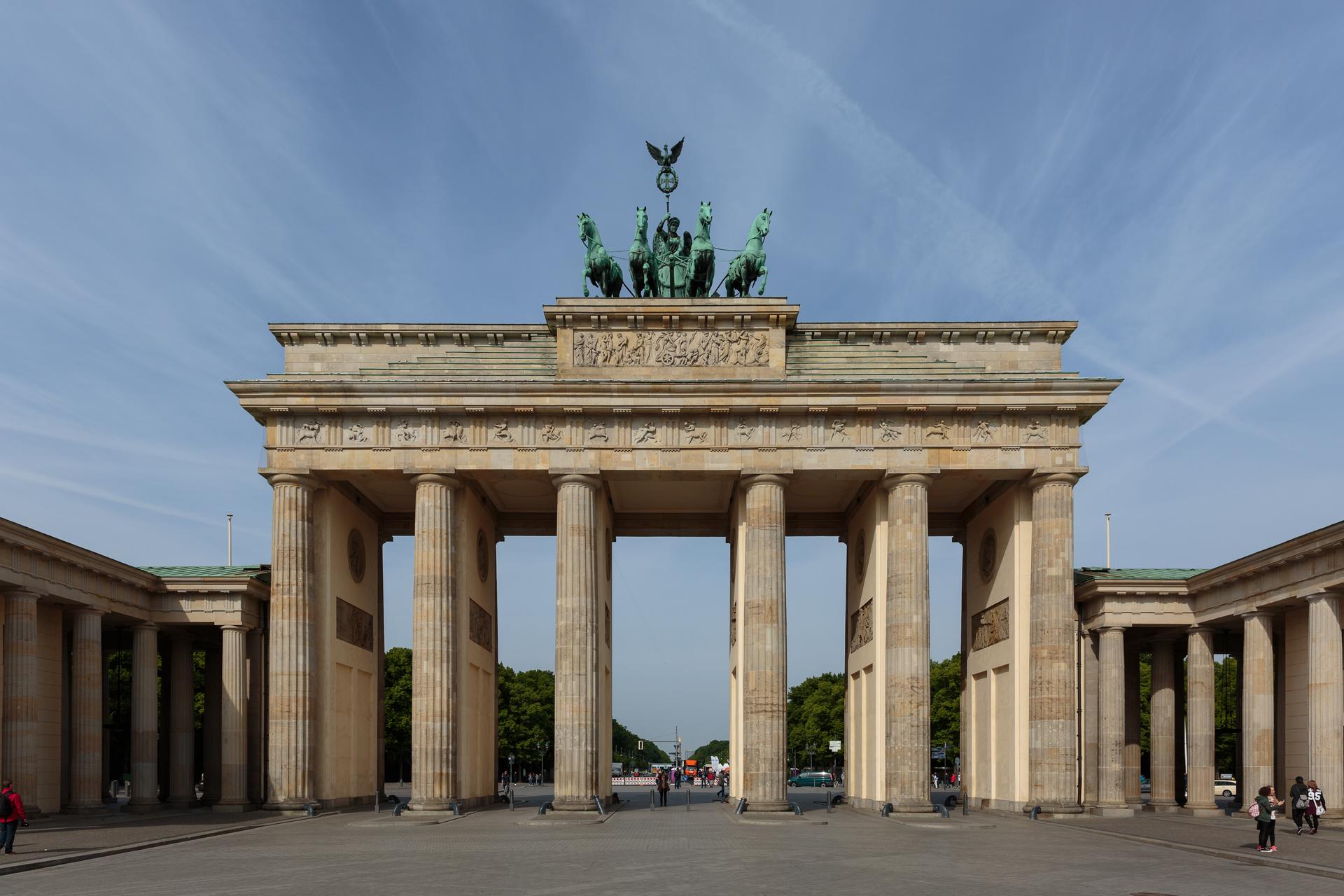
Looking beyond Peace Column? Discover Berlin for broader travel guides, local hot-spots, and regional highlights.
Explore Berlin
Explore the architectural gem of Friedrichstraße 43 in Berlin, where history meets modernity in the heart of Friedrichshain-Kreuzberg.
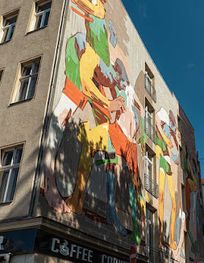
Discover the captivating Mural by Aryz in Berlin's Friedrichshain-Kreuzberg, a vibrant expression of street art that defines the city's creative spirit and reflects its rich history.