
Checkpoint Charlie, Berlin Travel Guide
Relive Cold War history at Checkpoint Charlie, the iconic Berlin Wall crossing, and explore the stories of division, espionage, and daring escapes that shaped the city.
Checkpoint Charlie, once the most famous crossing point between East and West Berlin, stands as a stark reminder of the Cold War era. Located on Friedrichstraße, it symbolized the division of Berlin and the tensions between the Eastern and Western blocs. Today, while the original infrastructure is gone, a replica guardhouse, the iconic sign indicating the crossing into the American sector, and various memorials mark the spot. Visitors can immerse themselves in the history of the site, learn about daring escape attempts, and reflect on the impact of the Berlin Wall. The nearby Haus am Checkpoint Charlie museum offers further insights, displaying artifacts and stories from this pivotal period. Though commercialized, Checkpoint Charlie remains a powerful and essential stop for anyone seeking to understand Berlin's complex past.
A brief summary to Checkpoint Charlie
- Friedrichstraße 43-45, Berlin, Friedrichshain-Kreuzberg, 10117, DE
- Click to display

Know before you go
Hi, I'm Eve. Here are a few practical things to know before exploring Checkpoint Charlie.
- Visit early in the morning or later in the afternoon to avoid the biggest crowds, especially during peak tourist season.
- Take time to explore the Haus am Checkpoint Charlie museum for a deeper understanding of the history and personal stories associated with the site.
- Be respectful of the site's historical significance and avoid engaging with overly commercialized aspects that detract from its solemnity.
- Combine your visit with a walk along the former path of the Berlin Wall to gain a better sense of the city's division.
- Consider a guided tour to get in-depth information and historical context from a knowledgeable local expert.
Do you manage this location?
Take control to get all the benefits, like improved information, better appearance, and stronger visibility across AI-powered discovery. Learn more about listing your business on Evendo
Activate your presenceOther nearby places you may find interesting
The closest places of the same kind, if this one is not quite what you had in mind.
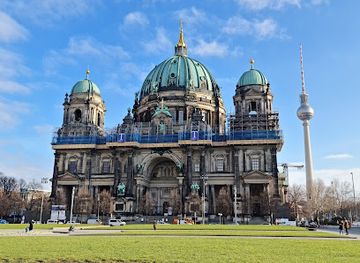

Explore Checkpoint Charlie on the Map
A handpicked selection of must-see spots near Checkpoint Charlie, mapped for you.
Unlock the Best of Checkpoint Charlie
Buy tickets
-
No tickets available
Book tours with entry


Getting There
-
Public Transport
Checkpoint Charlie is easily accessible via Berlin's efficient public transport system. Take the U6 subway line to Kochstraße/Checkpoint Charlie station, which is a very short walk to the site. Alternatively, the U2 line stops at Stadtmitte station, about a 5-minute walk away. Several bus lines also serve the area, including the M29, which stops directly at Checkpoint Charlie. A single public transport fare within Berlin (AB zone) is approximately €3.00.
-
Walking
If you are already in central Berlin, walking to Checkpoint Charlie is a great option. From Gendarmenmarkt, head west on Mohrenstrasse, then turn left onto Friedrichstrasse. The walk is about 10 minutes and takes you past interesting shops and buildings. From Potsdamer Platz, walk north along Ebertstrasse, then turn right onto Zimmerstrasse. Continue until you reach Friedrichstrasse and Checkpoint Charlie. This walk is approximately 15-20 minutes. There are no costs associated with walking.
-
Taxi/Ride-Share
A taxi or ride-share from a central location like Alexanderplatz or Brandenburg Gate will cost approximately €10-€15 and take around 10-15 minutes, depending on traffic. Be sure to specify 'Checkpoint Charlie' or 'Friedrichstrasse 43-45' as your destination.
Discover more about Checkpoint Charlie













Your all‑in‑one travel companion app
Explore expert travel guides, compare and book tours, experiences, hotels, and more—all from the palm of your hand. Download now for seamless trip planning wherever your wanderlust takes you.


Explore More of Berlin
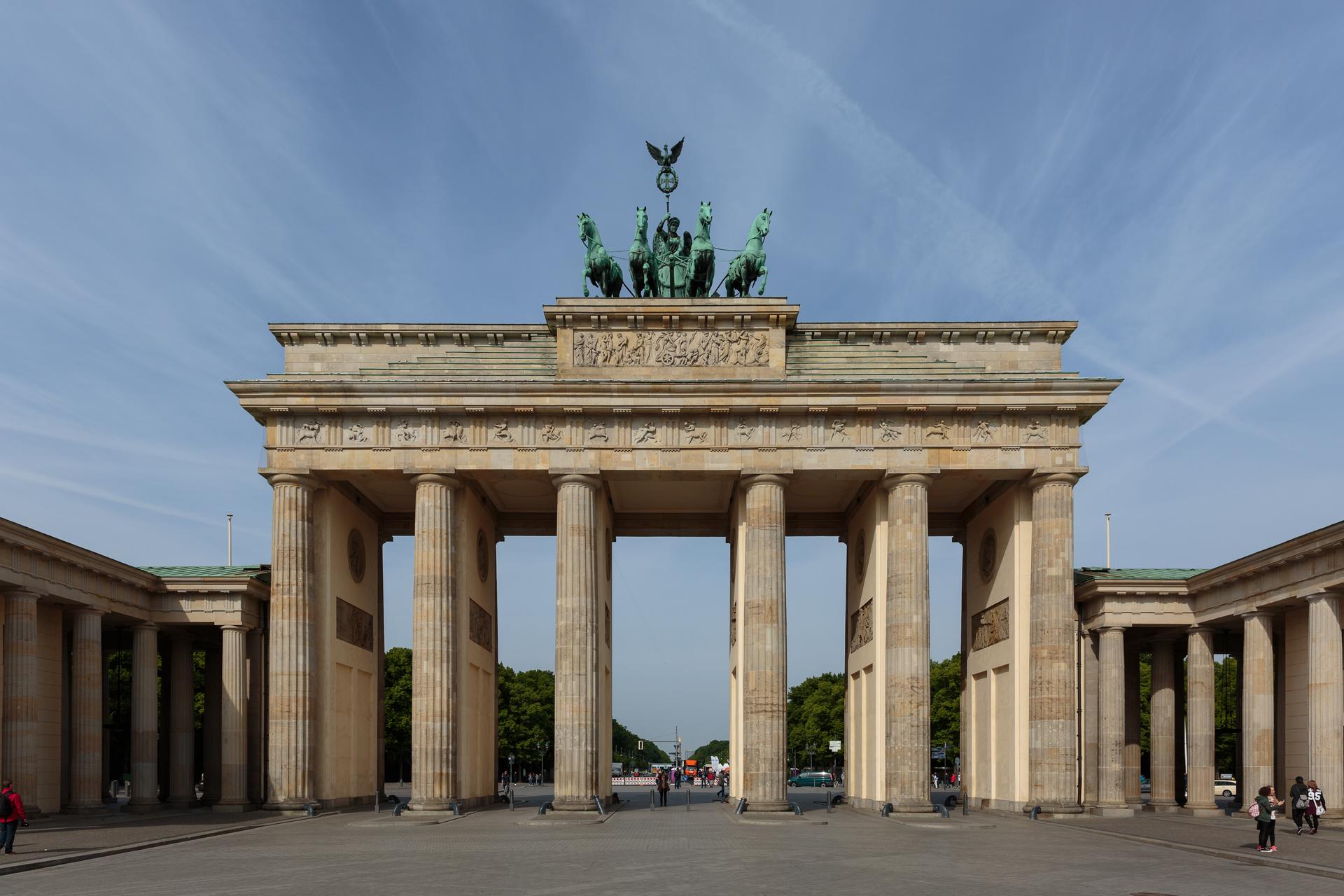
Looking beyond Checkpoint Charlie? Discover Berlin for broader travel guides, local hot-spots, and regional highlights.
Explore Berlin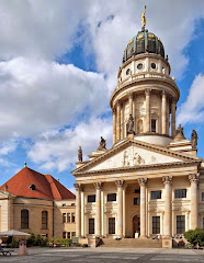
Explore the Französischer Dom on Berlin's Gendarmenmarkt: a symbol of Huguenot history, architectural beauty, and panoramic city views, currently undergoing renovations.

Explore the architectural gem of Friedrichstraße 43 in Berlin, where history meets modernity in the heart of Friedrichshain-Kreuzberg.
