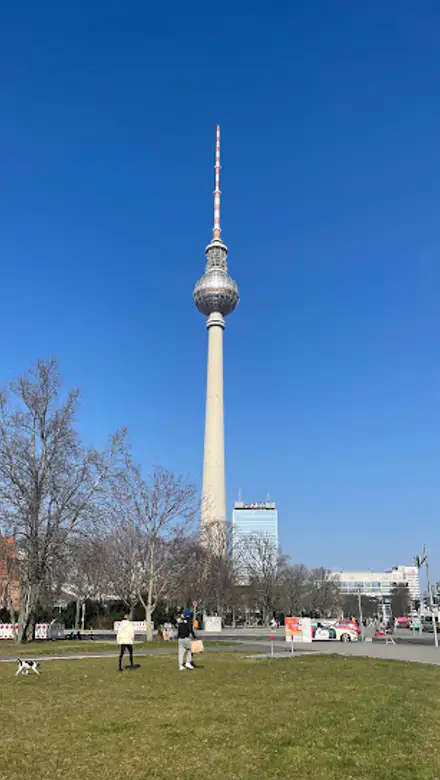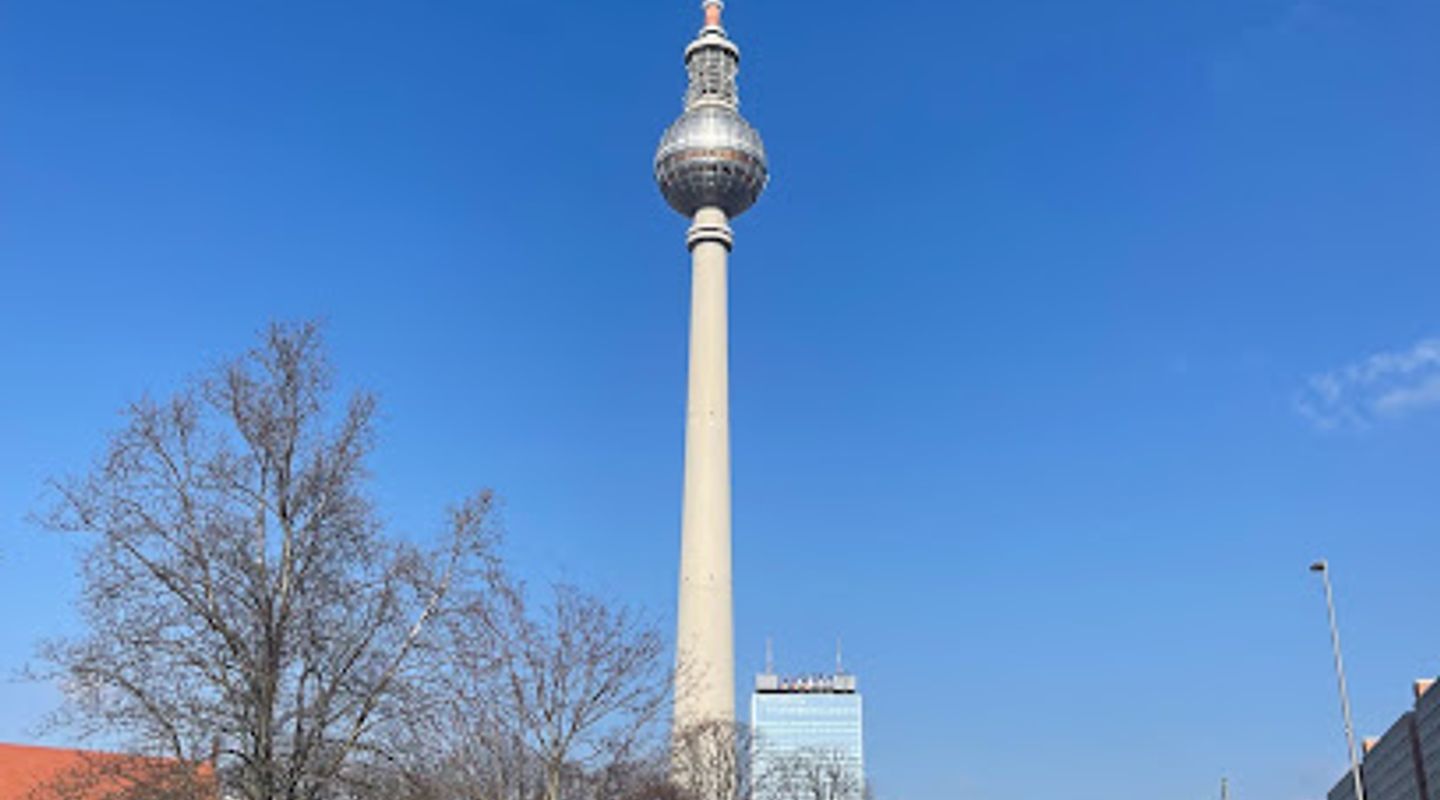
Nikolaiviertel, Berlin Travel Guide
Discover Berlin's origins in the Nikolaiviertel, a charming reconstructed medieval quarter with historic buildings, traditional restaurants, and a unique glimpse into the city's past.
Step back in time in the Nikolaiviertel, Berlin's oldest residential area, a charming enclave of cobblestone streets and reconstructed medieval buildings. Though largely rebuilt after WWII, this compact district offers a glimpse into Berlin's origins, dating back to the 13th century. Explore the iconic Nikolaikirche, the city's oldest church, and wander past historic houses like the Knoblauchhaus and the Ephraim-Palais, each telling a story of Berlin's rich past. With its traditional restaurants, cozy cafes, and unique shops, the Nikolaiviertel provides a delightful escape from the modern metropolis, offering a taste of old-world Berlin amidst the bustling city center. It's a perfect spot to soak in the atmosphere and imagine life in medieval Berlin, making it a must-see for history buffs and anyone seeking a unique Berlin experience.
A brief summary to Nikolaiviertel
- Rathausstraße 21, Berlin, Mitte, 10178, DE
- Click to display

Know before you go
Hi, I'm Eve. Here are a few practical things to know before exploring Nikolaiviertel.
- Visit the Nikolaikirche museum to delve into the history of the area and see artifacts from Berlin's early days.
- Explore the Knoblauchhaus for an authentic glimpse into the life of a wealthy 19th-century Berlin family.
- Enjoy traditional Berlin cuisine at one of the many restaurants in the quarter, such as Zum Nußbaum.
- Attend an organ concert at the Nikolaikirche for a unique cultural experience.
- Visit during the Nikolai Festival (Christmas Market) for a festive and traditional Berlin experience.
Do you manage this location?
Take control to get all the benefits, like improved information, better appearance, and stronger visibility across AI-powered discovery. Learn more about listing your business on Evendo
Activate your presenceOther nearby places you may find interesting
The closest places of the same kind, if this one is not quite what you had in mind.
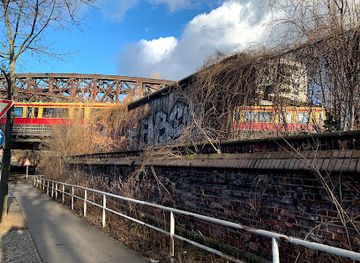
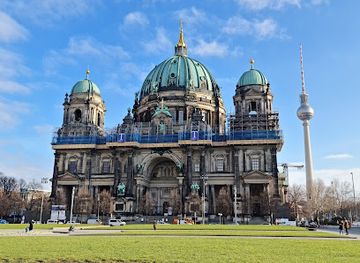
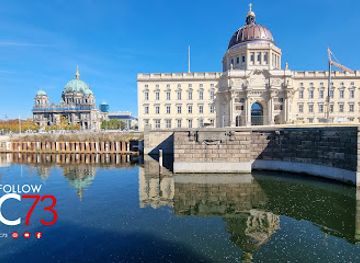
Explore Nikolaiviertel on the Map
A handpicked selection of must-see spots near Nikolaiviertel, mapped for you.
Unlock the Best of Nikolaiviertel
Buy tickets
-
No tickets available
Book tours with entry


Getting There
-
Public Transport
The Nikolaiviertel is easily accessible by public transport. From Alexanderplatz, take the U5 subway line one stop to U Rotes Rathaus. Alternatively, it's a pleasant 10-minute walk from Alexanderplatz. Several bus lines also stop nearby, including the 100, 200, 248, and N2 (night bus) at the Nikolaiviertel or Rotes Rathaus stops. A single ticket for zones AB costs €3.80, while a short trip ticket (Kurzstrecke), valid for three stops, costs €2.60.
-
Walking
From Alexanderplatz, walk southwest along Spandauer Straße. You'll see the Rotes Rathaus (Red City Hall) on your right. Continue along Spandauer Straße, and the Nikolaiviertel will be on your right, just past the Rathaus. The walk is approximately 10 minutes and offers views of some of Berlin's key landmarks.
-
Taxi/Ride-Share
A taxi or ride-share from Alexanderplatz to the Nikolaiviertel is a short ride, typically costing between €8 and €12, depending on traffic. The journey usually takes around 5-10 minutes. Be sure to specify 'Nikolaiviertel' as your destination.
-
Driving
While driving is possible, parking in the immediate vicinity of the Nikolaiviertel is limited and can be expensive. Consider parking at Q-Park am Alexanderplatz (Spandauer Straße 41, 10178 Berlin), an underground parking garage a few minutes' walk away. Hourly rates typically range from €3-4, with daily rates around €20-25. Be aware that Berlin's city center requires a green environmental badge (Umweltplakette) for vehicles.
Discover more about Nikolaiviertel













Your all‑in‑one travel companion app
Explore expert travel guides, compare and book tours, experiences, hotels, and more—all from the palm of your hand. Download now for seamless trip planning wherever your wanderlust takes you.


Explore More of Berlin
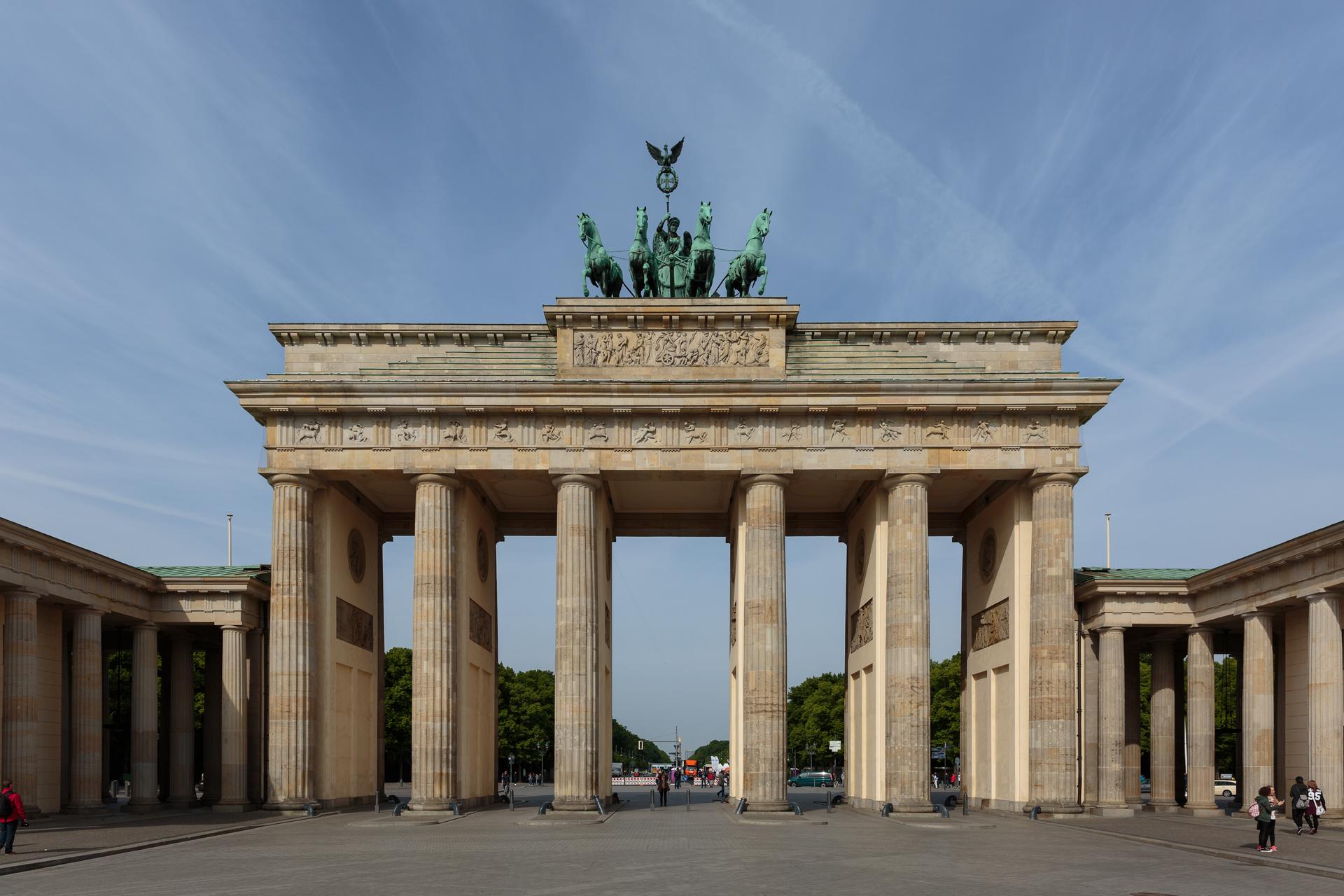
Looking beyond Nikolaiviertel? Discover Berlin for broader travel guides, local hot-spots, and regional highlights.
Explore Berlin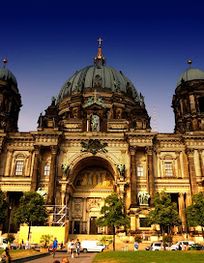
Discover Lustgarten, a stunning park and cultural gem in Berlin, perfect for relaxation and exploration amid historical landmarks.
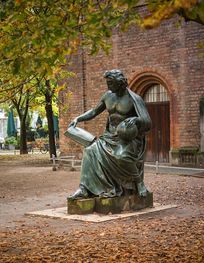
Discover the Figur Allegorie der Wissenschaft in Berlin's Nikolaiviertel: a symbol of enduring knowledge and resilience, reflecting the city's rich history and cultural heritage.