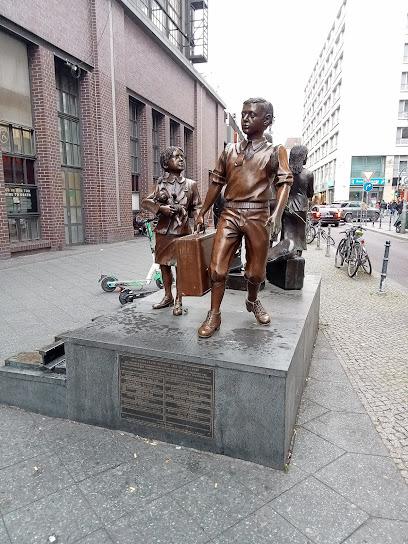
Trains to Life – Trains to Death Memorial
A poignant memorial outside Friedrichstraße station in Berlin, commemorating the Kindertransport and the children who perished in the Holocaust, urging remembrance and tolerance.
Located just outside the Friedrichstraße station in Berlin's Mitte district, the 'Trains to Life – Trains to Death' memorial is a poignant tribute to the Kindertransport and the countless Jewish children who perished during the Holocaust. Created by Israeli architect and sculptor Frank Meisler, who himself was saved by the Kindertransport, the bronze sculpture depicts two groups of children, representing contrasting fates: those who escaped to safety in England and those who were sent to concentration camps. The memorial serves as a powerful reminder of the resilience, courage, and enduring spirit of those who faced unimaginable challenges during the Nazi era. Its presence outside a major transportation hub underscores the importance of remembering this dark chapter in history and honoring the lives of those affected. The memorial is a deeply moving experience, prompting reflection on the implications of the Holocaust and the importance of remembrance.
A brief summary to Trains to Life – Trains to Death
- Georgenstraße 14, Berlin, Mitte, 10117, DE
- Visit website
Local tips
- Visit during the week to avoid larger crowds and allow for a more contemplative experience.
- Take time to read the informative panels to gain a deeper understanding of the historical context and significance of the Kindertransport.
- Combine your visit with a trip to nearby museums, such as the Deutsches Historisches Museum or the Jewish Museum, for a more comprehensive understanding of Berlin's history.

Getting There
-
Public Transport
The 'Trains to Life – Trains to Death' memorial is located directly outside the Friedrichstraße station (S+U Friedrichstr. Bhf), making it easily accessible by public transport. Take any S-Bahn (S1, S2, S25, S3, S5, S7, S9) or U-Bahn (U6, U5) line to Friedrichstraße station. Numerous bus lines (100, 147, 245, M48, N6) also stop at the station. From the station exits, the memorial is immediately visible at the intersection of Georgenstraße and Friedrichstraße. A single public transport ticket within zones A and B costs €3.00.
-
Taxi/Ride-Share
Taxis and ride-sharing services are readily available throughout Berlin. A taxi ride from a central location like Alexanderplatz to the memorial at Georgenstraße 14 will typically cost between €12 and €18, depending on traffic. Ride-sharing services may offer slightly lower fares.
-
Walking
The memorial is within walking distance of many central Berlin attractions. From Unter den Linden, walk east towards Friedrichstraße. The memorial is located on Georgenstraße, adjacent to the Friedrichstraße station. From the Brandenburg Gate, walk east along Unter den Linden, then turn right onto Friedrichstraße and continue to Georgenstraße. The walk is approximately 15-20 minutes. No costs involved.
-
Driving
If driving, be aware that parking in the immediate vicinity of Friedrichstraße station is limited and can be expensive. On-street parking is scarce. The NH Collection Berlin Mitte Friedrichstrasse hotel at Friedrichstr. 96, offers on-site parking for €5 per hour, with a daily rate of €28 for overnight guests and €15 for daytime visitors. Access to the parking garage is via Planckstrasse / corner of Georgenstrasse. Please enter Planckstrasse in your navigation system. Consider using public transport instead, as it is more convenient and cost-effective.
Discover more about Trains to Life – Trains to Death
Iconic landmarks you can’t miss

Trains to Life – Trains to Death
0.0 km
Discover the poignant history of the Kindertransport at Trains to Life – Trains to Death, a memorial in Berlin reflecting on resilience and hope.
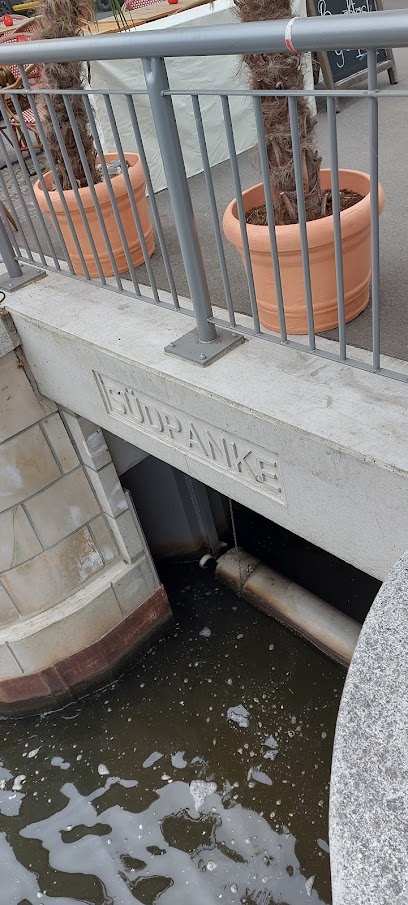
Mündung Südpanke
0.2 km
Discover the serene Mündung Südpanke in Berlin-Mitte, where the restored Südpanke River meets the Spree, offering a tranquil escape and a glimpse into the city's green heart.
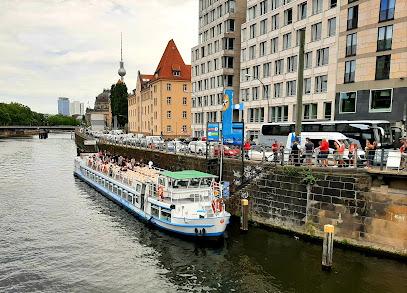
Weidendammer Brücke
0.3 km
Explore the picturesque Weidendammer Brücke in the heart of Berlin's Mitte district, a bridge that combines history, beauty, and stunning views of the Spree River.
Schiffbauerdamm
0.3 km
Discover the cultural heart of Berlin at Schiffbauerdamm, where history meets vibrant entertainment and stunning waterfront views.
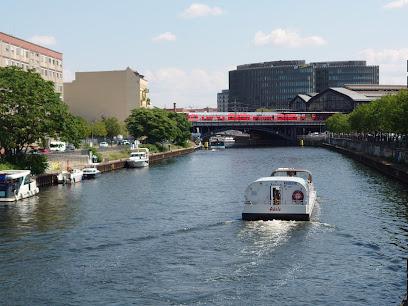
Unter den Linden
0.3 km
Discover the charm and history of Unter den Linden, Berlin's iconic boulevard lined with stunning architecture and cultural landmarks.
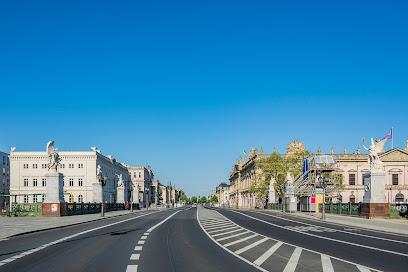
Verwaltung des Deutschen Bundestages
0.4 km
Discover the rich history and stunning architecture of the German Bundestag, a pivotal symbol of democracy in Berlin's vibrant Mitte district.
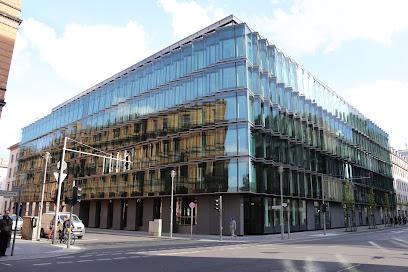
Equestrian statue of King Friedrich II. of Prussia
0.4 km
Discover the grandeur of the Equestrian statue of King Friedrich II in Berlin, a symbol of history and artistry in the heart of the city.
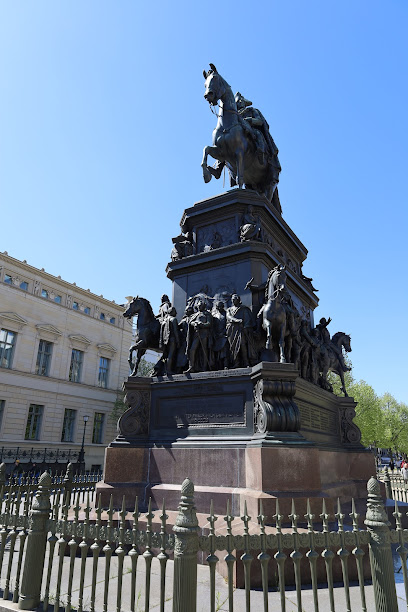
Friedrichstraße 107
0.5 km
Explore Friedrichstraße 107, a stunning architectural gem in Berlin's Mitte, embodying the city's rich history and vibrant modern culture.
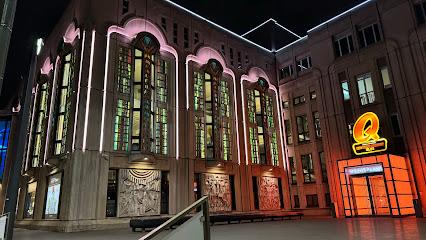
Embassy of Russia in Berlin
0.5 km
Explore the architectural beauty and historical significance of the Russian Embassy in Berlin, a key diplomatic landmark on Unter den Linden.
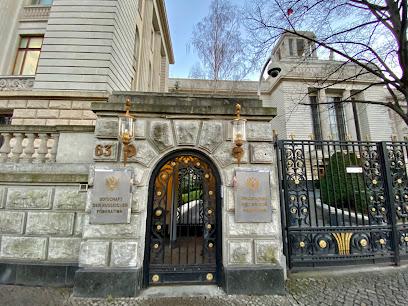
Marschall Bridge
0.5 km
Discover Berlin's Marschall Bridge: A breathtaking architectural gem connecting history and modernity across the Spree River.
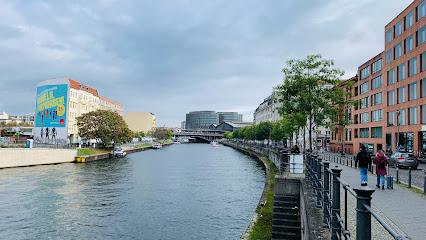
Memorial to May 10, 1933 Nazi Book Burning
0.6 km
Explore a poignant symbol of literary freedom at the Memorial to May 10, 1933 Nazi Book Burning in Berlin, a must-visit for history enthusiasts.
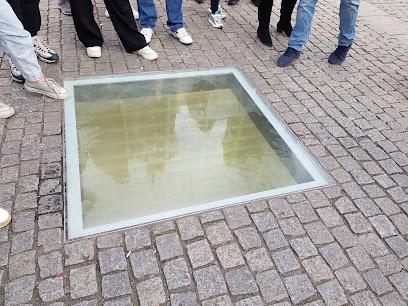
Neue Wache
0.6 km
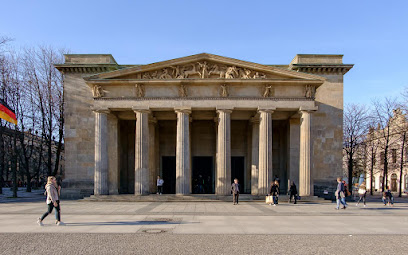
Reflect on history and loss at the Neue Wache, Berlin's central memorial to the victims of war and dictatorship, featuring the poignant 'Mother with her Dead Son' sculpture.
Bebelpl.
0.6 km
Explore Berlin's Bebelplatz: A historic square where architectural grandeur meets poignant remembrance, offering a powerful reflection on culture, freedom, and the lessons of history.

Jakob-Kaiser-Haus
0.6 km
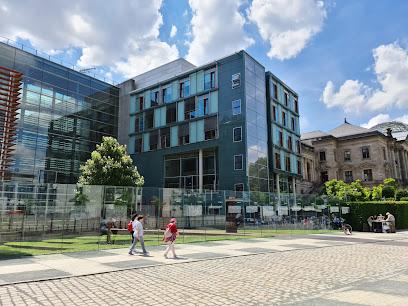
Discover the Jakob-Kaiser-Haus: A federal government office in Berlin representing Germany's rich political heritage and architecture.
Rudolf Virchow Monument
0.6 km
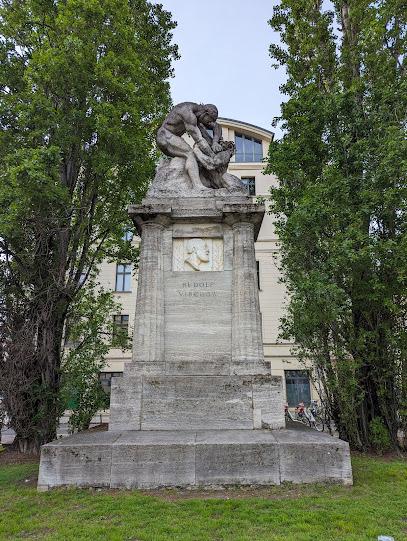
Discover the Rudolf Virchow Monument in Berlin, a historical tribute that celebrates the legacy of a visionary in medicine and social reform amidst the city's vibrant culture.
Unmissable attractions to see

Insider Tour Berlin
0.1 km
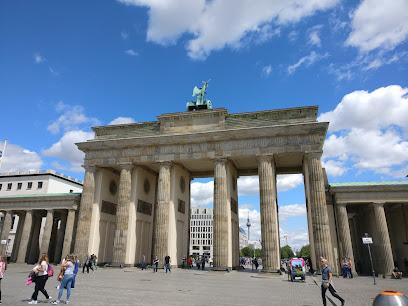
Explore Berlin's rich history and vibrant culture with Insider Tour, the leading sightseeing agency offering engaging and personalized guided experiences.
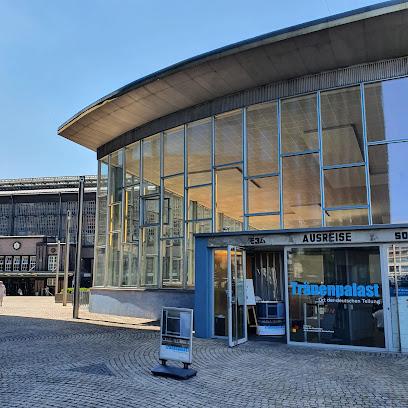
Tränenpalast
0.1 km
Explore Tränenpalast, Berlin's poignant museum capturing the emotional history of division and reunification during the Cold War.
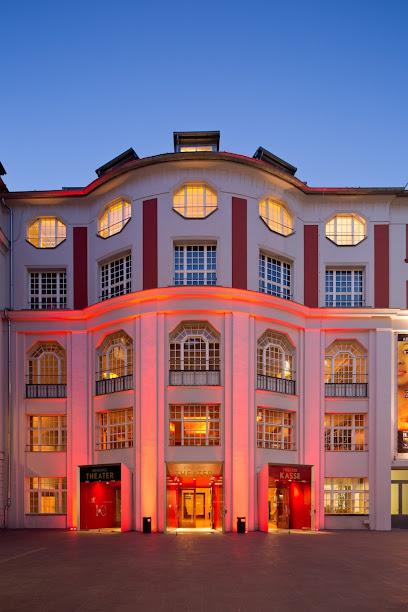
Admiralspalast
0.1 km
Discover Admiralspalast, Berlin's premier performing arts theater, where history meets modern entertainment in a stunning Art Deco setting.
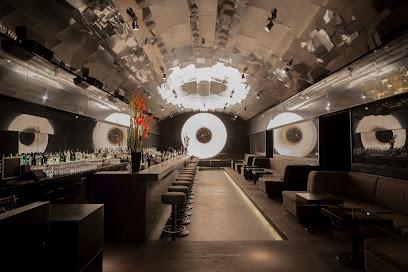
Tausend
0.2 km
Discover the chic ambiance and innovative cocktails at Tausend, a hidden bar and restaurant gem in Berlin's vibrant Mitte district.
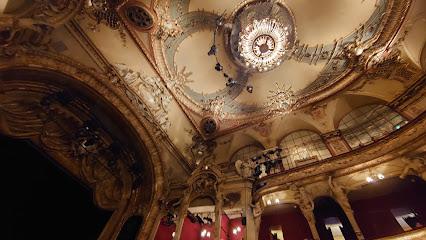
Berliner Ensemble
0.3 km
Discover the Berliner Ensemble, Berlin's premier performing arts theater, showcasing the legacy of Bertolt Brecht through innovative performances and cultural dialogues.
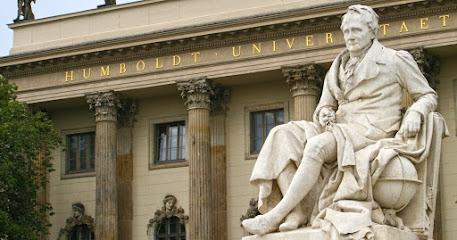
Humboldt University of Berlin
0.5 km
Explore Humboldt University of Berlin, a symbol of academic excellence and a cultural landmark in the heart of the city, rich in history and stunning architecture.
Friedrichstadt-Palast
0.5 km
Experience the magic of performance art at the Friedrichstadt-Palast, Berlin's premier theater showcasing spectacular shows and vibrant entertainment.
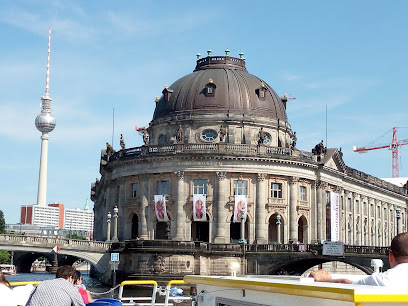
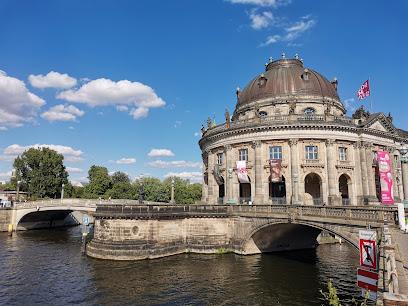
Bode-Museum
0.5 km
Explore the Bode-Museum, Berlin's majestic art and history museum, nestled on the iconic Museum Island, showcasing Byzantine art and stunning sculptures.
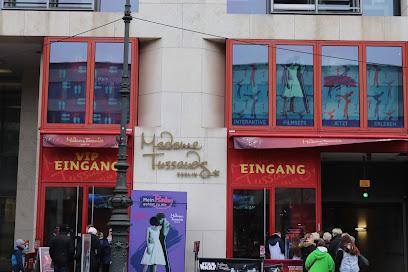
Madame Tussauds Berlin
0.5 km
Discover the magic of celebrity culture at Madame Tussauds Berlin, where history meets stardom in a stunning wax museum experience.
Berlin State Opera
0.6 km
Experience the elegance of the Berlin State Opera, a historic venue showcasing world-class performances in the heart of Germany's capital.
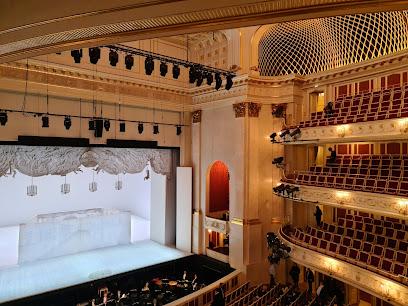
Bebelplatz
0.6 km
Explore Bebelplatz: Where Enlightenment ideals meet a haunting past, marked by the poignant Empty Library memorial.
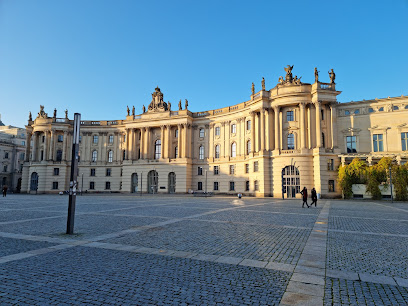
Waterfront Promenade
0.6 km
Experience Berlin's vibrant heart on the Waterfront Promenade: scenic river views, culture, and easy access to iconic landmarks await.
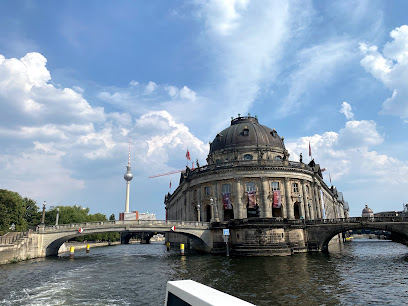
German Historical Museum
0.6 km
Explore the rich tapestry of Germany's past at the German Historical Museum, a premier destination for history lovers in the heart of Berlin.
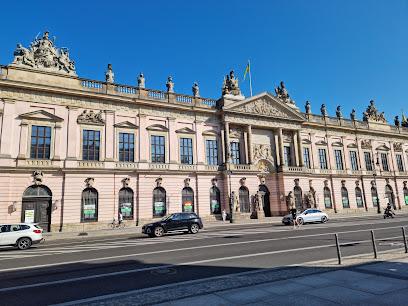
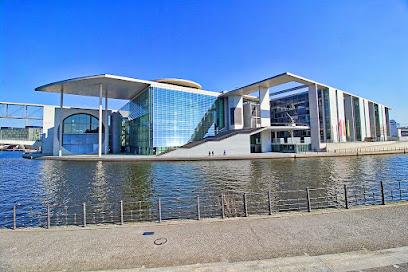
Marie-Elisabeth-Lüders-Haus
0.6 km
Explore the modern architectural gem of Marie-Elisabeth-Lüders-Haus in Berlin, where stunning design meets rich political history along the scenic Spree River.
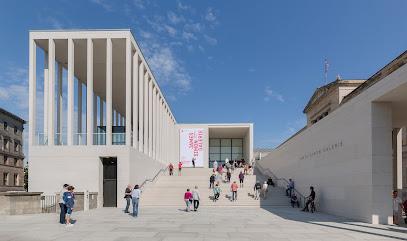
James Simon Gallery
0.6 km
Explore Berlin's artistic legacy at the James Simon Gallery, a modern museum on Museum Island showcasing diverse art and historical treasures.
Essential places to dine

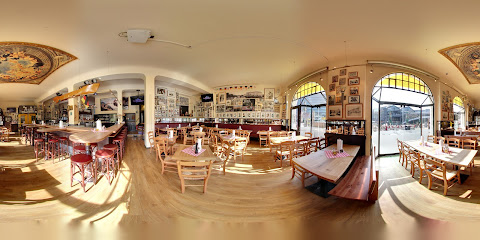
Berliner Republik
0.2 km
Discover Berliner Republik: A Culinary Haven in Berlin's Mitte District Offering Authentic German Cuisine and Lively Atmosphere.
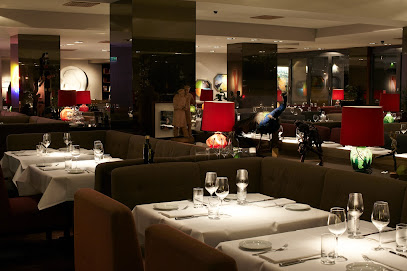
Grill Royal
0.3 km
Experience exceptional steaks and vibrant ambiance at Grill Royal in Berlin’s Mitte district.
Boulevard Friedrichstrasse
0.4 km
Experience authentic German cuisine at Boulevard Friedrichstrasse, where tradition meets taste in the heart of Berlin.
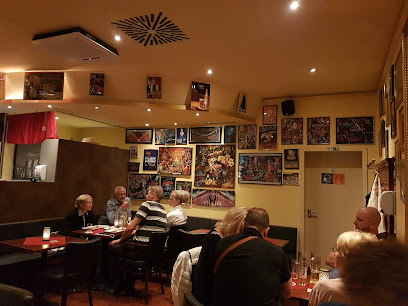
Nante-Eck
0.4 km
Experience authentic German cuisine at Nante-Eck in Berlin’s Mitte district—where tradition meets taste in a cozy atmosphere.
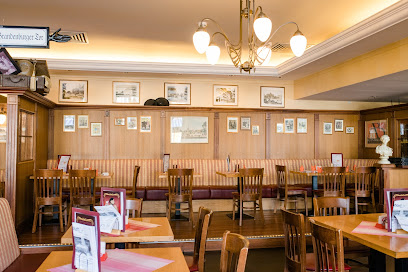
Bocca di Bacco
0.5 km
Experience authentic Italian cuisine at Bocca di Bacco in Berlin – where tradition meets elegance in every dish.
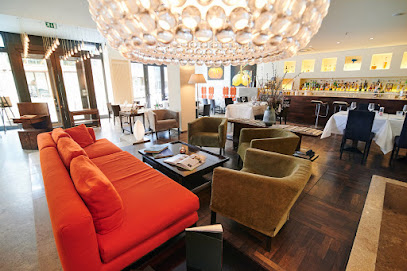
Charlotte & Fritz
0.5 km
Experience the pinnacle of fine dining at Charlotte & Fritz, where exquisite flavors meet elegant ambiance in Berlin's Mitte district.
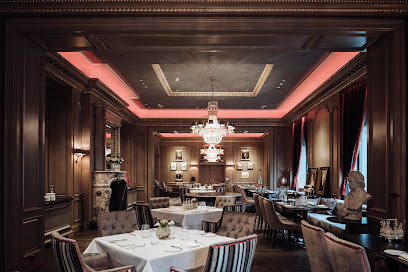
acht&dreissig
0.7 km
Savor traditional German dishes at acht&dreissig in Berlin, where authentic flavors meet inviting ambiance.
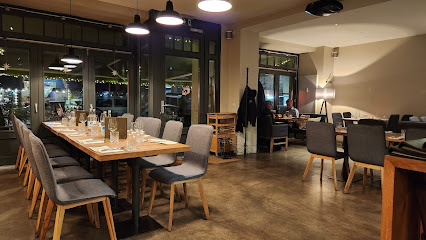
Lorenz Adlon Esszimmer
0.7 km
Experience unparalleled fine dining at Lorenz Adlon Esszimmer in Berlin – where modern European cuisine meets historic elegance.
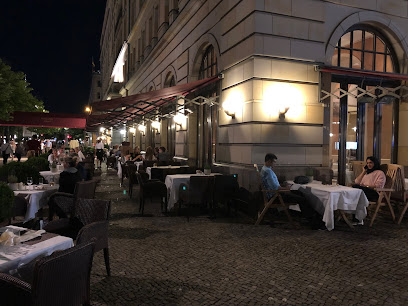
Pantry
0.8 km
Discover an eclectic dining experience at Pantry in Berlin - where fusion cuisine meets elegance in the heart of Mitte.
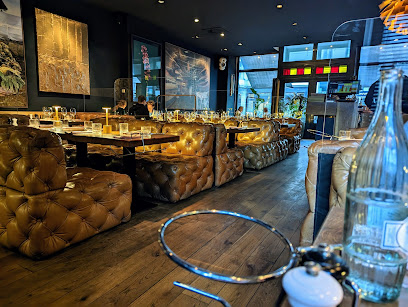
Restaurant Dae Mon
0.8 km
Discover an exquisite fusion of modern European cuisine at Restaurant Dae Mon in Berlin's vibrant Mitte district.
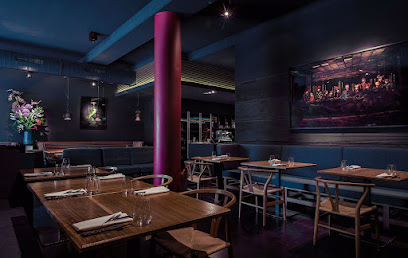
Restaurant FOREIGN AFFAIRS
0.9 km
Discover authentic Austrian cuisine in Berlin's Mitte district at Restaurant FOREIGN AFFAIRS – where tradition meets taste.
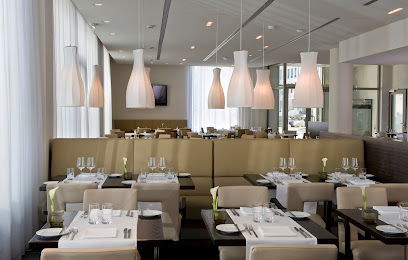
Restaurant Maximilians Berlin
0.9 km
Experience authentic Bavarian cuisine at Restaurant Maximilians in Berlin's Mitte district—where every meal is a celebration of flavor.
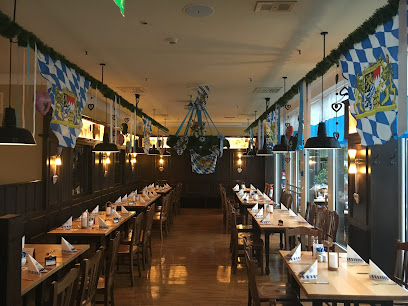
Friedel Richter Restaurant
1.0 km
Experience modern German cuisine at Friedel Richter Restaurant in Berlin's Mitte district – where tradition meets innovation.
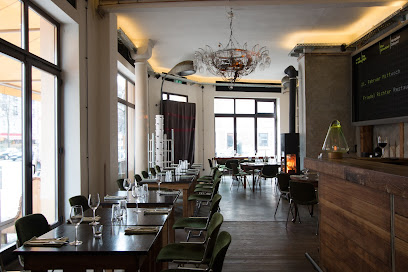
Schnitzelei Mitte
1.0 km
Experience authentic German cuisine at Schnitzelei Mitte, featuring exquisite schnitzels and tapas in Berlin's lively Mitte district.
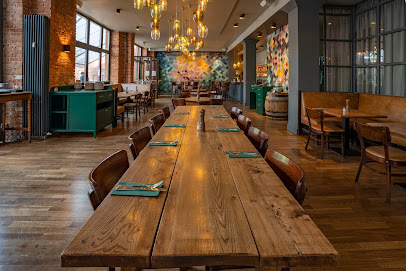
MontRaw Restaurant
1.0 km
Experience authentic Mediterranean cuisine in Berlin's Mitte district at MontRaw Restaurant - where every dish tells a story.
Markets, malls and hidden boutiques

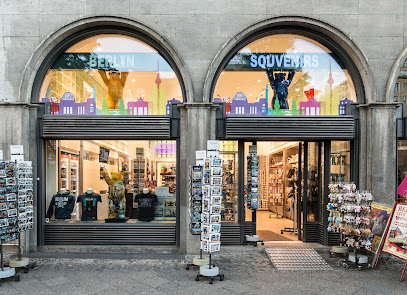
BERLIN STORE
0.4 km
Discover unique souvenirs and local crafts at the Berlin Store, the perfect stop for tourists seeking a piece of the city's vibrant culture.
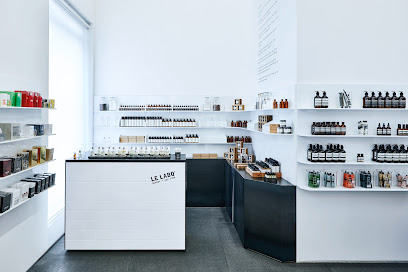
The Square Berlin East
0.6 km
Explore a unique blend of fashion, literature, and home decor at The Square Berlin East, a boutique gem in the heart of Berlin's Mitte district.
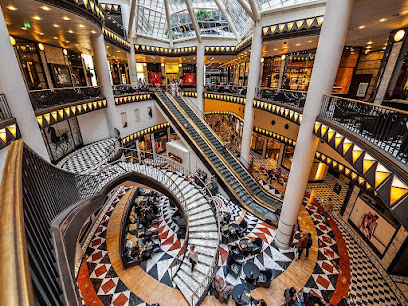
Galeries Lafayette
0.6 km
Discover the allure of luxury shopping and gourmet dining at Galeries Lafayette in the heart of Berlin, a must-visit for every traveler.
Wolford Boutique Berlin
0.7 km
Experience luxury and elegance at Wolford Boutique Berlin, your go-to destination for exquisite women's fashion and lingerie.
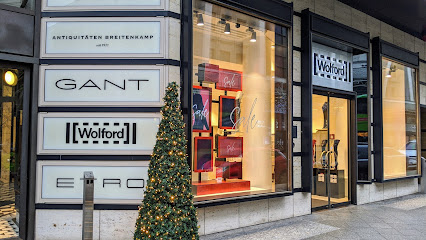
Shop Passage im Humboldt Forum
1.0 km
Explore a captivating selection of gifts and unique souvenirs at Shop Passage im Humboldt Forum, a must-visit destination in Berlin.
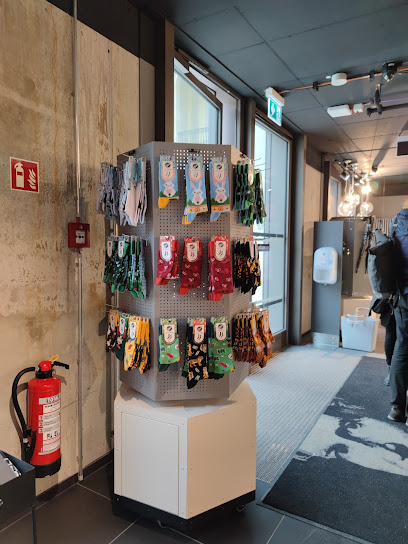
AMPELMANN shop in the Hackescher Markt
1.1 km
Explore the charming AMPELMANN shop in Hackescher Markt for unique Berlin souvenirs that capture the city's spirit and culture.
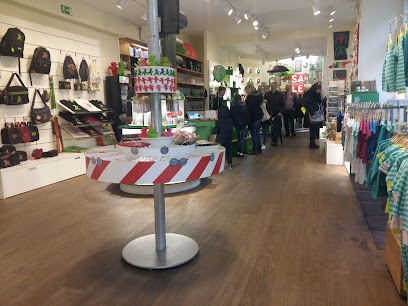
Redbear Berlin
1.1 km
Explore Redbear Berlin, a stylish boutique offering unique fashion pieces in the vibrant Mitte district, perfect for discerning shoppers.
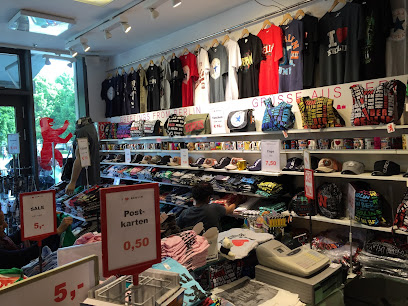
Hackesche Höfe
1.1 km
Explore Hackesche Höfe, a vibrant shopping and cultural hub in Berlin, featuring unique shops, diverse dining options, and artistic experiences.
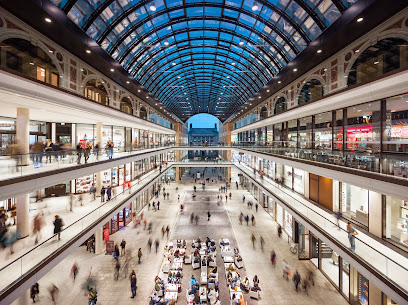
Mall of Berlin
1.1 km
Explore the Mall of Berlin: A shopping haven in the heart of the city with endless retail, dining, and entertainment options.
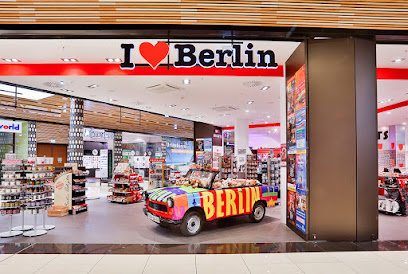
I love Berlin
1.2 km
Explore 'I Love Berlin' for unique souvenirs and gifts that embody the vibrant culture and spirit of Berlin, located in the heart of the city.
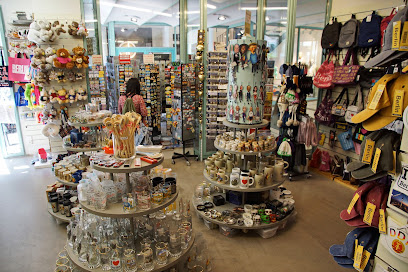
ausberlin
1.3 km
Discover local fashion and unique gifts at ausberlin, a vibrant department store in the heart of Berlin's Mitte district.
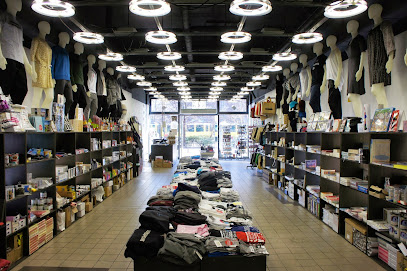
Kauf Dich Glücklich Mode
1.3 km
Discover unique fashion at Kauf Dich Glücklich Mode, a stylish clothing store in Berlin's Mitte district, where creativity meets contemporary style.
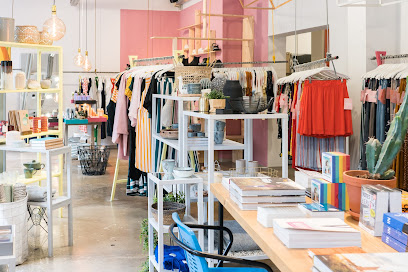
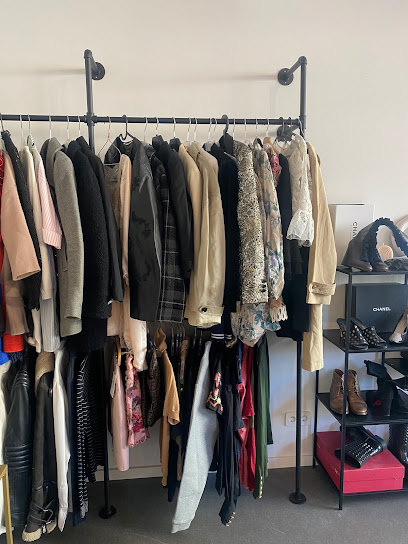
Fashionfouvintage
1.3 km
Explore Fashionfouvintage in Berlin for a unique vintage clothing experience, showcasing timeless styles from various eras that inspire and delight.
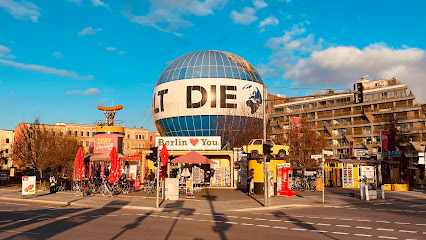
Berlin Loves You
1.4 km
Explore unique souvenirs and local treasures at 'Berlin Loves You', the quintessential store for capturing the spirit of Berlin.
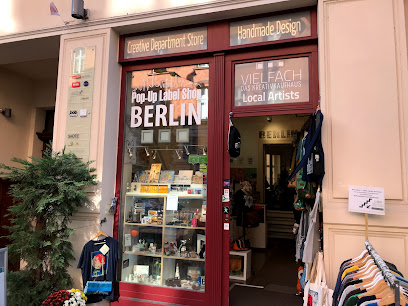
Vielfach Berlin -Das Kreativkaufhaus-
1.4 km
Explore Vielfach Berlin, a unique gift shop and art gallery offering handcrafted souvenirs and local art that capture Berlin's vibrant creative spirit.
Essential bars & hidden hideouts

Windhorst
0.2 km
Experience Berlin's vibrant nightlife at Windhorst, an upscale cocktail bar serving exquisite drinks in a stylish atmosphere in the heart of Mitte.
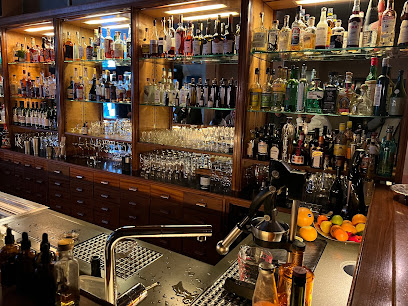
meisterschueler
0.3 km
Discover Meisterschueler in Berlin – a captivating cocktail bar that intertwines art and mixology for an unforgettable experience.
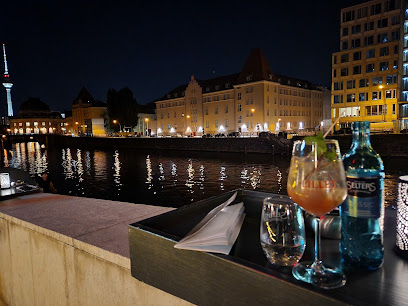
X-Terrain
0.7 km
Discover the eclectic vibe of X-Terrain, a unique bar in Berlin's Mitte with creative cocktails and a lively atmosphere perfect for nightlife enthusiasts.
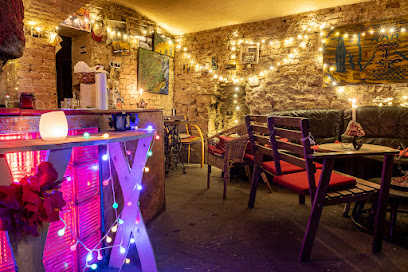
Bar Amélie
0.7 km
Discover Berlin's vibrant cocktail scene at Bar Amélie, where expertly crafted drinks meet a cozy atmosphere in the heart of the city.
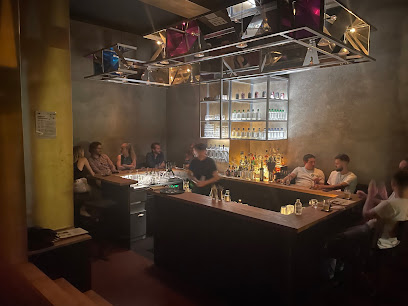
Newton Bar
0.8 km
Experience the vibrant nightlife of Berlin at Newton Bar, where stylish cocktails and a chic atmosphere await in Mitte.
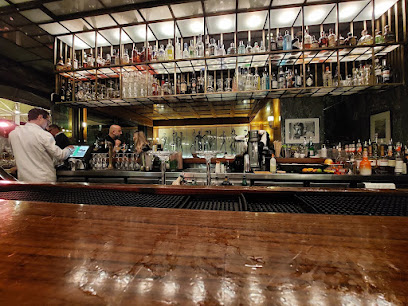
Melody Nelson bar
0.8 km
Discover the vibrant atmosphere of Melody Nelson, Berlin's chic bistro and cocktail bar, perfect for unwinding and socializing.
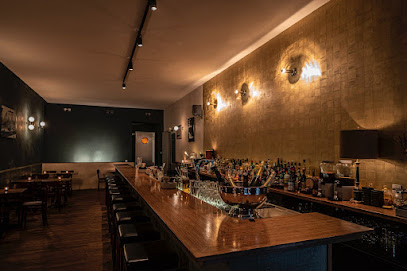
TheCoven Bar
0.9 km
Discover the allure of TheCoven Bar, a cocktail haven in the heart of Berlin's Mitte district, where innovative drinks meet enchanting ambiance.
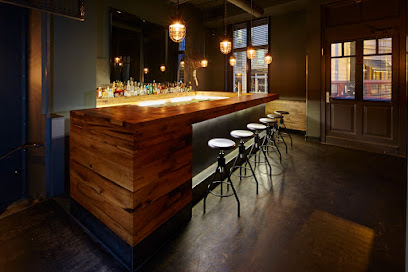
Reingold
1.0 km
Experience the vibrant nightlife of Berlin at Reingold, a cocktail bar in Mitte known for its expertly crafted drinks and lively atmosphere.
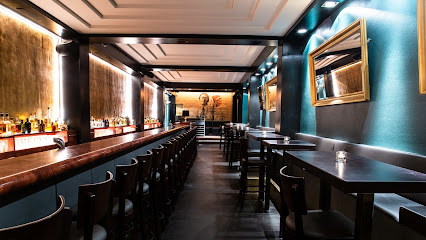
My Bar ICI
1.1 km
Discover the vibrant atmosphere and exquisite drink selection at My Bar ICI, a must-visit bar in the heart of Berlin's Mitte district.
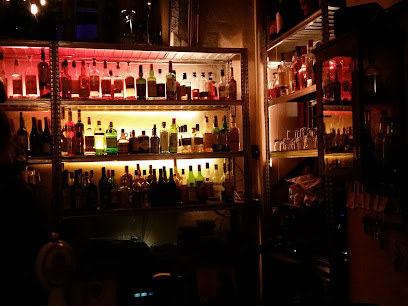
Berlin Icebar
1.1 km
Discover the magic of Berlin Icebar, where cocktails meet ice sculptures for a unique nightlife experience in the heart of the city.
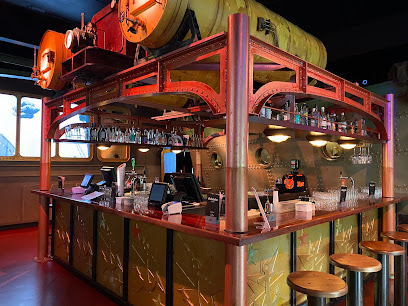
Charlie's Beach
1.3 km
Discover the perfect blend of relaxation and excitement at Charlie's Beach, a vibrant bar in Berlin's Mitte district with delightful drinks and a lively atmosphere.
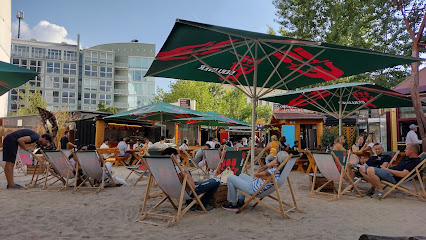
BonBon Bar Berlin
1.4 km
Discover the lively ambiance and eclectic cocktails at BonBon Bar, a must-visit for an unforgettable night out in Berlin's vibrant Mitte district.
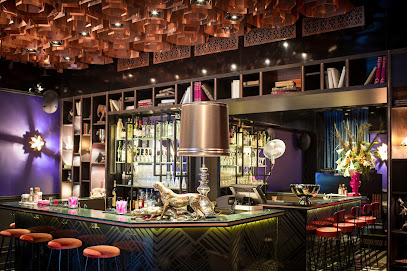
The Curtain Club
1.4 km
Experience elegance at The Curtain Club, Berlin's premier bar with exquisite cocktails and a chic atmosphere in the heart of Potsdamer Platz.
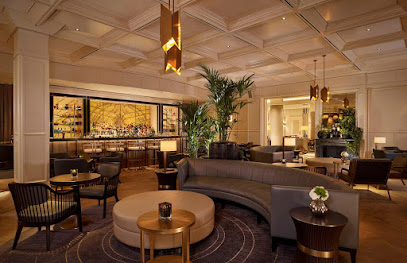
Knutschfleck Berlin
1.4 km
Discover the energy of Knutschfleck Berlin, where live music, delicious food, and dance come together for an unforgettable night out in the heart of the city.
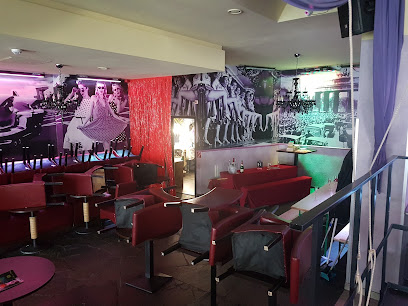
Mein Haus am See
1.4 km
Experience the vibrant fusion of bar, cafe, and nightlife at Mein Haus am See in Berlin's Mitte district, a perfect spot for relaxation and entertainment.
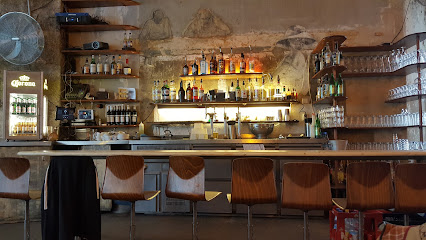
Nightclubs & after hour spots

Flow Bar/Club - Berlin
0.8 km
Experience the pulse of Berlin's nightlife at Flow Bar/Club, where vibrant beats and stylish ambiance meet for an unforgettable night out.
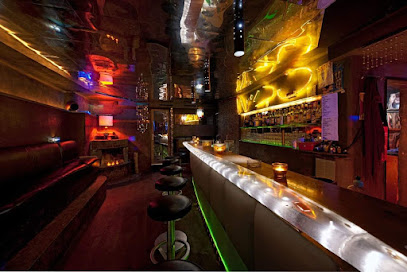
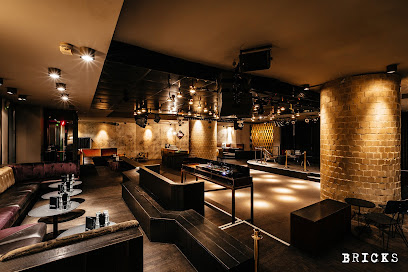
BRICKS Club
0.9 km
Dive into the heart of Berlin's nightlife at BRICKS Club, where vibrant music, stylish cocktails, and unforgettable memories await every visitor.
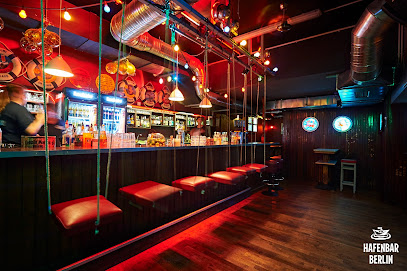
Hafenbar Berlin
1.3 km
Discover the electrifying nightlife of Hafenbar Berlin, where vibrant music and dance come together for an unforgettable experience.
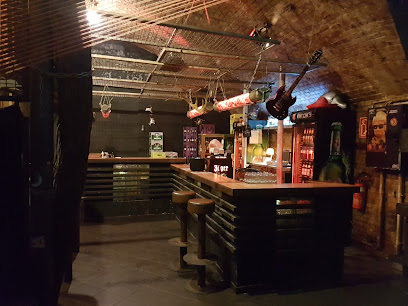
M-BIA Club Berlin
1.5 km
Discover the vibrant nightlife of Berlin at M-BIA Club, where electrifying music and an unforgettable atmosphere await you.
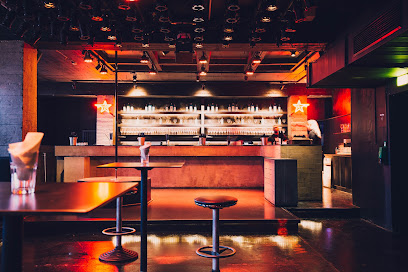
House of Weekend
2.0 km
Experience the best of Berlin's nightlife at House of Weekend, where the city comes alive with music, dancing, and breathtaking skyline views.
Sky Club - Berlin
2.0 km
Sky Club in Berlin: Discover the heart of nightlife with electrifying music, stunning visuals, and an unforgettable clubbing experience.
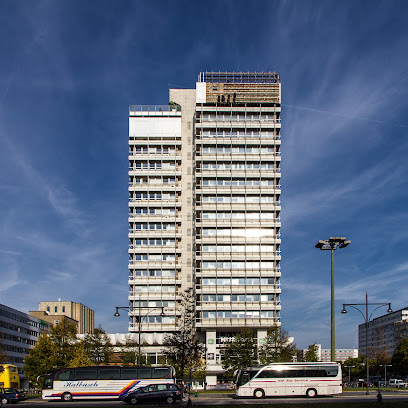
ASeven Club & Eventlocation
2.0 km
Experience the pulse of Berlin's nightlife at ASeven Club & Eventlocation, where vibrant music and exciting events come alive.
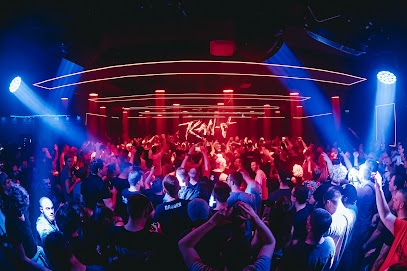
Steinhaus Berlin
2.0 km
Discover the heart of Berlin's nightlife at Steinhaus Berlin, where vibrant music and an electrifying atmosphere await every night.
Golden Gate
2.0 km
Unleash your nightlife spirit at Golden Gate, Berlin's iconic night club, where electrifying beats and vibrant crowds create unforgettable experiences.
El ocaso
2.1 km
Experience the pulsating nightlife of Berlin at El Ocaso, a vibrant night club known for its eclectic music and stylish atmosphere.
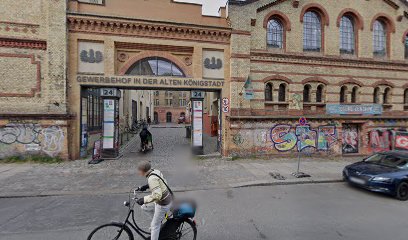
Sage Club - Berlin
2.2 km
Discover the vibrant nightlife at Sage Club in Berlin, where electrifying beats and a unique atmosphere create unforgettable memories.
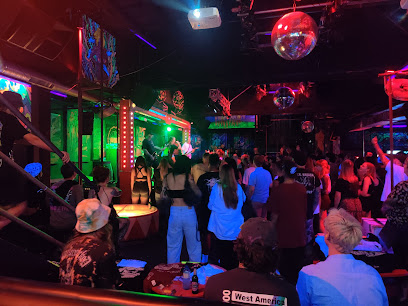
Ritter Butzke
2.3 km
Discover the heart of Berlin's nightlife at Ritter Butzke, a night club where music and art unite for an unforgettable experience.
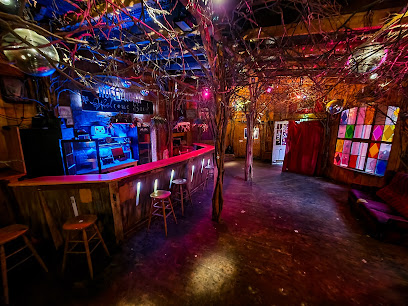
Prince Charles
2.3 km
Discover Berlin's vibrant nightlife at Prince Charles, where eclectic events and stylish ambiance create unforgettable memories.
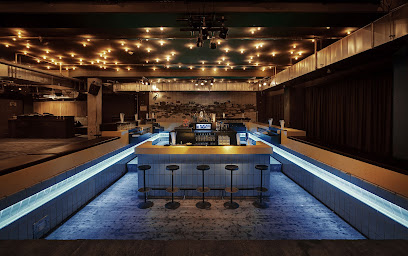
Surprise Club & Disco Berlin
2.4 km
Discover the electrifying nightlife at Surprise Club & Disco Berlin, where the dance floor comes alive with music and energy until dawn.
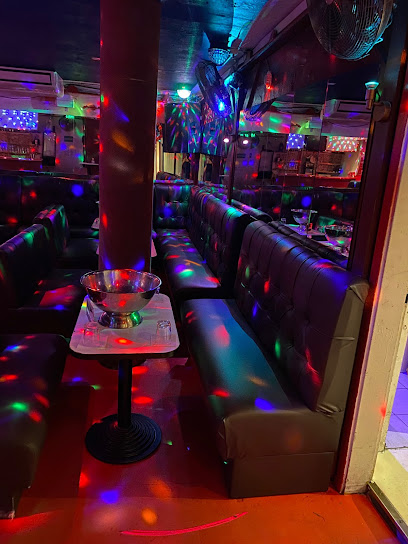
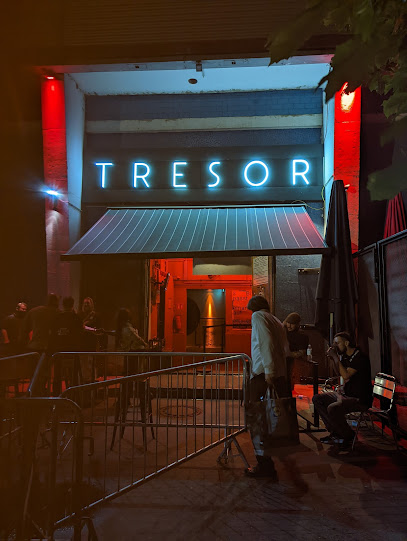
Tresor Berlin I Club & label
2.4 km
Experience the vibrant pulse of Berlin's nightlife at Tresor, a legendary techno club with a rich history and electrifying atmosphere.