

Best Landmarks Near Roncalliplatz (Cologne)
Planning a trip to Roncalliplatz? Discover the best landmarks nearby with history, expert tips, and routes. Free on web or the Evendo app.


The best landmarks near Roncalliplatz
- Top rated
- Closest to Roncalliplatz
- A–Z
58 landmarks
-
Cathedral4.8★72,542 reviews
Cologne Cathedral
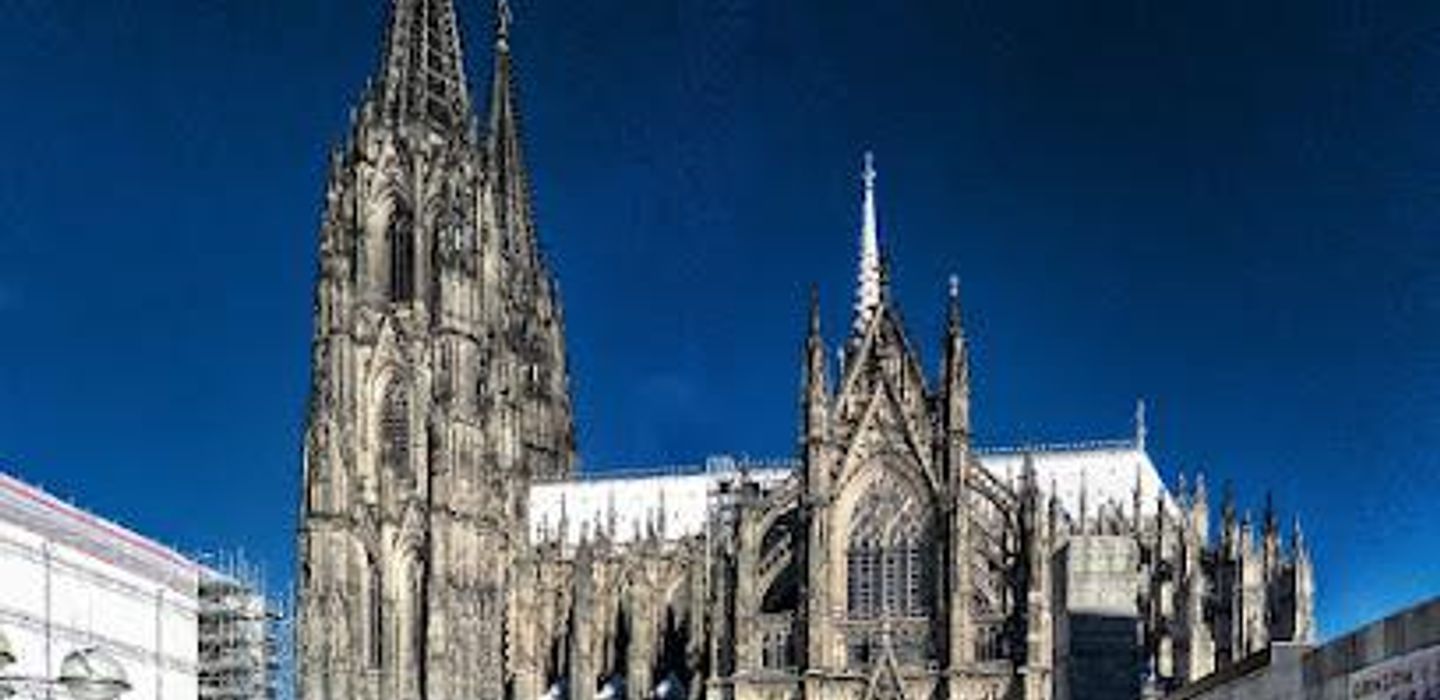
Cologne Cathedral, or Kölner Dom, is a towering testament to Gothic architecture and a symbol of Cologne's resilience. Rising dramatically from the heart of the city, this UNESCO World Heritage site captivates visitors with its intricate facade, soaring spires, and rich history spanning over six centuries. More than just a religious building, it's a cultural landmark, housing precious relics like the Shrine of the Three Kings and stunning stained-glass windows. Whether you're drawn to its spiritual significance, architectural grandeur, or historical importance, a visit to Cologne Cathedral is an unforgettable experience. Its imposing presence dominates the city skyline, beckoning exploration of its hallowed halls and the stories etched within its stones. Prepare to be awestruck by the sheer scale and artistry of this iconic cathedral, a true masterpiece of human endeavor and faith.
Daily 6:00–20:00
-
Historical market square4.5★12,774 reviews
Old Market
The Alter Markt, or Old Market, in Cologne is a vibrant square steeped in history and local culture. Situated in the heart of the Innenstadt (Inner City), it has served as Cologne's central marketplace and civic hub for centuries. Today, it's a bustling meeting point for locals and tourists alike, surrounded by colorful buildings, traditional restaurants, and Kölsch breweries. The square is home to the iconic Jan von Werth fountain and is a focal point for Cologne's famous Carnival celebrations. Whether you're looking to soak in the atmosphere, enjoy a traditional meal, or simply people-watch, the Alter Markt offers a quintessential Cologne experience. Its central location makes it easily accessible and a perfect starting point for exploring the city's many attractions. The square is particularly lively during the Christmas season, when it transforms into a magical Christmas market.
Open 24 hours
-
Modern art museum4.5★7,394 reviews
Museum Ludwig
Museum Ludwig, situated in the heart of Cologne, Germany, is a treasure trove of modern and contemporary art. Housing an impressive collection that spans from Pop Art and Surrealism to Expressionism and photography, the museum offers a comprehensive overview of 20th and 21st-century art movements. Its iconic location near the Cologne Cathedral and the Rhine River makes it easily accessible and a central point for cultural exploration. Visitors can immerse themselves in works by renowned artists like Picasso, Warhol, Lichtenstein, and Dalí, experiencing the evolution of art through diverse mediums and perspectives. The museum's dynamic exhibitions and engaging programs provide a stimulating environment for art enthusiasts of all levels, making it a must-visit destination for anyone seeking to understand and appreciate modern art's profound impact.
Daily 10:00–18:00
-
Park4.5★6,680 reviews
Rheingarten
Rheingarten is a scenic park located along the Rhine River in Cologne's Old Town, offering stunning views of the river and city skyline. This green space provides a tranquil escape from the urban bustle, inviting visitors to stroll along its well-maintained pathways, relax on strategically placed benches, or enjoy a picnic amidst lush greenery. The park is particularly captivating during sunset, when the river reflects the golden hues of the sky, creating a picturesque backdrop. With its proximity to various restaurants and cafes, Rheingarten is an ideal spot for al fresco dining and experiencing Cologne's vibrant social atmosphere. Its central location makes it a convenient stop for tourists exploring the Altstadt, offering a blend of nature, culture, and community.
Open 24 hours
-
Historical landmark4.6★4,561 reviews
Heumarkt
Heumarkt, meaning 'Hay Market,' is a vibrant square in the heart of Cologne's Old Town, steeped in history and brimming with activity. Once a medieval trading hub, it has evolved into a bustling center for locals and tourists alike. Lined with traditional breweries, cozy cafes, and diverse restaurants, Heumarkt offers a delightful blend of historical charm and modern amenities. The square hosts numerous events throughout the year, from the lively Cologne Carnival to the enchanting Christmas Market, complete with an ice rink. With its central location and easy access to other iconic landmarks like the Cologne Cathedral and the Rhine River, Heumarkt is an essential destination for experiencing the spirit of Cologne.
Open 24 hours
-
Art museum4.6★2,728 reviews
Wallraf-Richartz-Museum & Fondation Corboud
The Wallraf-Richartz-Museum & Fondation Corboud in Cologne is a treasure trove of European art, spanning from the medieval period to the early 20th century. Located in the heart of the city, near the iconic Cologne Cathedral, the museum boasts an impressive collection that includes masterpieces from Stefan Lochner's medieval paintings to stunning works by Baroque masters like Rubens and Rembrandt. Thanks to the Fondation Corboud, the museum also houses Germany's most extensive collection of Impressionist and Neo-Impressionist art, featuring renowned artists such as Monet, Renoir, and Van Gogh. Housed in a modern building designed by Oswald Mathias Ungers, the Wallraf-Richartz-Museum offers visitors a captivating journey through 700 years of art history, making it a must-see destination for art enthusiasts visiting Cologne.
Tue–Sun 10:00–18:00
-
Observation deck4.6★2,215 reviews
Rheinboulevard
The Rheinboulevard is a stunning riverside promenade in Cologne-Deutz, offering breathtaking panoramic views of Cologne's iconic skyline, including the majestic Cologne Cathedral. Built as a wide set of steps leading down to the Rhine, it's a popular spot for locals and tourists alike to relax, soak in the scenery, and enjoy the vibrant atmosphere. The boulevard seamlessly blends modern design with historical elements, incorporating archaeological finds from the Roman era. Whether you're looking for a place to stroll, capture stunning photographs, or simply unwind by the river, the Rheinboulevard provides an unforgettable Cologne experience. Its accessible design ensures everyone can enjoy the beauty and charm of this exceptional location, making it a must-visit destination.
Open 24 hours
-
Tourist attraction4.4★1,790 reviews
Fish Market
The Fish Market (Fischmarkt) in Cologne, nestled along the Rhine River in the heart of the Altstadt (Old Town), is a picturesque square steeped in history. Despite its name, it no longer functions as a traditional fish market but rather as a vibrant public space surrounded by colorful, reconstructed historic buildings. The area boasts charming restaurants and cafes, making it a delightful spot to soak in the atmosphere of Cologne. With roots tracing back to the 12th century, the Fish Market offers a glimpse into the city's past as a significant trading hub. The iconic Great St. Martin Church provides a stunning backdrop, enhancing the area's appeal. Whether you're seeking a leisurely stroll, a delicious meal, or a captivating photo opportunity, the Fish Market is a must-see destination in Cologne.
Open 24 hours
-
Catholic church4.6★1,286 reviews
Great St. Martin Church
Great St. Martin Church, or Groß St. Martin, is a stunning Romanesque Catholic church gracing Cologne's Old Town. Its origins trace back to the 1st century AD, with the current structure built between 1150 and 1250. The iconic crossing tower, adorned with four turrets, dominates the skyline and serves as a powerful reminder of the city's rich history. Severely damaged during World War II, the church has been meticulously restored, revealing a seamless blend of Roman foundations and Rhenish architecture. Visitors can explore the minimalist interior, admire the cloverleaf-shaped ground plan, and even descend to the basement to view the ancient Roman ruins upon which the church was built. Located near the Rhine River and other landmarks, Great St. Martin offers a peaceful escape and a glimpse into Cologne's captivating past.
-
Art museum4.6★1,191 reviews
Kolumba
Kolumba is more than just an art museum; it's a profound experience where history, architecture, and art converge. Located on the site of the former St. Kolumba church, destroyed during World War II, the museum seamlessly integrates the ruins, a 1950s chapel known as 'Madonna of the Ruins,' and a modern structure designed by Swiss architect Peter Zumthor. The collection spans from late antiquity to the present, featuring religious artifacts, paintings, sculptures, and contemporary installations. Kolumba offers a unique space for contemplation, inviting visitors to engage with art and history in a deeply personal way. The building itself, constructed of grey brick, creates a serene atmosphere with its interplay of light and shadow, making it a must-see destination for those seeking a meaningful cultural experience in Cologne.
Mon 12:00–17:00 · Wed–Sun 12:00–17:00


Heinzelmännchenbrunnen, Köln - Edmund Renard
The Heinzelmännchenbrunnen, or Pixies' Fountain, is a captivating monument in Cologne that immortalizes the legend of the Heinzelmännchen, the city's industrious house gnomes. According to folklore, these tiny creatures secretly performed tasks at night, from baking bread to crafting shoes, until a tailor's wife's curiosity led to their departure. Erected in 1901, the fountain, located near the Cologne Cathedral and the Früh brewery, features intricate sculptures depicting the gnomes at work and the inquisitive tailor's wife. The fountain serves as a reminder of Cologne's rich folklore and its unique cultural identity. Visitors can admire the detailed carvings, read the poem that immortalized the legend, and reflect on the themes of curiosity and diligence. The Heinzelmännchenbrunnen is a must-see attraction for those seeking to connect with Cologne's enchanting past and experience the city's whimsical spirit.
Open 24 hours

Church of St. Ursula
The Basilica of St. Ursula in Cologne is far more than just another Romanesque church; it's a captivating, if slightly macabre, journey into local legend and history. Built upon the site of a Roman cemetery, the church is famous for housing the Golden Chamber, a reliquary filled with the bones of St. Ursula and her legendary 11,000 virgin companions. Whether the story is historical fact or pious fiction, the sheer volume of bones arranged in artistic patterns is a sight to behold. Beyond the Golden Chamber, the basilica boasts stunning architecture, valuable furnishings, and a serene atmosphere that invites contemplation. Located near the city center, it's an easily accessible and unforgettable stop for any visitor to Cologne.
Tue–Sat 10:00–12:00, 15:00–17:00 · Sun 15:00–17:00

Historisches Rathaus der Stadt Köln
The Historisches Rathaus der Stadt Köln, or Cologne City Hall, stands as a testament to the city's rich history and enduring civic pride. With documented origins stretching back over 800 years, it is considered the oldest city hall in Germany. The building is not just a seat of government; it's a captivating architectural ensemble, showcasing a blend of Gothic, Renaissance, and modern styles. Its iconic features, such as the intricate Renaissance loggia, the towering Gothic Ratsturm (Council Tower) adorned with historical figures, and the famed 'Platzjabbeck' that mocks passersby with its protruding tongue, make it a must-see landmark. Located in the heart of Cologne's Innenstadt (inner city), between Rathausplatz and Alter Markt, the City Hall offers visitors a glimpse into the city's past and present.

St. Maria im Kapitol
St. Maria im Kapitol, located in the heart of Cologne, is one of the city's twelve Romanesque churches, boasting a rich history that stretches back to Roman times. Founded in the 7th century, the church stands on the site of a former Roman temple dedicated to the Capitoline Triad. Its architecture showcases a stunning blend of Romanesque and Gothic styles, with notable features including the unique three-apse choir and the intricate wooden doors, which are among the oldest in Germany. Visitors are captivated by the serene atmosphere, the impressive scale of the interior, and the numerous art historical treasures housed within, making it a must-see destination for those interested in religious architecture and the history of Cologne. The church provides a peaceful respite from the bustling city, inviting contemplation and appreciation of its enduring legacy.

Rheinpromenade Köln-Deutz
The Rheinpromenade Köln-Deutz offers stunning panoramic views of Cologne's skyline, including the iconic Cologne Cathedral and the Hohenzollern Bridge. Situated on the Rhine's eastern bank, this vibrant promenade is a popular spot for locals and tourists alike, providing a relaxed atmosphere for strolling, enjoying a Kölsch (local beer), or simply taking in the scenery. Easily accessible and open year-round, the promenade features wide walkways, steps leading down to the river, and various spots to sit and soak in the atmosphere. It's a perfect place to capture memorable photos, especially during sunset when the city lights reflect on the water. The Rheinpromenade also connects to other attractions, making it an ideal starting point for exploring Cologne.
Open 24 hours

Römerturm
The Römerturm, or Roman Tower, stands as a remarkable testament to Cologne's rich Roman past. Constructed around 50 AD as part of the ancient city wall of Colonia Claudia Ara Agrippinensium, it offers a captivating glimpse into Roman engineering and architectural prowess. Located near the bustling Zeughausstraße, this well-preserved tower showcases intricate stone mosaics and provides a tangible link to the city's origins. Visitors can admire the tower's detailed design, explore the surrounding historical area, and imagine life in Roman Cologne. The Römerturm is a must-see for history enthusiasts and anyone seeking to connect with Cologne's ancient roots, offering a unique blend of historical significance and architectural beauty in the heart of the city.
Open 24 hours

Basilica of St. Cunibert
The Basilica of St. Cunibert, or St. Kunibert as it's known locally, stands as a majestic testament to Cologne's rich Romanesque heritage. Consecrated in 1247, just before the construction of the city's iconic Gothic cathedral, it is the youngest of Cologne's twelve Romanesque churches. Located near the Rhine in the northern part of the Old Town, its striking silhouette with three towers and strong walls defines the cityscape. While the exterior might seem austere, the interior welcomes visitors with a bright and inviting atmosphere, showcasing rich decorations spanning many centuries. The basilica is not only an architectural marvel but also a repository of significant religious artifacts and relics, making it an essential stop for anyone exploring Cologne's historical and cultural treasures.
Daily 10:00–18:00

Shrine of the Three Kings
The Shrine of the Three Kings, residing within Cologne Cathedral, is a magnificent reliquary believed to hold the remains of the Three Wise Men. This elaborate, gilded sarcophagus, a high point of Mosan art, attracts pilgrims and art enthusiasts alike. Its intricate details narrate biblical stories, while its sheer scale impresses all who visit. More than just a religious artifact, the shrine represents centuries of history, faith, and artistic dedication. Cologne Cathedral itself, a UNESCO World Heritage site, provides a stunning backdrop, making the shrine a must-see for anyone exploring Cologne. The shrine serves as a reminder of the enduring power of faith and the captivating beauty of human craftsmanship devoted to the divine. Visiting this jeweled masterpiece offers a glimpse into the heart of medieval artistry and religious devotion.
Mon–Sat 10:00–19:00 · Sun 11:00–19:00

Dom Treasury
Delve into over a thousand years of religious art and history at the Cologne Cathedral Treasury (Domschatzkammer), nestled beside the iconic Cologne Cathedral. This museum houses one of Europe's most significant collections of ecclesiastical artifacts, including precious reliquaries, liturgical equipment, manuscripts, and vestments. Marvel at the intricate goldsmith work and learn the compelling stories of faith, tradition, and devotion that have shaped the region. Highlights include early Christian artifacts dating back to the 4th century, the legendary crosier of St. Peter, and the Shrine of the Cross of Cologne, a Byzantine triptych containing a fragment of the True Cross. Open daily, the Treasury offers a profound glimpse into Cologne's spiritual and artistic legacy, making it a must-see for art enthusiasts, history buffs, and curious travelers alike.
Daily 10:00–18:00

Equestrian statue of Friedrich Wilhelm III.
Dominating Cologne's Heumarkt, the equestrian statue of Friedrich Wilhelm III is a powerful symbol of Prussian history and the city's complex past. Erected in 1878, it honors King Friedrich Wilhelm III, who led Prussia through the Napoleonic Wars and initiated significant reforms. The statue, featuring the king on horseback surrounded by figures representing key figures and values of the era, has had a tumultuous history, surviving war damage and even being dismantled. Reconstructed and restored, it now stands as a reminder of Cologne's historical ties to Prussia and a focal point for reflection on the region's evolution. The statue is a popular spot for tourists and locals alike, offering a glimpse into the Rhineland's rich heritage.
Open 24 hours

Römisches Praetorium
Step into the rich history of Cologne at the Römisches Praetorium, an archaeological site that showcases the remnants of Roman governance in this vibrant city. This site not only offers a glimpse into the past but also allows visitors to appreciate the intricate architecture and artifacts that have survived through the ages. With its strategic location in the heart of Cologne, the Römisches Praetorium is a must-visit for history enthusiasts and curious travelers alike.

Tünnes und Schäl
Tünnes and Schäl are more than just bronze statues; they are the embodiment of Cologne's spirit, humor, and cultural identity. Located in the heart of the Old Town, near the Groß St. Martin church, these figures represent the Kölsch way of life, blending innocence and shrewdness. Tünnes, the simple country bumpkin, and Schäl, the cunning city slicker, have been entertaining locals and tourists alike for generations. Rubbing Tünnes' nose is said to bring good luck, making this a must-see attraction for anyone seeking an authentic Cologne experience. The statues offer a glimpse into the city's history and its people, making it a memorable stop for every visitor. They are a reminder of the joy that comes from viewing life with both simplicity and cleverness.
Open 24 hours

Equestrian Statue of Kaiser Wilhelm I
The Equestrian Statue of Kaiser Wilhelm I in Cologne is a commanding bronze monument honoring the first German Emperor. Situated on the Kennedy-Ufer, along the Rhine River and near the Hohenzollern Bridge, it depicts Wilhelm I in military attire atop a granite base. Created by sculptor Friedrich Drake and unveiled in 1867, the statue reflects the emperor's significance as a statesman and military leader. It's one of several equestrian statues of Prussian rulers on the bridge, offering a glimpse into German history and imperial grandeur. The statue is easily accessible and provides a striking photo opportunity with the Cologne Cathedral in the background, making it a worthwhile stop for history buffs and sightseers alike. While there was debate in 2022 about the statue's symbolism, it remains a prominent landmark.
Open 24 hours

Equestrian Statue of Kaiser Wilhelm II
The Equestrian Statue of Kaiser Wilhelm II in Cologne stands as a complex symbol of German history. Located on the Konrad-Adenauer-Ufer, near the Hohenzollern Bridge, this bronze monument portrays Wilhelm II in military attire, embodying the power and influence of the Hohenzollern dynasty. Created by sculptor Louis Tuaillon and unveiled in 1911, the statue has witnessed significant historical events, including the World War I era and more recent debates surrounding colonialism and historical representation. Today, it serves as a focal point for discussions about Germany's past, attracting visitors interested in history, art, and the ongoing dialogue about cultural memory. The statue is easily accessible and offers a compelling glimpse into the complexities of German identity and historical interpretation.
Open 24 hours

Romans' Northern Gate
The Romans' Northern Gate in Cologne offers a glimpse into the city's rich Roman past. Located at Kardinal-Höffner-Platz, this historical site marks the northern entrance to the ancient Roman settlement of Colonia Claudia Ara Agrippinensium. While only remnants of the original gate remain, the site provides a tangible connection to Cologne's origins as a vital Roman outpost. Visitors can explore the visible ruins and imagine the bustling activity that once characterized this gateway. The surrounding area, with its blend of modern architecture and historical markers, enhances the experience, offering a layered perspective on Cologne's evolution. The site is easily accessible and provides a quiet space for reflection amidst the lively city center. It serves as a reminder of the enduring legacy of Roman civilization in this vibrant German metropolis, inviting exploration and contemplation of its historical significance.
Open 24 hours

Römerbrunnen
Römerbrunnen, a stunning historical fountain in the heart of Cologne, offers visitors a glimpse into the city's rich heritage. This picturesque landmark is perfect for tourists seeking both beauty and history in one captivating location.
Open 24 hours

Edith Stein Denkmal
The Edith Stein Denkmal, located on Börsenplatz in Cologne's Innenstadt, is a poignant monument honoring the life and legacy of Edith Stein, also known as Saint Teresa Benedicta of the Cross. A Jewish-born philosopher who converted to Catholicism and became a Carmelite nun, Stein was murdered at Auschwitz in 1942. The sculpture serves as a reminder of the Holocaust and a symbol of reconciliation. The monument's design, featuring symbolic representations of suffering and hope, invites reflection on themes of faith, persecution, and the search for truth. Its central location makes it easily accessible to visitors exploring Cologne's historical center, offering a moment of contemplation amidst the bustling city. The Denkmal is a powerful testament to Stein's enduring influence and the importance of remembering the victims of Nazi atrocities. The open space around the monument allows for unobstructed viewing and quiet contemplation, making it a significant site for both locals and tourists.
Open 24 hours

Guided Tours at the Cathedral
Cologne Cathedral, or Kölner Dom, is a towering testament to Gothic architecture and a UNESCO World Heritage site, dominating Cologne's skyline. Construction began in 1248 to house the relics of the Three Wise Men and wasn't completed until 1880, over 600 years later. Today, it stands as Germany's most visited landmark, drawing millions of pilgrims and tourists annually. The cathedral's soaring spires, intricate facade, and stunning stained-glass windows create an awe-inspiring experience. Inside, visitors can marvel at the Shrine of the Three Kings, climb the south tower for panoramic views, and explore the cathedral treasury. Despite sustaining damage during World War II, the cathedral was meticulously restored, a symbol of resilience and faith. A visit offers a glimpse into centuries of history, art, and religious significance, making it a must-see destination in Cologne.

Petrusbrunnen
The Petrusbrunnen, or Peter's Fountain, is a captivating neo-Gothic fountain located on the Papstterrasse (Pope's Terrace) of Cologne Cathedral. Donated to the city in 1870 by Empress Augusta, wife of Kaiser Wilhelm I, this ornate structure features a statue of St. Peter, the patron saint of the Cathedral. Designed by cathedral architect Richard Voigtel and sculptor Peter Fuchs, the fountain stands as a unique example of 19th-century fountain architecture, admired for its intricate details. Originally located closer to the Rhine, it suffered from a poor water supply, earning it the nickname "Drügge Pitter" (Dry Peter). Though moved to its current location in 2003 and now with a reliable water source, the name has stuck, adding to its local charm and historical significance. A visit to the Petrusbrunnen offers a chance to appreciate both its artistic merit and its place in Cologne's cultural memory.
Open 24 hours

Old St. Alban
Old St. Alban is a poignant historical landmark in Cologne's Innenstadt, serving as both a ruin and a memorial. Originally a Romanesque church dating back to the 12th century, it was heavily damaged during World War II. Rather than being rebuilt, the ruins were preserved as a memorial to the victims of both World Wars. Today, visitors can witness the haunting remains of the church, including a copy of Käthe Kollwitz's 'Mourning Parents' sculpture, a powerful symbol of grief and loss. The site offers a space for reflection amidst the bustling city center, reminding visitors of Cologne's resilience and the enduring impact of war. While the ruins themselves are not accessible, they can be viewed from the street, offering a somber yet compelling experience. The Bruder Konrad Chapel, located on the ground floor of the tower, is occasionally open to the public, housing a crescent moon Madonna from the 16th century.
Open 24 hours

Jan von Werth-Brunnen, Köln
The Jan von Werth Fountain, gracing Cologne's Alter Markt, is more than just a beautiful monument; it's a vibrant symbol of local folklore and resilience. Erected in 1884, it commemorates Jan von Werth, a celebrated cavalry general from the Thirty Years' War, and his legendary, albeit heartbreaking, romance with Griet. The fountain depicts Jan standing proudly, a testament to his military achievements, while allegorical statues at its base represent Cologne's valor and purity. Surrounded by the lively atmosphere of the Alter Markt, with its charming cafes and historical buildings, the Jan von Werth Fountain offers visitors a captivating glimpse into Cologne's rich past and enduring spirit. It's a must-see landmark that embodies the city's cultural identity and provides a picturesque setting for locals and tourists alike to gather and reflect on Cologne's captivating history.
Open 24 hours

Ubii Monument
Delve into Cologne's ancient past at the Ubii Monument, the city's oldest stone structure. This unassuming yet historically significant site offers a glimpse into the lives of the Ubii, a Germanic tribe instrumental in the region's early settlement. Discovered in 1965, the monument's 6-meter-high remains mark the southeastern corner of the Roman colony, with remnants of a 1st-century city wall still attached. Originally towering at 12 meters, its purpose remains debated, possibly serving as a fortification or harbor entrance watchtower. Today, it stands as a tangible link to Cologne's Roman origins, offering visitors a unique opportunity to connect with the city's formative years. Located near the Malzmühle brewery, a visit to the Ubii Monument provides an enriching historical detour.
Thu 14:00–17:00

Overstolzenhaus
The Overstolzenhaus, nestled in Cologne's Altstadt-Süd, stands as one of the city's oldest buildings and Germany's best-preserved Romanesque houses. Constructed around 1230 for the Overstolz family, wealthy merchants who played a vital role in Cologne's history, this patrician house showcases a unique blend of Romanesque and early Gothic architectural styles. Its imposing facade, adorned with stepped gables and intricately designed windows, offers a captivating glimpse into the lives of medieval Cologne's elite. Today, the Overstolzenhaus houses the Academy of Media Arts, blending its historical significance with contemporary artistic endeavors. Visitors can admire the building's exterior, explore the surrounding charming Rheingasse, and imagine the bustling trade and political intrigue that once unfolded within its walls. The Overstolzenhaus is a testament to Cologne's resilience, having survived centuries of change and wartime damage, making it a must-see for history and architecture enthusiasts.
Mon–Thu 10:00–18:00 · Fri 10:00–15:00

Roncalliplatz
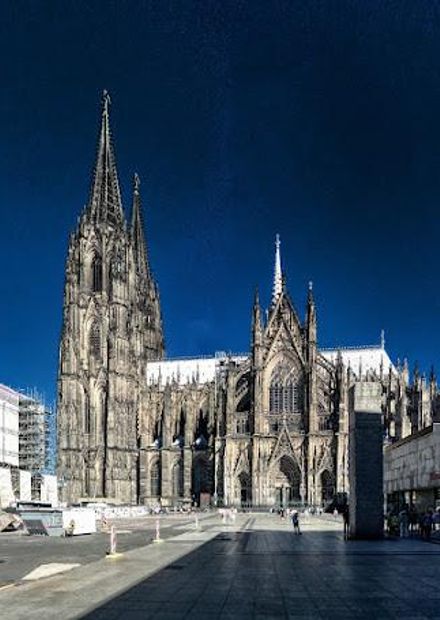
Roncalliplatz, a bustling plaza at the foot of the iconic Cologne Cathedral, serves as the city's vibrant heart. Named after Pope John XXIII, this expansive square hosts a variety of events throughout the year, from summer concerts and theatrical performances to the enchanting Christmas Market during the Advent season. Flanked by significant landmarks like the Romano-Germanic Museum and the historic Dom Hotel, Roncalliplatz offers a dynamic blend of culture, history, and modern urban life. Whether you're admiring the cathedral's majestic facade, enjoying a street performance, or simply soaking in the lively atmosphere, Roncalliplatz provides an unforgettable Cologne experience. Its central location and easy accessibility make it a natural gathering place for locals and tourists alike, solidifying its importance as a key public space in the city.
Open 24 hours

Heinrich-Böll-Platz
Heinrich-Böll-Platz is a vibrant public square in Cologne's city center, serving as a dynamic hub for culture and leisure. Flanked by the iconic Cologne Cathedral, the modern Museum Ludwig, and the Kölner Philharmonie concert hall, the square provides a unique blend of historical and contemporary elements. Designed by Israeli artist Dani Karavan, the square itself is considered an artwork, featuring clinker bricks, granite slabs, and rails in its construction. It's a popular spot for locals and tourists alike, offering stunning views of the Cathedral, the Rhine River, and the Hohenzollern Bridge. Whether attending a concert, exploring the museums, or simply soaking in the atmosphere, Heinrich-Böll-Platz encapsulates Cologne's spirit.
Open 24 hours

Ancient Roman Harbor Street
Step back in time and explore the remnants of Cologne's Roman past at the Ancient Roman Harbor Street. Located near the iconic Cologne Cathedral, this historical landmark offers a fascinating glimpse into the city's origins as a vital trading hub within the Roman Empire. Wander along the ancient cobblestone street, imagine the bustling activity of merchants and traders, and discover the foundations of structures that once lined the harbor. The site provides a unique blend of ancient history and modern urban life, making it an enriching experience for history enthusiasts and casual visitors alike. Informative plaques detail the street's history and significance, while nearby cafes and shops offer a chance to relax and soak in the atmosphere. The street offers a tangible connection to Cologne's rich heritage, showcasing the engineering and cultural influence of the Roman era. It's a must-see for anyone interested in understanding the city's evolution from a Roman settlement to a modern metropolis.
Open 24 hours

Mariensäule
The Mariensäule, a neo-Gothic Marian column, stands as a testament to Cologne's Catholic heritage. Erected in 1858, it commemorates the dogma of the Immaculate Conception and reflects the city's complex relationship with Prussian rule at the time. Located in the Gereonsdriesch park, near St. Gereon's Basilica, the column features intricate sculptures and symbolic elements. It serves as a reminder of Cologne's rich history and enduring faith, offering a peaceful respite in the heart of the city. The Mariensäule is a significant landmark, embodying Cologne's cultural identity and historical narrative. Its location in a small park provides a tranquil setting for reflection and appreciation of its artistic and historical value. A visit offers a glimpse into the city's past and the enduring power of faith.
Open 24 hours

Paolozzibrunnen – Eduardo Paolozzi (1986)
The Paolozzi Fountain, also known as the Skulpturenbrunnen (sculpture fountain), is a captivating and interactive work of art located in Cologne's scenic Rheingarten park. Created by Scottish artist Eduardo Paolozzi in 1986, the fountain features a collection of abstract bronze sculptures and repurposed stone blocks arranged in flowing pools of water. These stone blocks are remnants of a former streetcar ramp to the Hohenzollern Bridge, connecting the fountain to the city's history. The fountain is particularly popular with children, who enjoy playing and splashing in the water, making it a vibrant and engaging public space. Its central location near the Cologne Central Station makes it easily accessible and a refreshing stop for visitors exploring the city. The fountain serves as a reminder of Cologne's past while embracing modern art and playful interaction.
Open 24 hours

Römischer Abwasserkanal
Descend beneath the bustling streets of Cologne and step back in time at the Römischer Abwasserkanal, a remarkably preserved section of the Roman sewer system. Constructed over 2,000 years ago, this feat of engineering offers a fascinating glimpse into the daily life and urban planning of Roman Cologne (Colonia Claudia Ara Agrippinensium). Explore the underground tunnels, marvel at the intricate stonework, and imagine the bustling city above that relied on this essential infrastructure. The accessible section of the culvert showcases Roman entrance shafts used for cleaning and repairs, along with remnants of later additions. The Römischer Abwasserkanal provides a unique perspective on the city's history, highlighting the advanced sanitation and water management systems that were crucial to the development and maintenance of a thriving Roman metropolis. A visit here offers a tangible connection to Cologne's ancient past, revealing the ingenuity and sophistication of Roman civilization.
Open 24 hours

Schmitz Column
The Schmitz Column, located in Cologne's Alter Markt, is a quirky monument dedicated to the city's residents. Erected in 1969, it's named after 'Schmitz,' the most common surname in Cologne, symbolizing the archetypal Cologne citizen. The column's stones are from the Roman harbor, linking the city's ancient past to its present. The inscription humorously connects Cologne's history to the moon landing, highlighting the city's blend of pride and self-awareness. It's a must-see for those seeking a unique glimpse into Cologne's identity and humor, offering a playful take on local history and culture amidst the bustling atmosphere of the Old Market.
Open 24 hours

Römisches Kastell Deutz
The Römisches Kastell Deutz, or Roman Fort Deutz, unveils Cologne's rich Roman history on the Rhine's right bank. Constructed in the early 4th century AD under Emperor Constantine, this fortified military camp, known as Divitia, served as a crucial bridgehead and border defense against Germanic tribes. Today, remnants of the fort, including parts of the East Gate and the intriguing 'Schinkenkessel' (a semi-circular structure integrated into the Rhine Boulevard), offer glimpses into Cologne's strategic Roman past. While much of the original structure has been lost to time and riverbank modifications, the visible remains and historical context provide a compelling connection to the city's ancient roots. Explore the visible remnants, imagine the lives of Roman soldiers, and appreciate the fort's role in shaping Cologne's identity. The site is free to visit and easily accessible, making it a worthwhile stop for history enthusiasts and curious travelers alike.
Open 24 hours

Rheintor der mittelalterlichen Stadtmauer
Discover the Rheintor, a stunning remnant of Cologne's medieval city wall, where history and architecture blend seamlessly. This iconic landmark invites tourists to explore the rich heritage of the city while enjoying picturesque views and vibrant surroundings.
Open 24 hours

Frankenwerft
Frankenwerft is a captivating riverside promenade in Cologne's Altstadt-Nord, offering stunning views of the Rhine River and the iconic Cologne Cathedral. This historic area has been a vital part of Cologne's heritage for centuries, serving as a bustling trade route and a vibrant gathering place. Strolling along the promenade, visitors can enjoy a serene atmosphere, explore nearby cafes and restaurants serving local delicacies, and immerse themselves in the city's rich culture. During warmer months, Frankenwerft comes alive with outdoor events and festivals, making it a perfect spot for leisurely walks, picnics, and photography. The golden hour at Frankenwerft is particularly enchanting, with the setting sun casting a warm glow over the Rhine and Cologne's landmarks. Whether you're a history enthusiast, a foodie, or simply seeking a peaceful retreat, Frankenwerft promises an unforgettable experience in the heart of Cologne.

MA'ALOT
MA'ALOT, a large-scale outdoor artwork by Israeli artist Dani Karavan, graces Cologne's Heinrich-Böll-Platz, offering a space for contemplation amidst the city's bustling heart. Completed in 1986, this 'environment' incorporates granite, cast iron, bricks, and railway tracks, creating a multi-layered experience that invites interpretation. Situated between the Cologne Cathedral, the Museum Ludwig, and the Rhine, MA'ALOT subtly engages with its surroundings, prompting viewers to consider the relationship between art, history, and urban space. The artwork's elements, including a tower with a view towards the Cathedral and railway tracks evoking historical reflection, contribute to a powerful and thought-provoking experience. While offering a tranquil respite, the square also serves as a stage for various cultural events, further enriching Cologne's artistic spirit. Be aware that the square is a popular tourist spot, and can get very crowded.
Open 24 hours

Der goldene Kupferstern
Der goldene Kupferstern, nestled in the heart of Cologne on Roncalliplatz, offers a unique perspective on the city's vibrant atmosphere. While not a traditional attraction, its location places visitors amidst iconic landmarks like the Cologne Cathedral and the Romano-Germanic Museum. Roncalliplatz itself is a bustling square, hosting events, street performers, and the renowned Christmas market. The square provides a central gathering point, surrounded by historical buildings and offering easy access to the city's cultural treasures. It's a place to soak in the energy of Cologne, observe the daily life of locals and tourists alike, and appreciate the architectural grandeur that defines this historic city. Whether you're captivated by the cathedral's towering spires, intrigued by the square's lively ambiance, or simply seeking a central point to begin your Cologne adventure, Roncalliplatz and its surroundings offer a rich and immersive experience.

Pfarrbüro St. Maria im Kapitol & St. Maria Lyskirchen
The Pfarrbüro St. Maria im Kapitol & St. Maria Lyskirchen serves as the administrative heart for two of Cologne's most significant Romanesque churches. St. Maria im Kapitol, the larger of the two, stands on the foundations of a Roman temple and boasts a unique trefoil design inspired by the Church of the Nativity in Bethlehem. Its imposing structure and historical artifacts, including a Romanesque pictorial door and a forked cross, offer a glimpse into Cologne's rich medieval past. St. Maria Lyskirchen, though smaller, is renowned for its well-preserved 13th-century frescoes and the 'Schiffermadonna' (Sailor's Madonna), reflecting its historical connection to the Rhine's maritime community. Together, these churches represent a cornerstone of Cologne's architectural and religious heritage, inviting visitors to explore centuries of art, history, and spirituality within the city's vibrant Innenstadt.

Roncallipl.
Roncalliplatz, a bustling square in the heart of Cologne, serves as a dynamic focal point for locals and tourists alike. Flanked by the iconic Cologne Cathedral, the square offers a captivating blend of historical significance and modern vibrancy. It's a place where you can soak in the grandeur of the cathedral, explore nearby museums like the Romano-Germanic Museum, or simply enjoy the lively atmosphere. Throughout the year, Roncalliplatz hosts a variety of events, from concerts and festivals to the famous Christmas Market, making it a must-visit destination for anyone exploring Cologne. Its central location and easy accessibility make it a natural starting point for discovering the city's many attractions, offering a taste of Cologne's rich history and vibrant culture.

Am Hof 1
Am Hof, located in the heart of Cologne's Innenstadt (Inner City), is more than just an address; it's a vibrant square steeped in history and surrounded by architectural marvels. Once the site of Roman settlements and later a Carolingian royal court, Am Hof has been a central stage for Cologne's evolution. Today, it's a bustling hub where locals and tourists mingle amidst historic buildings, enjoying the atmosphere of quaint cafes and shops. The square provides stunning views of the Cologne Cathedral and is home to the Heinzelmännchenbrunnen, a whimsical fountain depicting the city's legendary gnomes. Am Hof serves as a perfect starting point to explore Cologne's rich cultural heritage, offering a blend of historical significance and contemporary vibrancy that captures the essence of this captivating city. Its central location makes it easily accessible and a must-see destination for anyone visiting Cologne, providing a memorable experience filled with history, culture, and local charm.

Kardinal-Höffner-Platz 1
Kardinal-Höffner-Platz, nestled in Cologne's Innenstadt, is a bustling public square that serves as a gateway to the city's rich history and modern vibrancy. Flanked by striking architecture, including the Cologne Tourist Information building, the square offers a welcoming atmosphere for locals and tourists alike. A stone's throw from the iconic Cologne Cathedral and the charming Old Town, it's an ideal spot for a leisurely stroll, a relaxing coffee break at a nearby café, or soaking in the lively urban atmosphere. The square also provides easy access to art galleries, shops, and eateries, offering a taste of Cologne's local culture and culinary scene. With frequent events and markets, Kardinal-Höffner-Platz is a must-visit destination for anyone seeking to experience the heart of Cologne.

Kardinal-Höffner-Platz
Kardinal-Höffner-Platz, nestled in Cologne's Innenstadt, is a vibrant public square blending historical charm with modern urban life. Named after Cardinal Joseph Höffner, it serves as a central meeting point and a gateway to Cologne's most iconic landmarks. A short walk leads to the majestic Cologne Cathedral, a UNESCO World Heritage site, and the enchanting Old Town. The square itself is adorned with a replica of the Cologne Cathedral finials, making it a popular photo spot. Visitors can relax, enjoy the surrounding architecture, and immerse themselves in the city's dynamic atmosphere. The square often hosts local events and markets, offering a unique opportunity to experience Cologne's community spirit. With its blend of history, culture, and accessibility, Kardinal-Höffner-Platz is an essential stop for any Cologne visitor, providing a perfect starting point for exploring the city's rich heritage and vibrant present.

Cologne
Cologne, or Köln as the locals call it, is a vibrant metropolis on the Rhine, boasting a rich 2,000-year history from Roman settlement to a modern cultural hub. The city is renowned for its iconic Cologne Cathedral, a UNESCO World Heritage site and a masterpiece of Gothic architecture. Beyond the cathedral, Cologne offers a diverse range of attractions, including Romanesque churches, world-class museums like the Museum Ludwig and the Romano-Germanic Museum, and the charming Old Town (Altstadt) with its traditional breweries. Cologne's spirit is defined by its lively atmosphere, especially during Carnival, and its welcoming attitude towards diversity, making it a must-visit destination in Germany. Explore the city's unique blend of historical landmarks and contemporary culture, from the Hohenzollern Bridge adorned with love locks to the innovative Rheinauhafen district.

Burgmauer
The Burgmauer, or fortress wall, in Cologne offers a glimpse into the city's rich Roman past. Though not an original Roman construction, this section of the city wall, located near the Cologne Cathedral, evokes the historical significance of Cologne as a vital Roman settlement. Built in the early 20th century, it stands as a reminder of the city's strategic importance throughout history. Visitors can stroll along the Burgmauer, imagining the bustling activity of Roman soldiers and traders who once traversed this very ground. The wall provides a unique perspective on Cologne's evolution, blending ancient history with the modern cityscape. Its proximity to other major attractions makes it a convenient and worthwhile stop for history enthusiasts and casual tourists alike. The Burgmauer serves as a tangible link to Cologne's origins, offering a moment of reflection on the city's enduring legacy.

Appellhofpl.
Appellhofplatz, a central square in Cologne's Innenstadt, serves as a vibrant crossroads of history, culture, and modern life. Flanked by significant landmarks like the NS Documentation Center (EL-DE Haus), a haunting reminder of the city's past, and modern structures housing media organizations, the square embodies Cologne's resilience and evolution. Its proximity to the Cologne Cathedral, the bustling Breite Straße shopping district, and the Rhine River makes it a prime location for both locals and tourists. Appellhofplatz is more than just a transport hub; it's a place to reflect, connect, and experience the dynamic spirit of Cologne. The square also hosts memorials, including one dedicated to the victims of Nazi military justice, adding layers of historical significance to this urban space. Whether you're exploring historical sites, indulging in retail therapy, or simply soaking in the atmosphere, Appellhofplatz offers a multifaceted Cologne experience.

Barockfassade
The Barockfassade on Kleine Sandkaul in Cologne's Innenstadt offers a captivating glimpse into the city's rich architectural heritage. This meticulously preserved Baroque facade, dating back to 1696, stands as a testament to Cologne's resilience and its embrace of diverse artistic styles throughout the centuries. Once part of the mansion of councilman Johann Matthias Koix, it is now the only remaining facade of its kind in the area, making it a unique historical landmark. Its intricate details and elegant design provide a striking contrast to the modern cityscape, inviting visitors to step back in time and appreciate the craftsmanship of a bygone era. Located near the bustling Heumarkt, the Barockfassade is easily accessible and serves as a poignant reminder of Cologne's vibrant past, offering a moment of quiet contemplation amidst the city's lively atmosphere. A visit to this historical gem is a must for architecture enthusiasts and anyone seeking to connect with Cologne's cultural roots.

Heumarkt 43
Heumarkt, one of Cologne's largest and most historic squares, is a vibrant hub in the heart of the city's Old Town. Once a medieval hay market, it's now a bustling center for locals and tourists alike, surrounded by traditional breweries, cozy cafes, and diverse restaurants. The square is steeped in history, hosting significant events like the Cologne Carnival and the enchanting Christmas Market, complete with an ice rink. Dominated by the equestrian statue of Friedrich Wilhelm III, Heumarkt offers a picturesque glimpse into Cologne's past and present, making it a must-see destination for anyone exploring the city. Its central location provides easy access to other iconic landmarks, ensuring a memorable experience filled with culture, cuisine, and Kölsch beer.

Hohenzollern Bridge
The Hohenzollern Bridge, straddling the Rhine in Cologne, is more than just a crossing; it's a symbol of the city's resilience and a testament to enduring love. Originally built in the early 20th century to accommodate both rail and road traffic, it now stands as a pedestrian and railway bridge, offering stunning panoramic views of the Cologne Cathedral and the cityscape. The bridge has a rich history, surviving heavy damage during World War II and later reconstructed. Today, over 1,200 trains rumble across it daily, making it one of Germany's busiest railway bridges. Its pedestrian walkways are adorned with countless 'love locks,' tokens of affection left by couples from around the world, transforming the bridge into a unique and romantic landmark. Whether you're drawn to its architectural grandeur, historical significance, or the captivating display of love locks, the Hohenzollern Bridge offers a memorable experience.

Heumarkt
Heumarkt, meaning "Hay Market," is a vibrant square in the heart of Cologne's Old Town, a central gathering place for centuries. Once a medieval marketplace, it has transformed into a bustling hub surrounded by historical landmarks, traditional breweries, cozy cafes, and diverse restaurants. The square hosts numerous events throughout the year, from the lively Cologne Carnival to the enchanting Christmas Market with its iconic ice rink. With its blend of history, culture, and lively atmosphere, Heumarkt offers an authentic Cologne experience, making it a must-visit destination for locals and tourists alike. Its central location and excellent public transport links make it an ideal starting point for exploring the city's many attractions, including the Cologne Cathedral and the Rhine River.

blue heart
The Blue Heart is a captivating tourist attraction nestled in Cologne's Innenstadt district. This striking, heart-shaped art installation, located on Krummer Büchel, offers a tranquil respite from the bustling city. Its vivid blue color and artistic design provide a perfect photo opportunity, inviting visitors to pause and reflect. Surrounded by historical architecture and modern amenities, the Blue Heart resonates with locals and tourists alike. Its central location encourages exploration, with numerous cafes, shops, and landmarks within walking distance. The site serves as a reminder of Cologne's rich cultural heritage, embracing contemporary art and offering a refreshing contrast to the energetic pace of urban life. Whether on a leisurely stroll or a dedicated sightseeing tour, the Blue Heart is a must-see, embodying the artistic spirit of Cologne.
Explore Roncalliplatz on the map
A handpicked selection of must-see spots near Roncalliplatz, mapped for you.
More about Roncalliplatz
Roncalliplatz travel guide
Experience the vibrant heart of Cologne at Roncalliplatz, a bustling plaza where culture, history, and festive events converge at the foot of the iconic Cathedral.
Tell me more about RoncalliplatzMore to explore near Roncalliplatz

 Best experiences near Roncalliplatz
 Best hotels near Roncalliplatz
 Best attractions near Roncalliplatz
 Best shops near Roncalliplatz
 Best bars near Roncalliplatz
 Best restaurants near Roncalliplatz
Explore more

Explore more of Cologne
Explore Cologne, Germany's vibrant city on the Rhine, known for its stunning cathedral, rich cultural scene, lively festivals, and delightful culinary offerings.
Explore Cologne
Getting your guide ready…
We are putting together a fresh copy of the Roncalliplatz guide. This can take up to a minute.
This can take a few moments. If your browser asks, choose Allow so the download can start. You'll find the guide in your Downloads folder.
Nothing happened? Download it again
Sorry, the guide is taking longer than usual. Please try again in a minute, or get it by email instead.

