Dresden Castle, Dresden Travel Guide
Explore Dresden Castle, a majestic symbol of Saxon history, art, and resilience, housing five remarkable museums and offering panoramic city views from the Hausmann Tower.
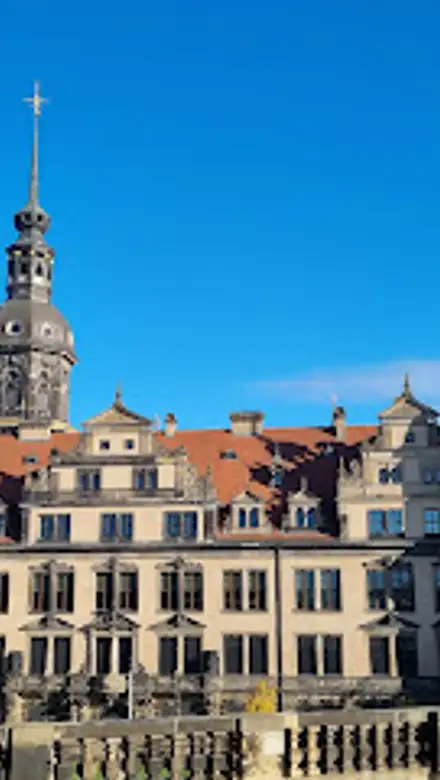
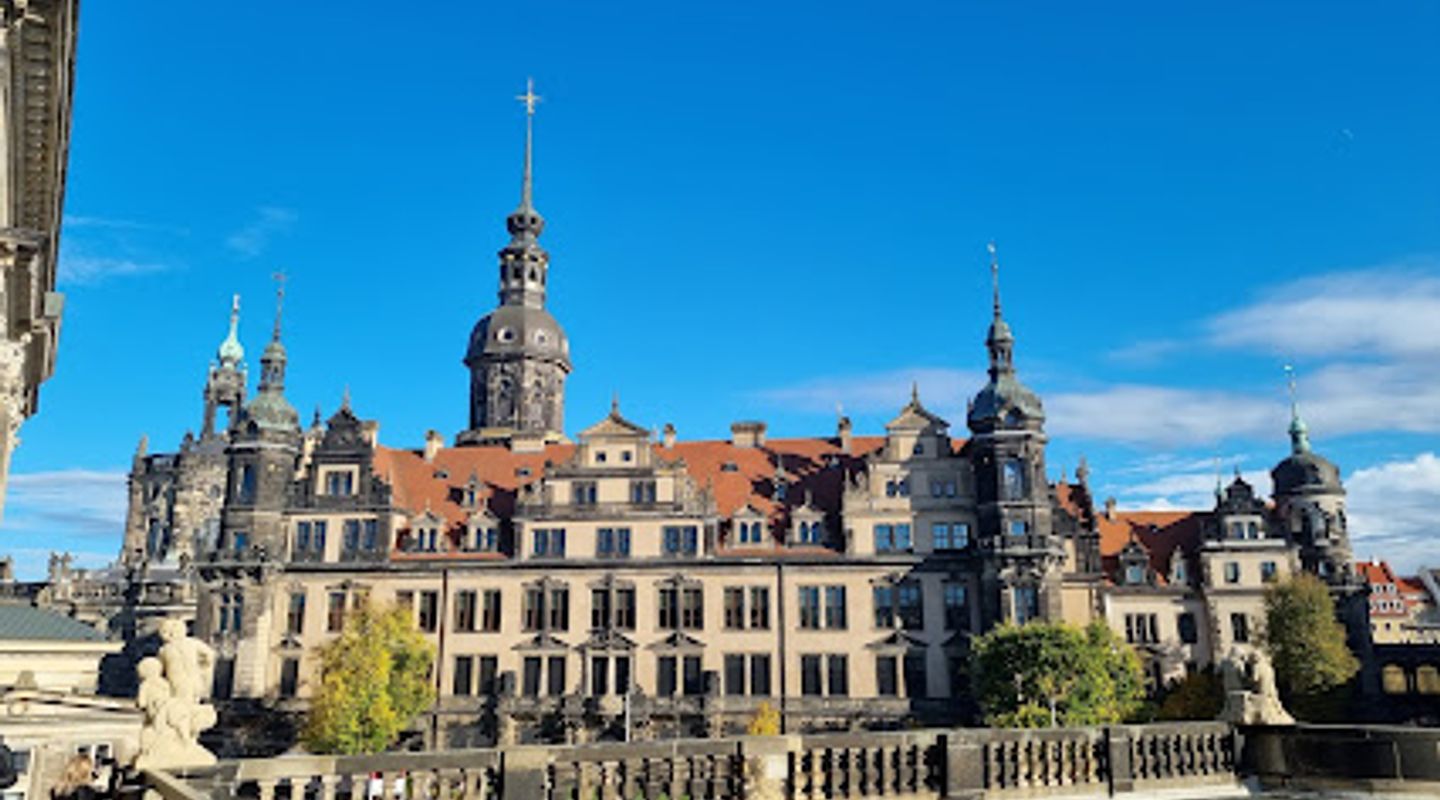
Dresden Castle, also known as the Royal Palace, stands as a powerful symbol of Dresden's rich history. Originally a Romanesque keep in the 13th century, it evolved over centuries into a magnificent palace showcasing a blend of architectural styles from Gothic to Renaissance and Baroque. Severely damaged during World War II, the castle has been painstakingly restored, now housing five remarkable museums, including the Green Vault, famous for its opulent treasures, the Coin Cabinet, and the Armory. Visitors can explore royal apartments, climb the Hausmann Tower for panoramic views, and admire the Procession of Princes, a stunning mural made of Meissen porcelain tiles. A visit to Dresden Castle offers a captivating journey through Saxon history and artistry.
A brief summary to Dresden Castle
- Taschenberg 2, Dresden, Altstadt, 01067, DE
- Click to display
- Click to display
- Monday 10 am-6 pm
- Tuesday 10 am-6 pm
- Wednesday 10 am-6 pm
- Thursday 10 am-6 pm
- Friday 10 am-6 pm
- Saturday 10 am-6 pm
- Sunday 10 am-6 pm

Know before you go
Hi, I'm Eve. Here are a few practical things to know before exploring Dresden Castle.
- Book your tickets online in advance, especially for the Historic Green Vault, to secure your entry and avoid potential queues.
- Allocate at least 3-4 hours to fully explore the castle's five museums and appreciate the diverse collections.
- Climb the Hausmann Tower for breathtaking panoramic views of Dresden's Old Town (open April to October).
- Visit during the "Blue Hour" on Fridays for a special evening opening of the Historic and New Green Vaults.
- Consider purchasing a combination ticket or the Dresden Museums Card for cost-effective access to multiple museums within the castle and other attractions in the city.
Do you manage this location?
Take control to get all the benefits, like improved information, better appearance, and stronger visibility across AI-powered discovery. Learn more about listing your business on Evendo
Activate your presenceOther nearby places you may find interesting
The closest places of the same kind, if this one is not quite what you had in mind.



Explore Dresden Castle on the Map
A handpicked selection of must-see spots near Dresden Castle, mapped for you.
Unlock the Best of Dresden Castle
Buy tickets
-
No tickets available
Book tours with entry


Getting There
-
Public Transport
Dresden Castle is easily accessible via Dresden's extensive public transport network. From Dresden Hauptbahnhof (main train station), take tram lines 4, 8, 9, or 11 to the 'Theaterplatz' or 'Postplatz' stops. From there, it's a short, approximately 5-minute walk to the castle. A single tram fare within Dresden costs approximately €2.50. Consider purchasing a day ticket if you plan to use public transport extensively.
-
Walking
From many central locations in Dresden's Altstadt (Old Town), Dresden Castle is within easy walking distance. For example, from the Frauenkirche, it's a pleasant 10-minute walk. Simply head west, following signs for the Residenzschloss. This is a great way to soak in the atmosphere of the city.
-
Taxi/Ride-Share
Taxis and ride-sharing services are readily available in Dresden. A short taxi ride from Dresden Hauptbahnhof to Dresden Castle typically costs between €11 and €14 and takes around 4 minutes, depending on traffic. Be sure to confirm the fare with the driver beforehand or check the estimated fare on your ride-sharing app.
-
Driving
If driving, you can reach Dresden via the A4 (from the west or east) or the A13 (from the north). Several parking facilities are available nearby, such as the underground parking garages 'Semperoper' and 'Centrum Galerie'. Parking fees typically range from €2 to €4 per hour. Note that parking can be limited, especially during peak season.
Discover more about Dresden Castle













Your all‑in‑one travel companion app
Explore expert travel guides, compare and book tours, experiences, hotels, and more—all from the palm of your hand. Download now for seamless trip planning wherever your wanderlust takes you.


Explore More of Dresden
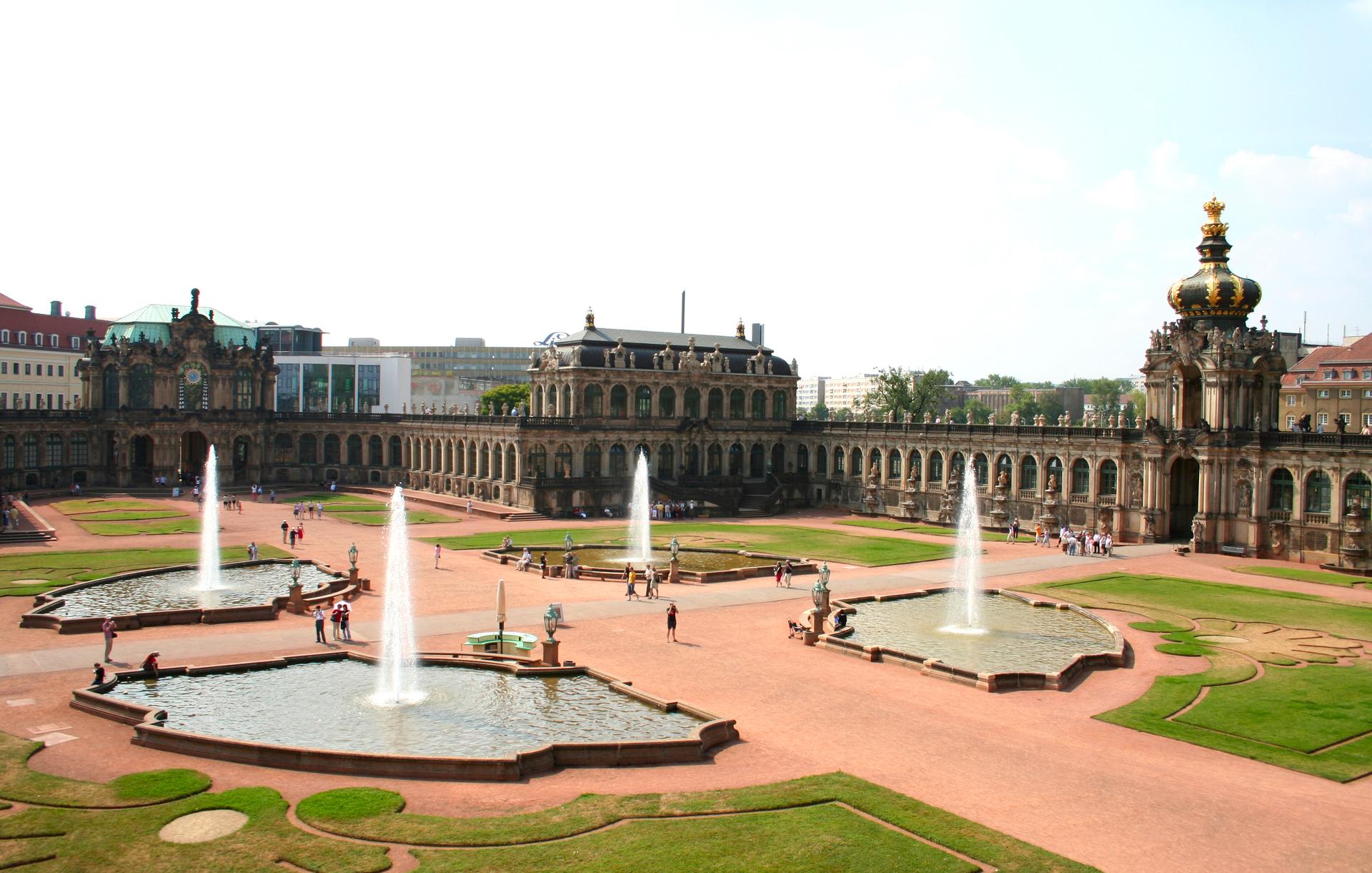
Looking beyond Dresden Castle? Discover Dresden for broader travel guides, local hot-spots, and regional highlights.
Explore Dresden
Discover the New Synagogue in Dresden: a modern architectural marvel symbolizing the rebirth of Jewish life, standing on the historic site of the Semper Synagogue.
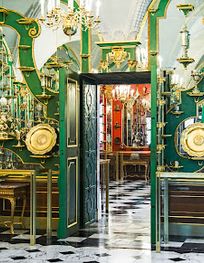
Explore the Green Vault in Dresden, an exquisite art museum showcasing royal treasures and historical artifacts in a breathtaking setting.