Hausmannsturm, Dresden, Dresden Travel Guide
Free Guide: Ascend Dresden's iconic Hausmannsturm for panoramic city views and a journey through centuries of history, architecture, and resilience in the heart of Saxony.


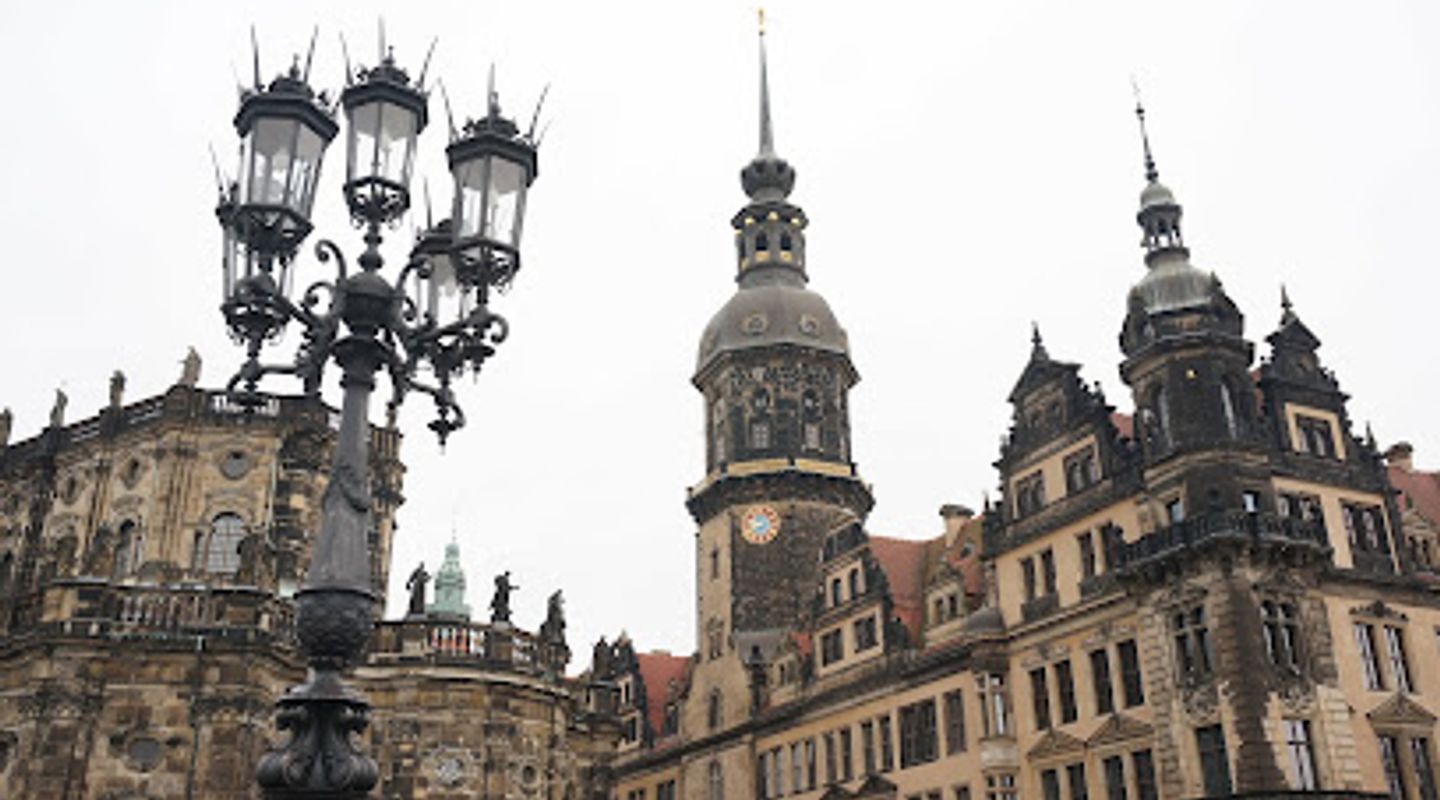
A brief summary of Hausmannsturm, Dresden
Ascend Dresden's iconic Hausmannsturm for panoramic city views and a journey through centuries of history, architecture, and resilience in the heart of Saxony.
The Hausmannsturm, the oldest part of Dresden Castle, offers a captivating journey through time and breathtaking panoramic views of the city. Construction began around 1400, and it was completed in its current Baroque form in the late 17th century. Severely damaged during World War II, the tower has been meticulously restored, standing as a testament to Dresden's resilience. Ascend the 222 steps to the observation deck for unparalleled vistas of the Elbe River, the Frauenkirche, and the sprawling cityscape. The Hausmannsturm is more than just a viewpoint; it's a symbol of Dresden's enduring spirit and architectural grandeur, offering visitors a unique blend of history and stunning scenery. Don't miss the chance to experience this iconic landmark and capture unforgettable memories of Dresden.
Opening hours
- Mon10 am–6 pm
- TueClosed
- Wed10 am–6 pm
- Thu10 am–6 pm
- Fri10 am–6 pm
- Sat10 am–6 pm
- Sun10 am–6 pm
Opening hours as listed on the venue’s Google Business Profile. Hours can change for services and special events, so check with the venue before you go.
- Address
- Taschenberg 2, 01067 Dresden
- Phone
Getting there
Walking
Public Transport
Taxi/Ride-Share
Driving
Discover more about Hausmannsturm, Dresden
Overview
The Hausmannsturm, an iconic tower and the oldest surviving part of Dresden Castle (Residenzschloss), offers visitors a unique opportunity to delve into the city's rich history while enjoying unparalleled panoramic views. Standing at an impressive 100.27 meters (approximately 329 feet), the tower has been a prominent feature of the Dresden skyline for centuries. The Hausmannsturm's origins trace back to the 14th century, with construction beginning around 1400. Over the centuries, it underwent several transformations, reflecting the changing architectural styles and the evolving fortunes of Dresden. The tower's current Baroque form was completed between 1674 and 1676 under the direction of architect Wolf Caspar von Klengel, commissioned by Elector Johann Georg II. This phase saw the tower's height increased by 35 meters, reaching a total of 97 meters at the time. In 1775, the tower was fitted with Dresden's first lightning rod, and its height was further increased to its present 100.27 meters, making it the city's tallest tower until 1945. Throughout its history, the Hausmannsturm has served various purposes, from a strategic lookout point to a symbol of power and prestige. It has witnessed countless historical events, including the rise and fall of Saxon rulers, the devastation of World War II, and the subsequent reconstruction of Dresden. The tower's resilience in the face of adversity has made it a beloved landmark for locals and a must-see attraction for tourists. During the devastating air raids of February 1945, the Hausmannsturm suffered severe damage, losing its spire. The tower's stump was temporarily covered in 1946, but it wasn't until the 1980s that the East German government initiated the reconstruction of the castle and the Hausmannsturm. However, progress was slow due to limited resources and political constraints. Following German reunification in 1990, the reconstruction efforts gained momentum, and on October 1, 1991, the tower was finally restored to its former glory, with the installation of a new copper spire weighing 21 tons and measuring 30 meters in height. Today, visitors can ascend the Hausmannsturm via a staircase of 222 steps to reach the observation platform at a height of 38.62 meters. From this vantage point, they can enjoy breathtaking views of Dresden's historic center, including the Frauenkirche, the Zwinger Palace, the Semper Opera House, and the Elbe River. The tower also offers a unique perspective on the ongoing reconstruction of Dresden Castle, allowing visitors to appreciate the scale of the project and the dedication of those involved. The Hausmannsturm is not only a historical landmark and a viewpoint but also a symbol of Dresden's cultural heritage. The tower's architecture reflects the city's rich artistic traditions, and its history is intertwined with the stories of the people who have shaped Dresden over the centuries. A visit to the Hausmannsturm is an opportunity to connect with the past, appreciate the present, and look forward to the future of this remarkable city. Inside Dresden Castle, visitors can explore a variety of museums and collections, including the New Green Vault, the Coin Cabinet, the Collection of Prints, Drawings and Photographs, and the Armoury with the Turkish Chamber. These collections offer further insights into the history, art, and culture of Saxony and provide a comprehensive experience for those interested in delving deeper into Dresden's heritage. The weather vane on the tower's spire bears the Hebrew inscription הֹוָה נִסִּי (Jehovah Nissi), which translates to "The Lord is my banner" from Exodus 17:15. This inscription adds a layer of religious and historical significance to the tower, reminding visitors of the enduring power of faith and the importance of preserving cultural traditions. Visiting the Hausmannsturm is an unforgettable experience that combines history, architecture, and stunning views. Whether you are a history buff, an architecture enthusiast, or simply looking for a unique perspective on Dresden, the Hausmannsturm is sure to captivate and inspire. Plan your visit today and discover the magic of this iconic landmark.
Evendo Review Centre
 Google
Guest reviews
Explore Hausmannsturm, Dresden on the map
A handpicked selection of must-see spots near Hausmannsturm, Dresden, mapped for you.
Get your free copy of our complete guide to Hausmannsturm, Dresden, delivered straight to you.
Everything on this page, from opening hours and how to get there to Eve’s tips and the best time to go, in one PDF you can read offline, print or share.
Already have an account? Sign in
Your Hausmannsturm, Dresden guide is ready.
We'll send it to · Not you? Sign out

Getting your guide ready…
We are putting together a fresh copy of the Hausmannsturm, Dresden guide. This can take up to a minute.
This can take a few moments. If your browser asks, choose Allow so the download can start. You'll find the guide in your Downloads folder.
Nothing happened? Download it again
Sorry, the guide is taking longer than usual. Please try again in a minute, or get it by email instead.
Unlock the best of Hausmannsturm, Dresden
Skip-the-line tickets, guided tours with entry, and walking tours of the area, booked in a few clicks.


Other nearby places you may find interesting
The closest places of the same kind, if this one is not quite what you had in mind.
-
-

-
-
-


Swipe for more places
More to explore near Hausmannsturm, Dresden

 Best experiences near Hausmannsturm, Dresden
 Best hotels near Hausmannsturm, Dresden
 Best landmarks near Hausmannsturm, Dresden
 Best attractions near Hausmannsturm, Dresden
 Best shops near Hausmannsturm, Dresden
 Best restaurants near Hausmannsturm, Dresden
 Best bars near Hausmannsturm, Dresden
Do you manage this location?
Take control to get all the benefits, like improved information, better appearance, and stronger visibility across AI-powered discovery.
Explore more

Explore more of Dresden
Discover Dresden: A city of resilience and beauty, where Baroque architecture meets vibrant arts and lush green spaces.
Explore Dresden
Explore more of Germany
Experience Germany: where history meets innovation, and urban energy blends with natural beauty. Discover diverse cultures, delicious cuisine, and stunning landscapes.
Explore Germany