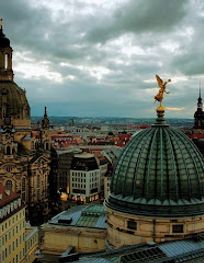
Background

Relikte des Trompeterschlosses: Echoes of Dresden's Past

Discover the echoes of Dresden's past at the Relikte des Trompeterschlosses, a subtle yet significant reminder of the city's layered history and architectural evolution in the heart of the Altstadt.

4

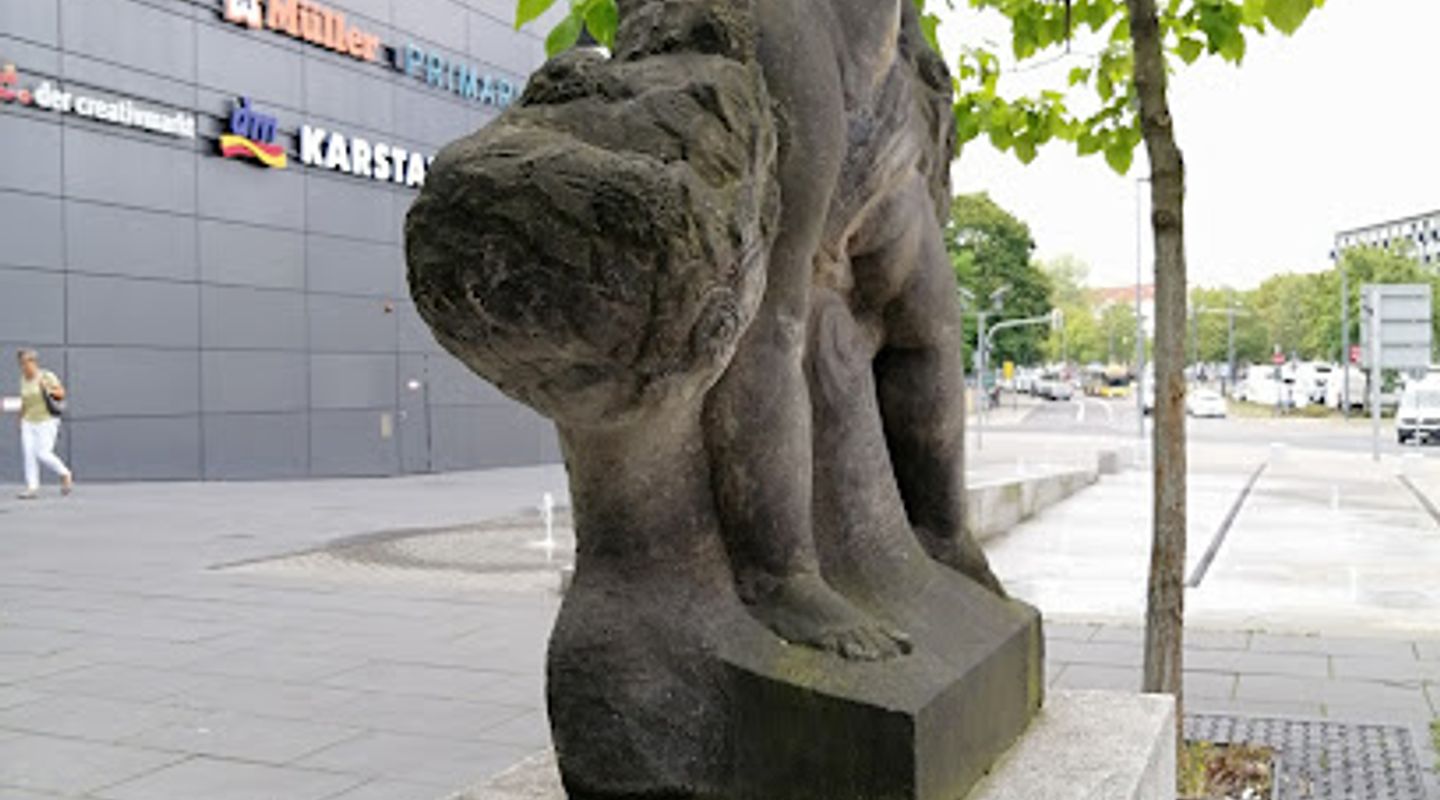
The Relikte des Trompeterschlosses, or remains of the Trumpeter's Castle, offer a glimpse into Dresden's rich history. Located on Trompeterstraße in the heart of the Altstadt (Old Town), these remnants evoke stories of centuries past. While not a fully standing structure, the site provides a tangible connection to the city's architectural evolution. The area around the Relikte is steeped in history, surrounded by other notable landmarks and cultural attractions. Visitors can explore the nearby Frauenkirche, Zwinger Palace, and Semper Opera House, making it a worthwhile stop for those interested in Dresden's historical narrative. The Relikte des Trompeterschlosses serves as a reminder of the city's resilience and enduring spirit, inviting contemplation and appreciation for its cultural heritage.

A brief summary to Relikte des Trompeterschlosses

  • Trompeterstraße 5, Dresden, Altstadt, 01069, DE

Local tips

  • Combine your visit with a walking tour of the Altstadt to fully appreciate the historical context of the Relikte des Trompeterschlosses.
  • Look closely at the surrounding buildings; some incorporate remnants of the original structure, offering a tangible connection to the past.
  • Visit the nearby Frauenkirche to witness the remarkable reconstruction efforts that symbolize Dresden's resilience after World War II.
widget icon

Getting There

  • Public Transport

    From Dresden Hauptbahnhof (main train station), take tram lines 3, 7, 8, or 9 to the 'Prager Straße' stop. From there, walk north along Prager Straße, then turn left onto Trompeterstraße. The Relikte des Trompeterschlosses will be on your left. A single tram ticket costs approximately €3.20.

  • Walking

    From the Frauenkirche, walk approximately 5 minutes north along Frauenstraße, then turn right onto Trompeterstraße. The Relikte des Trompeterschlosses will be on your right. This is a straightforward walk through the heart of the Altstadt.

  • Taxi/Ride-Share

    A taxi or ride-share from Dresden Hauptbahnhof to Trompeterstraße 5 will cost approximately €8-€12, depending on traffic. The journey typically takes 5-10 minutes.

  • Driving

    Driving directly to Trompeterstraße is possible, but parking is limited. The Centrum Galerie parking garage (Trompeterstraße 5, entrance from Reitbahnstraße) offers a large number of spaces. Parking costs approximately €2.50 for the first hour and €2.00 for each additional hour, with a daily maximum of €15.00.

Unlock the Best of Relikte des Trompeterschlosses

Buy tickets

    No tickets available

Book tours with entry

    No tours available

Book tours without entry

    No tours available

Discover more about Relikte des Trompeterschlosses

The Relikte des Trompeterschlosses, nestled on Trompeterstraße in Dresden's historic Altstadt, offers a poignant encounter with the city's layered past. While not a castle in the traditional sense of towering walls and grand halls, these 'relics' represent the tangible remnants of a building that once played a role in Dresden's story. The site invites visitors to pause and reflect on the architectural evolution and historical events that have shaped this vibrant city. Located a short distance from the iconic Frauenkirche and the bustling Neumarkt, the Relikte des Trompeterschlosses benefits from its central location. The surrounding area is a tapestry of historical landmarks, cultural institutions, and modern establishments, making it an ideal starting point for exploring Dresden's rich heritage. The name 'Trompeterschloss' (Trumpeter's Castle) hints at a possible connection to musicians or heralds who may have resided or worked here, though definitive historical records detailing its specific function remain elusive. Walking along Trompeterstraße, one can observe the integration of the Relikte into the modern urban landscape. The remaining structures, often incorporated into newer buildings, offer glimpses into the past. These fragments of walls, archways, or foundations serve as silent witnesses to the passage of time, sparking curiosity and inviting further exploration of Dresden's history. While the Relikte des Trompeterschlosses may not be as visually imposing as some of Dresden's more famous landmarks, its significance lies in its ability to evoke a sense of historical continuity. It represents the countless buildings and structures that have contributed to the city's unique character, reminding us that even in a city renowned for its Baroque splendor, history is often found in the subtle details and unassuming corners. To fully appreciate the Relikte des Trompeterschlosses, it's helpful to delve into the broader context of Dresden's history. The city has endured periods of great prosperity and devastating destruction, each leaving its mark on the architectural landscape. The Relikte serve as a reminder of this resilience, standing as a testament to the city's ability to rebuild and reinvent itself while preserving its historical identity. Imagine Dresden centuries ago, a bustling center of trade, culture, and political intrigue. The Trompeterschloss, whatever its original form and function, would have been a part of this vibrant tapestry. Perhaps it housed artisans, merchants, or officials, contributing to the city's economic and social life. Or perhaps it served a more symbolic purpose, representing the power and prestige of the ruling elite. Over time, the Trompeterschloss likely underwent numerous transformations, reflecting the changing fortunes of the city. It may have been expanded, renovated, or repurposed to meet the evolving needs of its inhabitants. Like many buildings in Dresden, it may have suffered damage during wars or natural disasters, requiring repairs or even complete reconstruction. The devastating bombing raids of World War II inflicted widespread destruction on Dresden, reducing much of the city to rubble. The Trompeterschloss, like countless other buildings, was likely severely damaged or destroyed during this period. The Relikte that remain today are a poignant reminder of this tragic chapter in Dresden's history. In the decades following the war, Dresden embarked on a long and arduous process of rebuilding. While some historical buildings were meticulously restored to their former glory, others were lost forever. The Relikte des Trompeterschlosses represent a compromise between preservation and progress, serving as a reminder of the past while allowing for the development of the modern city. Today, the Relikte des Trompeterschlosses offer a unique opportunity to connect with Dresden's history on a personal level. By standing on Trompeterstraße and contemplating these remnants of the past, visitors can gain a deeper appreciation for the city's resilience, its cultural heritage, and its enduring spirit. It's a reminder that history is not just about grand monuments and famous figures, but also about the everyday lives of ordinary people who have shaped the city over centuries. Exploring the Relikte des Trompeterschlosses is best combined with a broader exploration of Dresden's Altstadt. The nearby Frauenkirche, a symbol of the city's rebirth, is a must-see attraction. The Zwinger Palace, with its stunning Baroque architecture and world-class art collections, is another highlight. And the Semper Opera House, renowned for its acoustics and opulent design, offers a glimpse into Dresden's rich musical heritage. In addition to these major landmarks, the Altstadt is also home to numerous smaller museums, galleries, and historical sites. Visitors can stroll along the Brühl Terrace, known as the 'Balcony of Europe,' and enjoy panoramic views of the Elbe River. They can explore the Fürstenzug, a porcelain mural depicting a procession of Saxon rulers. And they can wander through the charming streets and squares, discovering hidden gems and local treasures. The Relikte des Trompeterschlosses may not be the most prominent attraction in Dresden, but it offers a unique and rewarding experience for those who take the time to appreciate its historical significance. It's a reminder that history is all around us, waiting to be discovered in the most unexpected places. So next time you find yourself in Dresden, be sure to seek out the Relikte des Trompeterschlosses and let your imagination transport you back to the city's fascinating past. The area surrounding the Relikte des Trompeterschlosses is also a vibrant hub of modern life. Trompeterstraße and the adjacent streets are lined with shops, restaurants, and cafes, offering a wide range of options for dining and entertainment. Visitors can sample traditional Saxon cuisine, browse local crafts, or simply relax and soak up the atmosphere of this bustling city center. The Relikte des Trompeterschlosses serve as a powerful reminder of the importance of preserving our cultural heritage. By protecting and celebrating historical sites like this, we can ensure that future generations have the opportunity to connect with the past and learn from the experiences of those who came before us. It's a responsibility that we all share, and one that is essential for building a more informed and engaged society. In conclusion, the Relikte des Trompeterschlosses offer a unique and enriching experience for visitors to Dresden. While not a grand castle in the traditional sense, these remnants of the past provide a tangible connection to the city's history, resilience, and enduring spirit. By exploring the Relikte and the surrounding Altstadt, visitors can gain a deeper appreciation for Dresden's cultural heritage and its place in the broader narrative of European history.

Popular Experiences near Relikte des Trompeterschlosses

Popular Hotels near Relikte des Trompeterschlosses

Select Currency