Johannes von Nepomuk Statue: A Testament to History and Art
Discover the Johannes von Nepomuk Statue in Düsseldorf's Hofgarten: a powerful symbol of history, art, and resistance against oppression, honoring a saint and a local victim of Nazi violence.
Nestled within Düsseldorf's verdant Hofgarten, the Johannes von Nepomuk Statue stands as a captivating tribute to both history and artistic expression. This bronze sculpture, erected in 1985, commemorates the 14th-century Bohemian priest and martyr, now a revered saint. The statue not only embodies religious devotion but also serves as a poignant memorial to victims of political oppression. The artist, Bert Gerresheim, masterfully intertwines the past and present, incorporating features that honor both Johannes von Nepomuk and Hilarius Gilges, a local actor murdered by the Nazis. Surrounded by the tranquil beauty of the Hofgarten, the statue offers a serene escape and a powerful reminder of the city's complex past, making it a compelling destination for those seeking cultural enrichment and reflection.
A brief summary to Johannes-von-Nepomuk-Statue
- Hofgartenrampe, Düsseldorf, Stadtbezirk 1, 40237, DE
- Visit website
Local tips
- Combine your visit with a stroll through the Hofgarten, Düsseldorf's oldest public park, enjoying its serene atmosphere and other sculptures.
- Learn about Johannes von Nepomuk and Hilarius Gilges before your visit to fully appreciate the statue's historical and social significance.
- Visit during the early morning or late afternoon for a quieter experience and better lighting for photography.

Getting There
-
Public Transport
From Düsseldorf Hauptbahnhof (Central Station), take the U-Bahn lines U78 or U79 towards ESPRIT arena/Messe Nord. Get off at the Nordstraße station. From there, walk south along Nordstraße, then turn left onto Jacobistraße. Continue onto Hofgartenstraße, and you'll find the Johannes von Nepomuk Statue within the Hofgarten park, near the Hofgartenrampe. A single ticket (Kurzstrecke) costs approximately €1.90.
-
Walking
If you are in the Altstadt (Old Town), start at Burgplatz and walk east towards the Rhine River. Follow the Rhine promenade north until you reach the Hofgarten. Enter the park and walk inland, following signs for the Hofgartenrampe. The Johannes von Nepomuk Statue will be visible on your right, situated within the park. This is a pleasant walk of approximately 15-20 minutes.
-
Taxi/Ride-Share
A taxi or ride-share from Düsseldorf Hauptbahnhof to the Hofgartenrampe will take approximately 10-15 minutes, depending on traffic. The estimated fare is between €10-€15. Ask the driver to drop you off near the Hofgarten entrance on Hofgartenstraße.
-
Driving
If driving, be aware that parking in the immediate vicinity of the Hofgarten is limited. Consider parking at Q-Park Stadtmitte (formerly Karstadt) on Köstraße, which is a short walk to the Hofgarten. Parking fees at Q-Park Stadtmitte are approximately €3.50 per hour. From the parking garage, walk north towards the Hofgarten, entering the park near the opera house.
Discover more about Johannes-von-Nepomuk-Statue
Iconic landmarks you can’t miss

Stiftsplatz
0.3 km
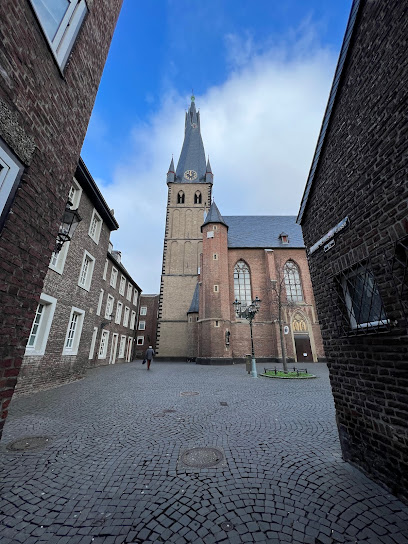
Discover Stiftsplatz in Düsseldorf's Altstadt: A serene historical square with picturesque architecture, offering a tranquil escape and a glimpse into the city's rich past.
Gedenkbrunnen zum 650. Jahrestag Düsseldorfs
0.3 km
Discover Düsseldorf's vibrant history at the Gedenkbrunnen, a stunning memorial fountain celebrating the city's 650th anniversary and artistic heritage in the heart of the city.
Basilika St. Lambertus
0.4 km
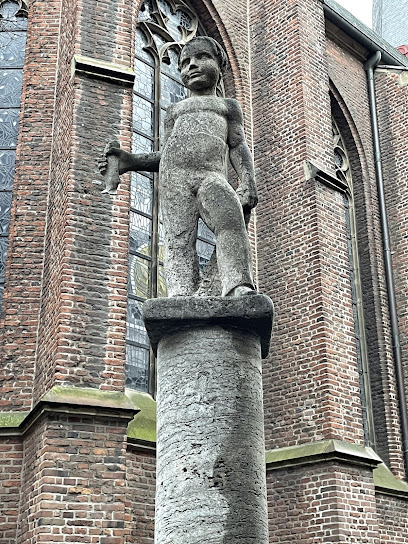
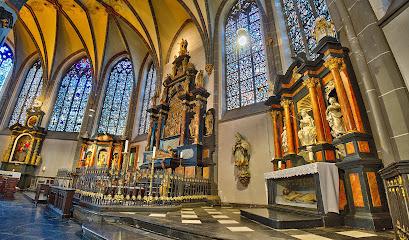
Discover Düsseldorf's iconic Basilika St. Lambertus: a historic church with a twisted spire, rich religious heritage, and stunning Gothic architecture in the heart of the Altstadt.
Schlossturm
0.5 km
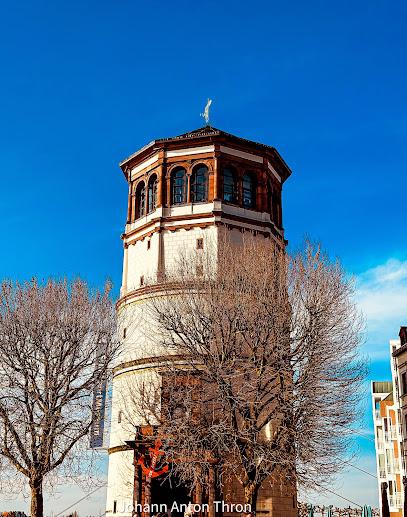
Explore Düsseldorf's maritime history and enjoy panoramic city views from the iconic Schlossturm, the last remnant of the city's castle, located in the heart of the vibrant Altstadt.
Vier Karyatiden
0.5 km
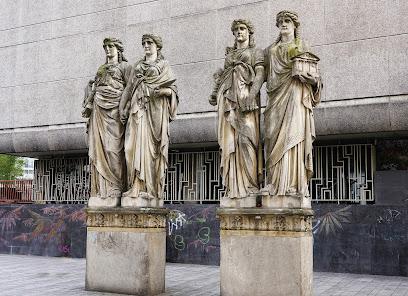
Discover the enchanting Vier Karyatiden in Düsseldorf, a stunning sculpture that embodies the city's artistic spirit and cultural richness.
Rhine embankment promenade
0.5 km
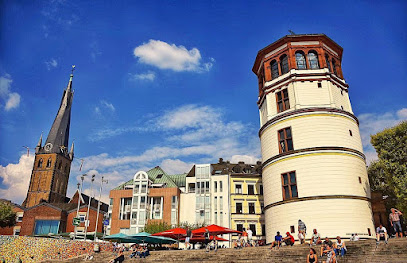
Experience Düsseldorf's vibrant heart on the Rhine Embankment Promenade: a scenic blend of culture, cuisine, and captivating river views, perfect for leisurely strolls and unforgettable moments.
Kay-und-Lore-Lorentz-Platz
0.5 km
A public square in Düsseldorf's Old Town honoring Kay and Lore Lorentz, founders of the Kom(m)ödchen cabaret, a place of reflection and appreciation for the arts.
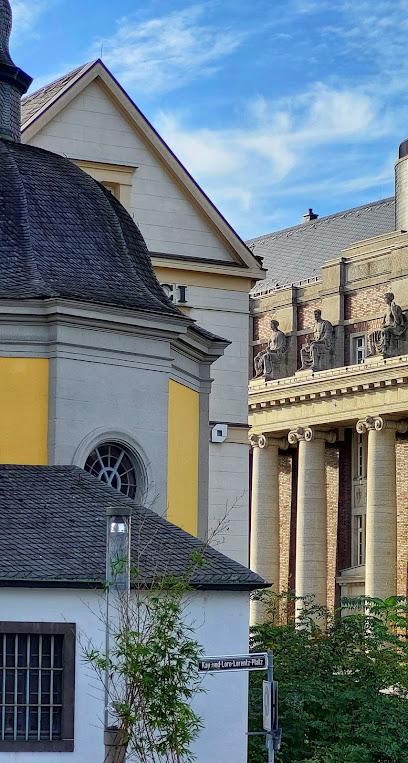
Burgpl. 1
0.6 km
Discover the architectural beauty and vibrant atmosphere of Burgplatz, a must-visit square in the heart of Düsseldorf.
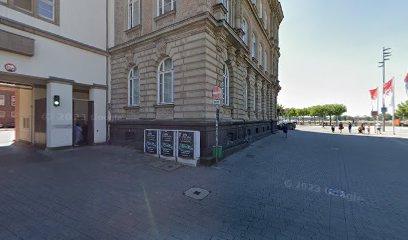
Heinrich-Heine-Allee
0.6 km
Experience Düsseldorf's vibrant heart at Heinrich-Heine-Allee, a blend of upscale shopping, historical landmarks, and cultural experiences in a bustling, tree-lined boulevard.
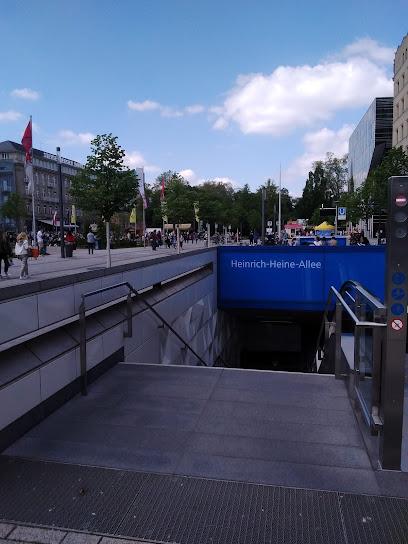
Marktpl. 2
0.6 km
Discover Düsseldorf's Marktplatz: A historic square in the heart of the Old Town, surrounded by stunning architecture, lively events, and culinary delights, offering a true taste of German culture.
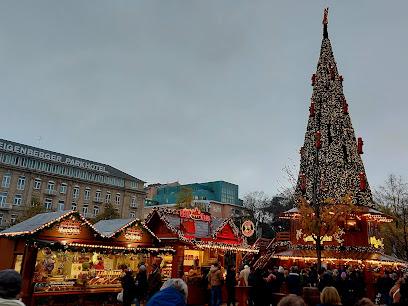
Marktplatz
0.6 km
Explore Marktplatz in Düsseldorf, a historical landmark filled with vibrant markets, stunning architecture, and rich cultural experiences that define the city's charm.
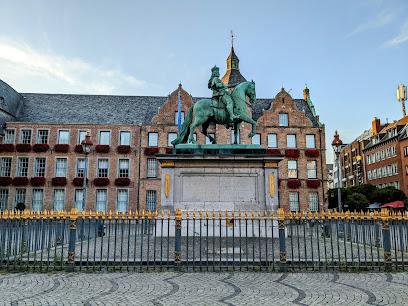
Jan-Wellem-Reiterstandbild
0.6 km
Explore the historic Jan-Wellem-Reiterstandbild, a stunning equestrian statue and cultural landmark in the heart of Düsseldorf's vibrant marketplace.
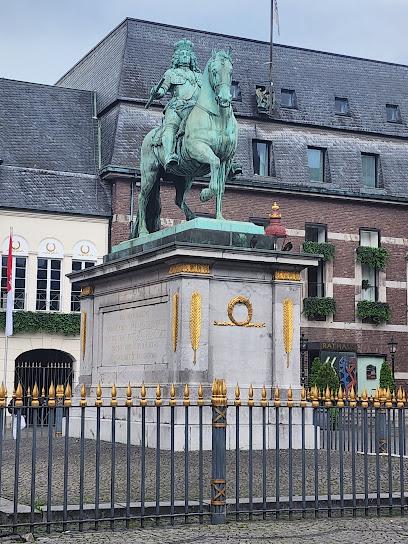
Schneider-Wibbel Statue
0.7 km
Visit the Schneider-Wibbel Statue in Düsseldorf's Old Town, a charming monument to a clever tailor and a symbol of the city's wit and resilience, nestled in a lane filled with culinary delights.
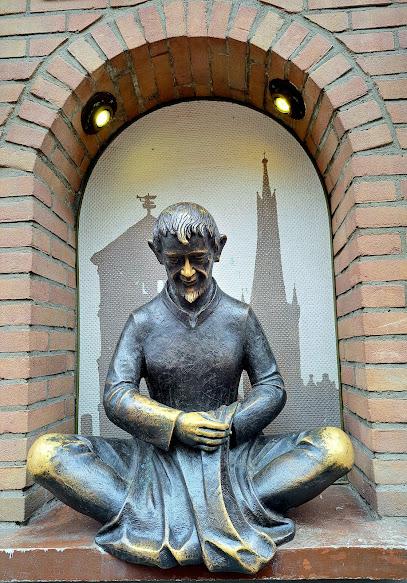
Kriegerdenkmal im Hofgarten
0.7 km
Reflect on history and honor the fallen at the Kriegerdenkmal im Hofgarten, a serene war memorial nestled within Düsseldorf's oldest public park, a tranquil escape in the city.
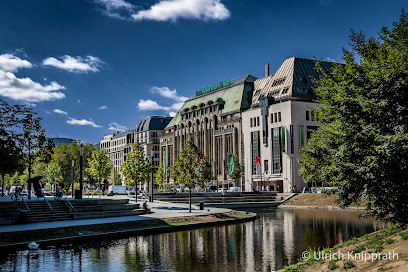
Wilhelm Marx Building
0.8 km
Discover Düsseldorf's architectural heritage at the Wilhelm Marx Building, a pioneering skyscraper in the heart of the Altstadt, blending history with modern city life on vibrant Heinrich-Heine-Allee.
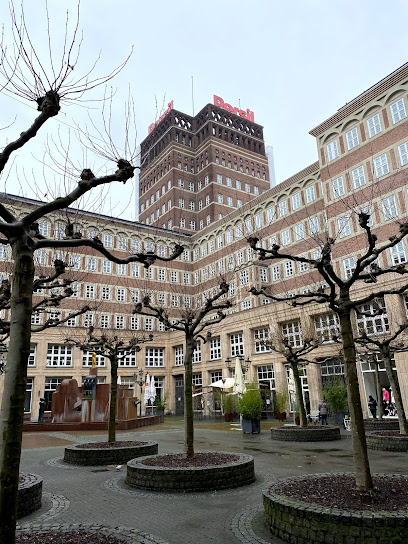
Unmissable attractions to see

Stele für Hilarius Gilges
0.1 km
Explore the Stele of Hilarius Gilges, a captivating historical monument in Düsseldorf, rich in culture and artistic legacy.
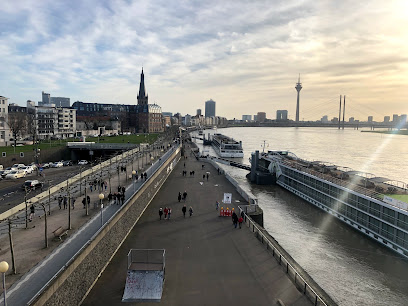
Tonhalle Düsseldorf
0.1 km
Experience the extraordinary acoustics and stunning architecture of Tonhalle Düsseldorf, a premier venue for concerts and cultural events in the heart of the city.
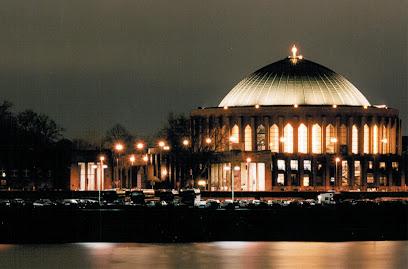
NRW-Forum Düsseldorf
0.2 km
Discover contemporary art and culture at NRW-Forum Düsseldorf, a vibrant hub for innovative exhibitions and engaging discussions.
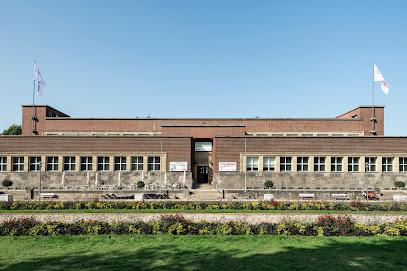
Kunstakademie Düsseldorf
0.2 km
Explore the vibrant art scene at Kunstakademie Düsseldorf, a historic institution nurturing creativity and innovation in the heart of the city.
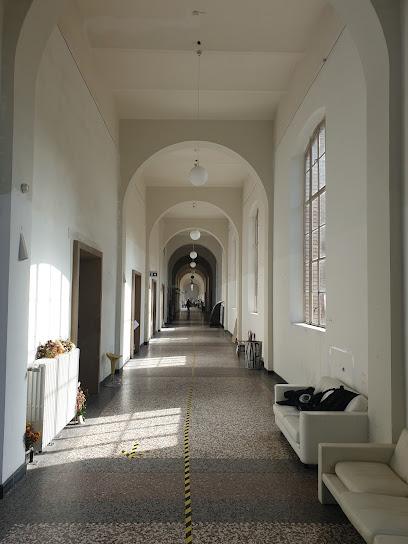
Oberkasseler Bridge
0.3 km
Discover the Oberkasseler Bridge in Düsseldorf, an architectural gem offering stunning views and a blend of vibrant city life and serene riverside charm.
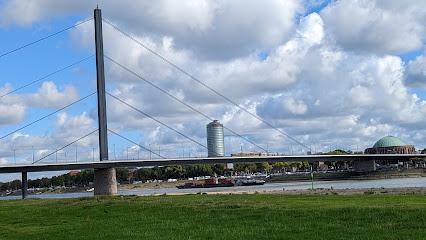
Ehrenhof
0.3 km
Explore the serene Ehrenhof in Düsseldorf, a cultural oasis featuring stunning gardens and remarkable art institutions for a truly enriching experience.
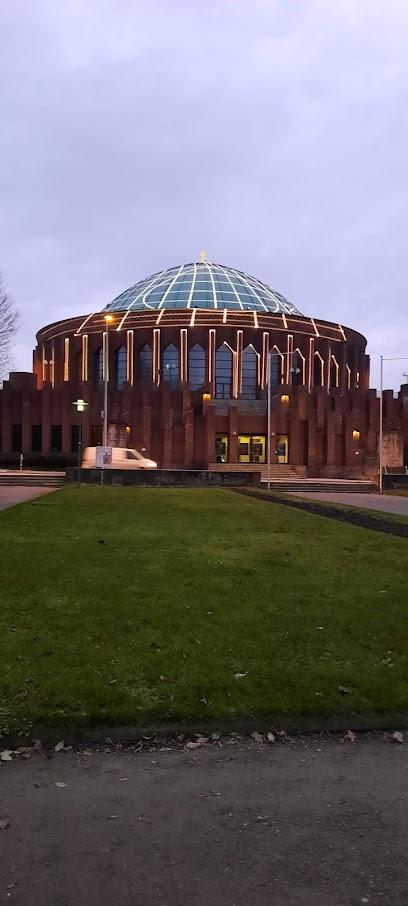
Altstadt
0.3 km
Discover the charm of Düsseldorf's Altstadt, where historic streets meet vibrant nightlife and delicious local cuisine in the heart of the city.
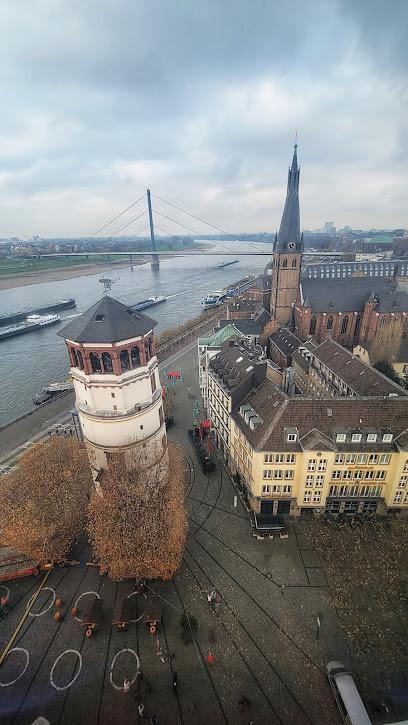
Museum Kunstpalast
0.4 km
Explore the captivating art collection of Museum Kunstpalast in Düsseldorf, featuring masterpieces from various periods and styles.
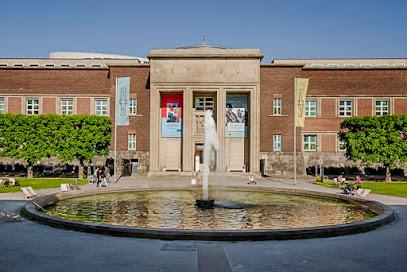
Ratinger Tor
0.4 km
Explore Ratinger Tor, a stunning historic site in Düsseldorf, where rich history meets vibrant contemporary culture in a picturesque setting.
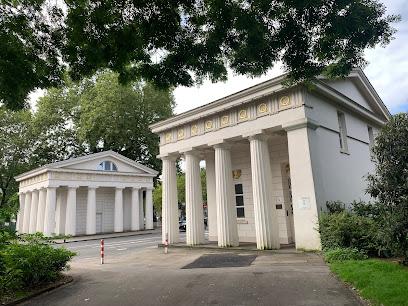
Stadterhebungsmonument
0.4 km
Explore the Stadterhebungsmonument in Düsseldorf, a stunning historical landmark that embodies the city's rich cultural heritage and vibrant atmosphere.
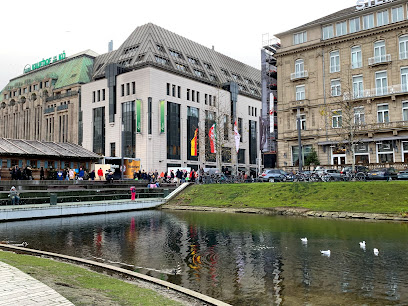
Kunstsammlung Nordrhein-Westfalen
0.4 km
Discover the vibrant world of modern art at Kunstsammlung Nordrhein-Westfalen in Düsseldorf, a must-visit destination for art enthusiasts and tourists alike.
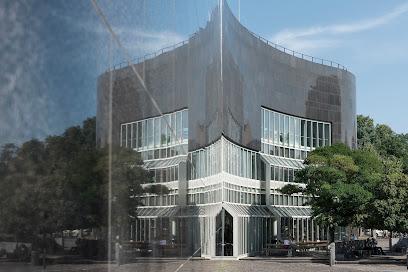
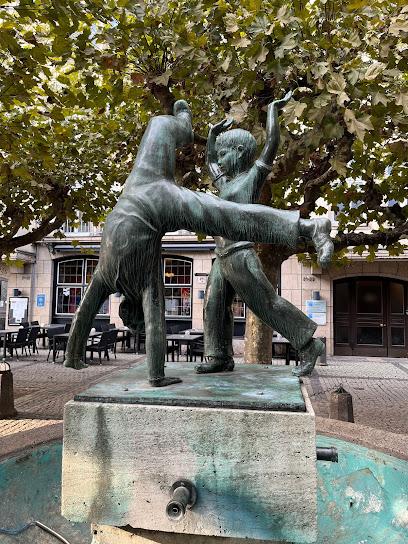
Radschlägerbrunnen
0.5 km
Explore the Radschlägerbrunnen, Düsseldorf's iconic fountain, a historical landmark that celebrates the city's rich brewing culture and vibrant atmosphere.
Schifffahrtsmuseum
0.5 km
Explore the Schifffahrtsmuseum in Düsseldorf, where maritime history comes to life through captivating exhibits and interactive experiences.
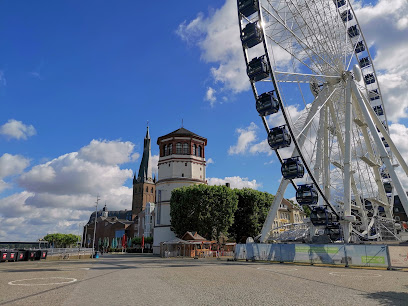
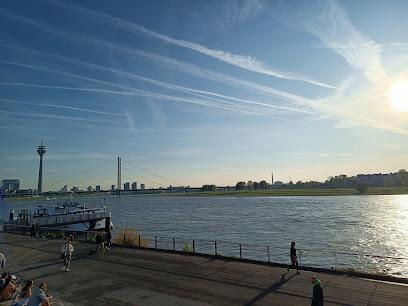
Rheintreppe
0.5 km
Experience breathtaking views of the Rhine River and Düsseldorf's skyline from the scenic Rheintreppe observation deck, a must-visit location.
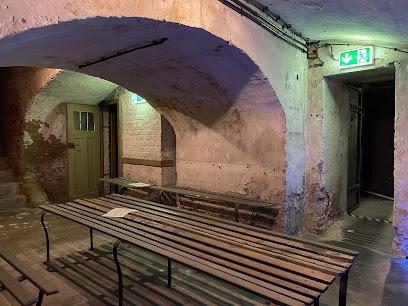
Memorial Dusseldorf
0.5 km
Explore the rich tapestry of Düsseldorf's history at Memorial Düsseldorf, a cultural center dedicated to remembrance and education.
Essential places to dine

Parlin | Essen und Weinbar
0.3 km
Savor authentic French cuisine paired with exquisite wines at Parlin | Essen und Weinbar in Düsseldorf's vibrant culinary scene.
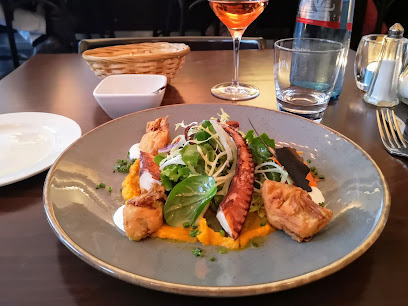
Vente
0.4 km
Discover the culinary delights of Vente in Düsseldorf - where tradition meets modernity in every bite.
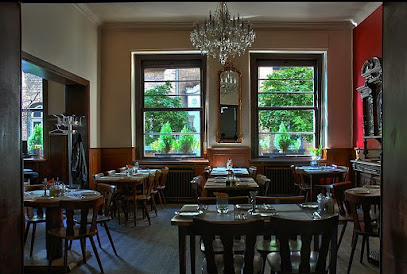
Brasserie Stadthaus
0.5 km
Experience exquisite French cuisine at Brasserie Stadthaus in Düsseldorf – where elegance meets culinary excellence.

Schwan Restaurant Düsseldorf Altstadt
0.5 km
Experience authentic German cuisine at Schwan Restaurant in Düsseldorf's Altstadt – a must-visit culinary destination.
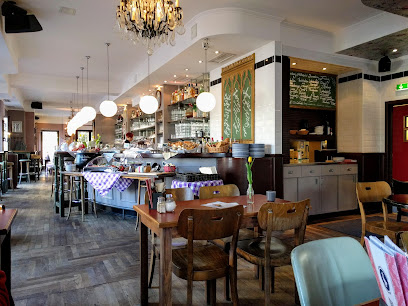
Weinhaus Tante Anna
0.5 km
Experience authentic German cuisine paired with exquisite wines at Weinhaus Tante Anna in Düsseldorf's vibrant dining scene.
BLOCK HOUSE Düsseldorf
0.5 km
Indulge in top-notch steaks at BLOCK HOUSE Düsseldorf - where flavor meets hospitality in a warm and inviting setting.
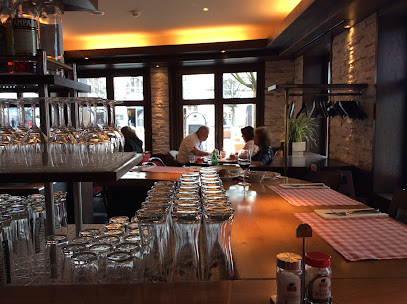
Rossini
0.5 km
Discover the authentic taste of Italy at Rossini, an Italian restaurant in Düsseldorf offering exquisite dishes and exceptional service.
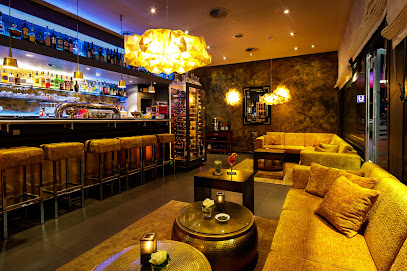
Casita Mexicana
0.6 km
Discover the vibrant flavors of Mexico at Casita Mexicana in Düsseldorf - where authentic cuisine meets lively ambiance.
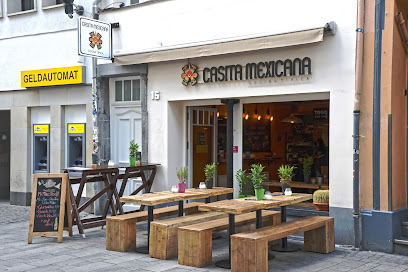
Manhattan | Restaurant Düsseldorf
0.6 km
Discover Manhattan Restaurant in Düsseldorf - A gastronomic haven blending Italian and New American cuisine with an exciting bar scene.
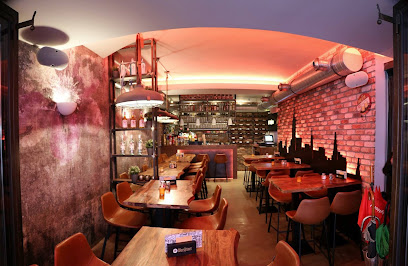
Louisiana Düsseldorf Altstadt
0.6 km
Discover Louisiana Düsseldorf Altstadt - where American flavors meet vibrant nightlife in the heart of Düsseldorf's historic district.
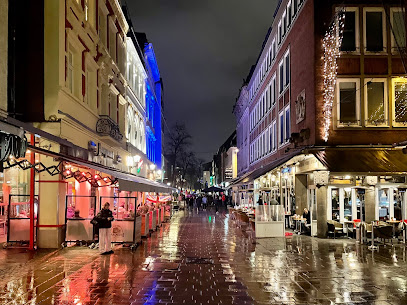
La Bouillabaisse
0.6 km
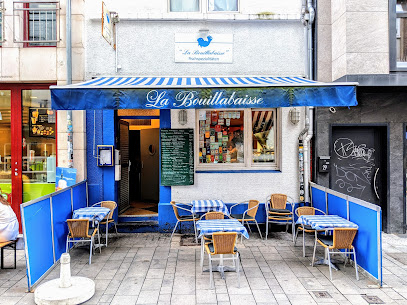
Savor exquisite seafood dishes at La Bouillabaisse in Düsseldorf – where fresh flavors meet culinary artistry.
Schweine Janes Altstadt
0.6 km
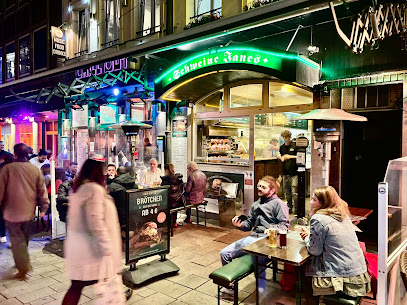
Experience authentic German cuisine at Schweine Janes Altstadt in Düsseldorf's historic district; where flavors meet tradition.
El Lazo
0.6 km
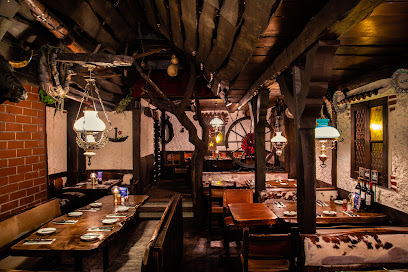
Experience exceptional steak dining at El Lazo in Düsseldorf—where quality meets flavor in every bite.
Las Tapas - Düsseldorf
0.6 km
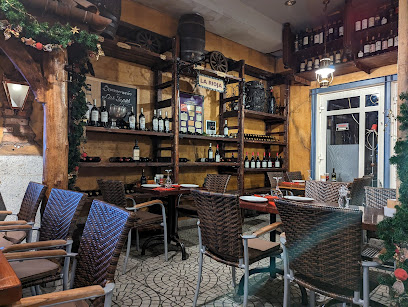
Experience authentic Spanish flavors at Las Tapas in Düsseldorf, where every dish tells a story.
Kasematten Düsseldorf
0.6 km
Indulge in Mediterranean flavors at Kasematten Düsseldorf – where riverside views meet delightful culinary experiences.
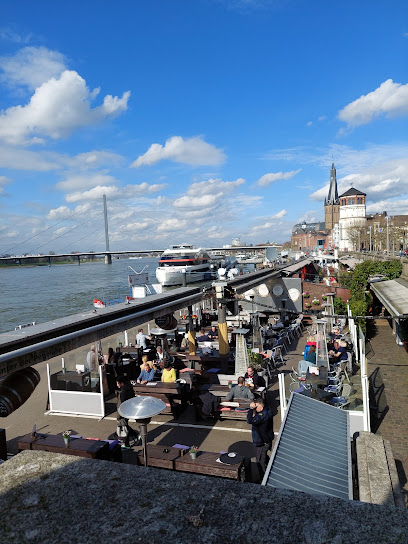
Markets, malls and hidden boutiques

Sorti
0.6 km
Discover unique fashion at Sorti, a chic clothing boutique in the heart of Düsseldorf, where style meets quality for an unforgettable shopping experience.
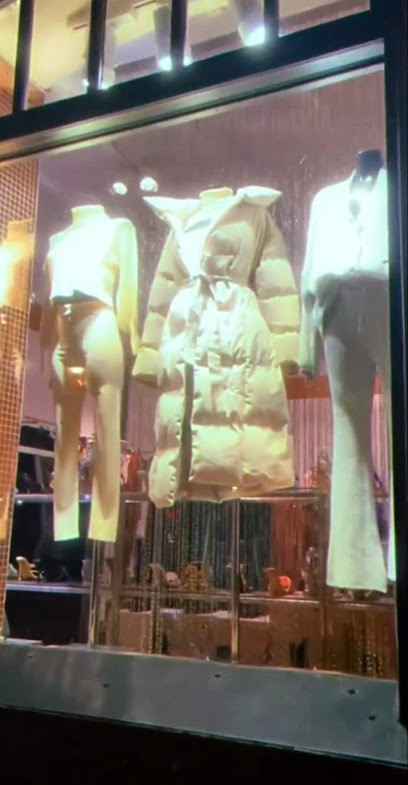
SOLO & LYA by SOLO
0.7 km
Explore the chic women's clothing boutique SOLO & LYA in Düsseldorf, featuring unique styles and contemporary fashion for the modern woman.
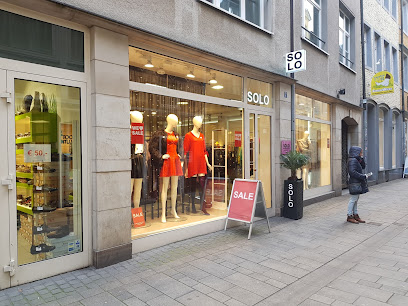
Jeckes Lädchen
0.7 km
Discover authentic souvenirs at Jeckes Lädchen, a charming store in the heart of Düsseldorf offering unique gifts and local treasures.
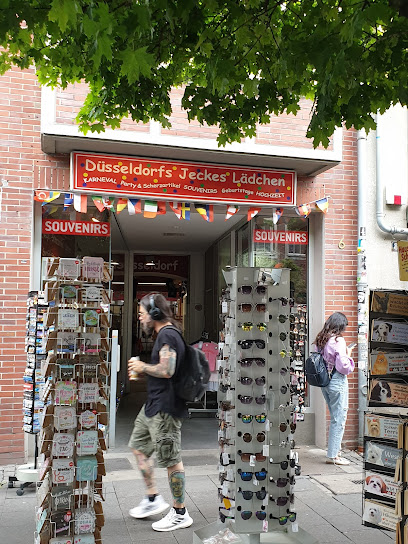
Subdued
0.7 km
Discover unique fashion trends at Subdued, the chic boutique in Düsseldorf that offers stylish clothing for every occasion.
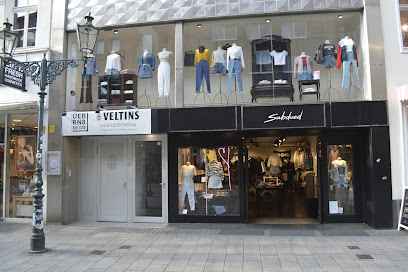
GALERIA Düsseldorf Königsallee
0.7 km
Experience a shopping paradise at GALERIA Düsseldorf Königsallee, where fashion meets elegance in the heart of the city.
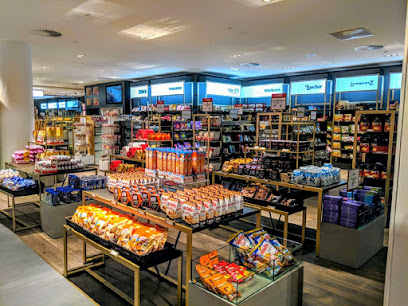
déjà vu Boutique Düsseldorf
0.7 km
Discover unique women's fashion at déjà vu Boutique in Düsseldorf, where style meets local artistry in an inviting atmosphere.
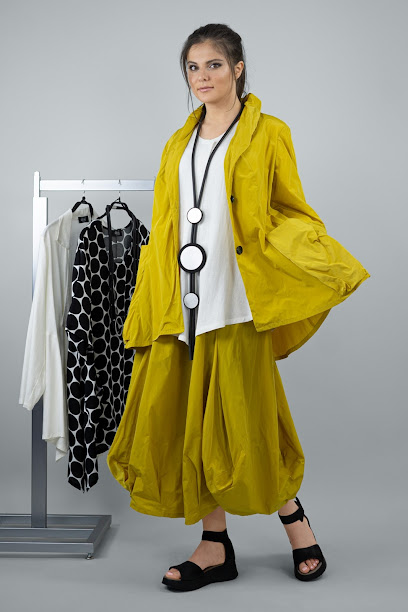
Unique Store
0.7 km
Discover the elegance of formal wear and trendy clothing at the Unique Store in Düsseldorf, your ultimate fashion destination.
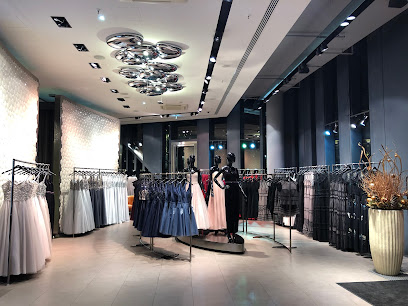
Vintage Galerie Vaseline
0.8 km
Explore the unique vintage finds at Galerie Vaseline, a charming used furniture store in Düsseldorf, perfect for eclectic decor enthusiasts.
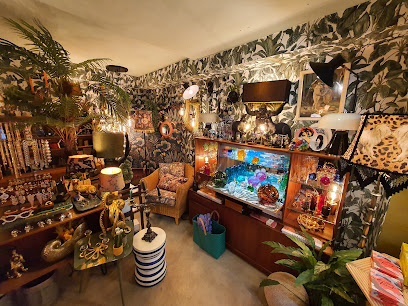
Vintage Paradise
0.8 km
Explore Vintage Paradise in Düsseldorf for a unique selection of vintage clothing, accessories, and decor that brings nostalgia to life.
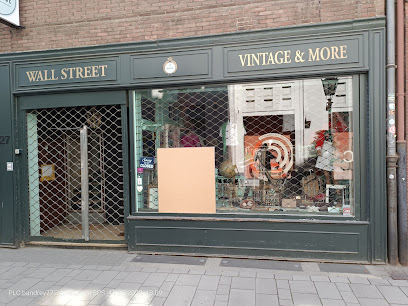
Closed Women's & Men's Store Düsseldorf
0.8 km
Explore Closed in Düsseldorf for the latest in contemporary men's and women's fashion, where style meets sustainability.
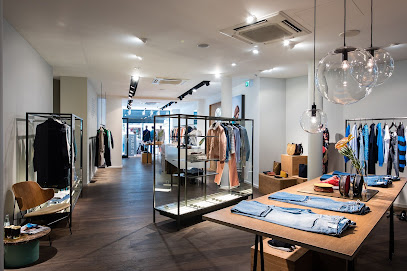
Breuninger Düsseldorf
0.8 km
Experience luxury shopping at Breuninger Düsseldorf, where fashion meets elegance in the heart of the city.
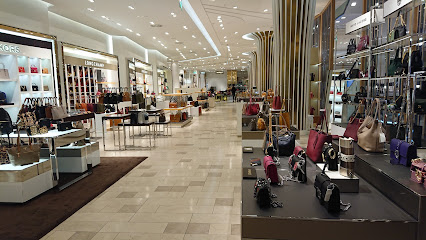
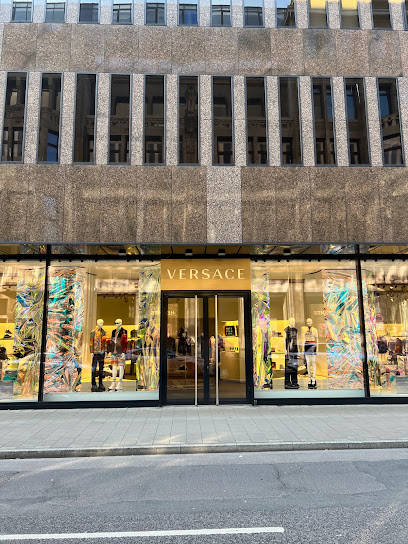
VERSACE
0.8 km
Discover luxury and elegance at Versace in Düsseldorf, where high fashion meets exquisite craftsmanship in a stunning shopping experience.
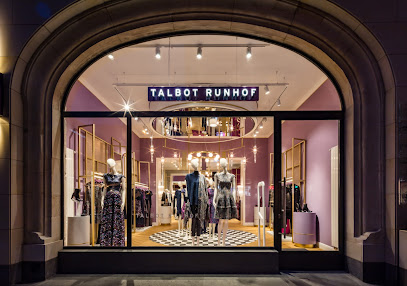
Talbot Runhof Boutique Düsseldorf
0.8 km
Discover timeless elegance and contemporary style at Talbot Runhof Boutique in the heart of Düsseldorf, where fashion meets luxury.
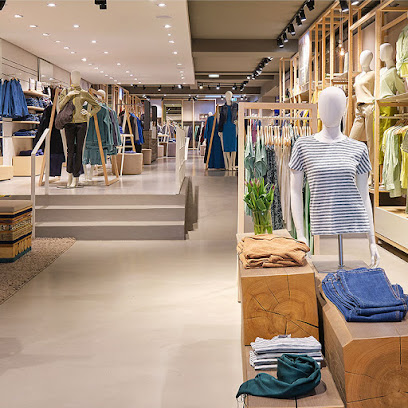
hessnatur Store Düsseldorf
0.9 km
Explore sustainable fashion at Hessnatur Store in Düsseldorf, offering a variety of eco-friendly clothing for all ages and styles.
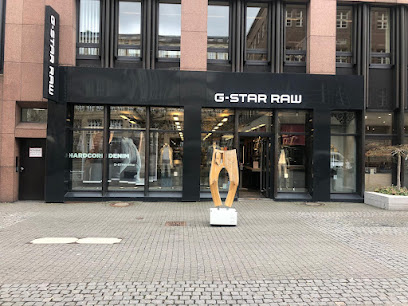
G-Star RAW Store
0.9 km
Explore the G-Star RAW Store in Düsseldorf for high-quality denim, trendy clothing, and stylish accessories that define modern fashion.
Essential bars & hidden hideouts

Cubanitos Bar
0.3 km
Discover Cubanitos Bar, Düsseldorf's vibrant cocktail haven featuring DJ services and a lively atmosphere for an unforgettable night out.
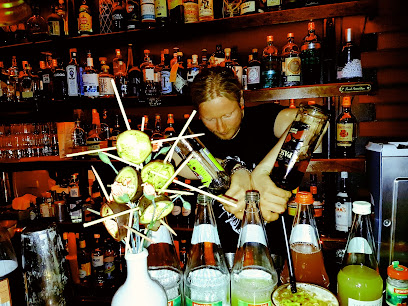
BEUYS Bar
0.3 km
Discover the elegance of BEUYS Bar, Düsseldorf's premier cocktail bar, offering a vibrant atmosphere and exquisite drinks for an unforgettable night.
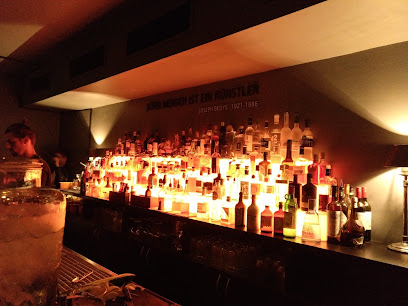
Holy Craft Beer Bar
0.4 km
Explore Düsseldorf's craft beer scene at Holy Craft Beer Bar, where unique flavors and a warm atmosphere await every visitor.
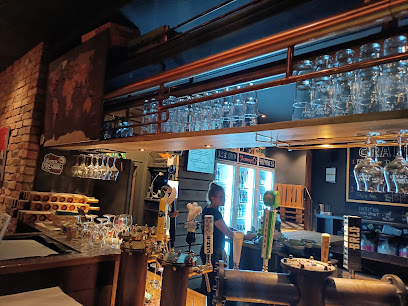
Cocktailkurse Düsseldorf
0.5 km
Discover the art of mixology at Cocktailkurse Düsseldorf, where every sip tells a story and every course is a celebration of flavors.
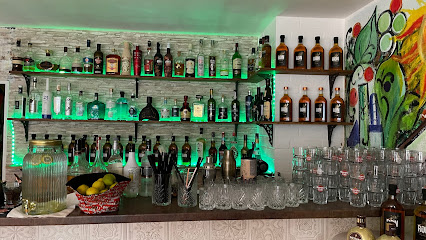
Schaukelstühlchen - Düsseldorf
0.5 km
Discover the authentic German pub experience at Schaukelstühlchen in Düsseldorf, where local brews and warm hospitality await.
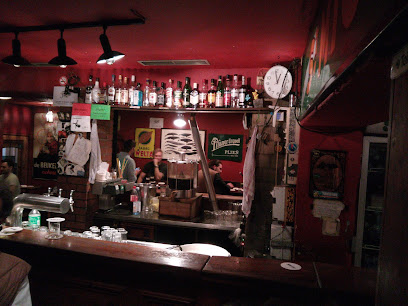
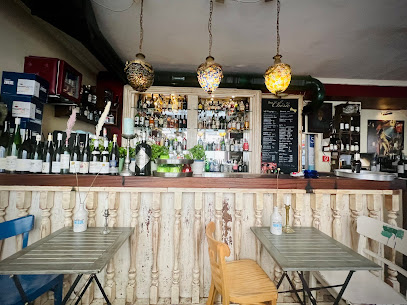
Bar Cherie - Düsseldorf
0.5 km
Discover Bar Cherie in Düsseldorf: A vibrant bar with exquisite drinks and an inviting atmosphere for an unforgettable night out.
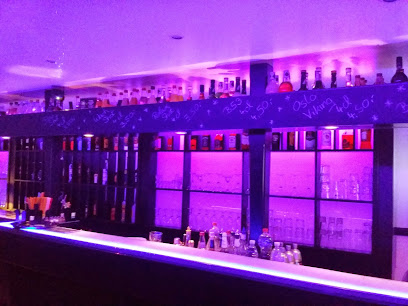
Meetingraum - Düsseldorf
0.5 km
Experience the vibrant nightlife at Meetingraum, Düsseldorf's top cocktail bar, offering expertly crafted drinks in a stylish ambiance.
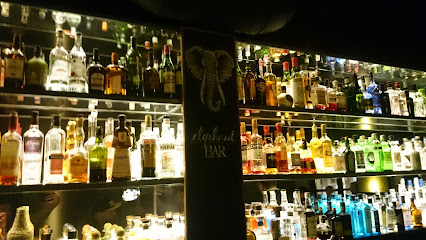
Elephant Bar - Düsseldorf
0.5 km
Discover the vibrant nightlife and exotic flavors at Elephant Bar in Düsseldorf, a perfect spot for locals and tourists alike.
Siam Bar - Düsseldorf
0.5 km
Experience the vibrant nightlife at Siam Bar in Düsseldorf, where innovative cocktails and a lively atmosphere await.
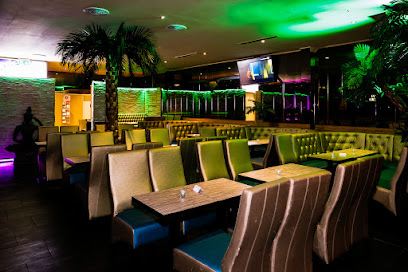
o’reilly’s Irish Pub & Restaurant
0.5 km
Experience the heart of Ireland in Düsseldorf at O'Reilly's Irish Pub & Restaurant, where great food, drinks, and entertainment come together.
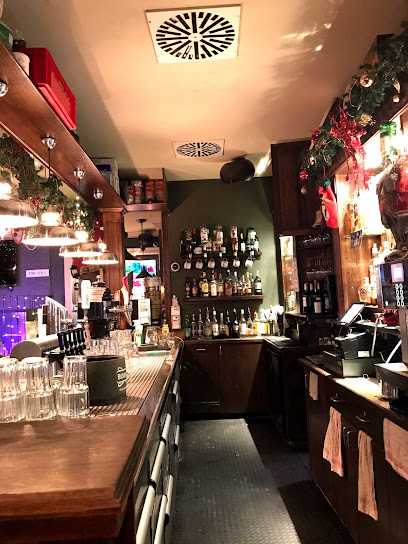
Cocktail Bar 112
0.5 km
Experience the vibrant nightlife of Düsseldorf at Cocktail Bar 112, where expertly crafted cocktails meet stunning riverside views in a modern setting.
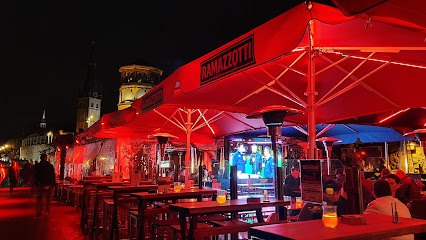
The Oak’s Bar - Düsseldorf
0.6 km
Experience the vibrant nightlife at The Oak's Bar in Düsseldorf, a cocktail haven offering live music and a welcoming atmosphere.
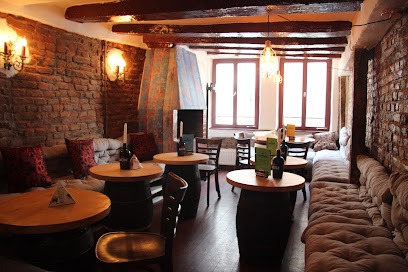
Em Pöötzke
0.6 km
Experience the soulful rhythms of jazz at Em Pöötzke, Düsseldorf's intimate and historic jazz club, where every performance is a journey through sound.
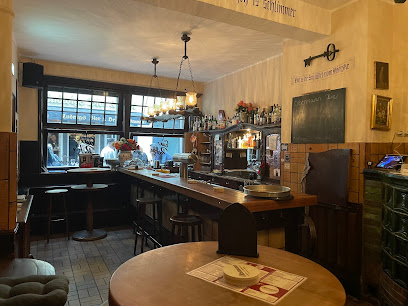
The Irish Pub Bei Fatty - Fatty's
0.6 km
Experience the vibrant atmosphere of The Irish Pub Bei Fatty in Düsseldorf, where traditional Irish fare meets lively entertainment.
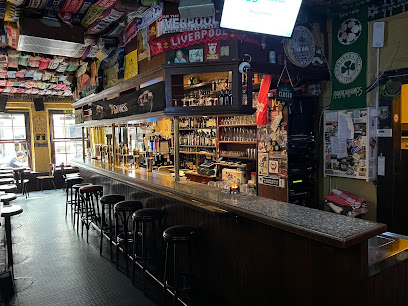
MAITAI Cocktailbar
0.6 km
Discover the lively atmosphere and creative cocktails at MAITAI Cocktailbar, a must-visit destination in Düsseldorf's nightlife scene.
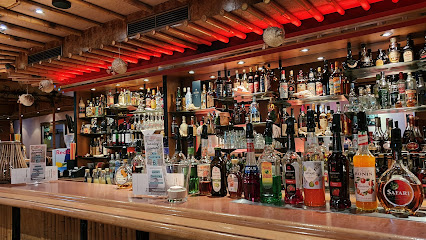
Nightclubs & after hour spots

Rosenrot - Düsseldorf
0.3 km
Discover the lively atmosphere of Rosenrot in Düsseldorf, where vibrant music and a diverse crowd create an unforgettable nightlife experience.
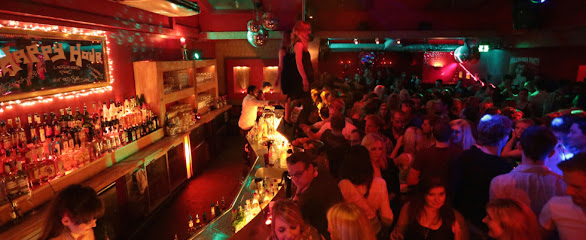
Salon des Amateurs
0.5 km
Discover the eclectic nightlife at Salon des Amateurs, Düsseldorf's artistic night club where music and culture collide in an unforgettable experience.
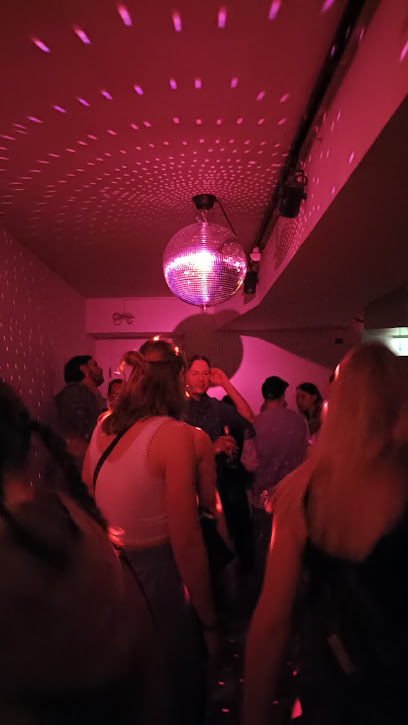
Oh Baby Anna
0.5 km
Dive into the electrifying nightlife of Düsseldorf at Oh Baby Anna, a premier night club renowned for its lively atmosphere and top-notch entertainment.
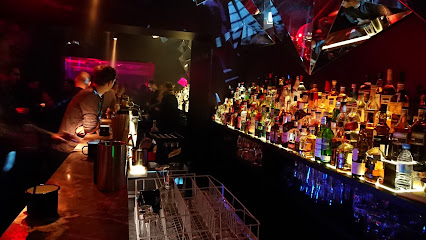
Anaconda Lounge
0.5 km
Experience the vibrant nightlife of Düsseldorf at Anaconda Lounge, where music, dance, and unforgettable moments come together.
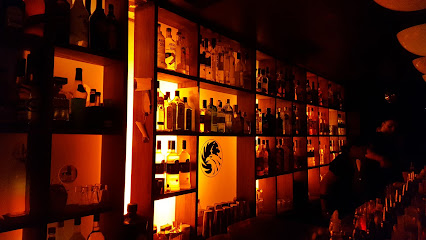
Chokolate City - Düsseldorf
0.6 km
Experience the electrifying nightlife at Chokolate City in Düsseldorf, where music, dance, and vibrant energy come together for an unforgettable evening.
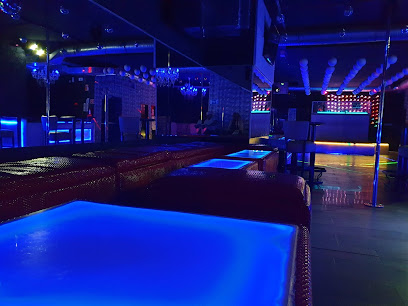
Cube
0.6 km
Discover Düsseldorf's nightlife at Cube, a vibrant night club with electrifying music, energetic dancing, and an unforgettable atmosphere.
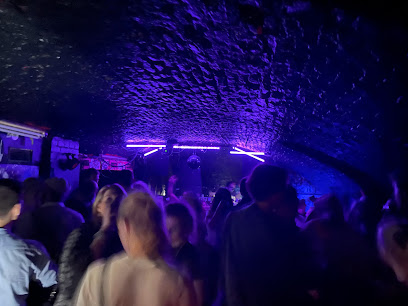
MAHIKI EXCLUSIVE NIGHTCLUB DÜSSELDORF
0.6 km
Discover the electrifying nightlife at Mahiki Exclusive Nightclub in Düsseldorf, where vibrant music and an energetic crowd create unforgettable experiences.
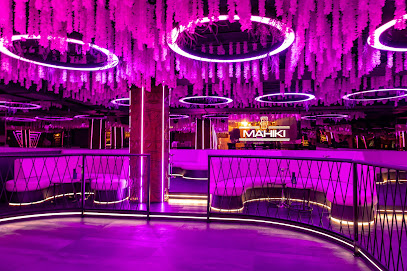
Smiley Club Dusseldorf
0.6 km
Discover the vibrant nightlife at Smiley Club Düsseldorf, where rhythm meets revelry in a truly electrifying atmosphere.
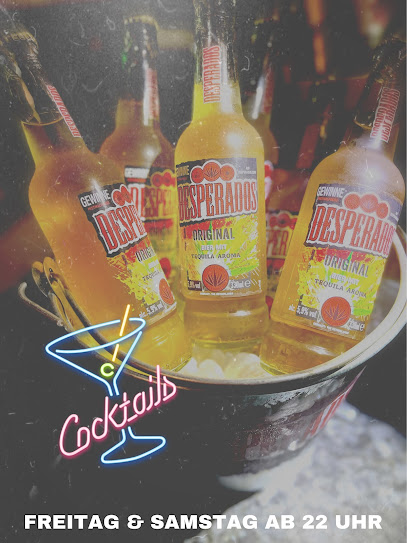
Rio Arriba
0.6 km
Experience the pulsating nightlife of Düsseldorf at Rio Arriba, where vibrant music and an energetic crowd create unforgettable memories.
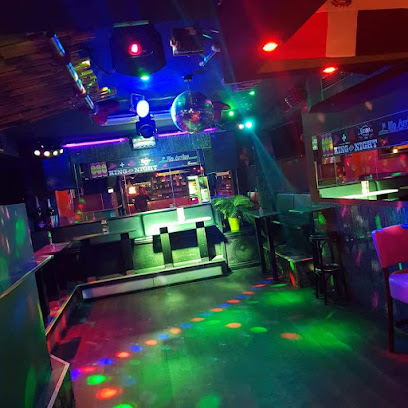
Knight Club
0.6 km
Unleash your night at Knight Club, Düsseldorf's premier nightlife destination with electrifying music and an unforgettable bar experience.
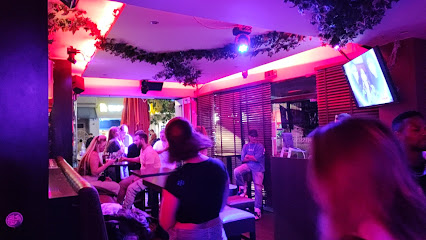
The Eight - Eventlocation & Club in Düsseldorf
0.6 km
Dive into Düsseldorf's nightlife at The Eight, where music, style, and unforgettable experiences await you!
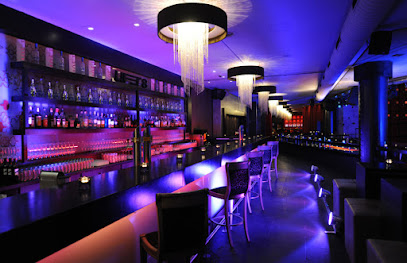
Oberbayern
0.6 km
Discover Oberbayern in Düsseldorf – a fusion of disco, bar, and pub that promises an unforgettable nightlife experience.
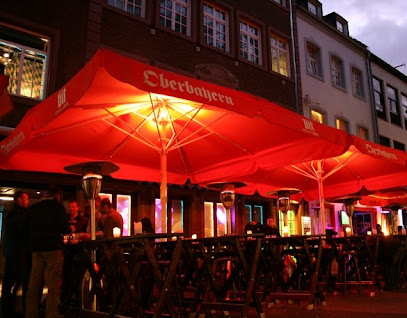
Schickimicki Club
0.7 km
Dive into Düsseldorf's nightlife at Schickimicki Club, where great music, dancing, and an electric atmosphere await every night.
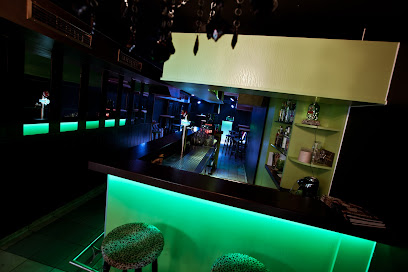
Lucy's Sky - Düsseldorf
0.7 km
Discover the pulse of Düsseldorf's nightlife at Lucy's Sky, where music, dance, and stunning views come together for an unforgettable experience.
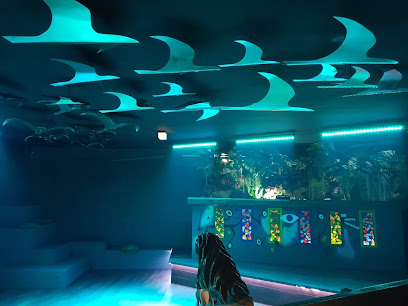
The Nachtresidenz Düsseldorf
1.5 km
Discover the heart of Düsseldorf's nightlife at Nachtresidenz, where music and excitement come alive in a stylish disco club atmosphere.