Dreigiebelhaus: A Glimpse into Duisburg's Past
Discover Duisburg's oldest residential building, the Dreigiebelhaus, a stunning example of 16th-century architecture in the heart of the Altstadt, showcasing the city's rich history and cultural heritage.
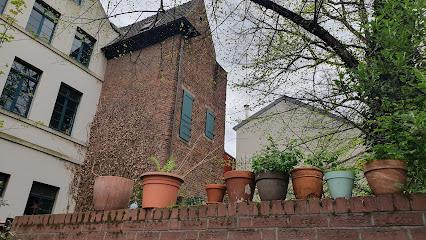
The Dreigiebelhaus, or Three-Gabled House, stands as Duisburg's oldest residential building, a remarkable survivor from the city's rich past. Located in the heart of the Altstadt (Old Town), its distinctive facade, adorned with three stepped gables, offers a captivating glimpse into the architectural styles of the 16th century. Originally built in 1536, the building has witnessed centuries of Duisburg's evolution, serving various purposes from a private residence to a nunnery and even a textile factory. Today, it houses artist studios and a restaurant, blending history with contemporary culture. While the interior is not generally open to the public, the Dreigiebelhaus remains a must-see landmark, inviting visitors to admire its well-preserved exterior and imagine the lives that unfolded within its walls. Its location in the charming Altstadt makes it easily accessible and a perfect starting point for exploring Duisburg's historical core, with its blend of medieval streets and modern attractions.
A brief summary to Dreigiebelhaus Duisburg
- Niederstraße 34, Duisburg, Duisburg-Mitte, 47051, DE
- Visit website
Local tips
- Visit during the daytime to best appreciate the intricate details of the Dreigiebelhaus's facade and its surrounding historical architecture.
- Combine your visit with a stroll through the Altstadt to explore other nearby landmarks like the Rathaus and Salvatorkirche.
- Enjoy a meal at the restaurant located on the ground floor of the Dreigiebelhaus for a unique dining experience in a historical setting.

Getting There
-
Walking
From Duisburg Hauptbahnhof (main train station), head south on Königstraße, the main shopping street. Continue for approximately 1.2 kilometers (about 15-20 minutes) until you reach the intersection with Niederstraße. Turn right onto Niederstraße, and the Dreigiebelhaus will be on your right at Niederstraße 34. The walk is straightforward and passes many shops and landmarks.
-
Public Transport
From Duisburg Hauptbahnhof, exit the station and head to the bus stop located directly outside. Take bus number 901 towards 'Duisburg, Neudorf'. After about 5 stops, get off at 'Duisburg, Königstraße'. From there, walk south on Königstraße for about 10 minutes until you reach Niederstraße. Turn left onto Niederstraße, and Dreigiebelhaus Duisburg will be on your right. A single ticket for a short distance (Kurzstrecke) costs approximately €1.90.
-
Taxi/Ride-Share
A taxi or ride-share from Duisburg Hauptbahnhof to the Dreigiebelhaus will take approximately 5-10 minutes, depending on traffic. The estimated cost is between €8-€12. Several taxi stands are located outside the main train station.
-
Parking
If driving, parking is available in several parking garages near the Altstadt, such as Parkhaus City near Königstraße. Hourly rates typically range from €1.50 to €2.50, with daily maximums around €15-€20. From the parking garage, it's a short walk to Niederstraße and the Dreigiebelhaus. Parking availability can be limited during peak hours.
Discover more about Dreigiebelhaus Duisburg
Iconic landmarks you can’t miss

Dreigiebelhaus Duisburg
0.0 km
Discover Duisburg's oldest residential building, the Dreigiebelhaus, a stunning example of 16th-century architecture in the heart of the Altstadt, showcasing the city's rich history and cultural heritage.
Church of Our Saviour
0.3 km
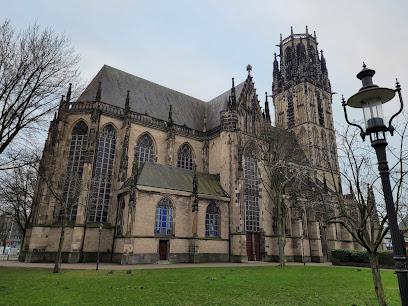
Discover the architectural beauty and serene atmosphere of the Church of Our Saviour, a must-visit Evangelical church in Duisburg.
Ruhrwehr Duisburg
1.0 km
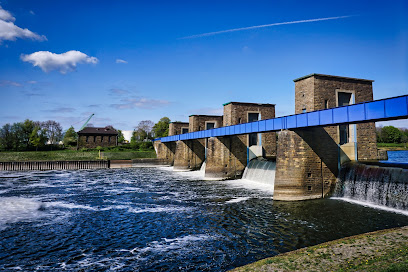
Explore the Ruhrwehr Duisburg, a stunning blend of industrial history and natural beauty along the Rhine River, perfect for all types of tourists.
Brückenlandschaft Ruhraue
3.2 km
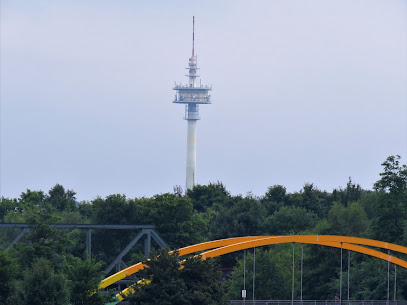
Explore the Brückenlandschaft Ruhraue in Duisburg for stunning bridge views and serene natural beauty in the heart of the Ruhr Valley.
Hamborn Town Hall
6.3 km
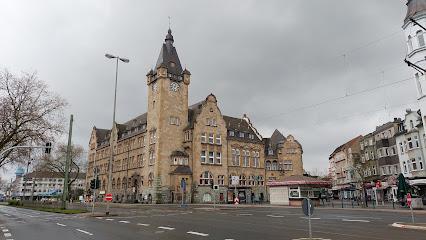
Discover the architectural charm and historical significance of Hamborn Town Hall, a symbol of local governance and community spirit in Duisburg, Germany.
Galerie an der Ruhr / Ruhr Gallery / RUHRKUNSTHALLE / Kunsthaus Mülheim am Ruhrufer
8.0 km
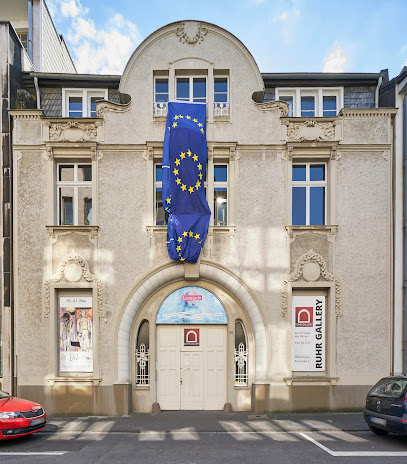
Discover the vibrant art scene at Galerie an der Ruhr, a premier destination for contemporary and modern art along the beautiful Ruhr River.
Brunnen Ruhr
8.2 km
Discover the serene beauty of Brunnen Ruhr, a tranquil fountain and park in Mülheim an der Ruhr, perfect for relaxation and scenic views.
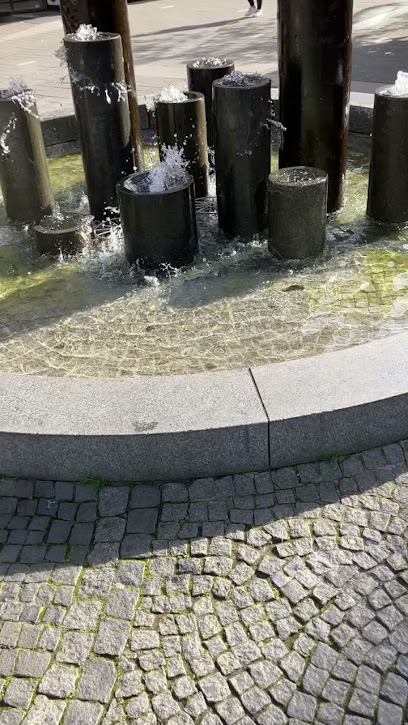
Schloß Borbeck
12.8 km
Discover Schloss Borbeck: A captivating Baroque castle in Essen with a rich history, stunning architecture, and a vibrant cultural scene, all set within a beautiful park.
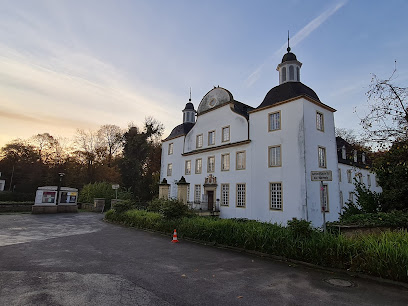
Burg Linn
14.6 km
Explore the captivating Burg Linn in Krefeld: a historic water castle with fascinating museums, scenic parklands, and vibrant cultural events, offering a journey through time.
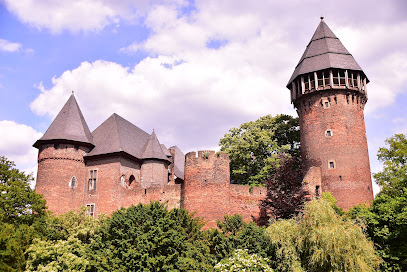
Schloss Kalkum
14.8 km
Discover the enchanting Schloss Kalkum in Düsseldorf, a historical castle surrounded by lush gardens and rich heritage, perfect for a serene escape.
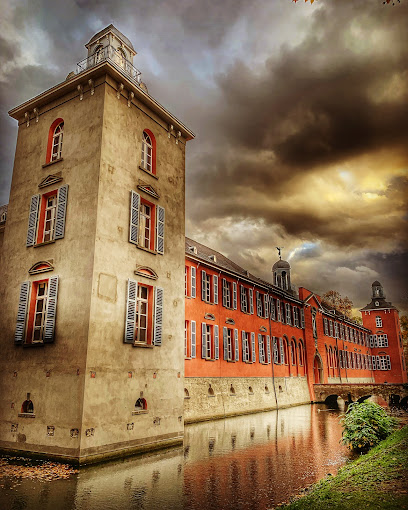
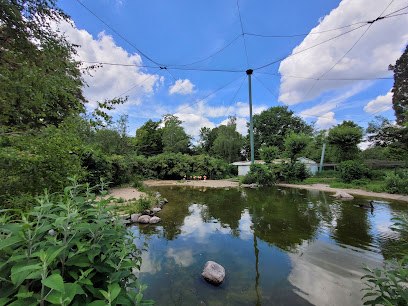
Vogelfreifluganlage
15.5 km
Discover a world of avian beauty at Vogelfreifluganlage in Essen's Grugapark, one of Germany's largest free-flight aviaries, showcasing diverse bird species in a natural and immersive setting.
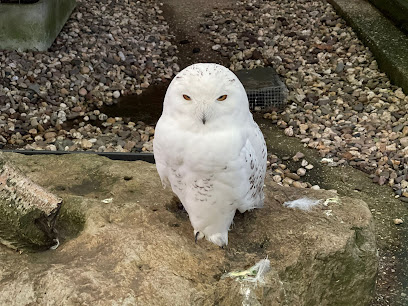
Eulen-Gehege Grugapark
15.6 km
Discover the enchanting world of owls at Essen's Grugapark, a green oasis offering a unique blend of nature, recreation, and education for an unforgettable experience.
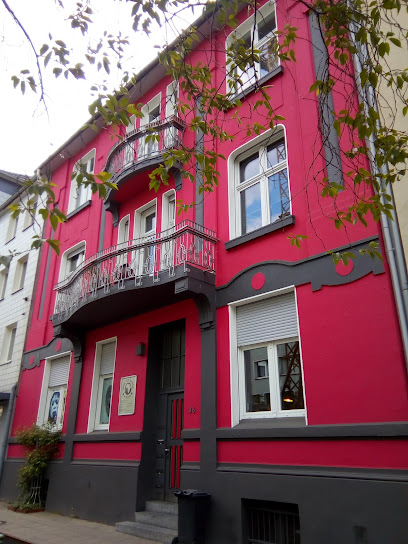
Soul of Africa Museum
16.8 km
Explore the rich heritage of Africa at the Soul of Africa Museum in Essen, where culture, art, and history come together to inspire and educate.
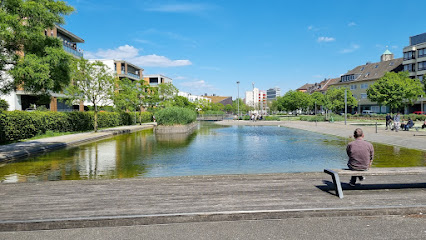
Grüne Mitte Essen
17.1 km
Discover Grüne Mitte Essen, a revitalized urban park connecting city and university, offering green spaces, water features, and a vibrant community atmosphere in Essen's heart.
3D Modell der Essener Innenstadt
17.1 km
Discover Essen's heart from a unique perspective: Explore the intricate 3D model of the city center, a captivating miniature showcasing the city's architecture and urban design.
Unmissable attractions to see

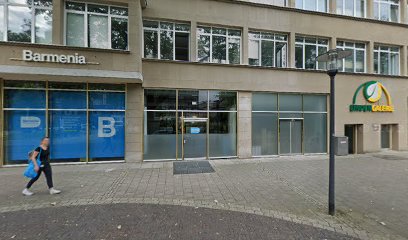
Alter Markt
0.3 km
Explore the vibrant Alter Markt in Duisburg, a cultural hub filled with history, local shops, and lively events, perfect for every traveler.
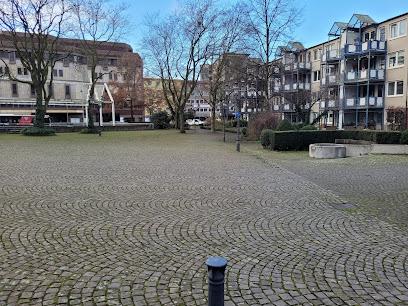
Duisburg Inner Harbour
0.4 km
Discover the scenic Duisburg Inner Harbour, where history meets modern charm in a vibrant waterfront setting filled with dining, shopping, and cultural experiences.
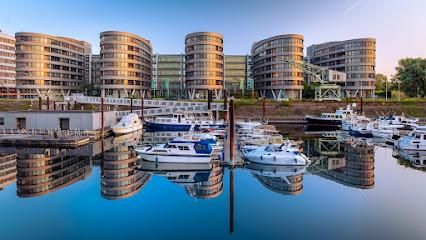
Ruhrmündung
3.3 km
Experience the serene beauty of Ruhrmündung, where the Rhine and Ruhr rivers meet in a stunning natural landscape perfect for relaxation and exploration.
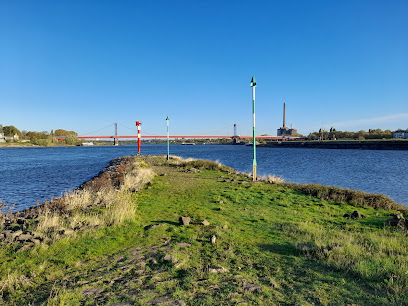
Landschaftspark Duisburg-Nord
5.0 km
Discover the enchanting fusion of nature and industrial history at Landschaftspark Duisburg-Nord, a unique park and cultural landmark.
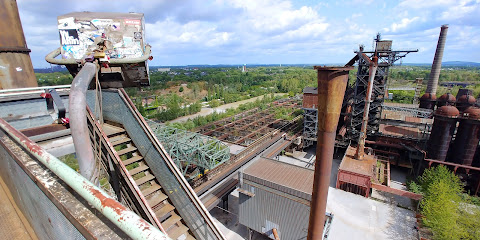
Staudamm Ruhr
5.1 km
Experience the natural beauty and outdoor adventures at Staudamm Ruhr, a picturesque destination in Mülheim, Germany.
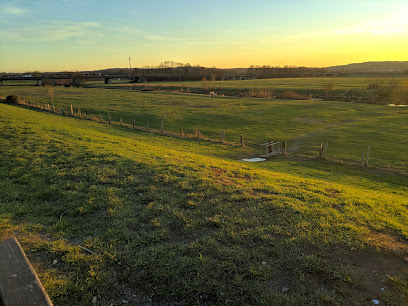
Geodätischer Referenzpunkt
7.9 km
Explore the Geodätischer Referenzpunkt, a serene tourist attraction in Mülheim an der Ruhr showcasing the art and science of geodesy amidst scenic landscapes.
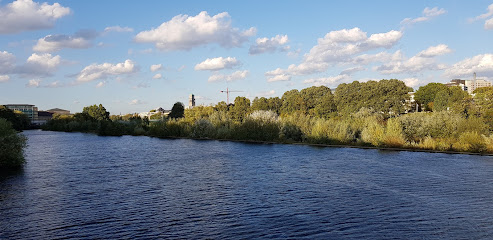
City harbor Mülheim Ruhrbania
7.9 km
Discover the charm of Mülheim Ruhrbania's City Harbor, a vibrant hub of culture, leisure, and breathtaking waterfront views.
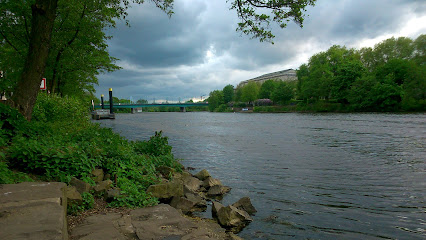
Ruhrschleuse Mülheim
7.9 km
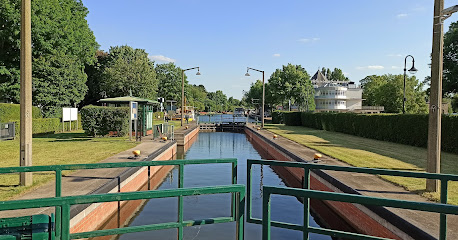
Explore the Ruhrschleuse Mülheim, where nature meets history along the stunning Ruhr River, perfect for leisurely strolls and captivating views.
Ruhrpromenade Mülheim
7.9 km
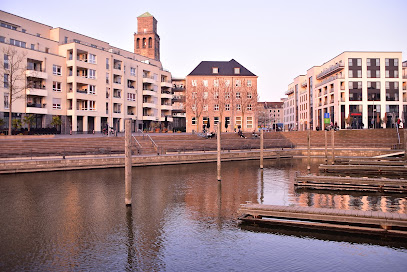
Experience the scenic Ruhrpromenade in Mülheim, where picturesque views and vibrant culture await along the banks of the Ruhr River.
Haus Ruhrnatur
7.9 km
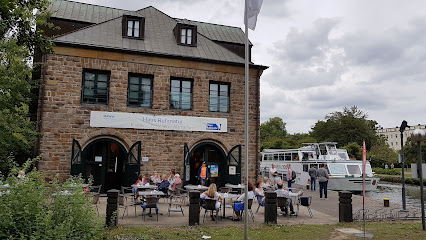
Explore Haus Ruhrnatur: A Unique Nature Museum Celebrating the Biodiversity of the Ruhr River in Germany.
Gleispark Frintrop
11.5 km
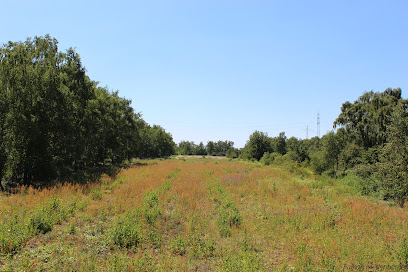
Discover the natural beauty and tranquility of Gleispark Frintrop, a serene park in Essen perfect for relaxation and family outings.
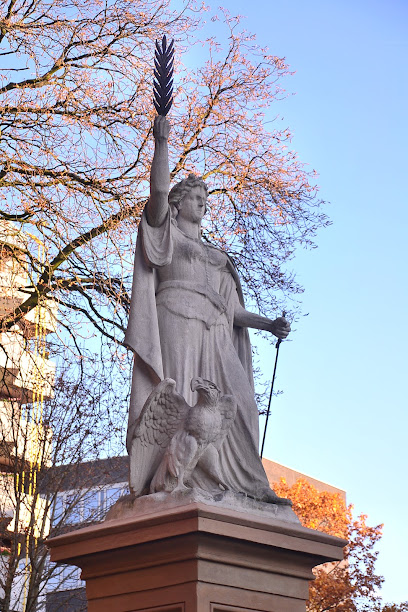
Germania-Denkmal
13.7 km
Explore the majestic Germania-Denkmal in Essen, a tribute to German heritage with stunning views and rich history.
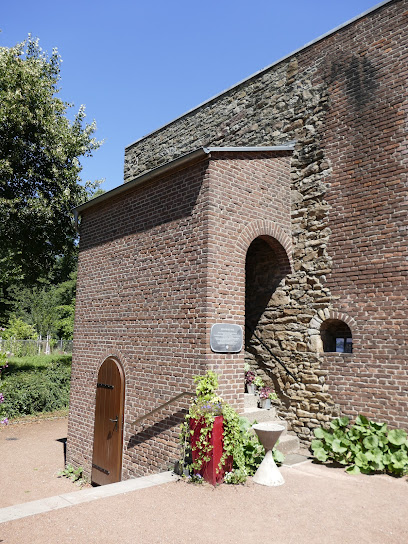
Romanisches Haus im Grugapark
15.2 km
Explore the stunning Romanisches Haus in Grugapark, a historical landmark in Essen showcasing exquisite architecture and serene landscapes.
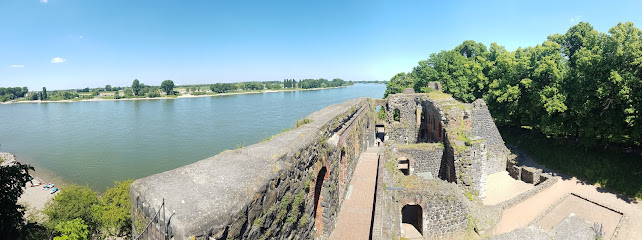
Kaiserpfalz Kaiserswerth
15.5 km
Discover the enchanting ruins of Kaiserpfalz Kaiserswerth, a historical landmark in Düsseldorf, perfect for history lovers and nature enthusiasts alike.
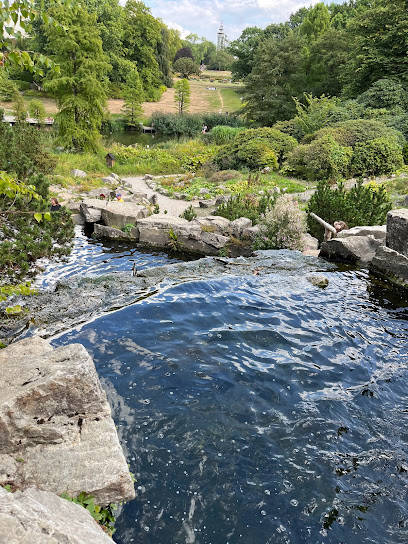
Wasserfall
15.5 km
Discover the tranquility of Wasserfall in Essen, a stunning natural attraction perfect for relaxation and nature appreciation.
Essential places to dine

Hauptschalthaus
5.0 km
Experience the vibrant flavors of Duisburg at Hauptschalthaus - where culinary tradition meets modern dining.
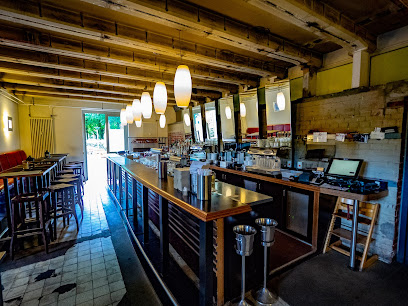
Restaurant am Ruhrpark - Oberhausen
5.0 km
Experience culinary excellence at Restaurant am Ruhrpark - where local flavors meet modern dining in Oberhausen.
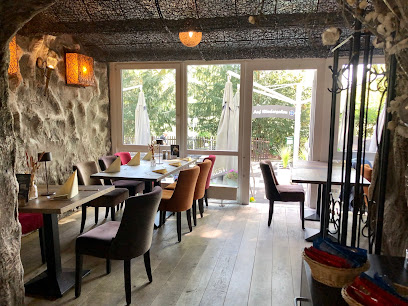
Restaurant Rade
6.6 km
Discover the rich flavors of European and Croatian cuisine at Restaurant Rade in Mülheim an der Ruhr, where every meal is a memorable experience.
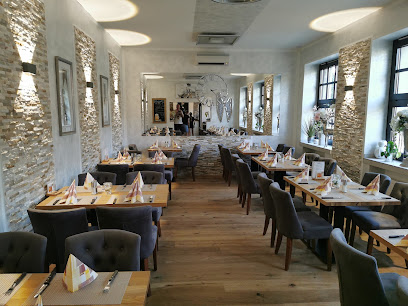
Restaurant Ronja im Ringlokschuppen
7.3 km
Discover the vibrant flavors of Mediterranean cuisine at Restaurant Ronja in Mülheim an der Ruhr, perfect for vegans and vegetarians alike.
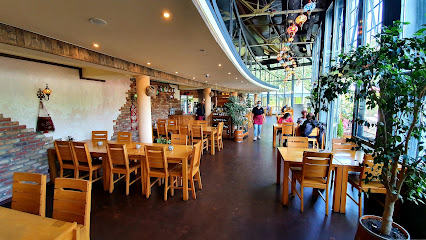
Franky's an der Ruhrpromenade
7.9 km
Experience delightful dining at Franky's an der Ruhrpromenade - where delicious food meets stunning riverside views in Mülheim.
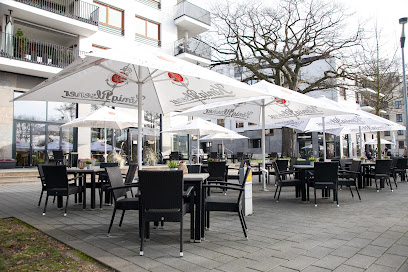
Thema Restaurant
8.0 km
Experience authentic Greek cuisine at Thema Restaurant in Mülheim an der Ruhr - where tradition meets taste in every delicious bite.
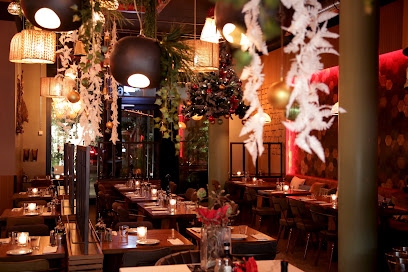
Restaurant Mediterran
8.3 km
Discover authentic Mediterranean flavors at Restaurant Mediterran - where every meal is a celebration of taste and culture.
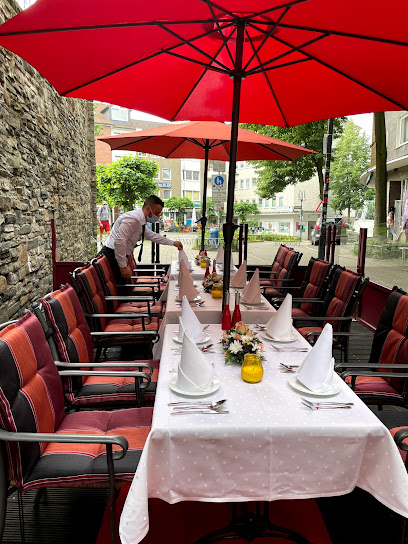
Restaurant Mausefalle / Mülheim an der Ruhr
8.3 km
Savor authentic German cuisine at Restaurant Mausefalle - a culinary treasure in Mülheim an der Ruhr.
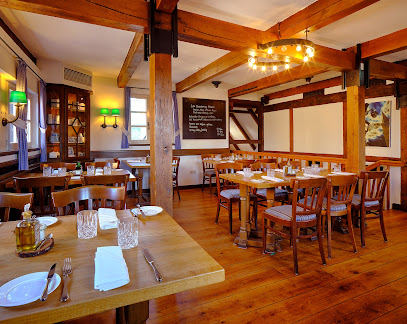
Kortumstube
8.4 km
Experience authentic German cuisine at Kortumstube in Mülheim an der Ruhr—where tradition meets flavor in a cozy setting.
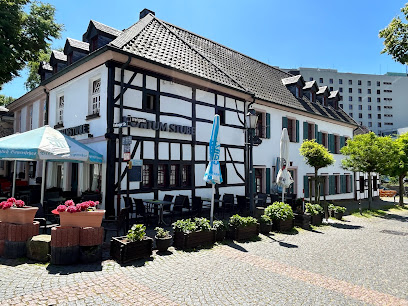
Restaurant Gesellenhaus - Mülheim an der Ruhr
8.4 km
Savor authentic German cuisine at Restaurant Gesellenhaus in Mülheim an der Ruhr - where tradition meets modern European flair.
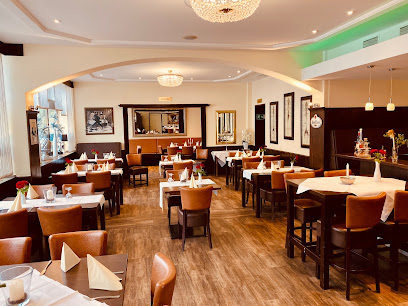
Trüffel Fine Dining-Mülheim an der Ruhr
8.8 km
Experience authentic Turkish flavors at Trüffel Fine Dining in Mülheim an der Ruhr - where exquisite dishes meet exceptional service.
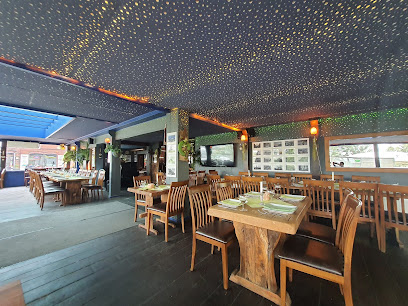
Restaurant Müller-Menden in Mülheim an der Ruhr
10.0 km
Experience authentic German cuisine at Restaurant Müller-Menden in Mülheim an der Ruhr – where tradition meets innovation.
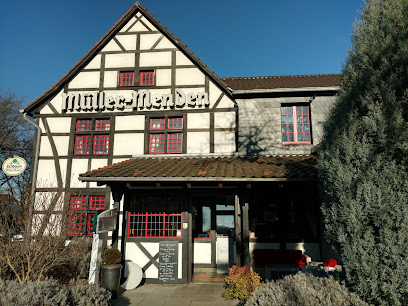
Walkmühlen-Restaurant
10.2 km
Experience authentic Italian dining at Walkmühlen-Restaurant in Mülheim an der Ruhr - where every meal is a celebration of flavor.
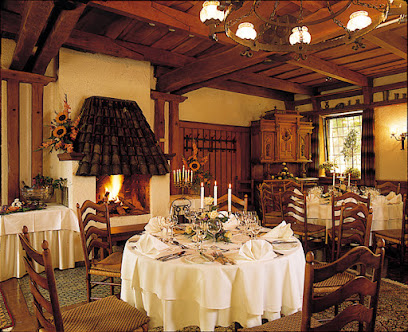
Liebling im Mühlenbach
10.3 km
Experience authentic German cuisine at Liebling im Mühlenbach - where local flavors meet cozy ambiance in Mülheim an der Ruhr.
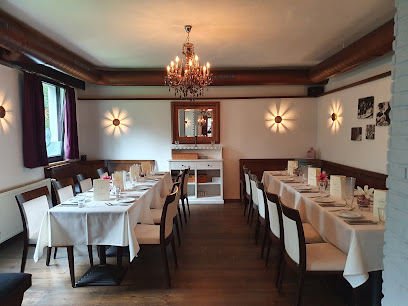
Kava & Meze Restaurant
13.8 km
Experience authentic Greek flavors at Kava & Meze Restaurant in Essen—your gateway to Mediterranean culinary delights.
Markets, malls and hidden boutiques

Königsgalerie Duisburg
0.4 km
Explore the unique blend of shopping and art at Königsgalerie Duisburg, a premier destination for tourists seeking retail therapy and cultural enrichment.
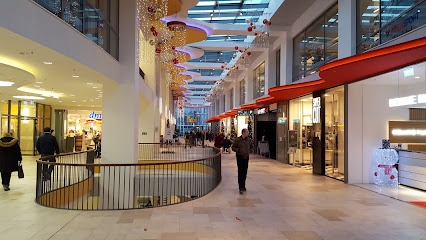
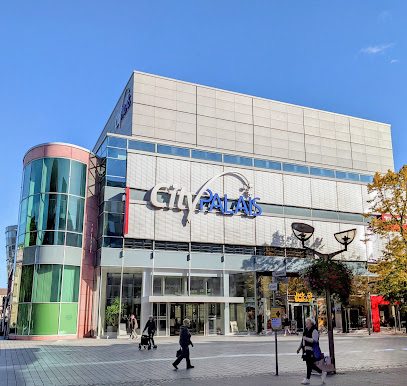
CityPalais
0.6 km
Explore the ultimate shopping destination in Duisburg - CityPalais, where fashion meets culture and culinary delights await.
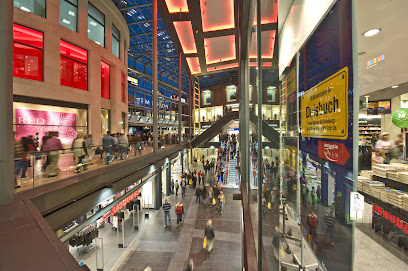
Forum Duisburg
0.7 km
Explore Forum Duisburg: Your Ultimate Shopping Destination in Duisburg with Fashion, Food, and Fun.
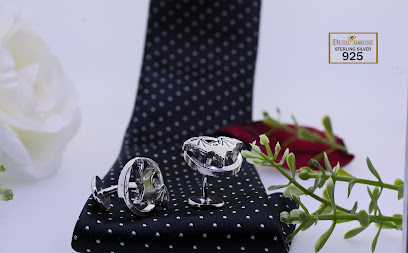
Dudu House Luxury
2.7 km
Discover unparalleled elegance at Dudu House Luxury, a premier fashion accessories store that redefines style for discerning travelers.
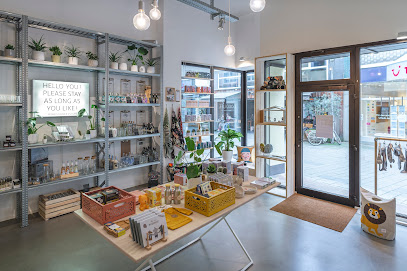
GOOD LIFE - Concept Store
8.0 km
Explore GOOD LIFE - Concept Store in Mülheim an der Ruhr for unique gifts and a taste of local craftsmanship that captures the essence of the region.
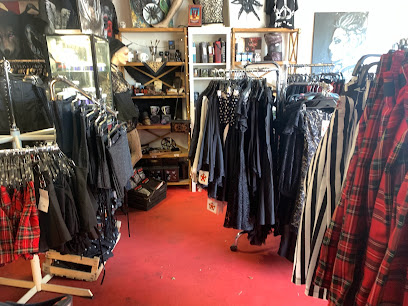
Mode Wichtig - Der Gothic Metal Rock Punk Kinky Underground & Alternative Shop im Ruhrgebiet!
8.2 km
Explore Mode Wichtig, the ultimate destination for gothic, punk, and alternative fashion in Mülheim, offering unique gifts and accessories for every style.
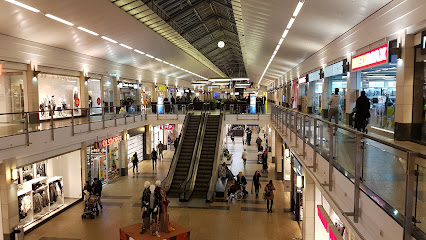
Forum
8.4 km
Explore Forum in Mülheim an der Ruhr – a vibrant shopping mall with diverse stores, dining options, and entertainment for a memorable experience.
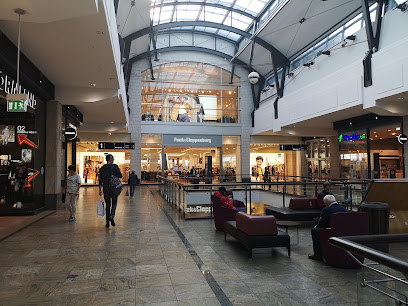
Centro Oberhausen
9.9 km
Centro Oberhausen: A premier shopping destination in Germany with over 200 shops, diverse dining options, and entertainment for the whole family.
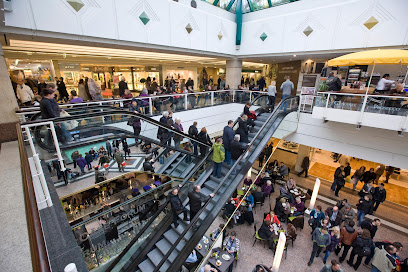
Rhein Ruhr Zentrum
13.2 km
Experience shopping, dining, and entertainment at the Rhein Ruhr Zentrum, a vibrant shopping destination in Mülheim an der Ruhr, Germany.
Ruhrverliebt
13.2 km
Explore the vibrant T-shirt store Ruhrverliebt in Essen, where unique designs celebrate the local culture and artistic spirit of the Ruhr area.

Ruumi Interior - Skandinavisches Wohndesign
14.5 km
Explore the elegance of Scandinavian design at Ruumi Interior in Essen, where style meets functionality in every piece.
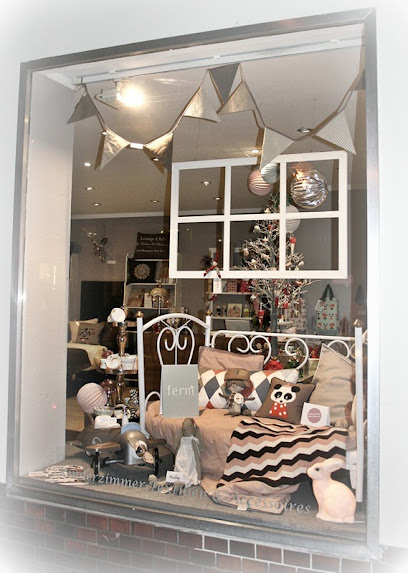
COB Concept Store
16.8 km
Explore the COB Concept Store in Essen for unique designs, local art, and stylish treasures that capture the spirit of your travels.
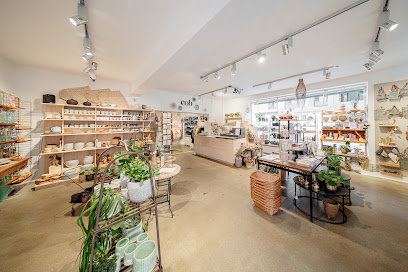
Flying Tiger Copenhagen
16.9 km
Discover a treasure trove of unique gifts, quirky toys, and stylish home goods at Flying Tiger Copenhagen in Essen, where creativity meets affordability.
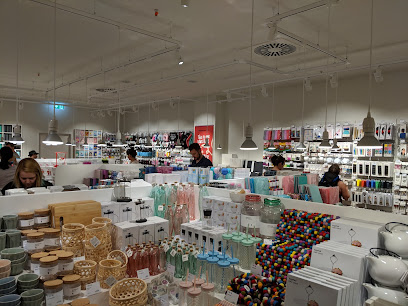
ETERNA
16.9 km
Explore ETERNA in Essen for the latest trends in men's and women's fashion along with stylish accessories that elevate your wardrobe.
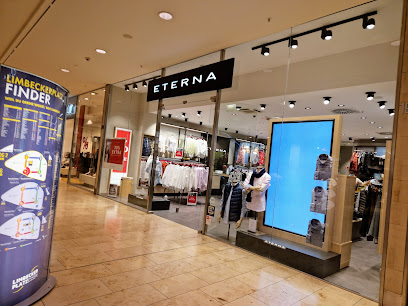
Depot Outlet
16.9 km
Discover unique gifts and stylish home décor at Depot Outlet in Essen - perfect souvenirs from your travels.
Essential bars & hidden hideouts

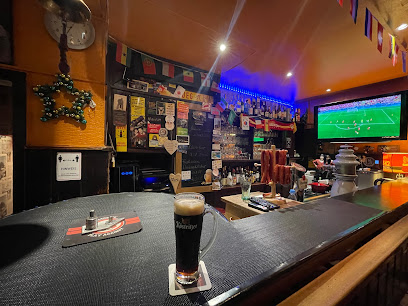
Oldiekneipe Rauchfang - Mülheim an der Ruhr
8.1 km
Discover the heart of Mülheim an der Ruhr at Oldiekneipe Rauchfang, a cozy gastropub blending authentic German flavors with a warm atmosphere.
Club Twenty by Ruhrpott
9.6 km
Dive into the energetic nightlife of Oberhausen at Club Twenty by Ruhrpott, where drinks, music, and hookah create unforgettable nights.
Cocktailpost Essen - Cocktailtaxi
14.8 km
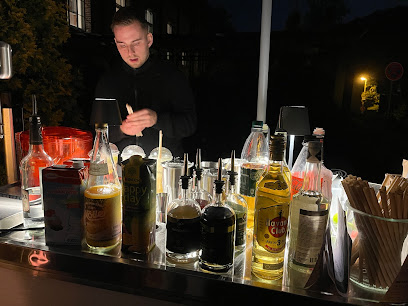
Discover Cocktailpost Essen, where expertly crafted cocktails meet a vibrant atmosphere in the heart of Essen.
Sailor's Pub
16.4 km
Experience the charm of Sailor's Pub in Essen, where delicious food and a lively atmosphere await every visitor.
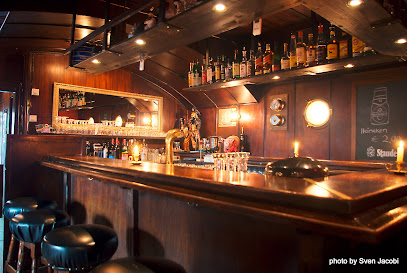
Wein & Cocktail Bar-Restaurant
16.5 km
Experience a fusion of Mediterranean flavors and exquisite cocktails at Wein & Cocktail Bar-Restaurant, a culinary delight in Rheinberg.
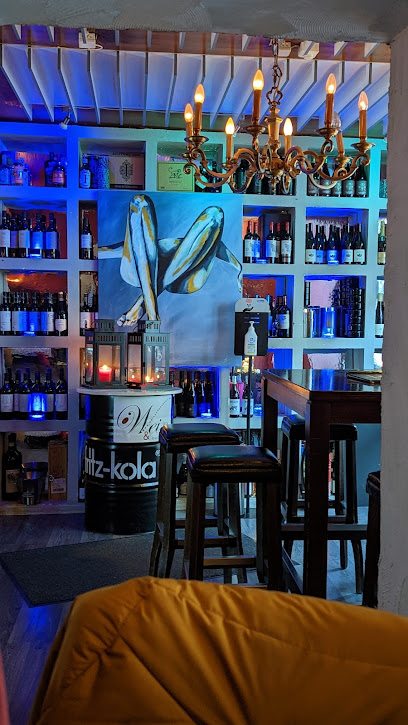
Menehune Cocktailbar
16.6 km
Experience the vibrant atmosphere of Menehune Cocktailbar in Essen, where exquisite cocktails meet a tropical paradise.
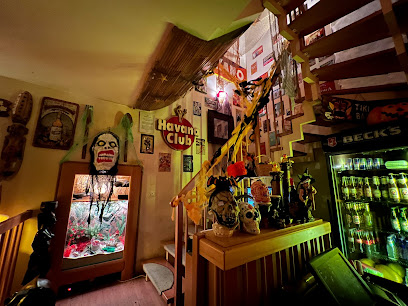
Lil•Tiger Rooftop Terrace
16.6 km
Experience the best of Essen from above at Lil•Tiger Rooftop Terrace, where delightful drinks meet stunning views.
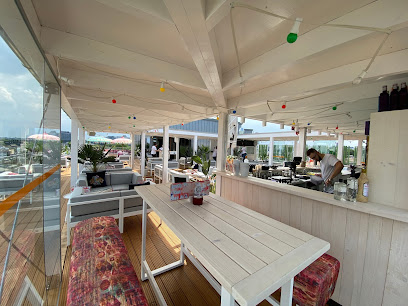
Gin & Jagger - Essen
16.6 km
Experience the lively ambiance and diverse menu at Gin & Jagger in Essen, where great food and drinks meet unforgettable moments.
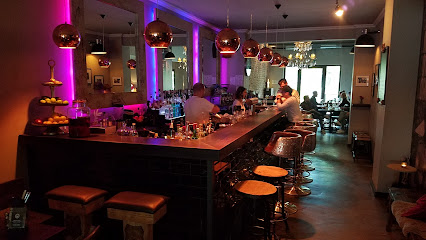
Fritzpatrick's Irish Pub
16.6 km
Fritzpatrick's Irish Pub in Essen - Authentic Irish cuisine, lively karaoke, and a warm atmosphere await every traveler!
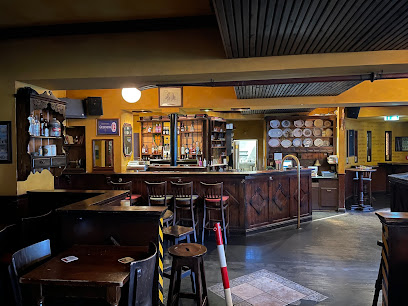
Banditen wie wir - Essen
16.7 km
Experience the vibrant nightlife of Essen at Banditen wie wir - a bar that offers unique drinks, live music, and an unforgettable atmosphere.
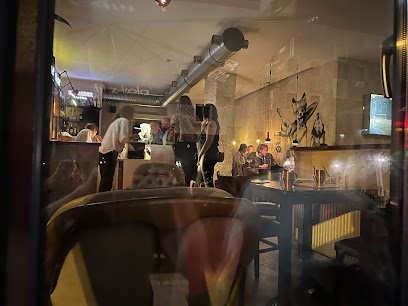
Fcuk Yoga Bar - Essen
16.8 km
Discover the vibrant nightlife at Fcuk Yoga Bar in Essen, where relaxation meets lively entertainment in a welcoming atmosphere.
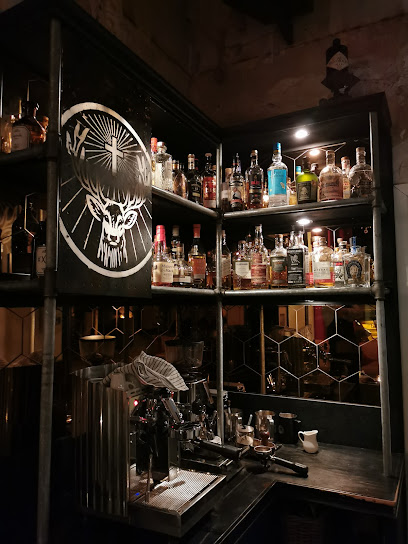
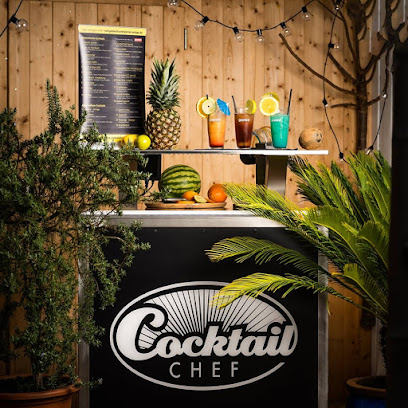
CocktailChef Ruhrgebiet
17.0 km
Discover CocktailChef Ruhrgebiet, where innovative mixology and a vibrant atmosphere create an unforgettable cocktail experience in Essen.
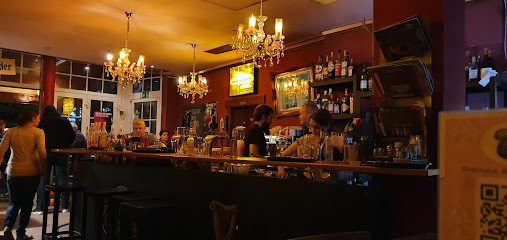
Temple Bar
17.1 km
Experience the lively atmosphere and extensive drink selection at Temple Bar, a beloved local hotspot in Essen, perfect for unwinding and socializing.
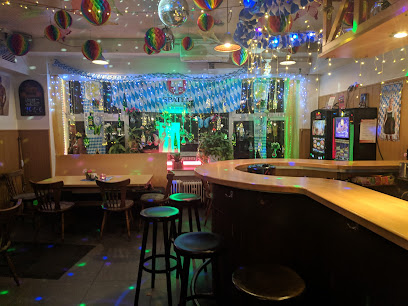
Zum Pümpchen
17.3 km
Discover the lively spirit of Essen at Zum Pümpchen, a local pub offering authentic German cuisine and a welcoming atmosphere.
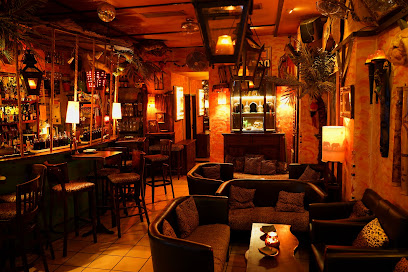
Daktari Cocktailbar
17.3 km
Discover the vibrant nightlife at Daktari Cocktailbar in Essen, where expertly crafted cocktails and a lively atmosphere await.
Nightclubs & after hour spots

Phönix Club
7.5 km
Discover the electrifying nightlife of Phönix Club in Mülheim an der Ruhr—where music, dance, and unforgettable memories come together.
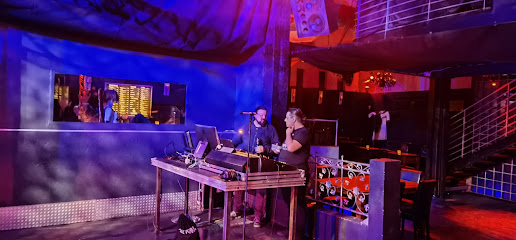
Steffys Nightclub
8.8 km
Experience the vibrant nightlife of Oberhausen at Steffys Nightclub, where music and dance come together for an unforgettable evening.
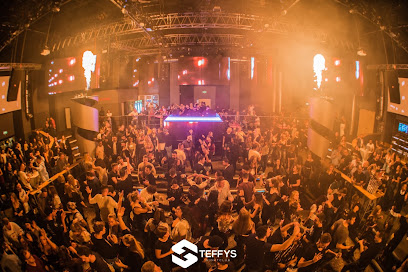
Westend Club - Essen
16.1 km
Dive into the vibrant nightlife of Essen at Westend Club, where music, dancing, and an electrifying atmosphere await you.
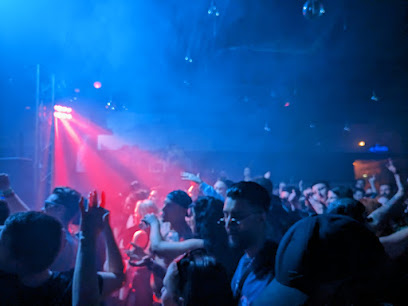
Goethebunker
16.5 km
Goethebunker: A premier night club in Essen, where electrifying music and vibrant atmosphere create unforgettable nightlife experiences.
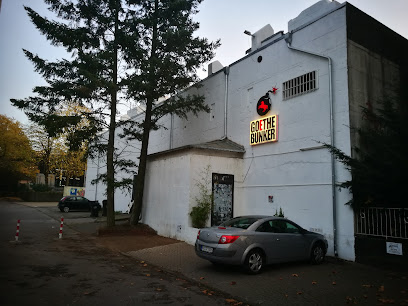
Lucy
16.8 km
Dive into the vibrant atmosphere of Lucy Disco Club in Essen, where electrifying beats and a stylish ambiance create unforgettable nightlife experiences.
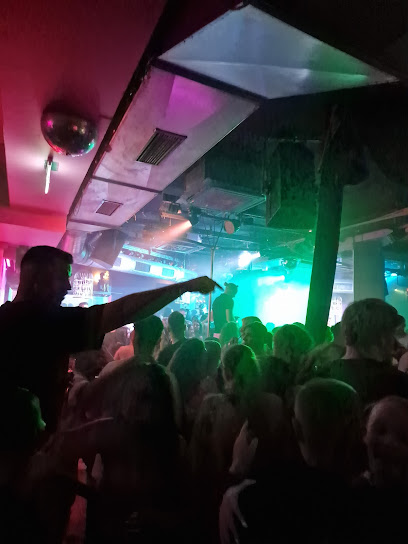
PM93 Essen
17.0 km
Discover the vibrant nightlife of Essen at PM93, where unforgettable experiences and electrifying music await every Saturday night.
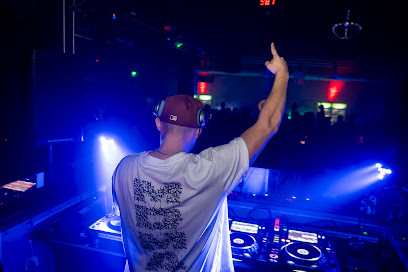
809 Club - Essen
17.3 km
Unleash your energy at Essen's 809 Club, where electrifying beats and a vibrant atmosphere create unforgettable nightlife experiences.
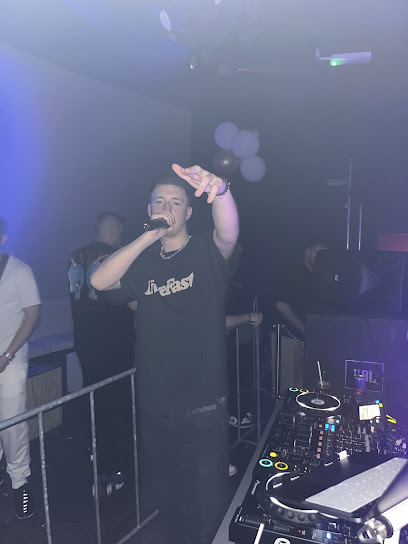
Musikpalette - MUPA
17.4 km
Discover the electrifying nightlife at Musikpalette - MUPA, Essen's premier disco club, where music and dance create unforgettable experiences.
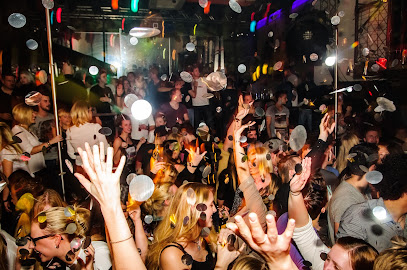
Teatro Club Essen
17.4 km
Dive into the nightlife at Teatro Club Essen, where electrifying music and vibrant dance floors create unforgettable party experiences.
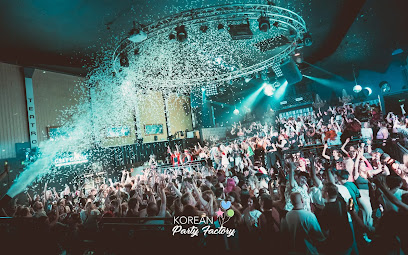
Essence
17.5 km
Discover the essence of nightlife in Essen at the vibrant Essence Night Club, where great music and a lively atmosphere await.
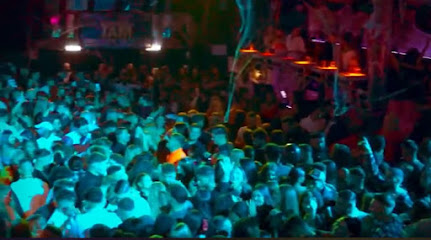
turock
17.5 km
Discover the energetic nightlife at Turock Disco Club in Essen, where vibrant music and an electrifying atmosphere await every party enthusiast.
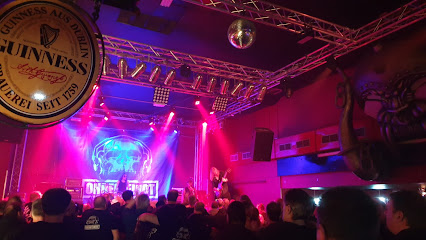
electronic music club Hotel Shanghai K. e.
17.7 km
Discover the electrifying nightlife at Hotel Shanghai K. e., Essen's ultimate disco club featuring top DJs and exquisite cocktails.
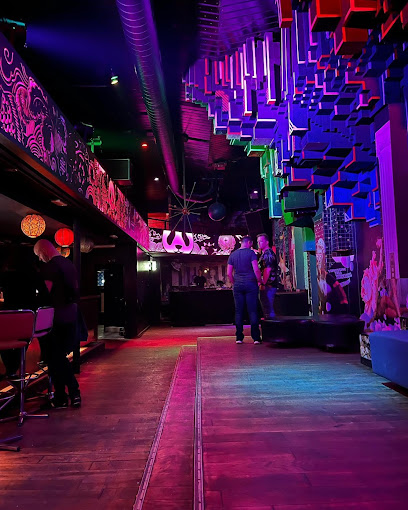
Exit-Club
20.7 km
Dive into Düsseldorf's nightlife at Exit-Club, where the beats are infectious and the atmosphere is electric. A must-visit for nightlife lovers!
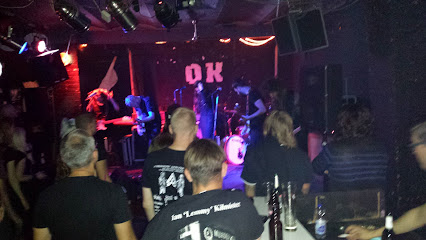
Rosenrot - Düsseldorf
23.1 km
Discover the lively atmosphere of Rosenrot in Düsseldorf, where vibrant music and a diverse crowd create an unforgettable nightlife experience.
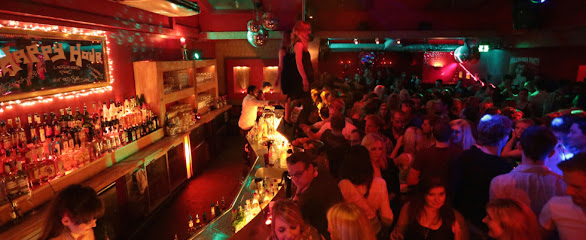
Salon des Amateurs
23.3 km
Discover the eclectic nightlife at Salon des Amateurs, Düsseldorf's artistic night club where music and culture collide in an unforgettable experience.