
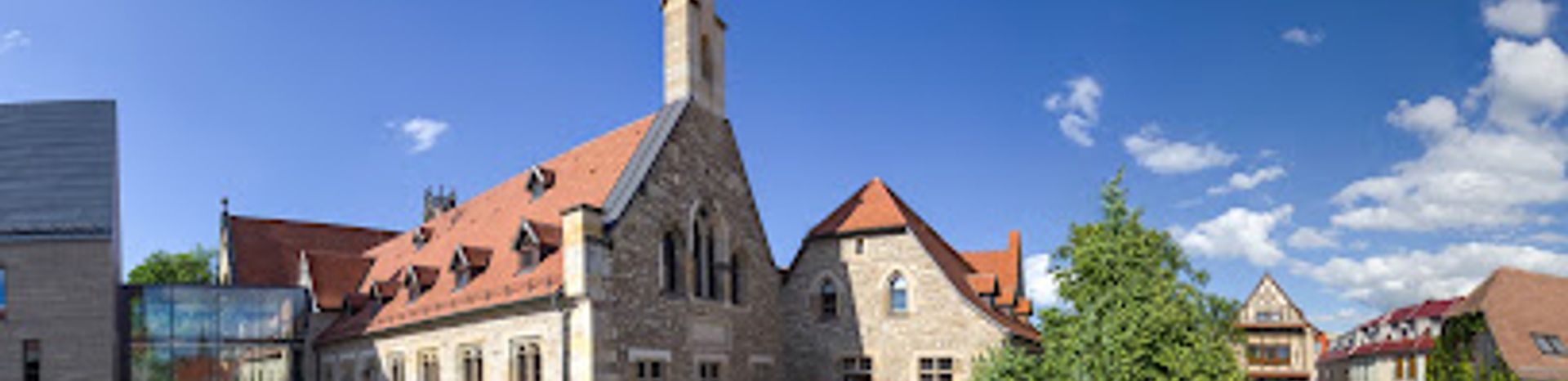
Erfurt's Augustinian Monastery: A Spiritual and Historical Haven
Discover the spiritual heart of Erfurt at the Augustinian Monastery, where Martin Luther lived and shaped the Reformation, offering a serene escape and historical exploration.
The Protestant Augustinian Monastery in Erfurt is a captivating blend of spiritual sanctuary and historical landmark. Founded in the 13th century, it's renowned as Martin Luther's monastic home from 1505 to 1511, a pivotal period in his theological development. Today, the monastery serves as a vibrant center for ecumenical encounters, theological study, and cultural events. Visitors can explore the serene cloisters, admire the Gothic architecture of the church, and delve into the life and legacy of Luther in the museum. The peaceful atmosphere invites reflection, while the historical significance offers a profound connection to the Reformation. With its tranquil gardens and thought-provoking exhibitions, the Augustinian Monastery provides a unique and enriching experience for those seeking both historical insight and spiritual solace. It's a place where the echoes of the past resonate with the present, making it a compelling destination for travelers of all backgrounds.
A brief summary to Protestant Augustinian Monastery Erfurt
- Augustinerstraße 10, Erfurt, Altstadt, 99084, DE
- +49361576600
- Visit website
Local tips
- Attend an Evensong service for a peaceful and reflective experience in the historic church.
- Explore the Luther exhibition to gain insights into his life and the Reformation.
- Take a guided tour to discover hidden architectural details and historical anecdotes.

Getting There
-
Walking
From Erfurt's city center (e.g., Domplatz), the Augustinerkloster is a leisurely 10-15 minute walk. Head east along Domstraße, then turn left onto Augustinerstraße. The monastery will be on your right. Look for the prominent church spire. No costs involved.
-
Public Transport
If arriving by tram, the closest stop is 'Augustinerkloster'. Tram lines 1, 2, 5, and 6 serve this stop. From the tram stop, the monastery entrance is a short walk across the street. A single tram fare within Erfurt is approximately €2.30.
-
Taxi/Ride-Share
A taxi or ride-share from Erfurt Hauptbahnhof (main train station) to the Augustinerkloster will take approximately 5-10 minutes, depending on traffic. The estimated fare is between €8-€12. Ask the driver to drop you off at Augustinerstraße 10.
Discover more about Protestant Augustinian Monastery Erfurt
Iconic landmarks you can’t miss

Protestant Augustinian Monastery Erfurt
0.0 km
Explore the historic Augustinian Monastery in Erfurt, where Martin Luther lived and shaped the Reformation. A site of spiritual significance and architectural beauty.
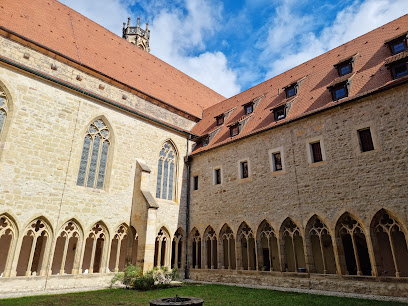
Dämmchen
0.2 km
Discover Dämmchen in Erfurt: A serene island escape behind the Krämerbrücke, offering picturesque views, historic charm, and a tranquil atmosphere in the heart of the Altstadt.
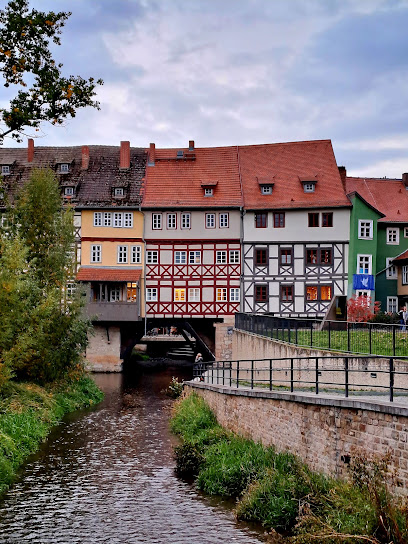
Georgenburse
0.2 km
Explore Martin Luther's student residence in Erfurt's historic Georgenburse, an educational center and pilgrim hostel offering insights into medieval academic life and the Reformation era.
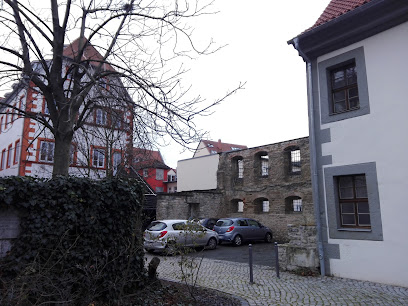
Kramer bridge
0.3 km
Discover the Krämerbrücke in Erfurt, a medieval marvel and Europe's longest inhabited bridge, offering artisan shops, rich history, and unique architecture in the heart of Thuringia.
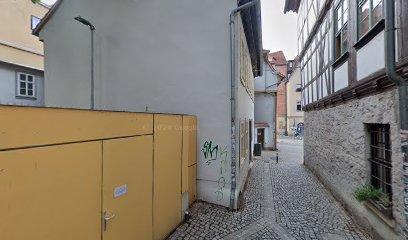
Krämerbrücke
0.3 km
Discover the Krämerbrücke in Erfurt, a medieval bridge lined with charming shops and homes, offering a unique glimpse into history and artisan craftsmanship.
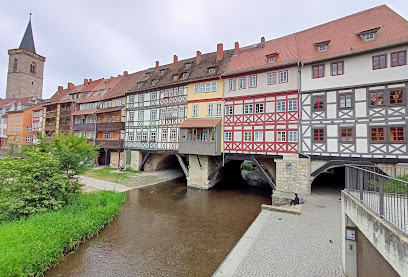
Erfurt Altstadt
0.4 km
Discover Erfurt Altstadt: A captivating blend of medieval charm, historical treasures, and vibrant culture in the heart of Germany, offering an unforgettable travel experience.
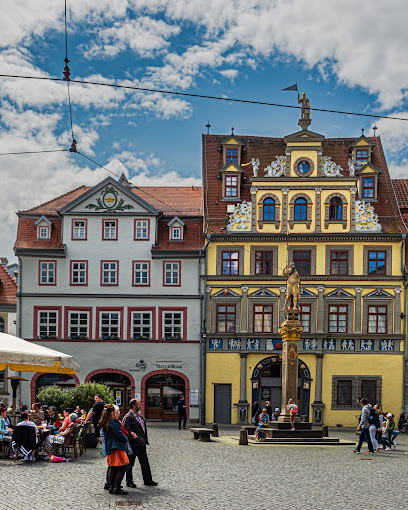
Fischmarkt
0.4 km
Discover Erfurt's Fischmarkt: A historic square brimming with architectural splendor, vibrant markets, and cultural events in the heart of Germany's Thuringia region.
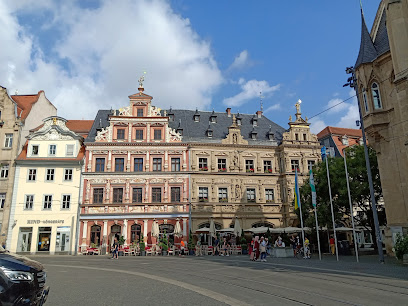
Breitstrom Castle Bridge
0.5 km
Discover Erfurt's Breitstrom Castle Bridge: A picturesque pedestrian bridge offering serene views and a glimpse into the city's rich history in the heart of the Altstadt.
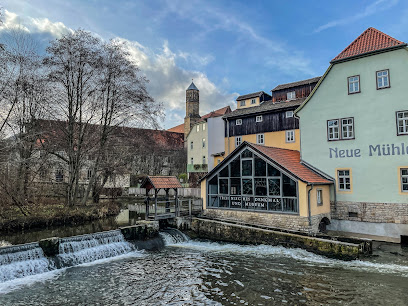
Luther-Denkmal
0.5 km
Discover the legacy of Martin Luther at the Luther Monument in Erfurt, a tribute to the Reformation's impact on religion, culture, and history.
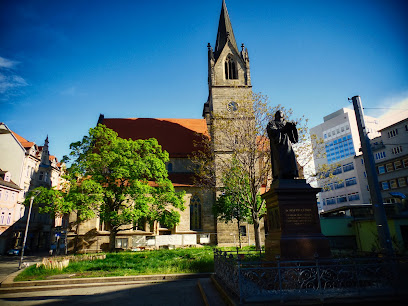
Brunnen Bremer Stadtmusikanten
0.5 km
A whimsical fountain in Erfurt's Old Town, inspired by the Brothers Grimm fairy tale, depicting the Bremen Town Musicians and symbolizing hope and friendship in the heart of the city.
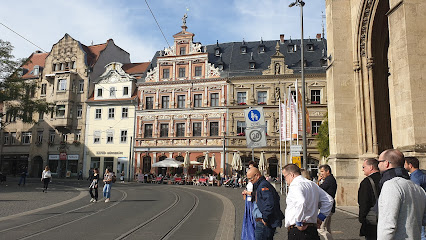
Memorial and Educational Site Andreasstraße
0.5 km
Explore the chilling history of East Germany's SED dictatorship at the Memorial and Educational Site Andreasstraße in Erfurt, a former Stasi prison transformed into a powerful museum.
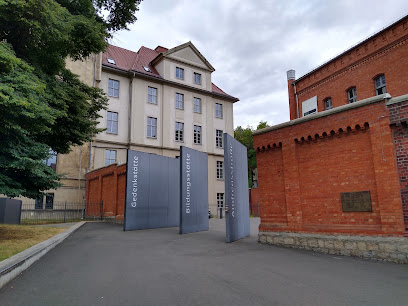
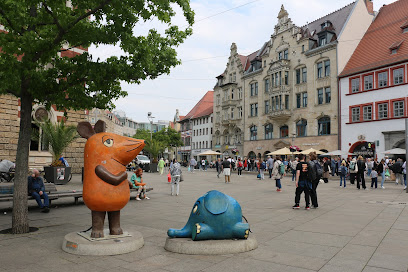
Maus und Elefant KIKA
0.6 km
Meet Maus and Elefant, the iconic characters from 'Die Sendung mit der Maus,' in Erfurt's heart, a whimsical tribute to German children's television and the city's media connection.
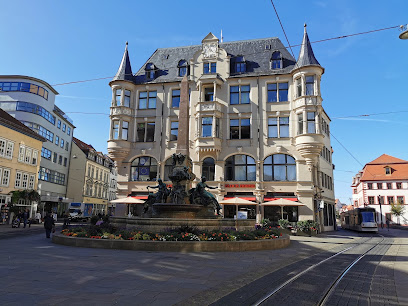
Barfüßerkirche
0.6 km
Explore the haunting beauty of Erfurt's Barfüßerkirche, a medieval Franciscan monastery church partially destroyed in WWII, now a museum and performance venue.
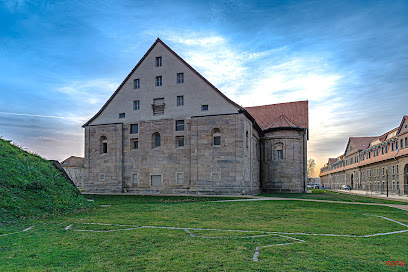
Peterskirche
0.7 km
Explore the Romanesque grandeur of Peterskirche on Erfurt's Petersberg, a historic Benedictine abbey turned cultural venue with panoramic city views and captivating exhibitions.
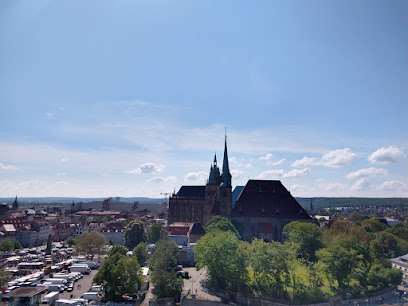
Deserteurdenkmal
0.7 km
A powerful memorial in Erfurt honoring Wehrmacht deserters and victims of Nazi military justice, a place for reflection on courage, resistance, and the cost of war.
Unmissable attractions to see

Denkmal Adam Ries
0.3 km
Explore the Adam Ries Monument in Erfurt, a historic tribute to the mathematician who shaped arithmetic education in Germany.
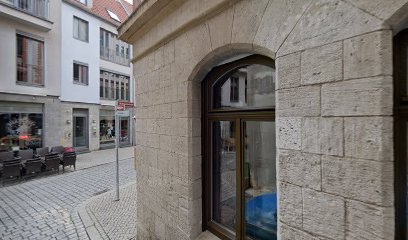
Old Synagogue
0.3 km
Explore the Old Synagogue in Erfurt, a historic museum showcasing centuries of Jewish heritage and culture in a stunning architectural setting.

Wenigemarkt
0.3 km
Experience the charm of Wenigemarkt, Erfurt's historic market square, where culture, food, and tradition come together to create unforgettable memories.
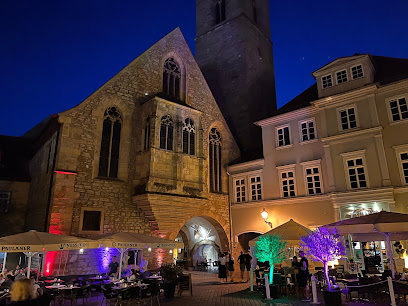
Bernd the bread
0.3 km
Discover the enchanting world of Bernd the Bread in Erfurt, where culinary creativity meets delightful baked goods in a family-friendly atmosphere.
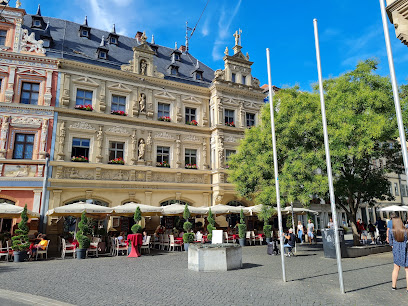
Ground plan of Erfurt center
0.4 km
Discover the vibrant charm of Fischmarkt in Erfurt, a historic square with stunning architecture and local culinary delights.
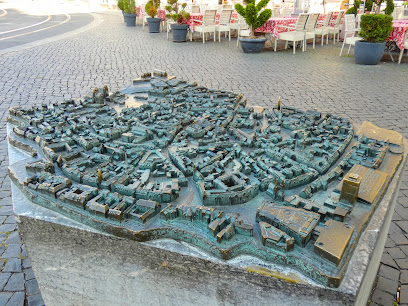
Erfurter Römer
0.4 km
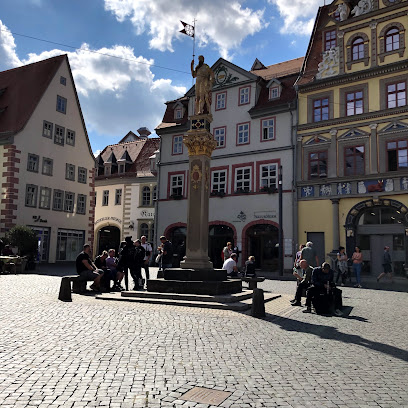
Experience the historical allure of Erfurter Römer, where the majestic Roland statue stands as a symbol of freedom in the heart of Erfurt's Altstadt.
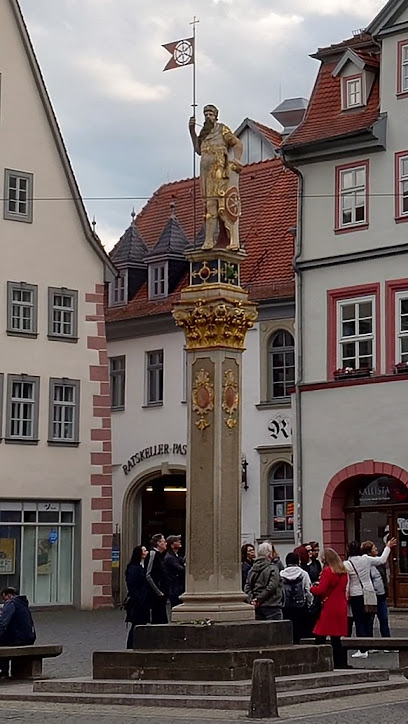
Der Römer
0.4 km
Explore Der Römer, a historical landmark in Erfurt, where medieval architecture meets vibrant local culture and rich heritage.
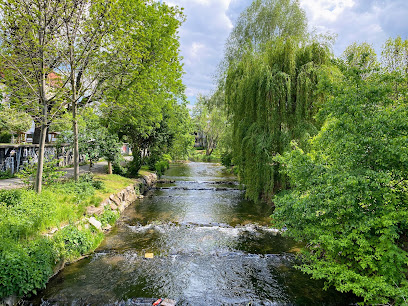
Venedig
0.5 km
Explore Venedig State Park in Erfurt, a tranquil oasis filled with lush landscapes, rich history, and scenic beauty for every traveler to enjoy.
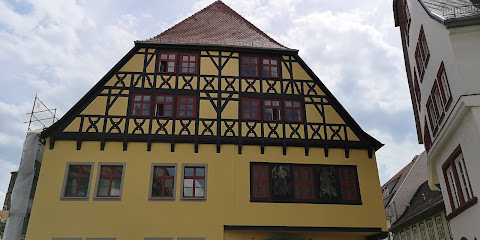
Das schmalste Haus Erfurts
0.5 km
Explore Das schmalste Haus Erfurts, the narrowest house in Germany, and uncover its unique architectural story in the heart of Erfurt's historic Altstadt.
Naturkundemuseum
0.6 km
Discover the natural history of Erfurt at the Naturkundemuseum, where engaging exhibits reveal the wonders of biodiversity and geology.
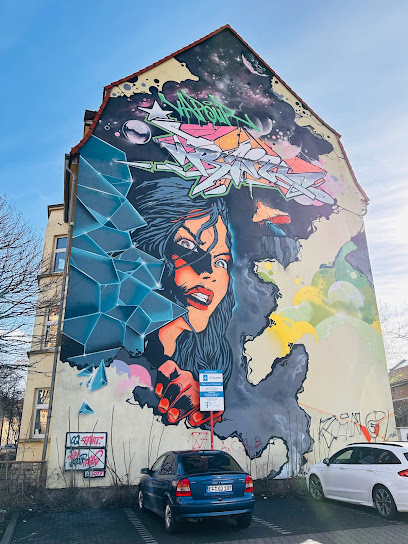
Urbane Kunst/ Streetart
0.6 km
Explore the vibrant street art scene at Urbane Kunst in Erfurt, where colors and creativity transform urban spaces into captivating galleries.
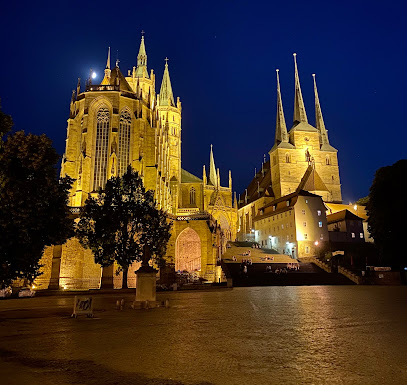
Domplatz
0.6 km
Experience the historical allure of Domplatz, Erfurt's heart, where stunning architecture meets vibrant culture in Germany's medieval gem.
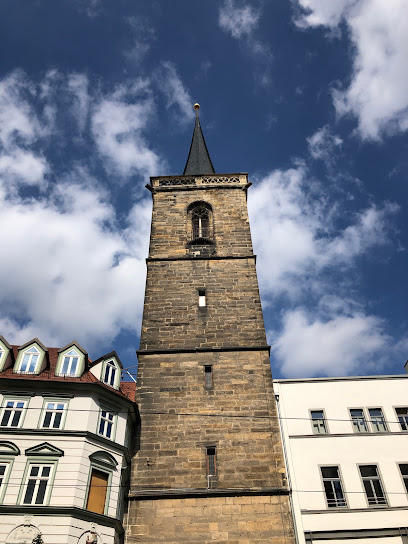
Bartholomäusturm
0.7 km
Explore the historical Bartholomäusturm in Erfurt, a captivating museum and architectural marvel showcasing the city's rich cultural heritage.
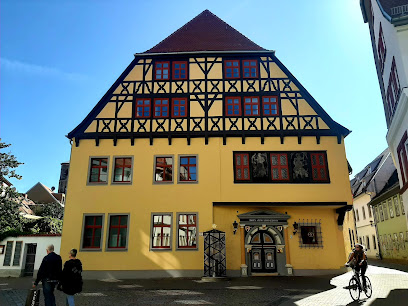
Angerbrunnen (Alt)
0.8 km
Explore Angerbrunnen, a stunning historical fountain in Erfurt that embodies the city's rich culture and invites you to relax in its picturesque surroundings.
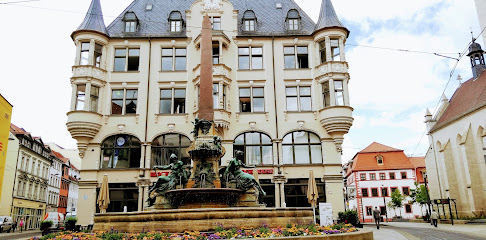
Erfurt Cathedral
0.8 km
Explore Erfurt Cathedral, a stunning Gothic masterpiece in Germany's historic Altstadt, blending rich history and breathtaking architecture.
Essential places to dine

Il Cortile
0.2 km
Discover authentic Italian cuisine and vibrant bar culture at Il Cortile in Erfurt – where every meal is a celebration.
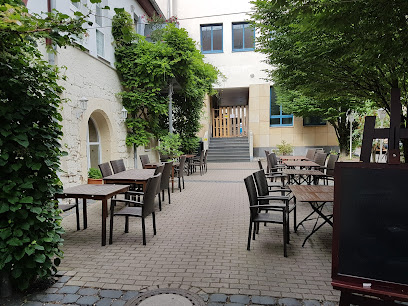
Augustiner Erfurt
0.2 km
Savor authentic Bavarian flavors at Augustiner Erfurt – a must-visit culinary destination in the heart of Germany's historic city.
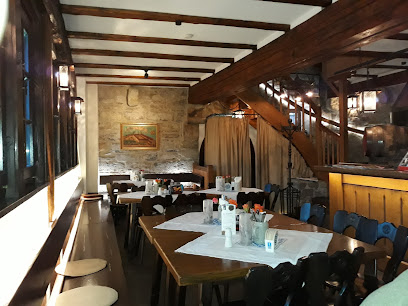
Das Ballenberger. Restaurant.
0.2 km
Experience the heart of Erfurt at Das Ballenberger – where bistro charm meets breakfast bliss in an unforgettable dining atmosphere.
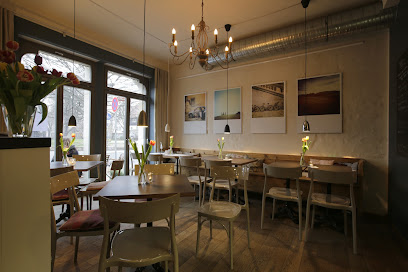
Wirtshaus Christoffel
0.2 km
Experience authentic Thuringian flavors at Wirtshaus Christoffel in Erfurt - where tradition meets comfort in every bite.
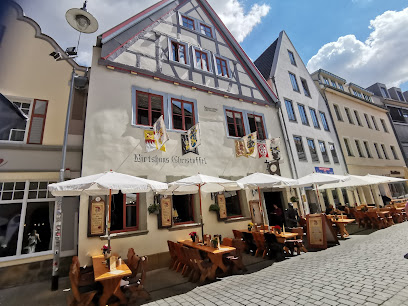
Zum Goldenen Schwan
0.2 km
Discover authentic Thuringian cuisine at Zum Goldenen Schwan in Erfurt - where tradition meets taste in a charming atmosphere.
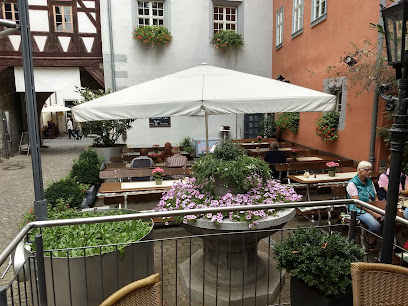
Haus zum Naumburgischen Keller
0.3 km
Experience authentic German and Thuringian cuisine at Haus zum Naumburgischen Keller, complete with an inviting beer garden in Erfurt's historic Altstadt.
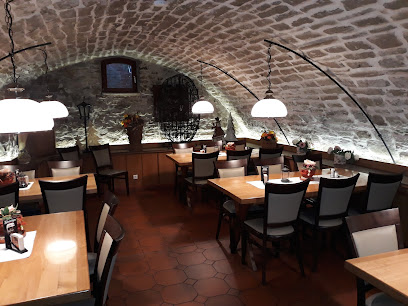
Gasthaus Feuerkugel
0.3 km
Discover authentic German flavors at Gasthaus Feuerkugel in Erfurt - a culinary gem offering traditional dishes in a charming setting.
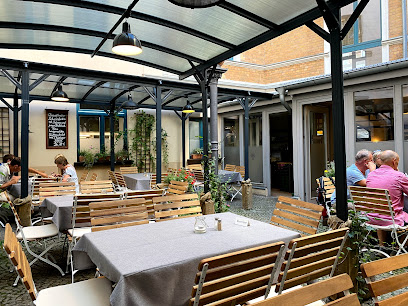
Palais Restaurant
0.3 km
Experience exquisite German cuisine at Palais Restaurant in Erfurt – where culinary artistry meets elegance.
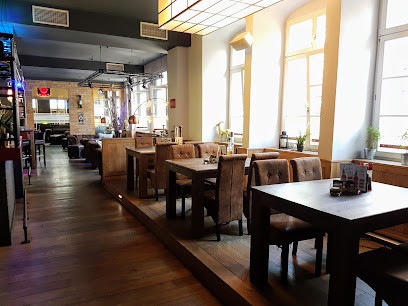
Louisiana - Steakhaus & Südstaaten-Restaurant
0.3 km
Indulge in flavorful Cajun and Creole dishes at Louisiana - Steakhaus & Südstaaten-Restaurant in Erfurt; a family-friendly dining experience awaits.
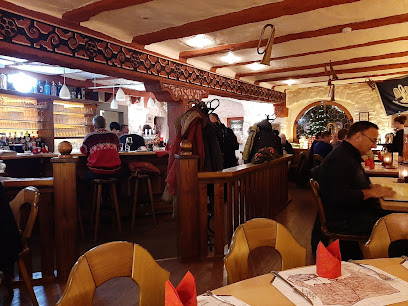
„Übersee“ Restaurant, Café & Bar
0.3 km
Experience culinary excellence at Übersee Restaurant, Café & Bar – your go-to destination for delightful meals and refreshing drinks in Erfurt.
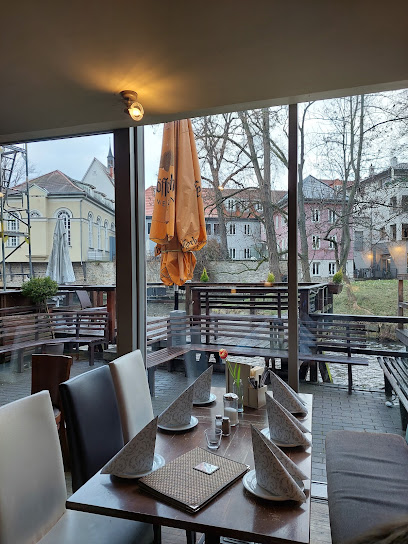
Clara - Restaurant im Kaisersaal
0.3 km
Experience exquisite fine dining at Clara - Restaurant im Kaisersaal in Erfurt, where gourmet cuisine meets elegant ambiance.
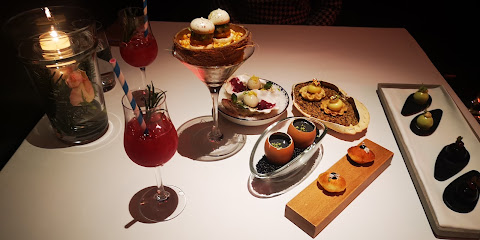
Ristorante Pavarotti
0.3 km
Experience authentic Italian cuisine at Ristorante Pavarotti in Erfurt – where every dish is crafted with passion and tradition.
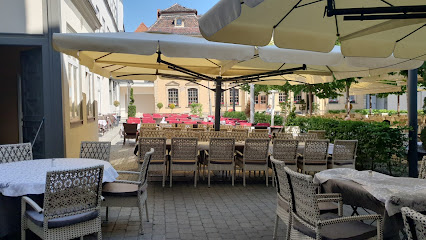
Zum Wenigemarkt 13
0.3 km
Experience authentic Thuringian flavors in Erfurt's historic Altstadt at Zum Wenigemarkt 13 - where tradition meets taste.
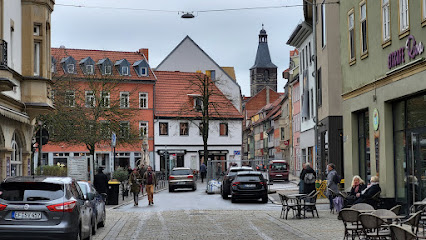
Bâ Badiyel
0.4 km
Experience authentic Turkish cuisine at Bâ Badiyel in Erfurt – where every meal tells a story.
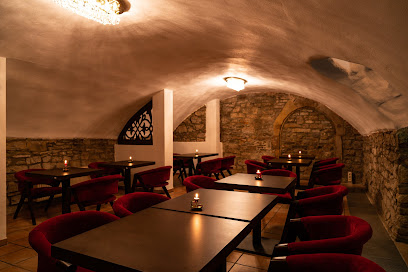
Zum güldenen Rade
0.4 km
Experience authentic Thuringian cuisine at Zum güldenen Rade in Erfurt – where tradition meets taste in a cozy atmosphere.
Markets, malls and hidden boutiques

NazariSisters
0.1 km
Explore NazariSisters in Erfurt for a distinctive selection of fashionable clothing that captures the essence of local style and contemporary trends.
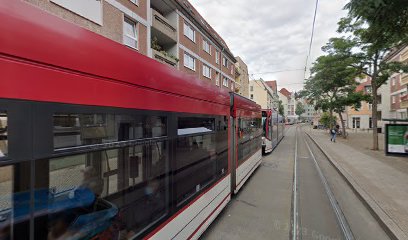
Luki's shop
0.2 km
Discover Luki's Shop in Erfurt for trendy apparel and unique fashion pieces that celebrate local style and culture.
Galerie Waidspeicher
0.2 km
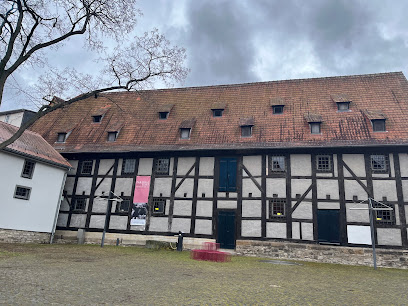
Explore contemporary art at Galerie Waidspeicher, a cultural gem in Erfurt's historic Altstadt, featuring innovative exhibitions and local artists.
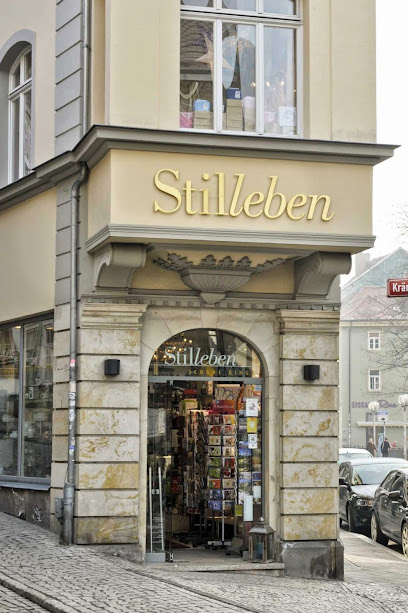
Stilleben Wohnaccessoires
0.3 km
Explore Stilleben Wohnaccessoires in Erfurt for unique gifts, home decor, and furniture accessories that embody local craftsmanship.
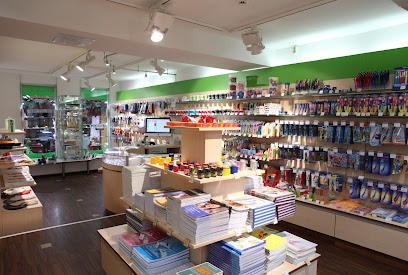
Linkshänder-Laden
0.3 km
Explore Linkshänder-Laden in Erfurt for unique gifts and tools designed specifically for left-handed individuals, along with delightful books and stationery.
INSULA Boutique und Schuhe
0.3 km
Shop at INSULA Boutique for unique clothing and accessories that reflect the style and charm of Erfurt, Germany.
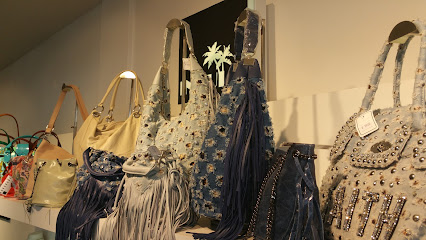
ERFURT MITTE
0.3 km
Discover unique souvenirs and local crafts at Erfurt Mitte, a must-visit gift shop in the heart of Erfurt's Altstadt.
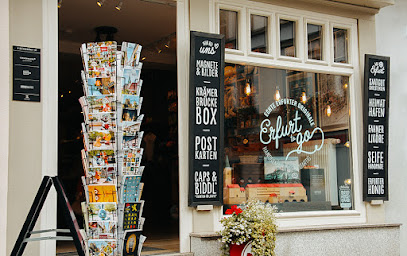
INSULA Herren-Boutique
0.4 km
Discover INSULA Herren-Boutique in Erfurt for stylish men's clothing that combines quality and contemporary fashion in a charming boutique setting.

INSULA Free Size Boutique
0.4 km
Explore the charming INSULA Free Size Boutique in Erfurt for unique fashion pieces that celebrate style and size diversity.
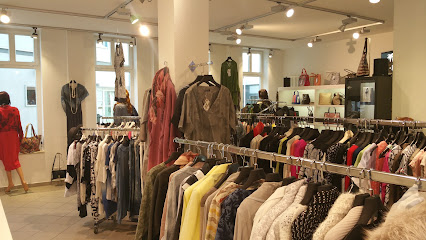
Karin Grossert Boutique Nr. 2
0.4 km
Explore stylish women's fashion in the heart of Erfurt at Karin Grossert Boutique Nr. 2, where elegance meets contemporary design.
SELECTED Goods
0.4 km
Explore contemporary fashion at SELECTED Goods, a must-visit clothing store in Erfurt offering unique styles and local flair.
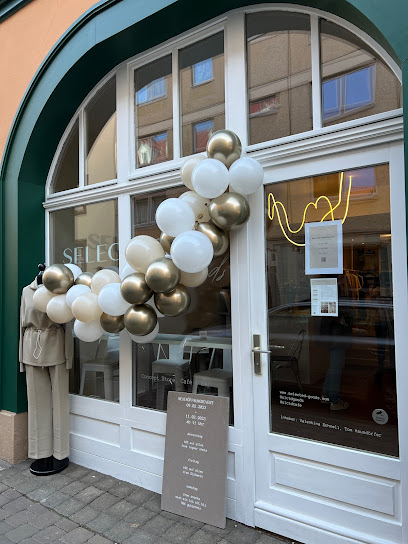
Der Kleine Klaus
0.4 km
Explore Erfurt's Altstadt at Der Kleine Klaus - a delightful store filled with unique crafts and local treasures that reflect the city's charm.
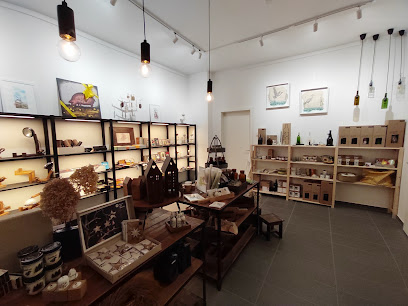
ConceptStore - KlausUndSo
0.4 km
Explore ConceptStore - KlausUndSo in Erfurt for unique gifts and local artisan treasures that capture the spirit of the region.
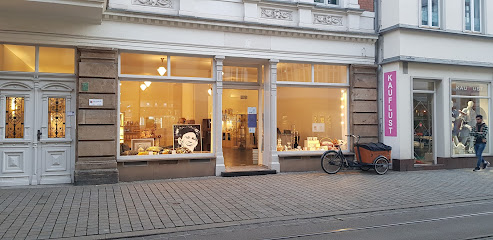
MISSKAUFLUST by Anja Scheinpflug
0.4 km
Discover the latest fashion trends at MISSKAUFLUST in Erfurt, where style meets unique accessories for a complete shopping experience.
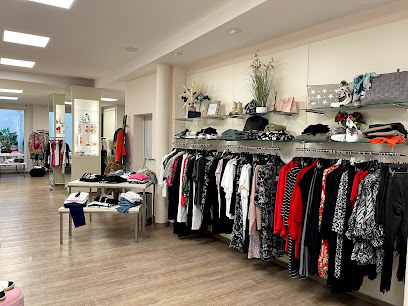
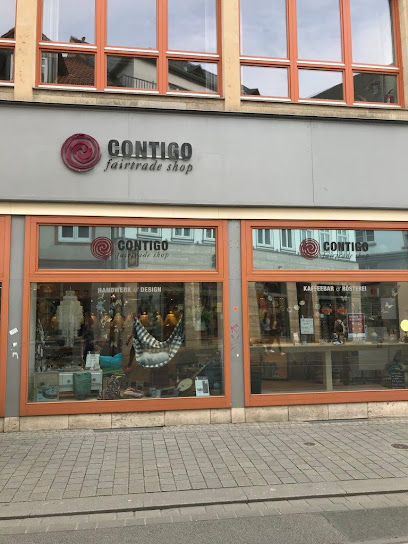
CONTIGO Fairtrade Shop Erfurt
0.4 km
Explore CONTIGO Fairtrade Shop in Erfurt for unique gifts and sustainable products that make a difference.
Essential bars & hidden hideouts

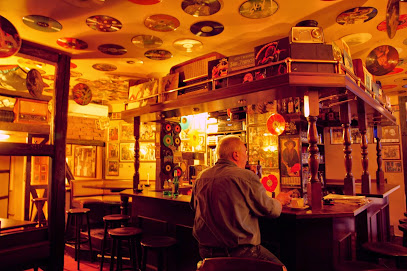
Heartbeat Oldieclub Lutz Herbach - Erfurt
0.1 km
Discover the nostalgic vibe and vibrant nightlife at Heartbeat Oldieclub Lutz Herbach in Erfurt, where classic tunes and great company await.
Patricks Irish Pub - Erfurt
0.1 km
Delve into the heart of Irish culture at Patricks Irish Pub, offering authentic cuisine, lively sports, and a warm atmosphere right in Erfurt.
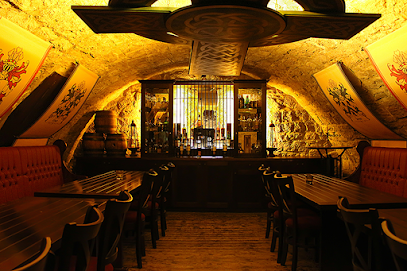
Tarantula - Erfurt
0.2 km
Discover the vibrant nightlife of Erfurt at Tarantula, a lively bar offering a fantastic drink selection and a welcoming atmosphere for all.
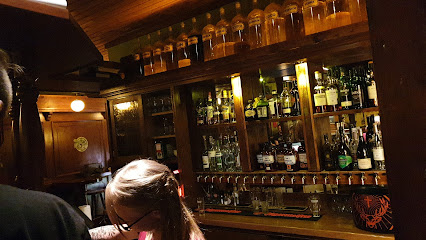
Klubhaus Kickerkeller - Erfurt
0.2 km
Experience the lively ambiance and diverse entertainment at Klubhaus Kickerkeller, a top destination for nightlife in Erfurt.
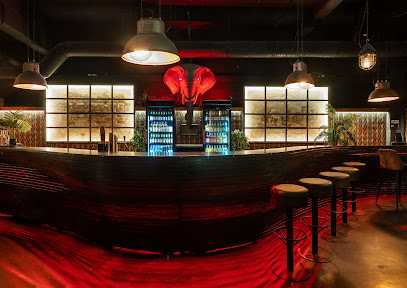
Whiskey Pub Johnny Worker - Erfurt
0.2 km
Experience the rich selection of whiskeys and vibrant atmosphere at Whiskey Pub Johnny Worker, the perfect spot for relaxation in Erfurt.
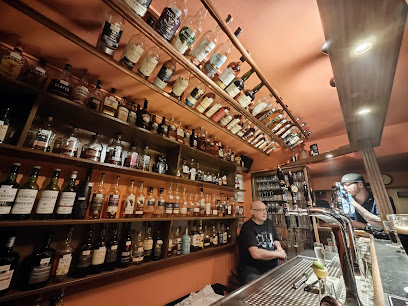
Hemingway Bar & Lounge - Erfurt
0.2 km
Discover the inviting atmosphere of Hemingway Bar & Lounge in Erfurt, where exceptional drinks meet a charming ambiance for a perfect night out.
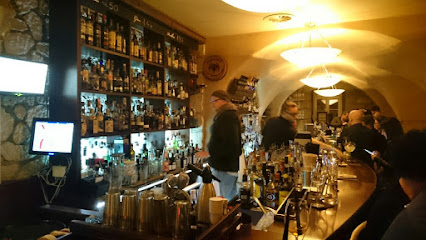
MODERN MASTERS Bar & Lounge
0.3 km
Experience the vibrant nightlife at MODERN MASTERS Bar & Lounge in Erfurt, where exquisite cocktails and a lively atmosphere await you.
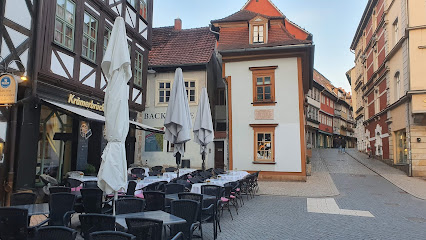
Karibik Bar - Erfurt
0.3 km
Discover Karibik Bar in Erfurt, where tropical vibes meet a lively nightlife, offering a unique selection of cocktails and craft beers.
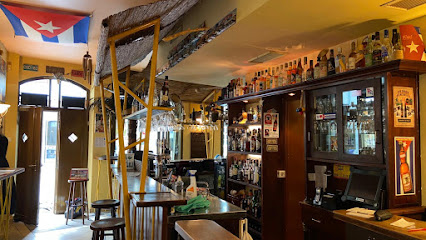
Daheym
0.3 km
Experience the cozy charm of Daheym, a beloved pub in Erfurt's Altstadt, offering delicious local brews and a welcoming atmosphere.
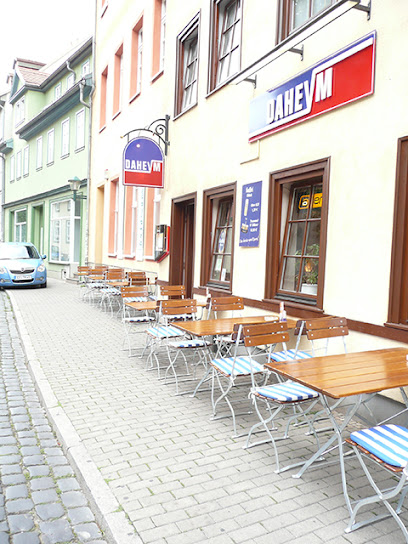
CoCo Strandbar - Erfurt
0.3 km
Experience the vibrant CoCo Strandbar in Erfurt, where beach vibes meet lively nightlife and refreshing cocktails await every visitor.
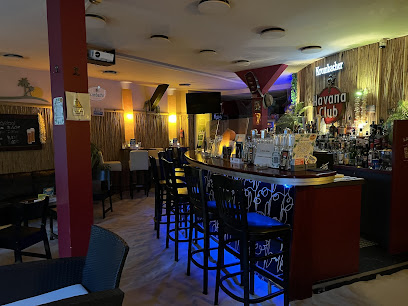
Speicher - Erfurt
0.3 km
Experience the lively atmosphere at Speicher, Erfurt's premier bar, blending local charm with a modern twist for an unforgettable night out.
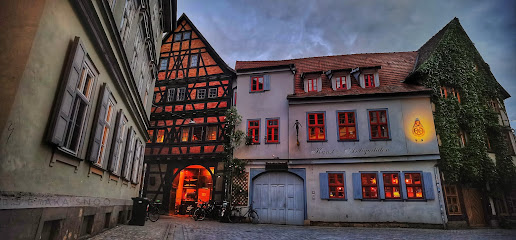
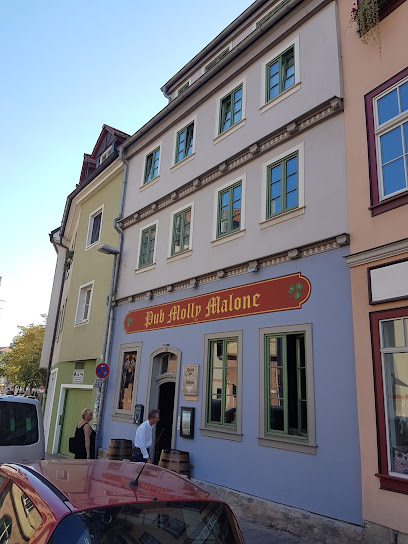
Molly Malone Irish Pub
0.4 km
Immerse yourself in the lively atmosphere of Molly Malone Irish Pub, where authentic Irish culture meets the heart of Erfurt.
null361
0.4 km
null361 in Erfurt: A vibrant bar and lounge offering exquisite cocktails, live music, and a welcoming atmosphere for an unforgettable night out.
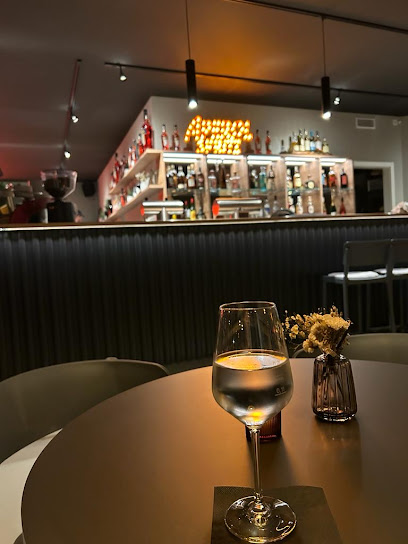
Nerly Cafe-Restaurant-Bar
0.4 km
Discover the culinary delights of Nerly Cafe-Restaurant-Bar in Erfurt, where warm hospitality meets delicious food and vibrant nightlife.
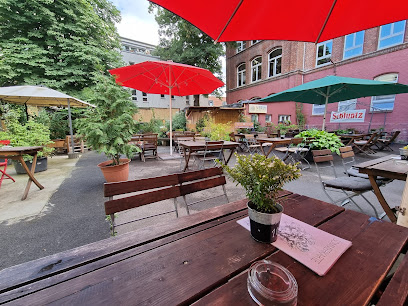
Bar Zwiesel - Erfurt
0.5 km
Experience the vibrant cocktail culture at Bar Zwiesel in Erfurt, where creative drinks meet a lively atmosphere for an unforgettable night out.
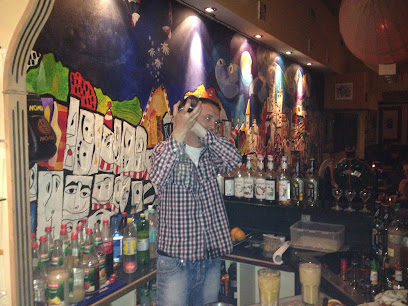
Nightclubs & after hour spots

Club Palais 13
0.3 km
Unleash your nightlife spirit at Club Palais 13, the premier destination for unforgettable experiences in Erfurt's vibrant club scene.
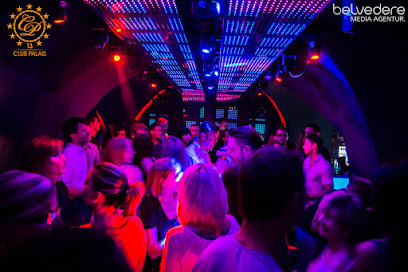
Jazzclub
0.4 km
Discover the vibrant rhythms of live jazz at Erfurt's Jazzclub, where soulful performances create unforgettable memories in a cozy setting.
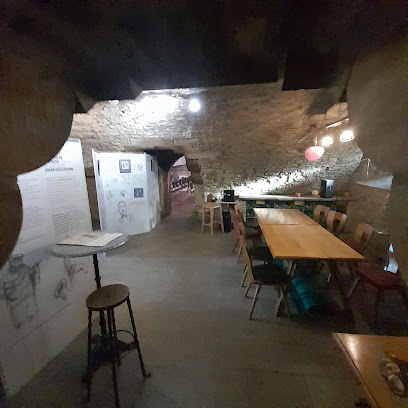
Cosmopolar - Erfurt
0.5 km
Discover the heart of Erfurt's nightlife at Cosmopolar, where dance, music, and excitement blend into an unforgettable experience.
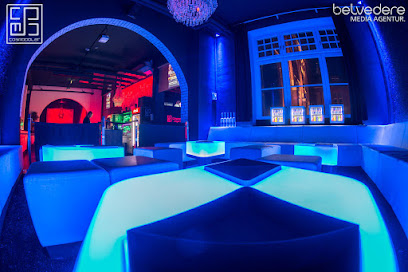
Nordic Nights
0.8 km
Immerse yourself in the vibrant jazz scene of Erfurt at Nordic Nights, where live music and a cozy atmosphere create unforgettable memories.
Dome‘s Palast der Heteroliebe
1.0 km
Discover the electric nightlife of Erfurt at Dome's Palast der Heteroliebe, where vibrant music and unforgettable experiences await.
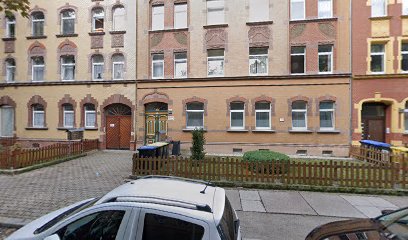
Musikpark Erfurt
1.0 km
Dive into the electrifying nightlife of Erfurt at Musikpark, where music and energy collide for an unforgettable experience.
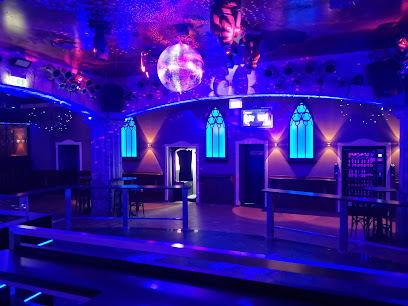
DELUXE DANCECLUB
1.0 km
Discover the vibrant nightlife of Erfurt at Deluxe Danceclub, a premier adult entertainment venue featuring top performances and a lively atmosphere.

Kalif Storch - Erfurt
1.5 km
Discover Kalif Storch in Erfurt - where vibrant nightlife meets cultural richness for an unforgettable experience.
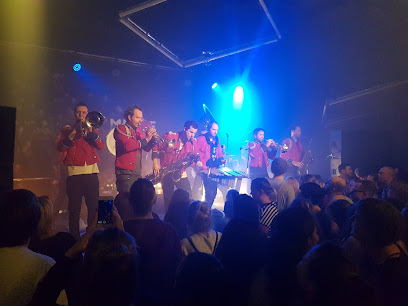
Dabiel Nights
1.6 km
Dabiel Nights: Immerse yourself in Erfurt's electrifying nightlife with great music, vibrant atmosphere, and unforgettable moments.
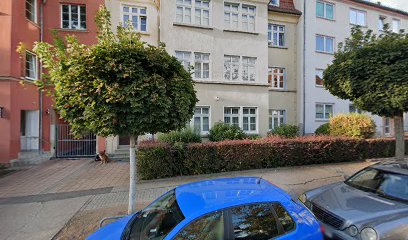
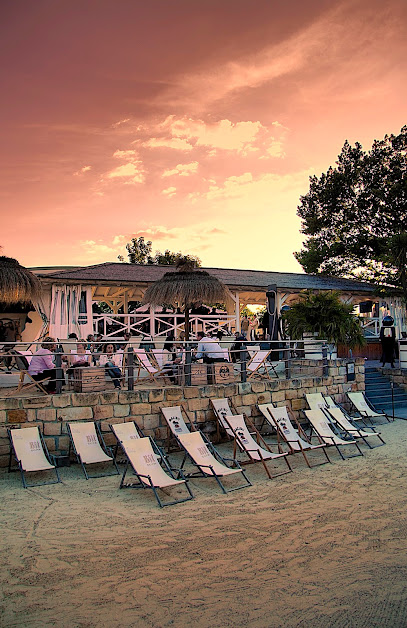
Mandala Beachclub - Erfurt
2.4 km
Discover Mandala Beachclub in Erfurt: A perfect blend of relaxation, dining, and entertainment for an unforgettable getaway.
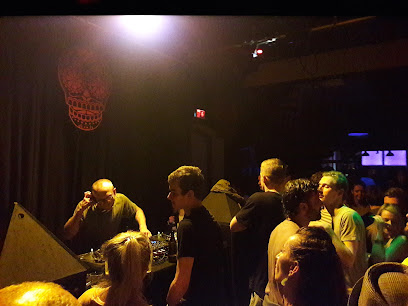
Frau Korte
2.4 km
Experience Erfurt's vibrant nightlife at Frau Korte, the ultimate night club for dancing and socializing with eclectic music and a stylish atmosphere.
Kiss Night Club
3.2 km
Experience the electrifying nightlife at Kiss Night Club in Erfurt, where dance, music, and unforgettable moments come alive!
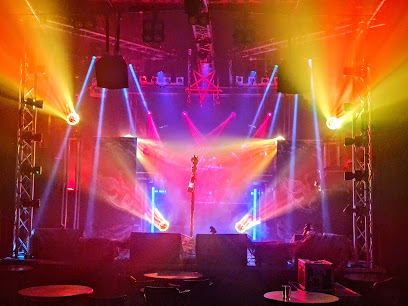
From Hell
5.4 km
Experience electrifying nights at From Hell Nightclub in Erfurt with top DJs, vibrant ambiance, and unforgettable dance parties.
Remembar
17.9 km
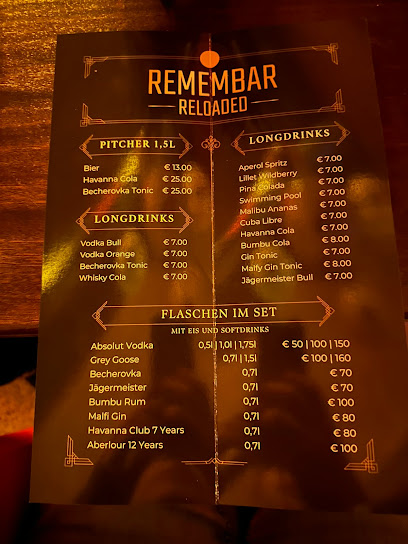
Dive into the vibrant nightlife of Arnstadt at Remembar, a premier disco club where unforgettable moments await.
Ralf Uwe Möller Thüringer Löwen-Disco
30.9 km
Dive into the electrifying nightlife of Ilmenau at Ralf Uwe Möller Thüringer Löwen-Disco, where music and dance come alive in a vibrant setting.


