

Old Synagogue, Erfurt Travel Guide
Free Guide: Explore one of Europe's best-preserved medieval synagogues, home to the Erfurt Treasure and a window into Jewish life in medieval Germany, now a UNESCO World Heritage site.


A brief summary of Old Synagogue
Explore one of Europe's best-preserved medieval synagogues, home to the Erfurt Treasure and a window into Jewish life in medieval Germany, now a UNESCO World Heritage site.
The Old Synagogue in Erfurt, Germany, stands as one of the best-preserved medieval synagogues in Europe, offering a captivating glimpse into Jewish life during the Middle Ages. Dating back to the 11th century, with significant expansions in the 13th and 14th centuries, it now serves as a museum showcasing the Erfurt Treasure, a remarkable hoard of coins, jewelry, and precious metalwork hidden during the 1349 pogrom. Visitors can explore the synagogue's architecture, learn about the history of Erfurt's Jewish community, and view facsimiles of the Erfurt Hebrew Manuscripts, providing a rich understanding of Jewish culture and heritage in medieval Germany. Its recent inscription as a UNESCO World Heritage site further solidifies its importance as a cultural landmark. The Old Synagogue is a must-see destination for anyone interested in history, architecture, and Jewish heritage.
Opening hours
- MonClosed
- Tue10 am–6 pm
- Wed10 am–6 pm
- Thu10 am–6 pm
- Fri10 am–6 pm
- Sat10 am–6 pm
- Sun10 am–6 pm
Opening hours as listed on the venue’s Google Business Profile. Hours can change for services and special events, so check with the venue before you go.
- Address
- Waagegasse 8, 99084 Erfurt
- Phone
- Website
Getting there
Public Transport
Walking
Taxi/Ride-Share
Discover more about Old Synagogue
Overview
The Old Synagogue in Erfurt is more than just a building; it's a portal into the vibrant and complex world of medieval Jewish life. As one of the best-preserved medieval synagogues in Europe, it offers an unparalleled opportunity to explore the history, culture, and religious practices of a community that thrived in Erfurt for centuries. Construction of the Old Synagogue began in the late 11th century, with the oldest parts of the building dating back to 1094. Over the next few centuries, the synagogue was expanded and renovated to accommodate the growing Jewish population of Erfurt. The structure showcases a blend of architectural styles, including Romanesque and Gothic elements, reflecting the different periods of its construction. The synagogue's sturdy outer walls, Romanesque gemel window, Gothic rose window, and the entrance to the synagogue room are all testaments to its rich history. Around 1270, a larger synagogue incorporating parts of the earlier building was constructed. The western façade, with five lancet windows and a large rosette window, dates from this time. In the early 1300s, it was extended and another storey was added. After the Erfurt Massacre of 1349, in which the Jewish population was murdered and expelled from the city, the synagogue was damaged. Following the Erfurt Massacre of 1349, the Jewish community was decimated, and the synagogue was damaged. The building was then used for various purposes, including storage and even as a ballroom and bowling alley in the 19th century. These changes led to the synagogue being largely forgotten, which ironically helped to protect it during the Nazi period. In the late 1980s, interest in the Old Synagogue was rekindled, and in 1992, architectural historian Elmar Altwasser began researching the building. The Erfurt City Council purchased the property in 1998 and undertook extensive research and conservation efforts. The Old Synagogue was reopened as a museum in 2009, becoming a repository of local Jewish history. The museum's exhibits tell the story of Erfurt's Jewish community, from its beginnings in the 11th century to its tragic end in the 14th century. Visitors can learn about the daily lives of Jewish residents, their religious practices, and their contributions to the city's economy and culture. The ground floor exhibits focus on the building's history and usage. Original fittings, such as a lamp cornice and fragments of the bimah, are highlighted, and models visualize the synagogue's different building phases. A projection shows an impression of the Torah shrine. One of the museum's highlights is the Erfurt Treasure, a hoard of coins, jewelry, and precious metalwork discovered in 1998 during archaeological excavations near the synagogue. This treasure, believed to have been hidden by a Jewish resident during the 1349 pogrom, offers a tangible connection to the past and provides valuable insights into the wealth and craftsmanship of Erfurt's Jewish community. The Erfurt Treasure, housed in the synagogue's cellar, includes 3,141 silver coins, 14 silver ingots, and approximately 700 works of goldsmithery from the 13th and 14th centuries. Among the artifacts is an intricately worked wedding ring, of which only two others are known to exist worldwide. The museum also displays facsimiles of the Erfurt Hebrew Manuscripts, a collection of 12th- to 14th-century religious texts that belonged to the medieval Jewish community of Erfurt. These manuscripts, now housed in the Berlin State Library, are an important source of information about Jewish religious thought and practice in the Middle Ages. The upper floor addresses the Erfurt Hebrew Manuscripts, showcasing facsimiles of these significant religious texts dating from the 12th to 14th centuries. The largest known medieval Torah originates from Erfurt. In addition to the Old Synagogue itself, visitors can also explore other remnants of Erfurt's Jewish past, including the nearby mikveh (ritual bath) and the Stone House, a secular building that once belonged to a Jewish family. These sites, along with the Old Synagogue, form a network of historical landmarks that vividly portray the role of Jewish life in Erfurt's history. The mikveh, dating back to the 13th century, highlights the importance of ritual purity in Jewish life. The Stone House, built around 1200, showcases the architecture of a medieval residential and commercial property and features a preserved interior with a pointed-arched niche and colored wooden ceiling. The Old Synagogue's significance extends beyond its historical and architectural value. It serves as a reminder of the importance of tolerance, understanding, and respect for all cultures and religions. By preserving and sharing the story of Erfurt's Jewish community, the museum hopes to promote dialogue and combat prejudice and discrimination. The Old Synagogue, the Mikveh, and the Stone House were inscribed on the UNESCO World Heritage List in 2023, recognizing their exceptional preservation and testimony to the life of medieval Jewish communities. The UNESCO designation highlights the site's outstanding universal value and ensures its protection for future generations. A visit to the Old Synagogue is a moving and educational experience that will leave a lasting impression. Whether you are interested in history, architecture, or Jewish culture, the Old Synagogue offers something for everyone. Plan your visit today and discover the rich heritage of Erfurt's Jewish community.
Evendo Review Centre
 Google
Guest reviews
Explore Old Synagogue on the map
A handpicked selection of must-see spots near Old Synagogue, mapped for you.
Get your free copy of our complete guide to Old Synagogue, delivered straight to you.
Everything on this page, from opening hours and how to get there to Eve’s tips and the best time to go, in one PDF you can read offline, print or share.
Already have an account? Sign in
Your Old Synagogue guide is ready.
We'll send it to · Not you? Sign out

Getting your guide ready…
We are putting together a fresh copy of the Old Synagogue guide. This can take up to a minute.
This can take a few moments. If your browser asks, choose Allow so the download can start. You'll find the guide in your Downloads folder.
Nothing happened? Download it again
Sorry, the guide is taking longer than usual. Please try again in a minute, or get it by email instead.
Unlock the best of Old Synagogue
Skip-the-line tickets, guided tours with entry, and walking tours of the area, booked in a few clicks.


Other nearby places you may find interesting
The closest places of the same kind, if this one is not quite what you had in mind.
-
-

-
-
-


Swipe for more places
More to explore near Old Synagogue

 Best experiences near Old Synagogue
 Best hotels near Old Synagogue
 Best landmarks near Old Synagogue
 Best attractions near Old Synagogue
 Best shops near Old Synagogue
 Best restaurants near Old Synagogue
 Best bars near Old Synagogue
Do you manage this location?
Take control to get all the benefits, like improved information, better appearance, and stronger visibility across AI-powered discovery.
Explore more
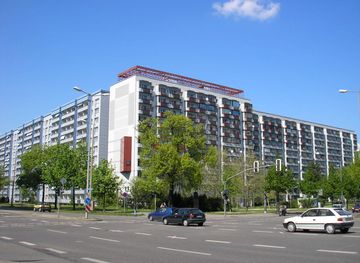
Explore more of Krämpfervorstadt
Discover Krämpfervorstadt in Erfurt: A harmonious blend of historical charm and modern-day vibrance, perfect for the discerning traveler.
Explore Krämpfervorstadt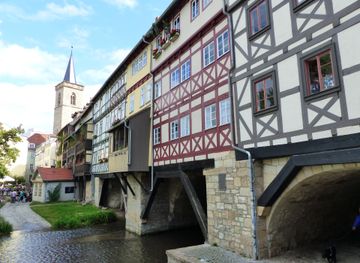
Explore more of Erfurt
Discover Erfurt: A medieval city with stunning architecture, rich history, and vibrant culture in the heart of Germany.
Explore Erfurt
