Erfurter Römer, Erfurt Travel Guide
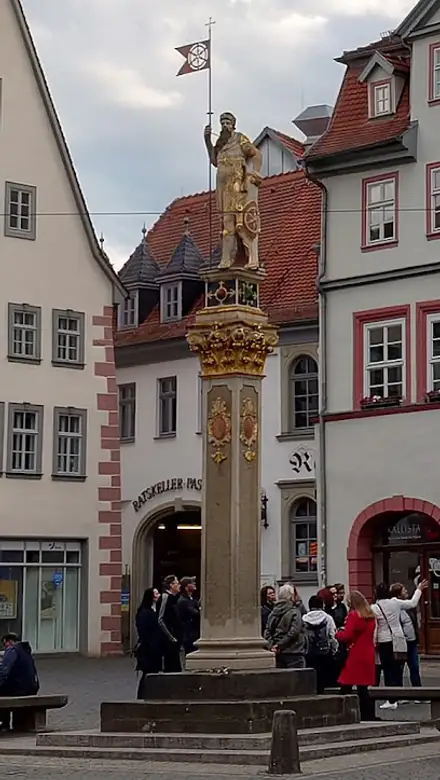
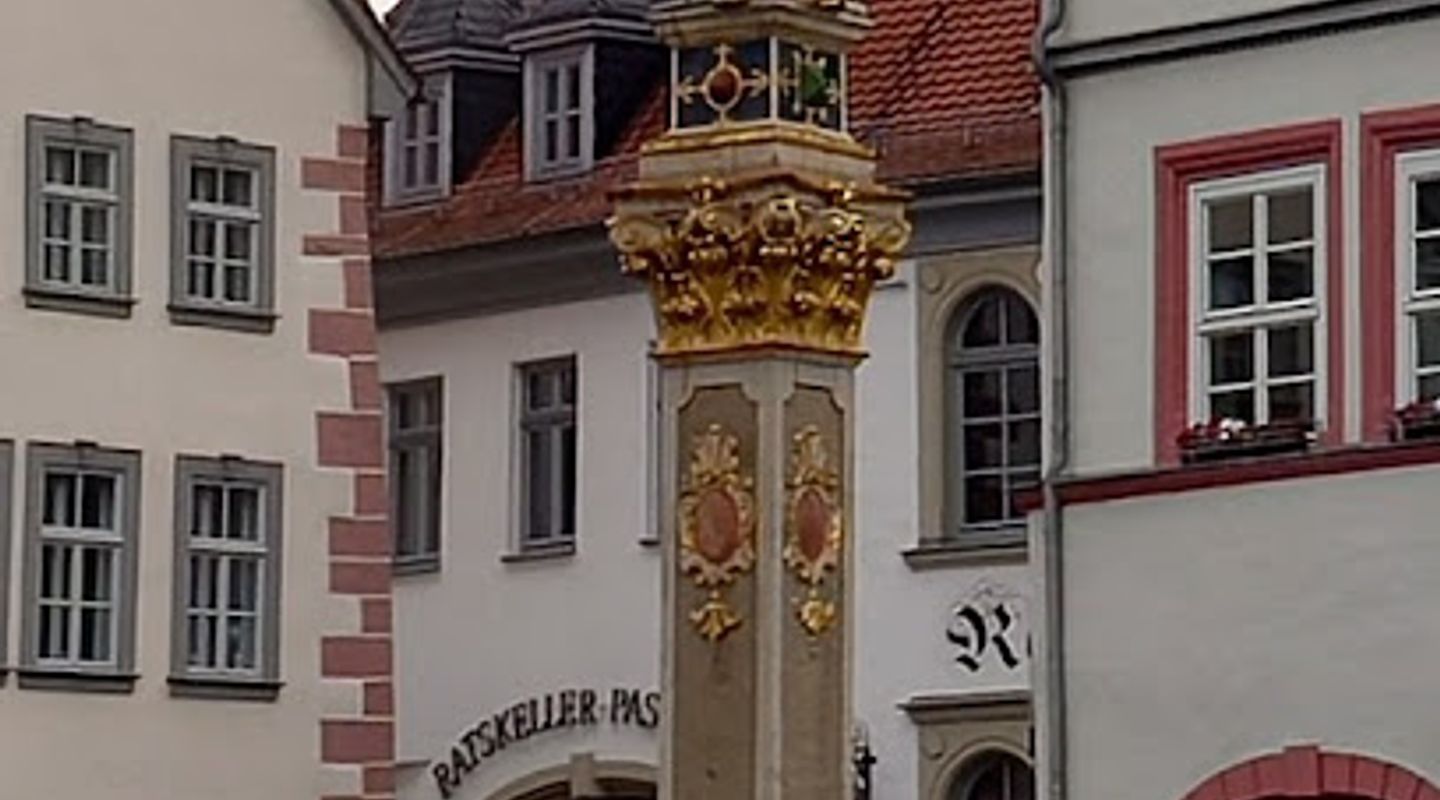
Discover the Erfurter Römer, a historic statue in Erfurt's Old Town, symbolizing freedom and the city's rich heritage, surrounded by charming architecture and vibrant culture.
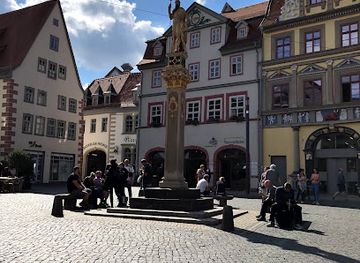
The Erfurter Römer, located in Erfurt's Altstadt (Old Town), is a captivating landmark embodying the city's rich history. It features the Roland statue, a symbol of freedom and justice dating back to the medieval period. The statue stands proudly in the city's main square, surrounded by cobblestone streets, half-timbered houses, and cafes, creating an inviting atmosphere. The Römer serves as a focal point for local culture and heritage, bustling with tourists and locals alike. Exploring the Altstadt district, visitors can discover charming boutiques and sample local cuisine, capturing the essence of Erfurt's historical allure. The statue is a reminder of the city's past struggles for independence and its enduring spirit. A visit to the Erfurter Römer offers an unforgettable experience, showcasing the heart of Erfurt.
A brief summary to Erfurter Römer
- Roland-Standbild, Erfurt, Altstadt, 99084, DE

Know before you go
Hi, I'm Eve. Here are a few practical things to know before exploring Erfurter Römer.
- Take a stroll through the Altstadt to admire the well-preserved medieval architecture surrounding the Römer.
- Visit the Rathaus (City Hall) on Fischmarkt to see the ornate murals depicting Erfurt's history.
- Enjoy a coffee or meal at one of the many cafes and restaurants in the Altstadt.
- Learn about the history of Roland statues in Germany to better understand the Römer's significance.
- Check out the Erfurt Tourist Information center near Fischmarkt for maps and information about the city.
Do you manage this location?
Take control to get all the benefits, like improved information, better appearance, and stronger visibility across AI-powered discovery. Learn more about listing your business on Evendo
Activate your presenceOther nearby places you may find interesting
The closest places of the same kind, if this one is not quite what you had in mind.

Explore Erfurter Römer on the Map
A handpicked selection of must-see spots near Erfurter Römer, mapped for you.
Getting There
-
Walking
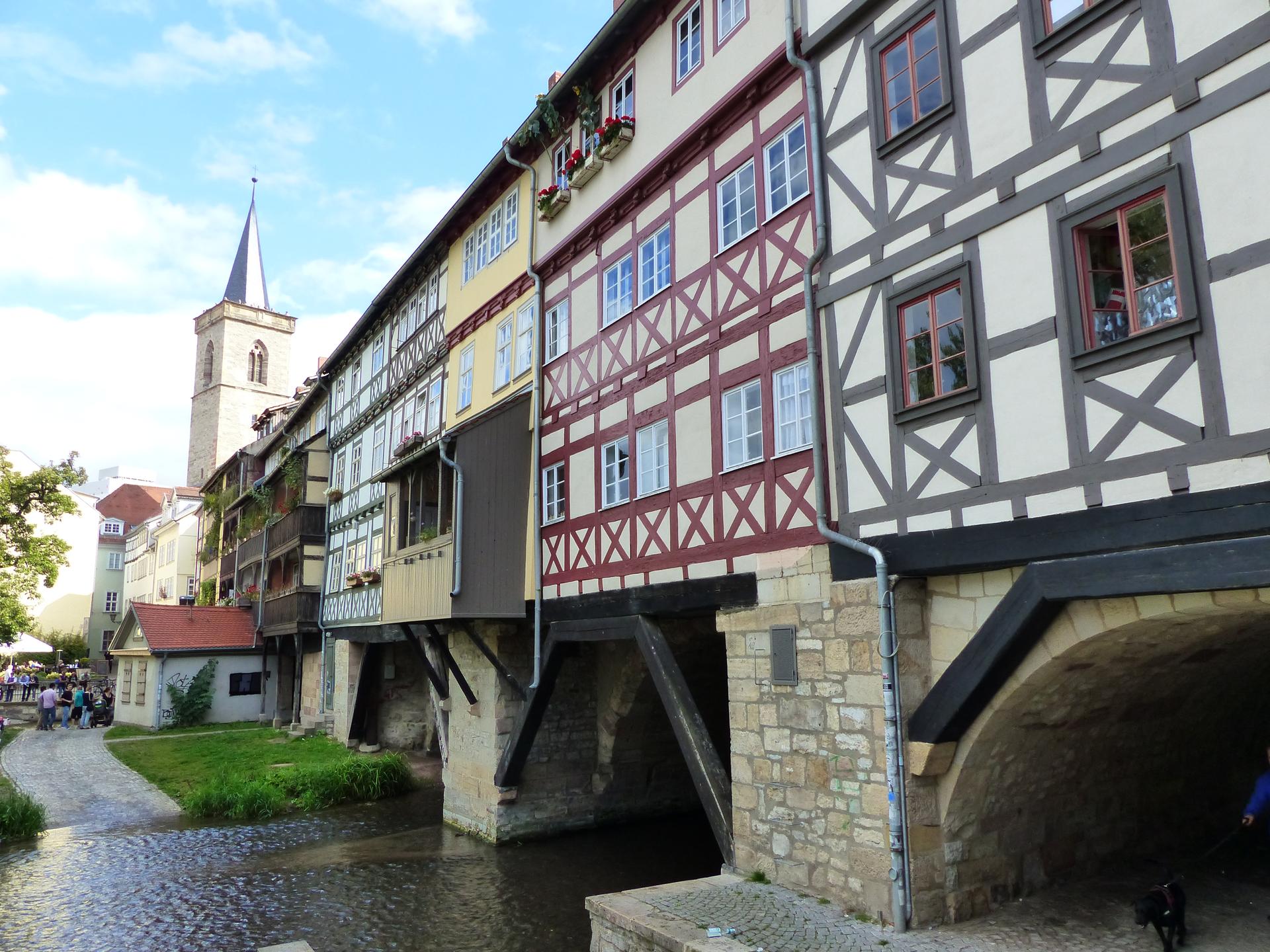
From the Krämerbrücke (Merchant's Bridge), head southeast towards the Fischmarkt. The Römer statue is located directly on the Fischmarkt, in front of the Rathaus (City Hall). The walk is approximately 5-10 minutes and offers views of the historic city center.
-
Public Transport
Take tram lines 2, 3, 4 or 6 to the Domplatz/Fischmarkt stop. From the tram stop, walk a short distance to the Fischmarkt. The Römer statue is located on the Fischmarkt, in front of the Rathaus. A single tram fare is approximately €2.30.
-
Taxi/Ride-Share
A taxi or ride-share from Erfurt Hauptbahnhof (main train station) to the Fischmarkt will take approximately 5-10 minutes, depending on traffic. The estimated cost is between €8-€12.
Discover more about Erfurter Römer













Your all‑in‑one travel companion app
Explore expert travel guides, compare and book tours, experiences, hotels, and more—all from the palm of your hand. Download now for seamless trip planning wherever your wanderlust takes you.


Explore More of Erfurt
Looking beyond Erfurter Römer? Discover Erfurt for broader travel guides, local hot-spots, and regional highlights.
Explore Erfurt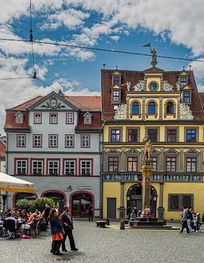
Discover Erfurt Altstadt: A captivating blend of medieval charm, historical treasures, and vibrant culture in the heart of Germany, offering an unforgettable travel experience.
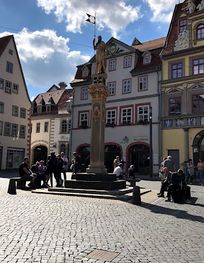
Witness Erfurt's enduring spirit at Der Römer, a historic statue on Fischmarkt, embodying the city's independence and rich cultural heritage in the heart of Germany.