Burgkloster Monasterio del Castillo, Holstein Travel Guide
Explore Lübeck's Burgkloster, a medieval monastery turned museum, and journey through Hanseatic history, monastic life, and the city's captivating evolution.
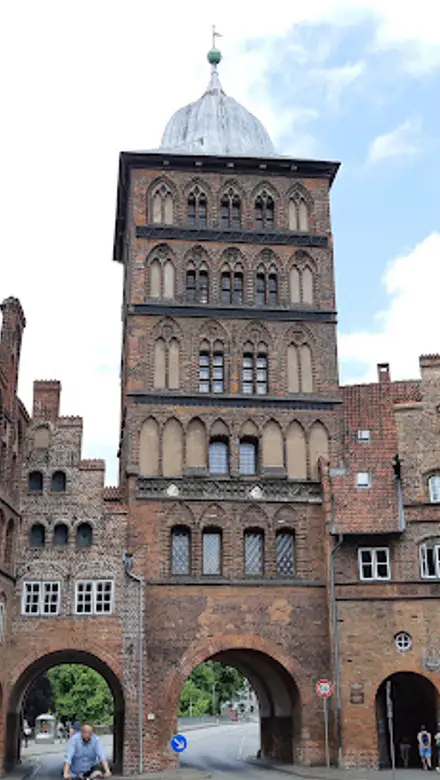
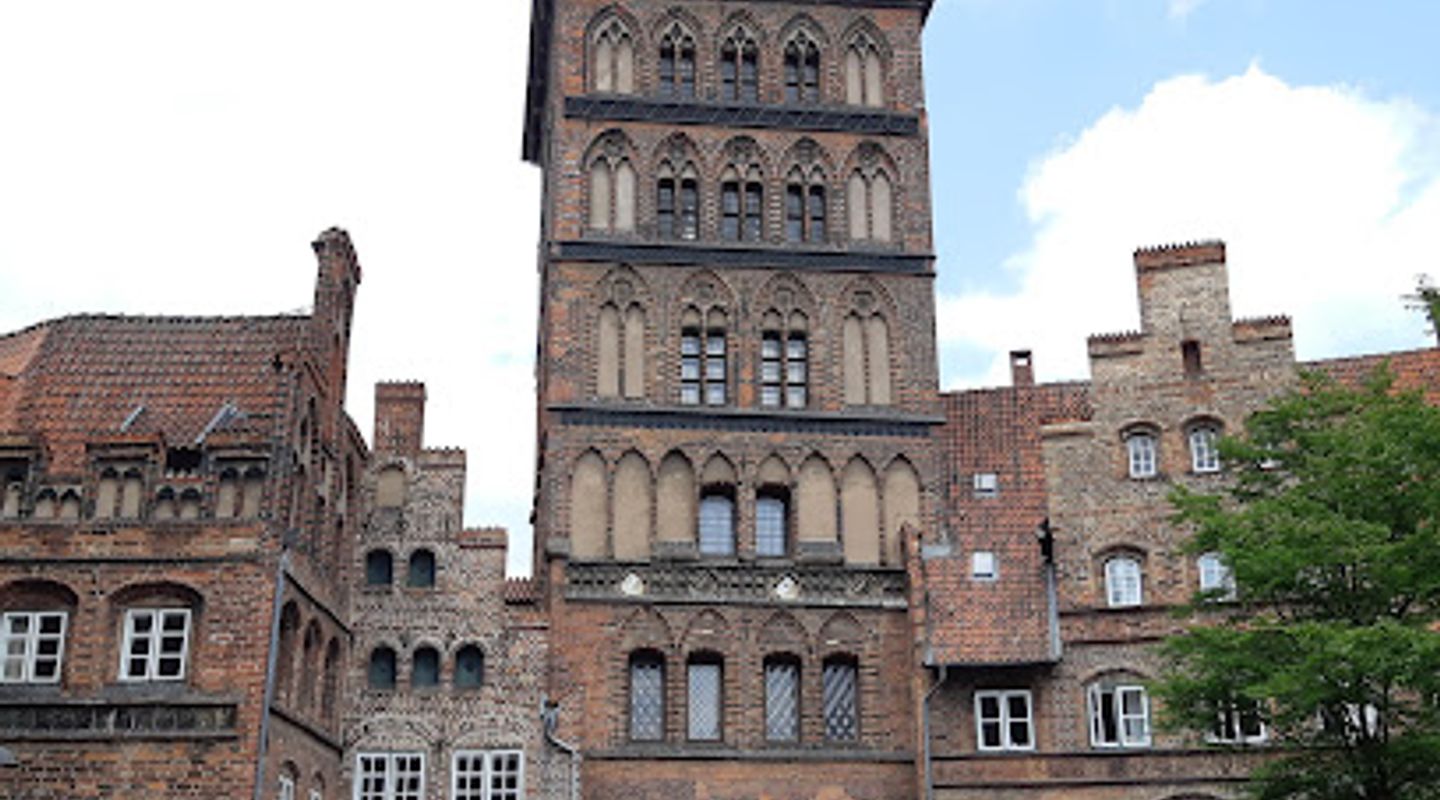
The Burgkloster, or Castle Friary, in Lübeck stands as one of Northern Germany's most significant medieval monastery complexes. Founded in 1229 as a Dominican monastery, it replaced an earlier castle and witnessed centuries of Lübeck's history. Today, integrated within the European Hansemuseum, the Burgkloster offers visitors a unique journey through time. Explore its well-preserved Gothic brick architecture, admire the remnants of wall paintings, and delve into exhibits detailing Lübeck's role in the Hanseatic League. The site also bears witness to darker periods, having served as a poorhouse, hospital, and even a Nazi prison. A visit here provides a tangible connection to Lübeck's rich and complex past, offering insights into medieval monastic life, Hanseatic trade, and the city's evolution.
A brief summary to Burgkloster Monasterio del Castillo
- Burgtorbrücke 1, Lübeck, Lübecker Altstadt, 23552, DE
- Click to display

Know before you go
Hi, I'm Eve. Here are a few practical things to know before exploring Burgkloster Monasterio del Castillo.
- Combine your visit with the European Hansemuseum to gain a comprehensive understanding of Lübeck's Hanseatic history and the Burgkloster's role within it.
- Take a guided tour of the Burgkloster to discover hidden architectural details and learn about the lives of the monks, prisoners, and residents who once inhabited its walls.
- Explore the remains of the Maria Magdalenen Church, marked by floor outlines, to visualize the monastery's original layout and appreciate its historical significance.
Do you manage this location?
Take control to get all the benefits, like improved information, better appearance, and stronger visibility across AI-powered discovery. Learn more about listing your business on Evendo
Activate your presenceOther nearby places you may find interesting
The closest places of the same kind, if this one is not quite what you had in mind.
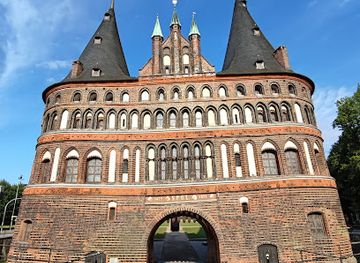
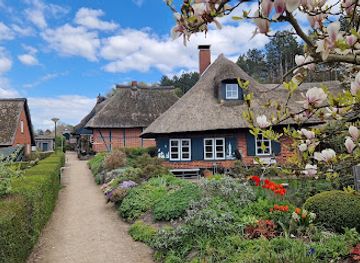
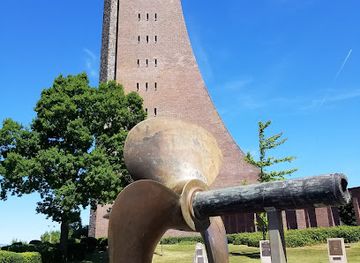
Explore Burgkloster Monasterio del Castillo on the Map
A handpicked selection of must-see spots near Burgkloster Monasterio del Castillo, mapped for you.
Unlock the Best of Burgkloster Monasterio del Castillo
Buy tickets
-
No tickets available
Book tours with entry
-
No tours available
Book tours without entry

Getting There
-
Walking
From the Lübeck Hauptbahnhof (main train station), the Burgkloster is approximately a 20-minute walk. Head towards the Holstentor, then cross the Puppenbrücke bridge. Continue along the Untertrave, following the river. The Burgkloster, integrated with the European Hansemuseum, will be on your left, just past the Burgtor (Castle Gate).
-
Public Transport
From Lübeck Hauptbahnhof, take bus number 4, 10, 11, 12, 21, 30, 31, 32, 39, or 40 to the 'Lübeck Große Burgstraße' stop. This stop is conveniently located at the corner of the Burgkloster. A single ticket costs approximately €3.00.
-
Taxi/Ride-Share
A taxi or ride-share from Lübeck Hauptbahnhof to the Burgkloster will take approximately 5-10 minutes, depending on traffic. Expect to pay around €10-€15. Be sure to specify 'Burgkloster' or 'European Hansemuseum' as your destination.
-
Driving
If driving, be aware that parking in Lübeck's Old Town is limited and can be expensive. Consider parking at the multi-story car park 'Am Burgtor' (Kanalstraße 1-5), which is a short walk from the Burgkloster. Hourly rates are approximately €1.20, with a day pass costing around €6.00. Alternatively, free parking is available on Possehlstraße, though it may be quite busy.
Discover more about Burgkloster Monasterio del Castillo
More to explore near Burgkloster Monasterio del Castillo
-

Best experiences near Burgkloster Monasterio del Castillo
-

Best hotels near Burgkloster Monasterio del Castillo
-

Best attractions near Burgkloster Monasterio del Castillo
-

Best shops near Burgkloster Monasterio del Castillo
-

Best restaurants near Burgkloster Monasterio del Castillo
-

Best bars near Burgkloster Monasterio del Castillo







Your all‑in‑one travel companion app
Explore expert travel guides, compare and book tours, experiences, hotels, and more—all from the palm of your hand. Download now for seamless trip planning wherever your wanderlust takes you.


Explore More of Holstein
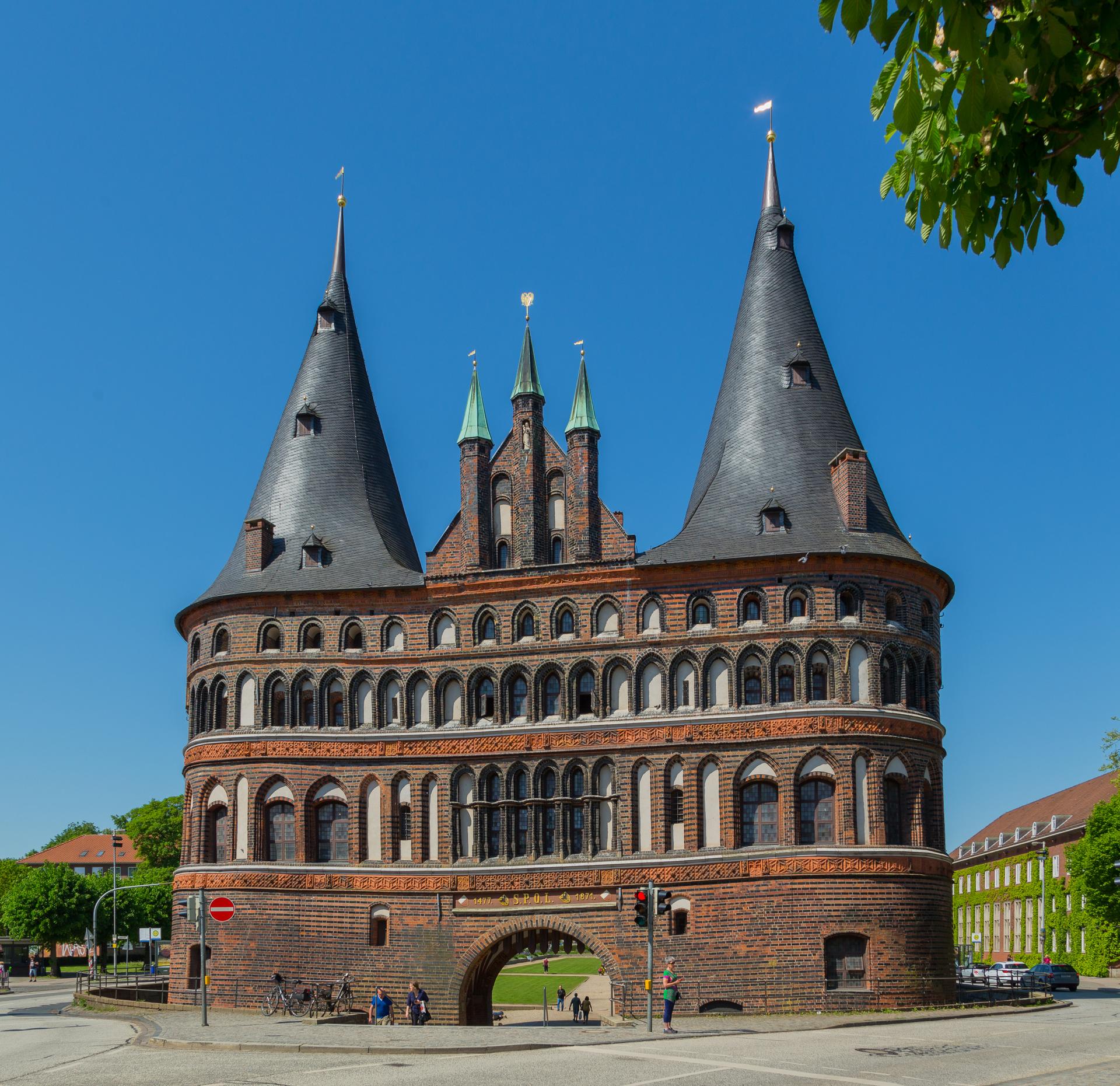
Looking beyond Burgkloster Monasterio del Castillo? Discover Holstein for broader travel guides, local hot-spots, and regional highlights.
Explore Holstein
Discover the Bismarckdenkmal in Lübeck, a historical landmark celebrating the legacy of Otto von Bismarck amidst serene gardens, offering a glimpse into Germany's past.
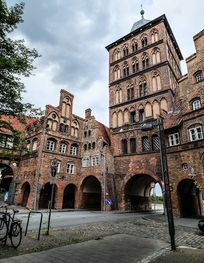
Discover the Burgtor in Lübeck, a captivating medieval city gate showcasing Gothic architecture and Hanseatic history, offering a glimpse into Lübeck's rich past.