Altes Rathaus: A Journey Through Leipzig's History
Discover Leipzig's captivating history at the Altes Rathaus, a Renaissance masterpiece housing the Stadtgeschichtliches Museum, offering a journey through time and culture.
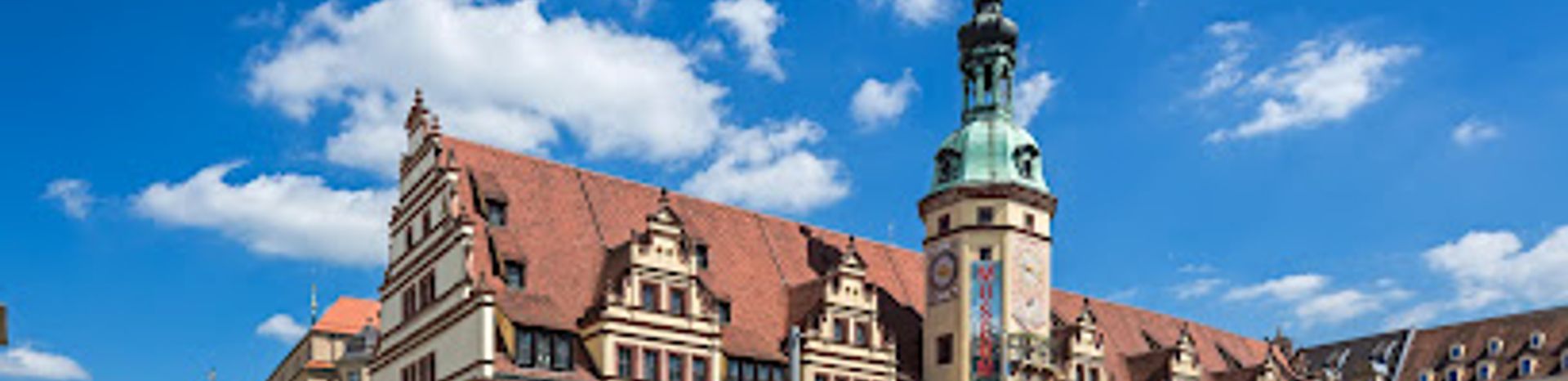
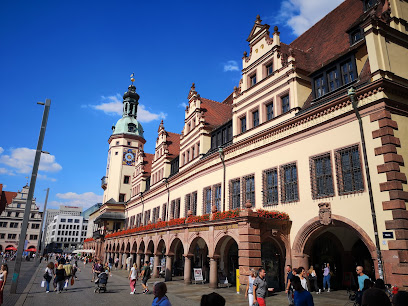
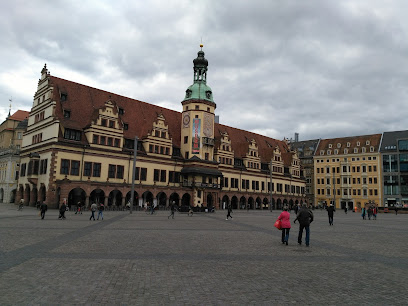
The Altes Rathaus (Old Town Hall) in Leipzig is a stunning Renaissance building that dominates the Markt square. Constructed in 1556, it's one of Germany's most significant Renaissance structures and houses the Stadtgeschichtliches Museum. Visitors can explore Leipzig's rich history, from its medieval origins to its role in the Peaceful Revolution of 1989. The museum features a diverse collection of artifacts, including the Haussmann portrait of Bach and Katharina von Bora's wedding ring. With its central location and free admission to the permanent exhibition, the Altes Rathaus is a must-see for anyone interested in the history and culture of Leipzig. Explore historical rooms, the ballroom, and even old prison cells in the cellar, making it a compendium of the city's past. Don't miss this iconic landmark that encapsulates Leipzig's vibrant story.
A brief summary to Stadtgeschichtliches Museum Leipzig, Altes Rathaus
- Markt 1, Leipzig, Mitte, 04109, DE
- +493419651340
- Visit website
Local tips
- Visit on a weekday morning to avoid the largest crowds and have a more peaceful experience exploring the museum.
- Check the museum's website for temporary exhibitions and special events that might coincide with your visit.
- Take advantage of the free admission to the permanent exhibition to delve into Leipzig's history without breaking the bank.
- Combine your visit with a stroll through the Markt square to experience the vibrant atmosphere and local vendors.
- Look for the audio guide to enhance your visit with detailed information about the exhibits.

Getting There
-
Public Transport
The Altes Rathaus is centrally located on the Markt (Market Square) and is easily accessible by public transport. From Leipzig Hauptbahnhof (Central Station), take any S-Bahn (S1, S2, S3, S4, S5, S6) to the 'Markt' stop. Alternatively, several tram lines (3, 4, 7, 9, 15, 16) stop at 'Thomaskirche' or 'Augustusplatz', both a short walk to the Markt. A single ticket within Leipzig (Zone 110) costs approximately €2.70. Consider purchasing a Leipzig Card for unlimited travel on public transport and discounts on other attractions; a one-day card costs €9.90.
-
Walking
From most locations in Leipzig's city center, the Altes Rathaus is easily reachable on foot. From the Leipzig Hauptbahnhof (Central Station), walk south along Grimmaische Straße, then turn left onto Markt. The walk is approximately 10 minutes and well-signposted. As you approach the Markt, the Altes Rathaus will be prominently visible on the east side of the square.
-
Taxi/Ride-Share
Taxis and ride-sharing services are readily available throughout Leipzig. A taxi ride from Leipzig Hauptbahnhof to the Altes Rathaus typically costs between €8 and €12, depending on traffic. Simply ask your driver to take you to the Markt (Market Square).
-
Driving
While driving directly to the Markt is not possible due to pedestrian zones, several parking garages are located nearby. The closest options include Q-Park Marktgalerie and APCOA Neumarkt. Parking fees typically range from €2.50 to €3.50 per hour, with daily maximums around €20. Be aware of Leipzig's environmental zone (Umweltzone) and ensure your vehicle has the required sticker (Feinstaubplakette) to avoid fines.
Discover more about Stadtgeschichtliches Museum Leipzig, Altes Rathaus
Iconic landmarks you can’t miss

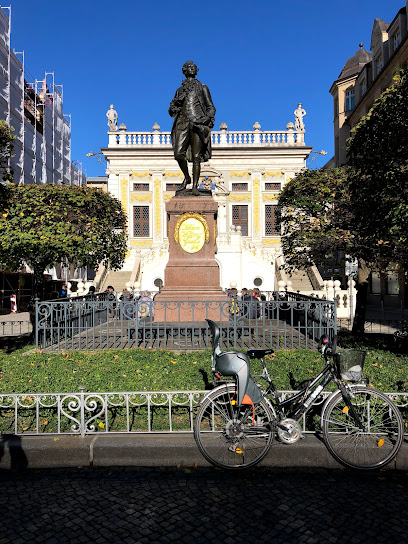
Statue of Goethe
0.0 km
Explore Leipzig's Statue of Goethe, a magnificent tribute to the literary icon amidst the city's rich cultural tapestry.
Faust and Mephisto Sculpture
0.1 km
Experience Goethe's Faust brought to life in bronze at the heart of Leipzig's elegant Mädlerpassage, where literary history meets upscale charm and a touch of Faustian legend.
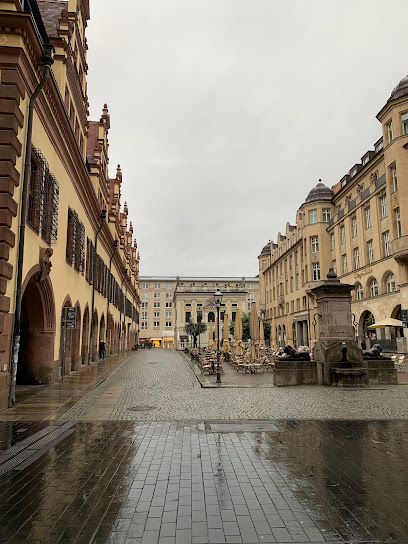
Аlte Waage
0.1 km
Discover Leipzig's historical gem, Allte Waage, where architectural beauty meets rich cultural heritage in the heart of the city.

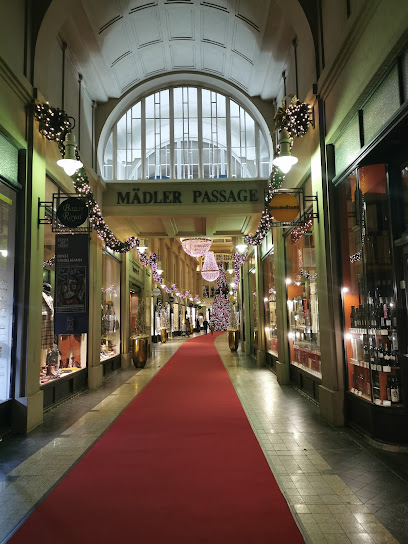
Mädler-Passage
0.1 km
Discover the elegance of Mädrer-Passage, Leipzig's premier shopping destination and historical landmark, where culture meets luxury.
Böttchergäßchen 3
0.2 km
Explore Böttchergäßchen in Leipzig: A historic lane blending museums, culture, and shopping in the heart of the city, offering a unique glimpse into Leipzig's past and present.
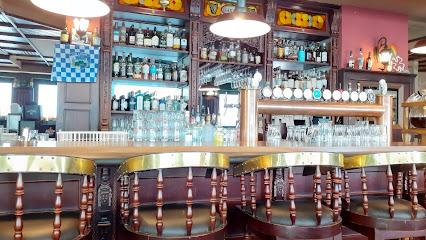
Lipsia Brunnen
0.2 km
Discover the Lipsia Brunnen in Leipzig: A tranquil oasis where art, history, and serenity converge, offering a timeless escape in the heart of the city near the historic coffee house.
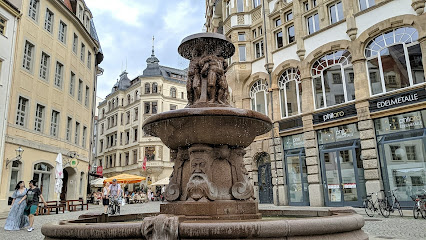
Museum of Antiquities of Leipzig University
0.2 km
Explore ancient Greek and Roman art and culture at the Museum of Antiquities of Leipzig University, home to a diverse collection of artifacts and plaster casts in the historic Alte Nikolaischule.
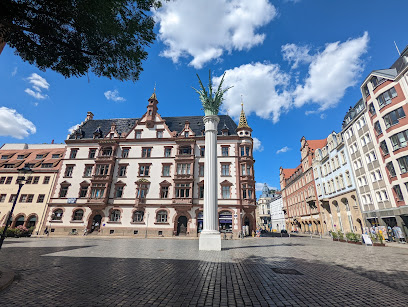
Neues Bach-Denkmal
0.2 km
A bronze tribute to Johann Sebastian Bach, the Neues Bach-Denkmal in Leipzig celebrates the composer's legacy and his profound connection to the city's musical heritage.
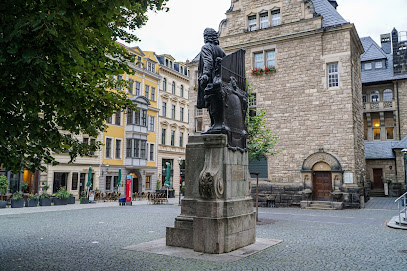
Katharinenstraße 17
0.2 km
Discover Kretschmanns Hof in Leipzig: A historic building with unique architecture, a vibrant cultural scene, and a passageway to the city's rich past, located in the heart of the city.
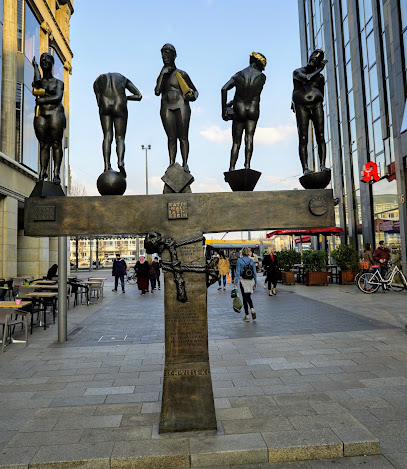
Unzeitgemäße Zeitgenossen
0.3 km
A thought-provoking bronze sculpture in Leipzig's city center, the 'Unzeitgemäße Zeitgenossen' critiques outdated thinking and invites reflection on timeless societal issues, making it a must-see landmark.
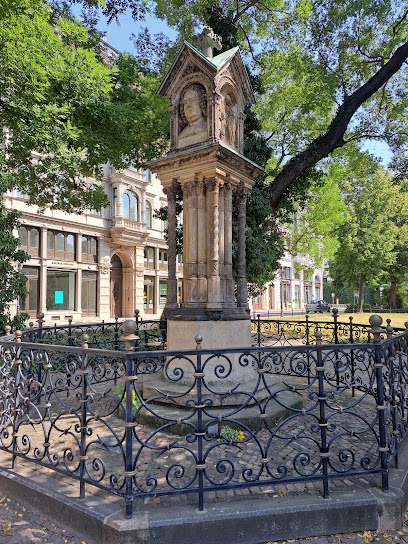
Altes Bach-Denkmal
0.3 km
Visit the Altes Bach-Denkmal in Leipzig, the world's oldest monument to Johann Sebastian Bach, and immerse yourself in the city's rich musical heritage and the legacy of a musical genius.
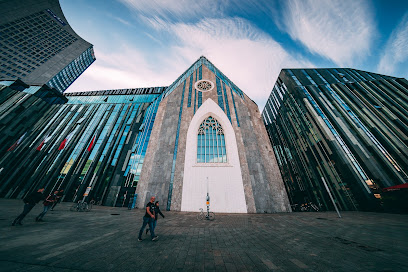
Paulinum - Aula und Universitätskirche St. Pauli
0.3 km
Discover the Paulinum in Leipzig: A modern architectural marvel that commemorates a historic church, blending faith, academia, and remembrance in the heart of the city.
Bronze der Universitätskirche St. Pauli
0.4 km
A miniature bronze replica commemorating Leipzig's lost University Church of St. Paul, inviting reflection on history, faith, and the enduring spirit of the city.
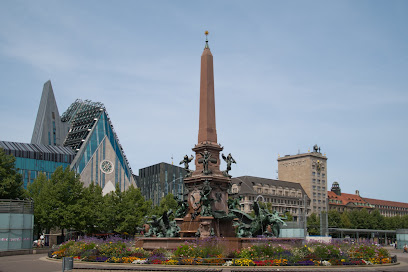
Tympanon-Fries
0.4 km
Discover the poignant Tympanon-Fries on Augustusplatz, a restored fragment of Leipzig's Neues Theater, destroyed in WWII, offering a glimpse into the city's rich cultural history and resilience.
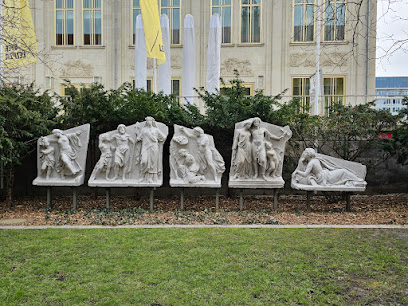
City-Hochhaus Leipzig
0.4 km
Experience Leipzig from Above: Ascend the City-Hochhaus, an architectural icon offering panoramic city views and a glimpse into Leipzig's vibrant history and modern skyline.
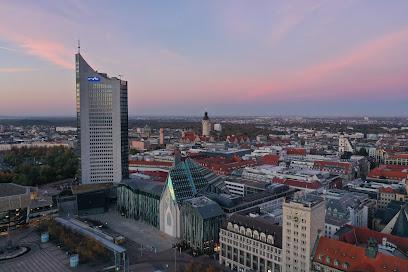
Unmissable attractions to see

Naschmarkt
0.0 km
Discover the Naschmarkt in Leipzig: A vibrant market showcasing local flavors, fresh produce, and artisanal delights for every food lover.
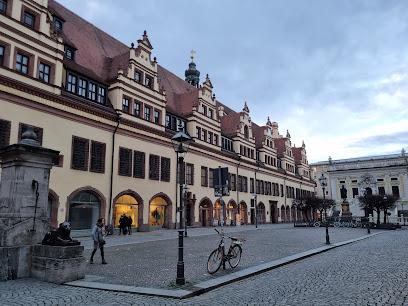
Alte Börse
0.0 km
Explore Leipzig's history at Alte Börse, a local history museum and former stock exchange, rich in culture and architectural beauty.
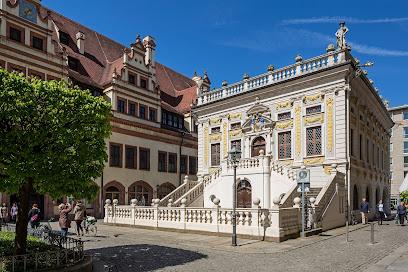
Leipzig Zentrum
0.0 km
Explore Leipzig Zentrum: a vibrant hub of culture, history, and modern charm in the heart of Leipzig, perfect for tourists seeking an unforgettable experience.
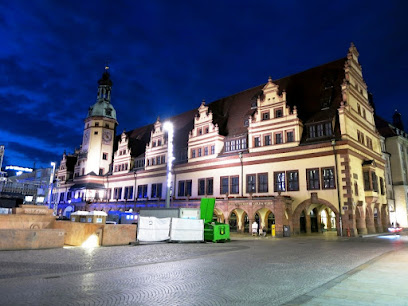
Mittelalter Weihnachtsmarkt Leipzig
0.0 km
Experience the magic of Christmas at the Mittelalter Weihnachtsmarkt Leipzig, where festive cheer and medieval charm come together to create an unforgettable holiday experience.
Marktplatz Leipzig
0.1 km
Discover the historical charm of Marktplatz Leipzig, a vibrant market square surrounded by stunning architecture and rich cultural experiences.
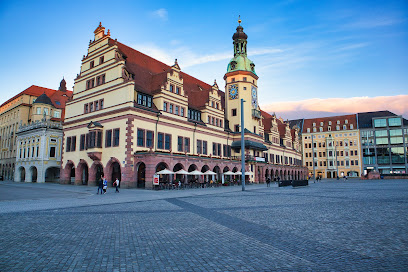
Forum of Contemporary History Leipzig
0.1 km
Explore the rich tapestry of 20th-century German history at the Forum of Contemporary History Leipzig, a must-visit for history enthusiasts.
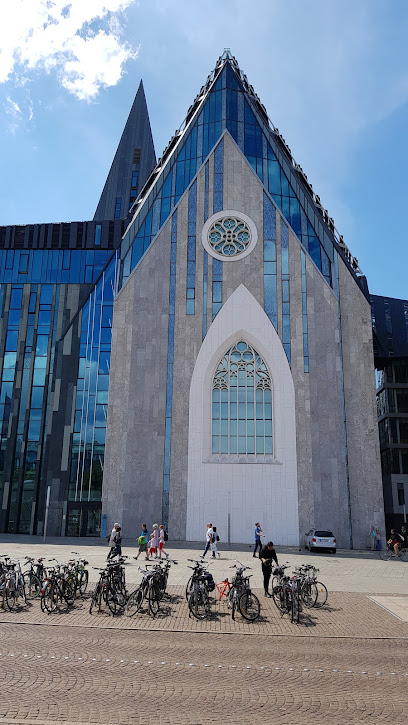
Barthels Hof
0.2 km
Discover Barthels Hof, a historic courtyard in Leipzig filled with shops, cafés, and art galleries that capture the city's vibrant spirit.
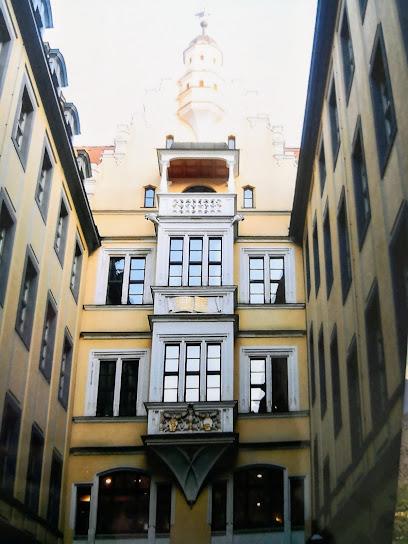
Leipzig Museum of Fine Arts
0.2 km
Immerse yourself in the artistic treasures of the Leipzig Museum of Fine Arts, showcasing timeless masterpieces and contemporary creations in a stunning setting.
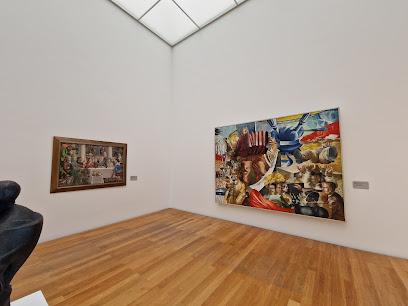
Museum of fine arts
0.2 km
Explore the rich history of art at the Museum of Fine Arts in Leipzig, showcasing stunning collections of modern and contemporary masterpieces.
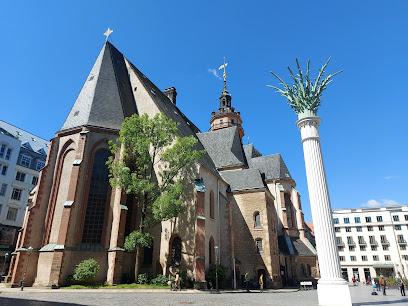
St. Nicholas Church
0.2 km
Explore St. Nicholas Church in Leipzig, a stunning neo-Romanesque architectural wonder steeped in history and spirituality.
St. Thomas Church
0.2 km
Explore the rich history and architectural beauty of St. Thomas Church in Leipzig, a landmark of cultural heritage and musical tradition.
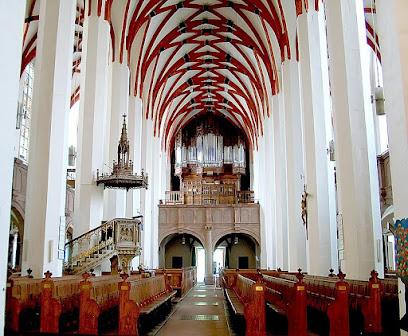
Nikolaisäule
0.3 km
Discover the historical beauty of Nikolaisäule in Leipzig, a magnificent monument at the heart of the city that reflects its rich cultural heritage.
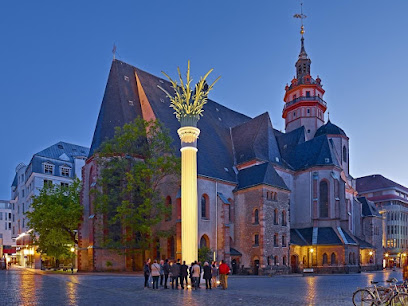
N' Ostalgie Museum
0.3 km
Explore the unique history of East Germany at the N' Ostalgie Museum in Leipzig, showcasing nostalgia and culture from the GDR era.
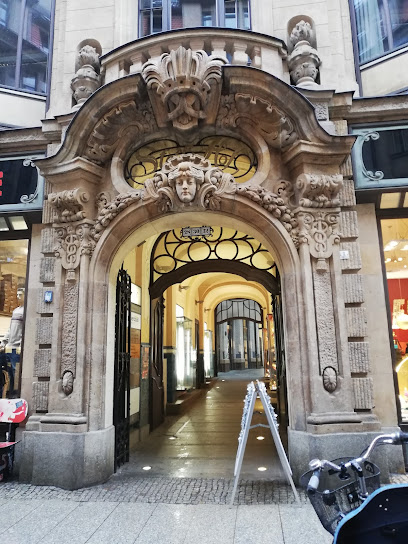
Romanushaus
0.3 km
Explore Romanushaus in Leipzig - a captivating blend of business and history in one of Germany's most vibrant cities.
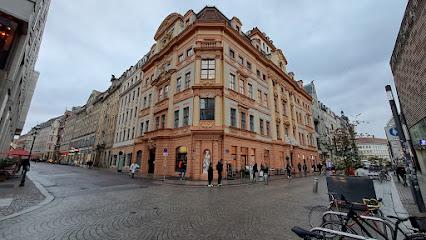
Bach-Museum Leipzig
0.3 km
Explore the Bach-Museum Leipzig, a cultural treasure showcasing the life and legacy of Johann Sebastian Bach in the heart of Germany's musical capital.
Essential places to dine

Auerbachs Keller
0.1 km
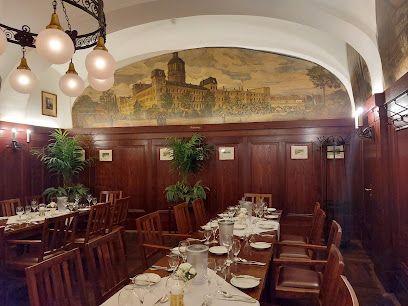
Discover the rich history and authentic flavors of Germany at Auerbachs Keller in Leipzig, where tradition meets exquisite dining.
Restaurant Weinstock Leipzig
0.1 km
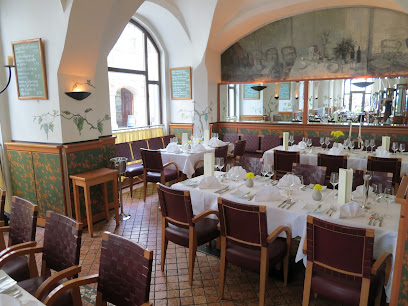
Discover traditional German flavors at Restaurant Weinstock Leipzig, where culinary excellence meets warm hospitality in the heart of the city.
Zills Tunnel
0.2 km
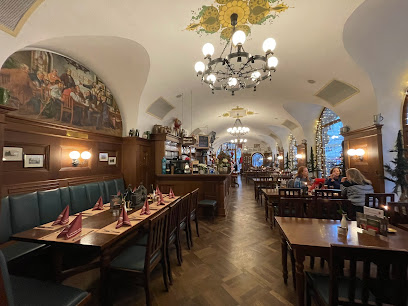
Experience the best of local and international cuisine at Zills Tunnel in Leipzig - where every meal is crafted with passion.
Restaurant Cafe Madrid
0.2 km
Savor the vibrant flavors of Spain at Restaurant Cafe Madrid, where authentic dishes meet warm hospitality in Leipzig's lively atmosphere.
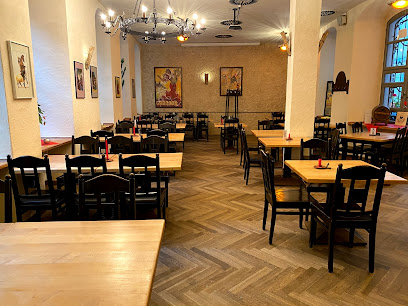
Lerchennest Leipzig
0.2 km
Discover authentic German flavors at Lerchennest Leipzig – where tradition meets taste in a cozy café setting.
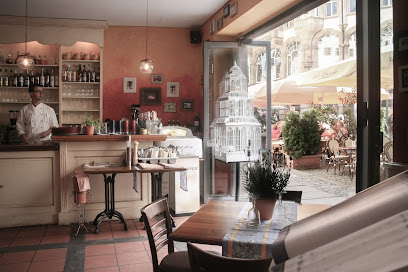
Max Enk
0.2 km
Experience the finest German cuisine at Max Enk - where every meal is a celebration of flavor and elegance in Leipzig.
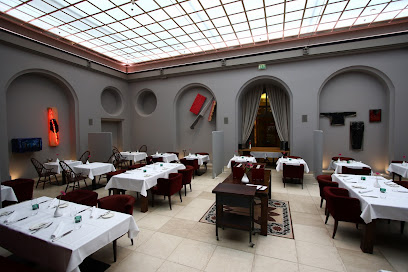
Wenzel Leipzig
0.2 km
Discover authentic Czech cuisine at Wenzel Leipzig, where traditional flavors meet warm hospitality in the heart of Germany's cultural hub.
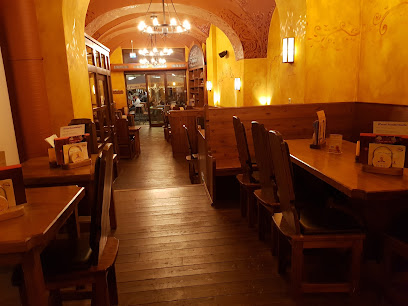
Leos Brasserie
0.3 km
Discover the charm of Leos Brasserie in Leipzig – where exquisite cuisine meets a warm and inviting atmosphere.
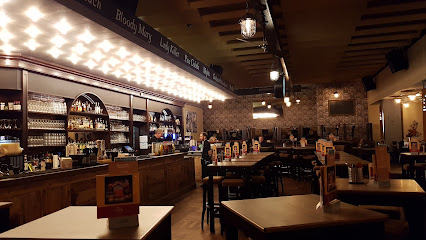
Thüringer Hof
0.3 km
Discover authentic German cuisine at Thüringer Hof in Leipzig – where tradition meets taste in a cozy setting.
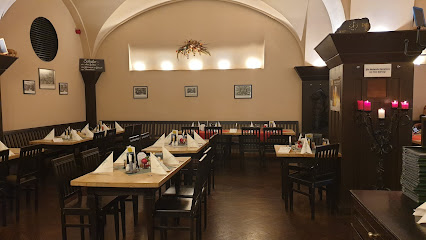
Johann S. Restaurant & Weinbar
0.3 km
Savor authentic German cuisine and fine wines at Johann S. Restaurant & Weinbar in Leipzig's vibrant culinary scene.
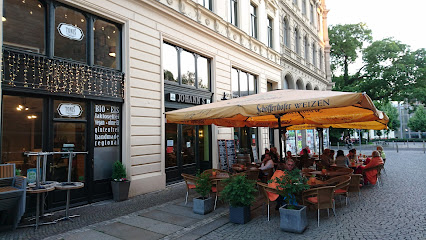
Planerts Restaurant
0.3 km
Discover culinary artistry at Planerts Restaurant in Leipzig - where fusion cuisine meets exceptional service in an elegant setting.
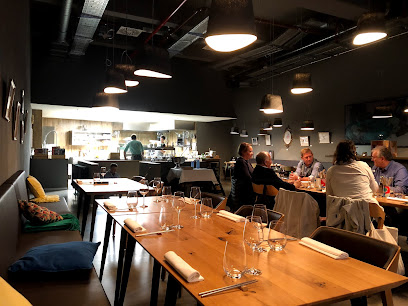
SYNDEO Restaurant Leipzig
0.3 km
Experience culinary excellence at SYNDEO Restaurant Leipzig - where local flavors meet modern dining in a vibrant atmosphere.
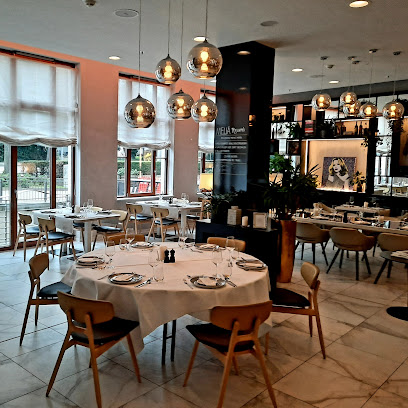
Zur Pleißenburg - Leipzig
0.3 km
Discover authentic German cuisine at Zur Pleißenburg, where traditional flavors meet cozy ambiance in the heart of Leipzig.
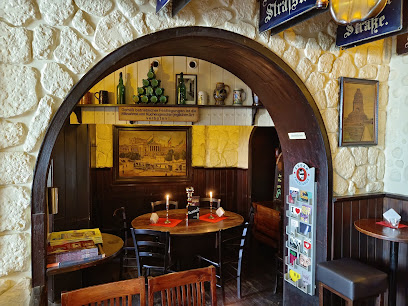
IMPERII
0.4 km
Experience the elegance of IMPERII in Leipzig - where gourmet cuisine meets vibrant nightlife in a chic setting.
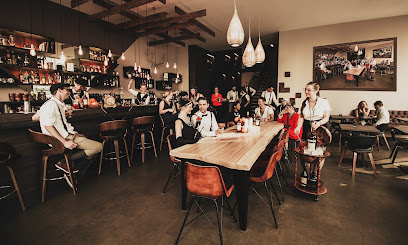
Wagners Restaurant u. Weinwirtschaft Inh. Chris Kollin
0.4 km
Experience authentic German cuisine and fine wines at Wagners Restaurant in Leipzig’s charming beer garden.
Markets, malls and hidden boutiques

Leipzig Laden
0.0 km
Explore Leipzig Laden, a charming souvenir store in the heart of Leipzig, offering unique crafts, local gifts, and an extensive selection of books.
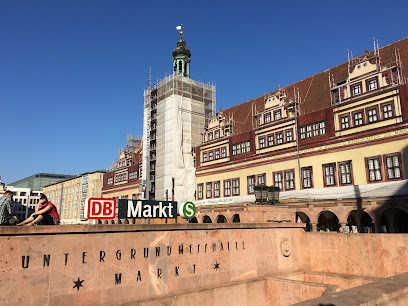
Reserved
0.1 km
Discover the ultimate shopping experience at Reserved in Leipzig, featuring stylish clothing for men, women, and children in a vibrant setting.
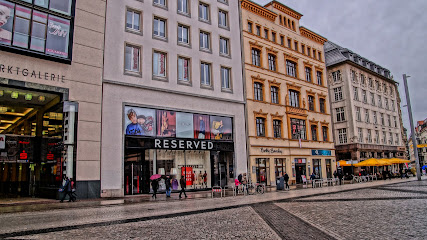
Breuninger Leipzig
0.1 km
Discover the essence of fashion at Breuninger Leipzig, where luxury meets style in a vibrant shopping environment.
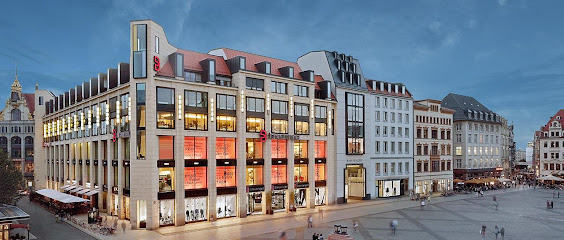
Marktgalerie
0.1 km
Explore the lively Marktgalerie in Leipzig, where shopping meets culture in a vibrant urban setting, perfect for tourists seeking local experiences.
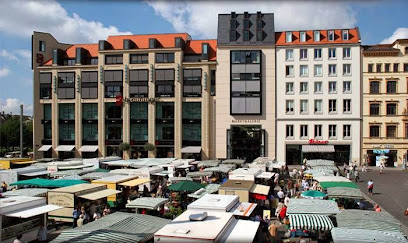
Betty Barclay
0.1 km
Discover stylish elegance at Betty Barclay in Leipzig, where contemporary fashion meets timeless sophistication in the heart of the city.
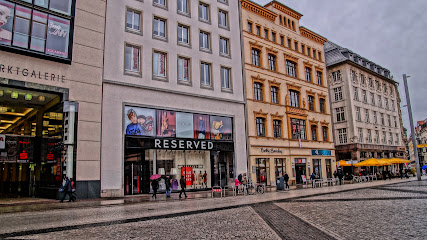
MAX&Co. - Breuninger
0.1 km
Explore the exquisite collection of women's fashion at MAX&Co. - Breuninger, Leipzig's premier boutique destination for style and elegance.

GALERIA Leipzig
0.2 km
Explore GALERIA Leipzig: A shopping haven in the heart of the city, offering diverse retail options and a taste of local culture.
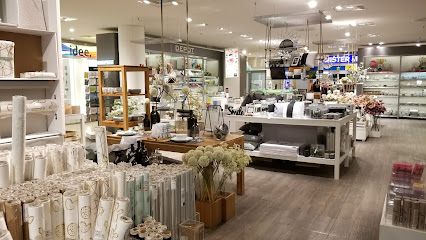
Bazar Royal
0.2 km
Discover the essence of style at Bazar Royal, Leipzig's premier clothing destination for men and women, featuring quality apparel and exquisite leather goods.
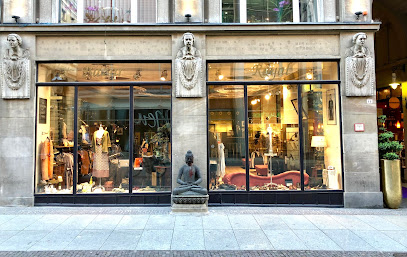
SCALA
0.2 km
Discover SCALA, Leipzig's premier clothing store, where contemporary fashion meets the city's vibrant culture and style.
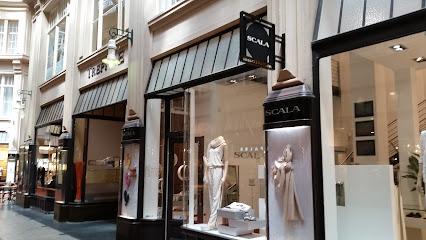
Wolford Boutique Leipzig
0.2 km
Explore Wolford Boutique in Leipzig for luxury women's fashion, exquisite lingerie, and chic accessories that define elegance and style.
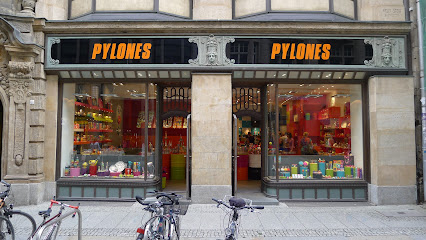
Pylones
0.2 km
Explore Pylones in Leipzig for colorful gifts and unique home goods that embody creativity and joy in every corner.
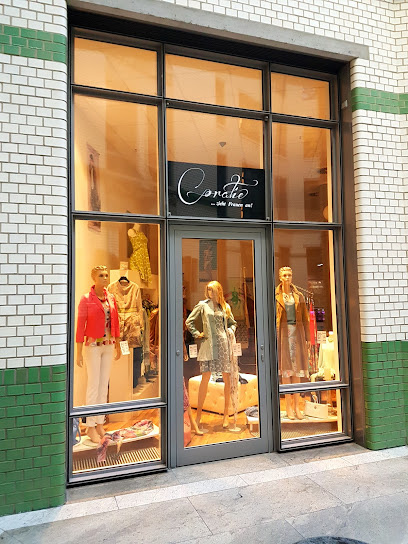
Boutique Coralie
0.2 km
Discover the essence of contemporary fashion at Boutique Coralie in Leipzig's vibrant Mitte district, where style meets local design.
Montblanc Boutique Leipzig
0.2 km
Explore Montblanc Boutique Leipzig for exquisite luxury writing instruments, watches, and leather goods in the heart of Germany's vibrant city.
Boutique Marlene
0.2 km
Explore Boutique Marlene in Leipzig for unique clothing and accessories that reflect local style and sustainable fashion choices.
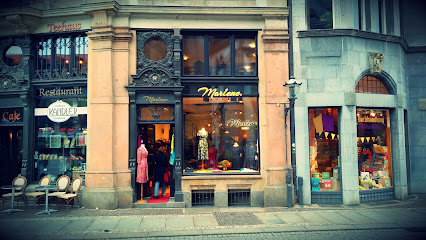
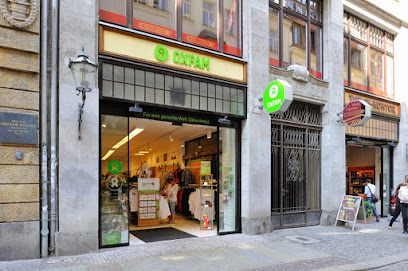
Oxfam Shop Leipzig
0.2 km
Explore Oxfam Shop Leipzig for unique second-hand treasures that support a charitable cause, offering clothing, books, and fashion accessories.
Essential bars & hidden hideouts

BELLINI'S BAR & RESTAURANT - Leipzig
0.1 km
Experience the vibrant atmosphere of Bellini's Bar & Restaurant, a cocktail bar and café in the heart of Leipzig with delicious food and drinks.
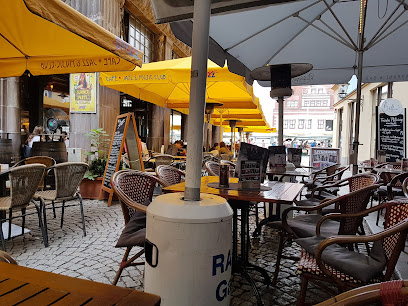
Mephisto Bar
0.1 km
Discover the enchanting Mephisto Bar in Leipzig, where history meets modernity in a cozy atmosphere with exceptional drinks.
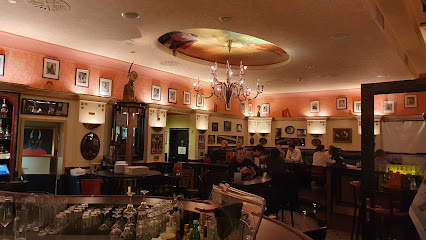
Kildare City Pub
0.1 km
Discover Kildare City Pub in Leipzig for an authentic Irish atmosphere, delicious food, and vibrant sports entertainment.
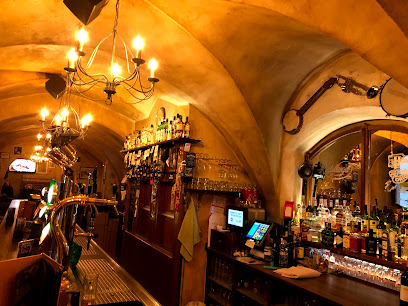
Sonderbar - Leipzig
0.2 km
Experience the vibrant atmosphere and innovative cocktails at Sonderbar in Leipzig, the perfect spot for night owls and cocktail enthusiasts.
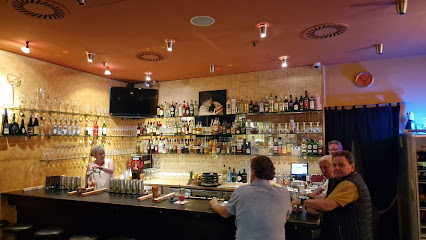
Dhillons
0.2 km
Experience the vibrant spirit of Ireland at Dhillons, Leipzig's beloved Irish pub and sports bar, perfect for tourists seeking great food and lively entertainment.
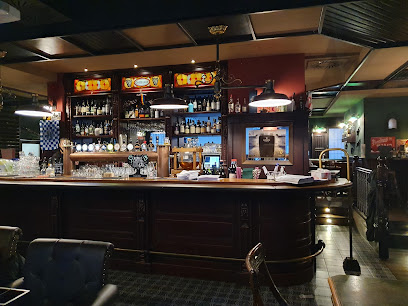
The First Whisk (e) y Bar Leipzig - Leipzig
0.2 km
Discover the ultimate whisky experience at The First Whisk(e)y Bar in Leipzig, featuring over 600 whiskies and an inviting ambiance to unwind.
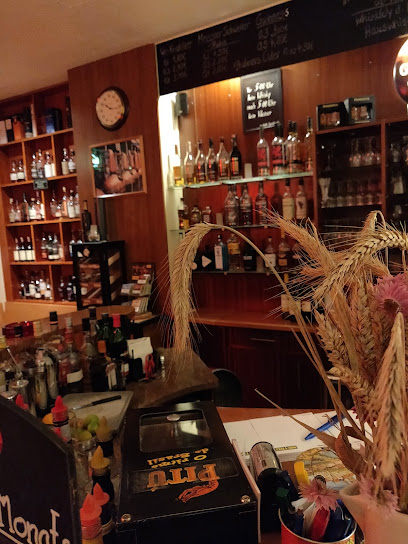
Tonelli's Leipzig
0.2 km
Explore the vibrant nightlife of Leipzig at Tonelli's, a lively live music bar and pub offering delicious food and unforgettable performances.
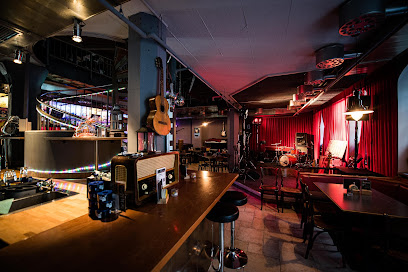
Brick's der Cocktail
0.3 km
Discover the vibrant cocktail culture at Brick's der Cocktail, a must-visit bar in Leipzig for unforgettable drinks and an electric atmosphere.
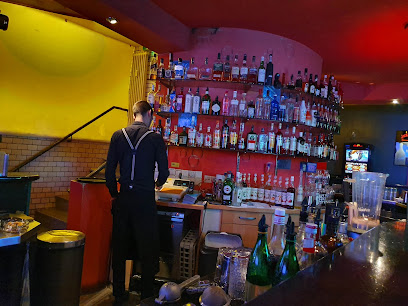
Bar Cabana Dachterrasse - Leipzig
0.3 km
Experience the vibrant atmosphere of Bar Cabana Dachterrasse, Leipzig's rooftop bar with stunning views, exquisite drinks, and delicious cuisine.
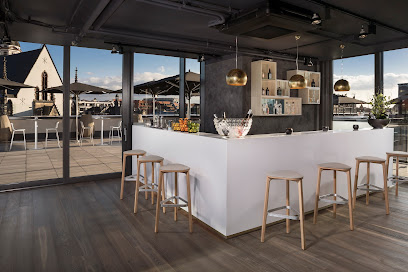
Piano Bar Leipzig
0.4 km
Experience the vibrant atmosphere of Piano Bar Leipzig, where exquisite cocktails and live music create unforgettable moments in the heart of the city.
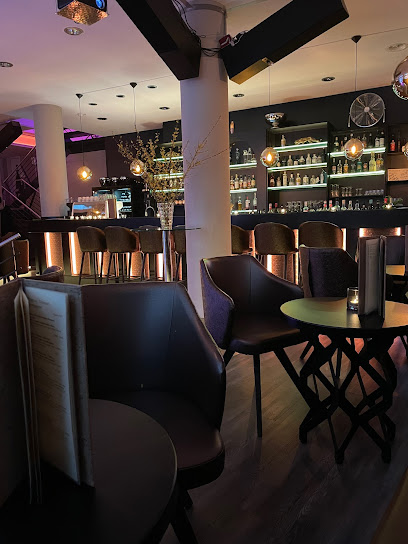
Rooftop One Bar Leipzig-Post
0.5 km
Experience the stunning skyline of Leipzig at Rooftop One Bar, where exquisite drinks and breathtaking views await you.
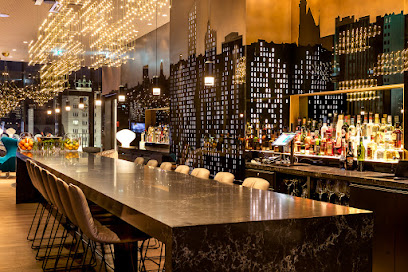
Jamboree - Leipzig
0.6 km
Discover the vibrant nightlife of Leipzig at Jamboree, a lively bar offering a unique drink selection and a welcoming atmosphere.
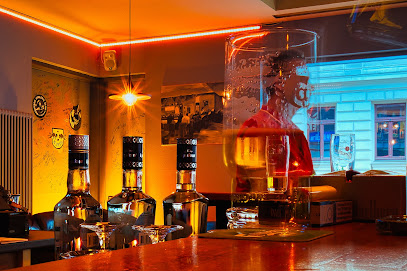
Vodkaria
0.6 km
Discover the vibrant gastropub experience at Vodkaria, Leipzig's premier destination for unique vodkas and lively nightlife.
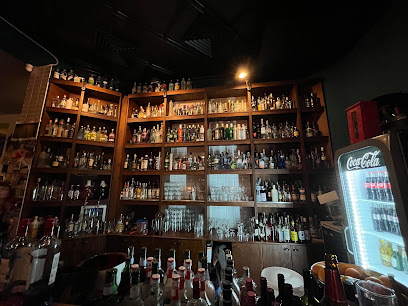
Beer bar track 8
0.6 km
Discover the essence of Leipzig's brewing culture at Beer Bar Track 8, offering a wide selection of local and international beers in a cozy setting.
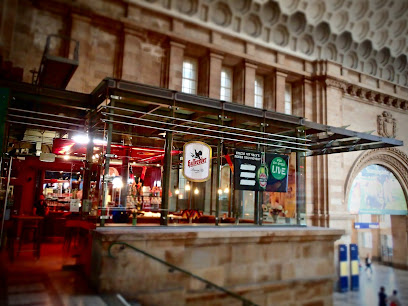
Goldhopfen - Craft Beer Bar Leipzig
0.7 km
Discover Goldhopfen, Leipzig's premier craft beer bar, offering an eclectic selection of brews in a vibrant and welcoming atmosphere.