Burgkloster Monasterio del Castillo, Lubeck Travel Guide
Explore the Burgkloster in Lübeck, a medieval monastery turned museum, and delve into the captivating history of the Hanseatic League within its ancient walls and Gothic architecture.
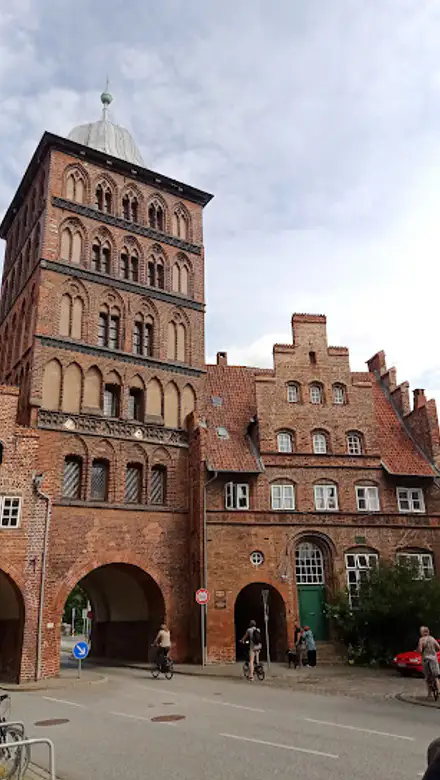
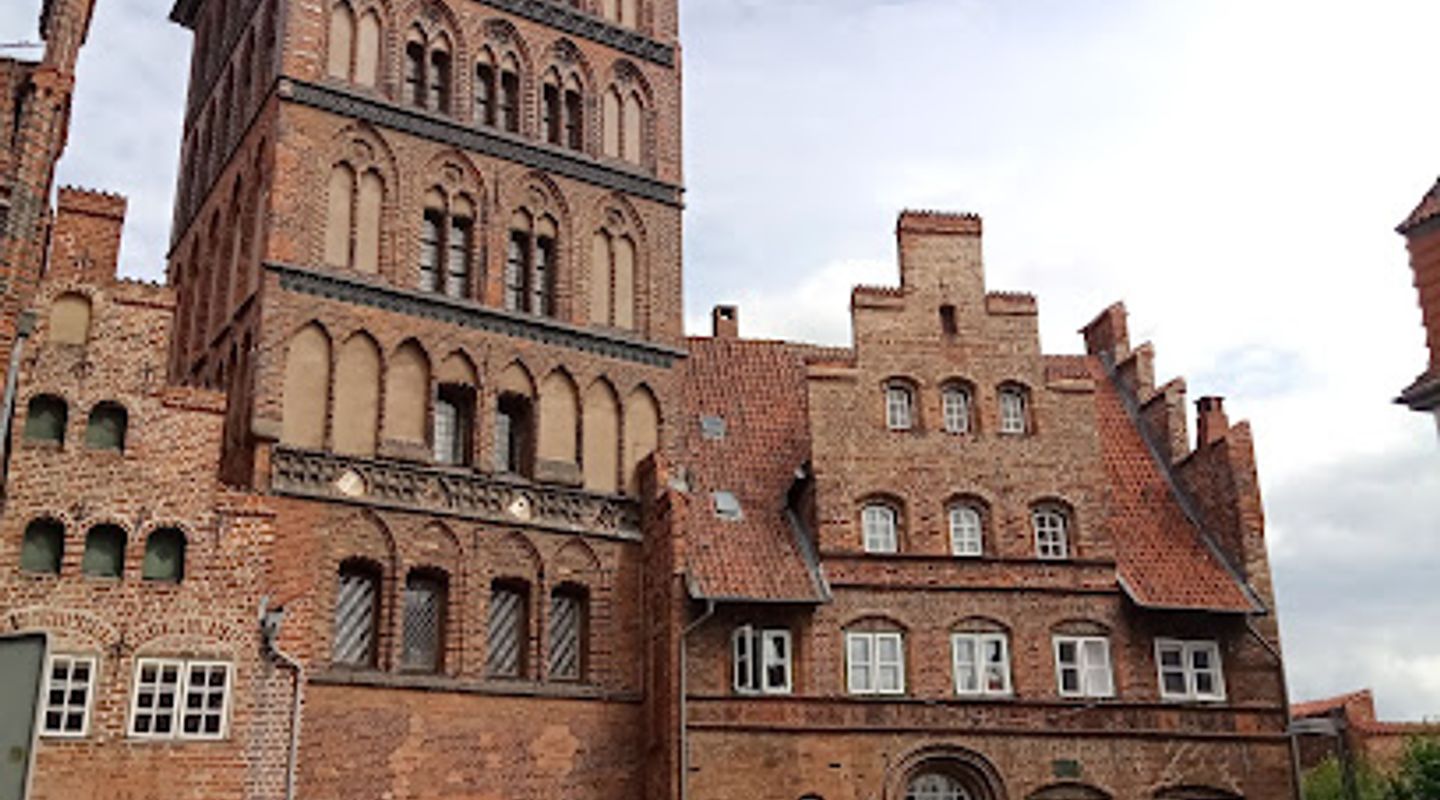
The Burgkloster, or Castle Friary, in Lübeck, stands as a significant medieval monastery complex with a rich and complex history. Founded in 1229 as a Dominican monastery, it has since served as a poorhouse, a court, and even a Nazi prison. Today, integrated within the European Hansemuseum, the Burgkloster offers visitors a unique glimpse into Lübeck's past, particularly its role as a prominent member of the Hanseatic League. Explore the original Gothic brick architecture, admire the remnants of wall paintings, and delve into the stories of those who lived, learned, and suffered within its walls. The Burgkloster provides a tangible connection to the city's layered history, making it a compelling destination for history enthusiasts and those seeking to understand Lübeck's cultural heritage.
A brief summary to Burgkloster Monasterio del Castillo
- Burgtorbrücke 1, Lübeck, Lübecker Altstadt, 23552, DE
- Click to display

Know before you go
Hi, I'm Eve. Here are a few practical things to know before exploring Burgkloster Monasterio del Castillo.
- Combine your visit with the European Hansemuseum to gain a comprehensive understanding of Lübeck's Hanseatic history and the Burgkloster's role within it.
- Take a guided tour to uncover hidden stories and architectural details of the Burgkloster that you might miss on your own.
- Check the European Hansemuseum's event calendar for special exhibitions, concerts, and theatrical performances held within the Burgkloster's historic setting.
Do you manage this location?
Take control to get all the benefits, like improved information, better appearance, and stronger visibility across AI-powered discovery. Learn more about listing your business on Evendo
Activate your presenceOther nearby places you may find interesting
The closest places of the same kind, if this one is not quite what you had in mind.


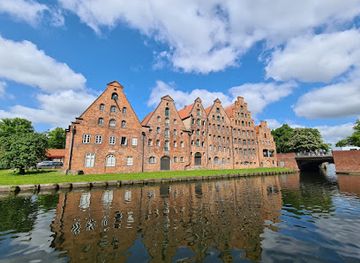
Explore Burgkloster Monasterio del Castillo on the Map
A handpicked selection of must-see spots near Burgkloster Monasterio del Castillo, mapped for you.
Unlock the Best of Burgkloster Monasterio del Castillo
Buy tickets
-
No tickets available
Book tours with entry
-
No tours available
Book tours without entry

Getting There
-
Walking
From the Lübeck Markt (market square), head north along Breite Straße, a main pedestrian street. Continue onto Koberg, passing the St. Jakobi Church on your right. Turn left onto Hinter der Burg. The Burgkloster entrance is a short walk ahead. The walk is approximately 10-15 minutes, offering views of Lübeck's historic Old Town.
-
Public Transport
From Lübeck Hauptbahnhof (main train station), take bus lines 4, 10, 11, 12, 21, 30, 31, 32, 39, or 40 to the 'Lübeck Große Burgstraße' stop. From there, it's a short walk to Burgkloster, located near the Burgtor (Castle Gate). A single bus fare costs approximately €3.00.
-
Taxi/Ride-Share
A taxi or ride-share from Lübeck Hauptbahnhof to Burgkloster typically costs between €8 and €12, depending on traffic. The journey takes around 5-10 minutes. Direct the driver to Burgtorbrücke 1, 23552 Lübeck.
-
Driving
If driving, be aware that parking in Lübeck's Old Town is limited and can be expensive. Consider parking at the 'Am Burgtor' parking garage (Am Burgtor) or 'Falkenstraße' parking garage (Falkenstraße), both within a short walking distance. Hourly parking rates at these garages are approximately €1.20, with a day pass costing around €6.00. Be mindful of resident-only parking zones in the 'Hinter der Burg' street.
Discover more about Burgkloster Monasterio del Castillo
More to explore near Burgkloster Monasterio del Castillo
-

Best experiences near Burgkloster Monasterio del Castillo
-

Best hotels near Burgkloster Monasterio del Castillo
-

Best attractions near Burgkloster Monasterio del Castillo
-

Best shops near Burgkloster Monasterio del Castillo
-

Best restaurants near Burgkloster Monasterio del Castillo
-

Best bars near Burgkloster Monasterio del Castillo







Your all‑in‑one travel companion app
Explore expert travel guides, compare and book tours, experiences, hotels, and more—all from the palm of your hand. Download now for seamless trip planning wherever your wanderlust takes you.


Explore More of Lubeck
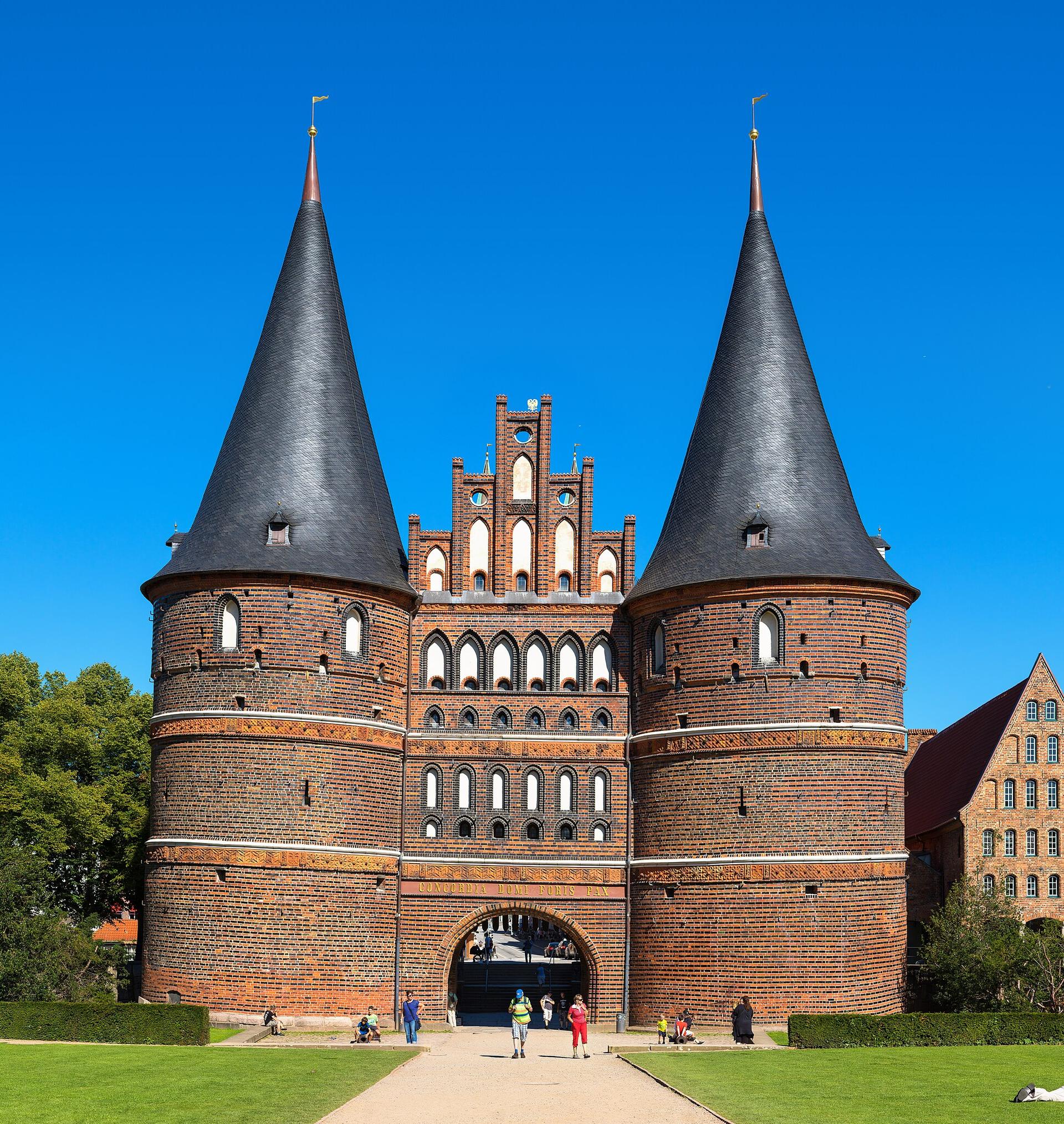
Looking beyond Burgkloster Monasterio del Castillo? Discover Lubeck for broader travel guides, local hot-spots, and regional highlights.
Explore Lubeck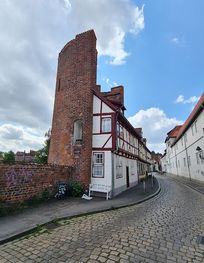
Discover the enchanting Halbturm in Lübeck, where medieval fortifications meet charming half-timbered architecture, offering a unique glimpse into the city's Hanseatic past and enduring spirit.
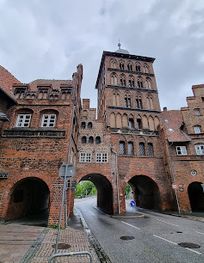
Discover the Burgtor in Lübeck, a captivating medieval gate offering a glimpse into the city's Hanseatic past and architectural grandeur, often overshadowed but rich in history.