Burgtor, Lubeck Travel Guide
Discover the Burgtor in Lübeck, a captivating medieval gate offering a glimpse into the city's Hanseatic past and architectural grandeur, often overshadowed but rich in history.
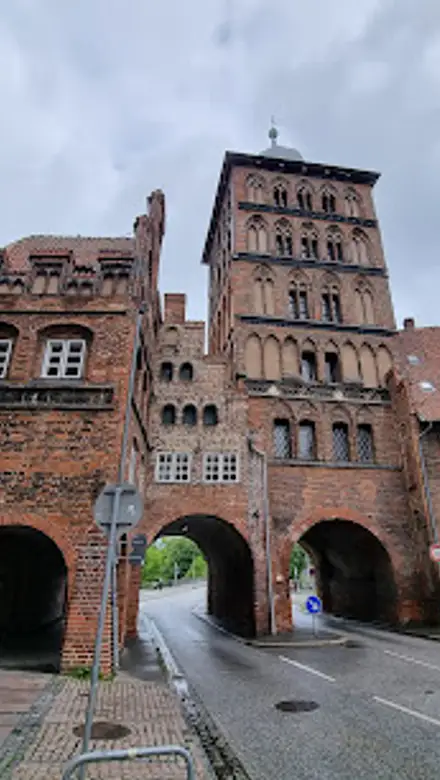
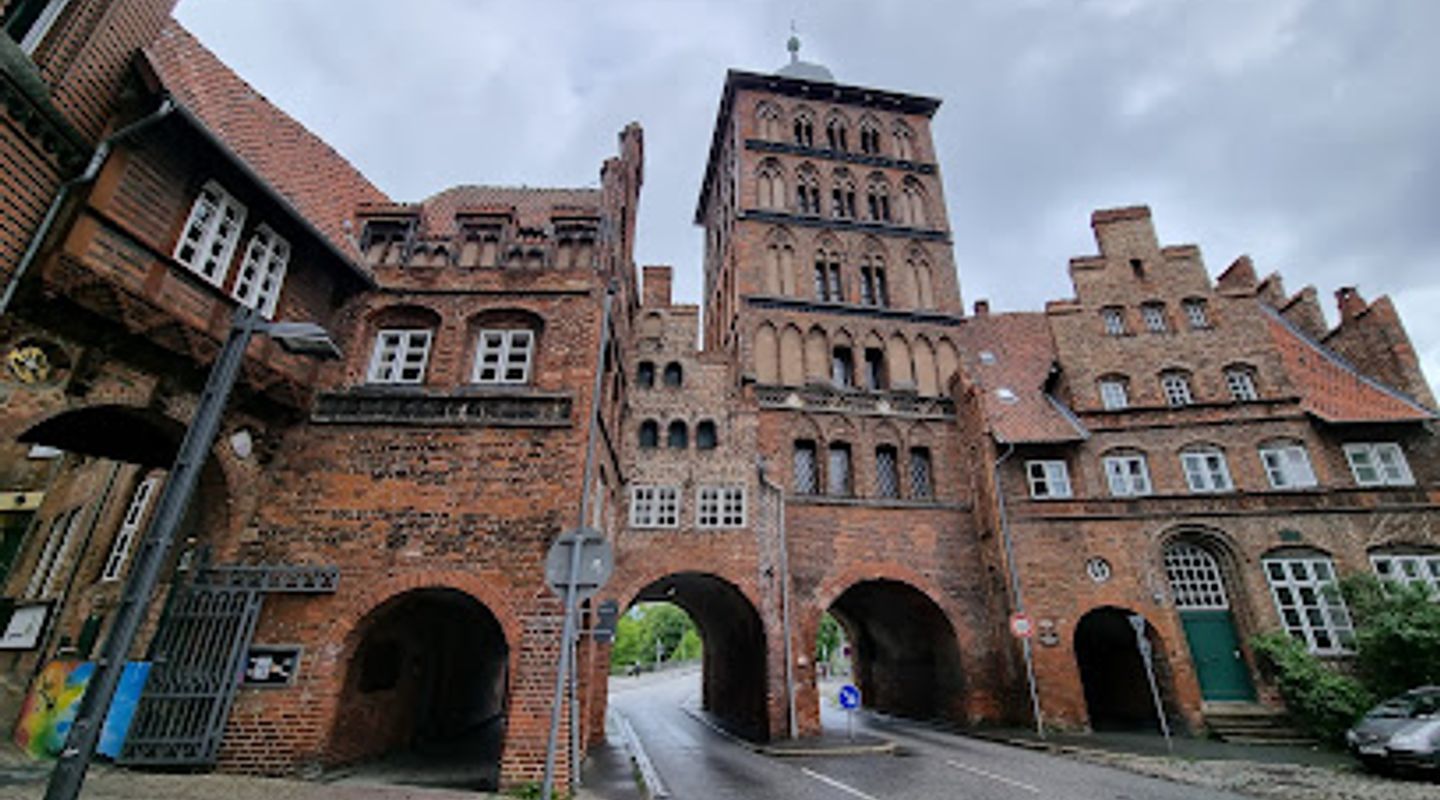
The Burgtor, constructed in 1444, stands as a testament to Lübeck's rich Hanseatic history. As the northern gate of the city's medieval fortifications, it controlled access and symbolized Lübeck's power. While often overshadowed by the Holstentor, the Burgtor offers a unique glimpse into the city's past with its late Gothic architecture, distinctive Baroque helmet roof, and the remnants of the old city walls. Today, it serves as a captivating landmark, inviting visitors to explore the Große Burgstraße, discover nearby historical sites, and immerse themselves in Lübeck's vibrant atmosphere. Don't miss the chance to admire the intricate brickwork and imagine the bustling trade that once flowed through this historic gateway.
A brief summary to Burgtor
- Große Burgstraße 5, Lübeck, Lübecker Altstadt, 23552, DE
- Click to display

Know before you go
Hi, I'm Eve. Here are a few practical things to know before exploring Burgtor.
- Take time to admire the intricate brickwork and architectural details of the Burgtor, reflecting its late Gothic style and Baroque influences.
- Explore the Große Burgstraße, the historic street leading through the Burgtor, to discover charming shops, cafes, and other architectural gems.
- Visit the nearby Burgkloster, a significant medieval monastic complex that is now part of the European Hansemuseum, to delve deeper into Lübeck's history.
- Enjoy a relaxing break in the Ida-Boy-Ed-Garten, a small park located near the Burgtor, offering a peaceful escape from the city bustle.
- Look for the models near the gate that show what the fortifications used to look like.
Do you manage this location?
Take control to get all the benefits, like improved information, better appearance, and stronger visibility across AI-powered discovery. Learn more about listing your business on Evendo
Activate your presenceOther nearby places you may find interesting
The closest places of the same kind, if this one is not quite what you had in mind.


Explore Burgtor on the Map
A handpicked selection of must-see spots near Burgtor, mapped for you.
Unlock the Best of Burgtor
Buy tickets
-
No tickets available
Book tours with entry


Getting There
-
Walking
From Lübeck's city center (e.g., Marktplatz or Breite Strasse), the Burgtor is easily accessible on foot. Head north, following the signs towards Große Burgstraße. The walk is approximately 10-15 minutes, offering a pleasant stroll through the historic streets. As you approach, the Burgtor will become visible, towering over the road ahead.
-
Public Transport
If arriving by public transport, take a bus to the 'Burgtor' stop. Several bus lines serve this stop, connecting it to various parts of Lübeck. From the bus stop, the Burgtor is just a short walk away. Check the local transport authority (Stadtverkehr Lübeck) for current schedules and fare information. A single ticket within Lübeck costs approximately €2.50.
-
Taxi/Ride-Share
Taxis and ride-sharing services are readily available in Lübeck. A taxi ride from the main train station (Hauptbahnhof) to the Burgtor will take around 5-10 minutes, costing approximately €10-€15, depending on traffic.
-
Driving
If driving, be aware that parking near the Burgtor is limited. The closest parking option is the Parkhaus Am Burgtor (Kanalstraße 1-5), which charges approximately €1.20 per hour, with a day ticket costing around €6.00. From the parking garage, it's a short walk to the Burgtor. Be mindful of the pedestrian zone and follow traffic signs carefully.
Discover more about Burgtor













Your all‑in‑one travel companion app
Explore expert travel guides, compare and book tours, experiences, hotels, and more—all from the palm of your hand. Download now for seamless trip planning wherever your wanderlust takes you.


Explore More of Lubeck
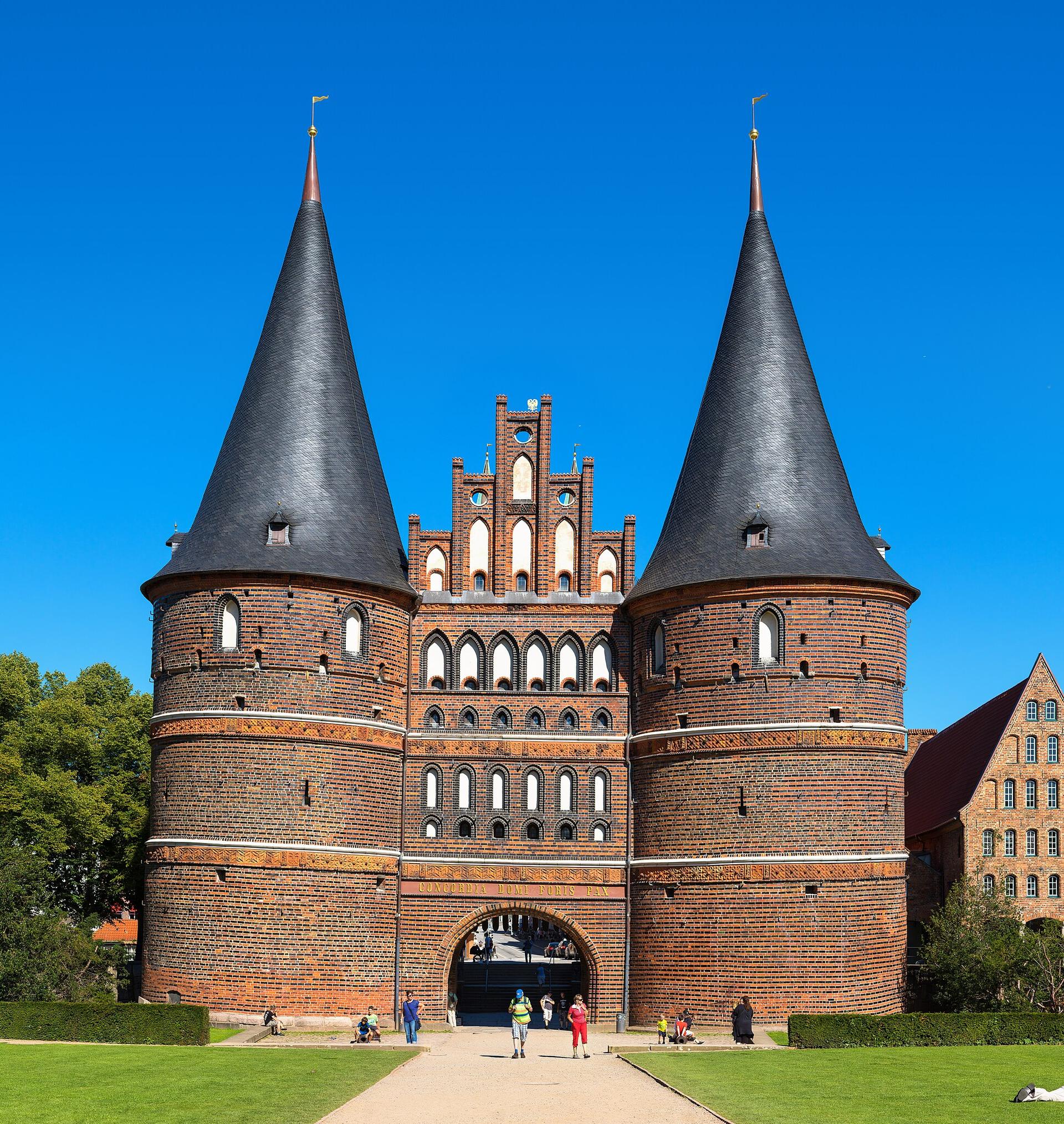
Looking beyond Burgtor? Discover Lubeck for broader travel guides, local hot-spots, and regional highlights.
Explore Lubeck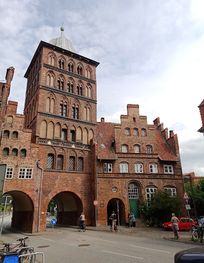
Explore the Burgkloster in Lübeck, a medieval monastery turned museum, and delve into the captivating history of the Hanseatic League within its ancient walls and Gothic architecture.
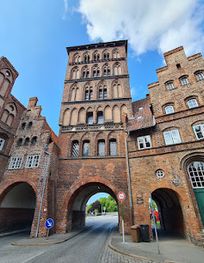
Uncover the architectural beauty and rich history of Zöllnerhaus in Lübeck's charming Old Town, a must-see for every traveler.