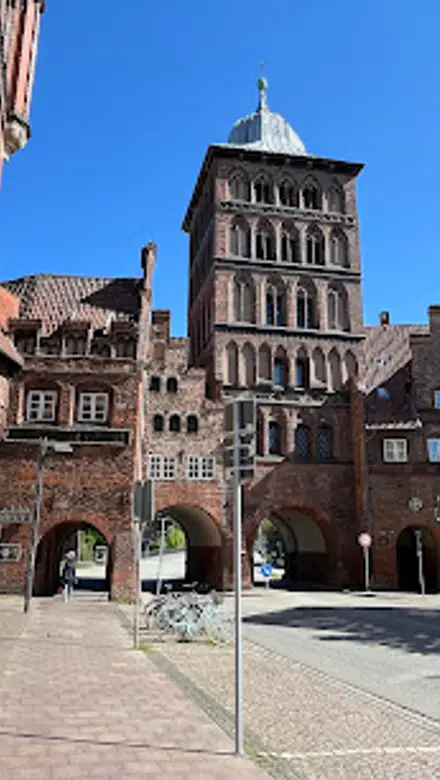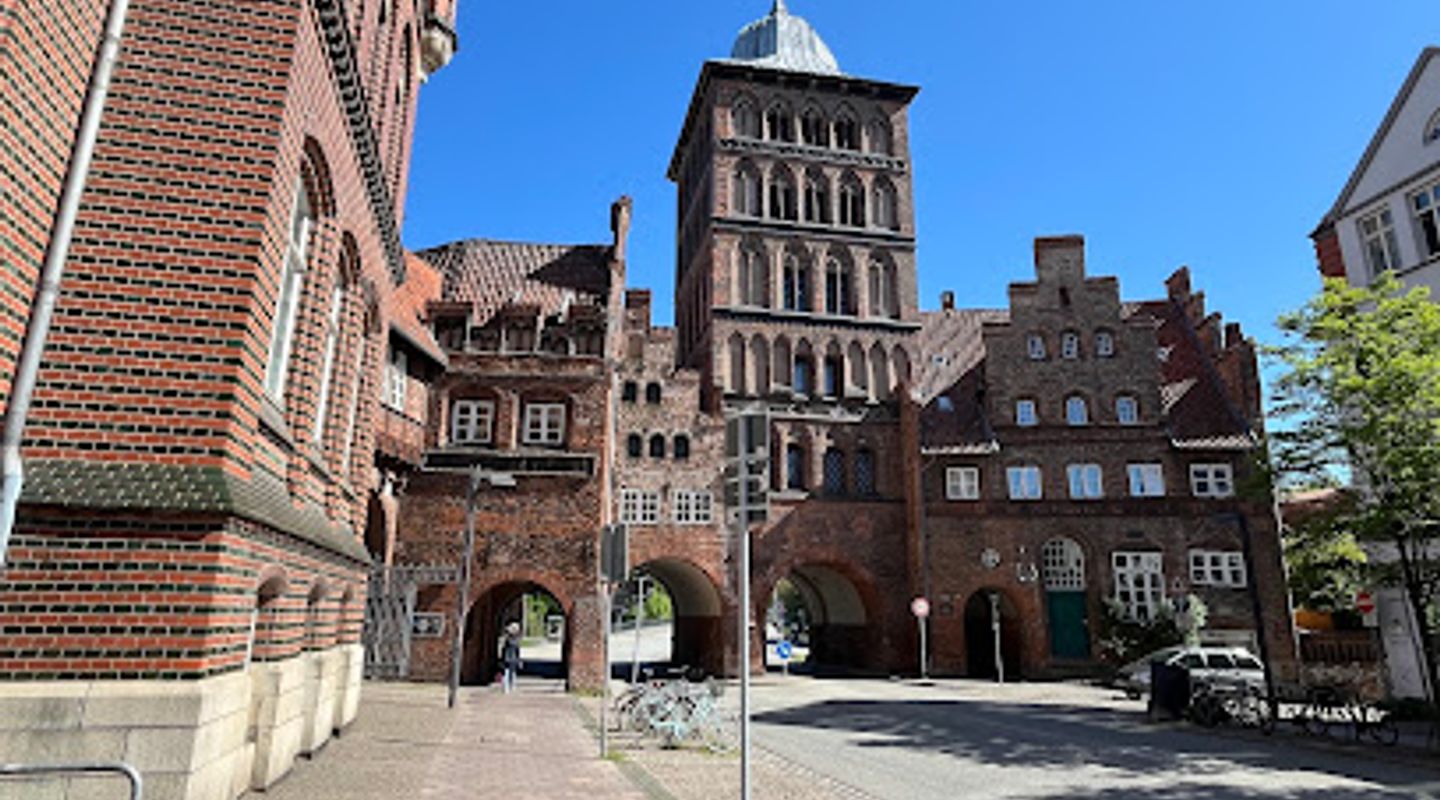
European Hansemuseum, Lubeck Travel Guide
Explore the fascinating history of the Hanseatic League at Lübeck's European Hansemuseum, an immersive journey through medieval trade, politics, and culture in a stunning architectural setting.
The European Hansemuseum in Lübeck offers an immersive journey into the world of the Hanseatic League, a powerful medieval trading network that shaped Northern Europe. Opened in 2015, the museum combines a modern architectural marvel with the historic Castle Friary, creating a captivating blend of past and present. Explore interactive exhibits, original artifacts, and meticulously recreated scenes that bring the Hanseatic era to life. Discover the rise and fall of this influential alliance, its impact on trade, politics, and culture, and Lübeck's pivotal role as a leading Hanseatic city. With its engaging displays and stunning setting, the European Hansemuseum provides an unforgettable experience for visitors of all ages, offering a fascinating glimpse into a significant chapter of European history.
A brief summary to European Hansemuseum
- An d. Untertrave 1, Lübeck, Lübecker Altstadt, 23552, DE
- Click to display
- Click to display
- Monday 10 am-6 pm
- Tuesday 10 am-6 pm
- Wednesday 10 am-6 pm
- Thursday 10 am-6 pm
- Friday 10 am-6 pm
- Saturday 10 am-6 pm
- Sunday 10 am-6 pm

Know before you go
Hi, I'm Eve. Here are a few practical things to know before exploring European Hansemuseum.
- Purchase tickets online in advance, especially during peak season, to secure your preferred time slot and avoid potential queues.
- Allocate at least 2-3 hours to fully explore the museum's extensive exhibits and the Castle Friary.
- Take advantage of the audio guides available in multiple languages to enhance your understanding of the Hanseatic League's history.
- Visit the museum shop for unique souvenirs and books related to the Hanseatic League and Lübeck's history.
- Enjoy a meal or snack at the museum's restaurant, NORD, which offers panoramic views of Lübeck harbor.
Do you manage this location?
Take control to get all the benefits, like improved information, better appearance, and stronger visibility across AI-powered discovery. Learn more about listing your business on Evendo
Activate your presenceOther nearby places you may find interesting
The closest places of the same kind, if this one is not quite what you had in mind.


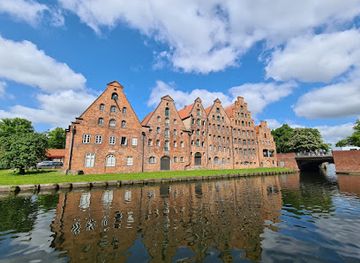
Explore European Hansemuseum on the Map
A handpicked selection of must-see spots near European Hansemuseum, mapped for you.
Unlock the Best of European Hansemuseum
Buy tickets
-
No tickets available
Book tours with entry


Getting There
-
Walking
From Lübeck's Markt (Market Square), head north along Breite Strasse, a main pedestrian street. Continue until you reach the Holstentor (city gate). Pass through the Holstentor and continue straight, following the road as it curves slightly to the left. The European Hansemuseum will be on your right, a short walk further, easily identified by its modern architecture connected to the historic Burgkloster. The walk is approximately 10-15 minutes and offers views of the Old Town.
-
Public Transport
From Lübeck Hauptbahnhof (main train station), take bus number 3 towards Hansemuseum. The bus stops directly in front of the museum. Alternatively, take bus number 4, 10, 11, 12, 21, 30, 31, 32, 39, or 40 to the stop 'Große Burgstraße,' which is a short 5-minute walk to the museum. From Große Burgstraße, walk north towards the river Trave; the museum will be on your left. A single bus fare is approximately €3.00.
-
Taxi/Ride-Share
Taxis and ride-sharing services are readily available throughout Lübeck. A taxi ride from Lübeck Hauptbahnhof to the European Hansemuseum typically costs between €8 and €12, depending on traffic and the specific company. The journey takes approximately 5-10 minutes.
-
Driving
If driving, navigate to An der Untertrave 1, 23552 Lübeck. Limited parking is available along the waterfront near the museum. Parking fees typically range from €1.50 to €2.50 per hour. Alternatively, use the 'Am Burgtor' car park (Kanalstr. 1–5) or the 'Musik- und Kongresshalle' parking area (Willy-Brandt-Allee 10), both within a short walking distance. Check local signage for current parking rates.
Discover more about European Hansemuseum













Your all‑in‑one travel companion app
Explore expert travel guides, compare and book tours, experiences, hotels, and more—all from the palm of your hand. Download now for seamless trip planning wherever your wanderlust takes you.


Explore More of Lubeck
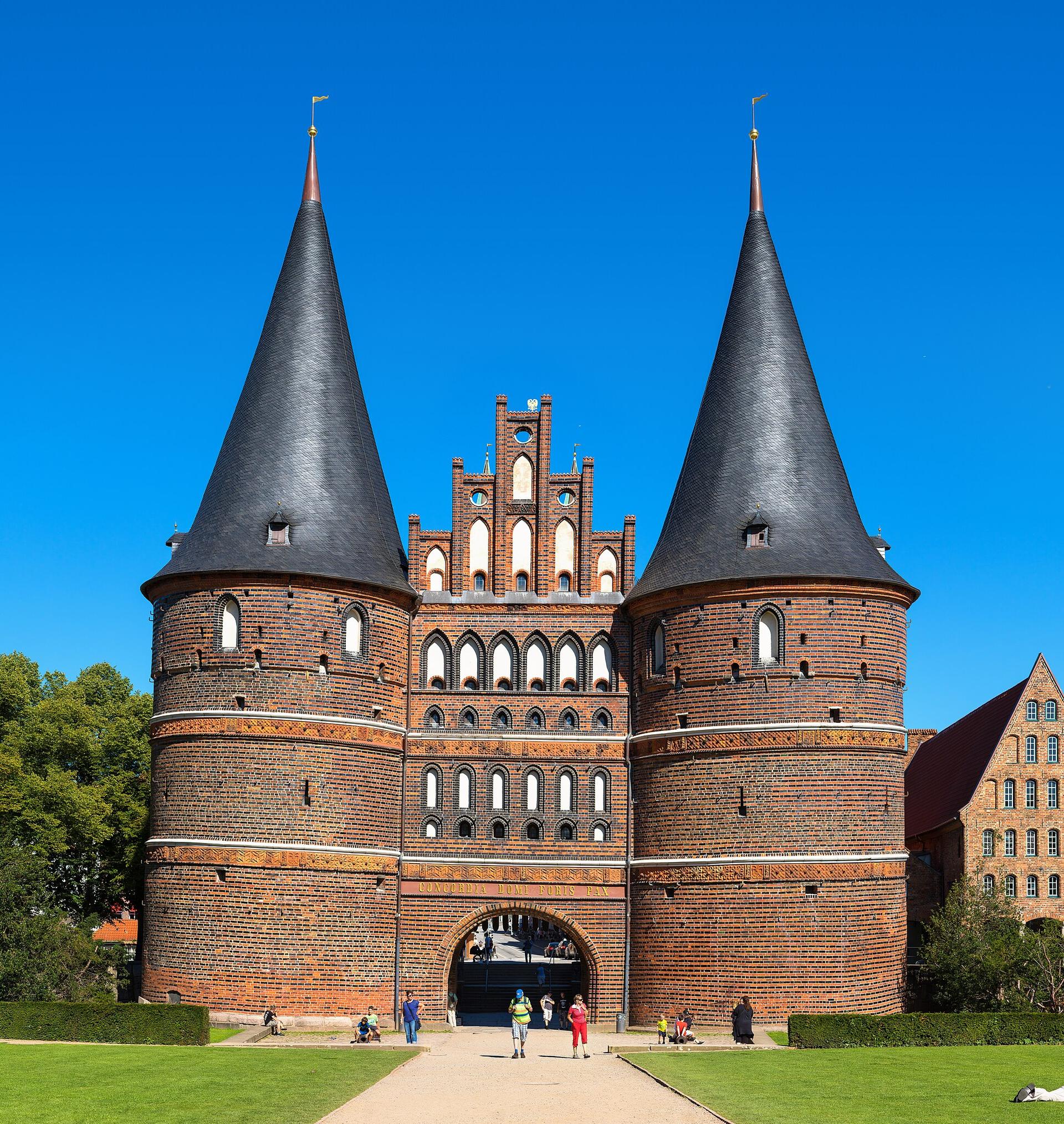
Looking beyond European Hansemuseum? Discover Lubeck for broader travel guides, local hot-spots, and regional highlights.
Explore Lubeck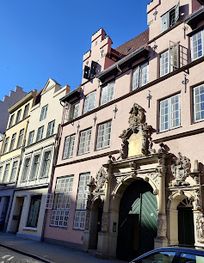
Discover Füchtingshof, Lübeck's largest historic courtyard, a serene oasis showcasing Baroque architecture and the city's enduring commitment to social responsibility within the UNESCO-listed Old Town.

Discover the serene Skulptur der Maria Magdalena in Lübeck's historic Altstadt, a thought-provoking bronze sculpture offering a unique perspective on faith and repentance.