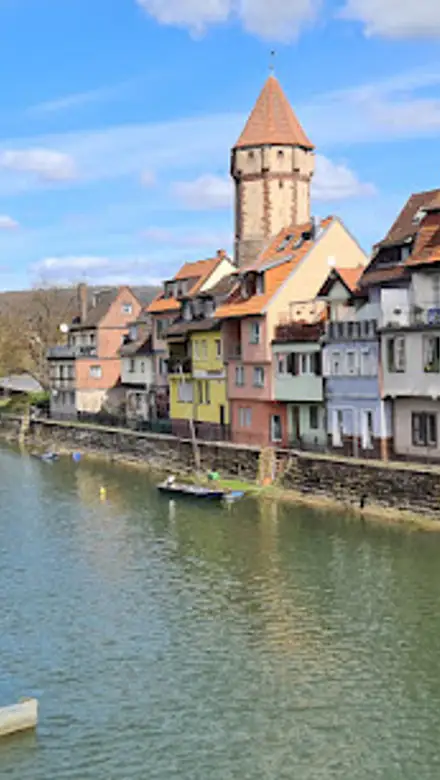
Spitzer Turm Travel Guide
Free Guide: Discover the historic Spitzer Turm in Wertheim, a medieval watchtower with a unique leaning design, offering a glimpse into the town's rich past and strategic importance.


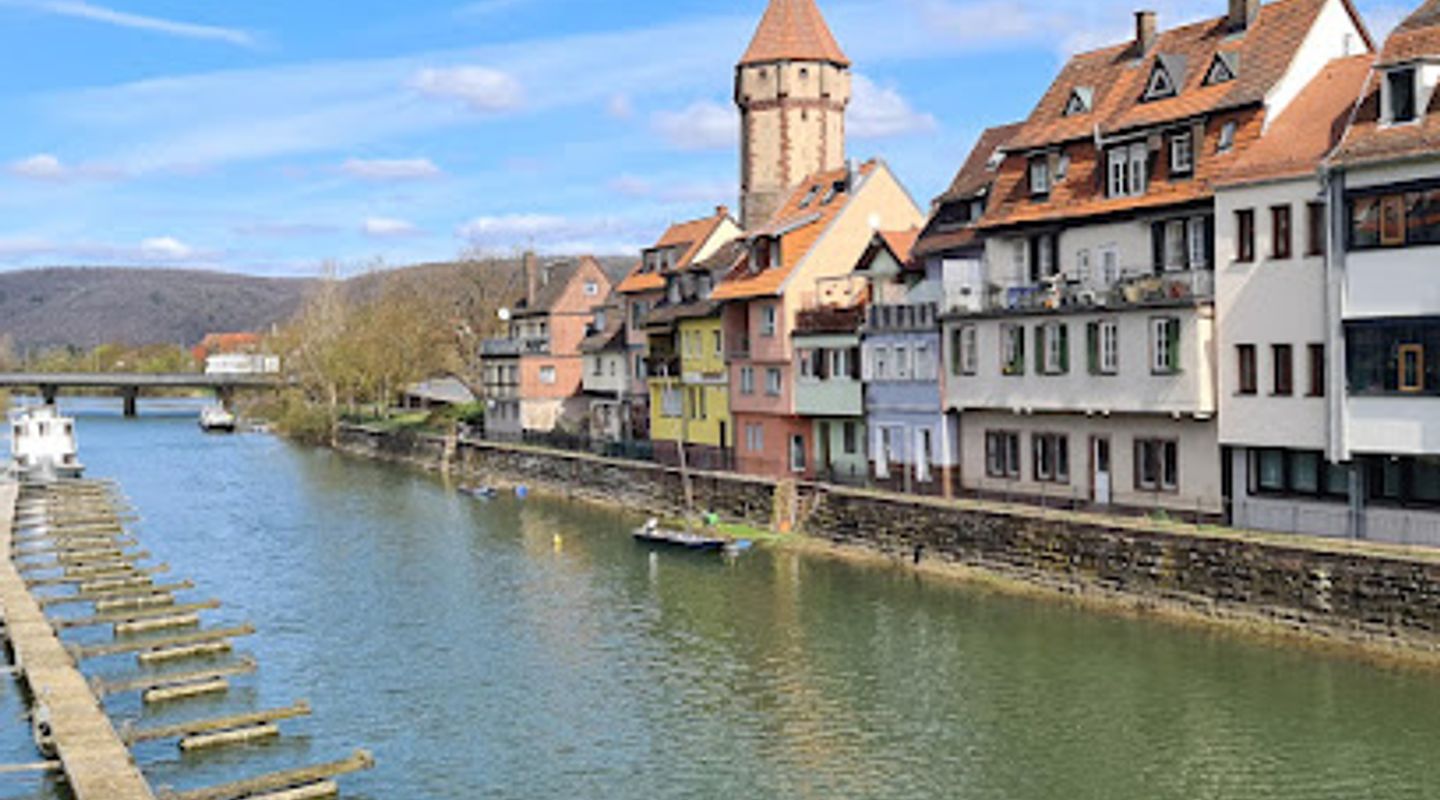
A brief summary of Spitzer Turm
Discover the historic Spitzer Turm in Wertheim, a medieval watchtower with a unique leaning design, offering a glimpse into the town's rich past and strategic importance.
The Spitzer Turm, or Pointed Tower, is a distinctive medieval watchtower in Wertheim, Germany, dating back to the 13th century. Standing at 36.5 meters, its round base and octagonal upper structure, added in the 15th century, give it a unique, slightly leaning appearance. Originally part of the town's fortifications, it also served as a prison for drunkards and quarrelsome women. Today, the tower is a protected historical landmark and a prominent feature of Wertheim's skyline, offering a glimpse into the town's rich history. Its strategic location at the confluence of the Main and Tauber rivers made it a vital observation point, and its quirky design continues to captivate visitors. The tower is a testament to Wertheim's medieval past and a must-see for anyone exploring the town's historic center.
Opening hours
- MonClosed
- Tue11:30 am–2 pm, 5 pm–11 pm
- Wed11:30 am–2 pm, 5 pm–11 pm
- Thu11:30 am–2 pm, 5 pm–11 pm
- Fri11:30 am–2 pm, 5 pm–11 pm
- Sat11:30 am–1 am
- Sun11:30 am–1 am
Opening hours as listed on the venue’s Google Business Profile. Hours can change for services and special events, so check with the venue before you go.
- Address
- Spitzer Turm, 97877 Wertheim
- Website
Getting there
Walking
Public Transport
Taxi/Ride-Share
Driving
Discover more about Spitzer Turm
Overview
The Spitzer Turm, rising prominently in Wertheim, is more than just an old tower; it's a symbol of the town's enduring history and strategic importance. Constructed initially as a watchtower in the 13th century, its primary function was to safeguard the burgeoning settlement at the confluence of the Main and Tauber rivers. The tower's location provided a commanding view of the surrounding landscape, allowing sentinels to spot approaching threats and signal warnings to the townspeople. Over time, the Spitzer Turm evolved, both structurally and functionally. In the 15th century, an octagonal upper section was added, not only increasing its height but also subtly correcting a pre-existing lean in the original round base. This addition gives the tower its distinctive, slightly off-kilter appearance, often likened to a less dramatic Leaning Tower of Pisa. The tower stands at an impressive 36.5 meters (approximately 120 feet). Beyond its role as a watchtower, the Spitzer Turm also served a more punitive purpose: it functioned as a prison. Local lore recounts that the tower's cells were reserved for "Trunkenbolde" (drunkards) and "zänkische Weiber" (quarrelsome women), offering a glimpse into the social norms and methods of maintaining order in medieval Wertheim. The tower even featured a so-called "Angstloch" (fear hole) within its prison quarters. The Spitzer Turm's architectural details reflect the building practices of its time. The lower section is constructed from sturdy stone, while the upper octagonal portion is largely plastered. A sandstone cornice and corner quoining add decorative touches, and projecting pitch noses (Pechnasen) hint at its defensive capabilities. The tower is topped with a tented roof, completing its unique silhouette. Today, the Spitzer Turm is a protected historical monument, recognized for its significance in Wertheim's settlement and defense history. It's not just a relic of the past; it remains an integral part of the town's identity, prominently featured in views along the Main and Tauber rivers. While the original entrance was 10 meters high and accessible only by ladder, modern visitors can appreciate the tower from ground level, imagining the lives of those who once kept watch or were confined within its walls. Wertheim itself is a town steeped in history. Its roots trace back to the 7th century, and it officially gained town rights in 1306. The town prospered due to its strategic location and the taxes it levied on river traffic. The acceptance of the Lutheran Reformation in the 16th century further shaped Wertheim's identity. Despite its Franconian character, Wertheim is part of Baden-Württemberg, a result of historical divisions stemming from the Thirty Years' War. Visitors to Wertheim will find a charming old town with well-preserved half-timbered houses, narrow alleyways, and a wealth of historical landmarks. The Wertheim Castle, a ruined fortress overlooking the town, is another must-see attraction. The Glass Museum showcases the region's glassmaking heritage, while the Grafschaftsmuseum delves into the area's history and culture. Exploring Wertheim is like stepping back in time. The Spitzer Turm stands as a silent witness to centuries of change, a reminder of the town's strategic importance, its social history, and its enduring spirit. Whether you're interested in medieval architecture, local history, or simply soaking in the atmosphere of a charming German town, the Spitzer Turm and Wertheim offer a captivating experience.
Evendo Review Centre
 Google
Guest reviews
Explore Spitzer Turm on the map
A handpicked selection of must-see spots near Spitzer Turm, mapped for you.
Get your free copy of our complete guide to Spitzer Turm, delivered straight to you.
Everything on this page, from opening hours and how to get there to Eve’s tips and the best time to go, in one PDF you can read offline, print or share.
Already have an account? Sign in
Your Spitzer Turm guide is ready.
We'll send it to · Not you? Sign out

Getting your guide ready…
We are putting together a fresh copy of the Spitzer Turm guide. This can take up to a minute.
This can take a few moments. If your browser asks, choose Allow so the download can start. You'll find the guide in your Downloads folder.
Nothing happened? Download it again
Sorry, the guide is taking longer than usual. Please try again in a minute, or get it by email instead.
Other nearby places you may find interesting
The closest places of the same kind, if this one is not quite what you had in mind.
-
-
-
-
-


Swipe for more places
More to explore near Spitzer Turm

 Best experiences near Spitzer Turm
 Best hotels near Spitzer Turm
 Best landmarks near Spitzer Turm
 Best attractions near Spitzer Turm
 Best shops near Spitzer Turm
 Best restaurants near Spitzer Turm
 Best bars near Spitzer Turm
Do you manage this location?
Take control to get all the benefits, like improved information, better appearance, and stronger visibility across AI-powered discovery.
Explore more
Explore more of Spessart
Discover Spessart, Germany's enchanting forested region, rich in folklore, history, and natural beauty. Wander through medieval towns, ancient woodlands, and captivating trails.
Explore Spessart
Explore more of Germany
Experience Germany: where history meets innovation, and urban energy blends with natural beauty. Discover diverse cultures, delicious cuisine, and stunning landscapes.
Explore Germany