

Free Altbayern Travel Guide & Mobile App
Explore Altbayern with free travel guides. Discover regional history, expert tips, proposed trips, and audio guides on web or mobile app.


Explore Altbayern from Munich and Danube cities to Alpine lakes, forested uplands, historic towns, regional cuisine and enduring Bavarian traditions.
Read more about Altbayern
When is the best time to visit Altbayern?
Best: June–August · 23–25°C| Month | High (°C) | Rainfall (mm) |
|---|---|---|
| January | 4 | 40 |
| February | 5 | 35 |
| March | 10 | 40 |
| April | 15 | 45 |
| May | 20 | 55 |
| June (best) | 23 | 70 |
| July (best) | 25 | 75 |
| August (best) | 24 | 70 |
| September | 20 | 60 |
| October | 15 | 50 |
| November | 8 | 40 |
| December | 4 | 45 |
Getting to and around Altbayern
How to get there
Transportation
Top city travel guides in Altbayern
The cities of Altbayern, and the easiest places to base yourself.
-

-

-

-

-


Swipe for more cities
Destinations in Altbayern
Resorts, valleys and scenic spots worth a trip of their own.
-
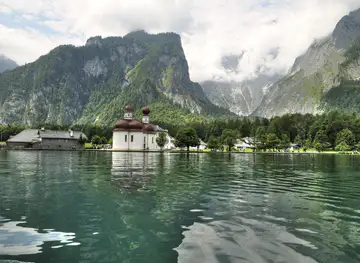
-

-

-

-

-


Swipe for more destinations
Best attractions in Altbayern
Altbayern offers an unusually broad range of attractions because its landscapes and historic territories vary so greatly. Munich combines royal collections, major art museums, science and technology displays, parks and neighbourhood culture, while the Danube towns of Regensburg, Kelheim and Passau provide urban history alongside river scenery. Historic centres, monasteries and pilgrimage churches are especially important in the countryside, with richly decorated Baroque and Rococo interiors in many parts of Upper and Lower Bavaria. The southern districts lead towards lakes, foothill trails and Alpine excursions, including the landscapes around the Chiemgau and the Bavarian Alps. The Upper Palatinate and Bavarian Forest bring wooded hills, reservoirs, granite formations and outdoor routes rather than dense urban sightseeing. Families can find museums, wildlife parks and recreational lakes, while walkers and cyclists have access to long-distance paths along the Danube, Isar and other rivers. Industrial and technical heritage appears in museums and former working landscapes, particularly around Munich, Ingolstadt and the Upper Palatinate. Because attractions are dispersed, the most rewarding itineraries usually combine one principal city with smaller towns, religious art and time outdoors.
-
Tourist attraction
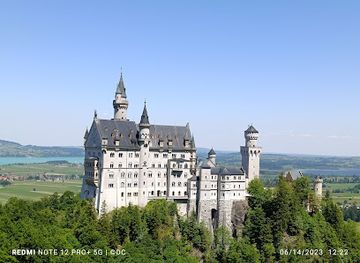
Neuschwanstein Castle
Experience the magic of Neuschwanstein Castle, King Ludwig II's fairytale masterpiece nestled in the stunning Bavarian Alps.
-
Tourist attraction
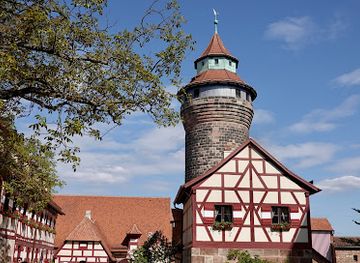
Imperial Castle of Nuremberg
Explore Nuremberg's Imperial Castle: a symbol of medieval power, Holy Roman Empire history, and architectural grandeur.
-
Tourist attraction
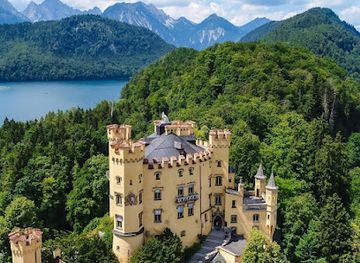
Hohenschwangau Castle
Explore Hohenschwangau Castle, the childhood home of King Ludwig II, and discover its rich history and stunning neo-Gothic architecture.
-
Tourist attraction
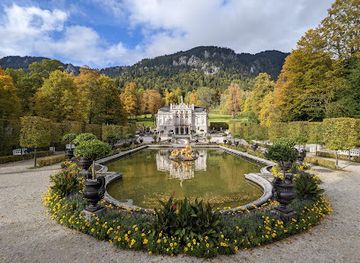
Linderhof Palace
Experience the opulence of King Ludwig II's Linderhof Palace, a hidden gem in the Bavarian Alps, inspired by Versailles.
Best landmarks in Altbayern
Munich's Frauenkirche, with its twin domes, remains the most recognisable urban symbol of Old Bavaria, while the Residenz and the formal streets around the former royal centre express the city's long role as a dynastic capital. Regensburg's well-preserved medieval centre and the twelfth-century Stone Bridge are among the region's most significant urban monuments, reflecting its position on the Danube and medieval trade routes. Landshut is distinguished by St Martin's Church, whose brick Gothic tower dominates the historic town, and Burghausen Castle extends along a high ridge above the Salzach valley. Passau's riverside profile is shaped by the cathedral and the meeting of the Danube, Inn and Ilz, while the Befreiungshalle above Kelheim is a monumental nineteenth-century memorial on the Danube gorge. In southern Upper Bavaria, the Watzmann and the Chiemgau Alps provide natural landmarks rather than built monuments, and the Walhalla near Donaustauf combines monumental architecture with a prominent hilltop setting. These places reveal the region's intertwined political, religious, riverine and Alpine identities.
-
Plaza
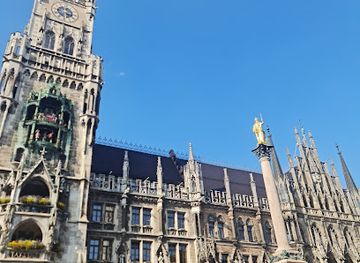
Marienplatz
Explore Marienplatz, Munich's historic plaza where culture, architecture, and Bavarian traditions come alive in the heart of the city.
-
Castle
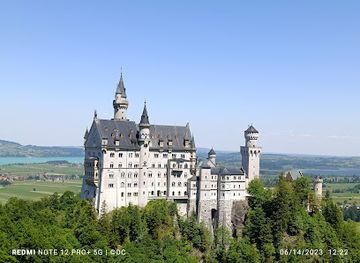
Neuschwanstein Castle
Explore the fairy-tale Neuschwanstein Castle, a stunning architectural gem in the Bavarian Alps, rich with history and breathtaking views.
-
Park
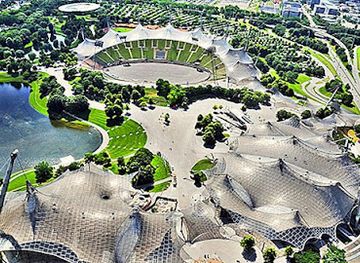
Olympiapark München
Explore Olympiapark München, a stunning blend of nature, culture, and history in the heart of Munich, perfect for outdoor enthusiasts and event-goers alike.
-
Park
English Garden
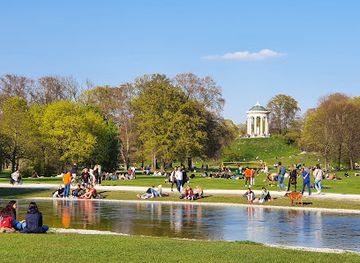
Explore the English Garden in Munich, a stunning urban park filled with lush greenery, cultural attractions, and vibrant beer gardens, perfect for relaxation and recreation.
Explore Altbayern on the map
Plan your trip on one map. See where the top cities, national parks and sights are, and book hotels and experiences in a few clicks.
Best hotels in Altbayern
Best restaurants in Altbayern
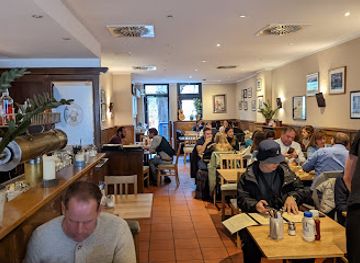
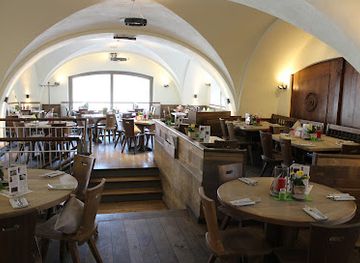
Altbayern's food culture is substantial, regional and closely connected with inns, bakeries, breweries, farms and seasonal markets. Munich and the larger towns offer everything from contemporary kitchens to traditional Wirtshäuser serving pretzels, sausages, roast pork, dumplings and veal specialities, but recipes and terminology vary between districts. Freshwater fish from the Danube, Isar, Inn and Bavarian lakes appears alongside game, locally produced meat, alpine cheeses and vegetables from the surrounding countryside. Typical regional flavours also include potato and flour dumplings, cabbage, soups, sweet pastries and cakes, while the Upper Palatinate has a particularly visible tradition of carp restaurants in suitable seasons. Beer remains important, with wheat beer and pale Bavarian styles common, but non-alcoholic drinks, apple juice and locally made mineral water are widely available. Beer gardens often combine outdoor dining with informal service, and many rural inns provide the clearest sense of local culinary habits. In cities, farmers' markets and specialist food shops offer access to cheeses, breads, honey and regional spirits without requiring a formal meal.
-
Bavarian restaurant
Ratskeller München
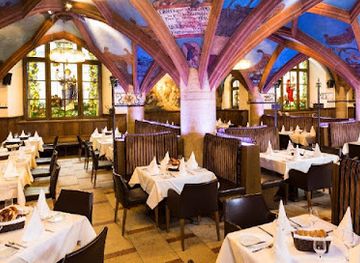
Discover authentic Bavarian cuisine at Ratskeller München, where tradition meets flavor in the heart of Munich.
-
German
Andy's Krablergarten
Experience authentic Bavarian flavors at Andy's Krablergarten in Munich - where tradition meets taste in every bite.
-
Bavarian restaurant
Der Pschorr
Experience authentic Bavarian cuisine at Der Pschorr in Munich’s vibrant Viktualienmarkt – a must-visit for every food lover.
-
German
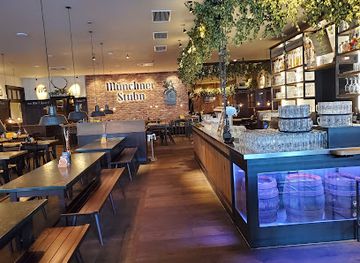
Münchner Stubn
Savor traditional Bavarian dishes at Münchner Stubn, where authentic flavors meet warm hospitality in the heart of Munich.
Best bars in Altbayern
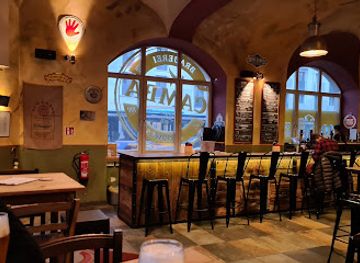
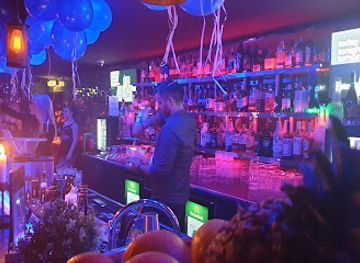
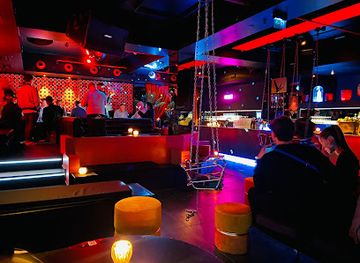
Evening life in Altbayern ranges from Munich's extensive urban scene to the traditional pubs, beer halls and inns of smaller towns. Munich has the broadest choice, including cocktail bars, live-music venues, theatre areas and clubs, with nightlife concentrated around central districts and neighbourhoods rather than throughout the whole metropolitan region. Regensburg has a substantial student and cultural population, while Passau, Landshut and other university or historic towns support smaller selections of pubs, bars and music venues. Outside these centres, evenings are more likely to revolve around a village inn, brewery taproom, seasonal festival or restaurant than a nightclub. Beer gardens and Keller-style outdoor venues are especially associated with warmer months, although local rules and opening arrangements vary. Visitors should check current listings for performances and venues, as commercial nightlife changes more quickly than the region's historic drinking traditions. Alcohol is common but not compulsory, and cafés, wine bars and alcohol-free options are increasingly easy to find in larger towns.
-
Irish pub
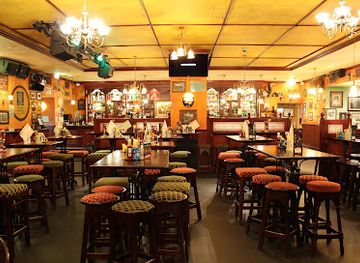
Kennedy's Bar and Restaurant
Discover the charm of Irish cuisine and hospitality at Kennedy's Bar and Restaurant in Munich, where every meal is a celebration.
-
Gastropub
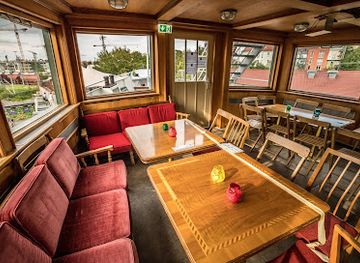
Alte Utting
Experience the unique charm of Alte Utting, Munich's floating gastropub offering delicious food, drinks, and live music in a vibrant atmosphere.
-
Bavarian restaurant
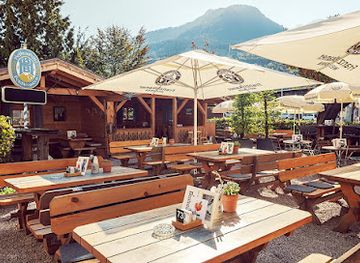
Gasthof Neuhaus
Discover authentic Bavarian flavors at Gasthof Neuhaus, where traditional cuisine meets stunning alpine beauty in Berchtesgaden.
-
Brewpub
Tap-House
Discover the ultimate brewpub experience at Tap-House in Munich, where craft beers and a lively atmosphere await every visitor.
Best nightclubs in Altbayern
Evening life in Altbayern ranges from Munich's extensive urban scene to the traditional pubs, beer halls and inns of smaller towns. Munich has the broadest choice, including cocktail bars, live-music venues, theatre areas and clubs, with nightlife concentrated around central districts and neighbourhoods rather than throughout the whole metropolitan region. Regensburg has a substantial student and cultural population, while Passau, Landshut and other university or historic towns support smaller selections of pubs, bars and music venues. Outside these centres, evenings are more likely to revolve around a village inn, brewery taproom, seasonal festival or restaurant than a nightclub. Beer gardens and Keller-style outdoor venues are especially associated with warmer months, although local rules and opening arrangements vary. Visitors should check current listings for performances and venues, as commercial nightlife changes more quickly than the region's historic drinking traditions. Alcohol is common but not compulsory, and cafés, wine bars and alcohol-free options are increasingly easy to find in larger towns.
-
Night club
Maxxim
Experience the vibrant nightlife at Maxxim, a premier night club in Berlin, where music and energy collide for an unforgettable evening.
-
Night club
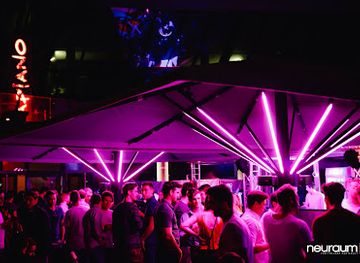
Neuraum
Experience the ultimate nightlife at Neuraum, Munich's dynamic club where dancing, dining, and socializing meet in a vibrant atmosphere.
-
Disco club
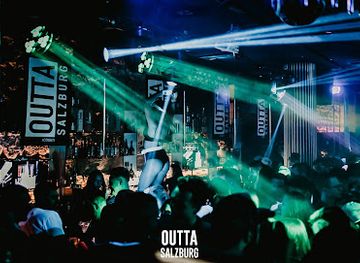
City Beats
Experience the vibrant nightlife of Salzburg at City Beats, where electrifying music meets an unforgettable atmosphere for party lovers.
-
Night club
P1 Club
Experience the vibrant nightlife of Munich at P1 Club, a luxurious destination for dance, drinks, and unforgettable memories.
Best shops in Altbayern
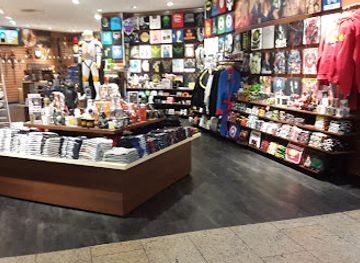
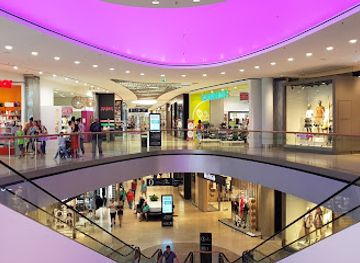
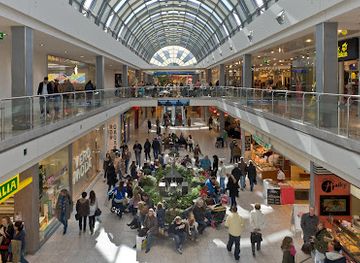
Shopping in Altbayern is led by Munich's department stores, independent boutiques, design shops, bookshops and food halls, but the region's smaller towns offer a more traditional pattern of market squares, bakeries, specialist food retailers and family-run businesses. Regensburg, Landshut, Passau, Rosenheim, Ingolstadt and Amberg each have historic-centre shopping areas with different mixes of national brands and independent shops. Weekly markets are useful for regional produce such as bread, cheese, honey, fruit, vegetables and charcuterie, while rural markets and seasonal fairs may offer crafts, household goods and local specialities. Suitable souvenirs include Bavarian food products, beer glasses, mustard, confectionery, wooden goods, ceramics and textiles, although quality and authenticity vary widely. Alpine districts have outdoor shops and craft retailers, whereas the Upper Palatinate is known more for practical town-centre shopping and local food traditions than luxury retail. Visitors should distinguish genuine regional produce from generic items sold under broad Bavarian branding, and remember that smaller shops may close earlier or observe Sunday and public-holiday restrictions.
-
Clothing store
pep Einkaufscenter Neuperlach
Explore pep Einkaufscenter Neuperlach for an unforgettable shopping and cultural experience in the heart of Munich.
-
Shopping mall
Pasing Arcaden
Discover Pasing Arcaden: Munich's premier shopping mall with an array of stores, dining options, and entertainment for an unforgettable experience.
-
Shopping mall
Olympia Shopping Center
Experience the vibrant atmosphere at Olympia Shopping Center in Munich, offering a diverse shopping and dining experience for every traveler.
-
Shopping mall
City-Galerie
Explore City-Galerie in Augsburg, a vibrant shopping mall offering diverse stores, dining options, and entertainment for an unforgettable experience.

Get your free copy of our complete guide to Altbayern, delivered straight to you.
Everything on this page, from attractions and restaurants to essentials and local phrases, in one PDF you can read offline, print or share.
Already have an account? Sign in
Your Altbayern guide is ready.
We'll send it to · Not you? Sign out

Getting your guide ready…
We are putting together a fresh copy of the Altbayern guide. This can take up to a minute.
This can take a few moments. If your browser asks, choose Allow so the download can start. You'll find the guide in your Downloads folder.
Nothing happened? Download it again
Sorry, the guide is taking longer than usual. Please try again in a minute, or get it by email instead.
Altbayern essentials
Currency and Payment
Safety
Emergency Situations
Do's and Don'ts
Local Tips
From Eve
Local phrases worth knowing
You don't need to get them perfect. A few words go a long way, and locals appreciate the effort.
Basics
| English | Local | Say it |
|---|---|---|
| Hello | Grüß Gott | [Grewss Got] |
| Goodbye | Pfiad di | [Fyahd dee] |
| Yes | Ja | [Yah] |
| No | Nein | [Nine] |
| Please/You're welcome | Bitte | [Bittuh] |
| Thank you | Danke | [Dahnkeh] |
| Excuse me/Sorry | Entschuldigung | [Entshooldihgoong] |
| How are you? | Wie geht's? | [Vee gates?] |
| Fine. And you? | Gut. Und dir? | [Goot. Oond deer?] |
| Do you speak English? | Sprechen Sie Englisch? | [Shprekh-en Zee English?] |
| I don't understand | Ich verstehe nicht | [Ish fer-shtay-eh nicht] |
Eating & Drinking
| English | Local | Say it |
|---|---|---|
| I'd like to see the menu, please | Ich hätte gerne die Speisekarte, bitte | [Ish hett-eh gair-nuh dee Shpieze-kart-eh, bitt-eh] |
| I don't eat meat | Ich esse kein Fleisch | [Ish ess-eh kyan Fly-sh] |
| Cheers! | Prost! | [Prohst!] |
| I would like to pay, please | Ich möchte bezahlen, bitte | [Ish merkh-tuh beh-tsahl-en, bitt-eh] |
Emergencies
| English | Local | Say it |
|---|---|---|
| Help! | Hilfe! | [Hil-fuh!] |
| Go away! | Geh weg! | [Gay vek!] |
| Call the Police! | Rufen Sie die Polizei! | [Roo-fen Zee dee Polite-sigh!] |
| Call a doctor! | Rufen Sie einen Arzt! | [Roo-fen Zee eye-nen Arts!] |
| I'm lost | Ich habe mich verlaufen | [Ish hah-bee mikh fer-lah-fen] |
| I'm ill | Ich bin krank | [Ish bin krank] |
Shopping
| English | Local | Say it |
|---|---|---|
| I'd like to buy... | Ich möchte ... kaufen | [Ish merkh-tuh ... kauf-en] |
| I'm just looking | Ich schaue nur | [Ish shou-eh noor] |
| How much is it? | Wie viel kostet es? | [Vee feel kost-et es?] |
| That's too expensive | Das ist zu teuer | [Dahs ist tsu toy-er] |
| Can you lower the price? | Können Sie den Preis senken? | [Kurn-en Zee den Price senk-en?] |
Time & Numbers
| English | Local | Say it |
|---|---|---|
| What time is it? | Wie spät ist es? | [Vee shpayt ist es?] |
| It's one o'clock | Es ist ein Uhr | [Es ist ine Oor] |
| Half past (10) | Halb (10) | [Halb (10)] |
| Morning | Morgen | [Mor-gen] |
| Afternoon | Nachmittag | [Nahch-mit-tag] |
| Evening | Abend | [Ah-bent] |
| Yesterday | Gestern | [Geh-stern] |
| Today | Heute | [Hoy-tuh] |
| Tomorrow | Morgen | [Mor-gen] |
| 1 | Eins | [Eyns] |
| 2 | Zwei | [Tsvi] |
| 3 | Drei | [Dry] |
| 4 | Vier | [Feer] |
| 5 | Fünf | [Fuenf] |
| 6 | Sechs | [Zex] |
| 7 | Sieben | [Zee-ben] |
| 8 | Acht | [Acht] |
| 9 | Neun | [Noyn] |
| 10 | Zehn | [Tsayn] |
Transport & Directions
| English | Local | Say it |
|---|---|---|
| Where's a/the...? | Wo ist ein/das ...? | [Vo ist ine/dahs ...?] |
| What's the address? | Wie ist die Adresse? | [Vee ist dee Ah-dress-uh?] |
| Can you show me (on the map)? | Können Sie mir (auf der Karte) zeigen? | [Kurn-en Zee meer (owf dare Kahr-tuh) tsigh-gen?] |
| When's the next (bus)? | Wann kommt der nächste (Bus)? | [Vahn komt dare nex-teh (Boos)?] |
| A ticket (to ....) | Ein Ticket (nach ....) | [Ine Ticket (nahkh ....)] |
History of Altbayern
Early Celtic and Roman Frontiers
Before the formation of Bavaria, the region was inhabited by Celtic communities and later incorporated into the Roman world in stages. Roman military and trading routes followed the Danube and connected settlements such as Regensburg, known in antiquity as Castra Regina, with the wider imperial network. The Danube formed an important frontier, while roads, farms and market settlements extended southwards. Archaeological remains, museum collections and the continuing importance of river corridors preserve evidence of this period, although the political and cultural landscape changed substantially after Roman authority withdrew from the northern Alpine frontier.
The Duchy of Bavaria and Early Medieval Consolidation
The Bavarian duchy emerged during the early medieval period, with the Agilolfing dynasty traditionally associated with the consolidation of Bavarian power. Christian institutions expanded alongside ducal authority, and monasteries became centres of worship, learning, manuscript production and land management. Regensburg developed as a major political and ecclesiastical centre, while settlements along the Danube, Isar and Inn grew in importance. The name Bavaria reflects a long process of interaction between local populations, Frankish rulers, church institutions and neighbouring territories rather than the creation of a fully unified state at a single moment.
The Wittelsbachs and the Making of Old Bavaria
The Wittelsbach dynasty gained the Bavarian duchy in the twelfth century and shaped the region's political history for more than seven centuries. Their territories expanded and contracted through inheritance, partition and marriage, while Munich increasingly developed as a dynastic residence. Castles, churches and urban rebuilding expressed the authority of the dukes, and towns along the Danube and major trade routes benefited from administration and commerce. The division of Bavaria into branches helped produce the distinct histories of Upper and Lower Bavaria, even as the dynasty maintained a durable sense of Bavarian statehood.
The Thirty Years' War and Baroque Reconstruction
The Thirty Years' War brought military occupation, requisitioning, disease and economic disruption to much of Bavaria, although the effects varied between districts. Bavaria's rulers remained closely aligned with the Catholic cause, and the post-war period saw extensive religious rebuilding. Monasteries, pilgrimage churches and parish interiors were renewed in Baroque and later Rococo styles, often with elaborate stucco, frescoes and altarpieces. This transformation remains one of Altbayern's clearest visual signatures, especially in Upper Bavaria and Lower Bavaria, where rural churches can contain ambitious works by leading artists of the period.
Secularisation and the End of the Old Order
At the beginning of the nineteenth century, the Napoleonic era transformed Bavaria's political map. Secularisation dissolved many monasteries and transferred their lands and buildings to the state or private owners, while mediatization brought smaller ecclesiastical and aristocratic territories under Bavarian control. Bavaria became a kingdom in 1806 and acquired extensive new territories, including Franconian and Swabian lands. These changes created the modern Bavarian state but also sharpened the distinction between Altbayern and the regions incorporated into Bavaria during this period.
Industrialisation, Railways and Urban Growth
Railways and industrialisation altered Altbayern during the nineteenth and early twentieth centuries. Munich expanded as a capital, manufacturing centre and cultural city; Regensburg, Ingolstadt, Landshut, Passau and other towns became connected to wider markets. Engineering, metalworking, brewing, textiles, salt and other industries developed in different localities, while improved transport encouraged tourism to the Alps and lakes. Rural society remained important, but migration to towns and the growth of administrative and commercial employment gradually changed the balance between village, market town and city.
Twentieth-Century Bavaria and Contemporary Identity
The twentieth century brought dictatorship, war, destruction and reconstruction, followed by rapid economic growth in the Federal Republic. Munich became an international centre for business, technology, media and culture, while many smaller towns retained their historic cores and agricultural surroundings. The modern Free State of Bavaria includes Altbayern as well as Franconia and Bavarian Swabia, so contemporary Bavarian identity contains several regional traditions. Old Bavaria remains especially visible through its dialects, Catholic heritage, festivals, foodways, sporting culture and continuing relationship with the Alpine and Danube landscapes.
Altbayern in Photos
Browse through our photo collection highlighting the charm and character of the destination.
Neighbouring regions of Altbayern
The closest regions to Altbayern, if you have time for more than one.
-

-

-

-

-


Swipe for more regions
Explore more

Explore more of Germany
Experience Germany: where history meets innovation, and urban energy blends with natural beauty. Discover diverse cultures, delicious cuisine, and stunning landscapes.
Explore Germany