

Bavarian Forest National Park Travel Guide - Free Web & App
Your ultimate guide to Bavarian Forest National Park. Discover top landmarks, proposed trips, and local tips. Free on the web or via the Evendo companion app.


Discover the beauty of Bavarian Forest National Park, where lush forests, diverse wildlife, and serene landscapes create a perfect escape in southeastern Germany.
Read more about Bavarian Forest National Park
When is the best time to visit Bavarian Forest National Park?
Best: June–August · 21–23°C| Month | High (°C) | Rainfall (mm) |
|---|---|---|
| January | 1 | 50 |
| February | 3 | 40 |
| March | 8 | 45 |
| April | 13 | 55 |
| May | 18 | 60 |
| June (best) | 21 | 70 |
| July (best) | 23 | 80 |
| August (best) | 23 | 80 |
| September | 19 | 70 |
| October | 14 | 65 |
| November | 8 | 55 |
| December | 3 | 50 |
Getting to and around Bavarian Forest National Park
How to get there
Transportation
Best attractions in Bavarian Forest National Park
Bavarian Forest National Park offers visitors a unique opportunity to immerse themselves in a pristine natural environment teeming with diverse wildlife and lush forests. From hiking trails that lead to breathtaking viewpoints to tranquil lakes perfect for a peaceful paddle, the park provides endless opportunities for outdoor adventures. Visitors can also explore charming villages, learn about the region's rich cultural heritage, and sample delicious local cuisine. Whether seeking relaxation or excitement, Bavarian Forest National Park has something for every type of traveler.
-
Tourist attraction
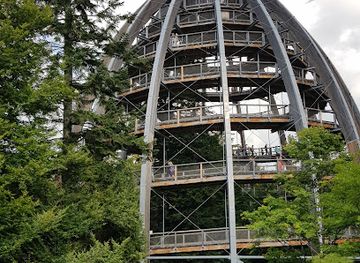
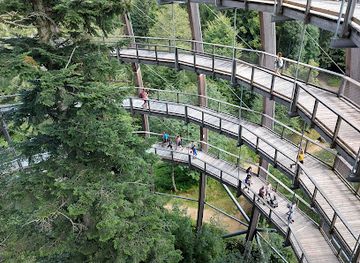
Baumwipfelpfad Bavarian Forest
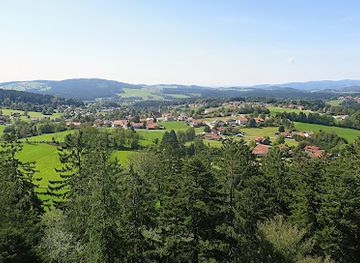
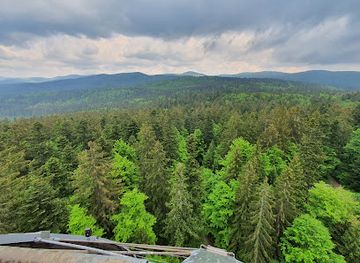
Discover nature from a unique vantage point on this accessible treetop walk with panoramic views in the heart of the Bavarian Forest National Park.
-
National park
Tier-Freigelände im Nationalparkzentrum Lusen
Observe native wildlife in natural habitats at Tier-Freigelände, Bavarian Forest National Park. Accessible trails for all nature lovers.
-
Tourist attraction
Lower Bavarian Open-Air Museums
Discover traditional Bavarian rural life at the Lower Bavarian Open-Air Museums, featuring historic buildings, craft demonstrations, and cultural events.
-
Tourist attraction
Frauenau Glass Museum
Explore four millennia of glass artistry at the Frauenau Glass Museum, a beacon of Bavarian glassmaking tradition and innovation.
Best landmarks in Bavarian Forest National Park
Bavarian Forest National Park offers visitors a breathtaking blend of natural beauty and cultural heritage. From the towering mountains and dense forests to the charming villages and historic castles, there is something for everyone to enjoy. Hike through the lush greenery, spot rare wildlife, and immerse yourself in the rich history of the region. Don't miss the iconic Rachel Chapel, the majestic Lusen Mountain, or the fascinating Glass Museum in Frauenau. Whether you're a nature lover, history buff, or simply looking for a peaceful retreat, Bavarian Forest National Park has it all.
-
Tourist attraction
Baumwipfelpfad Bavarian Forest
Experience the Bavarian Forest National Park from a breathtaking perspective on the Baumwipfelpfad, a unique treetop walkway offering panoramic views and insights into the forest ecosystem.
-
National park
Nationalpark Bayerischer Wald
Discover Germany's first national park: a vast, untamed wilderness where nature thrives, offering hiking, wildlife encounters, and panoramic views from the iconic Baumwipfelpfad.
-
Tourist information center
Neuschönau Bavarian Forest
Discover the Bavarian Forest National Park from Neuschönau: Hike through ancient woodlands, experience the Treetop Walk, and encounter diverse wildlife in Germany's first national park.
-
National reserve
Bayerischer Wald e.V. Nature Park
Discover the untamed beauty of Bavaria's ancient forests, where hiking trails wind through pristine landscapes and wildlife roams free, offering an unforgettable nature escape.



Explore Bavarian Forest National Park on the map
Plan your trip on one map. See where the top attractions, landmarks, restaurants and hotels are, and book hotels and experiences in a few clicks.
Best hotels in Bavarian Forest National Park
Best restaurants in Bavarian Forest National Park
The dining scene in Bavarian Forest National Park offers a delightful mix of traditional Bavarian cuisine and modern culinary experiences. Visitors can enjoy hearty meals like schnitzel and sausages in cozy, rustic taverns, or opt for fine dining options with gourmet dishes prepared using locally sourced ingredients. The charming atmosphere of mountain chalets and forest cafes adds to the overall dining experience, making it a memorable part of any visit to the park.
-
Tourist attraction
Baumwipfelpfad Bavarian Forest
Experience breathtaking views and serene walks among the treetops at Baumwipfelpfad Bavarian Forest – a natural paradise for all adventurers.
-
National park
Nationalpark Bayerischer Wald
Discover stunning landscapes and diverse wildlife at Nationalpark Bayerischer Wald – Bavaria's first national park awaits your adventure.
-
Hotel
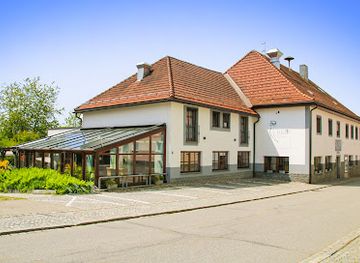
Landgasthof Euler
Discover comfort and nature at Landgasthof Euler in Neuschönau - your gateway to Bavarian adventures.
-
Mountain cabin
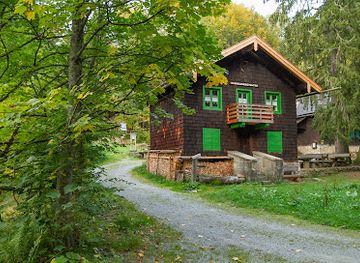
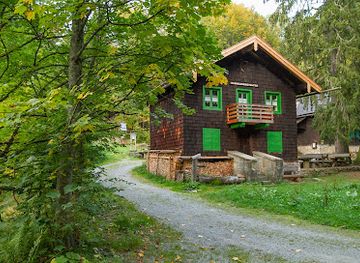
Racheldiensthütte
Experience Bavarian hospitality at Racheldiensthütte, where nature meets comfort in the heart of the Bavarian Forest.
Best bars in Bavarian Forest National Park
The nightlife scene of Bavarian Forest National Park offers a unique experience for visitors, with cozy traditional beer gardens and rustic mountain huts serving up local brews and hearty Bavarian dishes. Visitors can enjoy live music performances featuring traditional folk music and dancing, as well as modern DJ sets in trendy bars. The warm and welcoming atmosphere of the nightlife scene provides the perfect opportunity to mingle with locals and fellow travelers, creating unforgettable memories in the heart of the Bavarian Forest.
-
Restaurant
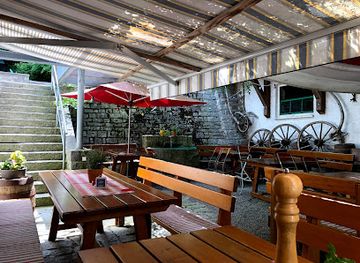
Schmugglerhof
Discover Schmugglerhof, a Bavarian restaurant in Grafenau, serving authentic cuisine in a cozy atmosphere with a beautiful beer garden.
-
Mountain cabin
Racheldiensthütte
Discover the charm of Racheldiensthütte, a mountain cabin offering traditional Bavarian cuisine and stunning views in the heart of the Bavarian Forest.
-
Cocktail bar
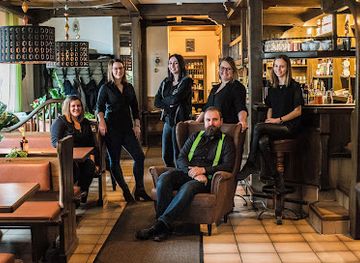
Ädäm's
Explore the exquisite cocktail offerings and cozy ambiance of Ädäm's Cocktail Bar in Frauenau, perfect for a relaxing evening out.
-
Bar
Lois Pub
Experience the vibrant atmosphere of Lois Pub in Grafenau, where local flavors meet a cozy ambiance for an unforgettable night out.
Best shops in Bavarian Forest National Park
The shopping scene in Bavarian Forest National Park offers a unique blend of traditional Bavarian crafts and modern souvenirs. Visitors can explore charming boutique shops selling handcrafted wood carvings, intricate glassware, and colorful ceramics, all made by local artisans. For those looking for a taste of Bavarian cuisine, there are also specialty food stores offering delicious regional treats like homemade jams, cheeses, and schnapps. Additionally, outdoor enthusiasts will find a variety of outdoor gear shops offering everything from hiking equipment to traditional Bavarian clothing, perfect for exploring the stunning landscapes of the national park.
-
National park
Nationalpark Bayerischer Wald
Explore the breathtaking landscapes and rich biodiversity of Nationalpark Bayerischer Wald, a haven for outdoor enthusiasts and nature lovers.
-
Liquor store
Bayerwald Bärwurzerei Zwiesel Heinrich Hieke GmbH
Discover the essence of Bavarian culture at Bayerwald Bärwurzerei in Zwiesel, specializing in traditional spirits and unique local flavors.
-
Glassware store
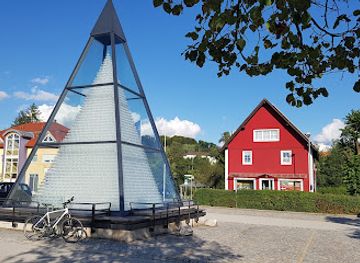
Glaspyramide
Discover the exquisite craftsmanship and stunning artistry at the Glaspyramide, Zwiesel's premier glassware store, a must-visit for art lovers.
-
Glass shop
Zwiesel Glas Werksverkauf
Explore exquisite craftsmanship at Zwiesel Glas Werksverkauf, the premier destination for glassware in Bavaria, where art meets tradition.

Get your free copy of our complete guide to Bavarian Forest National Park, delivered straight to you.
Everything on this page, from attractions and restaurants to essentials and local phrases, in one PDF you can read offline, print or share.
Already have an account? Sign in
Your Bavarian Forest National Park guide is ready.
We'll send it to · Not you? Sign out

Getting your guide ready…
We are putting together a fresh copy of the Bavarian Forest National Park guide. This can take up to a minute.
This can take a few moments. If your browser asks, choose Allow so the download can start. You'll find the guide in your Downloads folder.
Nothing happened? Download it again
Sorry, the guide is taking longer than usual. Please try again in a minute, or get it by email instead.
Bavarian Forest National Park essentials
Currency and Payment
Safety
Emergency Situations
Do's and Don'ts
Local Tips
From Eve
Local phrases worth knowing
You don't need to get them perfect. A few words go a long way, and locals appreciate the effort.
Basics
| English | Local | Say it |
|---|---|---|
| Hello | Servus | [Zer-voos] |
| Goodbye | Pfiat di | [Fiat dee] |
| Yes | Ja | [Ya] |
| No | Ned | [Ned] |
| Please/You're welcome | Bitte | [Bit-teh] |
| Thank you | Danke | [Dank-eh] |
| Excuse me/Sorry | Entschuldigung | [Ent-shool-di-goong] |
| How are you? | Wie geht's? | [Vee gets] |
| Fine. And you? | Gut. Und dir? | [Goot. Oond deer] |
| Do you speak English? | Sprechen Sie Englisch? | [Shpre-khen zee Eng-leesh] |
| I don't understand | I versteh's ned | [Ee fer-shtays ned] |
Eating & Drinking
| English | Local | Say it |
|---|---|---|
| I'd like to see the menu, please | I hätt gern die Speisekarte, bitte | [Ee hat gern dee Shpay-ze-kart-eh, bit-teh] |
| I don't eat meat | I ess koan Fleisch | [Ee ess kohn Fly-sh] |
| Cheers! | Prost! | [Prohst] |
| I would like to pay, please | I möcht bitte zahlen | [Ee merkht bit-teh tsah-len] |
Emergencies
| English | Local | Say it |
|---|---|---|
| Help! | Hilfe! | [Heel-feh] |
| Go away! | Geh weg! | [Gay veg] |
| Call the Police! | Rufen Sie die Polizei! | [Roo-fen zee dee Po-lee-tsai] |
| Call a doctor! | Rufen Sie einen Arzt! | [Roo-fen zee i-nen ar-tst] |
| I'm lost | I bin verloren | [Ee been fer-loh-ren] |
| I'm ill | Mir ist schlecht | [Meer ist shlekht] |
Shopping
| English | Local | Say it |
|---|---|---|
| I'd like to buy... | I möcht... kaufen | [Ee merkht... kow-fen] |
| I'm just looking | I schau nur | [Ee show noor] |
| How much is it? | Was kostet des? | [Vass koh-stet dess] |
| That's too expensive | Des is z' teier | [Dess is tseh teer] |
| Can you lower the price? | Könnten Sie den Preis senken? | [Kern-ten zee den prees zsenk-en] |
Time & Numbers
| English | Local | Say it |
|---|---|---|
| What time is it? | Wie spät ist es? | [Vee shpayt ist ess] |
| It's one o'clock | Es ist ein Uhr | [Ess ist iyn oor] |
| Half past (10) | Halb elf | [Half elf] |
| Morning | Morgn | [Morgn] |
| Afternoon | Namittag | [Na-meet-tahg] |
| Evening | Omd | [Omd] |
| Yesterday | Gestern | [Ges-tern] |
| Today | Heid | [Haid] |
| Tomorrow | Morgn | [Morgn] |
| 1 | Oans | [Oans] |
| 2 | Zwoa | [Zwoa] |
| 3 | Drei | [Dry] |
| 4 | Vier | [Feer] |
| 5 | Fünf | [Foonf] |
| 6 | Sechs | [Zeks] |
| 7 | Siebn | [Zee-bn] |
| 8 | Acht | [Akht] |
| 9 | Neun | [Noyn] |
| 10 | Zehn | [Tsen] |
Transport & Directions
| English | Local | Say it |
|---|---|---|
| Where's a/the...? | Wo is a/der...? | [Vo is a/der] |
| What's the address? | Was is die Adresse? | [Vass is dee Ah-dress-eh] |
| Can you show me (on the map)? | Kannst du mir des zeigen (auf der Karte)? | [Kanst do meer dess tsigh-en (ouf der kart-eh)] |
| When's the next (bus)? | Wann kimmt der nächste (Bus)? | [Vann kihmmt der nekh-steh (Boos)] |
| A ticket (to ....) | A Fahrkarte (nach ....) | [Ah Fahr-kart-eh (nahkh ....)] |
History of Bavarian Forest National Park
The Origin of Bavarian Forest National Park
Bavarian Forest National Park, established on October 7, 1970, is Germany's first national park. It covers an area of over 240 square kilometers, situated in the southeastern part of Bavaria. The park was created to preserve the natural landscapes and biodiversity of the region, promoting the idea of 'letting nature be nature.'
The Ancient Bohemian Forest
The Bavarian Forest, part of the larger Bohemian Forest, has a rich history dating back to ancient times. The forest served as a natural border and has been inhabited by various tribes and civilizations over the centuries, including the Celts and later the Romans. The dense woods provided resources and shelter, influencing the cultural and economic development of the region.
Medieval Trade Routes
During the medieval period, the Bavarian Forest was traversed by important trade routes, such as the Goldener Steig (Golden Path). This route facilitated the transport of salt, often referred to as 'white gold,' from the salt mines in Salzburg to Bohemia. The trade routes contributed to the prosperity and growth of the settlements in and around the forest.
The Glassmaking Tradition
From the 14th century onwards, the Bavarian Forest became known for its glassmaking industry. The abundant woodlands provided the necessary fuel for glass furnaces, and the region's craftsmen became renowned for their skill. This tradition continues to influence the local culture, and visitors can explore various glassworks and museums dedicated to this craft.
World War II and Post-War Era
During World War II, the Bavarian Forest was a site of strategic importance and saw the construction of various military installations. After the war, the region faced challenges of reconstruction and land management. The establishment of the national park in 1970 marked a significant shift towards conservation and sustainable tourism, preserving the forest's natural beauty and historical significance.
Modern Conservation Efforts
In recent decades, Bavarian Forest National Park has become a model for wilderness restoration and biodiversity conservation. The park's management practices emphasize minimal human intervention, allowing natural processes to shape the landscape. This approach has led to the resurgence of native species and the revitalization of ecosystems, making the park a key area for scientific research and environmental education.
Bavarian Forest National Park in Photos
Browse through our photo collection highlighting the charm and character of the destination.
Neighbouring destination travel guides
The closest destinations to Bavarian Forest National Park, if you have time for more than one.
-
 Šumava National Park
Discover the untouched beauty and diverse wildlife of Šumava National Park, Czechia's premier destination for outdoor adventure and serene landscapes.
Šumava National Park
Discover the untouched beauty and diverse wildlife of Šumava National Park, Czechia's premier destination for outdoor adventure and serene landscapes.
-
 Lipno Dam
Explore the serene waters and lush landscapes of Lipno Dam in Czechia, perfect for outdoor adventures, family fun, and nature lovers.
Lipno Dam
Explore the serene waters and lush landscapes of Lipno Dam in Czechia, perfect for outdoor adventures, family fun, and nature lovers.
-
 Oberpfälzer Wald
Explore Oberpfälzer Wald in Germany: A serene escape filled with lush forests, charming villages, historical sites, and outdoor adventures for nature and culture enthusiasts.
Oberpfälzer Wald
Explore Oberpfälzer Wald in Germany: A serene escape filled with lush forests, charming villages, historical sites, and outdoor adventures for nature and culture enthusiasts.
-
 Fuschlsee
Discover the serene beauty of Fuschlsee in Austria, a perfect escape for nature lovers with its crystal-clear waters, lush forests, and charming alpine village.
Fuschlsee
Discover the serene beauty of Fuschlsee in Austria, a perfect escape for nature lovers with its crystal-clear waters, lush forests, and charming alpine village.
-
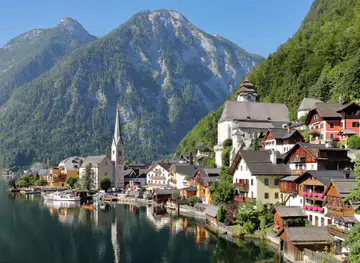 Salzkammergut Lakes
Discover the enchanting Salzkammergut Lakes in Austria, where pristine waters, stunning mountains, and charming villages create an unforgettable travel experience.
Salzkammergut Lakes
Discover the enchanting Salzkammergut Lakes in Austria, where pristine waters, stunning mountains, and charming villages create an unforgettable travel experience.
Swipe for more destinations
Explore more
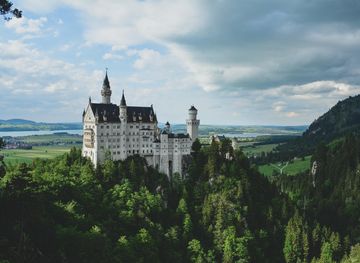
Explore more of Altbayern
Discover the essence of Bavaria in Altbayern: a region rich in tradition, history, and natural beauty, perfect for exploring vibrant cities and serene countryside.
Explore Altbayern
Explore more of Germany
Experience Germany: where history meets innovation, and urban energy blends with natural beauty. Discover diverse cultures, delicious cuisine, and stunning landscapes.
Explore Germany