

Kerameikos Archaeological Site, Athens Travel Guide
Free Guide: Discover Kerameikos, Athens's ancient cemetery and potters' quarter, a journey through the city's history and burial traditions.


A brief summary of Kerameikos Archaeological Site
Discover Kerameikos, Athens's ancient cemetery and potters' quarter, a journey through the city's history and burial traditions.
Explore Kerameikos, the ancient cemetery and potters' quarter of Athens, dating back to the Bronze Age. Wander through the remains of tombs, monuments, and the city's ancient walls, and visit the museum to see original sculptures and artifacts.
Opening hours
- Every day8 am–8 pm
Opening hours as listed on the venue’s Google Business Profile. Hours can change for services and special events, so check with the venue before you go.
- Address
- Ermou 148, Athina 105 53
- Phone
- Website
Getting there
Walking
Public Transport
Taxi/Ride-Share
Discover more about Kerameikos Archaeological Site
Overview
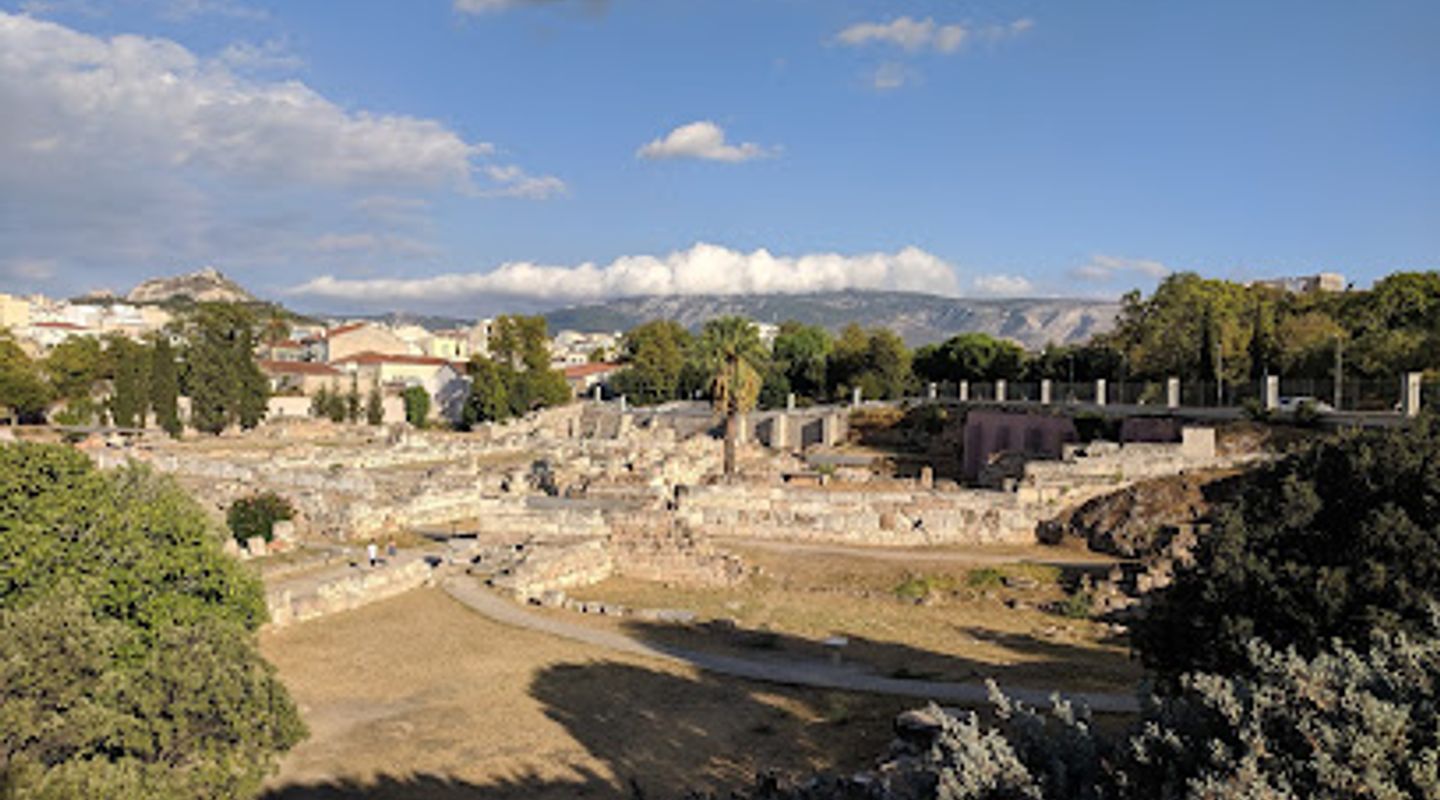
Kerameikos, located on the northwest edge of the ancient city of Athens, offers a fascinating glimpse into the lives and deaths of its ancient citizens. The site, named after Keramos, the mythical son of Dionysus and Ariadne and hero of potters, was the main production center for the famous Attic vases. Potters were drawn to the area due to the clay deposits from the Eridanos River.Over time, the area transitioned into the most important cemetery of ancient Athens, with burials taking place continuously from the 9th century BC until Roman times. The construction of the Themistoclean Wall in 478 BC divided the area into Inner and Outer Kerameikos. The inner part was used for urban development, while the outer part remained a cemetery.Today, visitors can explore the serene archaeological site, wandering among the remains of tombs and funerary monuments. Plaster replicas mark the locations of original burial monuments, many of which are now housed in the Kerameikos Museum. The museum displays a chronological collection of statues, urns, and other artifacts unearthed from the cemetery. Key features include the ancient city walls, the Sacred Gate, and the Dipylon gate, which was the main entrance to the city.Excavations at Kerameikos began in 1870 and continue to this day, revealing more about the lives of ancient Athenians. The site provides a peaceful escape from the bustling city, offering a unique perspective on ancient Athenian history and culture.
Evendo Review Centre
 Google
Guest reviews
Explore Kerameikos Archaeological Site on the map
A handpicked selection of must-see spots near Kerameikos Archaeological Site, mapped for you.
Get your free copy of our complete guide to Kerameikos Archaeological Site, delivered straight to you.
Everything on this page, from opening hours and how to get there to Eve’s tips and the best time to go, in one PDF you can read offline, print or share.
Already have an account? Sign in
Your Kerameikos Archaeological Site guide is ready.
We'll send it to · Not you? Sign out

Getting your guide ready…
We are putting together a fresh copy of the Kerameikos Archaeological Site guide. This can take up to a minute.
This can take a few moments. If your browser asks, choose Allow so the download can start. You'll find the guide in your Downloads folder.
Nothing happened? Download it again
Sorry, the guide is taking longer than usual. Please try again in a minute, or get it by email instead.
Unlock the best of Kerameikos Archaeological Site
Skip-the-line tickets, guided tours with entry, and walking tours of the area, booked in a few clicks.


Other nearby places you may find interesting
The closest places of the same kind, if this one is not quite what you had in mind.
-
-
-
-
-


Swipe for more places
More to explore near Kerameikos Archaeological Site
-
 Best experiences near Kerameikos Archaeological Site
-
 Best hotels near Kerameikos Archaeological Site
-
 Best landmarks near Kerameikos Archaeological Site
-
 Best attractions near Kerameikos Archaeological Site
-
 Best shops near Kerameikos Archaeological Site
-
 Best restaurants near Kerameikos Archaeological Site
-
 Best bars near Kerameikos Archaeological Site


Do you manage this location?
Take control to get all the benefits, like improved information, better appearance, and stronger visibility across AI-powered discovery.
Explore more

Explore more of Athens
Discover Athens: A journey through time in the cradle of Western civilization, where ancient wonders and modern vibrancy create an unforgettable experience.
Explore Athens
Explore more of Greece
Discover Greece: A land where ancient history meets modern vibrancy, offering stunning islands, crystal-clear seas, and unforgettable cultural experiences.
Explore Greece
