National Garden Roman Ruins: Echoes of Ancient Rome in Athens' Green Heart
Discover ancient Roman remnants nestled within Athens' National Garden, a serene escape offering a unique blend of history and nature.
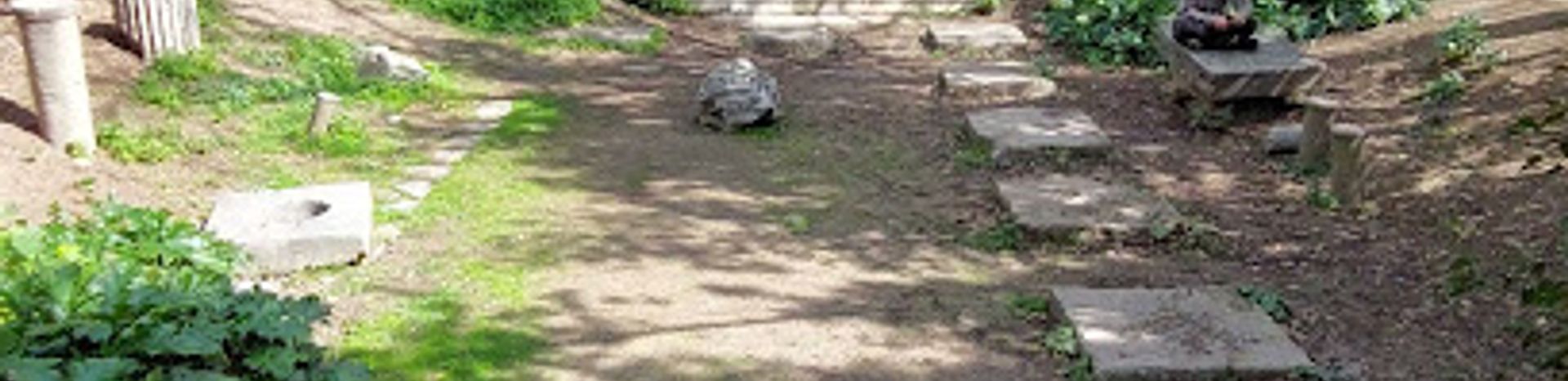
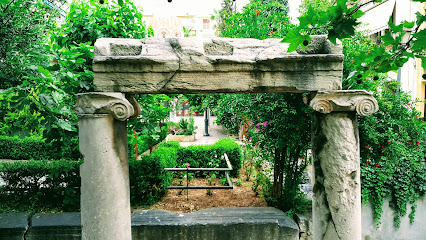
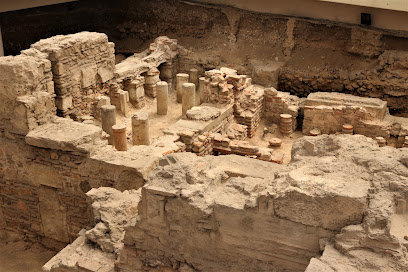
Nestled within the verdant expanse of Athens' National Garden, the Roman Ruins offer a glimpse into the city's Roman past. These remnants, scattered amidst lush greenery, provide a tranquil yet intriguing historical experience, showcasing the layers of history interwoven within modern Athens.
A brief summary to National Garden Roman Ruins
- Leof. Vasilisis Amalias, Κηφισιά, GR
Local tips
- Wear comfortable shoes, as you'll be walking on uneven paths and exploring the garden.
- Bring water and snacks, especially if you plan to spend a few hours exploring the garden.
- Visit early in the morning or late in the afternoon to avoid the midday heat and crowds.
- Combine your visit with a trip to the nearby Zappeion Hall or the Panathenaic Stadium.

Getting There
-
Public Transport
The easiest way to reach the National Garden and the Roman Ruins is via the Athens Metro. Take Line 2 or Line 3 to Syntagma station. Upon exiting the station at Syntagma Square, walk towards the Hellenic Parliament building. The main entrance to the National Garden is located next to the Parliament. From there, follow the signs or ask for directions to the Roman Ruins within the garden. A single metro ticket costs €1.20.
-
Walking
If you are already in central Athens, such as in the Plaka district or near the Acropolis, walking to the National Garden is a pleasant option. From the Acropolis, walk north towards Syntagma Square. The walk is approximately 1.7 km and takes about 20 minutes. Once you reach Syntagma Square, the National Garden is located next to the Hellenic Parliament building. Enter the garden and follow the paths to the Roman Ruins.
-
Taxi
Taxis are readily available throughout Athens. Ask your taxi driver to take you to the National Garden (Ethnikos Kipos) next to the Parliament building on Syntagma Square. A short taxi ride from areas like Plaka or Monastiraki will typically cost between €4 and €6. Note that traffic can be heavy in central Athens, especially during peak hours.
Discover more about National Garden Roman Ruins
Iconic landmarks you can’t miss

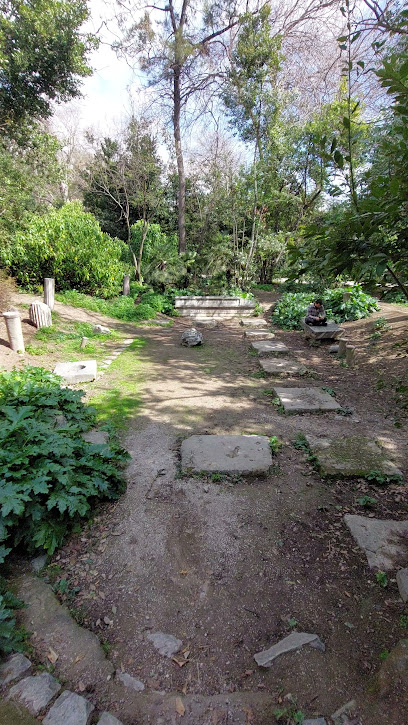
National Garden Roman Ruins
0.0 km
Discover ancient Roman remnants nestled within Athens' National Garden, a serene escape offering a unique blend of history and nature.
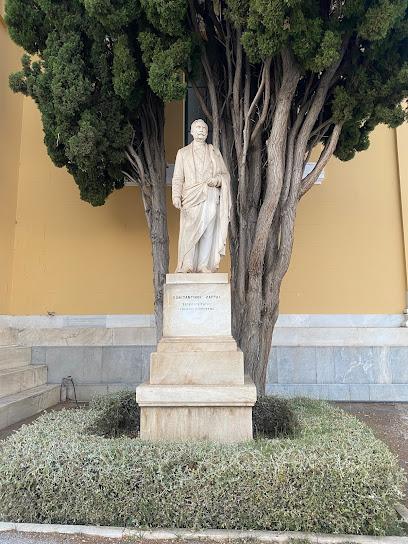
Konstantinos Zappas Statue
0.2 km
A marble tribute to Konstantinos Zappas, a Greek benefactor who helped revive the Olympic Games, located near the historic Zappeion Hall in Athens.
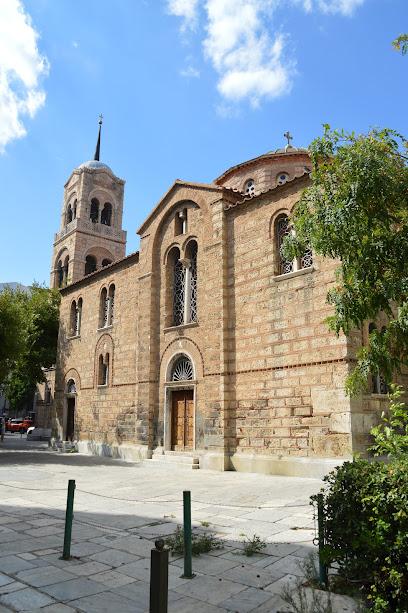
Holy Church of the Holy Trinity - Soteira Lykodemos (11th c.)
0.3 km
Discover the serene beauty and rich history of this 11th-century Byzantine church, a peaceful sanctuary in the heart of Athens.
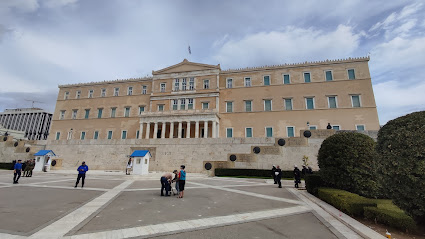
Mnimio Agnostou Stratioti
0.3 km
A solemn war memorial in Athens' Syntagma Square, guarded by the Evzones, honoring Greece's fallen soldiers.
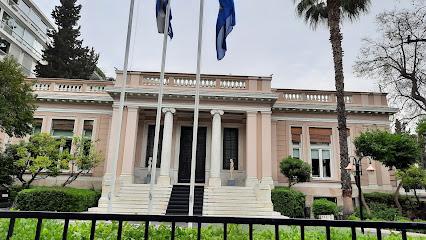
Maximus Mansion
0.3 km
Visit the official workplace of the Greek Prime Minister, a historic landmark in the heart of Athens, next to the Presidential Mansion.
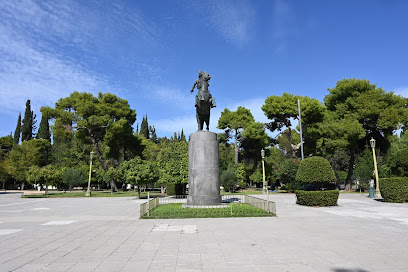
Statue of George Karaiskakis
0.3 km
Honoring a Greek War of Independence hero, this statue stands as a symbol of bravery and the fight for freedom in the heart of Athens.
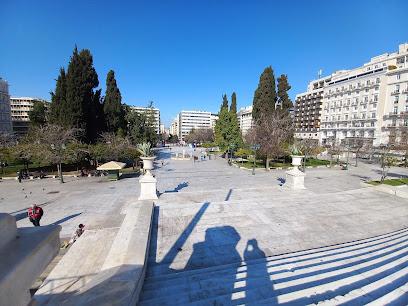
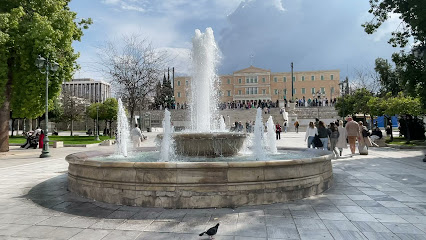
Plateia Syntagmatos
0.4 km
Experience the vibrant heart of Athens at Syntagma Square: history, culture, and modern life converge in this iconic landmark.
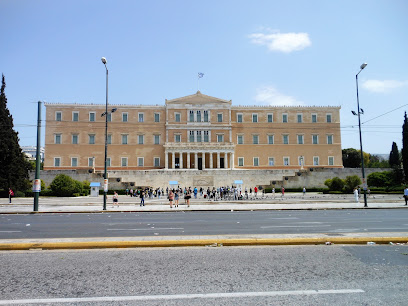
Presidential Palace
0.4 km
Witness history at the Presidential Palace in Athens, a neoclassical masterpiece and the heart of Greek political tradition.
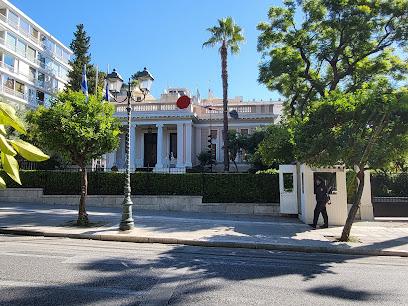
Statue
0.4 km
Discover the Statue of Athens, a captivating historical landmark showcasing the artistry and heritage of ancient Greece in the heart of the city.
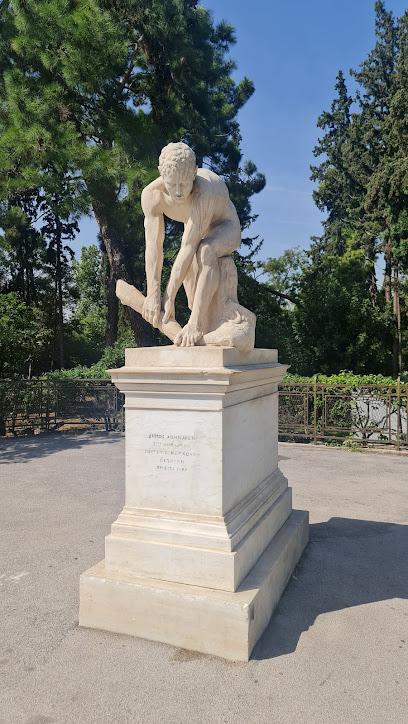
Estatua de lord Byron
0.4 km
A tribute to Lord Byron, the English poet and champion of Greek independence, located near Athens' National Garden.
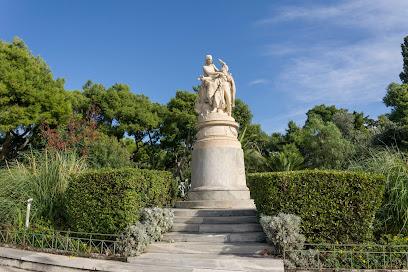
Pl. Sintagmatos
0.4 km
Experience the heart of Athens at Syntagma Square: history, culture, and vibrant city life converge in this iconic central hub.
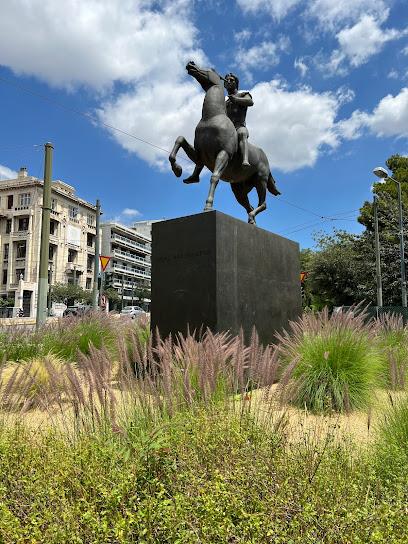
Equestrian Statue of Alexander the Great
0.4 km
A tribute to Alexander the Great, the statue captures the spirit of the legendary Macedonian king in the heart of Athens, Greece.
Phaedrus Living | Redefining Accommodation | Hellas
0.6 km
Experience Athens in style with centrally located apartments and professional property management services on Stadiou Street.
Temple of Athena-Tyche
0.6 km
Discover the ancient wonders of the Temple of Athena-Tyche, a historical landmark in Athens that showcases stunning architecture and rich cultural heritage.
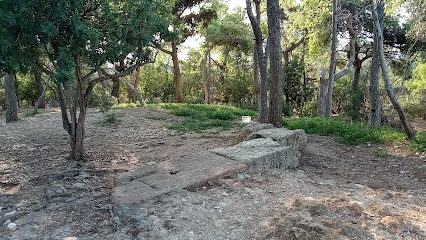
Roman Stoa
0.6 km
Explore the Roman Stoa in Athens: Where ancient commerce meets serene beauty in a historical landmark.
Unmissable attractions to see

Athens National Garden
0.0 km
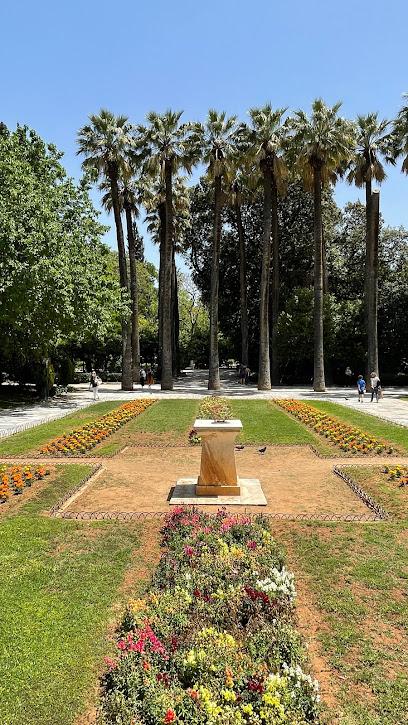
Discover tranquility in the heart of Athens at the National Garden, a historical oasis filled with lush greenery and serene pathways.
Boy Fisherman Statue
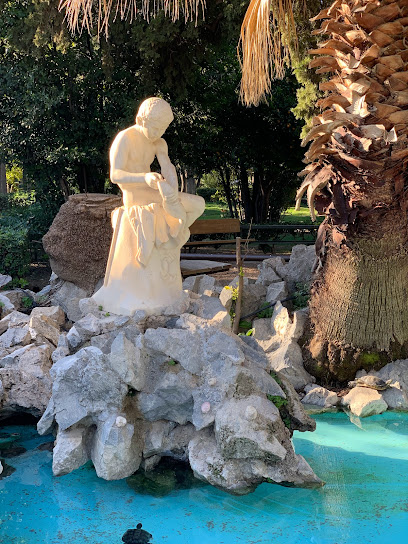
0.1 km
Discover the Boy Fisherman Statue in Athens, a charming tribute to childhood joy and artistry amid the vibrant city atmosphere.
Zappeion Hall
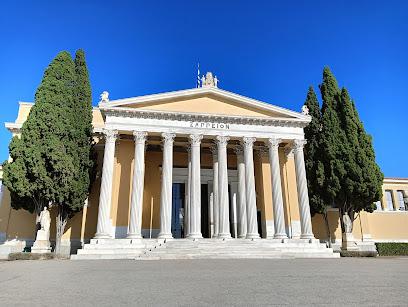
0.2 km
Explore Zappeion Hall in Athens, a historical jewel blending neoclassical architecture with beautiful gardens and rich cultural events.
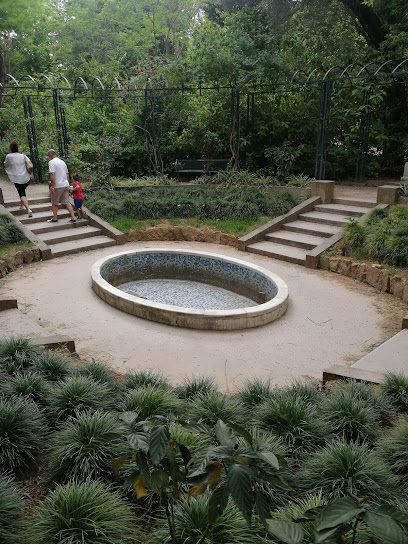
Spanish Fountain
0.2 km
Discover the serene beauty of the Spanish Fountain in Athens, a stunning blend of architecture and history set in the heart of the city.
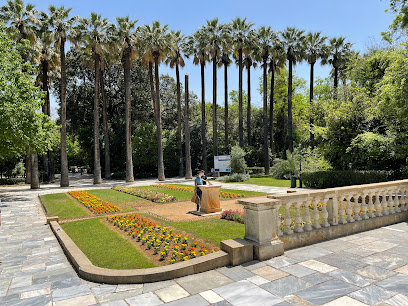
Sundial
0.2 km
Discover the Sundial in Athens, a historic attraction that embodies the brilliance of ancient Greek engineering and offers a peaceful retreat in the city.
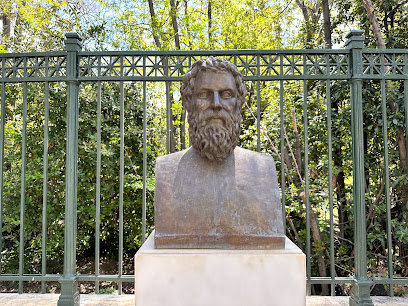
Προτομές Τραγικών Ποιητών - Σοφοκλής, Αισχύλος, Ευριπίδης
0.2 km
Experience the artistic heartbeat of Athens at Protomés Tragikon Poietón, where culture and creativity come alive in an enchanting setting.
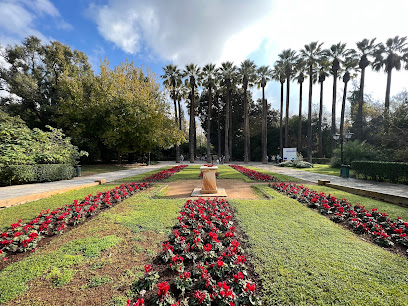
Botanical Museum of the National Gardens
0.2 km
Explore the serene beauty and ecological wonders at the Botanical Museum of the National Gardens in Athens, a must-visit for nature lovers.
Athens Free Tour
0.3 km
Explore Athens' rich history and culture on the Athens Free Tour, guided by passionate locals and designed for every budget.
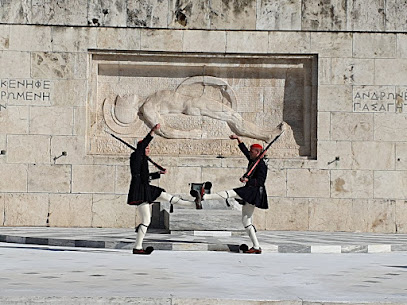
Monument to the Unknown Soldier
0.3 km
Explore the Monument to the Unknown Soldier in Athens, a historical landmark honoring the brave soldiers of Greece, located in vibrant Syntagma Square.
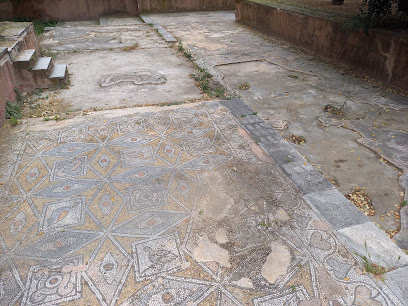
Mosaic
0.3 km
Explore the enchanting Mosaic in Syntagma, Athens, where art and history beautifully intertwine to create a unique cultural experience.
Third Ephorate Of Ancient Antiquities (Roman Bath)
0.3 km
Explore the ancient Roman Bath in Athens, a historical landmark that showcases the grandeur of ancient architecture and cultural significance.
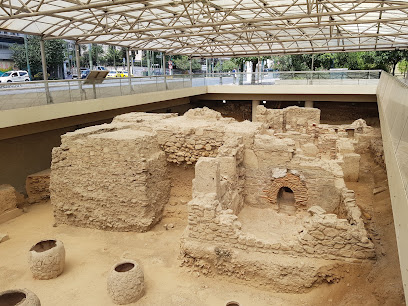
Zappeio Roman Baths
0.3 km
Explore the Zappeio Roman Baths, an archaeological gem in Athens showcasing ancient Roman architecture and cultural heritage amidst serene gardens.
Syntagma Square
0.4 km
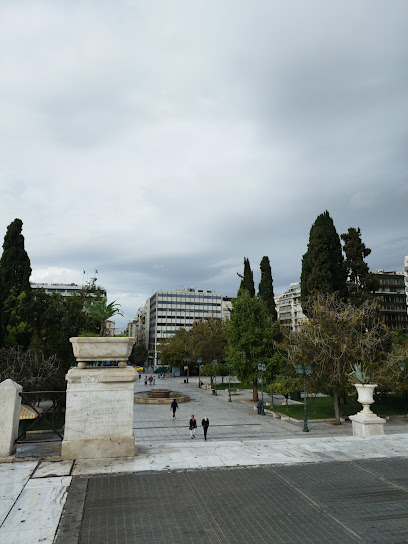
Explore Syntagma Square, Athens' vibrant civic center, where history, culture, and modernity converge in the heart of Greece's capital.
The Jewish Museum of Greece
0.4 km
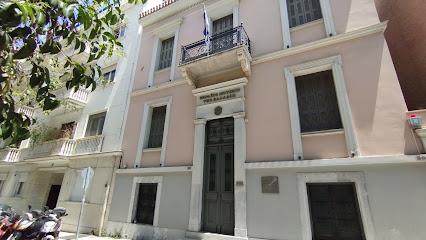
Explore the rich history and vibrant culture of Jewish communities at the Jewish Museum of Greece, a captivating destination in the heart of Athens.
Frissiras Museum
0.4 km
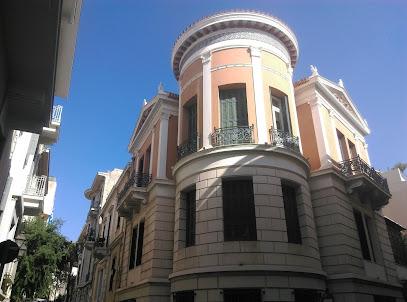
Explore modern Greek art at the Frissiras Museum, a hidden treasure in Athens showcasing a diverse collection of contemporary masterpieces.
Essential places to dine

ΑΝΕΤΟΝ
0.4 km
Discover the essence of Greek cuisine at ANETON – where tradition meets flavor in the heart of Athens.
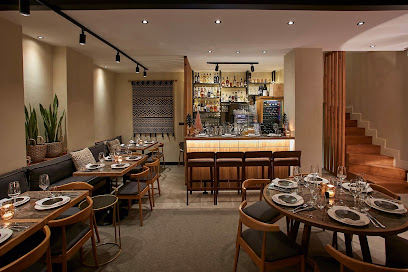
Athena 's Cook
0.4 km
Experience the essence of Greek cuisine at Athena's Cook, where tradition meets innovation in every dish.
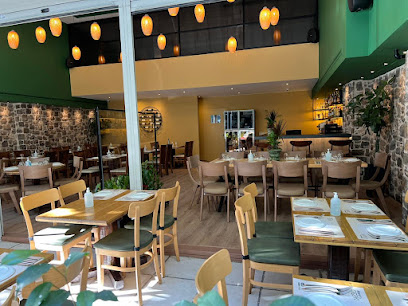
The Greco's Project
0.4 km
Experience authentic Greek cuisine at The Greco's Project in Athens – where tradition meets modern culinary artistry.
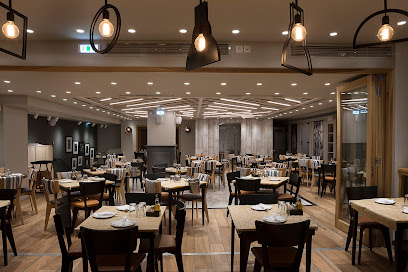
Tudor Hall
0.4 km
Discover the elegance of fine dining at Tudor Hall in Athens, where traditional Greek cuisine meets modern culinary artistry.

Taverna Saita
0.5 km
Experience authentic Greek flavors at Taverna Saita in Athens – where tradition meets taste.
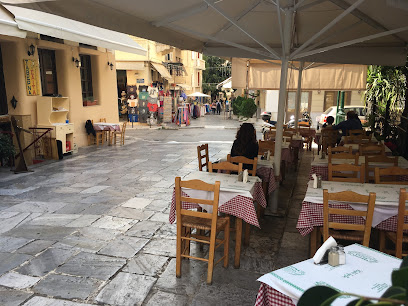
Nolan
0.5 km
Discover the exquisite fusion of Greek and Asian cuisines at Nolan, Athens' premier destination for food enthusiasts seeking innovation and flavor.
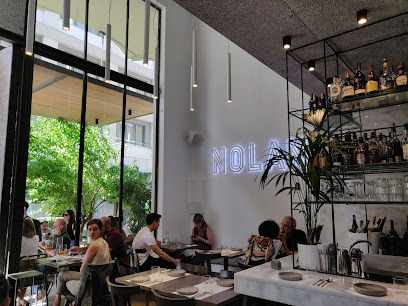
Tzitzikas kai Mermigas
0.5 km
Experience authentic Greek flavors at Tzitzikas kai Mermigas in Athens, where tradition meets creativity in every dish.
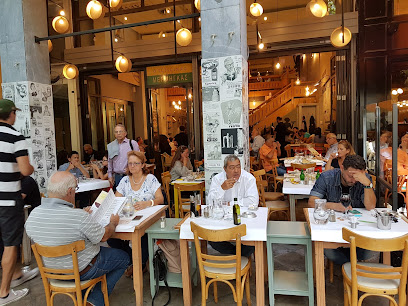
V1935 Roof Garden
0.5 km
Discover the exquisite flavors of Italy at V1935 Roof Garden while enjoying stunning views over Athens' historical skyline.
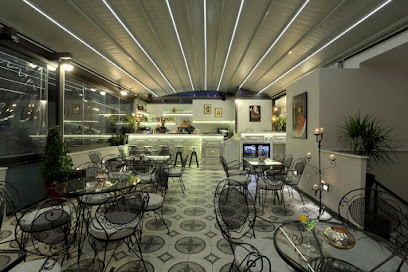
Electra Roof Garden
0.5 km
Experience breathtaking views and exquisite cuisine at Electra Roof Garden in Athens - where dining meets iconic landmarks.
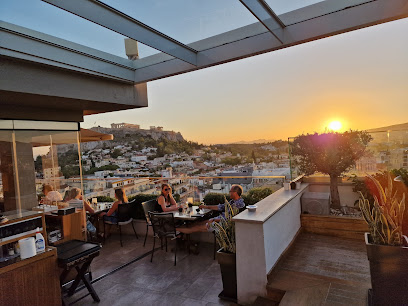
Pasaji
0.5 km
Experience the fusion of European, Mediterranean & Asian flavors at Pasaji - Athens' premier dining destination.
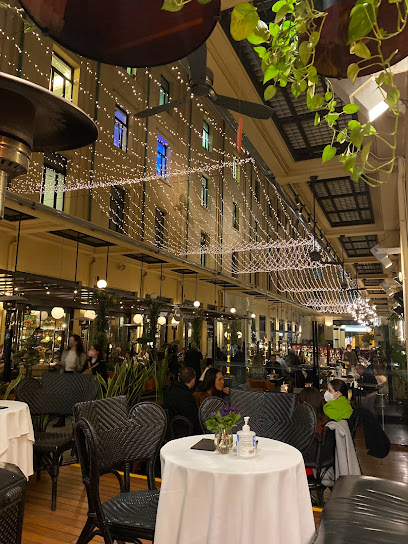
Pantheon
0.5 km
Experience authentic Greek flavors at Pantheon - where tradition meets innovation in every dish.
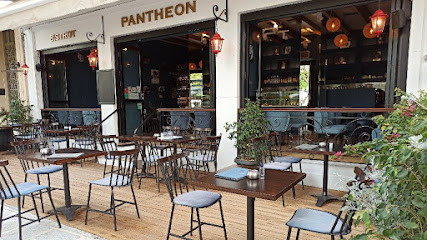
Ionos mediterraneon Greek Cuisine
0.5 km
Discover authentic Mediterranean flavors at Ionos Greek Cuisine in Athens—where every meal tells a story steeped in tradition.
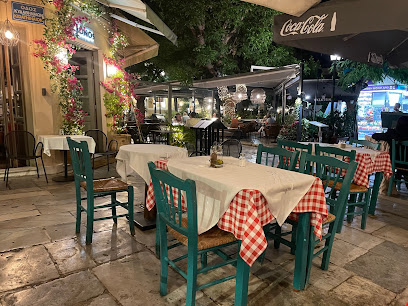
Athénée
0.5 km
Experience luxury dining at Athénée in Athens; where exquisite cuisine meets an elegant atmosphere.
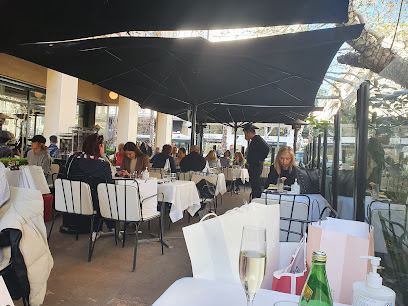
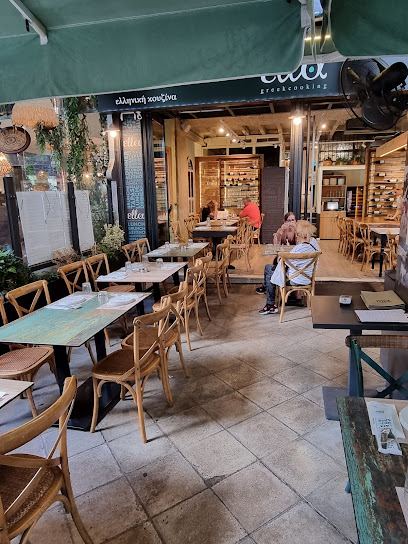
Ella Greek Cooking
0.5 km
Discover authentic flavors at Ella Greek Cooking - where tradition meets culinary excellence in the heart of Athens.
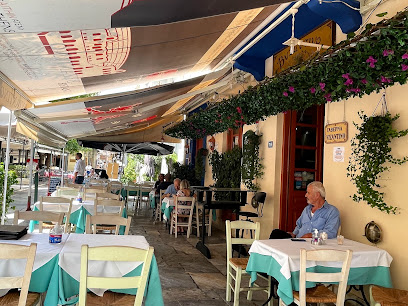
Taverna Vyzantino
0.5 km
Discover authentic Greek flavors at Taverna Vyzantino in Athens – where tradition meets taste in every dish.
Markets, malls and hidden boutiques

calle aristidou 1
0.4 km
Discover the vibrant shopping and cultural experience at Calle Aristidou 1 in the heart of Athens, surrounded by rich history and local charm.
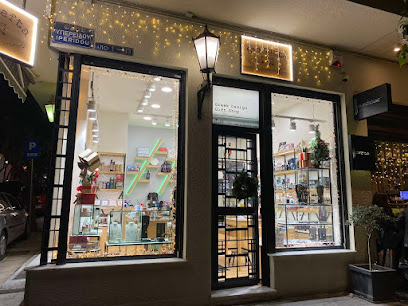
Dia Tauta Greek Design Gift Shop
0.4 km
Explore the vibrant Dia Tauta Gift Shop in Athens for unique Greek souvenirs and artisanal treasures that capture the spirit of Greece.
ΑNAMESA CONCEPT STORE
0.4 km
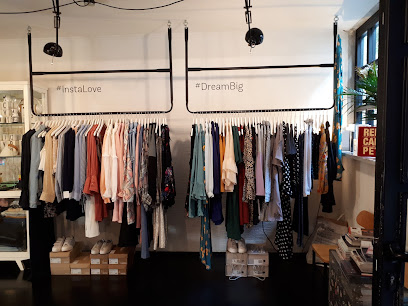
Explore the unique blend of fashion, children's items, and coffee at ΑNAMESA CONCEPT STORE in Athens, where modern style meets Greek charm.
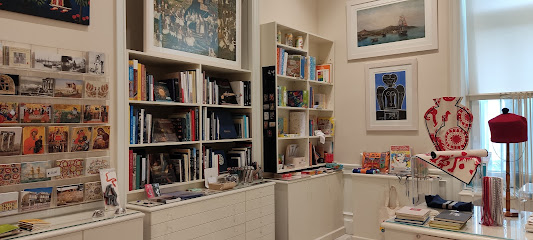
Benaki Museum Shop | Museum of Greek Culture
0.4 km
Explore the Benaki Museum Shop for unique gifts and authentic Greek cultural treasures in the heart of Athens.
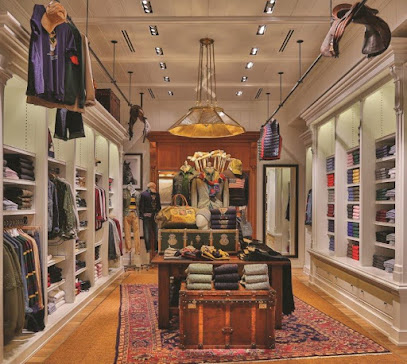
Polo Ralph Lauren Athens
0.5 km
Explore timeless elegance and luxury at Polo Ralph Lauren Athens, a premier clothing store in the heart of Syntagma Square.
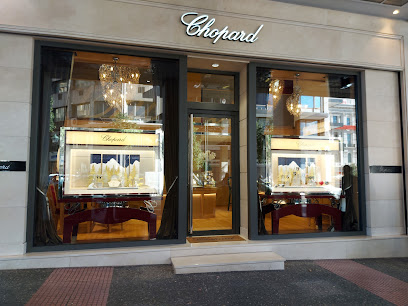
Chopard Boutique
0.5 km
Explore the luxurious Chopard Boutique in Athens for exquisite watches and jewelry, blending elegance with timeless craftsmanship.
Articrafts Athens
0.5 km
Discover the heart of Greek craftsmanship at Articrafts Athens, where every handmade piece tells a unique story.
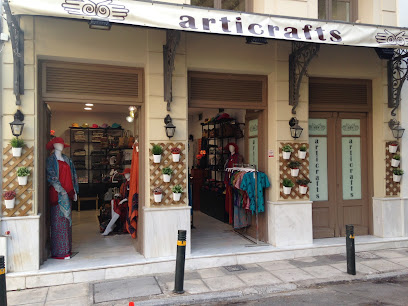
Greco Souvenir
0.5 km
Explore Greco Souvenir in Athens for authentic handcrafted treasures, from jewelry to pottery, capturing the essence of Greek culture.
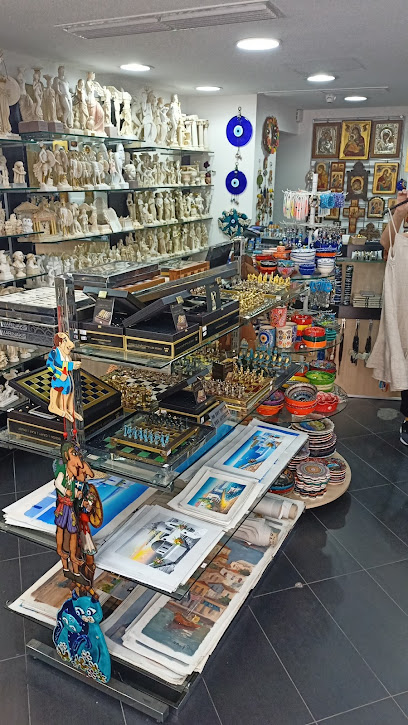
Shopping Street
0.5 km
Ermou Street in Athens: A vibrant shopping paradise blending local charm with international flair, perfect for every traveler.
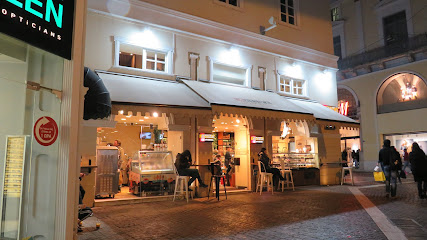
artica parking
0.5 km
Explore Artica Parking in Athens - a vibrant shopping experience blending local culture with modern retail and dining.
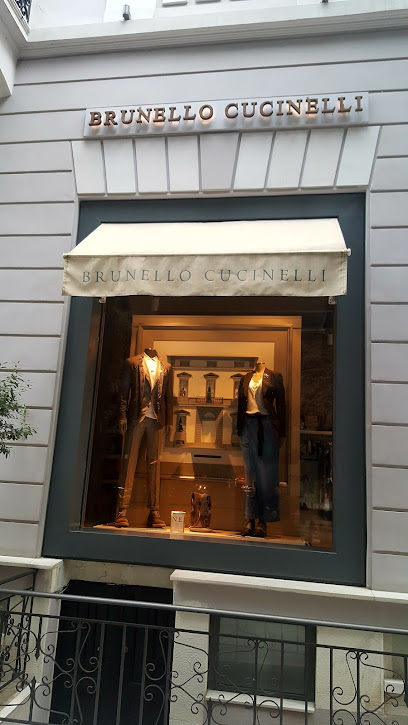
Pinko Boutique
0.5 km
Explore modern elegance at Pinko Boutique, a premier women's clothing store in Athens for stylish and trendy fashion finds.

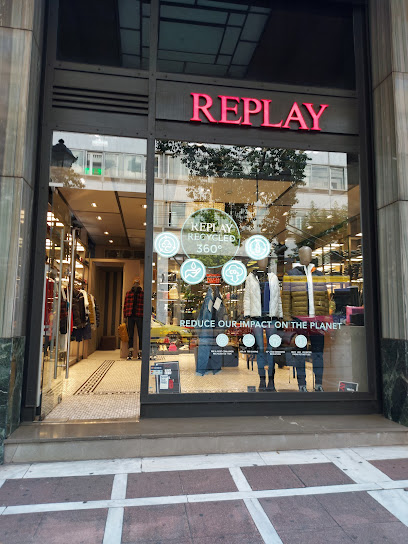
Replay Corner | "Attica - City Link"
0.5 km
Discover the latest fashion trends at Replay Corner in Athens, a premier clothing store offering quality apparel for every style.
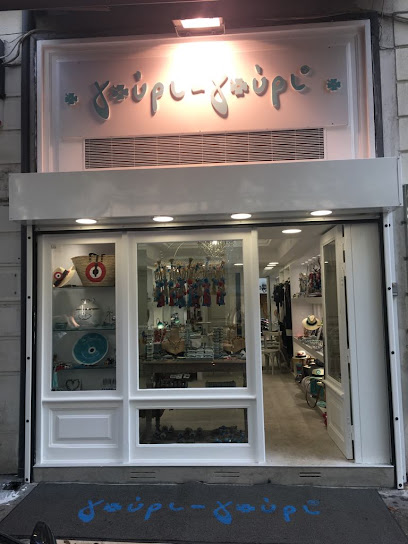
gouri-gouri! - Syntagma
0.6 km
Explore Gouri-Gouri, the charming gift shop in Athens offering unique handmade treasures and local artisan crafts.
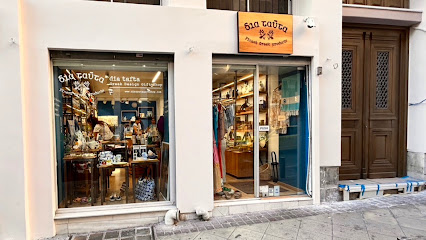
Dia Tauta Gift Shop
0.6 km
Discover unique Greek treasures at Dia Tauta Gift Shop, where quality meets culture in the heart of Athens.
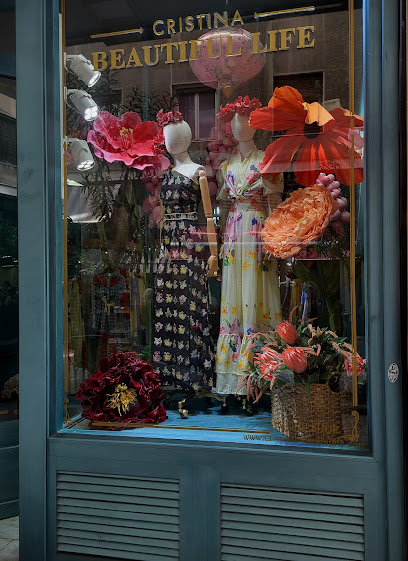
Cristina Beautiful Life Store
0.6 km
Explore the vibrant styles of Athens at Cristina Beautiful Life Store, where unique fashion meets local charm in a delightful shopping experience.
Essential bars & hidden hideouts

Warehouse CO2
0.4 km
Experience the Finest Wines and Gourmet Delights at Warehouse CO2, Athens' Premier Wine Bar and Deli Offering a Cozy Atmosphere.
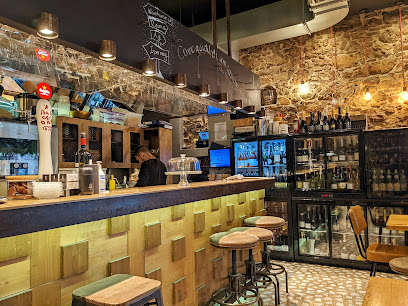
Drunky Goat
0.4 km
Experience the best of Athens' wine culture at Drunky Goat, where exquisite wines meet delicious tapas in a cozy atmosphere.
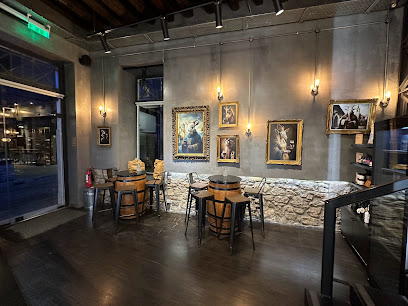
Loser Bar
0.5 km
Experience the vibrant nightlife of Athens at Loser Bar, where expertly crafted cocktails meet a lively atmosphere and unforgettable vibes.
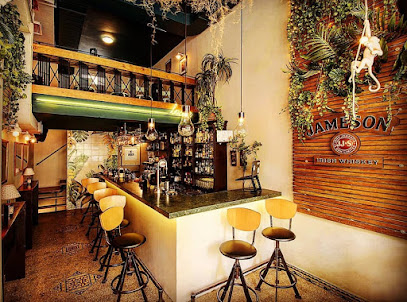
Blue Bird
0.5 km
Experience the vibrant nightlife at Blue Bird, Athens' premier bar for cocktails, music, and unforgettable moments.
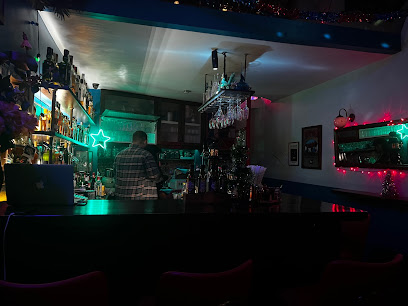
Kiki de grèce
0.5 km
Discover the essence of Greek viticulture at Kiki de Grèce, a must-visit wine bar in the heart of Athens.
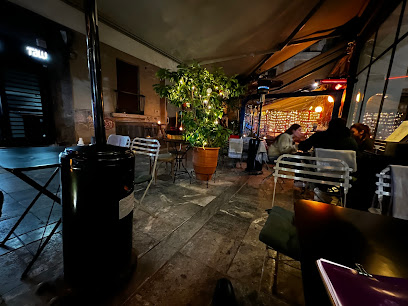
Ipitou The Bar
0.5 km
Discover the lively Ipitou The Bar in Athens, where craft beers and creative cocktails meet a vibrant atmosphere for unforgettable nights.
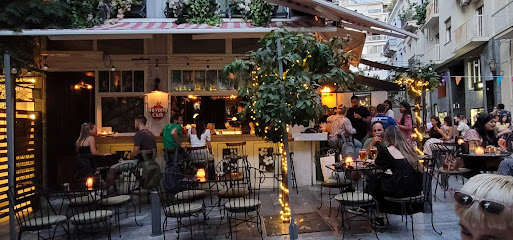
THE BAR IN FRONT OF THE BAR
0.5 km
Experience vibrant nightlife at The Bar in Front of the Bar in Athens, where exceptional drinks and a lively atmosphere await.
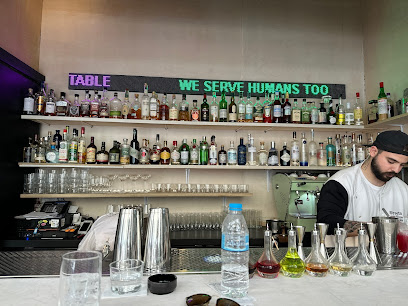
Tazza All day bistro & wine bar
0.6 km
Experience the blend of exquisite wines and delightful bistro cuisine at Tazza All Day Bistro & Wine Bar in the heart of Athens.
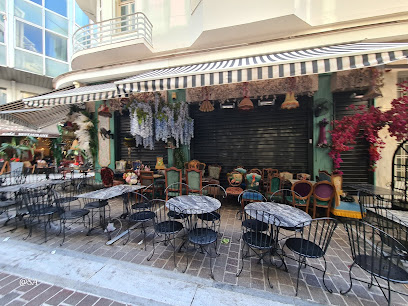
Thea Terrace
0.6 km
Discover the charm of Athens at Thea Terrace, where stunning views and delightful drinks create the perfect atmosphere for relaxation.
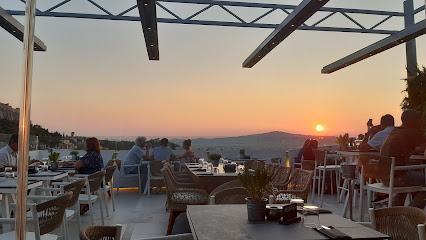
42 Barstronomy Athens
0.6 km
Experience innovative cocktails and Mediterranean delights at 42 Barstronomy, Athens' premier cocktail bar and restaurant.
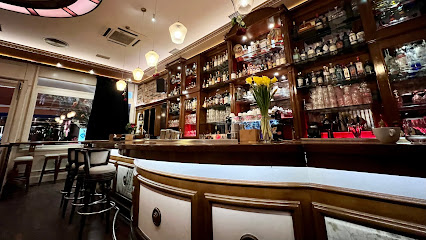
ZIGGY Cocktail Bar
0.6 km
Discover ZIGGY Cocktail Bar in Athens: a vibrant spot for creative cocktails, friendly vibes, and an unforgettable nightlife experience.
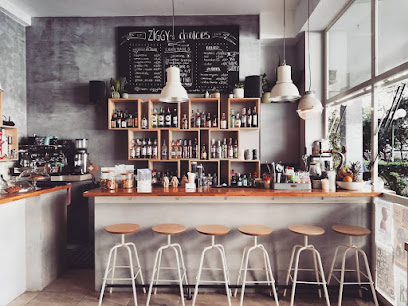
Barreldier
0.6 km
Discover the lively atmosphere of Barreldier, a top Athenian bar known for its creative cocktails and welcoming vibe amidst the city's vibrant nightlife.
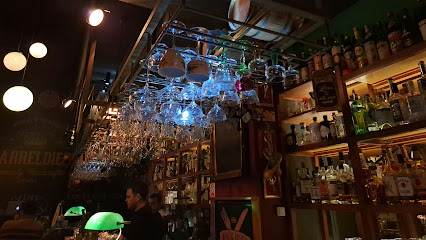
The 7 Jokers Coffee & Cocktail Bar
0.6 km
Discover the vibrant nightlife at The 7 Jokers Coffee & Cocktail Bar in Athens, where unique cocktails and a stylish ambiance await you.
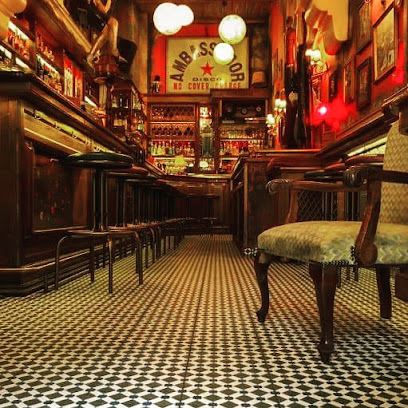
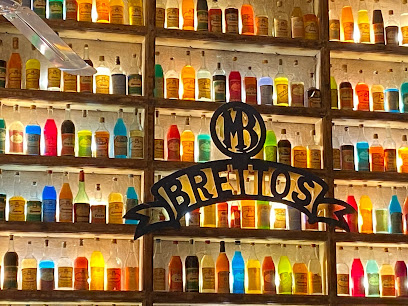
Brettos bar
0.6 km
Experience the rich tradition of Greek spirits at Brettos Bar in Plaka, Athens—where history and vibrant nightlife converge.
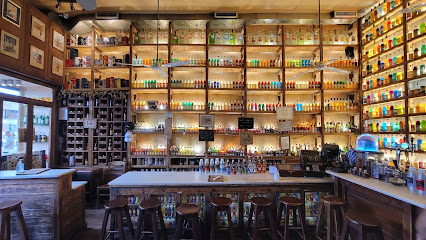
Licores
0.6 km
Experience the lively atmosphere and unique cocktails at Licores, one of Athens' top bars for nightlife and relaxation.
Nightclubs & after hour spots

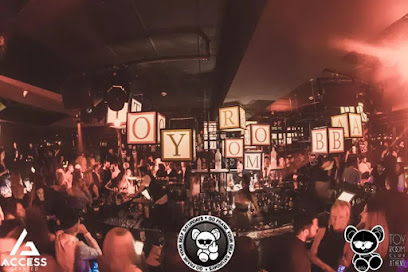
Toyroom Athens
0.5 km
Experience the electrifying vibe of Toyroom Athens, a premier disco club in the heart of the city, where unforgettable nights come alive.
Clown Dogs Night Club
0.6 km
Discover the electrifying vibe of Clown Dogs Night Club in Athens, where the dance floor comes alive with music and energy, perfect for every night owl.
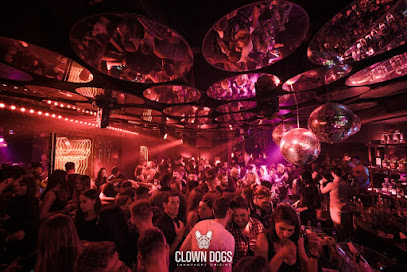
capu
0.6 km
Discover the excitement of Capu Night Club in Athens, where vibrant music and lively atmosphere create unforgettable nightlife experiences.
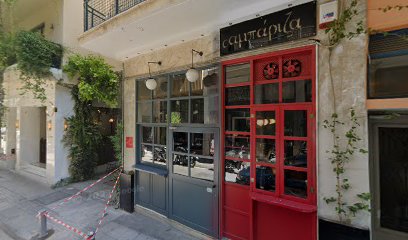
EKEI
0.7 km
Experience the electrifying nightlife at EKEI, Athens' premier night club with pulsating music and an unforgettable atmosphere.
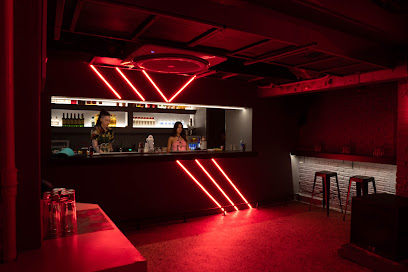
Club 22
0.9 km
Dive into the electrifying nightlife at Club 22, Athens' premier destination for unforgettable partying and entertainment.
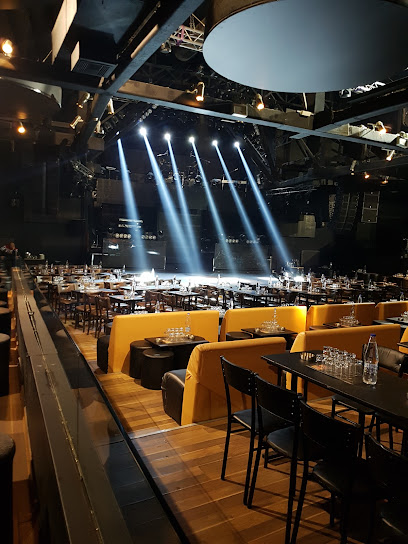
Half Note Jazz Club
0.9 km
Discover the heart of Athens' jazz scene at Half Note Jazz Club, where live music and vibrant atmosphere create unforgettable nights.
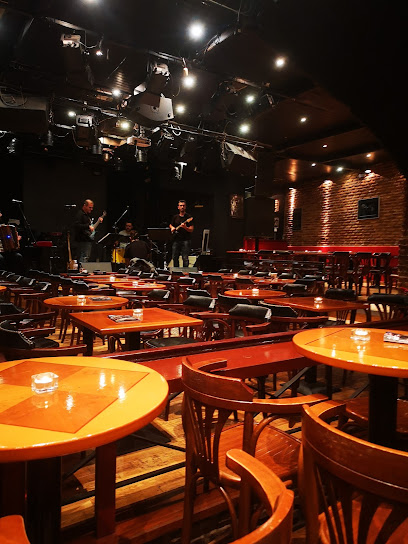
7 Times Dance Club & Shisha Lounge
1.2 km
Discover the energetic vibe of Athens at 7 Times Dance Club & Shisha Lounge, where dancing meets relaxation in a vibrant atmosphere.
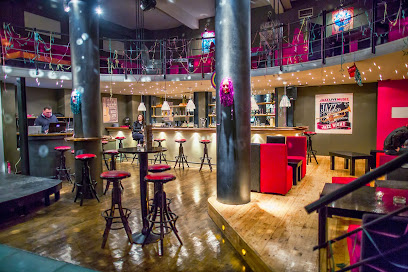
Greek Music Venue
1.3 km
Discover Athens' vibrant rock music scene at the Greek Music Venue, where live performances and a lively atmosphere create unforgettable moments.
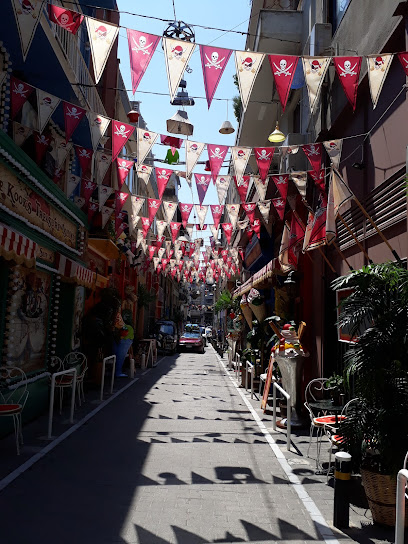
Teddy Boy
1.3 km
Discover the energetic vibe of Teddy Boy, a must-visit bar in Athens known for its creative cocktails and lively atmosphere.
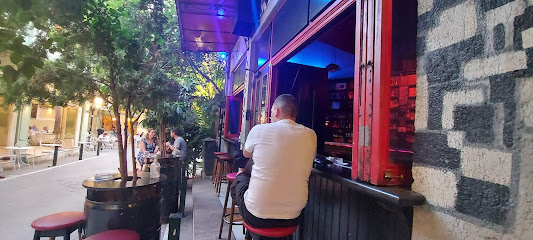
OLYMPIC EXECUTIVE
1.3 km
Discover the heartbeat of Athenian nightlife at Olympic Executive, a stylish night club that promises an unforgettable experience in Greece's vibrant capital.
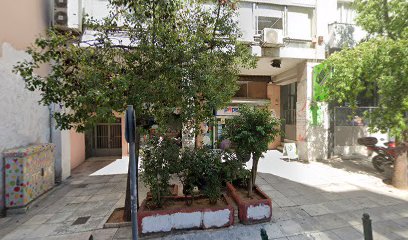
Ruby Club
1.4 km
Unleash your wild side at Ruby Club, a premier night club in Athens, where unforgettable nights filled with music, dancing, and vibrant energy await.
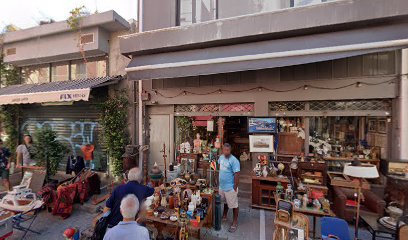
Dope Club Thursdays
1.4 km
Dive into Athens' nightlife at Dope Club Thursdays, where vibrant beats and an energetic crowd create an unforgettable experience.
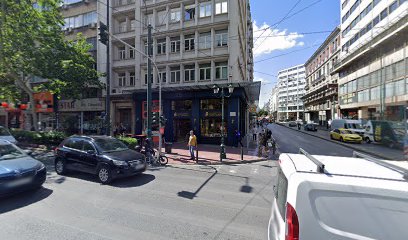
International Party Athens
1.4 km
Experience the electrifying nightlife at International Party Athens, where every night is a celebration with music, dancing, and unforgettable memories.
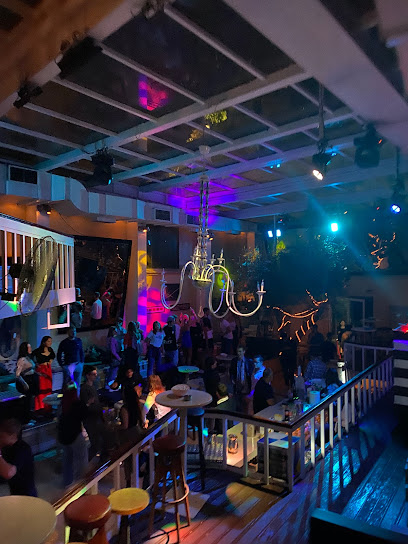
Karaoke bar
1.4 km
Experience the lively nightlife of Athens at a top-rated karaoke bar, where music and fun collide in an unforgettable atmosphere.

Cantina Social
1.4 km
Experience the vibrant nightlife of Athens at Cantina Social, where delicious cocktails and lively music create unforgettable moments.