
Paved Court of Klepsydra: Ancient Spring and Gathering Place
Discover the ancient Paved Court of Klepsydra on the Acropolis, a historical spring and gathering place with rich cultural significance and architectural remains.
Explore the Paved Court of Klepsydra, an ancient site on the northwest slope of the Acropolis in Athens, featuring a natural spring that has been a water source since prehistoric times. Discover the historical significance and architectural remains of this once-vital landmark.
A brief summary to Paved Court of Klepsydra
- Theorias 21, Athens, 105 58, GR
Local tips
- Visit early in the morning or late afternoon for the best lighting and fewer crowds.
- Wear comfortable shoes to fully enjoy exploring the paved stones.
- Combine your visit with nearby attractions on the Acropolis for a full day of exploration in Athens.

Getting There
-
Walking
From the Acropolis Museum, walk north along Dionysiou Areopagitou Street. Turn left onto Theorias Street. Continue walking uphill on Theorias Street until you reach the Paved Court of Klepsydra on your right. The walk is approximately 10-15 minutes. There are no entrance fees to access the Paved Court of Klepsydra.
-
Public Transport
Take the Metro Line 2 to the Acropolis station. Exit the station and walk north along Dionysiou Areopagitou Street. Turn left onto Theorias Street. Continue walking uphill on Theorias Street until you reach the Paved Court of Klepsydra on your right. The walk from the Acropolis Metro station is approximately 15-20 minutes. A single metro ticket costs €1.20 [Cheapest source].
Discover more about Paved Court of Klepsydra
Iconic landmarks you can’t miss

Paved Court of Klepsydra
0.0 km
Discover the ancient Klepsydra spring on the Acropolis, a vital water source in ancient Athens with a rich history and archaeological significance.
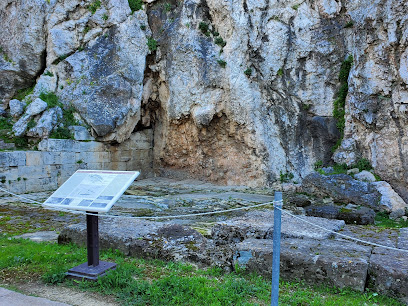
Monument of Agrippa
0.0 km
Explore the Monument of Agrippa on the Acropolis: a historical landmark showcasing Greek and Roman influences in ancient Athens.
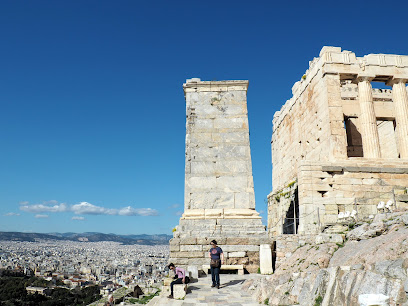
Beulé Gate
0.1 km
Discover the Beulé Gate at the Acropolis, a Roman-era entrance built with ancient repurposed materials, echoing centuries of Athenian history.
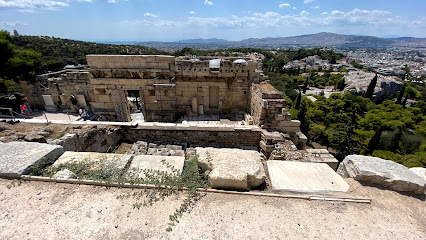
Base of the Statue of Athena Promachos
0.1 km
Explore the historical essence of Athens at the Base of the Statue of Athena Promachos, a symbol of ancient Greek heritage and cultural vitality.
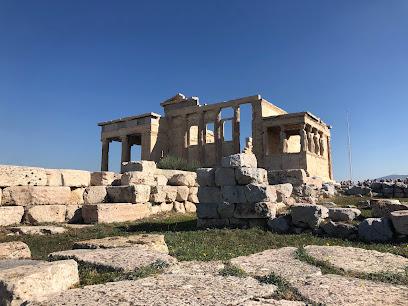
Acropolis
0.1 km
Explore the Acropolis, the iconic symbol of ancient Greece, and discover the Parthenon and other architectural marvels in the heart of Athens.
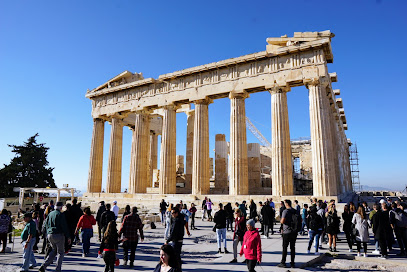
Plate with Apostle Paul's Sermon
0.1 km
Explore the Plate with Apostle Paul's Sermon in Athens, a captivating sculpture honoring a pivotal moment in Christian history amidst rich cultural heritage.
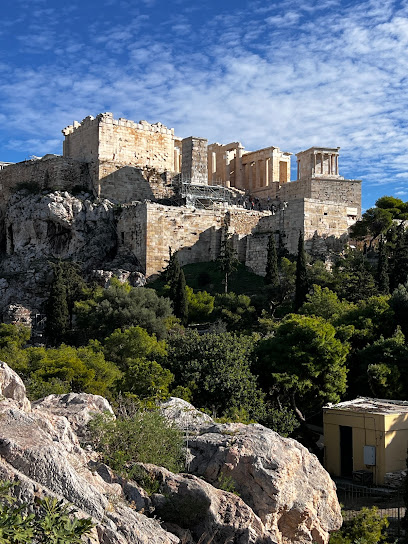
Erechtheion
0.1 km
Discover the Erechtheion, an iconic temple on the Acropolis of Athens, famed for its unique architecture, sacred history, and the Porch of the Caryatids.
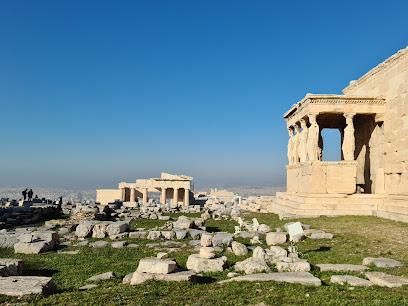
Temple of Themis
0.2 km
Discover the Temple of Themis in Athens, a historical monument dedicated to the Greek goddess of justice and divine order.
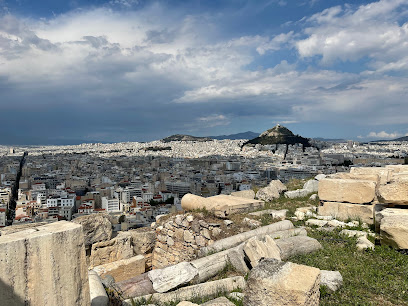
Stoa of Eumenes ΙΙ
0.2 km
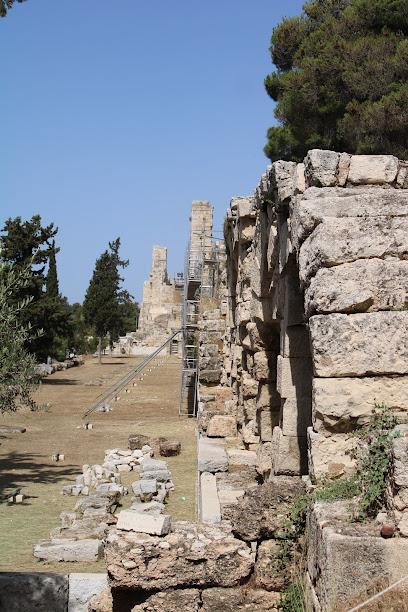
Explore the ruins of this ancient covered walkway on the south slope of the Acropolis, once a gift from a king to the city of Athens.
Greek Flag of Athens Acropolis
0.3 km
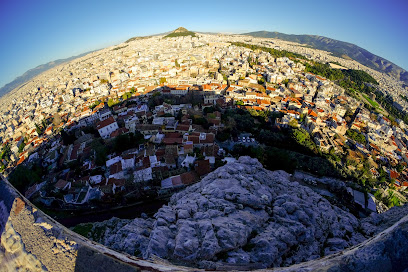
Witness the iconic Greek Flag atop the Acropolis, a symbol of Athenian history, pride, and breathtaking panoramic views of ancient and modern Athens.
Holy Church of Saint Sophia
0.3 km
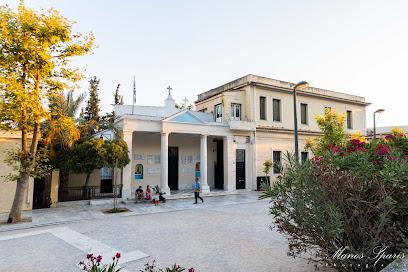
Discover the Holy Church of Saint Sophia in Athens: A serene Byzantine sanctuary near the Acropolis with stunning mosaics and rich history.
Gate of Athena Archegetis
0.3 km
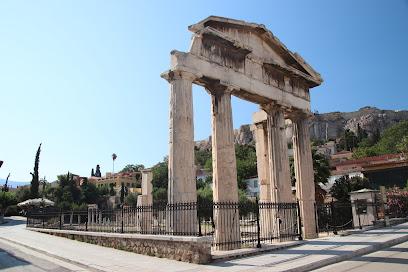
Explore the Gate of Athena Archegetis, a symbol of Roman patronage and Athenian heritage, at the heart of Athens' ancient marketplace.
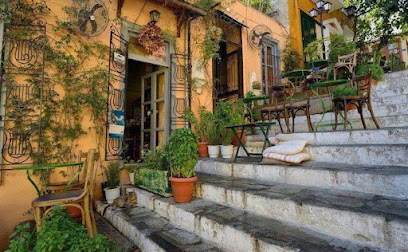
Las escaleras de Mnisikleous
0.3 km
Discover the vibrant charm of Las Escaleras de Mnisikleous, a picturesque Athenian stairway with colorful murals, cafes, and stunning city views.
Area of Stenopos Kollytos
0.3 km
Step back in time and explore the ruins of Stenopos Kollytos, an ancient Athenian neighborhood offering a glimpse into daily life near the Acropolis.

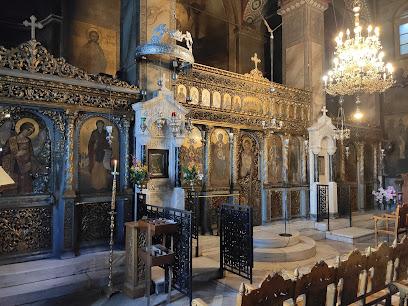
Holy Church of the All-Great Taxiarchs and the Virgin Mary Gregorousa
0.3 km
Discover a serene sanctuary in Athens: Explore the Holy Church of the All-Great Taxiarchs and the Virgin Mary Gregorousa's rich history and artistry.
Unmissable attractions to see

Temple of Athena Nike
0.1 km
Explore the Temple of Athena Nike, an exquisite ancient shrine on the Acropolis, showcasing remarkable architecture and breathtaking views of Athens.
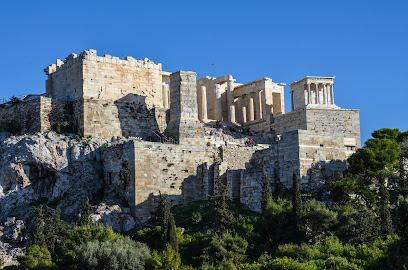
Acropolis of Athens
0.1 km
Explore the Acropolis of Athens, a stunning historical landmark that showcases the brilliance of ancient Greek architecture and culture.

The Porch of the Caryatids
0.1 km
Explore the Porch of the Caryatids, a breathtaking historical site in Athens showcasing ancient Greek architectural brilliance and cultural significance.
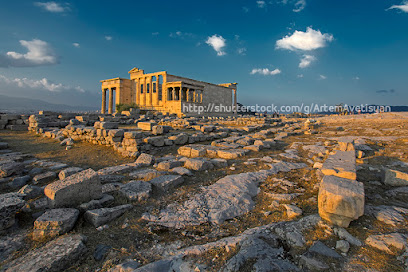
Odeon of Herodes Atticus
0.1 km
Explore the Odeon of Herodes Atticus, an ancient amphitheater in Athens that offers incredible acoustics and a rich cultural experience amidst historical splendor.

Areopagus Hill
0.1 km
Explore Areopagus Hill, a historic landmark in Athens offering stunning views and a rich tapestry of ancient history, perfect for cultural enthusiasts and nature lovers alike.

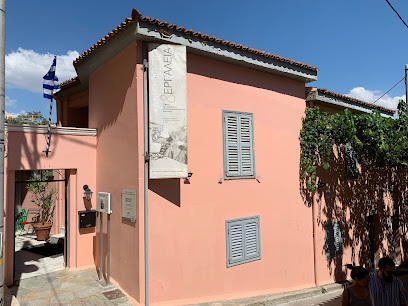
"Man and Tools" - Museum of Modern Greek Culture
0.2 km
Explore the Man and Tools Museum of Modern Greek Culture in Athens for a captivating journey through Greece's rich heritage and craftsmanship.
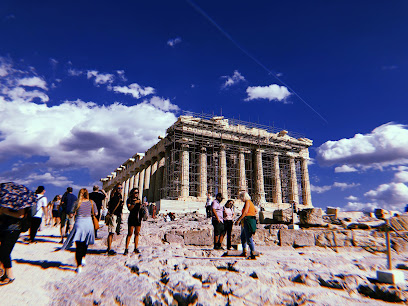
Parthenon
0.2 km
Discover the Parthenon, an architectural marvel and the heart of ancient Athens, steeped in history and breathtaking beauty.
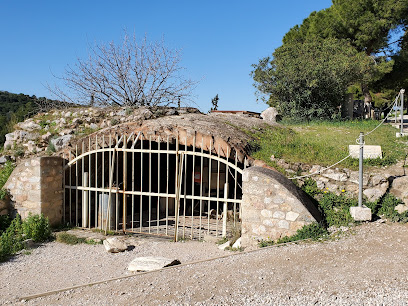
Byzantine Cistern
0.2 km
Explore the Byzantine Cistern in Athens, a captivating historical landmark showcasing ancient architecture and a rich cultural heritage.
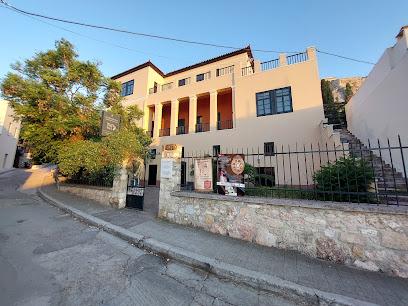
Athens University History Museum
0.2 km
Explore the rich academic heritage of Greece at the Athens University History Museum, a must-visit for history enthusiasts and curious travelers alike.
Temple of Asklepios
0.2 km
Explore the Temple of Asklepios in Athens, a historical landmark celebrating ancient healing practices with breathtaking views and rich cultural heritage.
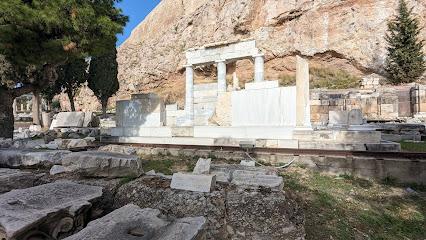
Holy Church of the Holy Apostles of Solakis (10th c.)
0.2 km
Discover the tranquil charm and rich history of the Holy Church of the Holy Apostles of Solakis, a 10th-century gem in the heart of Athens.

Late Roman tower wall foundations
0.2 km
Discover the remnants of ancient military architecture at the Late Roman tower wall foundations in the heart of Athens, a historical gem for every traveler.
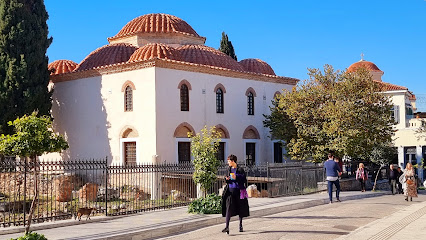
Roman Forum of Athens (Roman Agora)
0.3 km
Explore the Roman Forum of Athens, a captivating historical landmark showcasing the beauty and significance of ancient Roman culture.
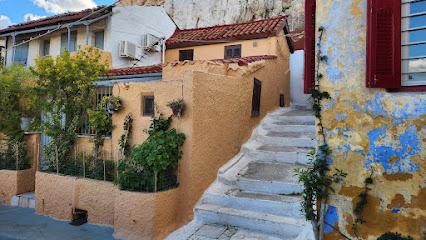
Anafiotika
0.3 km
Explore Anafiotika, a serene neighborhood in Athens, where charming whitewashed houses and stunning views of the Acropolis await.
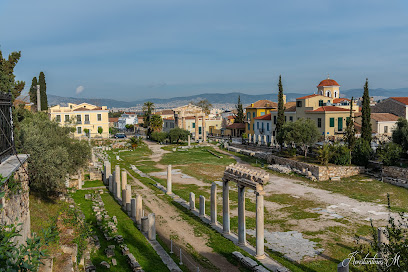
Horologion of Andronikos Cyrrhestes
0.3 km
Explore the Horologion of Andronikos Cyrrhestes, a stunning ancient clock tower in Athens that blends history, architecture, and stunning views for an unforgettable experience.
Essential places to dine

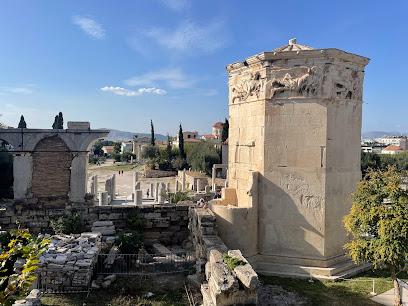
Klepsydra
0.2 km
Discover authentic Greek flavors at Klepsydra in Athens - where tradition meets modern culinary excellence.
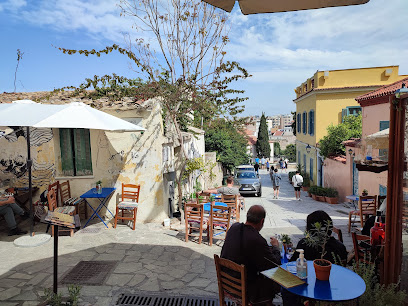
Xenious Zeus
0.3 km
Discover the rich flavors of Greece at Xenious Zeus, where authentic cuisine meets warm hospitality in the heart of Athens.
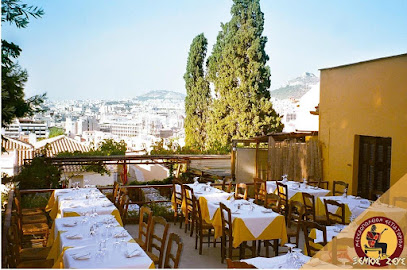
Geros Tou Moria Restaurant
0.3 km
Discover authentic Greek cuisine at Geros Tou Moria Restaurant in Athens - where tradition meets taste in every dish.
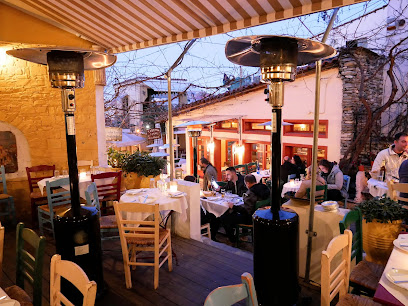
Anafiotika Cafe - Restaurant
0.3 km
Experience authentic Greek cuisine and breathtaking views at Anafiotika Cafe - your serene escape in the heart of Athens.
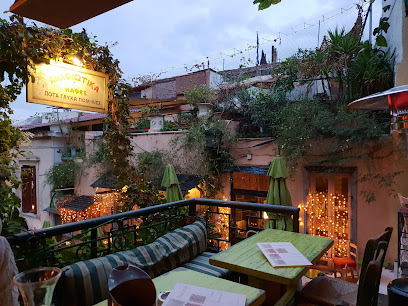
Strofi Athenian Restaurant
0.3 km
Experience authentic Greek cuisine at Strofi Athenian Restaurant with breathtaking views of the Acropolis in Athens.
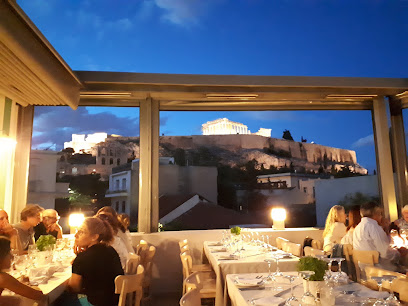
GH Attikos Restaurant
0.3 km
Savor exquisite Greek cuisine with stunning Acropolis views at GH Attikos Restaurant in Athens.
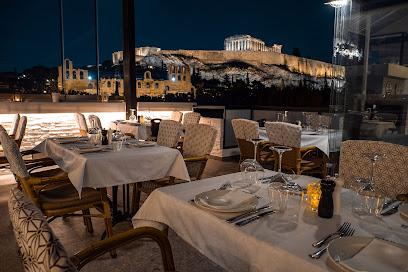
Restaurant Scholarhio
0.4 km
Experience the heart of Greece through exceptional flavors at Restaurant Scholarhio in Athens.
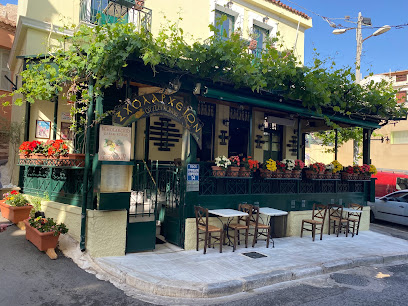
Maiandros Restaurant
0.4 km
Experience authentic Greek cuisine at Maiandros Restaurant in Athens—where tradition meets flavor in a family-friendly atmosphere.
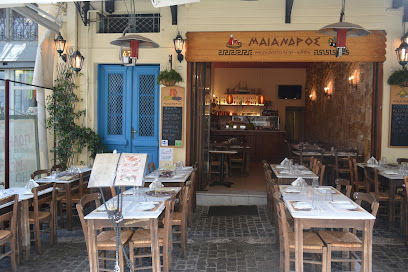
Efcharis restaurant
0.4 km
Discover the authentic taste of Greece at Efcharis Restaurant in Athens - where tradition meets flavor in every dish.
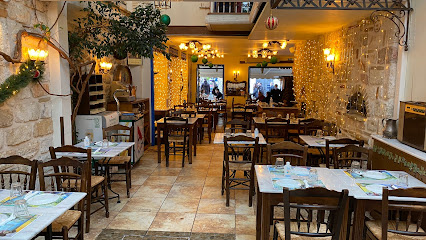
To Kafeneio
0.4 km
Experience authentic Greek cuisine at To Kafeneio - where tradition meets flavor in the heart of Athens.
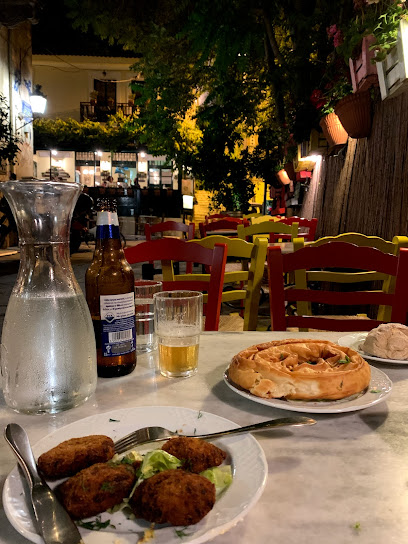
Dia Tauta Restaurant
0.4 km
Experience authentic Greek cuisine at Dia Tauta Restaurant in Athens - a perfect blend of flavor and culture in every bite.
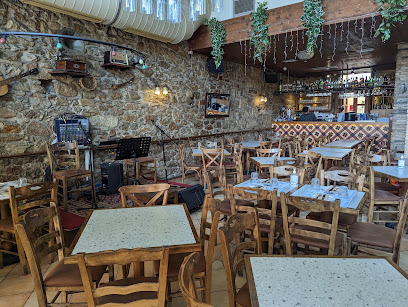
Μοma
0.4 km
Experience authentic Greek cuisine with a modern twist at Μοma - A culinary gem in the heart of Athens.
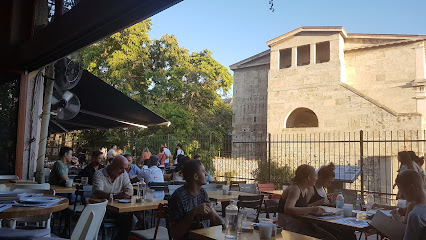
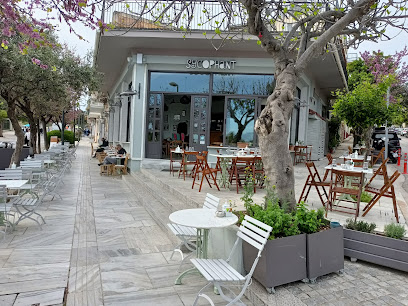
Sycophant
0.4 km
Discover Sycophant: Athens' delightful breakfast spot featuring cat-themed decor and mouthwatering dishes perfect for any morning.
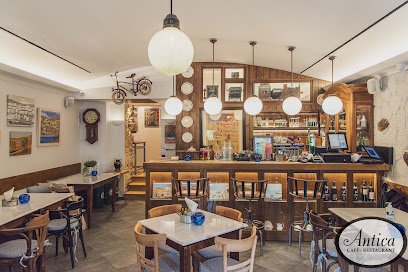
Antica Restaurant & Cafe
0.4 km
Experience authentic Greek cuisine at Antica Restaurant & Cafe in Athens - where tradition meets taste in a vibrant setting.
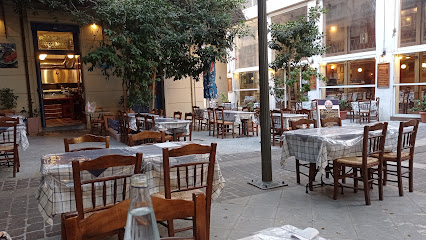
Traditional Food Diodos
0.5 km
Experience authentic Greek cuisine at Traditional Food Diodos in Athens - where every dish tells a story.
Markets, malls and hidden boutiques

T-Greeks Shop Athens
0.3 km
Explore T-Greeks Shop in Athens for authentic Greek souvenirs, unique crafts, and the perfect gifts that celebrate Greece's rich culture.
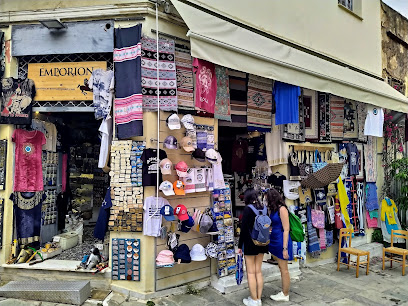
Emporion Gift Shop Plaka
0.3 km
Shop unique souvenirs and crafts at Emporion Gift Shop Plaka, where Greek culture comes alive in every delightful piece.
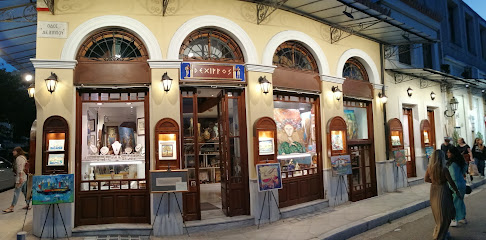
Hydra Gallery - Athens Greece
0.4 km
Immerse yourself in the vibrant contemporary art scene at Hydra Gallery in Athens, Greece - a haven for art lovers and cultural enthusiasts.
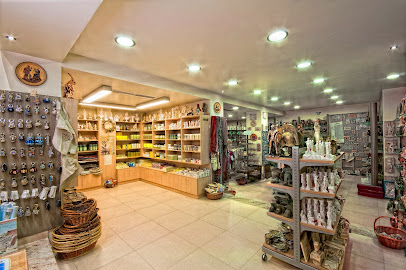
Vases
0.4 km
Explore Vases Gift Shop in Athens for unique souvenirs and local crafts that capture the spirit of Greece.

Cool Greek shops
0.4 km
Discover unique local crafts and artisanal goods at Cool Greek Shops - a must-visit destination for authentic souvenirs in Athens.
Nomad Concept Store
0.4 km
Explore the Nomad Concept Store in Athens for unique gifts, stylish clothing, and a taste of local craftsmanship.

Olive House
0.4 km
Explore Olive House: A charming gift shop in Athens offering unique souvenirs and authentic Greek treasures.
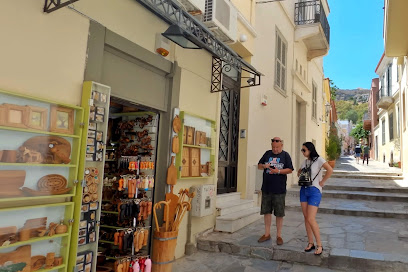
Canvas Greece
0.4 km
Explore the artistic heart of Athens at Canvas Greece, where local creativity meets contemporary charm in a unique shopping experience.

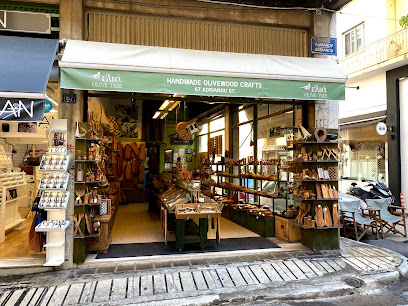
Olive Tree Store
0.4 km
Discover unique Greek gifts at Olive Tree Store, a charming shop in Athens offering handcrafted treasures and local handicrafts.
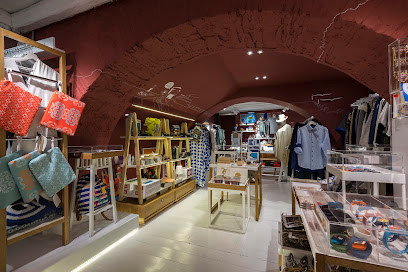
Forget Me Not
0.4 km
Explore the charm of Forget Me Not, Athens' go-to souvenir store for unique gifts and local crafts that embody the spirit of Greece.
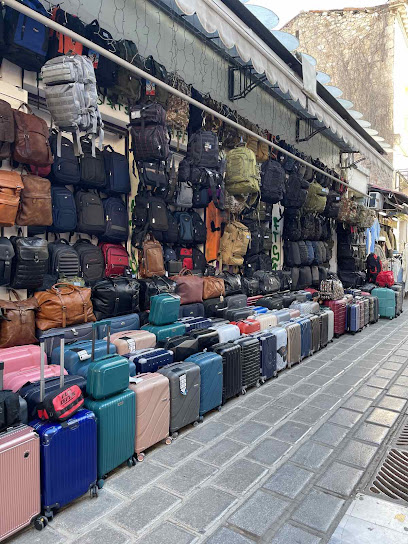
NomadGear
0.4 km
Explore NomadGear in Athens for exceptional travel bags and luggage tailored for every adventure, blending style with functionality.
Hermes
0.5 km
Shop at Hermes Souvenir Shop in Athens for unique Greek memorabilia, from handcrafted treasures to contemporary keepsakes, perfect for every traveler.
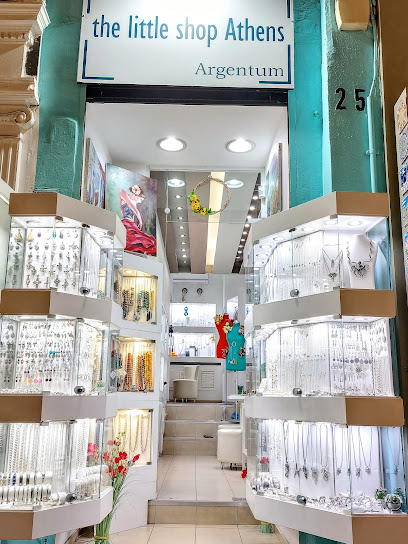
the little shop Athens
0.5 km
Explore the Little Shop Athens for handcrafted jewelry that embodies the spirit of Greece, perfect for unique souvenirs and gifts.
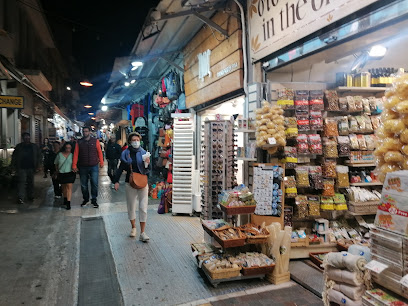
Flâneur Souvenirs & Supplies
0.5 km
Discover authentic Greek treasures at Flâneur Souvenirs & Supplies, where unique gifts and local crafts await in the heart of Athens.
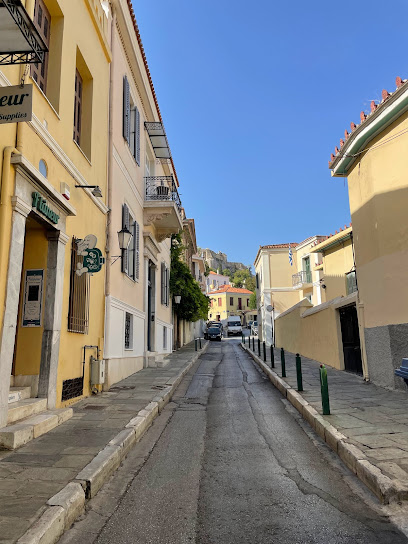
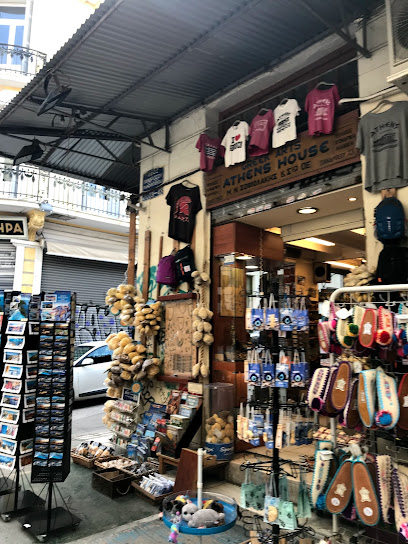
Greek Arts Athens House
0.5 km
Explore the vibrant selection of unique local crafts and souvenirs at Greek Arts Athens House in the heart of Athens, a must-visit for every traveler.
Essential bars & hidden hideouts

Plaka street
0.3 km
Discover the charm of Plaka Street, where vibrant bars meet historic Athenian culture, offering an unforgettable experience in the heart of Greece.
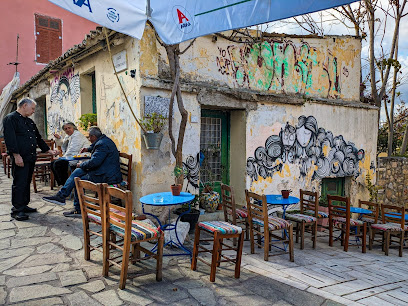
360 Cocktail Bar
0.5 km
Experience breathtaking views and expertly crafted cocktails at 360 Cocktail Bar, a rooftop gem in the heart of Athens.

Licores
0.5 km
Experience the lively atmosphere and unique cocktails at Licores, one of Athens' top bars for nightlife and relaxation.
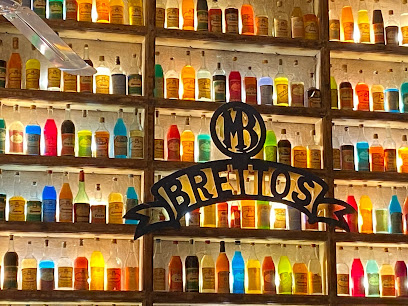
CHANDELIER
0.5 km
Discover the authentic flavors of Greece at Chandelier, a top grill restaurant in Athens, offering a vibrant atmosphere and mouthwatering dishes.
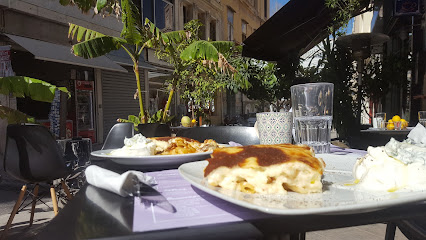
Norman Athens Bar
0.5 km
Discover the vibrant nightlife of Athens at Norman Athens Bar, where unique cocktails and a lively atmosphere await you in the heart of the city.
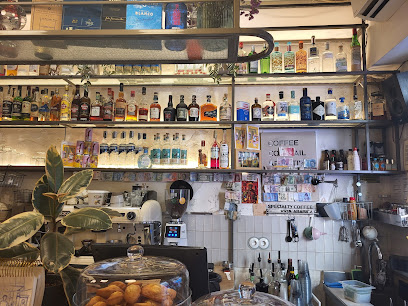
Jackass Penguin Gallery and Cocktail Bar
0.5 km
Discover the unique flavors of Greece at Jackass Penguin Gallery and Cocktail Bar, where culinary excellence meets vibrant local art.
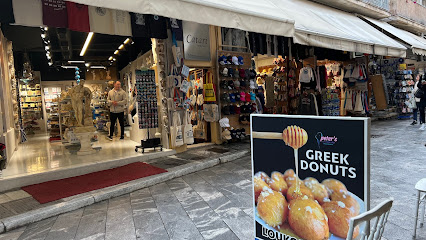
Brettos bar
0.5 km
Experience the rich tradition of Greek spirits at Brettos Bar in Plaka, Athens—where history and vibrant nightlife converge.
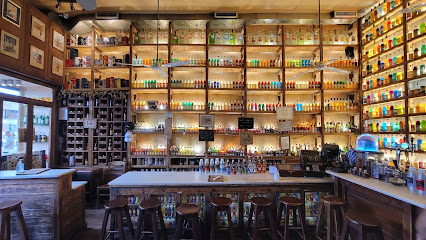
Couleur Locale
0.5 km
Discover the vibrant atmosphere and stunning Acropolis views at Couleur Locale, a unique bar and bistro in the heart of Athens.
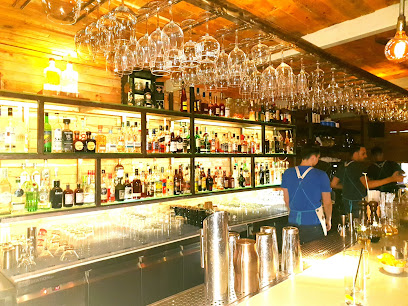
City ZEN All Day Bar Restaurant
0.5 km
Experience the essence of Athens at City ZEN All Day Bar Restaurant, where culinary delights and a vibrant atmosphere await every visitor.
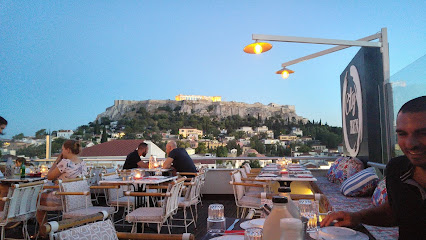
Theta
0.5 km
Discover Theta, a premier cocktail bar in Athens, where exquisite drinks and a vibrant atmosphere create the perfect night out.
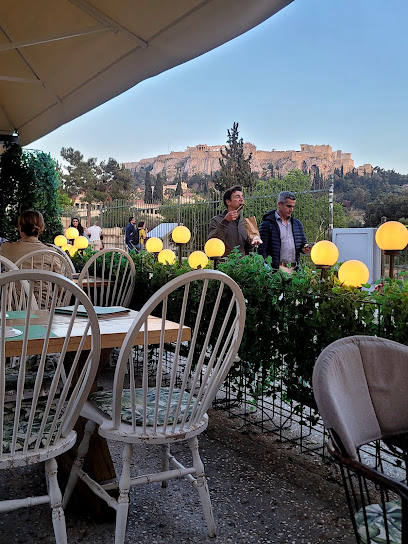
Thesis 7
0.5 km
Experience the artistic allure of Thesis 7, where vibrant cocktails and live music blend seamlessly in the heart of Athens.
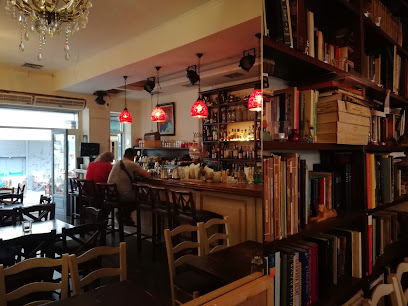
Buena Vista Social Bar
0.5 km
Discover the lively Buena Vista Social Bar in Athens, where Latin American flavors meet vibrant nightlife for an unforgettable experience.

Attic Urban Rooftop
0.5 km
Discover Attic Urban Rooftop, where innovative cocktails meet breathtaking views in the heart of Athens' vibrant nightlife.
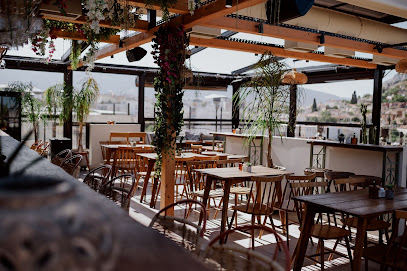
The James Joyce Irish Pub
0.6 km
Discover the authentic taste of Ireland at The James Joyce Irish Pub in Athens, where good food and great company await.
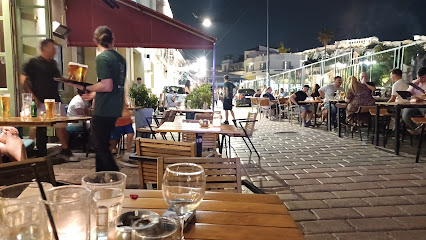
Caravin wine & wanderlust
0.6 km
Discover the essence of Greek wine culture at Caravin wine & wanderlust, Athens' premier wine bar offering an exquisite selection of wines and delectable tapas.
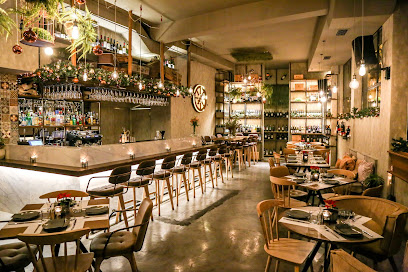
Nightclubs & after hour spots

Greek Music Venue
0.6 km
Discover Athens' vibrant rock music scene at the Greek Music Venue, where live performances and a lively atmosphere create unforgettable moments.
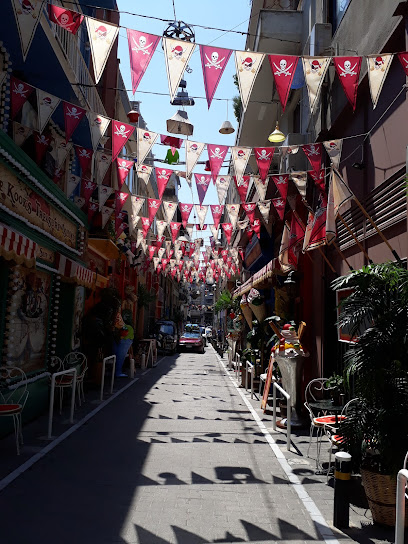
7 Times Dance Club & Shisha Lounge
0.6 km
Discover the energetic vibe of Athens at 7 Times Dance Club & Shisha Lounge, where dancing meets relaxation in a vibrant atmosphere.
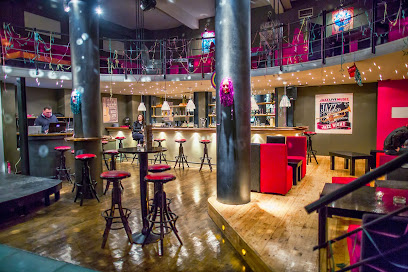
Nomads Athens
0.6 km
Discover the lively nightlife of Athens at Nomads, a vibrant bar and live music venue offering a great selection of beers and unforgettable performances.
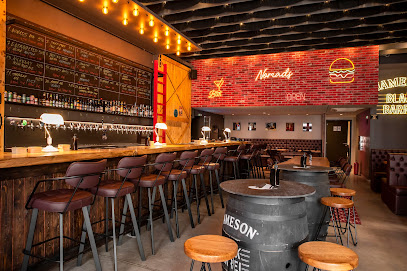
Cantina Social
0.7 km
Experience the vibrant nightlife of Athens at Cantina Social, where delicious cocktails and lively music create unforgettable moments.

Ruby Club
0.7 km
Unleash your wild side at Ruby Club, a premier night club in Athens, where unforgettable nights filled with music, dancing, and vibrant energy await.
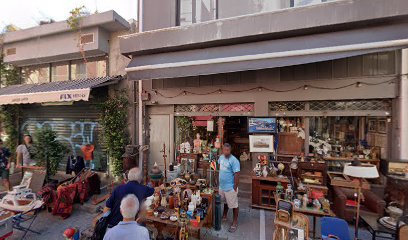
Karaoke bar
0.7 km
Experience the lively nightlife of Athens at a top-rated karaoke bar, where music and fun collide in an unforgettable atmosphere.

GhostHouse Karaoke
0.7 km
Experience the thrill of karaoke in Athens at GhostHouse, where every night is a celebration of music, laughter, and unforgettable moments.
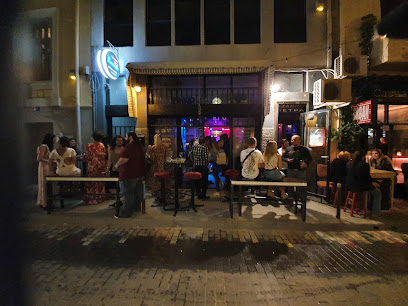
Death Disco
0.7 km
Discover the electrifying nightlife of Athens at Death Disco, a vibrant night club known for its diverse music and unforgettable themed events.

International Party Athens
0.7 km
Experience the electrifying nightlife at International Party Athens, where every night is a celebration with music, dancing, and unforgettable memories.
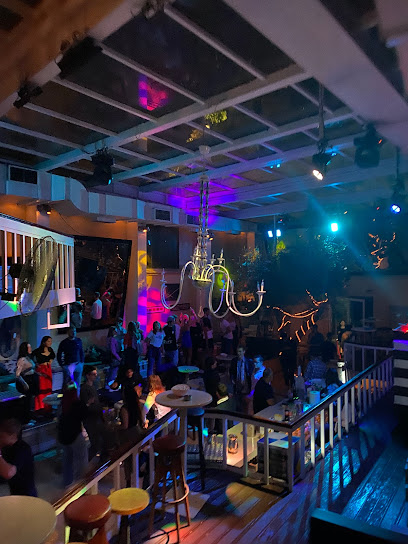
EKEI
0.8 km
Experience the electrifying nightlife at EKEI, Athens' premier night club with pulsating music and an unforgettable atmosphere.

capu
0.8 km
Discover the excitement of Capu Night Club in Athens, where vibrant music and lively atmosphere create unforgettable nightlife experiences.

Club 22
1.0 km
Dive into the electrifying nightlife at Club 22, Athens' premier destination for unforgettable partying and entertainment.
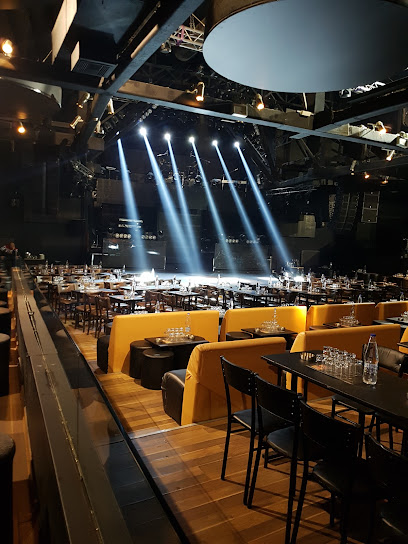
Like
1.1 km
Discover the electrifying nightlife of Athens at Like Night Club, where dancing and music create unforgettable experiences in a stylish setting.
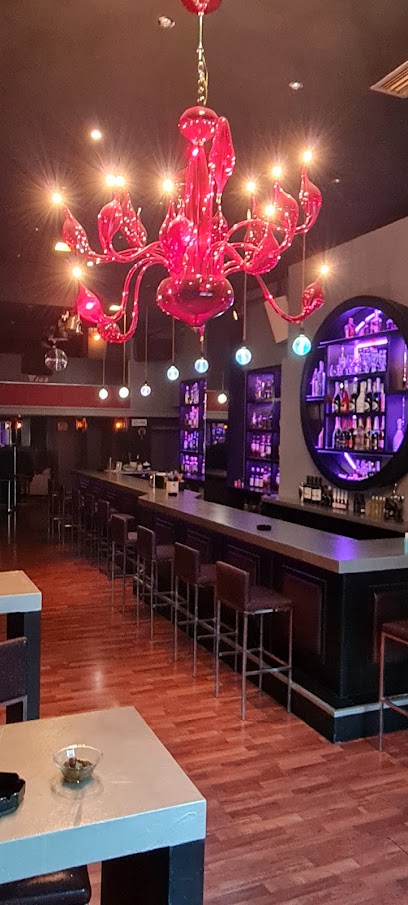
Koukles Club Drag Queen Show
1.1 km
Experience the dazzling drag shows and vibrant nightlife at Koukles Club, Athens' premier disco destination for unforgettable entertainment.
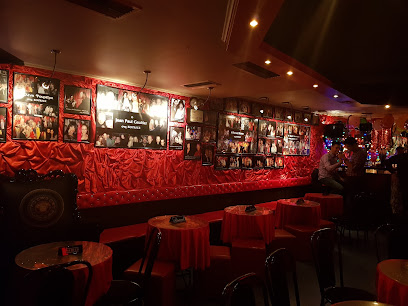
Toyroom Athens
1.1 km
Experience the electrifying vibe of Toyroom Athens, a premier disco club in the heart of the city, where unforgettable nights come alive.