Ancient Agora of Athens: The Heart of Ancient Athenian Life
Discover the birthplace of democracy at the Ancient Agora of Athens, a vibrant hub of ancient Greek society and culture.
Explore the Ancient Agora of Athens, the vibrant center of ancient Athenian democracy, commerce, and social life. Wander through the ruins of temples, public buildings, and markets, and imagine the bustling atmosphere where philosophers like Socrates once debated and citizens gathered to shape the course of history.
A brief summary to Ancient Agora of Athens
- Athens, 105 55, GR
- +302103210185
- Visit website
Local tips
- Visit early in the morning or late afternoon to avoid crowds and the heat, especially during summer months.
- Wear comfortable shoes, as you'll be walking on uneven ground.
- Purchase a combination ticket to save money if you plan to visit other archaeological sites in Athens.
- Allow at least 1.5 to 2 hours to explore the Agora and the museum.
- Bring water and sunscreen, especially during the summer.

Getting There
-
Public Transport
The Ancient Agora is easily accessible by metro. Take Line 1 or 3 to Monastiraki or Line 1 to Thiseio station. From either station, it's a short walk to the entrance on Adrianou Street. A single metro ticket within Athens costs €2 and is valid for 90 minutes.
-
Walking
From Syntagma Square, walk west towards Monastiraki. The walk is approximately 1.3 km and takes about 15 minutes. Follow Athinas Street, and you'll find the Ancient Agora on your left. Alternatively, walking downhill from the Acropolis takes around 15 minutes.
-
Taxi
Taxis are readily available throughout Athens. A taxi ride from Syntagma Square to the Ancient Agora typically costs between €3 and €5 and takes approximately 5-7 minutes, depending on traffic. Ensure the driver uses the meter.
Discover more about Ancient Agora of Athens
Iconic landmarks you can’t miss

Monument of the Heroes
0.0 km
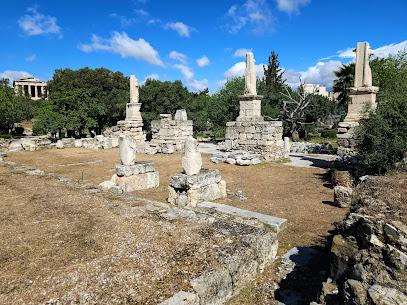
Explore the remains of the Monument of the Eponymous Heroes in Athens, a symbol of ancient democracy and civic engagement.
Temple of Apollo Patroos
0.1 km
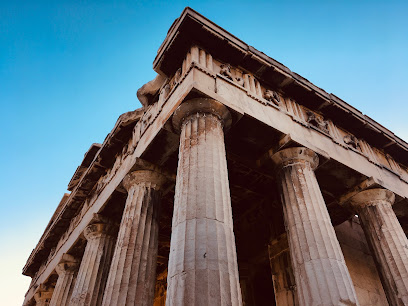
Explore the ruins of the Temple of Apollo Patroos in Athens' Ancient Agora, a tribute to the Ionian heritage and a glimpse into classical history.
Odeon of Agrippa
0.1 km
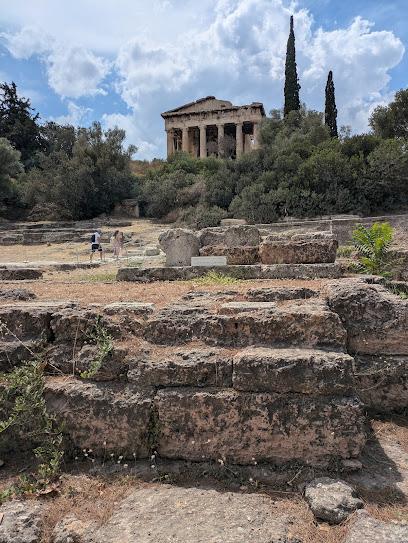
Explore the ruins of the Odeon of Agrippa in Athens, a testament to ancient Roman influence and Athenian cultural life.
Remains Athens State Prison
0.1 km
Explore the haunting remains of Athens State Prison, a historical landmark offering a glimpse into the city's past and the evolution of justice.
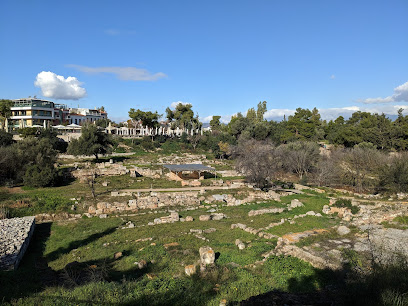
Monopteros
0.2 km
Discover the Roman-era Monopteros in Athens' Ancient Agora, a unique circular structure with a debated past and architectural charm.
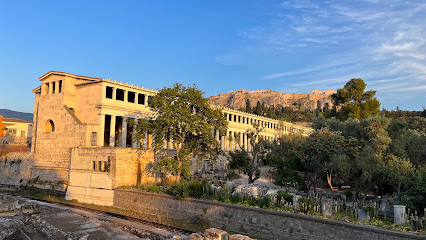
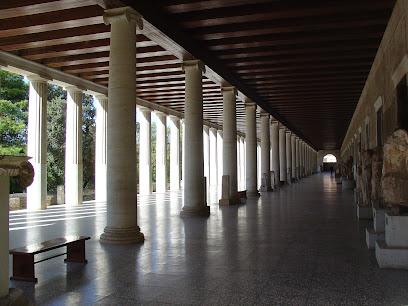
Stoa Attalou
0.2 km
Explore the reconstructed Stoa of Attalos in Athens' Ancient Agora, housing a museum with fascinating artifacts of daily life in ancient Greece.
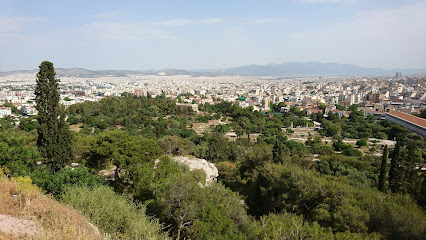
Thissio Park
0.2 km
Discover Thissio Park in Athens: a tranquil escape with Acropolis views, rich history, and a vibrant local atmosphere. Perfect for relaxation and exploration.
NEW ATHENS FREE TOUR
0.2 km
Explore Athens' rich history and vibrant culture with New Athens Free Tour, the perfect budget-friendly adventure for all travelers.
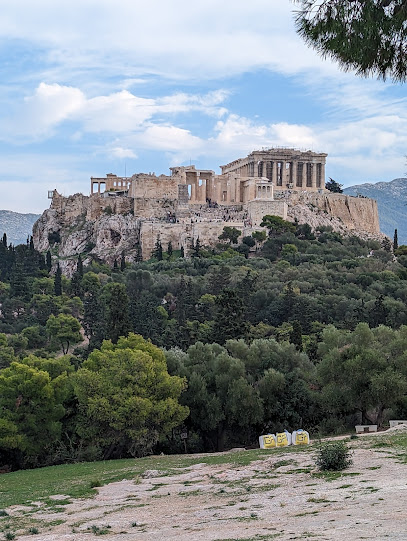
Iraklidon 2
0.2 km
Explore the heart of Thissio: Where history, culture, and modern Athenian life converge at the foot of the Acropolis.
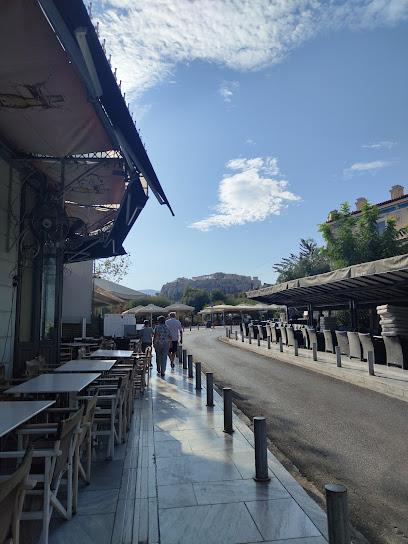
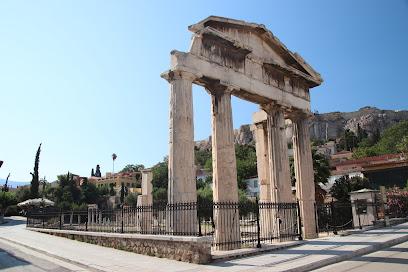
Gate of Athena Archegetis
0.3 km
Explore the Gate of Athena Archegetis, a symbol of Roman patronage and Athenian heritage, at the heart of Athens' ancient marketplace.
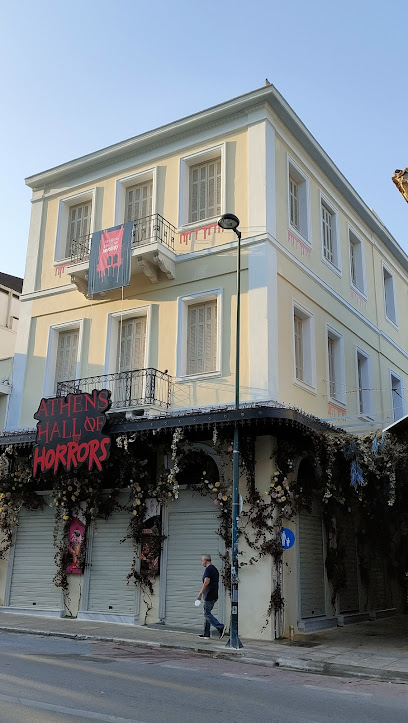
Athens Hall Of Horrors
0.3 km
Experience the ultimate haunted adventure in Athens, where Greek mythology meets modern horror in a thrilling escape room and haunted house.
Holy Church of the Incorporeal Angels at Theseion (11th c.)
0.3 km
Discover the serene beauty and historical significance of this 11th-century Byzantine church in the heart of Athens.
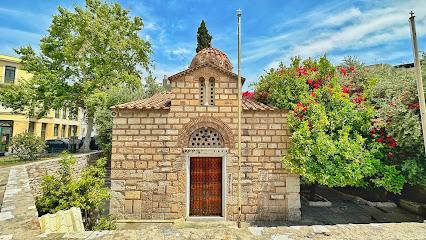
Plate with Apostle Paul's Sermon
0.3 km
Explore the Plate with Apostle Paul's Sermon in Athens, a captivating sculpture honoring a pivotal moment in Christian history amidst rich cultural heritage.
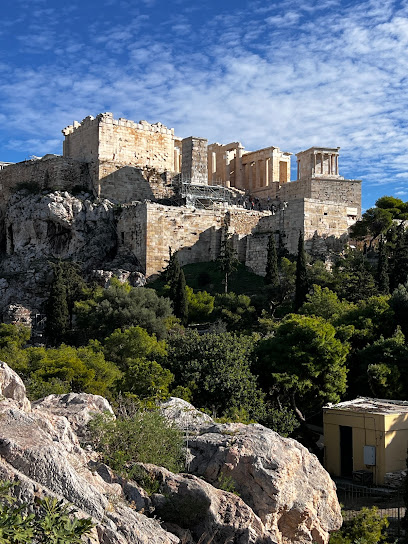
Holy Church of the Nativity of Christ (Christokopidou)
0.3 km
Discover the Holy Church of the Nativity of Christ (Christokopidou) in Athens, a historic Greek Orthodox church with stunning architecture and rich history.
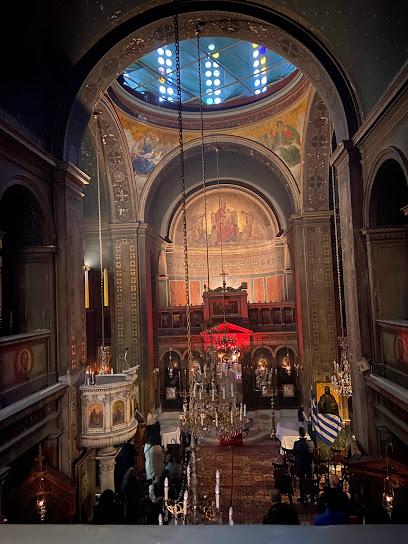
Holy Church of the All-Great Taxiarchs and the Virgin Mary Gregorousa
0.3 km
Discover a serene sanctuary in Athens: Explore the Holy Church of the All-Great Taxiarchs and the Virgin Mary Gregorousa's rich history and artistry.
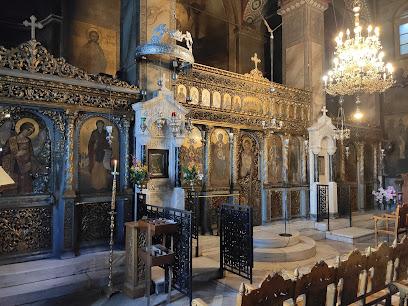
Unmissable attractions to see

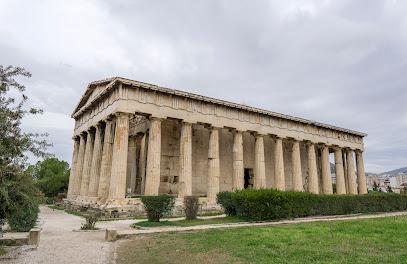
Temple of Hephaestus
0.1 km
Discover the architectural marvel of the Temple of Hephaestus in Athens, a well-preserved ancient temple steeped in history and culture.
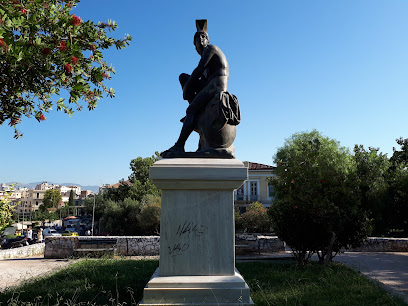
Άγαλμα του Θησέα
0.2 km
Explore the Agalma of Theseus in Athens, where stunning sculptures and rich history converge, offering a unique glimpse into ancient Greek art and culture.
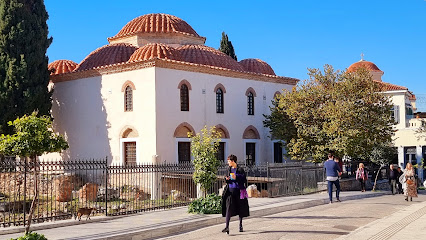
Holy Church of the Holy Apostles of Solakis (10th c.)
0.2 km
Discover the tranquil charm and rich history of the Holy Church of the Holy Apostles of Solakis, a 10th-century gem in the heart of Athens.

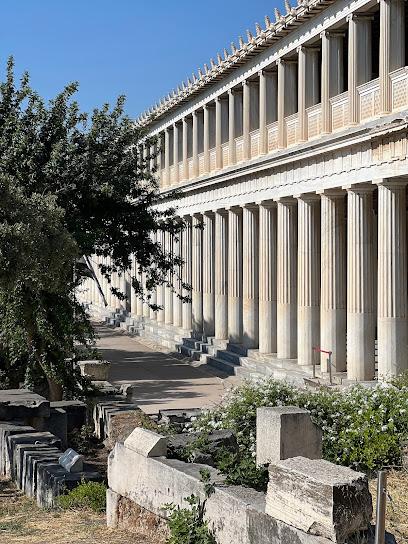
Stoa of Attalos - Museum of the Ancient Agora
0.2 km
Discover the Stoa of Attalos: An archaeological museum showcasing the ancient Agora's treasures in the heart of Athens, Greece.
Late Roman tower wall foundations
0.2 km
Discover the remnants of ancient military architecture at the Late Roman tower wall foundations in the heart of Athens, a historical gem for every traveler.
Museum of Illusions Athens
0.2 km
Discover the magic of perception at the Museum of Illusions Athens, where reality meets imagination in a captivating experience for all ages.

Apostolou Pavlou
0.2 km
Discover Apostolou Pavlou, a vibrant street in Athens connecting you to ancient wonders, local culture, and breathtaking views.
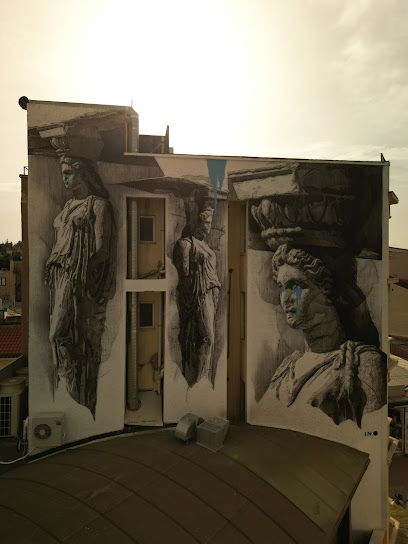
Καρυάτιδες που Κλαίνε
0.2 km
Explore the iconic Karyatides of Athens, a breathtaking tourist attraction steeped in ancient history and architectural beauty.
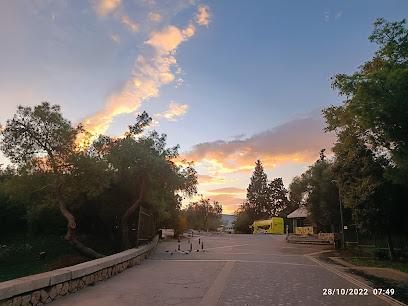
Abyssinia Square
0.3 km
Discover Abyssinia Square, a serene park in Athens that offers a vibrant atmosphere, lush greenery, and a perfect escape from the city's hustle and bustle.
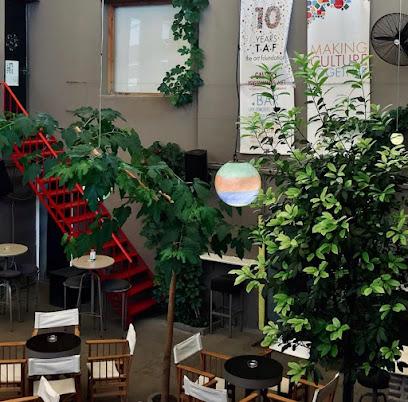
TAF (The Art Foundation)
0.3 km
Discover the creative spirit of Athens at TAF (The Art Foundation), where art meets leisure in a vibrant cafe-bar setting.
Thision Open Air Cinema
0.3 km
Discover the magic of outdoor cinema at Thision Open Air Cinema, where unforgettable films meet breathtaking views of the Acropolis in Athens.

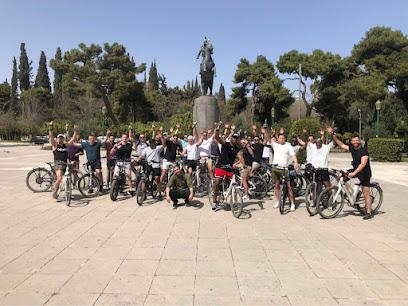
We Bike Athens Electric Bike Rides
0.3 km
Discover Athens on electric bikes with We Bike Athens – the perfect blend of adventure and culture in Greece's magnificent capital.
Areopagus Hill
0.3 km
Explore Areopagus Hill, a historic landmark in Athens offering stunning views and a rich tapestry of ancient history, perfect for cultural enthusiasts and nature lovers alike.

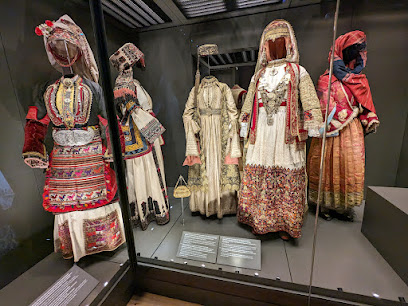
Museum of Modern Greek Culture
0.3 km
Discover the Museum of Modern Greek Culture, where contemporary art and history converge in the heart of Athens for an enriching cultural experience.
Church of Agia Marina
0.3 km
Explore the Church of Agia Marina, a serene Greek Orthodox gem in Athens, rich in history and architectural beauty, perfect for cultural enthusiasts.

Essential places to dine

Kuzina
0.2 km
Discover Kuzina: An exquisite blend of traditional Greek cuisine and modern flair in Athens' historic center.
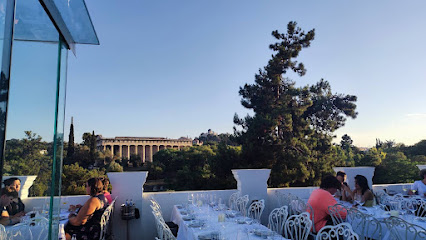
Traditional Food Diodos
0.2 km
Experience authentic Greek cuisine at Traditional Food Diodos in Athens - where every dish tells a story.
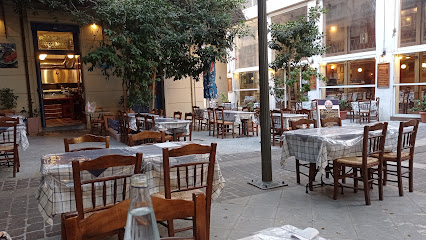
Omorphi Polis
0.2 km
Experience authentic Greek cuisine at Omorphi Polis, where every dish tells a story of tradition and flavor in the heart of Athens.
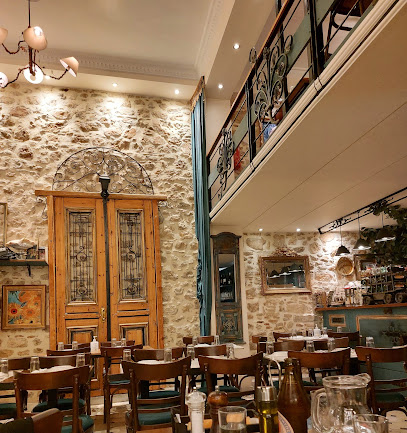
Antica Restaurant & Cafe
0.2 km
Experience authentic Greek cuisine at Antica Restaurant & Cafe in Athens - where tradition meets taste in a vibrant setting.
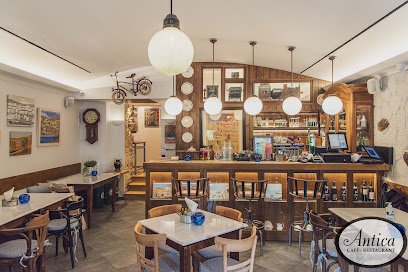
Hill Athens Rooftop Restaurant
0.2 km
Experience exquisite Mediterranean cuisine with breathtaking views at Hill Athens Rooftop Restaurant – a culinary gem in the heart of Athens.
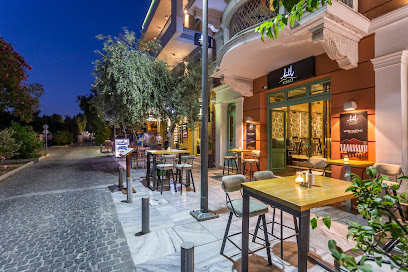
Chocolat Royal
0.2 km
Experience the sweet side of Athens at Chocolat Royal – where exquisite desserts meet inviting atmosphere.
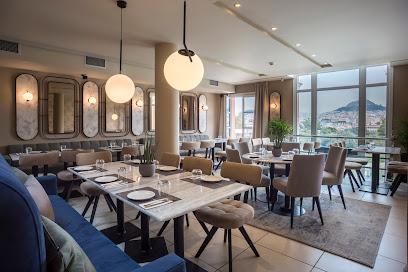
Thissio View
0.2 km
Experience breathtaking views of the Acropolis while indulging in authentic Greek cuisine at Thissio View in Athens.
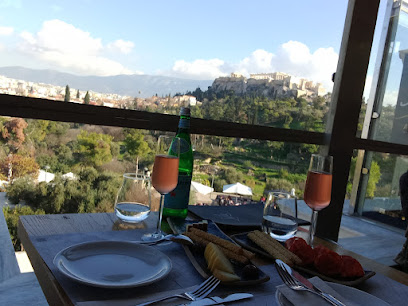
Μοma
0.2 km
Experience authentic Greek cuisine with a modern twist at Μοma - A culinary gem in the heart of Athens.
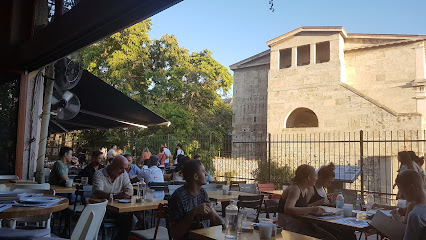
Makris Athens Fine Dining Restaurant
0.2 km
Discover exquisite flavors at Makris Athens Fine Dining Restaurant – where traditional Greek cuisine meets modern culinary artistry.
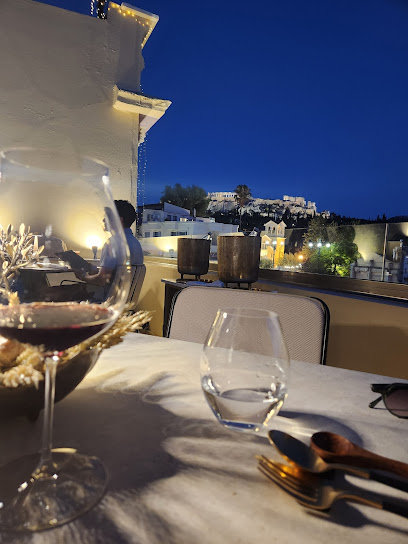
A Little Taste of Home Restaurant
0.2 km
Discover authentic Greek flavors at A Little Taste of Home Restaurant in Athens - where every meal feels like home.
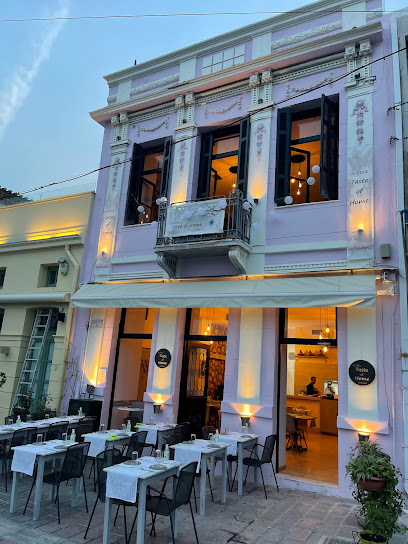
Oh! Dio Wine Restaurant
0.2 km
Discover authentic Greek cuisine at Oh! Dio Wine Restaurant - where fresh seafood meets fine wines in the heart of Athens.
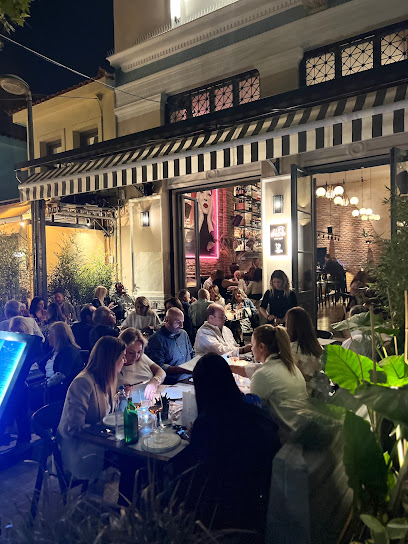
Sycophant
0.2 km
Discover Sycophant: Athens' delightful breakfast spot featuring cat-themed decor and mouthwatering dishes perfect for any morning.
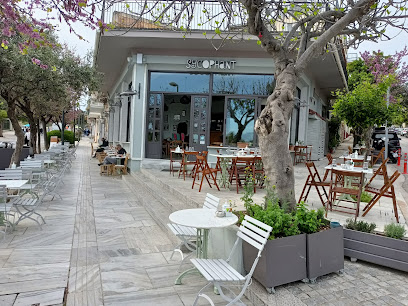
Sin Athina - Συν Αθηνά
0.2 km
Discover Sin Athina: A delightful blend of authentic Greek cuisine and modern flavors in the heart of Athens.
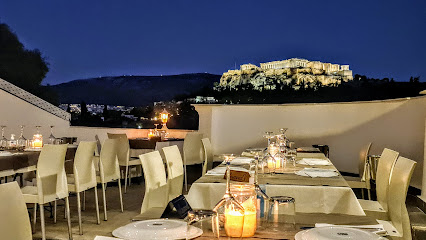
Dia Tauta Restaurant
0.2 km
Experience authentic Greek cuisine at Dia Tauta Restaurant in Athens - a perfect blend of flavor and culture in every bite.
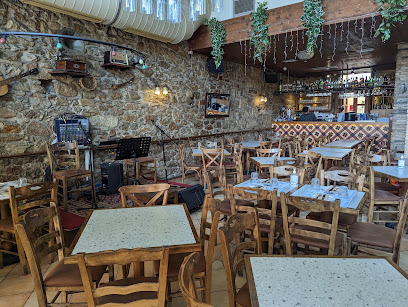
Dipylo Restaurant
0.2 km
Experience authentic Greek cuisine at Dipylo Restaurant in Athens – where tradition meets taste in every delicious bite.
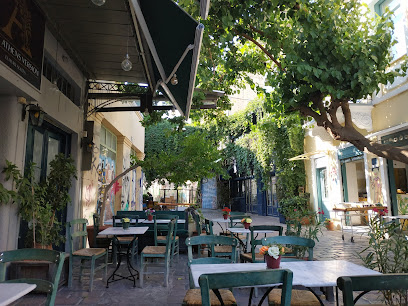
Markets, malls and hidden boutiques

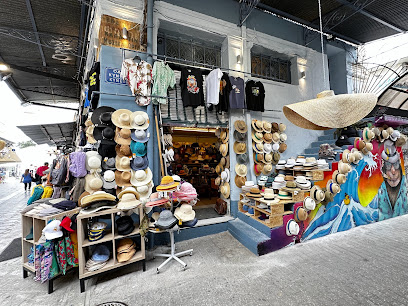
ARARAT Hat Boutique
0.2 km
Discover the elegance of ARARAT Hat Boutique in Athens, where stylish hats and unique fashion accessories await to elevate your wardrobe.
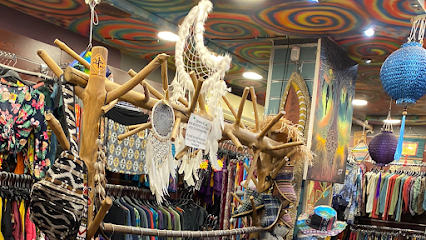
HIPPIE SHOP - ΕΝΔΥΣΗ - ΑΘΗΝΑ
0.2 km
Explore the vibrant fashion scene at Hippie Shop in Athens, offering unique clothing styles and eclectic accessories for every trendsetter.
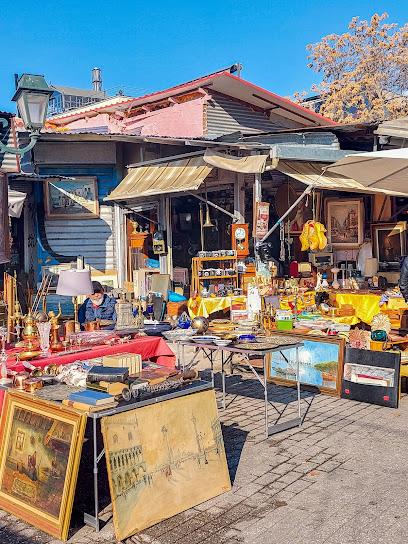
Antique Market
0.3 km
Explore the Antique Market in Athens for unique vintage finds and a vibrant shopping experience steeped in history.

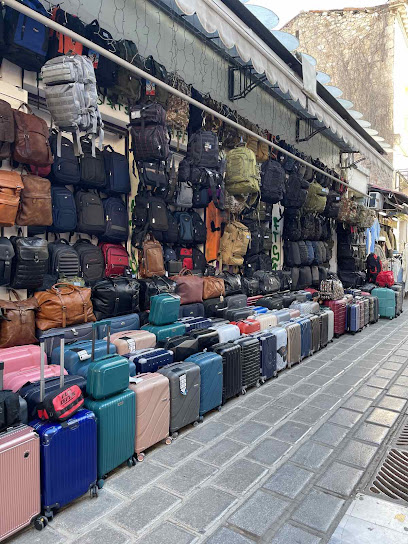
NomadGear
0.3 km
Explore NomadGear in Athens for exceptional travel bags and luggage tailored for every adventure, blending style with functionality.
The Concept Store Art & Industry
0.3 km
Explore The Concept Store Art & Industry in Athens for exclusive vintage clothing and accessories that capture the essence of timeless fashion.
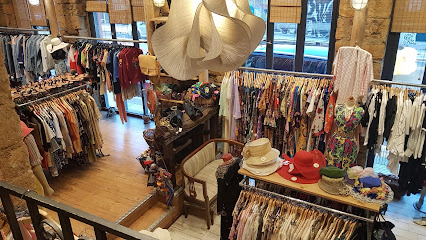
Kilo-Shop
0.3 km
Explore Kilo-Shop in Athens for unique vintage clothing and sustainable fashion that captures the essence of style and history.
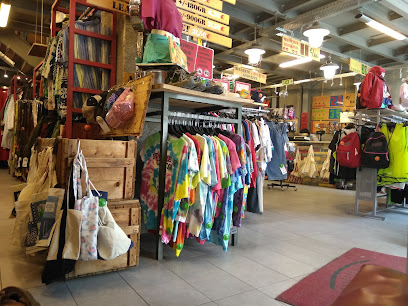
Vases
0.3 km
Explore Vases Gift Shop in Athens for unique souvenirs and local crafts that capture the spirit of Greece.
Articraft Store | Handmade Goods
0.3 km
Discover unique handmade goods at Articraft Store in Athens, a treasure trove of craftsmanship featuring leather goods, clothing, and more.
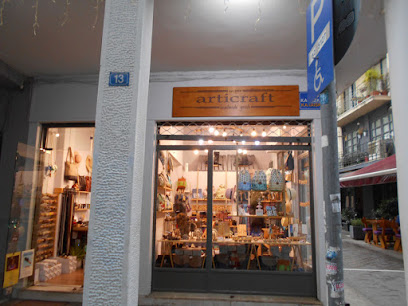
T-Greeks Shop Athens
0.4 km
Explore T-Greeks Shop in Athens for authentic Greek souvenirs, unique crafts, and the perfect gifts that celebrate Greece's rich culture.
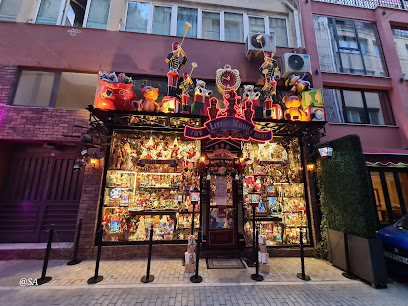
Little Kook Toy Shop
0.4 km
Explore the enchanting Little Kook Toy Shop in Athens – a whimsical gift shop filled with unique toys and delightful souvenirs for all ages.
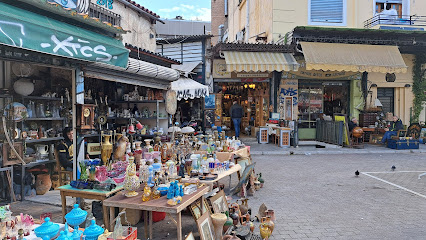
ATHENS FLEA MARKET
0.4 km
Explore the unique treasures and lively atmosphere of Athens Flea Market, a vibrant hub of culture and shopping in the heart of the city.
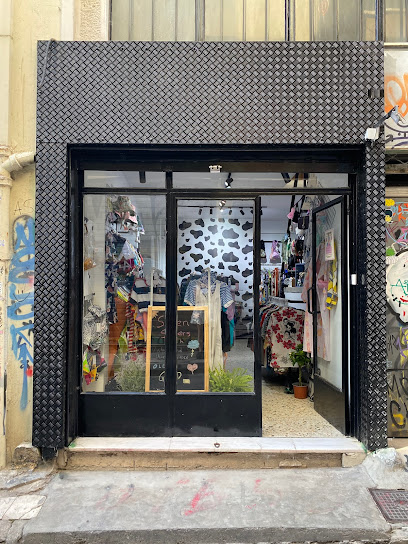
Seven Sisters Ath
0.4 km
Explore Seven Sisters Ath for a unique vintage shopping experience in Athens, where timeless fashion pieces await your discovery.
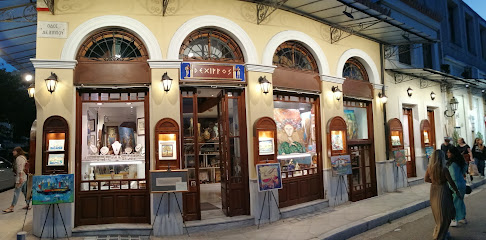
Hermes
0.4 km
Shop at Hermes Souvenir Shop in Athens for unique Greek memorabilia, from handcrafted treasures to contemporary keepsakes, perfect for every traveler.
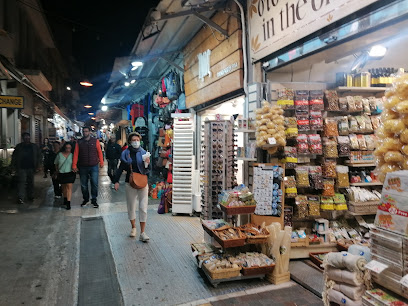
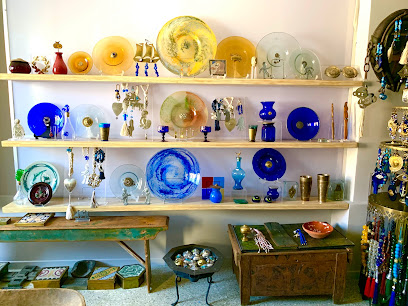
MATI GREEK HANDICRAFTS
0.4 km
Explore Mati Greek Handicrafts in Athens for unique, handmade gifts that capture the essence of Greek artistry and culture.
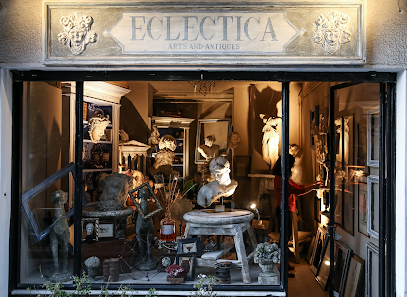
Eclectica
0.4 km
Explore Eclectica in Athens, where vintage treasures meet contemporary artistry in a captivating antique store and art gallery.
Essential bars & hidden hideouts

Theta
0.2 km
Discover Theta, a premier cocktail bar in Athens, where exquisite drinks and a vibrant atmosphere create the perfect night out.
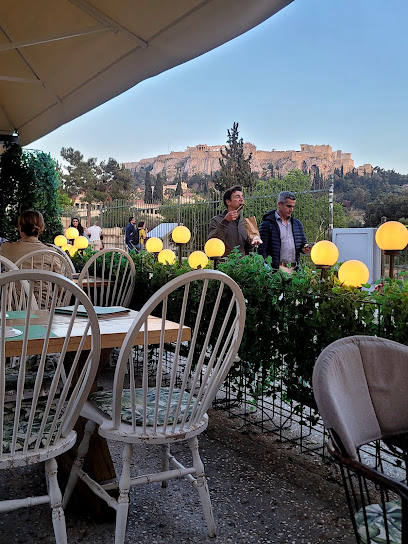
The James Joyce Irish Pub
0.2 km
Discover the authentic taste of Ireland at The James Joyce Irish Pub in Athens, where good food and great company await.
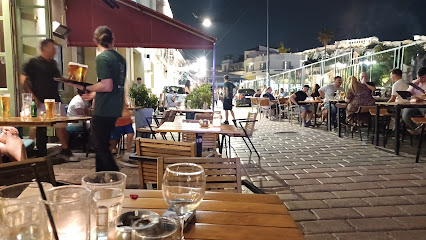
Diego
0.2 km
Experience the vibrant nightlife of Athens at Diego, a premier bar known for its stylish decor and delicious cocktails.
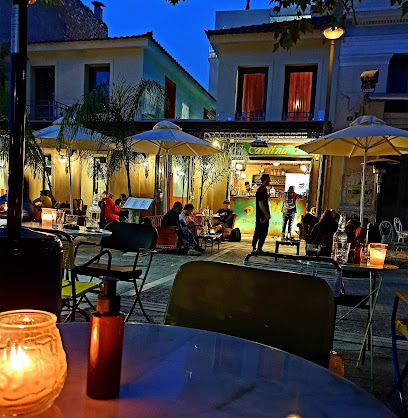
Thesis 7
0.2 km
Experience the artistic allure of Thesis 7, where vibrant cocktails and live music blend seamlessly in the heart of Athens.
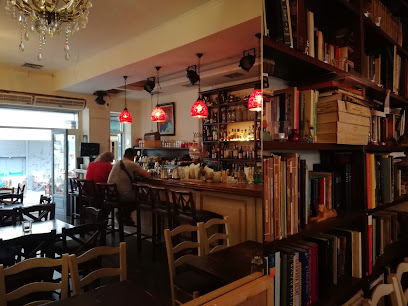
Buena Vista Social Bar
0.2 km
Discover the lively Buena Vista Social Bar in Athens, where Latin American flavors meet vibrant nightlife for an unforgettable experience.
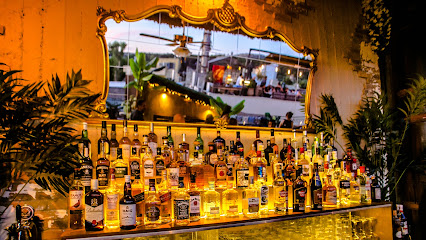
Norman Athens Bar
0.3 km
Discover the vibrant nightlife of Athens at Norman Athens Bar, where unique cocktails and a lively atmosphere await you in the heart of the city.
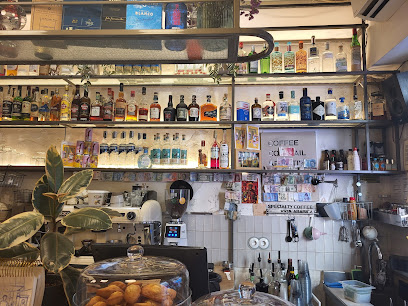
Caravin wine & wanderlust
0.3 km
Discover the essence of Greek wine culture at Caravin wine & wanderlust, Athens' premier wine bar offering an exquisite selection of wines and delectable tapas.
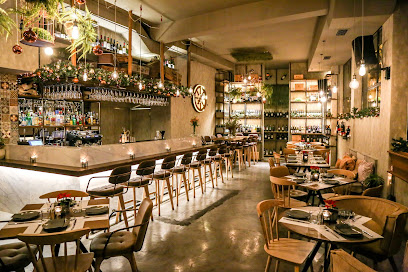
Couleur Locale
0.3 km
Discover the vibrant atmosphere and stunning Acropolis views at Couleur Locale, a unique bar and bistro in the heart of Athens.
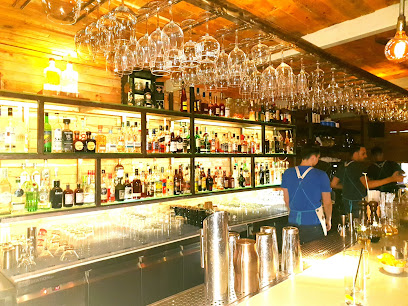
360 Cocktail Bar
0.3 km
Experience breathtaking views and expertly crafted cocktails at 360 Cocktail Bar, a rooftop gem in the heart of Athens.
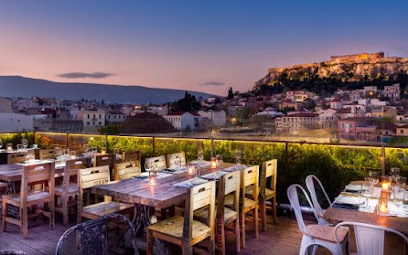
Attic Urban Rooftop
0.4 km
Discover Attic Urban Rooftop, where innovative cocktails meet breathtaking views in the heart of Athens' vibrant nightlife.
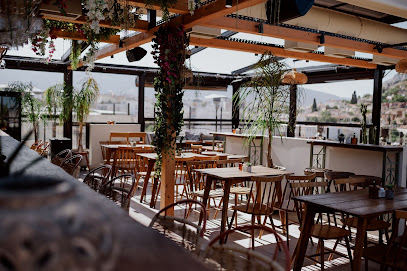
BOO!
0.4 km
Experience the vibrant atmosphere and creative cocktails at BOO!, a must-visit cocktail bar and brunch spot in Athens.
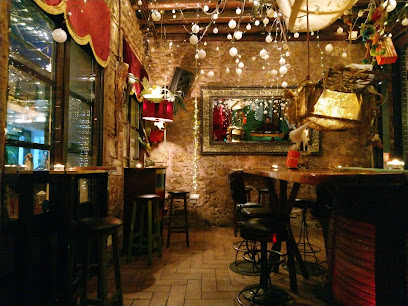
King’s Theater Wine Bar
0.4 km
Unwind at King’s Theater Wine Bar in Athens, where exquisite wines meet a cozy atmosphere, creating the perfect local experience in the heart of the city.
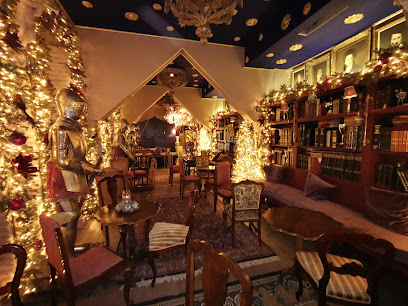
Lost Roots Wine Bar
0.4 km
Explore Lost Roots Wine Bar in Athens for a perfect blend of exquisite wines and local flavors in a cozy, inviting atmosphere.
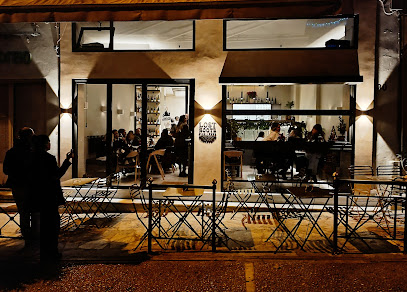
Teddy Boy
0.4 km
Discover the vibrant nightlife at Teddy Boy, an eclectic bar in Athens known for its unique cocktails and inviting atmosphere.
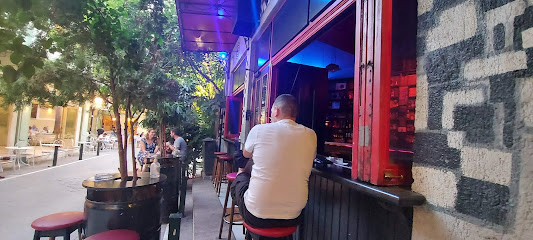
The Party Bar
0.4 km
Experience the vibrant nightlife of Athens at The Party Bar, where great drinks and an electric atmosphere await you.
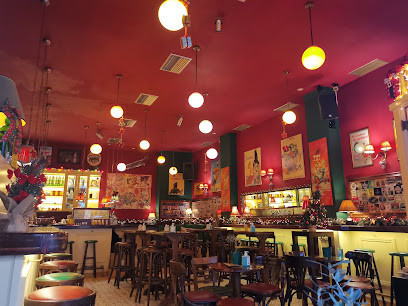
Nightclubs & after hour spots

Nomads Athens
0.3 km
Discover the lively nightlife of Athens at Nomads, a vibrant bar and live music venue offering a great selection of beers and unforgettable performances.
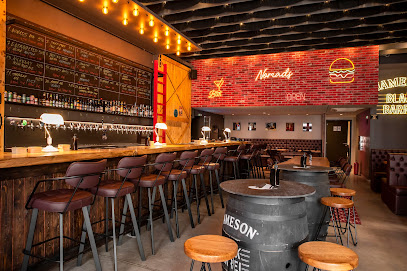
Cantina Social
0.3 km
Experience the vibrant nightlife of Athens at Cantina Social, where delicious cocktails and lively music create unforgettable moments.
Greek Music Venue
0.3 km
Discover Athens' vibrant rock music scene at the Greek Music Venue, where live performances and a lively atmosphere create unforgettable moments.
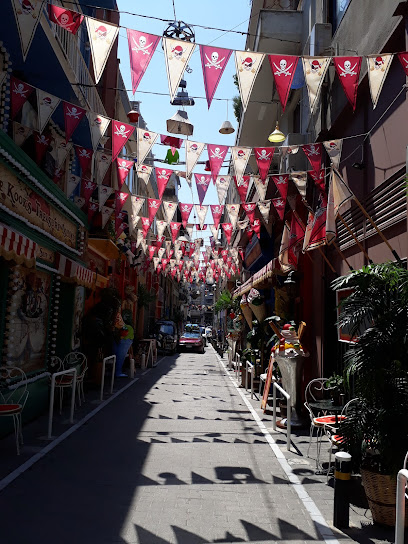
Ruby Club
0.3 km
Unleash your wild side at Ruby Club, a premier night club in Athens, where unforgettable nights filled with music, dancing, and vibrant energy await.
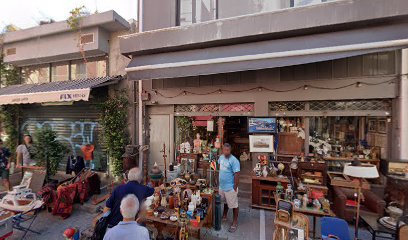
Karaoke bar
0.4 km
Experience the lively nightlife of Athens at a top-rated karaoke bar, where music and fun collide in an unforgettable atmosphere.

GhostHouse Karaoke
0.4 km
Experience the thrill of karaoke in Athens at GhostHouse, where every night is a celebration of music, laughter, and unforgettable moments.
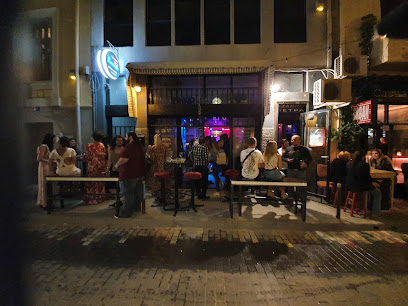
Death Disco
0.4 km
Discover the electrifying nightlife of Athens at Death Disco, a vibrant night club known for its diverse music and unforgettable themed events.
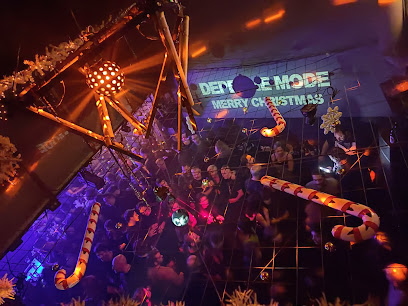
International Party Athens
0.4 km
Experience the electrifying nightlife at International Party Athens, where every night is a celebration with music, dancing, and unforgettable memories.
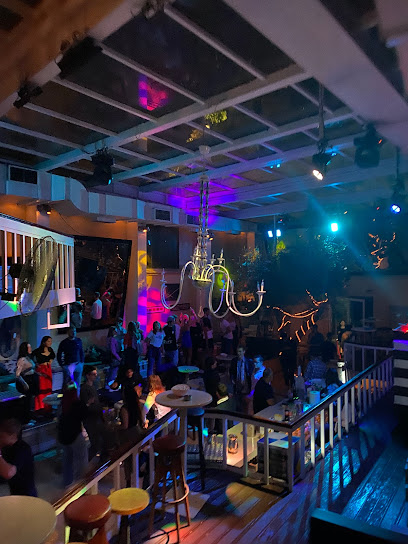
7 Times Dance Club & Shisha Lounge
0.4 km
Discover the energetic vibe of Athens at 7 Times Dance Club & Shisha Lounge, where dancing meets relaxation in a vibrant atmosphere.
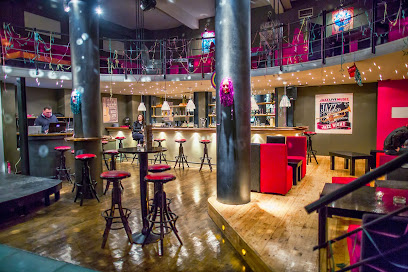
Phōs
0.8 km
Discover the heartbeat of Athens' nightlife at Phōs, where electrifying music and vibrant crowds create unforgettable memories.

Oddity Club
0.8 km
Dive into Athens' nightlife at Oddity Club, where vibrant beats and a lively atmosphere create an unforgettable clubbing experience.

DISCO - VINILIO
0.8 km
Dive into the heart of Athenian nightlife at DISCO - VINILIO, where every night is a celebration of music, dance, and joy.
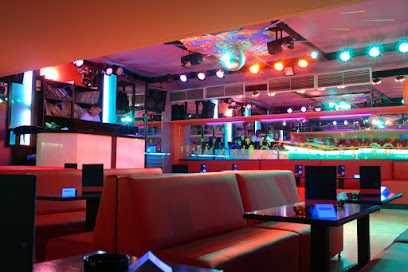
Voodoo Restaurant Bar
0.9 km
Immerse yourself in the electrifying atmosphere of Voodoo Restaurant Bar, Athens' premier disco club for unforgettable nights filled with music and dancing.
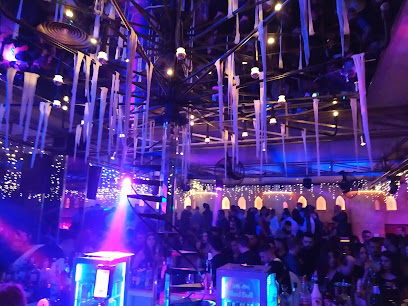
EKEI
0.9 km
Experience the electrifying nightlife at EKEI, Athens' premier night club with pulsating music and an unforgettable atmosphere.
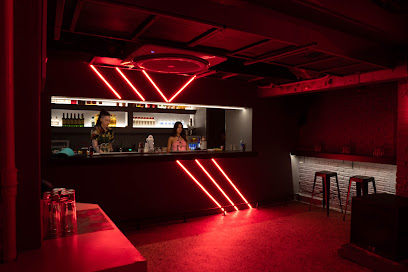
capu
0.9 km
Discover the excitement of Capu Night Club in Athens, where vibrant music and lively atmosphere create unforgettable nightlife experiences.