

Free Saranda Travel Guide & Mobile App
Plan your Saranda trip with Evendo. Get free guides to top attractions, restaurants, hotels, and bars. Web access or download the mobile app.


Saranda combines Ionian beaches, Albanian history, seafood restaurants and easy access to Butrint, Ksamil and the Riviera’s clear coastal landscapes.
Ionian Setting
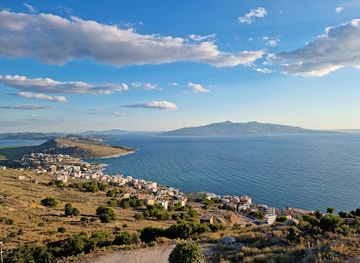
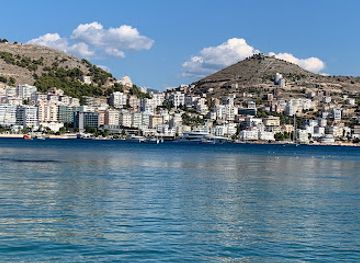
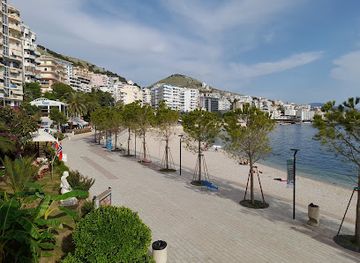
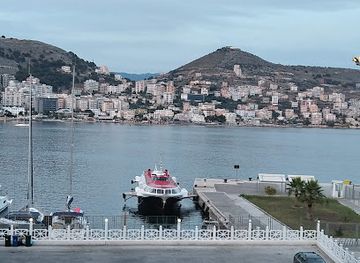
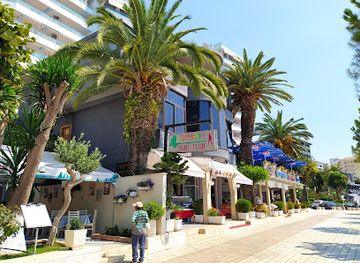
Saranda curves around a bright bay on Albania’s southern coast, facing the island of Corfu across the narrow waters of the Ionian Sea. The town’s waterfront promenade, lined with palms, cafés and restaurants, forms its social centre, while steep streets rise towards hills covered with olive groves and scattered houses. In summer, the shoreline fills with swimmers and sun-seekers, yet the surrounding landscape retains a distinctly Mediterranean character, shaped by dry hills, aromatic shrubs and clear blue water.Read more about Saranda
History and Heritage
Coastal Life
When is the best time to visit Saranda?
Best: May–July · 23–33°C| Month | High (°C) | Rainfall (mm) |
|---|---|---|
| January | 14 | 162 |
| February | 14 | 144 |
| March | 15 | 126 |
| April | 18 | 89 |
| May (best) | 23 | 48 |
| June (best) | 29 | 25 |
| July (best) | 33 | 15 |
| August | 33 | 18 |
| September | 30 | 50 |
| October | 25 | 104 |
| November | 19 | 150 |
| December | 15 | 173 |
Getting to and around Saranda
How to get there
Transportation
Best attractions in Saranda
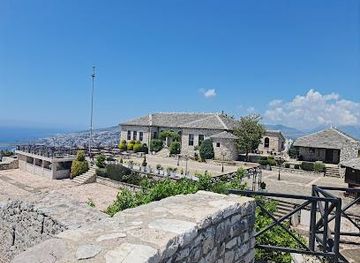
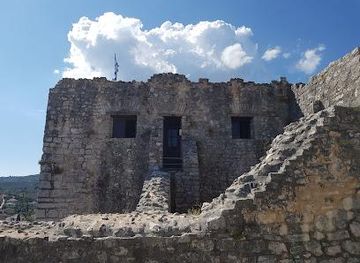
Saranda’s principal sightseeing begins along the waterfront promenade, where the bay, harbour and views towards Corfu provide an easy introduction to the city. The small archaeological remains of the ancient synagogue, including sections of mosaic pavement, reveal the area’s late antique Jewish and Christian history, while the Archaeological Museum offers further context for the region’s past. Above town, the hill associated with the Monastery of the Forty Saints gives the city its name, although access and the condition of the ruins can be limited. Lekuresi Castle, situated outside the centre on a commanding hill, combines Ottoman-era remains with broad views over Saranda and the coast. Beyond the city, Butrint’s theatres, basilicas, Venetian fortifications and wooded setting form the region’s major archaeological attraction, while Ksamil’s small beaches and the Blue Eye provide contrasting coastal and inland excursions.
-
Castle
Kalaja e Lëkurësit
Explore Lëkurësi Castle in Sarandë for panoramic views, rich history, and a taste of Albanian hospitality atop a strategic hilltop fortress.
6 min drive · 2.1 km from city centre
-
Castle
Kassiopi Castle
Explore Kassiopi Castle: A historic Corfu fortress with stunning views of the Ionian Sea and a glimpse into Byzantine history.
32 min drive · 12 km from city centre
-
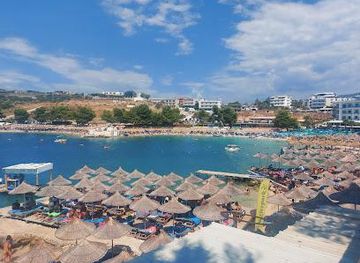
Beach
Plazhi Ksamilit
Experience the 'Albanian Maldives' at Plazhi Ksamilit: turquoise waters, white sands, and island adventures await in beautiful Ksamil.
31 min drive · 11 km from city centre
-
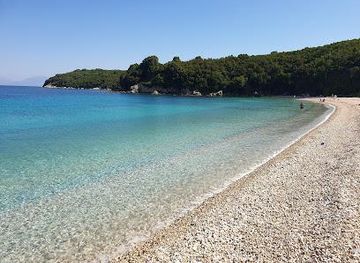
Beach
Avlaki Beach
Discover Avlaki Beach in Corfu: a tranquil escape with crystal-clear waters, gentle breezes, and traditional Greek charm. Perfect for relaxation and watersports.
32 min drive · 12 km from city centre
Best landmarks in Saranda
Saranda’s landmarks express its position between ancient Mediterranean history and modern coastal development. The remains of the ancient synagogue are among the city’s most important archaeological features, with mosaic decoration pointing to a settled and religiously diverse late antique community. On the hill above town, the Monastery of the Forty Saints is the source of Saranda’s name and a significant Christian reference, even though its remains are not presented as a fully restored monument. Lekuresi Castle, a sixteenth-century Ottoman fortress above the bay, is the most commanding historic structure in the immediate area and illustrates the strategic importance of the coast. The waterfront promenade, though modern, has become a defining civic space, while the nearby ruins of Butrint provide the wider region’s most extensive architectural record, from Greek theatre and Roman buildings to Byzantine churches and Venetian fortifications.
-
Castle
Kalaja e Lëkurësit
Explore Lëkurësi Castle in Sarandë: History, panoramic views, and traditional Albanian flavors await at this iconic hilltop fortress.
6 min drive · 2.1 km from city centre
-
Marina
Port of Saranda
The primary port of Saranda, connecting Albania to Corfu and the world, right in the heart of the city.
6 min walk · 0.5 km from city centre
-
Cocktail bar
Jericho Cocktail Bar
Experience Sarandë's vibrant nightlife at Jericho Cocktail Bar, offering exquisite drinks and stunning sea views on the city's bustling promenade.
7 min walk · 0.5 km from city centre
-
Restaurant
Taverna Labëria
Experience authentic Albanian cuisine at Taverna Labëria in Sarandë, where tradition meets taste with stunning coastal views.
10 min walk · 0.8 km from city centre
Explore Saranda on the map
Plan your Saranda trip on one map. See where the top attractions, landmarks, restaurants, bars and hotels are, find what's near where you're staying, and book hotels and experiences in a few clicks.
Best hotels in Saranda
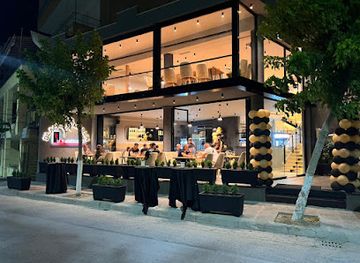
Best restaurants in Saranda
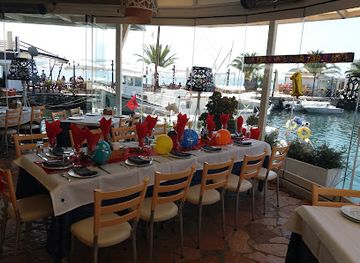
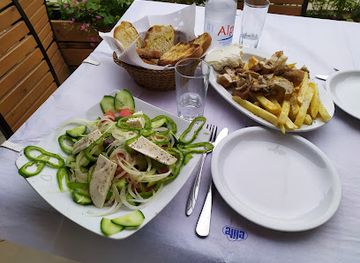
Saranda’s food culture reflects its Ionian setting and southern Albanian connections. Seafood is central, with grilled fish, prawns, octopus, mussels and calamari appearing in restaurants along the bay and in quieter neighbourhoods. Local cooking also draws on inland traditions, including tavë kosi, a baked dish of lamb and yoghurt, byrek pastries, grilled meats, bean dishes and salads dressed with regional olive oil. Greek and Italian influences are visible in the use of feta-style cheeses, pasta, herbs and simple seafood preparations, but the strongest meals remain tied to Albanian produce and seasonal cooking. Waterfront restaurants offer sunset dining and a wide range of menus, while smaller family-run tavernas can provide more traditional fare. Cafés serve strong coffee, sweets and light snacks throughout the day, and local raki is often offered as an after-dinner drink.
-
Restaurant
Bar Restaurant Limani
Discover exquisite Albanian seafood at Bar Restaurant Limani in Sarandë - where stunning views meet culinary artistry.
4 min walk · 0.3 km from city centre
-
Restaurant
Taverna Labëria
Experience authentic Albanian flavors with stunning sea views at Taverna Labëria in Sarandë.
10 min walk · 0.8 km from city centre
-
Family-friendly
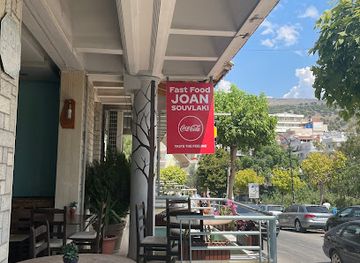
Taverna Joan
Experience authentic Albanian cuisine at Taverna Joan in Sarandë - perfect for families and food lovers alike.
5 min walk · 0.4 km from city centre
-
Fish restaurant
Fish Restaurant Black Marlin
Experience exceptional seafood dining at Fish Restaurant Black Marlin in Sarandë – where fresh ingredients meet stunning coastal views.
10 min walk · 0.8 km from city centre
Best bars in Saranda
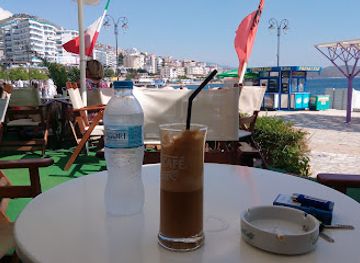
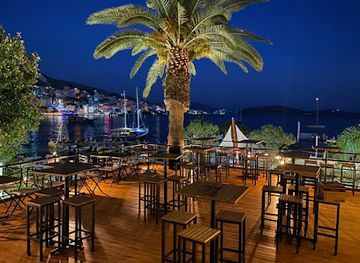
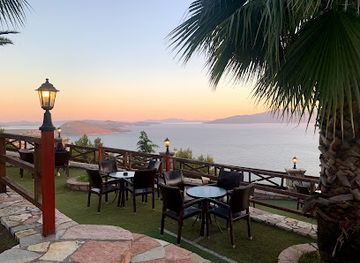
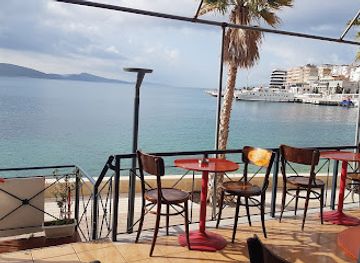
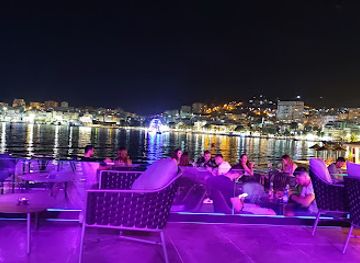
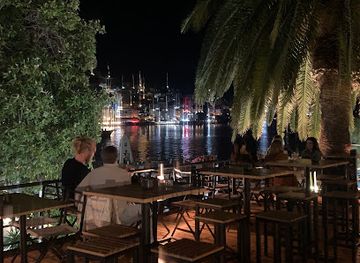
Saranda’s evening life is concentrated around the promenade, the harbour and the streets rising behind the bay. In summer, cafés and bars stay active late, with outdoor terraces, sea views and music creating a social atmosphere that ranges from relaxed coffee drinking to lively beach-resort entertainment. Cocktail bars and modern venues sit alongside simpler cafés where residents gather over coffee, beer or raki, while some waterfront establishments host DJs or dancing during the high season. The town is not a major clubbing capital, and activity becomes noticeably quieter outside summer. Evening walks are an important part of local life, particularly along the seafront, and cultural entertainment may include seasonal concerts or performances rather than a permanent programme of theatres and music venues. Expect prices, opening patterns and atmosphere to vary considerably between the main season and the rest of the year.
-
Cocktail bar
Jericho Cocktail Bar
Experience the vibrant nightlife at Jericho Cocktail Bar in Sarandë, where expertly crafted cocktails meet breathtaking sea views.
7 min walk · 0.5 km from city centre
-
Cocktail bar
Tipsy drinks and more
Experience the best cocktails in Sarandë at Tipsy Drinks and More, where mixology meets breathtaking Adriatic views.
4 min walk · 0.3 km from city centre
-
Bar
Wine Bar Kristiano
Experience the authentic flavors of Albania at Wine Bar Kristiano, where cozy ambiance meets exquisite local wines in beautiful Sarandë.
13 min walk · 1.1 km from city centre
-
Bar
Elvis Bar
Discover the lively Elvis Bar in Sarandë, where local culture meets great drinks and unforgettable entertainment.
4 min walk · 0.3 km from city centre
Best nightclubs in Saranda
Saranda’s evening life is concentrated around the promenade, the harbour and the streets rising behind the bay. In summer, cafés and bars stay active late, with outdoor terraces, sea views and music creating a social atmosphere that ranges from relaxed coffee drinking to lively beach-resort entertainment. Cocktail bars and modern venues sit alongside simpler cafés where residents gather over coffee, beer or raki, while some waterfront establishments host DJs or dancing during the high season. The town is not a major clubbing capital, and activity becomes noticeably quieter outside summer. Evening walks are an important part of local life, particularly along the seafront, and cultural entertainment may include seasonal concerts or performances rather than a permanent programme of theatres and music venues. Expect prices, opening patterns and atmosphere to vary considerably between the main season and the rest of the year.
-
Cocktail bar
Jericho Cocktail Bar
Discover the vibrant nightlife at Jericho Cocktail Bar in Sarandë, offering exquisite cocktails and stunning views of the Ionian Sea.
7 min walk · 0.5 km from city centre
-
Club
Orange Club Sarande
Dive into the vibrant nightlife of Sarandë at Orange Club, where music, dance, and seaside views create unforgettable experiences.
12 min walk · 1.0 km from city centre
-
Cocktail bar
Tipsy drinks and more
Experience the vibrant nightlife at Tipsy Drinks and More, Sarandë's premier cocktail bar with stunning views and innovative drinks.
4 min walk · 0.3 km from city centre
-
Adult entertainment club
4 Elements Night Clubs ( Strip Club )
Experience the electrifying nightlife at 4 Elements Night Club, a premier adult entertainment venue in the heart of Sarandë, Albania.
10 min walk · 0.8 km from city centre
Best shops in Saranda
Shopping in Saranda is concentrated along the waterfront, central commercial streets and the roads leading towards the beaches. Small food shops and specialist sellers offer Albanian olive oil, honey, mountain herbs, dried fruit, preserves and bottles of raki, while market stalls may carry seasonal fruit and vegetables. Visitors will also find beachwear, sandals, ceramics, jewellery and inexpensive souvenirs aimed at the summer trade. The most distinctive purchases are usually edible or locally made rather than luxury goods, and quality can vary, so labels and provenance are worth checking. Saranda has supermarkets and modern convenience shops for everyday needs, but its retail character remains largely seasonal and practical. For a broader craft and heritage experience, Gjirokaster’s bazaar is a worthwhile regional excursion rather than a shopping district within Saranda itself.
-
Patisserie
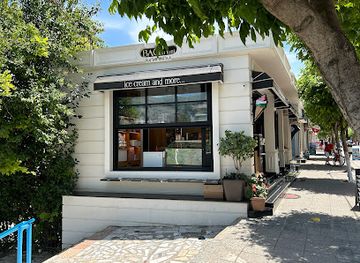
Baci A Tutti
Discover the sweetness of Sarandë at Baci A Tutti, where delectable pastries and refreshing gelato await you in a charming atmosphere.
5 min walk · 0.4 km from city centre
-
Vegan
Green Life Market
Experience the vibrant flavors of vegan cuisine and organic delights at Sarandë's Green Life Market, a culinary haven for conscious tourists.
5 min walk · 0.4 km from city centre
-
Tobacco shop
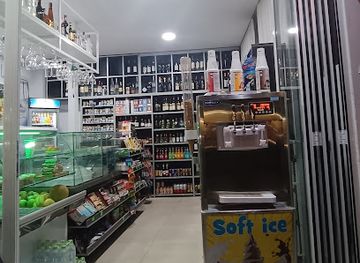
Tabacco Shop & more
Discover the charm of Tabacco Shop & More in Sarandë, offering a delightful selection of tobacco and unique local products for every visitor.
10 min walk · 0.8 km from city centre
-
Grocery store
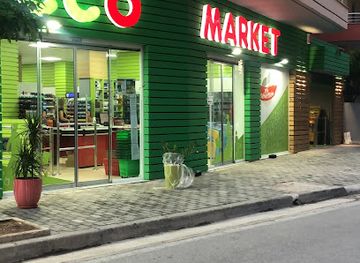
ECO Market
Explore the finest local produce and gourmet products at ECO Market in Sarandë, your go-to grocery destination for fresh flavors and convenience.
12 min walk · 1.0 km from city centre
Get your free copy of our complete guide to Saranda, delivered straight to you.
Everything on this page, from attractions and restaurants to essentials and local phrases, in one PDF you can read offline, print or share.
Already have an account? Sign in
Your Saranda guide is ready.
We'll send it to · Not you? Sign out

Getting your guide ready…
We are putting together a fresh copy of the Saranda guide. This can take up to a minute.
This can take a few moments. If your browser asks, choose Allow so the download can start. You'll find the guide in your Downloads folder.
Nothing happened? Download it again
Sorry, the guide is taking longer than usual. Please try again in a minute, or get it by email instead.
Saranda essentials
Currency and Payment
Safety
Emergency Situations
Do's and Don'ts
Local Tips
From Eve
Local phrases worth knowing
You don't need to get them perfect. A few words go a long way, and locals appreciate the effort.
Basics
| English | Local | Say it |
|---|---|---|
| Hello | Përshëndetje | [per-shen-de-tye] |
| Goodbye | Mirupafshim | [mee-roo-paf-sheem] |
| Yes | Po | [po] |
| No | Jo | [yo] |
| Please/You're welcome | Ju lutem | [yoo loo-tem] |
| Thank you | Faleminderit | [fa-le-min-de-reet] |
| Excuse me/Sorry | Më falni | [muh fal-nee] |
| How are you? | Si jeni? | [see ye-nee] |
| Fine. And you? | Mirë. Dhe ju? | [mee-re. dhe yoo] |
| Do you speak English? | Flisni anglisht? | [flee-snee ang-leesht] |
| I don't understand | Nuk kuptoj | [nook koop-toy] |
Eating & Drinking
| English | Local | Say it |
|---|---|---|
| I'd like to see the menu, please | Do të doja të shikoja menunë, ju lutem | [do te do-ya te she-ko-ya me-noon, yoo loo-tem] |
| I don't eat meat | Nuk ha mish | [nook ha meesh] |
| Cheers! | Gëzuar! | [ge-zoo-ar] |
| I would like to pay, please | Do të doja të paguaja, ju lutem | [do te do-ya te pa-gwa-ya, yoo loo-tem] |
Emergencies
| English | Local | Say it |
|---|---|---|
| Help! | Ndihmë! | [ndee-muh] |
| Go away! | Shko larg! | [shko lar-g] |
| Call the Police! | Thirrni policinë! | [theer-nee po-lee-see-ne] |
| Call a doctor! | Thirrni një mjek! | [theer-nee nyeh m-yek] |
| I'm lost | Jam humbur | [yam hoom-boor] |
| I'm ill | Jam i sëmurë | [yam ee suh-moo-re] |
Shopping
| English | Local | Say it |
|---|---|---|
| I'd like to buy... | Do të doja të blaja... | [do te do-ya te bla-ya] |
| I'm just looking | Po shikoj vetëm | [po she-ko-y vet-em] |
| How much is it? | Sa kushton? | [sa kooshton] |
| That's too expensive | Kjo është shumë e shtrenjtë | [kyo eshte shoo-me e shtrenj-te] |
| Can you lower the price? | A mund të ulni çmimin? | [ah moon-de te ool-nee ch-mee-min] |
Time & Numbers
| English | Local | Say it |
|---|---|---|
| What time is it? | Sa është ora? | [sa eshte o-ra] |
| It's one o'clock | Është një e ora | [eshte nyeh e o-ra] |
| Half past (10) | Njëzet e gjysmë | [nyeh-zet e g-yees-muh] |
| Morning | Mëngjes | [muhn-gyes] |
| Afternoon | Pasdite | [pahs-dee-te] |
| Evening | Mbrëmje | [m-bruhm-ye] |
| Yesterday | Dje | [djeh] |
| Today | Sot | [sot] |
| Tomorrow | Nesër | [neh-suh] |
| 1 | Një | [nyeh] |
| 2 | Dy | [duh] |
| 3 | Tre | [treh] |
| 4 | Katër | [ka-ter] |
| 5 | Pesë | [peh-se] |
| 6 | Gjashtë | [gyahsht] |
| 7 | Shtatë | [shta-teh] |
| 8 | Tetë | [teh-teh] |
| 9 | Nëntë | [nun-teh] |
| 10 | Dhjetë | [thee-teh] |
Transport & Directions
| English | Local | Say it |
|---|---|---|
| Where's a/the...? | Ku është një/...? | [koo eshte nyeh/...?] |
| What's the address? | Cila është adresa? | [chee-la eshte a-dre-sa] |
| Can you show me (on the map)? | A mund të më tregoni (në hartë)? | [ah moon-de te muh tro-go-nee (nu har-te)] |
| When's the next (bus)? | Kur është autobusi i ardhshëm? | [koor eshte ow-to-boo-see ee ar-dhshem] |
| A ticket (to ....) | Një biletë (në ....) | [nyeh bee-le-teh (nu ....)] |
History of Saranda
Onchesmos and the Ancient Harbour
Saranda occupies the site of ancient Onchesmos, a coastal settlement and harbour connected with the wider Greek and Illyrian world. Its sheltered position opposite Corfu made it useful for maritime movement along the Ionian coast, while the fertile hinterland supported agriculture and trade. Ancient sources associate Onchesmos with the region of Epirus and with nearby Phoinike, the principal city of the Chaonian tribe. Archaeological remains around modern Saranda, including defensive traces and religious buildings, indicate that the settlement continued to matter after the Hellenistic period. The town’s modern identity therefore rests on a much older relationship between harbour, hill country and the sea routes linking southern Albania with Greece and the wider Mediterranean.
Roman and Early Christian Saranda
Under Roman influence, the southern coast became part of a network of ports and settlements tied to the province of Epirus Nova and the roads of the eastern Adriatic. The most significant surviving evidence in Saranda is the early Christian complex commonly known as the Forty Saints Basilica. Its mosaic floors, architectural fragments and religious function point to a prosperous Christian community during late antiquity, when churches were reshaping the urban landscape of the eastern Roman Empire. The nearby archaeological site of Butrint preserves an even broader sequence of Roman and late antique development, showing how Saranda’s bay belonged to a culturally connected coastal region rather than an isolated settlement.
The Forty Saints Tradition
Saranda’s name derives from the Greek Agioi Saranda, meaning Forty Saints, a reference to the monastery and church dedicated to the Forty Martyrs of Sebaste on the hill above the town. The cult of the Forty Martyrs was widespread in the Christian eastern Mediterranean, and the dedication became the defining name of the settlement. Although the hilltop complex has suffered damage and is not simply an intact monument for casual sightseeing, its association explains the town’s unusual name and connects modern Saranda with the religious geography of Byzantium and the medieval Balkans. Byzantine influence remained important across southern Albania, especially through nearby Butrint and the wider coastal territories of Epirus.
Ottoman Rule and Coastal Change
Southern Albania came under Ottoman control in the late fifteenth century, bringing the region into an imperial system that linked inland routes, ports and farming communities. Saranda remained a relatively small coastal settlement rather than a major Ottoman city, and its fortunes were influenced by nearby Corfu, Butrint and the changing security of the Ionian Sea. The castle at Lekuresi, built in the sixteenth century above the bay, belongs to this period of Ottoman military consolidation and illustrates the strategic value of the surrounding hills. Population, religion and commerce shifted over the centuries, producing the mixed cultural influences evident in the architecture, food and language of southern Albania today.
From Port Town to Seaside Resort
Saranda expanded significantly during the twentieth century, particularly after the Second World War, when Albania’s socialist government developed coastal towns and improved regional connections. The city’s later transformation accelerated after the end of communist rule in the early 1990s, as private construction, tourism and migration reshaped the waterfront and hillsides. Apartment buildings, hotels and seasonal businesses spread along the bay, changing Saranda from a modest port into one of Albania’s best-known holiday centres. This rapid growth has brought investment and access to the coast, while also creating pressure on roads, beaches, water resources and the visual character of the shoreline. Ancient remains and modern resort development now stand in close proximity.
Saranda in Photos
Browse through our photo collection highlighting the charm and character of the destination.
Cities near Saranda
The closest cities to Saranda, if you have time for more than one stop.
-

-

-

-

-


Swipe for more cities
Explore more

Explore more of Albania
Discover Albania: A land of untamed beauty, rich history, and warm hospitality, offering stunning beaches, rugged mountains, and vibrant cities.
Explore Albania