Sea of Crete: A Cradle of Civilization
Explore the Sea of Crete, a historical gem in the Aegean, offering stunning landscapes, rich marine life, and a gateway to ancient civilizations.
The Sea of Crete, the southern part of the Aegean Sea, lies between the Cyclades islands and Crete, boasting a rich history tied to the Minoan and Greek civilizations. Its deep waters and strategic location have made it a vital waterway for millennia.
A brief summary to Sea of Crete
Local tips
- Explore the diverse beaches along the Cretan coast, from sandy shores to secluded coves.
- Visit historical sites near the coast, such as Knossos Palace, to delve into the island's rich Minoan heritage.
- Enjoy boat tours to nearby islands and islets for unique perspectives of the Sea of Crete.
- Try local seafood at seaside tavernas for an authentic taste of Cretan cuisine.
- Consider visiting during the shoulder seasons (spring or fall) for pleasant weather and fewer crowds.

Getting There
-
Ferry
Ferries are a primary way to reach Crete and navigate its coastal towns. Several companies operate routes from Athens (Piraeus port) and other Aegean islands like Santorini, Mykonos, and Rhodes. Ferries arrive at key ports including Heraklion, Chania (Souda Port), Rethymno, Sitia, and Kissamos. Costs vary depending on the route, operator, and class of service. A typical ferry from Piraeus to Heraklion ranges from €40 to €80. Once at a Cretan port, local buses (KTEL) and taxis provide onward transport. Bus fares within Crete range from €1.60 for short trips to €14.60 for longer routes like Heraklion to Sitia.
-
Public Transport
Upon arrival at any of Crete's main cities (Heraklion, Chania, Rethymno, Agios Nikolaos), the local blue city buses provide transport within the city and to nearby suburbs. A single urban bus fare typically costs around €1.20 - €2.00. For example, bus line #2 connects Heraklion city center with Knossos for approximately €1.50. From the main bus stations in each city, the green KTEL buses connect to other towns and villages across Crete. Tickets can be purchased at the bus station. Prices range from €6.20 for Chania to Rethymno, to €13.80 for Heraklion to Chania.
-
Taxi
Taxis are readily available in Crete's major towns and near ports and airports. They offer a convenient but more expensive way to reach your final destination. A taxi from Heraklion Airport to Heraklion city center typically costs between €15 and €25. Always confirm the fare or ensure the meter is running. Pre-booked transfers are also available, offering fixed rates, but are generally more expensive than hailing a local taxi.
Discover more about Sea of Crete
Iconic landmarks you can’t miss

Sea of Crete
0.0 km
Explore the Sea of Crete, a historical gem in the Aegean, offering stunning landscapes, rich marine life, and a gateway to ancient civilizations.
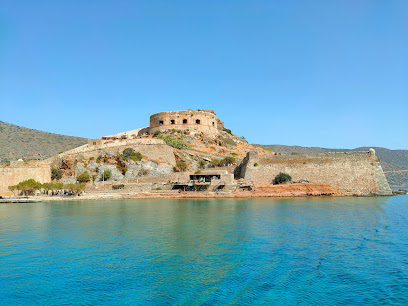
Basilica 6. Jh
47.0 km
Discover the historical allure of this 6th-century Byzantine basilica in Mylopotamos, Crete, offering a serene glimpse into the island's rich past.
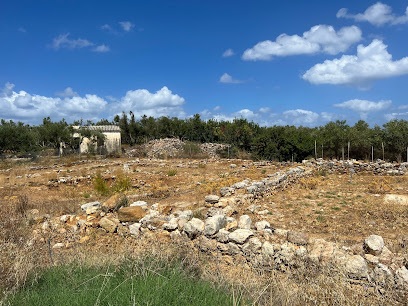
Monastery of St. Anastasia the Roman
55.8 km
Discover tranquility and spiritual beauty at the Monastery of St. Anastasia the Roman in Rethimno, Crete.
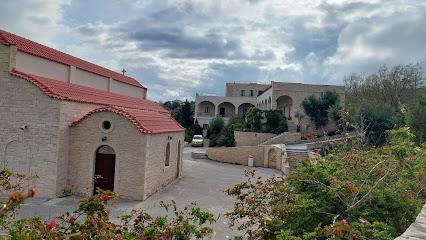
Port of Rethymnon
56.0 km
Explore the historic Venetian harbor of Rethymnon, a gateway to Crete and a picturesque blend of past and present.
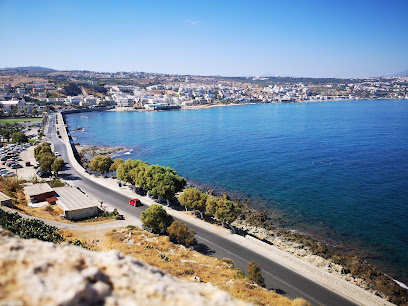
Nafpigio
56.0 km
Experience Rethymno's vibrant nightlife and coffee culture at Nafpigio, a popular cocktail and espresso bar with a lively atmosphere.
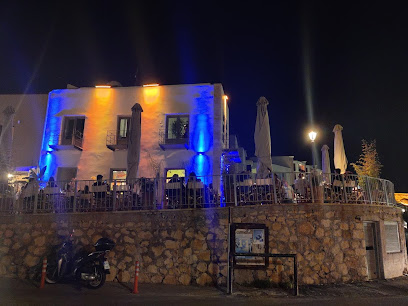
Rethymnon Lighthouse
56.1 km
A historic lighthouse in Rethymno's Venetian harbor, offering stunning views and a glimpse into Crete's Egyptian past.
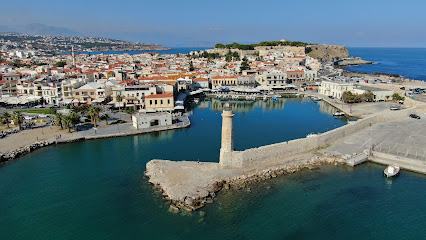
Pyritidapothḗkē
56.1 km
Explore Rethymno's historical essence at this captivating landmark, showcasing Greece's rich cultural heritage and architectural evolution.
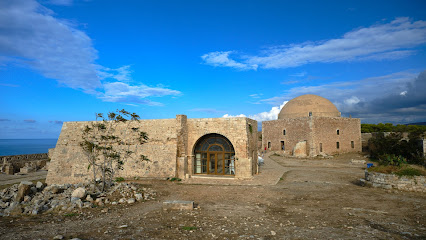
Agios frangiskos
56.1 km
Explore Agios Frangiskos in Rethymno: A Venetian-era church turned archaeological museum, showcasing centuries of Cretan history and culture.
Central Gate of the Fortress of Rethymnon
56.1 km
Step through history at Rethymno's Fortezza Central Gate, a Venetian masterpiece offering panoramic views and a glimpse into Crete's past.
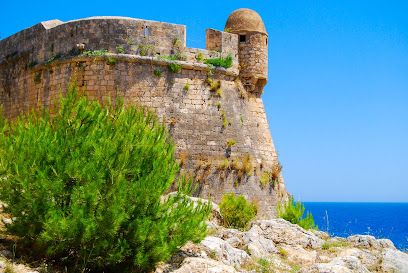
Venetian Clock Tower footprint
56.2 km
Explore the historical footprint of Rethymno's Venetian Clock Tower, a symbol of the city's rich past and architectural heritage.
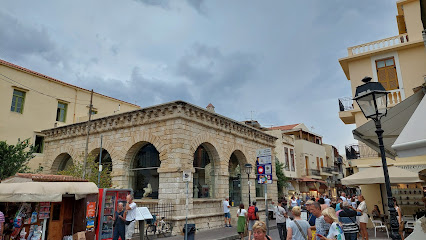
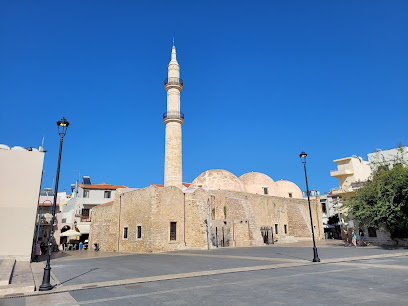
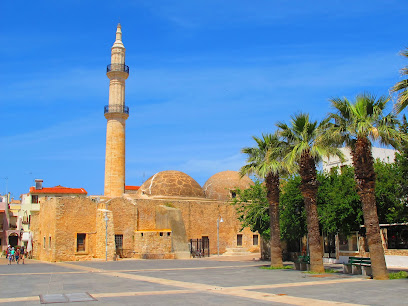
Neratze Mosque
56.3 km
Explore Rethymno's Neratze Mosque: a captivating blend of Venetian & Ottoman history, now a vibrant music conservatory & cultural hub.
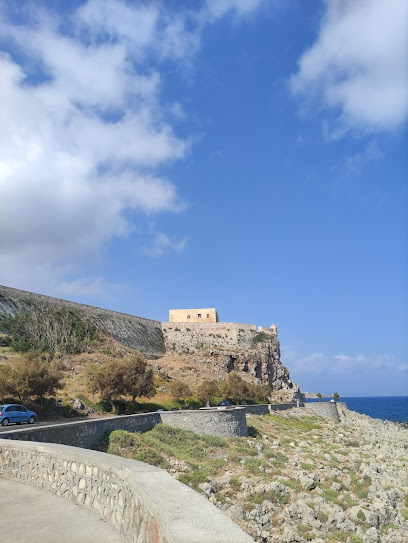
Ancient Venetian Shipyard
56.3 km
Explore the remnants of Rethymno's Venetian-era shipyards, a window into the island's maritime past and a reminder of Venice's influence.
Folk Museum
56.3 km
Discover traditional Cretan life through textiles, tools, and historical artifacts in a 17th-century Venetian mansion in Rethymno's charming Old Town.
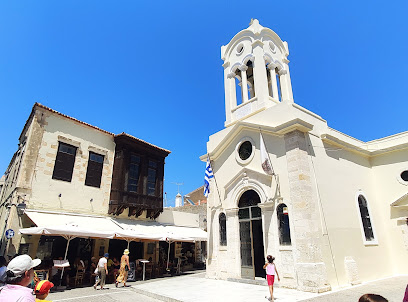
Church of Our Lady of the Angels
56.3 km
Explore a historic Rethymno church, once a Venetian sanctuary and Ottoman mosque, now a serene Orthodox worship place with stunning art.
Official Tourism Office of Municipal of Rethymno
56.4 km
Your gateway to exploring Rethymno's rich history, diverse landscapes, and authentic Cretan culture, with expert guidance and local insights.
Unmissable attractions to see

Klados Winery
46.6 km
Experience the rich flavors and heritage of Cretan wine at Klados Winery in the charming village of Panormos.

Bali
47.3 km
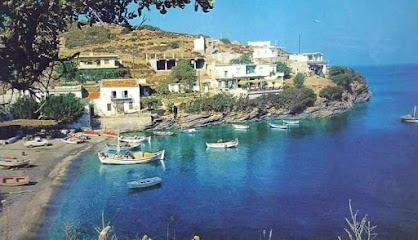
Discover the enchanting village of Bali in Crete, where stunning beaches meet rich history and vibrant local culture for an unforgettable Greek getaway.
Arch of Skaleta
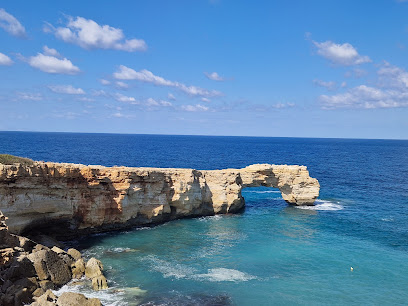
47.6 km
Explore the Arch of Skaleta, a historical gem in Arkadi, Greece, showcasing stunning architecture and rich cultural heritage amidst breathtaking landscapes.
Spilies Beach
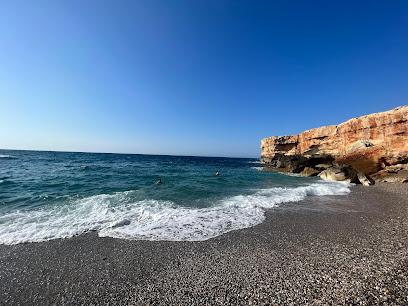
47.9 km
Explore the stunning Spilies Beach in Arkadi, Greece, where azure waters meet golden sands for a perfect relaxing getaway.
Melidoni Cave
50.3 km
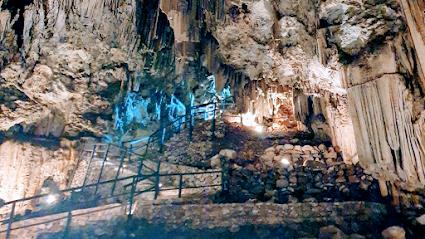
Explore the mystical Melidoni Cave in Crete, where nature's beauty meets rich history and ancient myths.
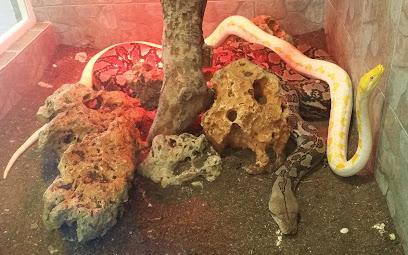
Reptisland
50.7 km
Explore the fascinating world of reptiles at Reptisland, a unique theme park in Rethimni, Greece, perfect for families and wildlife lovers.
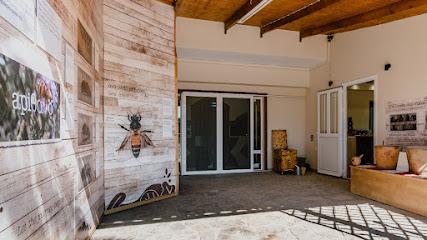
Apithano Honey Museum-Tasting & Tours
51.2 km
Explore the enchanting Apithano Honey Museum in Melidoni Rethymni, where you can taste exquisite honey and learn about the art of beekeeping.
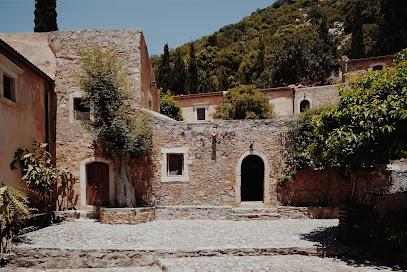
Vossakos Monastery
51.4 km
Explore the serene Vossakos Monastery in Crete, a historical gem surrounded by breathtaking natural beauty and rich spiritual heritage.
Vorios Odikos Axonas Kritis
52.3 km
Discover the breathtaking beauty and rich culture along the Vorios Odikos Axonas Kritis, a scenic drive through Crete's stunning landscapes.
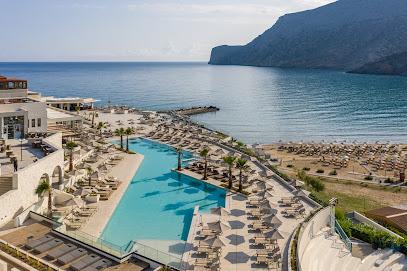
Fodele Beach & Water Park Holiday Resort
52.9 km
Experience the ultimate family getaway at Fodele Beach & Water Park Holiday Resort, blending relaxation, adventure, and Greek hospitality.
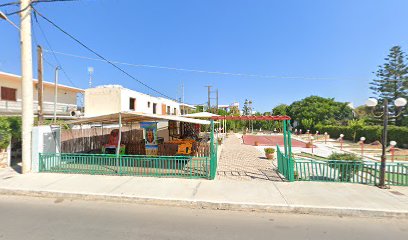
George's Mini Golf Fun Park
54.1 km
Experience the joy of mini-golf at George's Mini Golf Fun Park in Rethymno, where adventure and family fun meet in a stunning Cretan setting.
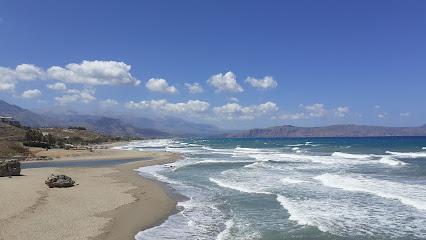
Paralia Mononaftis
54.2 km
Experience the serene beauty of Paralia Mononaftis, a tranquil beach in Greece with stunning views and crystal-clear waters for a perfect getaway.
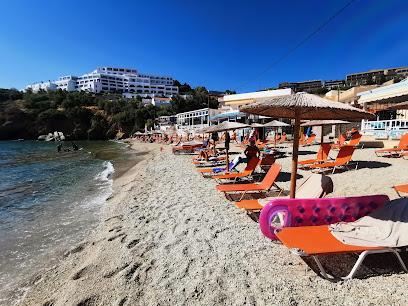
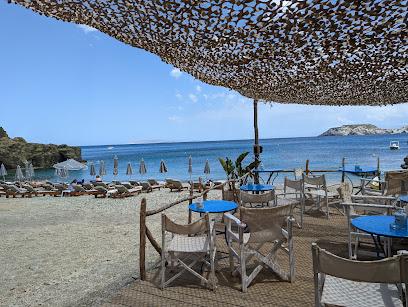
Psaromoura Beach
54.5 km
Experience the breathtaking beauty and tranquility of Psaromoura Beach in Agia Pelagia, Crete, a perfect escape for relaxation and adventure.
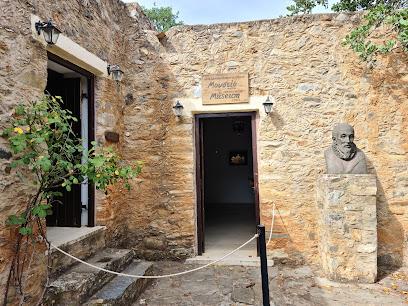
El Greco Museum
54.5 km
Discover the artistic brilliance of El Greco at the El Greco Museum in Pyrgos, Greece - a must-see for art lovers and history enthusiasts alike.
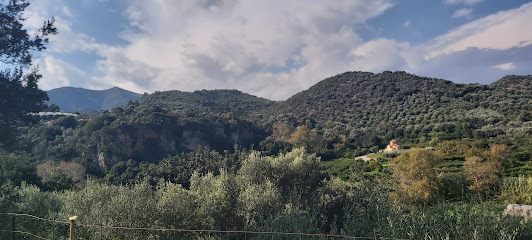
Καταρράκτης Σκοτεινής
54.7 km
Explore the natural beauty and rich history of Katarraktis Skoteinis, a serene tourist attraction in Crete, perfect for nature lovers and adventurers.
Essential places to dine

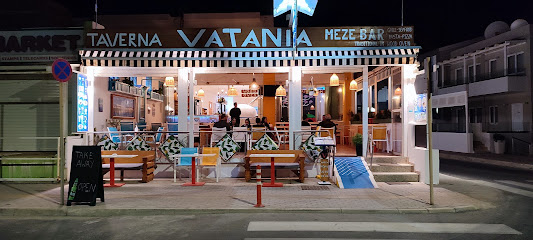
Vatania Taverna
55.4 km
Discover Vatania Taverna: A must-visit destination in Rethymno for authentic Greek dishes amidst a welcoming atmosphere.
Thymari
55.5 km
Experience authentic Greek cuisine at Thymari in Rethymno, where tradition meets innovation in every dish.
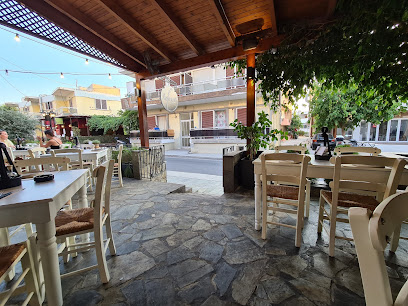
Manolis Place
55.6 km
Savor authentic Greek flavors at Manolis Place in Rethymno – where tradition meets taste in every dish.
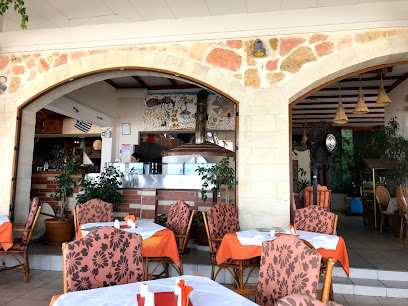
KAI Seaside Flavours
55.7 km
Experience authentic Cretan cuisine at KAI Seaside Flavours - where fresh ingredients meet breathtaking seaside views.
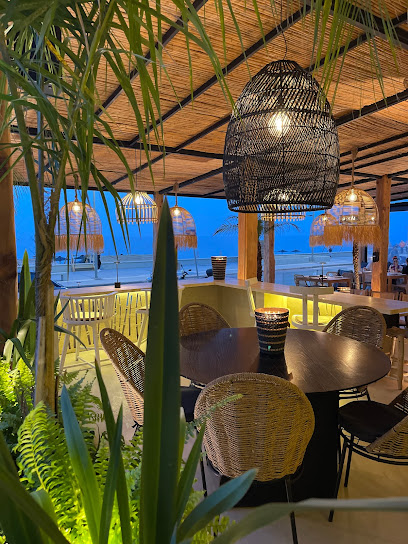
Magma Restaurant
55.9 km
Discover exquisite flavors at Magma Restaurant in Rethymno - where tradition meets modern cuisine for an unforgettable dining experience.
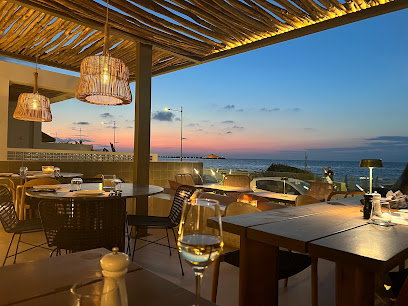
Hercules Restaurant Rethimno
56.0 km
Experience the essence of Greece at Hercules Restaurant Rethimno with authentic flavors and warm hospitality.
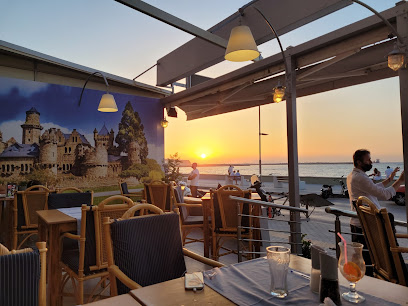
Galini Restaurant
56.1 km
Discover the essence of Greek cuisine at Galini Restaurant in Rethymno - where tradition meets flavor in a picturesque setting.
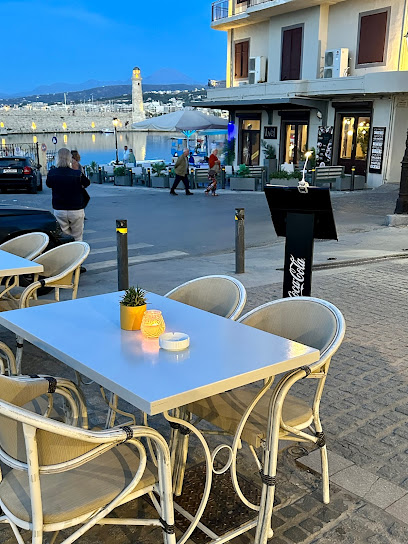
PAGLIACCIO
56.1 km
Experience exquisite Italian dining at Pagliaccio in Rethymno, where fresh seafood and artisanal pizzas await you.
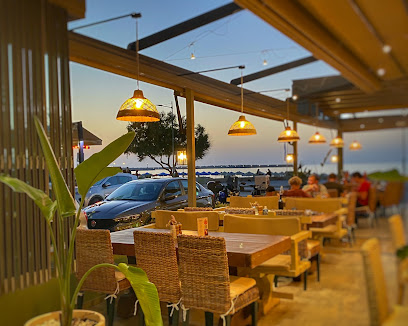
Erotokritos
56.1 km
Discover authentic Greek and Mediterranean flavors at Erotokritos, Rethymno's premier seafood restaurant offering unforgettable dining experiences.
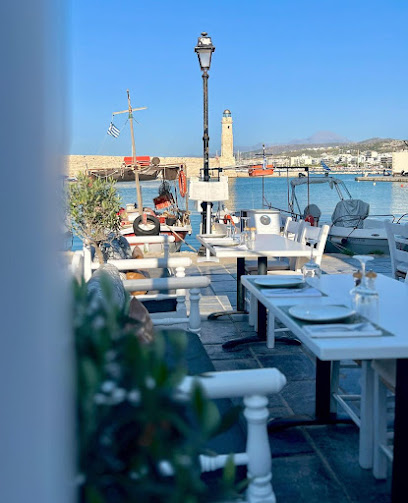
Dome
56.1 km
Discover Dome in Rethymno: Savor authentic Greek flavors and mouthwatering pizzas in an inviting setting.
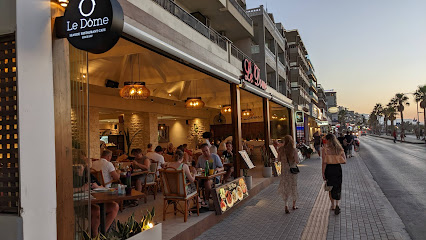
Cavo D'oro Restaurant
56.1 km
Experience authentic Greek flavors at Cavo D'oro Restaurant by Rethymno's scenic Venetian Harbour.
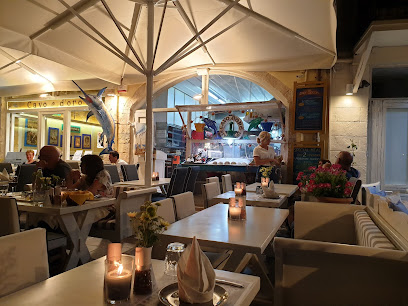
Alana Restaurant
56.1 km
Experience authentic Cretan cuisine at Alana Restaurant in Rethymno - where tradition meets innovation in every dish.
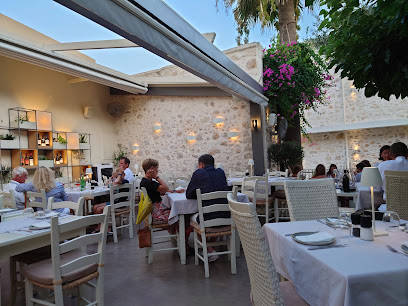
Achinos Rethymno
56.1 km
Experience authentic Greek flavors at Achinos Rethymno – where tradition meets culinary excellence in picturesque Crete.
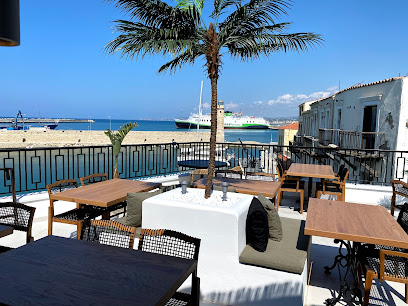
To Pigadi Restaurant
56.2 km
Experience authentic Mediterranean cuisine at To Pigadi Restaurant in Rethymno – where fresh ingredients meet traditional flavors.
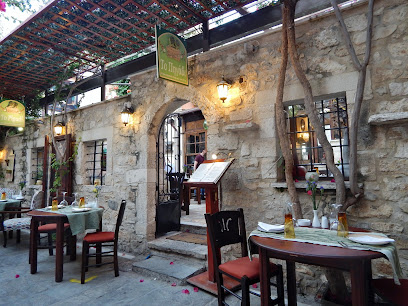
To Parastratima
56.2 km
Experience authentic Cretan flavors at To Parastratima, Rethymno's favorite small plates restaurant offering fresh ingredients and vibrant atmosphere.
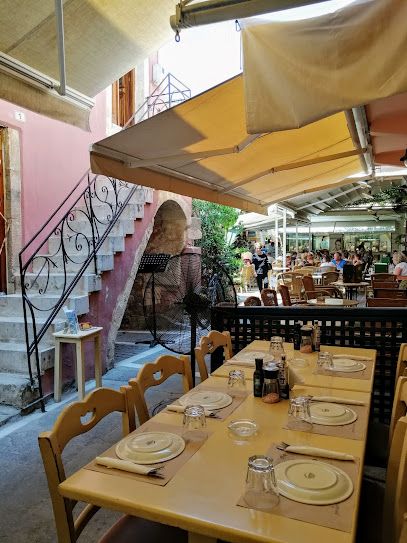
Markets, malls and hidden boutiques

TASTE OF CRETA
54.1 km
Discover the essence of Crete at Taste of Creta, where shopping meets local culture in a vibrant and welcoming atmosphere.
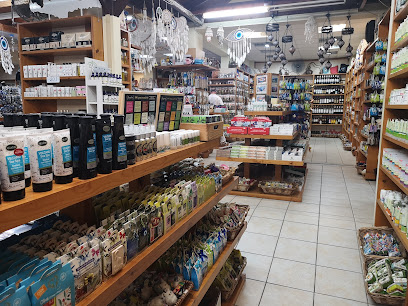
Apostolakis Store
54.5 km
Discover unique souvenirs, beachwear, and local crafts at Apostolakis Store in Rethymno, a must-visit for every tourist exploring Crete.
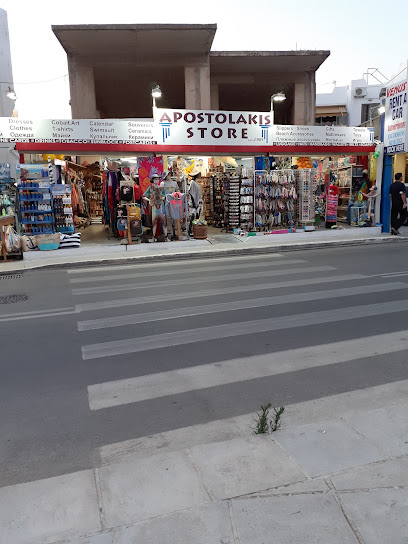
Venus shop
54.9 km
Uncover the fashion treasures of Venus Shop in Agia Pelagia, where style meets local charm in a unique shopping experience.
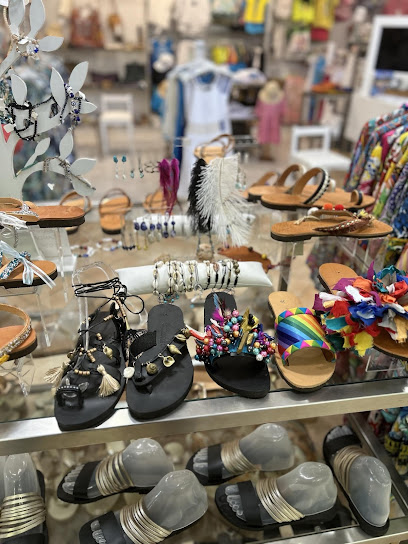
Valia Peri
55.8 km
Discover stylish apparel at Valia Peri, Rethymno's premier clothing store offering quality fashion and personalized service.
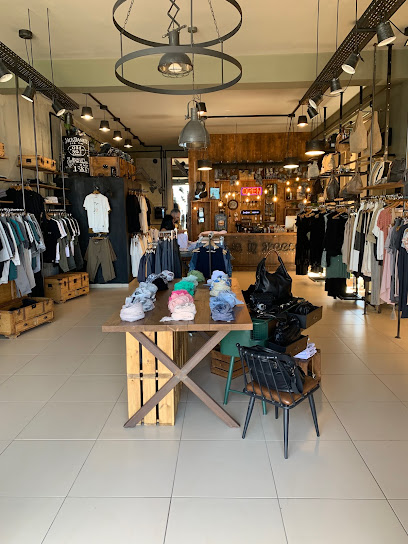
The Olive Garden | Premium Greek Natural Cosmetics, Beach Road shop
56.1 km
Explore the essence of Greek beauty at The Olive Garden, your go-to destination for premium natural cosmetics and perfumes in Rethymno.
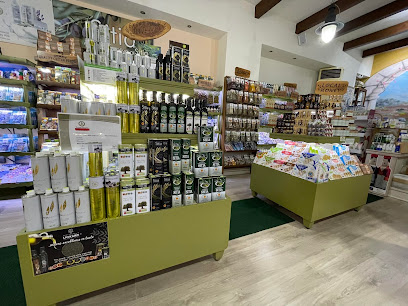
Souvenirs Store Rethymno Shopping
56.1 km
Explore the Souvenirs Store in Rethymno for unique gifts, local crafts, and traditional musical instruments that embody the spirit of Crete.
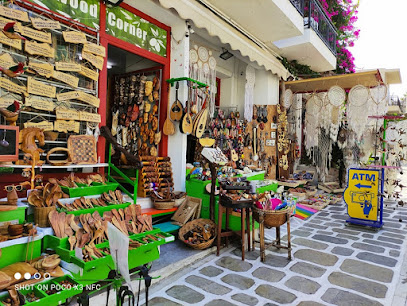
Fortezza gift shop
56.1 km
Explore the charm of Crete through unique gifts and local crafts at Fortezza Gift Shop in Rethimno.
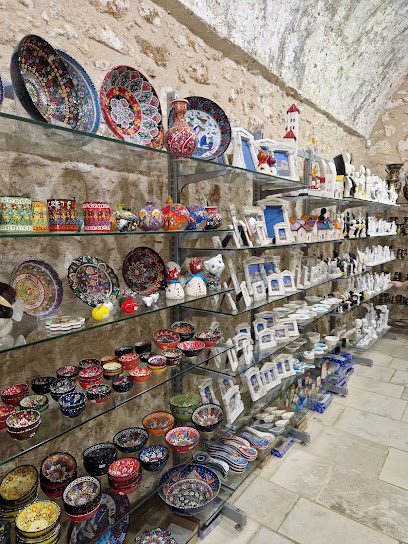
Piou Capiou - Handmade Souvenirs
56.2 km
Discover the essence of Crete with unique handmade souvenirs at Piou Capiou, a treasure trove of local artistry in Rethymno.
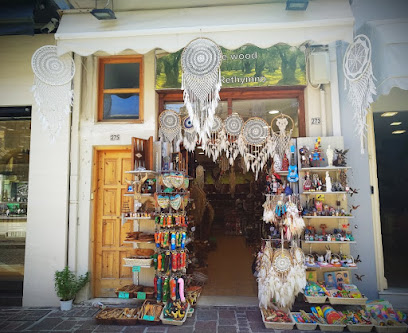
Alda
56.2 km
Explore Alda in Rethymno, a premier gift shop offering exquisite local crafts and unique souvenirs reflecting the beauty of Cretan culture.
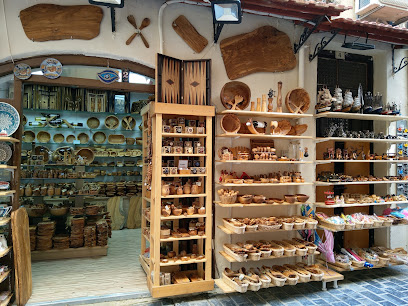
Souvenir Store Rethymno Shopping 2
56.2 km
Explore Rethymno's Souvenir Store for unique handcrafted treasures that embody the spirit of Crete and celebrate local artistry.
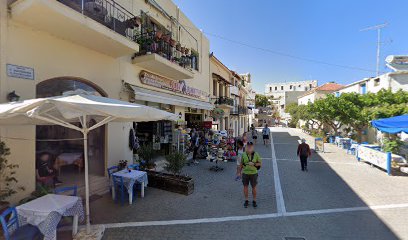
U-Silk
56.2 km
Explore U-Silk in Rethymno for unique fashion pieces that blend modern style with local charm, perfect for your Mediterranean adventure.
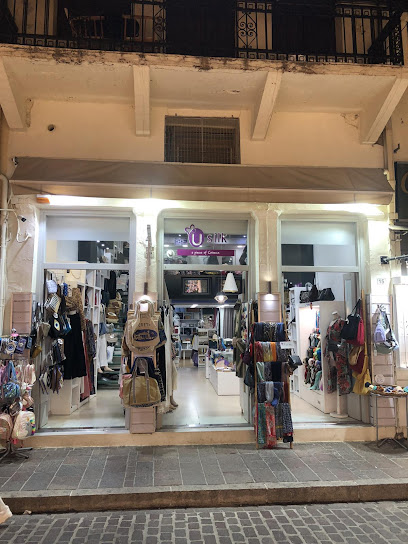
Heaven Of Brands
56.2 km
Explore Heaven Of Brands for premium sporting goods and stylish sportswear in Rethymno, Crete, the perfect destination for every athlete.
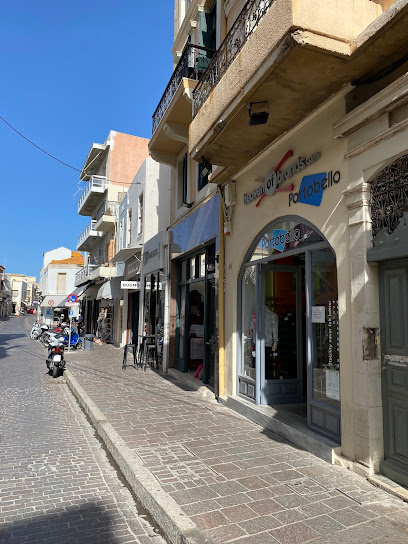
rethymno souvenir center
56.2 km
Explore the Rethymno Souvenir Center for unique Cretan crafts, local delicacies, and a vibrant taste of the island's rich heritage.
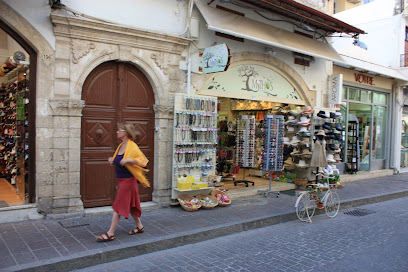
Hand Made Leather Goods
56.2 km
Discover the art of leather craftsmanship at Hand Made Leather Goods in Rethymno, where quality meets tradition in every unique item.
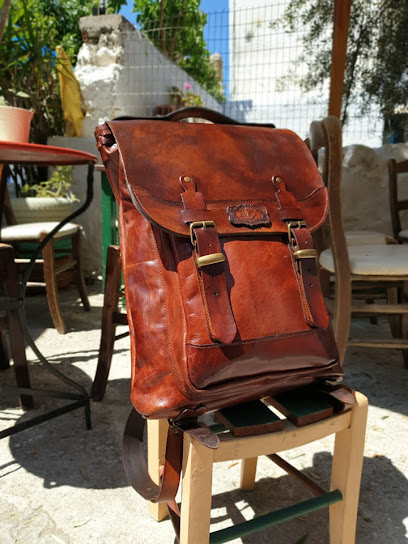
KITAMEKIALO - ART JEWELRY STORE
56.2 km
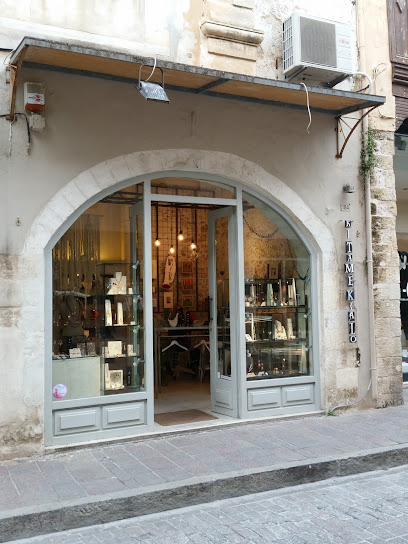
Experience the artistry and elegance of handcrafted jewelry at Kitamekialo - Art Jewelry Store, a true gem in Rethymno, Crete.
Essential bars & hidden hideouts

Lakis beach bar
54.2 km
Experience the vibrant atmosphere and stunning views at Lakis Beach Bar, a perfect seaside retreat in Rethimno, Greece.
Bora Bora
55.6 km
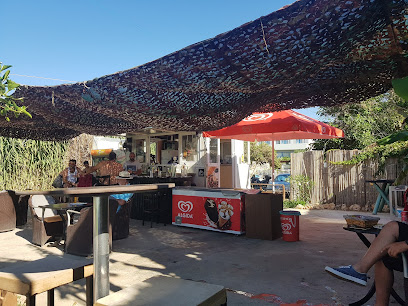
Experience the tropical vibes of Bora Bora, a cocktail bar that offers exquisite drinks, delightful coffee, and Mediterranean cuisine in Rethymno.
Ananas Cocktail Bar
55.9 km
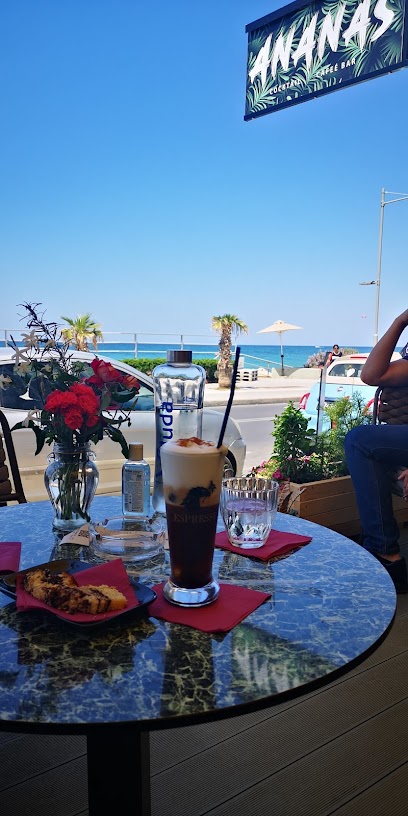
Experience the tropical delight of Ananas Cocktail Bar in Rethymno, where every sip is a journey through flavor and fun, perfect for night owls and cocktail enthusiasts.
Home Seaside | Cocktail Bar
56.0 km
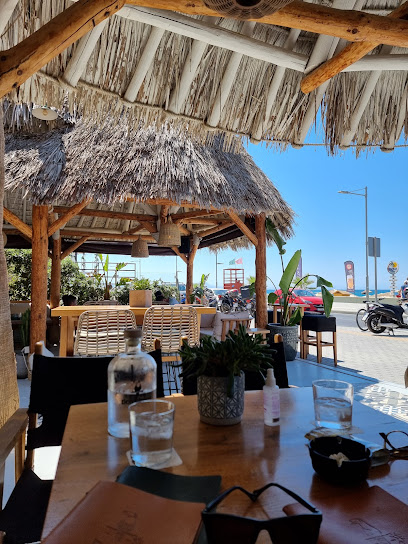
Discover the vibrant atmosphere of Home Seaside, Rethymno's premier cocktail bar offering stunning sea views and refreshing drinks.
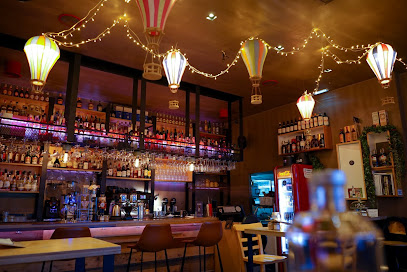
Ηunkyfunkybar cocktail bar
56.1 km
Discover the vibrant atmosphere and exquisite cocktails at Ηunkyfunkybar, Rethymno's premier wine bar, perfect for unwinding after a day of exploration.
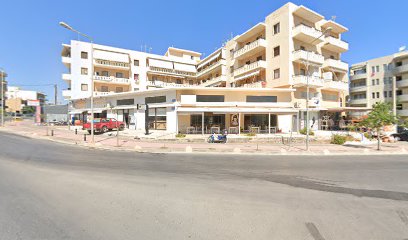
Metropolis Society Bar
56.1 km
Discover the lively nightlife at Metropolis Society Bar in Rethymno, where exquisite cocktails and vibrant ambiance create unforgettable evenings.
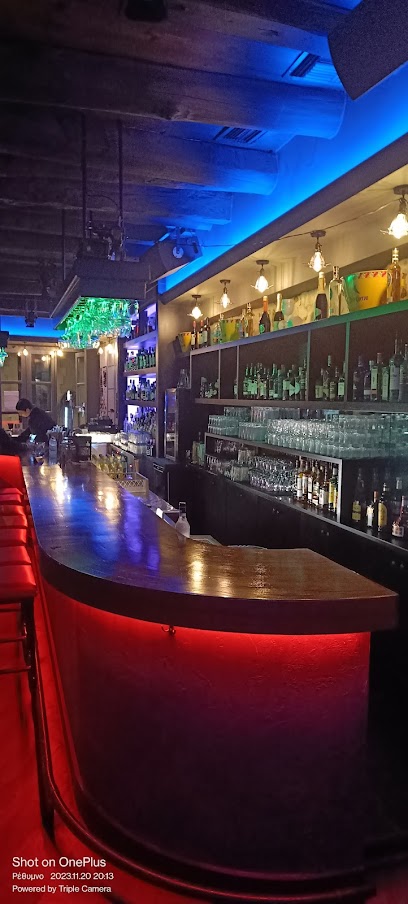
DRINK N ROLL
56.1 km
Discover Rethymno's vibrant cocktail culture at Drink N Roll, where every sip is a celebration of flavor and fun in a lively atmosphere.
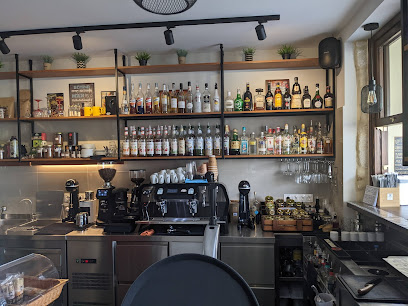
Hunky Funky Cocktail Bar
56.2 km
Experience the vibrant nightlife of Rethymno at Hunky Funky Cocktail Bar, where innovative cocktails meet a lively atmosphere in Greece.
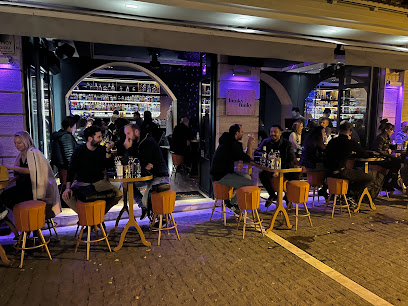
Cul de Sac - Cafe - Bar - Restaurant
56.2 km
Discover Cul de Sac in Rethymno: a perfect blend of coffee shop, cocktail bar, and dining experience amidst the charm of Greece.
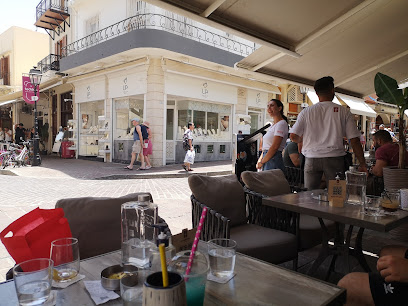
Antika Irish Bar
56.2 km
Experience the vibrant nightlife at Antika Irish Bar in Rethymno, where great drinks, live music, and a cozy atmosphere await.
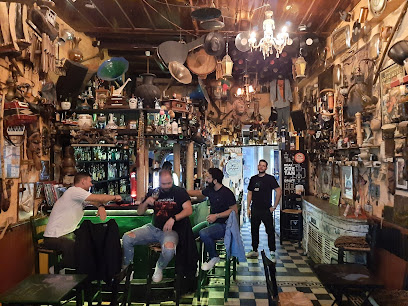
Fraoules
56.2 km
Experience the vibrant café culture of Rethymno at Fraoules, where delightful drinks and delicious bites await in a cozy atmosphere.
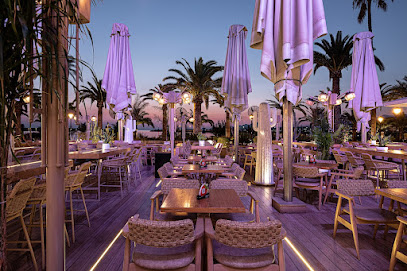
Chaplins
56.3 km
Experience the vibrant atmosphere and delicious cuisine at Chaplins, Rethymno's premier gastropub and bar.
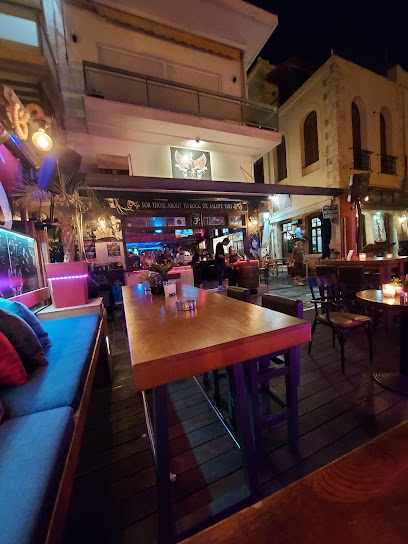
Bonobo Bar
56.3 km
Discover Bonobo Bar: Rethymno’s trendy spot for artisan coffee and vibrant nightlife, blending relaxation and social energy in a stylish setting.
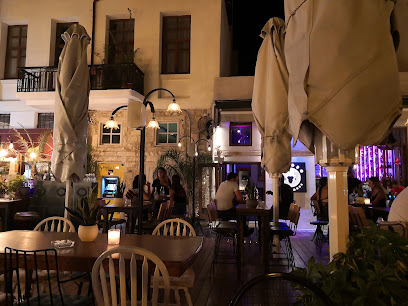
Monitor Art Café
56.3 km
Discover the artistic vibes and refreshing drinks at Monitor Art Café, Rethymno's treasure for culture and relaxation.
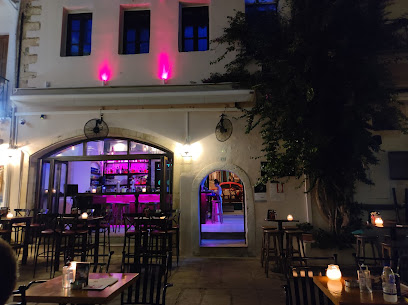
LivingRoom GastroBar Rethymnon
56.3 km
Experience the vibrant flavors of Mediterranean cuisine and crafted cocktails at LivingRoom GastroBar in Rethymnon.
Nightclubs & after hour spots

Fortezza Lighthouse Bar
56.1 km
Experience the vibrant nightlife at Fortezza Lighthouse Bar in Rethymno, where stunning sea views and refreshing cocktails await to enhance your evening.
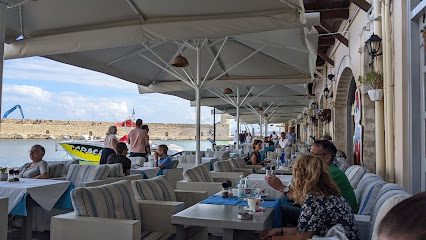
LOUVRO THE CLUB
56.1 km
Louvro The Club: Where Rethymno's Nightlife Comes Alive with Music, Dance, and Unforgettable Experiences.
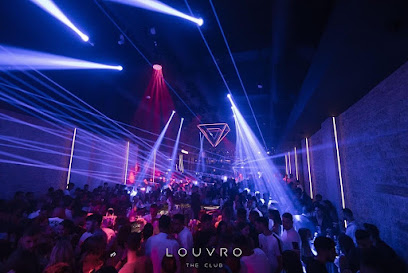
Metropolis Bar Rethymno
56.1 km
Experience the vibrant nightlife at Metropolis Bar Rethymno, where eclectic music and expertly crafted cocktails create an unforgettable evening.
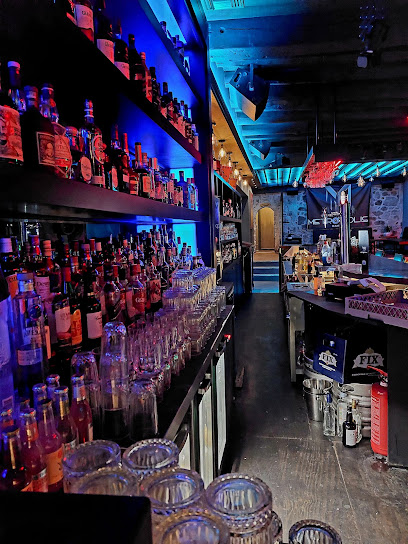
ICE Club Rethymno
56.1 km
Dive into the vibrant nightlife of Rethymno at ICE Club, where electrifying music and a lively atmosphere await every night.
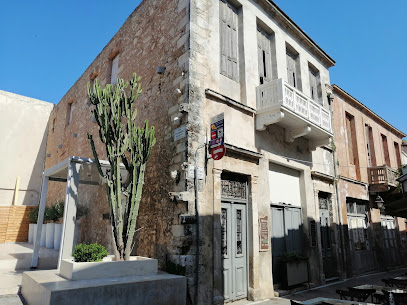
Minibar
56.1 km
Experience Rethymno's nightlife at Minibar—a vibrant night club with music, dancing, and unforgettable moments in the heart of Crete.
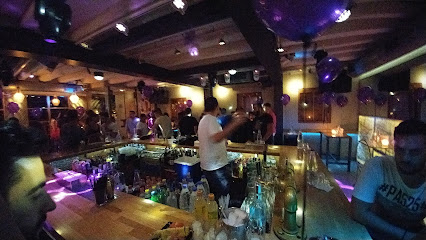
aulaia club
56.2 km
Experience Rethymno's nightlife at Aulaia Club, where music, dance, and vibrant energy unite for an unforgettable evening.
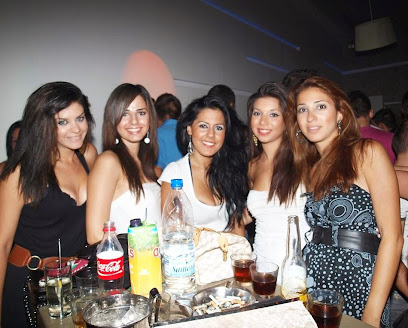
The Island Of Desire
66.3 km
Discover Heraklion's vibrant nightlife at The Island of Desire, a premier dance club where unforgettable memories are made under the stars.
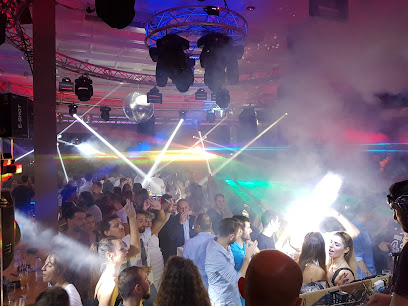
Madam Night Club
66.3 km
Dive into the electrifying nightlife at Madam Night Club in Heraklion, where every night is a celebration of music, dance, and unforgettable memories.
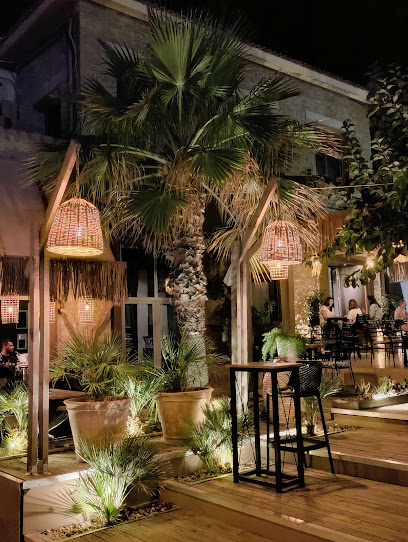
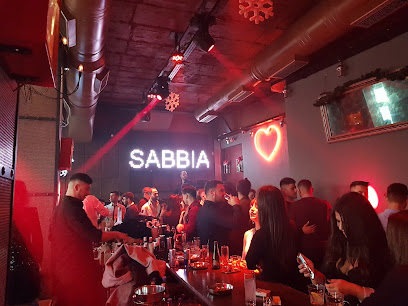
Sabbia
66.9 km
Experience the vibrant nightlife of Heraklion at Sabbia, a premier disco club where music and energy collide for an unforgettable night out.
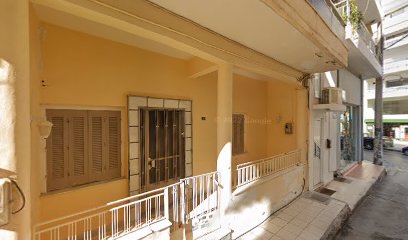
Strawberyy Drive
67.0 km
Discover the vibrant rock music scene at Strawberry Drive, Heraklion's premier club for live performances and unforgettable nights.
Bofor Music Stage
67.1 km
Dive into the electrifying nightlife at Bofor Music Stage, Heraklion's top night club for unforgettable music and vibrant vibes.

2elve Club
67.1 km
Immerse yourself in the vibrant nightlife of Heraklion at 2elve Club, where music and cocktails create an unforgettable experience.
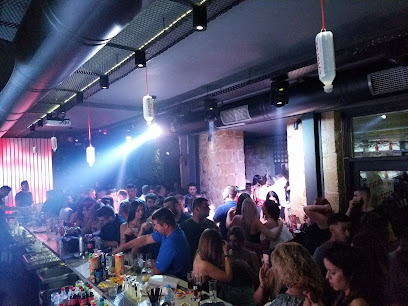
ΕΛΕOC Club Milatou 16
67.2 km
Discover the electrifying nightlife at ΕΛΕOC Club Milatou 16 in Heraklion, where great music and vibrant ambiance create unforgettable moments.

Stone Project
67.2 km
Discover Stone Project, a vibrant cocktail bar in Heraklion, where expertly crafted drinks and an electrifying atmosphere await every night.
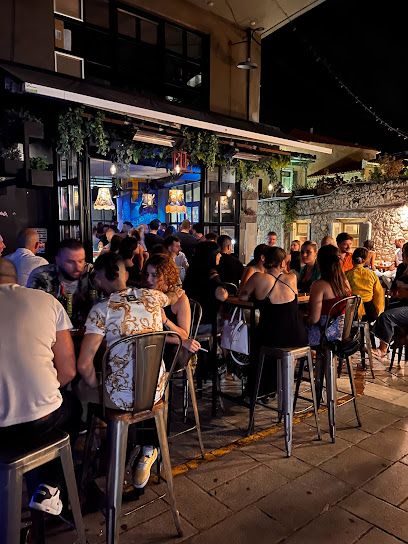
Segredakis, Emmanouil, & Co. E.E.
67.2 km
Discover Segredakis, Emmanouil, & Co. E.E. in Heraklion, a lively night club and restaurant offering a perfect blend of exquisite dining and vibrant nightlife.