Holy Church of Porta Panagia: A Byzantine Masterpiece
Discover the Holy Church of Porta Panagia, a 13th-century Byzantine treasure near Pyli, Greece, with stunning mosaics and a serene riverside setting.
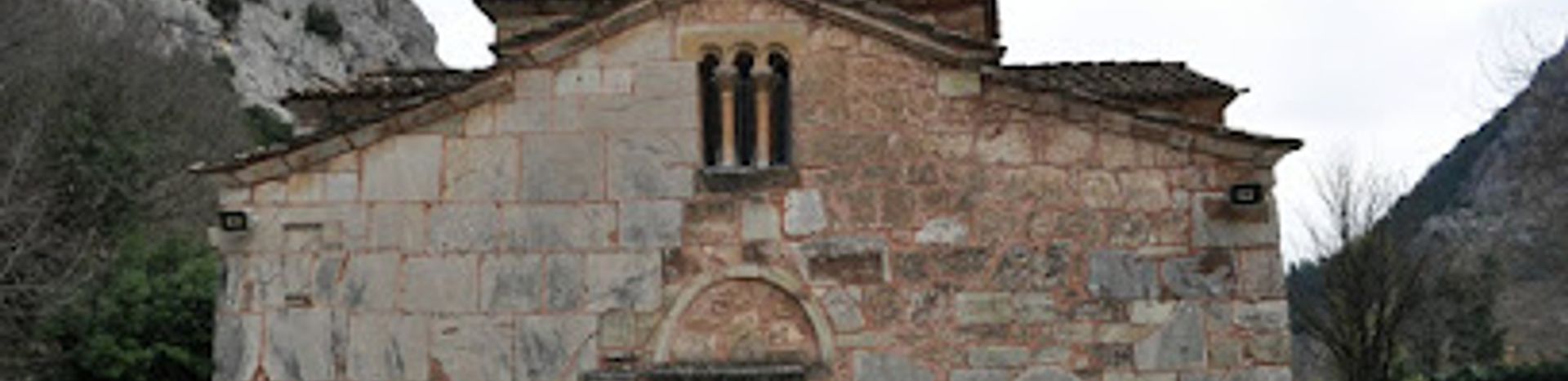
The Holy Church of Porta Panagia, near Pyli, Greece, is a stunning example of 13th-century Byzantine architecture. Founded in 1283, this Greek Orthodox church features intricate frescoes, mosaic icons, and a serene riverside setting, offering a glimpse into the region's rich spiritual and cultural heritage.
A brief summary to Holy Church of Porta Panagia (13th c.)
- Πύλη, 420 32, GR
- +302431076647
- Monday 11 am-5 pm
- Tuesday 11 am-5 pm
- Thursday 11 am-5 pm
- Friday 11 am-5 pm
- Saturday 11 am-5 pm
- Sunday 11 am-5 pm
Local tips
- Visit during the week to avoid crowds and enjoy a more peaceful experience.
- Take time to explore the surrounding area, including the stone bridge of Pyli and the nearby Monastery of Agiou Vissarionos.
- Check the opening hours before your visit, as they may vary depending on the season.

Getting There
-
Walking
From the center of modern Pyli, cross the Portaikos River. Continue upstream (to the left) for approximately 1 kilometer. The church will be visible on the right side of the road, nestled amidst the greenery.
-
Public Transport
Take the local bus from Trikala to Pyli. From the Pyli bus stop, follow the main road towards the Portaikos River. Cross the bridge and continue for 1 kilometer upstream to reach the Holy Church of Porta Panagia. Bus fare from Trikala to Pyli is approximately €3-5.
-
Taxi
A taxi from Trikala to the Holy Church of Porta Panagia costs approximately €20-€30. The journey takes around 20 minutes. Taxis are readily available in Trikala.
Discover more about Holy Church of Porta Panagia (13th c.)
Iconic landmarks you can’t miss

Arched Bridge of Portaikos River at Pyli
0.8 km
Discover the historical Arched Bridge of Portaikos River in Pyli, Greece: a timeless landmark offering stunning views and a tranquil escape.
Church of Saint Constantine and Helen
17.1 km
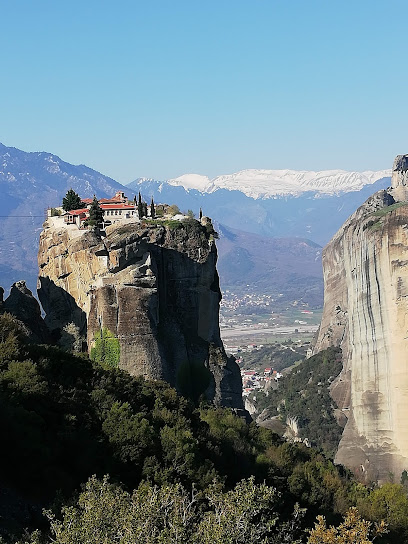
Discover the spiritual heart of Trikala at this beautiful Greek Orthodox church, featuring stunning iconography and a serene atmosphere.
Holy Monastery of Agio Theodoroi
23.8 km
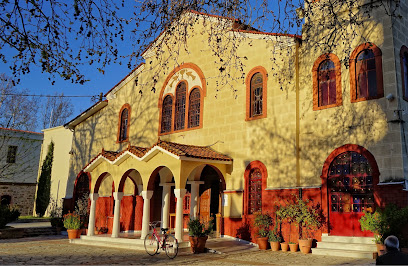
Discover the serene Holy Monastery of Agio Theodoroi in Meteora, a spiritual sanctuary offering stunning views and a glimpse into Greek monastic tradition.
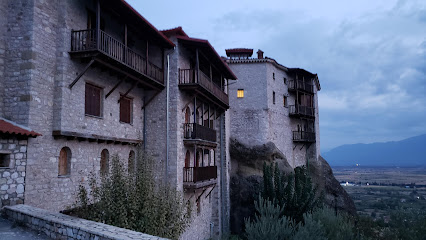
Holy Monastery of Saint Stephan
27.8 km
Discover Meteora's spiritual heart at the easily accessible Holy Monastery of Saint Stephen, offering stunning views and a glimpse into monastic life.
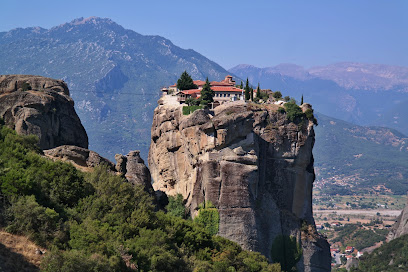
Holy Monastery of the Great Meteoron -Transfiguration of the Saviour
29.7 km
Discover the awe-inspiring Holy Monastery of the Great Meteoron, a UNESCO World Heritage site offering breathtaking views and rich spiritual heritage in Meteora, Greece.
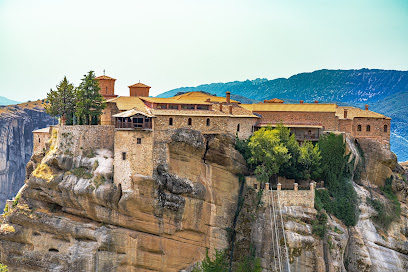
Point de vue
30.1 km
Discover breathtaking panoramic views of the Greek countryside at this scenic overlook near Políchni, a perfect spot for photographers and nature lovers.
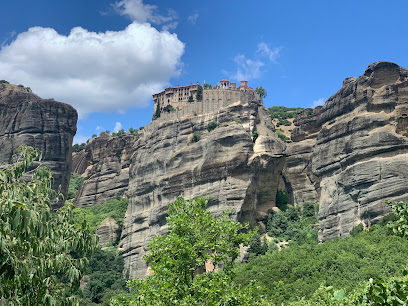
Landmark
35.0 km
Explore the rich history and stunning architecture at Athamanians Landmark, a must-see historical site for every traveler in Greece.
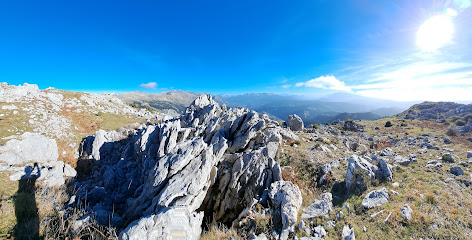
National Park of Tzoumerka, Peristeri & Arachthos Gorge
35.4 km
Discover a hidden gem in Greece: explore mountains, gorges, and traditional villages in the National Park of Tzoumerka, Peristeri & Arachthos Gorge.
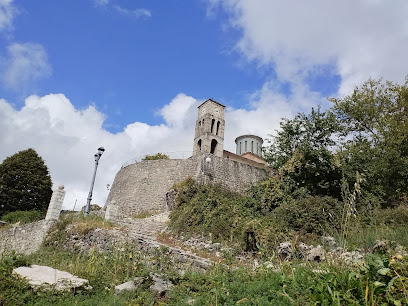
Kouiassa
43.7 km
Discover Kouiassa's natural beauty near Kalarrites: waterfalls, lush landscapes, and easy hiking trails in the heart of the Tzoumerka region.
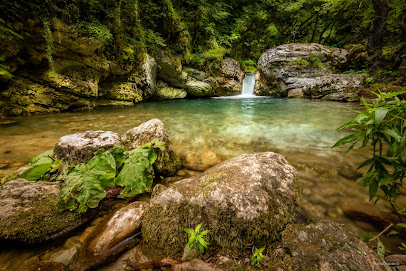
Hellenistic Acropolis of Proerna
62.4 km
Discover the enchanting Hellenistic Acropolis of Proerna in Neo Monastiri, a historical landmark steeped in ancient Greek history and breathtaking views.
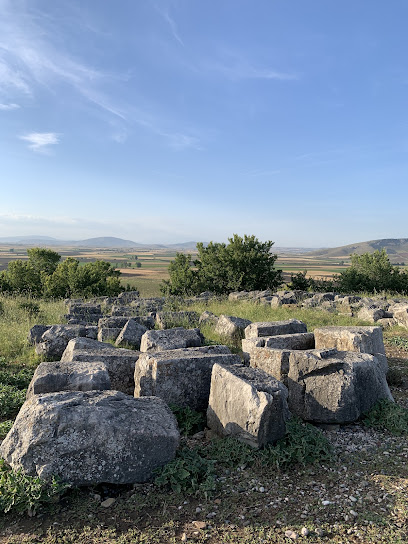
Ancient Ambracia Wall
62.7 km
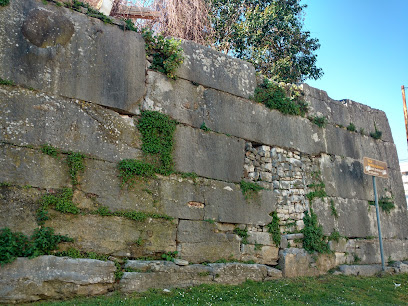
Discover the remnants of the Ancient Ambracia Wall in Arta, Greece, and step back in time to explore the history of this once-powerful city.
Μουσείο Ελληνικής Ιστορίας Παύλου Βρέλλη
64.1 km
Experience Greek history come to life at the Pavlos Vrellis Museum, featuring captivating wax figures in realistic historical settings near Ioannina.
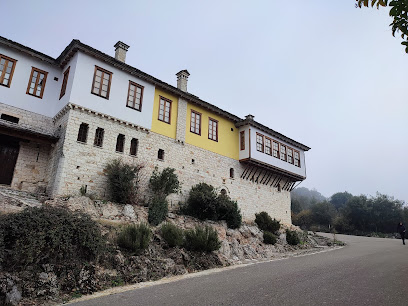
Ιερά Μονή Ντουραχάνης
64.1 km
Discover the serene beauty and rich history of this lakeside monastery near Ioannina, offering stunning views and Byzantine art.
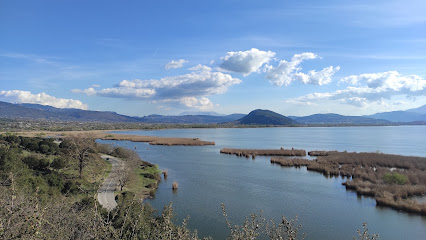
Lake Pamvotida
65.7 km
Discover Lake Pamvotida: A serene escape with rich history, stunning nature, and the unique island of Ioannina.
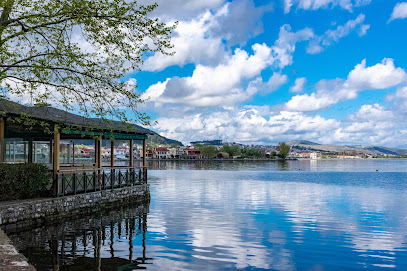
Ali Pasha and Revolutionary Period Museum
67.5 km
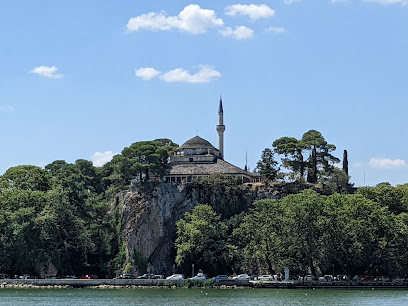
Explore the life of Ali Pasha and the Greek Revolution at this museum on the car-free Ioannina Island, a short ferry ride from Ioannina.
Unmissable attractions to see

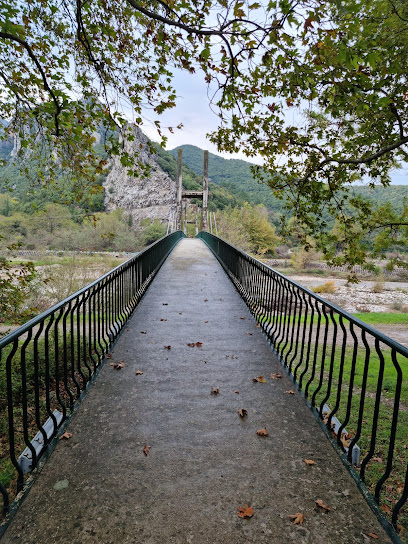
Hanging Gate Bridge of Pyli
0.3 km
Explore the Hanging Gate Bridge of Pyli - a stunning architectural marvel amidst breathtaking Greek landscapes, perfect for photography and leisure walks.
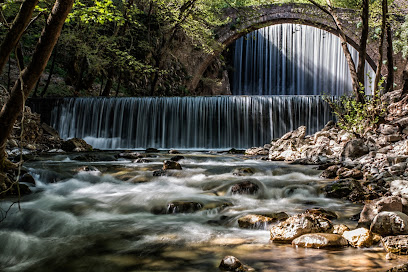
Stone bridge and waterfall of Palaiokarya
7.8 km
A 16th-century stone bridge in Thessaly with cascading waterfalls, offering a blend of history and natural beauty in a serene setting.
Σηραγγα Γκροπας-Gropas tunnel
11.7 km
Explore Gropas Tunnel in Pyli, Greece - a hidden historical gem offering captivating views and an intriguing adventure through time.
Staurós
12.8 km
Discover the breathtaking Staurós in Koziakas, a perfect blend of natural beauty and rich cultural heritage for every traveler.
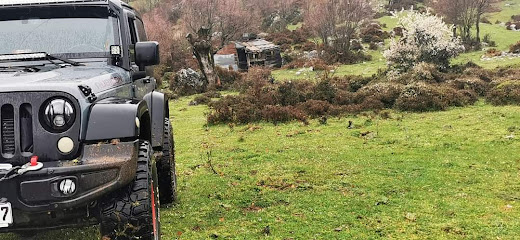
BALCONE del lago
14.8 km
Experience tranquility at Balcone del Lago in Kefalovryso: scenic views, delightful Greek cuisine, and a relaxing lakeside atmosphere.
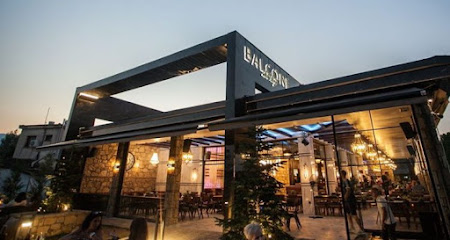
Matsopoulos Mill
16.0 km
Discover the historical Matsopoulos Mill in Trikala, a captivating local history museum showcasing the region's agricultural heritage and charm.
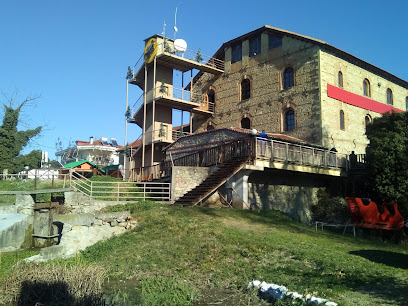
Matsopoulos Park
16.0 km
Discover the serenity and cultural charm of Matsopoulos Park in Trikala – a perfect blend of nature and art awaits you.
Archaeological Site of Ancient Trikke ("Asclepieion")
17.1 km
Discover the ancient sanctuary of Asclepius in Trikala, Greece, and explore the fascinating ruins of this once-thriving healing center.
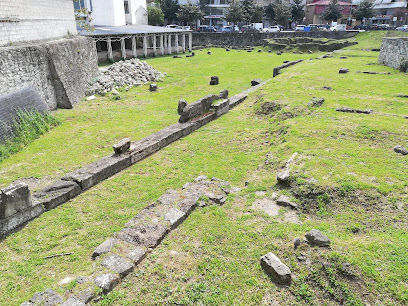
Κέντρο Έρευνας - Μουσείο Τσιτσάνη
17.1 km
Discover the life and music of Vassilis Tsitsanis at his namesake museum in Trikala's historic former prison.
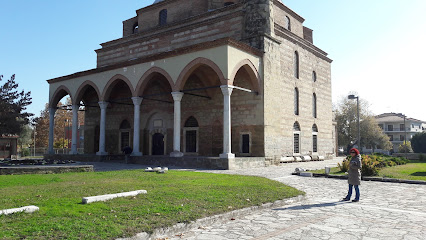
Osman Sah Mosque
17.1 km
Explore the historical Osman Shah Mosque in Trikala, a unique example of Ottoman architecture and Islamic heritage in Greece.
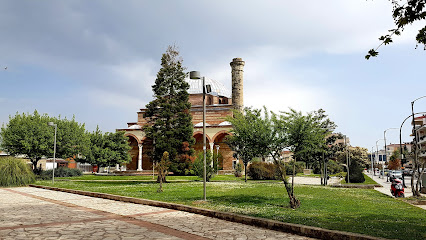
Fanari Karditsas
17.1 km
Discover Fanari Karditsas: A historic village with a Byzantine castle, offering stunning views and a glimpse into ancient Greece.
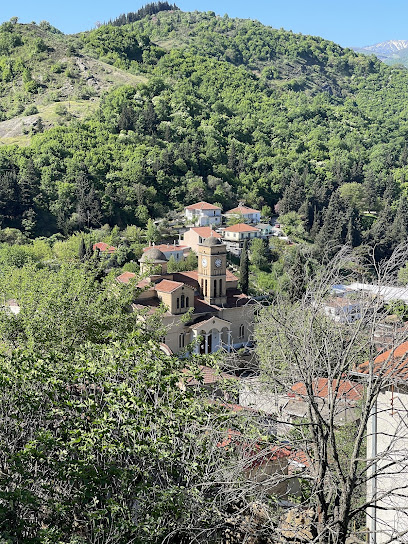
Byzantine Castle of Trikala
17.1 km
Explore the Byzantine Castle of Trikala, a historical gem with stunning views and rich cultural significance, perfect for every traveler in Greece.
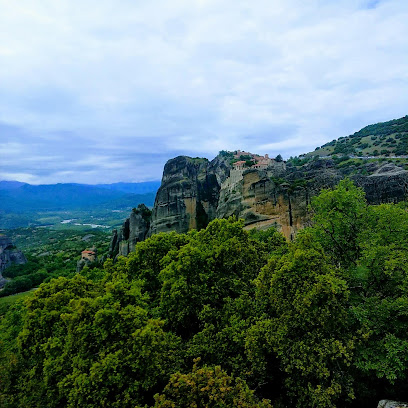
Central Bridge
17.2 km
Cross the iconic Central Bridge in Trikala, a historic landmark offering scenic views and a connection to the city's vibrant heart.
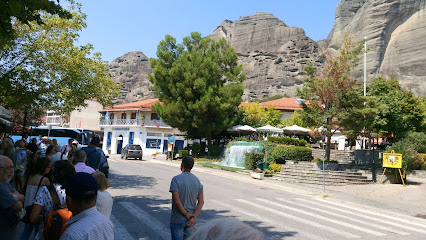
Trikala City Center Square
17.3 km
Experience the vibrant atmosphere of Trikala City Center Square, where history, culture, and local cuisine come together in the heart of Greece.
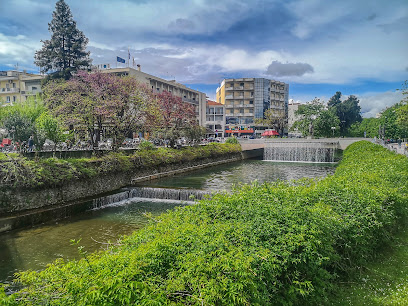
Old Town of Trikala (Varousi)
17.4 km
Explore Varousi, Trikala's historic old town: mansions, churches, and a glimpse into the city's rich cultural past. A must-see for history enthusiasts.
Essential places to dine

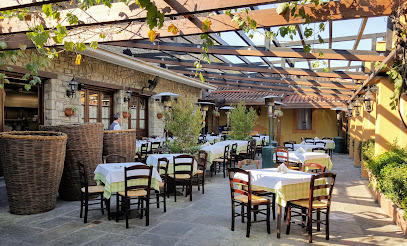
Taverna To Chani
16.3 km
Experience authentic Greek cuisine at Taverna To Chani - where traditional flavors meet modern hospitality.
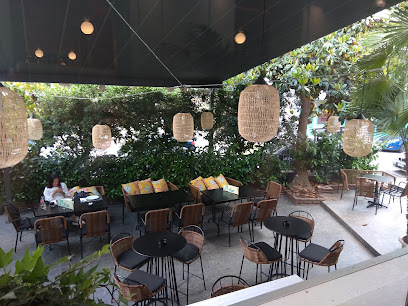
Ivy
16.9 km
Discover the culinary delights at Ivy in Trikala - a unique blend of restaurant, bar, and café experiences in Greece.
Trikala Fortress
17.0 km
Explore Trikala Fortress: A historic gem blending breathtaking views with delicious Greek cuisine in Trikala.
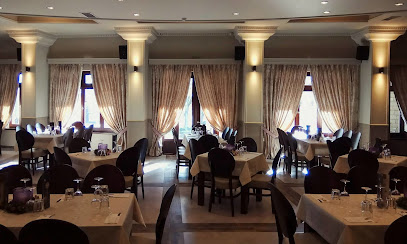
Balsamico
17.2 km
Experience authentic Greek flavors with a barbecue twist at Balsamico in Trikala.
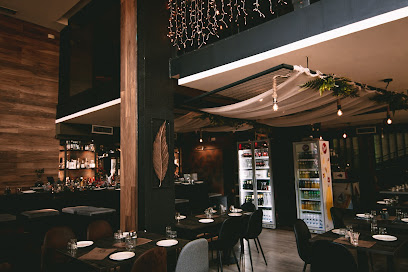
Ladophánaro
17.3 km
Experience the heart of Greece at Ladophánaro - where every dish tells a story of tradition and flavor.
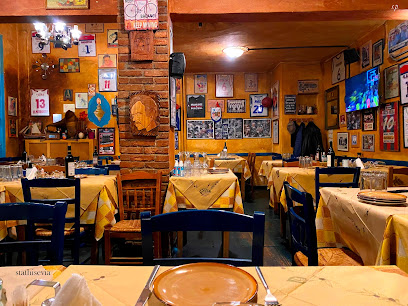
Tavern The Dipylon
17.3 km
Experience authentic Greek flavors at Tavern The Dipylon in Trikala—where tradition meets taste in every dish.
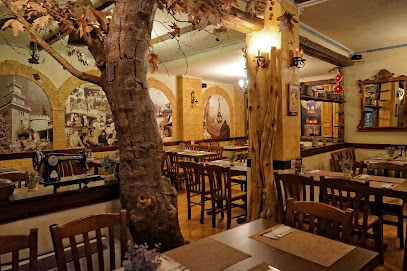
The Rakario
17.3 km
Experience authentic Greek cuisine at The Rakario in Trikala – where tradition meets taste in every dish.
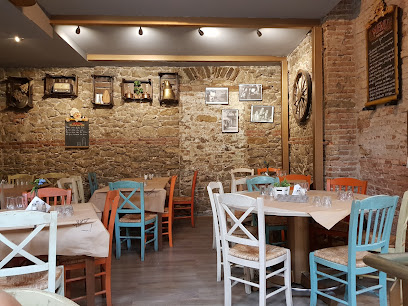
TERROIR
19.1 km
Discover authentic Greek cuisine at Terroir in Trikala – where fresh ingredients meet culinary artistry in every dish.
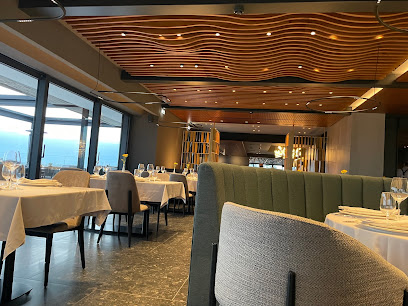
Skiouros
19.7 km
Discover Skiouros: A delightful restaurant in Νεράιδα offering authentic Greek cuisine, artisanal coffee, and sweet treats in a welcoming atmosphere.
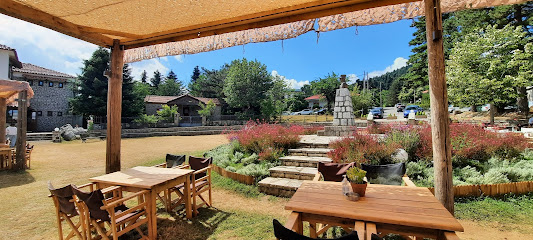
Taverna To Steki
19.9 km
Experience authentic Greek cuisine at Taverna To Steki in Kalabaka - where tradition meets flavor in every dish.
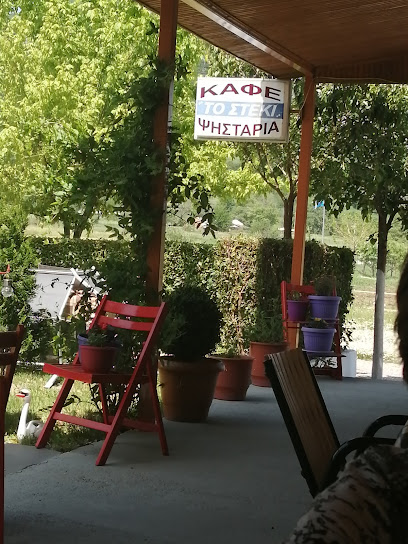
The Mushroom
21.7 km
Discover exquisite local cuisine at The Mushroom by Lake Plastiras—where every meal is a delightful journey through flavors.
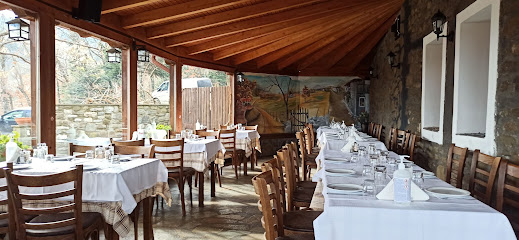
To Tsardaki
22.1 km
Discover authentic Greek flavors at To Tsardaki, a charming restaurant offering delicious dishes made from fresh local ingredients.
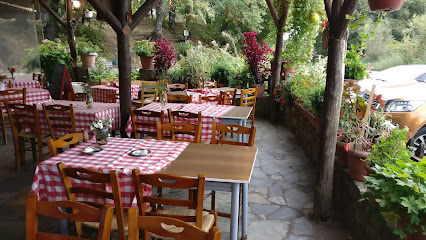
METEORA PARK
24.9 km
Experience breathtaking landscapes at Meteora Park, where towering cliffs meet ancient monasteries in a UNESCO World Heritage site.
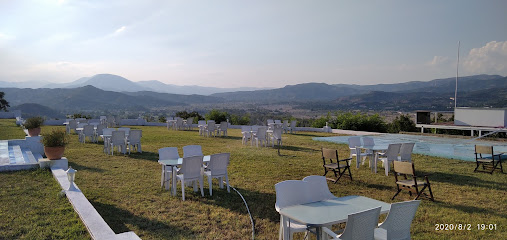
Taverna "VAITSIS ANGEL"
25.0 km
Discover authentic Greek flavors at Taverna 'VAITSIS ANGEL' in Karditsa - where every meal is a celebration of tradition.
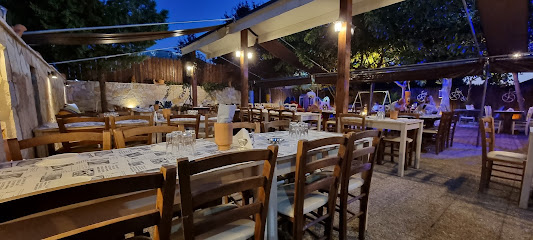
Panórama
25.0 km
Experience authentic Greek cuisine with stunning views at Panórama in Belokomiti.
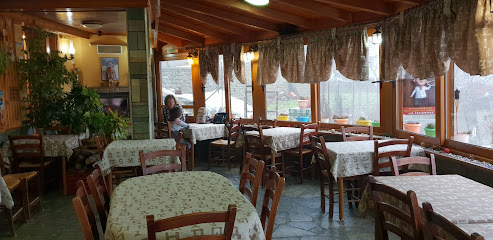
Markets, malls and hidden boutiques

Bantel
17.6 km
Explore the charm of Bantel in Trikala, where unique gifts and local crafts await to capture your travel memories.
Meteorashop.gr - Χειροποίητες εικόνες & Μοναστηριακά Προϊόντα
18.0 km
Explore unique handcrafted church supplies at Meteorashop.gr in Trikala, Greece, where spirituality meets exquisite craftsmanship.
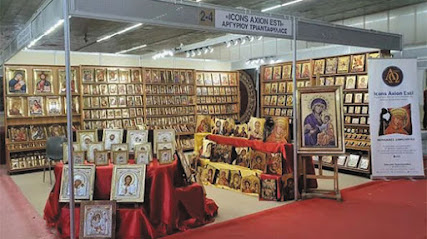
Zindros Byzantine Icons Workshop - Retail Store 1
26.6 km
Discover the artistry of Byzantine icons at Zindros Workshop, where tradition meets craftsmanship in the heart of Kalambaka.
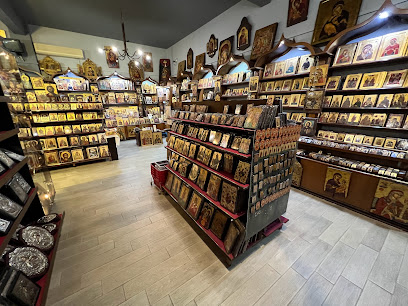
Zervopoulos Icons
26.7 km
Explore the beauty of handmade Greek icons and local delicacies at Zervopoulos Icons in Kalabaka, a unique cultural experience!
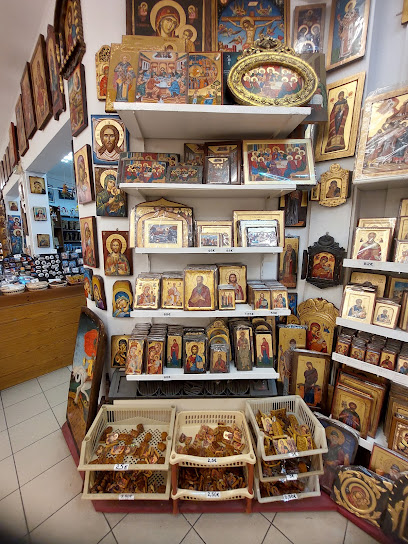
FURNITURE KERASOVITI Aristotle
26.7 km
Discover exquisite craftsmanship at Furniture Kerasoviti Aristotle, a unique furniture store in Kalabaka, Greece, offering timeless designs and quality pieces.
Lidl
26.8 km
Explore affordable shopping at Lidl in Kalampaka, Greece, your one-stop supermarket for all essentials and local delights.
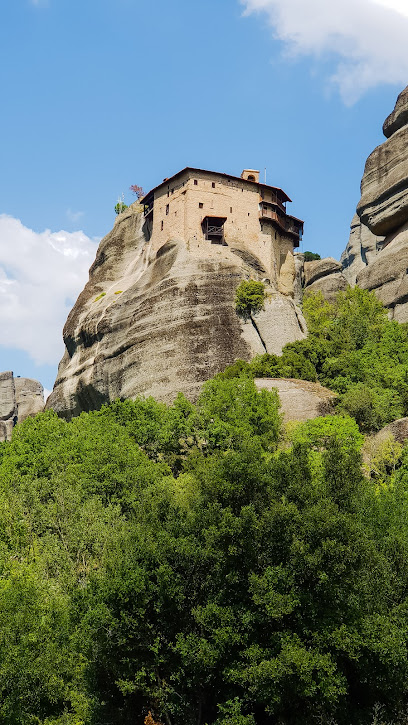
Meteora Gift House
27.1 km
Explore the charm of Greek craftsmanship at Meteora Gift House - your destination for unique souvenirs and local treasures in Kalampaka.
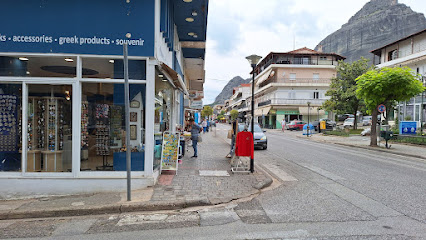
Agora Meteoron
27.1 km
Explore Agora Meteoron in Kalampaka for unique Greek souvenirs and crafts that capture the essence of Meteora's breathtaking beauty.
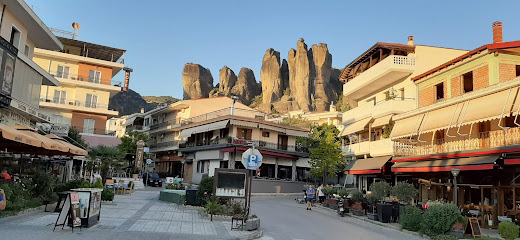
Ο Φούρνος Με Τα Ξύλα
27.1 km
Discover the authentic flavors of Kalampaka at Ο Φούρνος Με Τα Ξύλα, where traditional wood-fired baking meets local craftsmanship.
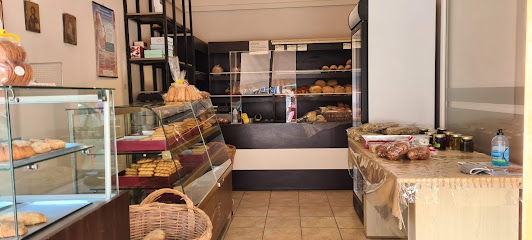
Vayart Meteora
27.2 km
Explore Vayart Meteora for unique local art, clothing, and jewelry in the breathtaking shadow of Meteora's iconic rock formations.
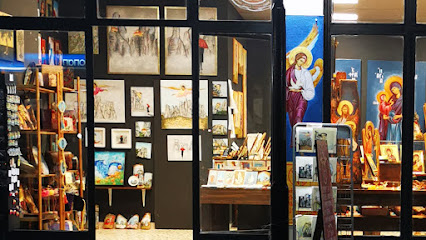
Gift Shop
27.4 km
Explore the Kalampaka Gift Shop for unique Greek souvenirs and handcrafted treasures that capture the spirit of your travels.

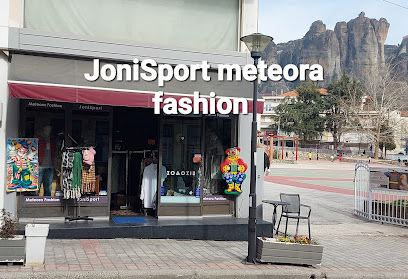
jonisport meteora fashion
27.4 km
Explore Jonisport Meteora for stylish clothing and unique accessories in the heart of Kalampaka, Greece, while enjoying the breathtaking Meteora views.
Meteora Sandals (Ekfrasi)
27.5 km
Discover handcrafted sandals and authentic Greek souvenirs at Meteora Sandals (Ekfrasi) in Kalampaka, where tradition meets craftsmanship.
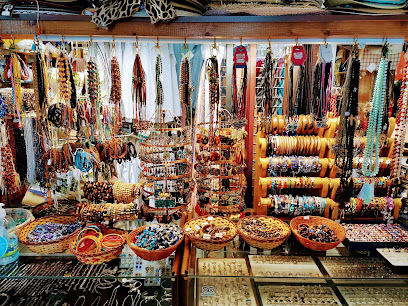
GREETINGS FROM METEORA
27.5 km
Explore a treasure trove of unique souvenirs inspired by Meteora's stunning landscapes at Greetings from Meteora in Kalambaka.
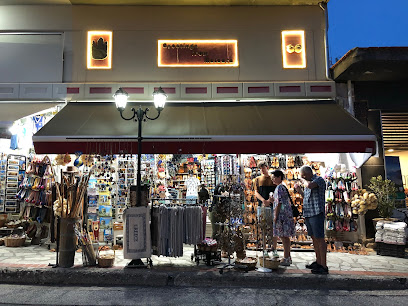
Vitafree Ελληνική Μπισκοτοποιΐα
28.4 km
Discover the essence of Greek confectionery at Vitafree, a charming cookie shop in Φαρκαδόνα offering artisanal flavors that delight every palate.
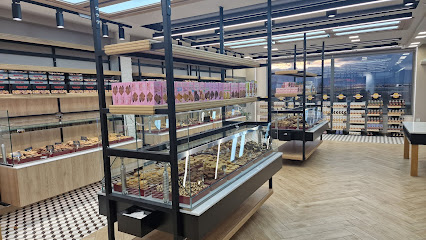
Essential bars & hidden hideouts

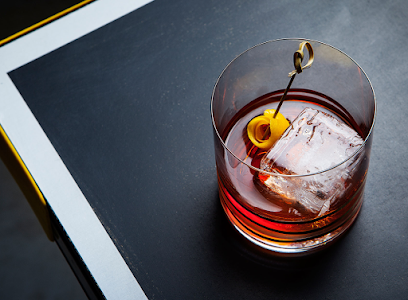
the mixsir
16.2 km
Experience the vibrant nightlife of Trikala at The Mixsir, the city's premier cocktail bar offering innovative drinks and a lively atmosphere.
Fidel Coffee & Wine Bar
17.0 km
Discover the charm of Trikala at Fidel Coffee & Wine Bar, where exquisite coffee and fine wine create unforgettable moments.
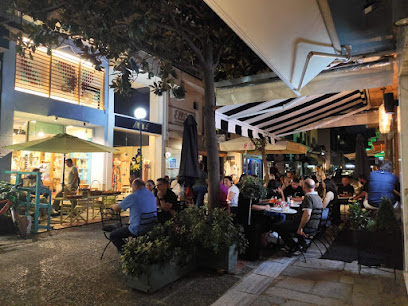
ALVEO
17.1 km
Experience the vibrant blend of flavors and ambience at ALVEO, Trikala's premier bar and bistro offering a taste of Greece.
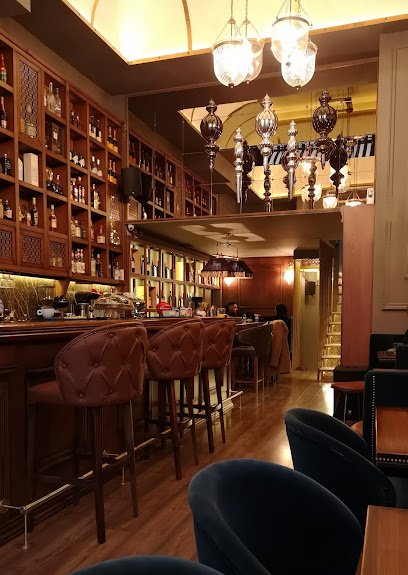
Κλεψύδρα Jazz Rock Bar
17.2 km
Discover Κλεψύδρα Jazz Rock Bar in Trikala for unforgettable live music and a vibrant atmosphere, perfect for nightlife enthusiasts.
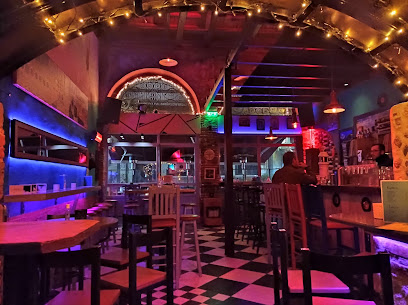
BitterSweet Cocktail Bar
17.2 km
Discover the vibrant BitterSweet Cocktail Bar in Trikala, where innovative cocktails and a cozy atmosphere await every traveler.
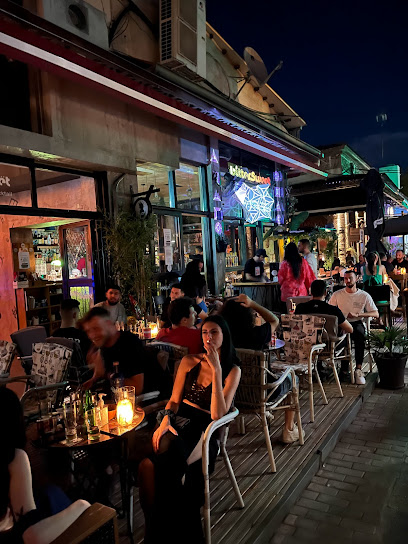
Buddha bar
17.2 km
Experience the tranquility and vibrant nightlife at Buddha Bar in Trikala, where cocktails meet a serene atmosphere.
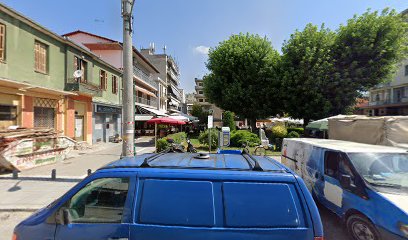
The Love Shake
17.3 km
Experience the vibrant nightlife of Trikala at The Love Shake, a cocktail bar known for its innovative drinks and warm atmosphere.
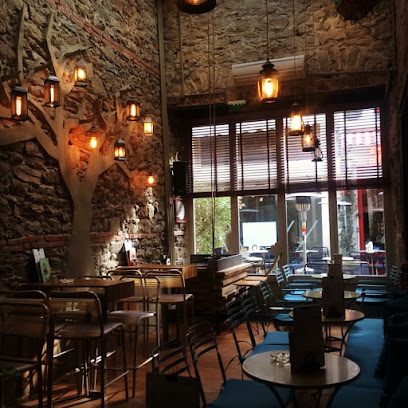
Cardinal
17.3 km
Discover Cardinal, Trikala's premier bar, for exquisite cocktails and a lively atmosphere perfect for socializing and unwinding after a long day.
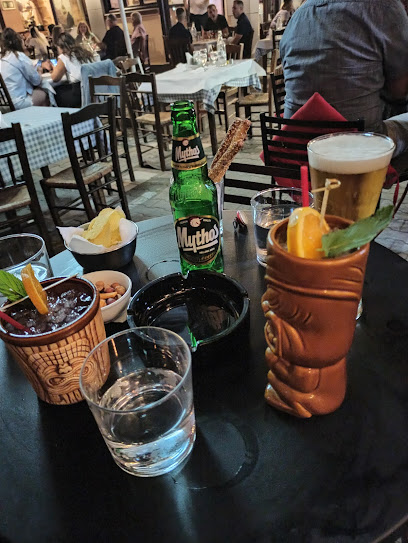
Spiti galinis
17.4 km
Experience the warm ambiance and local flavors at Spiti Galinis, Trikala's charming bar offering a delightful retreat for every visitor.
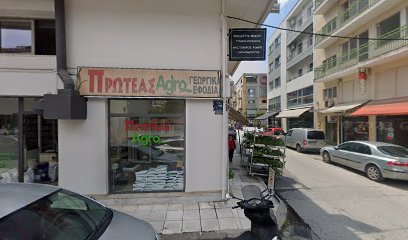
Magazi Kosmas
26.2 km
Discover the vibrant ambiance and delightful drinks at Magazi Kosmas, the perfect bar and café in Faneromeni.
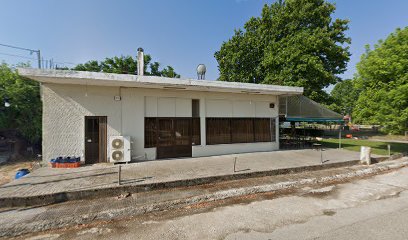
Coorballitto Cafe Bar
26.3 km
Experience the savory flavors of local cuisine at Coorballitto Cafe Bar, where every meal is a celebration of Greece's culinary heritage.
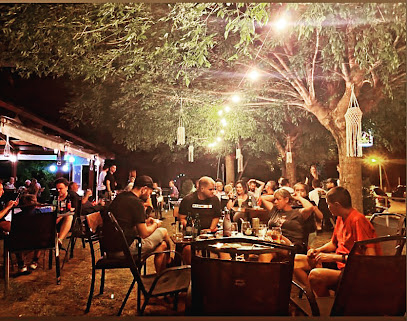
CARGO Cocktail Bar
27.2 km
Experience the vibrant nightlife of Kalampaka at CARGO Cocktail Bar, where unique cocktails meet a lively atmosphere.
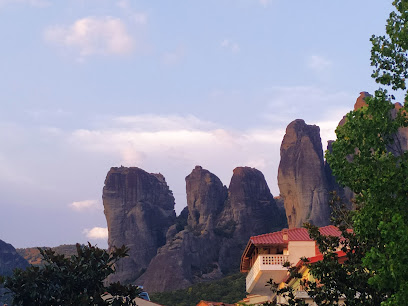
Rapsodia
27.3 km
Experience the vibrant atmosphere of Rapsodia, a must-visit bar and café in Kalampaka, perfect for enjoying local drinks and cuisine.
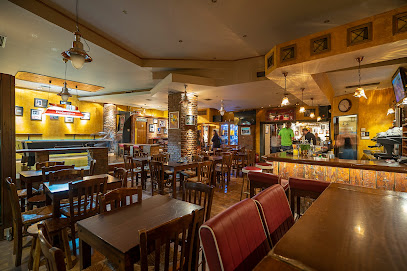
Zenith * Ζενίθ cafe bar
27.4 km
Discover the cozy charm of Zenith Cafe Bar in Kalampaka, where delicious drinks meet stunning views of Meteora.
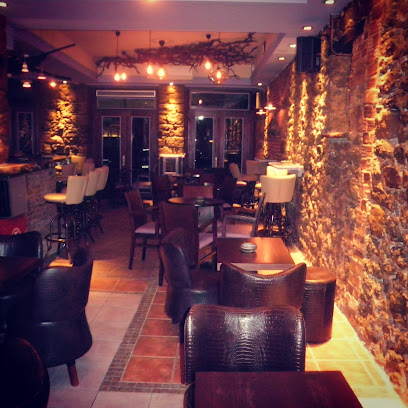
καφενείο Η ΩΡΑΙΑ ΘΕΑ
27.4 km
Experience authentic Greek flavors and stunning views at καφενείο Η ΩΡΑΙΑ ΘΕΑ in Kalampaka, a perfect stop for food lovers.