Gorgopotamos Bridge, Thessaly Travel Guide
Visit the historic Gorgopotamos Bridge, a symbol of Greek resistance during WWII, and explore the scenic landscapes of Central Greece.
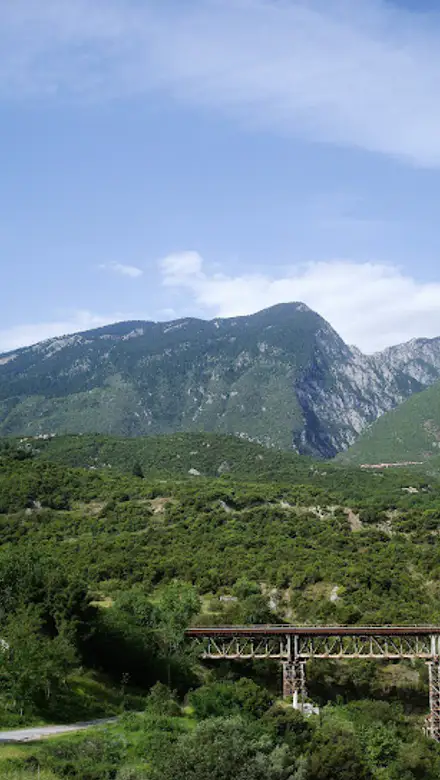
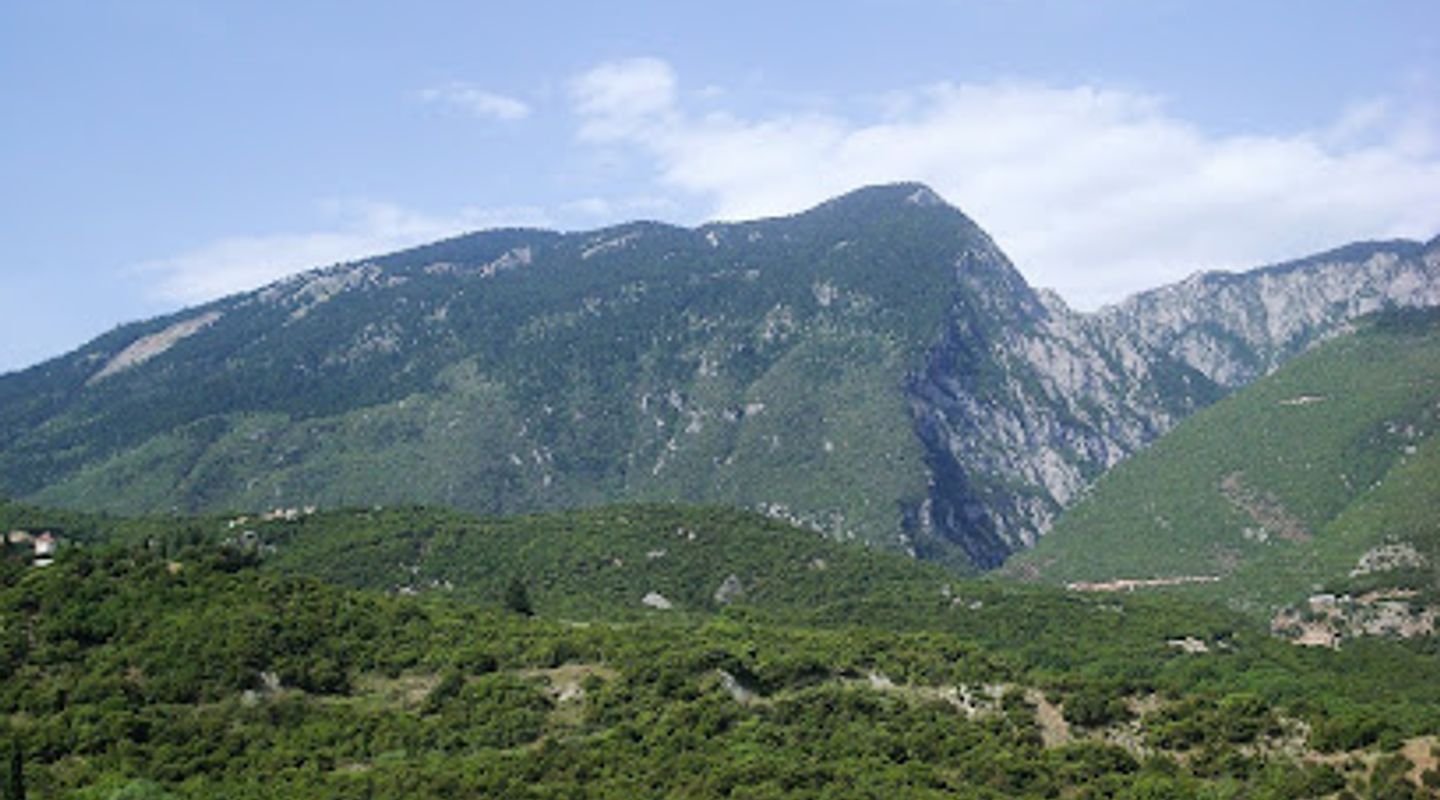
The Gorgopotamos Bridge, near the village of the same name, is a railway bridge famous for its role in WWII. In 1942, Greek partisans and British SOE officers blew up the bridge in a strategic act of sabotage against German forces. Rebuilt in 1948, it stands as a monument to the Greek Resistance.
A brief summary to Gorgopotamos Bridge
- Γ, Gorgopotamos, 351 00, GR

Know before you go
Hi, I'm Eve. Here are a few practical things to know before exploring Gorgopotamos Bridge.
- Wear comfortable shoes for walking around the bridge area and exploring the surrounding trails.
- Visit during the spring or early autumn for pleasant weather and fewer crowds.
- Take time to explore the village of Gorgopotamos and experience the local culture.
Do you manage this location?
Take control to get all the benefits, like improved information, better appearance, and stronger visibility across AI-powered discovery. Learn more about listing your business on Evendo
Activate your presenceOther nearby places you may find interesting
The closest places of the same kind, if this one is not quite what you had in mind.

Explore Gorgopotamos Bridge on the Map
A handpicked selection of must-see spots near Gorgopotamos Bridge, mapped for you.
Getting There
-
Walking
From the village square of Gorgopotamos, the bridge is easily accessible on foot. Follow the signs towards Dio Vouna; the historic bridge will be visible in front of you. The walk is short and offers scenic views of the surrounding landscape.
-
Public Transport
Local buses connect Lamia to Gorgopotamos village. From Lamia, take the bus towards Gorgopotamos. Once in the village, follow the walking directions to reach the bridge. Bus fares are typically around €2-€3 for a one-way trip.
-
Taxi
Taxis are available from Lamia to Gorgopotamos. A taxi ride from Lamia to Gorgopotamos typically costs between €15-€20. From the village center, it's a short walk to the bridge.
Discover more about Gorgopotamos Bridge













Your all‑in‑one travel companion app
Explore expert travel guides, compare and book tours, experiences, hotels, and more—all from the palm of your hand. Download now for seamless trip planning wherever your wanderlust takes you.


Explore More of Thessaly
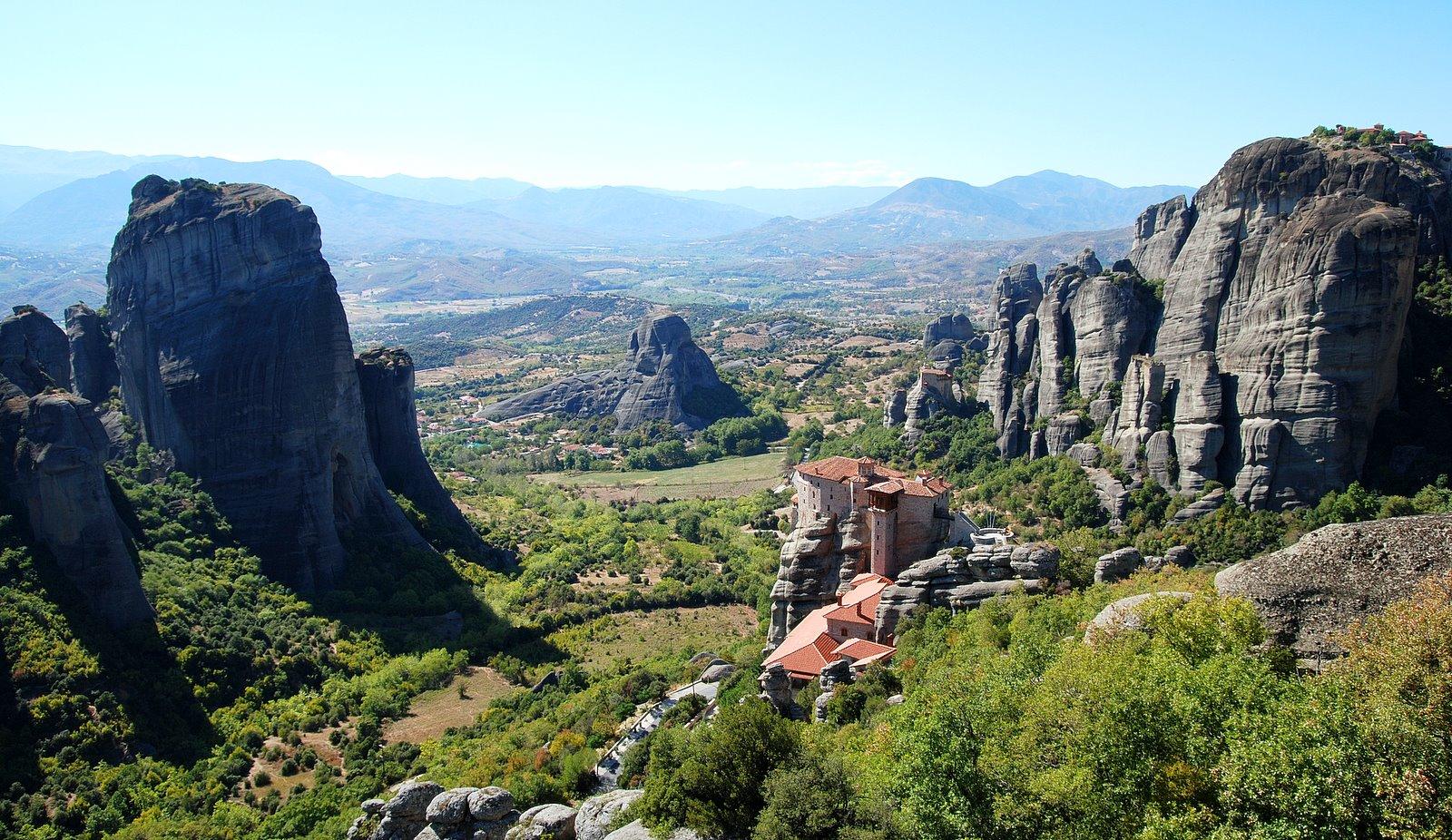
Looking beyond Gorgopotamos Bridge? Discover Thessaly for broader travel guides, local hot-spots, and regional highlights.
Explore Thessaly
Discover the epic story of the Battle of Thermopylae at the Historical Information Center, where history comes alive in Lamia, Greece.
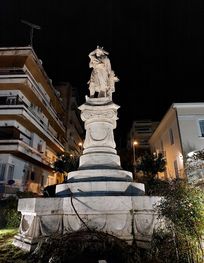
Discover Pl. Diakou in Lamia: a historical square honoring a Greek Revolution hero, offering a glimpse into the city's vibrant culture.