

Rio Aguan Travel Guide
Free Guide: Discover the natural beauty and cultural richness of Rio Aguan in Honduras, a hidden gem offering kayaking, birdwatching, and authentic experiences in a lush river valley.


A brief summary of Rio Aguan
Discover the natural beauty and cultural richness of Rio Aguan in Honduras, a hidden gem offering kayaking, birdwatching, and authentic experiences in a lush river valley.
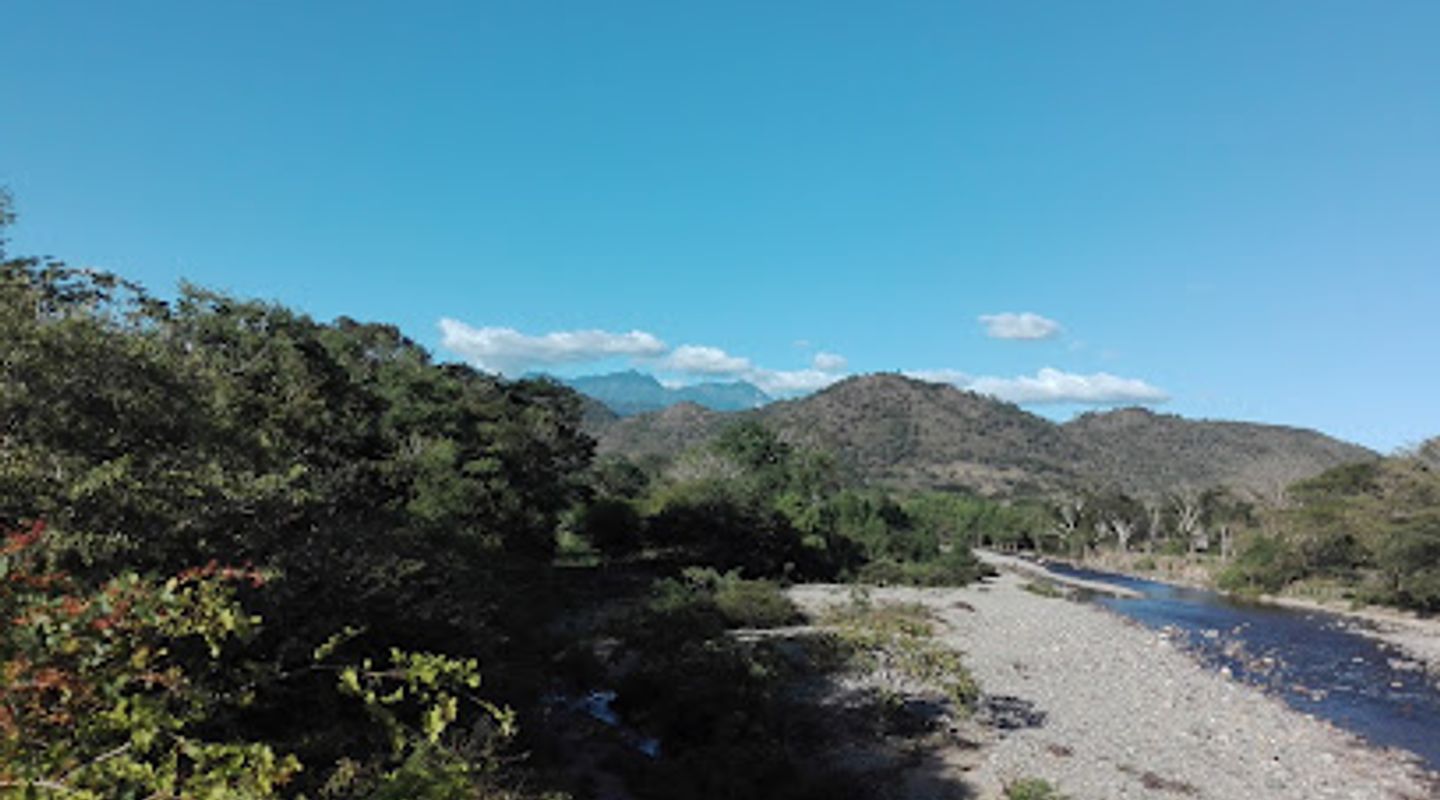
Rio Aguan, nestled in the heart of Honduras, offers a serene escape into nature's embrace. The river meanders through lush landscapes, providing opportunities for kayaking, fishing, and simply basking in the tranquility of the surroundings. The Aguan Valley is also known for its rich biodiversity, including the critically endangered Honduran Emerald Hummingbird, making it a haven for birdwatchers. While the valley has a complex history marked by agricultural shifts and land disputes, its natural beauty and cultural significance make it a compelling destination for those seeking an authentic Honduran experience. Whether you're drawn to the crystal-clear waters, the vibrant wildlife, or the chance to connect with local communities, Rio Aguan promises an unforgettable journey into the heart of Honduras.
- Address
- Rio Aguan
Getting there
Public Transportation
Taxi/Ride-Share
Walking
Discover more about Rio Aguan
Overview
Rio Aguan, also known as the Aguan River, is a captivating waterway that winds through the northern region of Honduras, offering visitors a chance to immerse themselves in the country's stunning natural beauty and rich cultural heritage. Rising in the highlands west of Yoro, the river carves its way northeastward, passing through fertile valleys and verdant landscapes before emptying into the Caribbean Sea. The Aguan River Valley, a vast expanse of approximately 200,000 hectares, is a vital agricultural area and a testament to the enduring relationship between the Honduran people and their land. Historically, the Aguan Valley has been a significant agricultural hub, initially dominated by banana plantations in the early 20th century. However, the industry faced setbacks due to diseases and natural disasters, leading to a period of decline. In recent decades, the valley has diversified its agricultural production, with cooperatives cultivating citrus fruits, corn, rice, and African palm for oil. This shift reflects the resilience and adaptability of the local communities in the face of economic and environmental challenges. The Aguan Valley is also home to a diverse array of flora and fauna, making it a paradise for nature enthusiasts and birdwatchers. The critically endangered Honduran Emerald Hummingbird, the country's only endemic bird species, finds refuge in the valley's remaining pockets of tropical dry forest. Birding tours in the Aguan Valley offer the chance to spot this elusive gem, along with other avian species such as the Lesser Roadrunner and White-lored Gnatcatcher. The valley's varied ecosystems also support a range of other wildlife, including monkeys, sloths, and reptiles, providing ample opportunities for wildlife viewing and photography. Beyond its natural attractions, the Aguan Valley boasts a rich cultural heritage shaped by the indigenous communities that have inhabited the region for centuries. The Pech and Garífuna people have left an indelible mark on the valley's cultural fabric, preserving their traditions, languages, and customs. Visitors can engage with local communities, learn about their history and way of life, and experience the warmth and hospitality of the Honduran people. The Garífuna culture, recognized by UNESCO as an Intangible Cultural Heritage, is particularly vibrant in the coastal areas near the Aguan River's mouth, where traditional music, dance, and cuisine are integral to community life. However, the Aguan Valley's history is not without its challenges. Land ownership disputes and agrarian conflicts have plagued the region for decades, leading to social and political tensions. The struggle for land rights has been a central theme in the valley's history, with campesino communities fighting to reclaim their ancestral lands from large corporations and landowners. These conflicts have sometimes resulted in violence and human rights abuses, highlighting the need for peaceful and equitable solutions to land-related issues. Despite these challenges, the Aguan Valley remains a resilient and vibrant region with much to offer visitors. The natural beauty of the Aguan River, the rich biodiversity of its surrounding ecosystems, and the cultural heritage of its communities combine to create a unique and unforgettable travel experience. Whether you're seeking adventure, relaxation, or cultural immersion, the Aguan Valley promises to captivate your senses and leave you with a deeper appreciation for the beauty and complexity of Honduras. To make the most of your visit to Rio Aguan and the Aguan Valley, consider the following: * **Engage with local communities:** Support local businesses, participate in cultural events, and learn about the history and traditions of the region. * **Respect the environment:** Practice responsible tourism by minimizing your impact on the natural environment and supporting conservation efforts. * **Be aware of the local context:** Understand the social and political issues affecting the Aguan Valley and engage with sensitivity and respect. * **Plan your trip carefully:** Research transportation options, accommodation, and activities in advance to ensure a smooth and enjoyable experience. * **Stay informed about safety conditions:** Check travel advisories and consult with local authorities to ensure your safety and security. By embracing these guidelines, you can contribute to the sustainable development of the Aguan Valley and create a positive impact on the lives of its residents. Rio Aguan is more than just a river; it's a lifeline, a source of beauty, and a symbol of resilience for the people of Honduras. A visit to this remarkable region is an opportunity to connect with nature, culture, and community in a meaningful and transformative way.
Evendo Review Centre
 Google
Guest reviews
Explore Rio Aguan on the map
A handpicked selection of must-see spots near Rio Aguan, mapped for you.
Get your free copy of our complete guide to Rio Aguan, delivered straight to you.
Everything on this page, from opening hours and how to get there to Eve’s tips and the best time to go, in one PDF you can read offline, print or share.
Already have an account? Sign in
Your Rio Aguan guide is ready.
We'll send it to · Not you? Sign out

Getting your guide ready…
We are putting together a fresh copy of the Rio Aguan guide. This can take up to a minute.
This can take a few moments. If your browser asks, choose Allow so the download can start. You'll find the guide in your Downloads folder.
Nothing happened? Download it again
Sorry, the guide is taking longer than usual. Please try again in a minute, or get it by email instead.
Other nearby places you may find interesting
The closest places of the same kind, if this one is not quite what you had in mind.
-
-
-
-
-


Swipe for more places
More to explore near Rio Aguan

 Best experiences near Rio Aguan
 Best hotels near Rio Aguan
 Best landmarks near Rio Aguan
 Best attractions near Rio Aguan
 Best shops near Rio Aguan
 Best restaurants near Rio Aguan
 Best bars near Rio Aguan
Do you manage this location?
Take control to get all the benefits, like improved information, better appearance, and stronger visibility across AI-powered discovery.
Explore more

Explore more of Aguan Valley
Discover the breathtaking beauty and rich cultural tapestry of Aguan Valley, Honduras' hidden paradise for nature lovers, history buffs, and adventure seekers.
Explore Aguan Valley
Explore more of Honduras
Discover Honduras: From ancient Maya ruins and vibrant cities to stunning beaches and lush rainforests, this Central American gem offers something for every traveler.
Explore Honduras
