

Wicker Park (Chicago) Travel Guide - Free
Explore Wicker Park in Chicago with Evendo's free guide. Find the best shops, historic streets, restaurants, and gems on web or mobile.


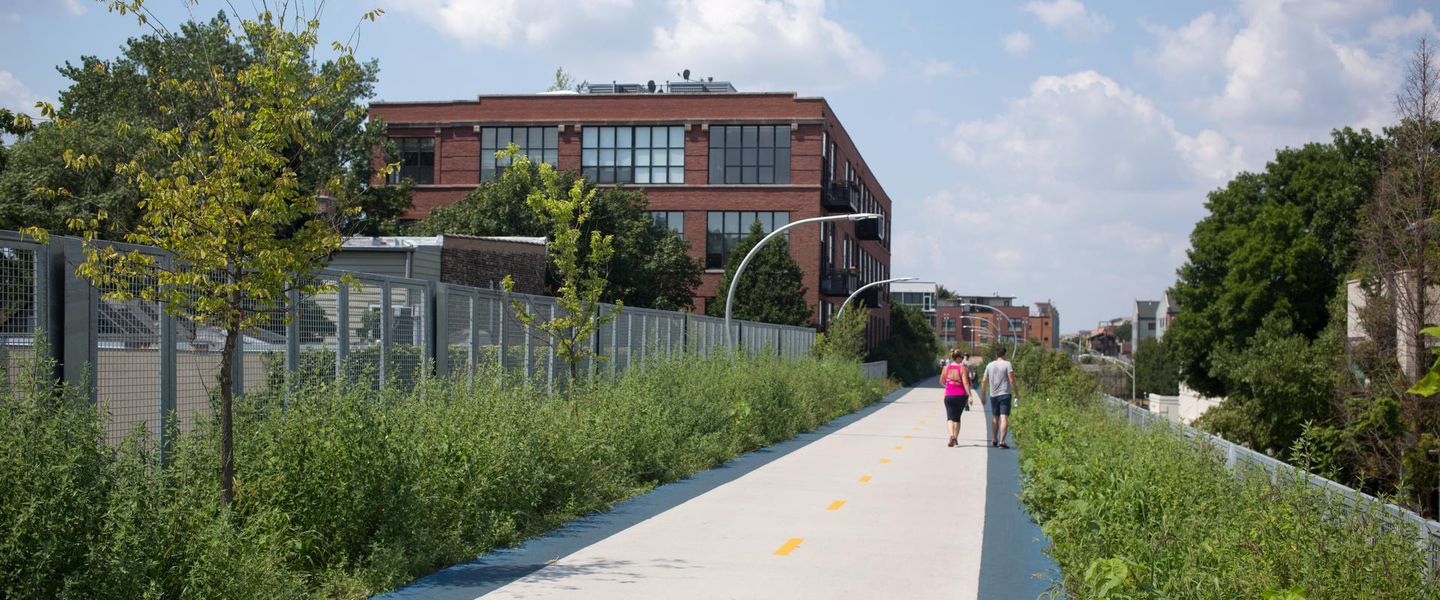


Wicker Park in Chicago offers independent shops, live music, street art and creative dining around Milwaukee and Damen Avenues, day and night.
Streets, Architecture and Everyday Life
Wicker Park occupies a compact, walkable section of Chicago’s Near Northwest Side, where Milwaukee Avenue cuts diagonally through the regular street grid and meets North and Damen Avenues at the busy intersection known as the Six Corners. The neighbourhood’s built character ranges from late-nineteenth-century greystones and brick flats to converted commercial buildings, apartment blocks and contemporary residential developments. At its centre, the landscaped Wicker Park provides a pause from the traffic, with the Wicker Park Fieldhouse, paths and open lawns shaping one of the area’s most recognisable public spaces.Read more about Wicker Park
Culture Along Milwaukee Avenue
Park Life and Evening Energy
Best attractions in Wicker Park
Wicker Park’s principal attractions are close together and best explored as a walking sequence. Start in Wicker Park itself, where lawns, mature trees and the historic fieldhouse provide an open civic space amid dense streets. From there, the Six Corners intersection leads into Milwaukee Avenue, whose diagonal route is lined with independent shops, cafés, galleries and older storefronts. The Flatiron Arts Building, a distinctive triangular commercial building at Milwaukee and North Avenues, reflects the neighbourhood’s long association with studios and creative businesses. Music venues and street-level retail give the surrounding blocks their cultural energy, while public art and changing shopfronts reward unhurried exploration. The northern edge provides access towards the 606 elevated trail in neighbouring Bucktown, but the trail is an adjoining attraction rather than a feature running through all of Wicker Park.
-
Park
Wicker (Charles, Joel) Park
Experience the charm of Wicker Park in Chicago - a lush urban oasis perfect for relaxation, recreation, and cultural events.
7 min walk · 0.6 km from neighbourhood centre

Best landmarks in Wicker Park
Wicker Park itself is the neighbourhood’s defining civic landmark, established in the nineteenth century and still providing a green centre between dense residential and commercial blocks. Its fieldhouse and landscaped grounds anchor the park’s architectural and social presence. The Flatiron Arts Building at the meeting of Milwaukee and North Avenues is another significant local structure: its triangular form follows the unusual street geometry and its studios became associated with Wicker Park’s late-twentieth-century arts identity. The Six Corners intersection, where Milwaukee, North and Damen Avenues converge, is less a single monument than a symbolic urban landmark, expressing the district’s role as a crossroads for transport, trade, nightlife and pedestrian movement. Surrounding greystones, brick flats and historic commercial façades complete the neighbourhood’s architectural record.
-
Park
Wicker (Charles, Joel) Park
Experience Wicker Park, Chicago's vibrant green oasis offering lush landscapes, sports facilities, and a vibrant community atmosphere perfect for all visitors.
7 min walk · 0.6 km from neighbourhood centre
-
Art center
The Flatiron Arts Building
Explore the Flatiron Arts Building in Wicker Park, Chicago, a vibrant hub of creativity with local art, unique events, and an eclectic community atmosphere.
6 min walk · 0.5 km from neighbourhood centre
-
Historical landmark
Hermann Weinhardt House
Explore the Hermann Weinhardt House, a historic landmark in Wicker Park, Chicago, showcasing exquisite architecture and rich cultural heritage.
2 min walk · 0.1 km from neighbourhood centre
-
Park
Roberto Clemente Park
Experience the tranquility of Roberto Clemente Park in Chicago's Wicker Park, where nature meets community and recreation thrives.
8 min walk · 0.7 km from neighbourhood centre


Explore Wicker Park on the map
A handpicked selection of must-see spots in Wicker Park, mapped for you.
Best hotels in Wicker Park
Best restaurants in Wicker Park
Wicker Park’s dining scene is concentrated around Milwaukee, North and Damen Avenues and ranges from casual counter service to polished contemporary restaurants. The neighbourhood is particularly associated with American comfort food, creative small plates, brunch cafés, pizza, burgers and globally influenced cooking, alongside bakeries and coffee shops suited to the area’s shopping and nightlife traffic. Big Star, on North Avenue, is a well-known example of the neighbourhood’s lively taqueria and bar culture, while the surrounding streets offer a changing mix of independent eateries and larger dining rooms. Food and drink businesses often occupy renovated nineteenth-century storefronts, making the setting part of the experience. Visitors should distinguish Wicker Park’s own restaurant cluster from the Ukrainian restaurants and other establishments of neighbouring Ukrainian Village, even though both areas are within easy walking distance.
-
Barbecue
Smoke Daddy BBQ - Wicker Park
Experience authentic barbecue at Smoke Daddy BBQ in Wicker Park—where delicious flavors meet live music and vibrant atmosphere.
13 min walk · 1.0 km from neighbourhood centre
-
Restaurant
Etta Bucktown
Discover Etta Bucktown: A culinary haven in Chicago's Wicker Park, blending local flavors with innovative dishes in an inviting atmosphere.
9 min walk · 0.7 km from neighbourhood centre
-
Tacos
Antique Taco Wicker Park
Discover unique tacos and vibrant flavors at Antique Taco Wicker Park - where culinary creativity meets local charm.
12 min walk · 1.0 km from neighbourhood centre
-
Argentinian
Folklore | Argentine Restaurant
Experience authentic Argentinian flavors at Folklore in Chicago's Wicker Park – where culinary tradition meets modern dining.
8 min walk · 0.7 km from neighbourhood centre


Best bars in Wicker Park
Wicker Park is one of Chicago’s established nightlife districts, although its evening character is more varied than a single club strip. Milwaukee Avenue and the blocks around North and Damen combine cocktail bars, beer-focused pubs, late-night restaurants and venues for live music. The Violet Hour is known for an intimate, cocktail-oriented setting, while Subterranean provides a long-running platform for concerts and club nights; the latter sits near the neighbourhood’s edge, so visitors should check the address when planning an evening. Smaller bars such as Estelle’s and the Rainbo Club contribute to the area’s informal, music-linked atmosphere. Entertainment is concentrated around the commercial avenues, with quieter residential streets immediately beyond them, making considerate noise levels and careful late-night navigation important.
-
Cocktail bar
The Violet Hour
Discover The Violet Hour, a premier cocktail bar in Wicker Park, where sophisticated drinks and an elegant ambiance create unforgettable nights.
6 min walk · 0.4 km from neighbourhood centre
-
American
Machine: Engineered Dining & Drink
Experience innovative American cuisine and unique cocktails in Wicker Park, Chicago's vibrant dining scene.
12 min walk · 1.0 km from neighbourhood centre
-
Bar
Bangers & Lace Wicker Park
Discover the vibrant flavors of Chicago at Bangers & Lace Wicker Park, where gourmet sausages meet craft beers in a lively setting.
15 min walk · 1.2 km from neighbourhood centre
-
Lounge
Blue Line Lounge & Grill
Experience the vibrant atmosphere and delicious flavors at Blue Line Lounge & Grill in Chicago's Wicker Park, perfect for a night out or casual get-together.
5 min walk · 0.4 km from neighbourhood centre


Best nightclubs in Wicker Park
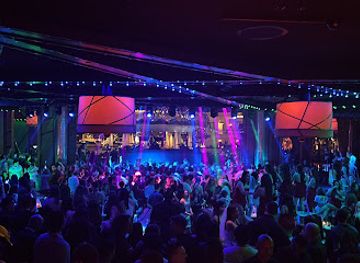
Wicker Park is one of Chicago’s established nightlife districts, although its evening character is more varied than a single club strip. Milwaukee Avenue and the blocks around North and Damen combine cocktail bars, beer-focused pubs, late-night restaurants and venues for live music. The Violet Hour is known for an intimate, cocktail-oriented setting, while Subterranean provides a long-running platform for concerts and club nights; the latter sits near the neighbourhood’s edge, so visitors should check the address when planning an evening. Smaller bars such as Estelle’s and the Rainbo Club contribute to the area’s informal, music-linked atmosphere. Entertainment is concentrated around the commercial avenues, with quieter residential streets immediately beyond them, making considerate noise levels and careful late-night navigation important.
-
Night club
The Revel Room
Experience the electrifying nightlife of Chicago at The Revel Room, a vibrant night club offering live music, crafted cocktails, and an unforgettable atmosphere.
6 min walk · 0.5 km from neighbourhood centre
-
Night club
Debonair Social Club
Discover lively nightlife and delicious dining at Debonair Social Club, a vibrant spot in Wicker Park, Chicago.
7 min walk · 0.5 km from neighbourhood centre
-
Night club
Surreal Nightlife & Bottle Service Chicago
Discover the electric atmosphere of Surreal Nightlife, Chicago’s premier nightclub offering top-tier bottle service and unforgettable music experiences.
16 min walk · 1.3 km from neighbourhood centre
-
Night club
Davenport's Piano Bar and Cabaret
Experience the magic of live music at Davenport's Piano Bar and Cabaret, where every night is a celebration filled with laughter, song, and unforgettable performances.
12 min walk · 0.9 km from neighbourhood centre



Best shops in Wicker Park
Shopping in Wicker Park centres on Milwaukee Avenue and the blocks around North and Damen Avenues, where independent retail sits alongside national brands and contemporary restaurants. The area is known for clothing boutiques, vintage fashion, records, books, gifts, design-led homewares and specialist shops, with the diagonal avenue creating a more compact browsing route than Chicago’s standard grid. The commercial scene reflects the neighbourhood’s history as an arts and music district, particularly in retailers connected with fashion, vinyl and creative culture. Wicker Park does not function as a traditional produce market district, so visitors seeking a broad farmers’ market should look beyond the neighbourhood. The most distinctive experience is the contrast between older brick storefronts, converted buildings and newer retail interiors, all within a few blocks of the park and the Six Corners crossroads.
-
Clothing store
Ragstock
Explore Ragstock in Wicker Park for unique vintage clothing and trendy accessories, perfect for every fashion enthusiast visiting Chicago.
9 min walk · 0.7 km from neighbourhood centre
-
Gift shop
One Strange Bird
Explore One Strange Bird in Wicker Park, Chicago – a unique gift shop featuring art, baby clothing, jewelry, and more for every taste.
8 min walk · 0.6 km from neighbourhood centre
-
Gift shop
Transit Tees
Discover unique gifts and custom apparel at Transit Tees, Wicker Park's vibrant gift shop celebrating Chicago's local artistry.
12 min walk · 1.0 km from neighbourhood centre
-
Vintage clothing store
Kokorokoko
Explore the unique charm of Kokorokoko, a vintage clothing store in Wicker Park, Chicago, featuring curated styles that tell a story.
14 min walk · 1.1 km from neighbourhood centre


Wicker Park essentials
Getting There
Getting Around
Safety
Emergency Situations
Do's and Don'ts
Local Tips

From Eve
Local phrases worth knowing
You don't need to get them perfect. A few words go a long way, and locals appreciate the effort.
Basics
| English | Local | Say it |
|---|---|---|
| Hello | Hey | [hey] |
| Goodbye | Later | [lay-ter] |
| Yes | Yeah | [yeh] |
| No | Nah | [na] |
| Please/You're welcome | Please/No worries | [pleez/no wor-eez] |
| Thank you | Thanks | [thanks] |
| Excuse me/Sorry | Sorry | [sor-ee] |
| How are you? | How ya doin'? | [how ya doin'] |
| Fine. And you? | Good. You? | [good. yoo] |
| Do you speak English? | You speak English? | [yoo speak ing-lish?] |
| I don't understand | I don't get it | [I don't get it] |
Eating & Drinking
| English | Local | Say it |
|---|---|---|
| I'd like to see the menu, please | Can I check out the menu? | [can I chek out the menu?] |
| I don't eat meat | I'm vegetarian | [I'm ve-juh-tair-ee-an] |
| Cheers! | Cheers! | [Cheers!] |
| I would like to pay, please | Can I pay now? | [can I pay now?] |
Emergencies
| English | Local | Say it |
|---|---|---|
| Help! | Help! | [Help!] |
| Go away! | Get lost! | [get lost!] |
| Call the Police! | Call the cops! | [call the cops!] |
| Call a doctor! | Get a doc! | [get a doc!] |
| I'm lost | I'm lost | [I'm lost] |
| I'm ill | I'm sick | [I'm sick] |
Shopping
| English | Local | Say it |
|---|---|---|
| I'd like to buy... | I wanna buy... | [I wanna buy...] |
| I'm just looking | Just browsing | [just browse-ing] |
| How much is it? | How much does it cost? | [how much does it cost?] |
| That's too expensive | That's pricey | [that's pry-see] |
| Can you lower the price? | Can you do a deal? | [can you do a deal?] |
Time & Numbers
| English | Local | Say it |
|---|---|---|
| What time is it? | What time is it? | [What time is it?] |
| It's one o'clock | It's one | [it's one] |
| Half past (10) | Half past ten | [half past ten] |
| Morning | Morning | [Morning] |
| Afternoon | Afternoon | [Afternoon] |
| Evening | Evening | [Evening] |
| Yesterday | Yesterday | [Yesterday] |
| Today | Today | [Today] |
| Tomorrow | Tomorrow | [Tomorrow] |
| 1 | One | [One] |
| 2 | Two | [Two] |
| 3 | Three | [Three] |
| 4 | Four | [Four] |
| 5 | Five | [Five] |
| 6 | Six | [Six] |
| 7 | Seven | [Seven] |
| 8 | Eight | [Eight] |
| 9 | Nine | [Nine] |
| 10 | Ten | [Ten] |
Transport & Directions
| English | Local | Say it |
|---|---|---|
| Where's a/the...? | Where's the...? | [Where's the...?] |
| What's the address? | What's the address? | [What's the address?] |
| Can you show me (on the map)? | Can you show me (on the map)? | [Can you show me (on the map)?] |
| When's the next (bus)? | When's the next (bus)? | [When's the next (bus)?] |
| A ticket (to ....) | A ticket to... | [A ticket to...] |
History of Wicker Park
The Park’s Nineteenth-Century Origins
Wicker Park takes its name from Charles and Joel Wicker, brothers who donated land for a public park in 1870. The area was then on the developing north-western edge of Chicago, beyond the dense central districts and close to open land and newer residential expansion. The park helped give the surrounding community a civic focus, while the regular street grid and improving roads encouraged subdivision. After the Great Chicago Fire of 1871, population and building activity spread into many parts of the Near Northwest Side, including the area around the new park.
Railways, Industry and Grand Homes
Late-nineteenth-century Wicker Park developed as a residential and commercial district linked to Chicago’s expanding transport network. Rail lines and streetcars connected the area with the city centre and helped make Milwaukee Avenue an important route for trade and daily travel. German, Scandinavian and Polish residents formed part of the broader Near Northwest Side’s working and middle-class communities, while prosperous property owners built substantial greystones and brick residences near the park. The elevated railway’s arrival in the 1890s strengthened the neighbourhood’s connection to the rest of Chicago and supported further urban growth.
Changing Communities on the Near Northwest Side
During the twentieth century, Wicker Park and surrounding West Town experienced substantial social and economic change. Older immigrant communities were joined by later arrivals, including Puerto Rican residents whose cultural and political presence became especially important across the wider area. Manufacturing, small commerce and dense residential life continued alongside periods of disinvestment, and some historic buildings deteriorated. The neighbourhood’s diagonal avenues remained commercial anchors even as retail patterns and local populations shifted. These layered migrations and economic changes are part of the wider context behind Wicker Park’s present-day mixture of historic buildings, independent businesses and new development.
Artists, Nightlife and Redevelopment
From the 1980s into the 1990s, Wicker Park became associated with artists, musicians, galleries and independent venues drawn by available lofts, storefronts and industrial spaces. The neighbourhood’s music and arts profile attracted wider attention, while the opening and improvement of transport connections made it increasingly accessible. Rising property values and redevelopment then altered the commercial and residential landscape, bringing new apartments, restaurants and national retailers alongside long-standing businesses. Contemporary Wicker Park retains a strong creative and nightlife identity, but its current character reflects both the earlier bohemian scene and the pressures of investment and gentrification.
Wicker Park in Photos
Browse through our photo collection highlighting the charm and character of the destination.
Neighbourhoods near Wicker Park
The closest neighbourhoods to Wicker Park, if you have time for more than one stop.
-

-

-

-

-


Swipe for more neighbourhoods
Explore more

Explore more of Chicago
Chicago combines Lake Michigan vistas, bold architecture, celebrated museums, neighbourhood food and blues, jazz and theatre across a layered American city.
Explore Chicago