

Free Jharkhand Travel Guide & Mobile App
Explore Jharkhand with free travel guides. Discover regional history, expert tips, proposed trips, and audio guides on web or mobile app.


Explore Jharkhand's waterfalls, tiger reserves, sacred hills, tribal heritage and industrial history across India's forested Chota Nagpur Plateau.
Read more about Jharkhand
When is the best time to visit Jharkhand?
Best: December–February · 23–26°C| Month | High (°C) | Rainfall (mm) |
|---|---|---|
| January (best) | 23 | 10 |
| February (best) | 26 | 15 |
| March | 31 | 20 |
| April | 36 | 40 |
| May | 39 | 80 |
| June | 36 | 200 |
| July | 33 | 300 |
| August | 33 | 300 |
| September | 32 | 200 |
| October | 30 | 80 |
| November | 27 | 30 |
| December (best) | 23 | 15 |
Getting to and around Jharkhand
How to get there
Transportation
Top city travel guides in Jharkhand
The cities of Jharkhand, and the easiest places to base yourself.
-

-

-


Swipe for more cities
Best attractions in Jharkhand
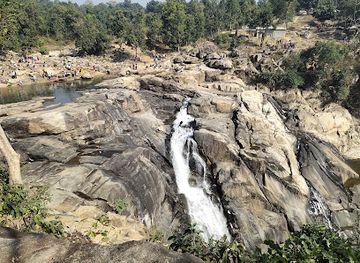
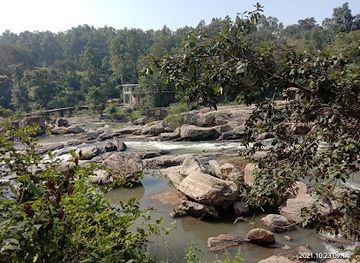
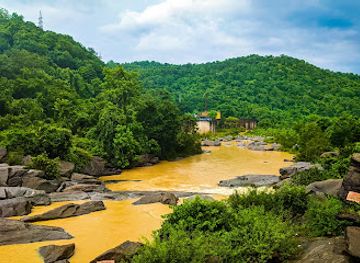
Jharkhand's attractions range from plateau waterfalls and forest reserves to major pilgrimage centres and industrial cities. Around Ranchi, Hundru Falls, Dassam Falls and Jonha Falls provide accessible encounters with the region's rocky escarpments, although paths and viewing conditions vary with the season. In the west, Betla National Park and the wider Palamu Tiger Reserve offer sal forests, grassland, wildlife drives and traces of the old Palamu forts. Netarhat is valued for its upland scenery and forest roads, while Hazaribagh's surrounding countryside offers further woodland and hill landscapes. Deoghar and Shikharji bring a very different experience, centred on living religious traditions rather than wilderness. The Maluti temple group in Dumka district adds architectural and terracotta heritage, and Jamshedpur and Bokaro reveal the planned urban and industrial history of modern Jharkhand. Local museums, craft traditions, village markets and seasonal festivals can deepen the experience, but visitors should approach cultural encounters with permission and respect rather than assuming that every community activity is a tourism attraction.
-
Tourist attraction
Patratu Valley
Experience the breathtaking beauty and tranquility of Patratu Valley, a hidden gem in Jharkhand, perfect for nature lovers and adventure seekers.
-
Tourist attraction
Dassam Falls
Experience the breathtaking beauty of Dassam Falls, a natural wonder in Jharkhand that promises an unforgettable escape into nature.
-
Tourist attraction
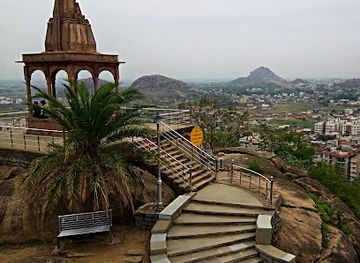
Tagore Hill
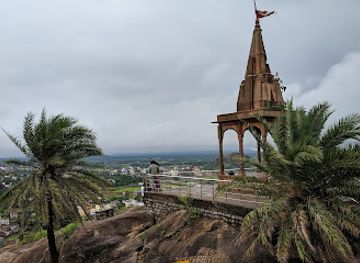
Discover the charm of Tagore Hill in Ranchi, where breathtaking views and cultural heritage come together for an unforgettable experience.
-
Zoo
Bhagwan Birsa Biological Park
Discover diverse wildlife and stunning natural scenery at Bhagwan Birsa Biological Park, a premier zoo and park in Jharkhand, India.

Best landmarks in Jharkhand
The Baidyanath temple in Deoghar is Jharkhand's most recognisable religious landmark, a major Shaiva complex whose importance extends far beyond its architecture through the continuing flow of pilgrims. On Parasnath Hill in Giridih district, Shikharji is one of Jainism's most sacred pilgrimage landscapes; its significance is inseparable from the demanding ascent and the sanctity attached to the hill. The Maluti temples near Shikaripara are notable for their clustered shrines and terracotta decoration, preserving a distinctive expression of the region's early modern religious art. In the natural landscape, Hundru Falls and Dassam Falls are prominent visual markers of the Ranchi plateau's escarpment, while Netarhat's elevated forest setting gives it a different geographical character. The old Palamu forts, associated with the Chero rulers and located in the forested Palamu area, provide a reminder that the region's history includes fortification as well as pilgrimage and industry. Jamshedpur's planned streets and steel-related civic landscape represent a twentieth-century landmark of industrial India.
-
Tourist attraction
Patratu Valley
Explore the breathtaking landscapes of Patratu Valley, a hidden gem in Jharkhand, offering adventure, serenity, and stunning natural beauty.
-
Tourist attraction
Dassam Falls
Explore the breathtaking Dassam Falls in Jharkhand, where nature's beauty meets adventure in a serene, picturesque setting.
-
Tourist attraction
Tagore Hill
Explore Tagore Hill in Ranchi: a tranquil escape with breathtaking views and rich cultural heritage, perfect for nature lovers and peace seekers.
-
Tourist attraction
Hundru Waterfall
Explore Hundru Waterfall, a mesmerizing natural wonder in Jharkhand, and enjoy breathtaking views and refreshing experiences amidst nature's beauty.
Explore Jharkhand on the map
Plan your trip on one map. See where the top cities, national parks and sights are, and book hotels and experiences in a few clicks.
Best hotels in Jharkhand
Best restaurants in Jharkhand
Jharkhand's food reflects plateau agriculture, forest produce, migration and the culinary connections of eastern India. Rice is central, accompanied by pulses, leafy greens, vegetables and seasonal preparations; dishes such as dhuska, a fried rice-and-lentil preparation, and pittha, a filled or shaped rice-based food, are associated with regional home cooking. Rugra, a seasonal wild mushroom gathered in some areas, is valued when available, although visitors should buy foraged foods only from knowledgeable and reputable sources. The broader Adivasi culinary tradition also includes mahua-based products, millet and tubers, while urban restaurants serve North Indian, Bengali, South Indian and Chinese-influenced food. Ranchi, Jamshedpur, Deoghar and other large towns offer the widest choice of cafés and restaurants. Small eateries and market stalls are useful places to try local snacks, but standards vary, so choose busy establishments, drink treated water and take extra care with uncooked food.
-
Restaurant
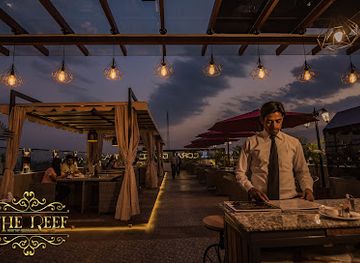
The Reef Rooftop Restaurant
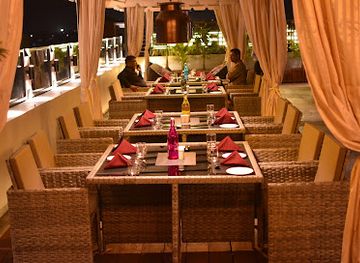
Experience exquisite dining at The Reef Rooftop Restaurant in Ranchi with stunning views and a diverse menu of local and international dishes.
-
Restaurant
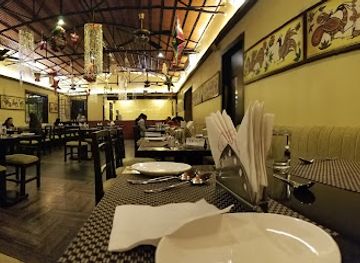
Jashn,The Restaurant
Discover the rich flavors of North India at Jashn - A vibrant restaurant in Ranchi offering authentic cuisine in an inviting atmosphere.
-
Barbecue
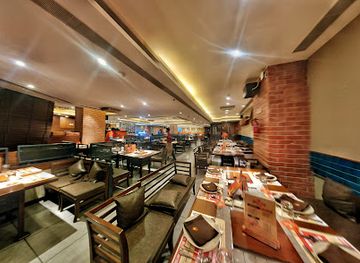
Barbeque Nation
Experience the ultimate barbecue buffet at Barbeque Nation Ranchi – where every meal is a celebration of flavor!
-
Restaurant
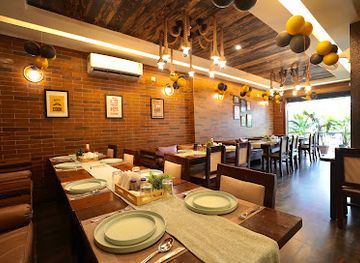
The Kav's Restaurant
Experience the best of Indian and Chinese cuisine at The Kav's Restaurant in Ranchi – perfect for family meals and special events.
Best bars in Jharkhand
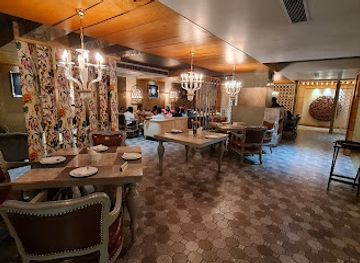
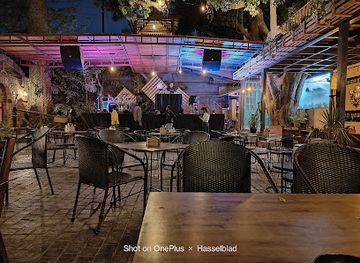
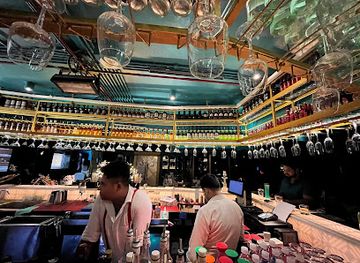
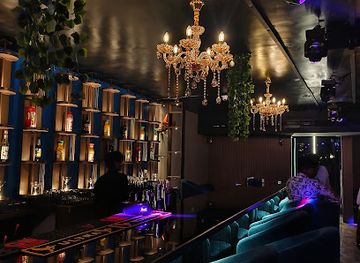
Nightlife in Jharkhand is concentrated in Ranchi and Jamshedpur, with additional evening activity in larger centres such as Dhanbad, Bokaro and Deoghar. Urban hotels and commercial districts provide restaurants, lounges and a limited selection of bars, while live music and contemporary cafés are more common than a large, internationally oriented nightclub circuit. In many smaller towns and rural areas, the evening centres on family restaurants, tea stalls, community gatherings and traditional or contemporary music rather than late-night venues. Jamshedpur's organised urban environment and Ranchi's student and professional population give them the broadest choice, but opening arrangements and licensing can change. Visitors should carry identification where required, use pre-arranged transport after drinking and remember that alcohol availability may be restricted during religious observances, elections or local dry days.
-
Restaurant
The Reef Rooftop Restaurant
Discover exquisite dining at The Reef Rooftop Restaurant in Ranchi, where stunning views meet delectable cuisine for an unforgettable experience.
-
Lounge
Prana Lounge
Experience the perfect blend of ambiance and culinary delights at Prana Lounge in Ranchi, offering stunning views and a diverse menu.
-
Restaurant
The Ruin House
Experience the vibrant atmosphere of The Ruin House in Ranchi, where delicious pizzas meet lively nightlife in a unique dining destination.
-
Pub
Double Down Pub & Bar
Discover Jamshedpur's nightlife at Double Down Pub & Bar, where great drinks, delicious food, and live entertainment await every visitor.
Best nightclubs in Jharkhand
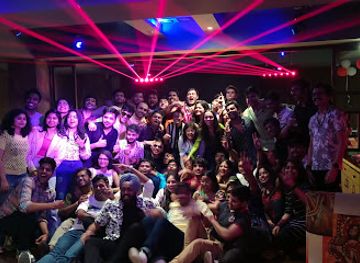
Nightlife in Jharkhand is concentrated in Ranchi and Jamshedpur, with additional evening activity in larger centres such as Dhanbad, Bokaro and Deoghar. Urban hotels and commercial districts provide restaurants, lounges and a limited selection of bars, while live music and contemporary cafés are more common than a large, internationally oriented nightclub circuit. In many smaller towns and rural areas, the evening centres on family restaurants, tea stalls, community gatherings and traditional or contemporary music rather than late-night venues. Jamshedpur's organised urban environment and Ranchi's student and professional population give them the broadest choice, but opening arrangements and licensing can change. Visitors should carry identification where required, use pre-arranged transport after drinking and remember that alcohol availability may be restricted during religious observances, elections or local dry days.
-
Night club
The Urban Brava
Experience the vibrant nightlife of Ranchi at The Urban Brava, where music, food, and fun come together for an unforgettable night out.
-
Night club
Drama Club & Lounge
Discover the lively atmosphere at Drama Club & Lounge, a premier night club in Ranchi offering stunning views and vibrant nightlife experiences.
-
Night club
IAS Club
Experience the vibrant nightlife at IAS Club in Ranchi – a perfect blend of music, dance, and social interaction for an unforgettable evening.
-
Night club
TRF Club
Dive into the vibrant nightlife of Jamshedpur at TRF Club, where great music, delicious drinks, and unforgettable moments await.
Best shops in Jharkhand
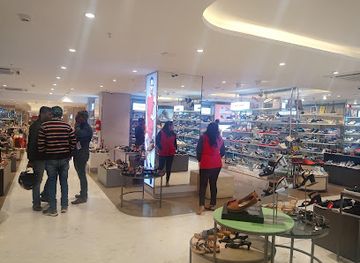
Shopping in Jharkhand is strongest in its market towns and cities rather than in dedicated luxury retail districts. Ranchi and Jamshedpur have established high streets, shopping complexes, bookshops and food retailers, while Deoghar's commercial areas cater heavily to pilgrims with religious items, sweets and practical travel goods. Local haats and markets offer seasonal produce, rice products, lac items, bamboo and cane work, metal crafts, textiles and other everyday goods, although availability varies by district and market day. Sohrai and Khovar painting, associated particularly with Hazaribagh and surrounding areas, can be found through cultural organisations and specialist craft outlets; buyers should seek genuine work and ask about provenance. Regional foods, spices, forest products sold legally and packaged sweets make practical gifts. Bargaining may be normal in informal markets but is less appropriate in fixed-price shops, and wildlife products or unverified protected forest materials should never be purchased.
-
Shopping mall
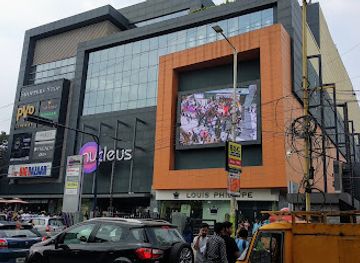
Nucleus Mall
Discover the ultimate shopping and entertainment experience at Nucleus Mall, Ranchi's premier destination for retail therapy and leisure.
-
Shopping mall
JD Hi Street Mall
Explore JD Hi Street Mall in Ranchi for an unforgettable shopping and entertainment experience featuring top brands, bowling, and the latest movies.
-
Clothing store
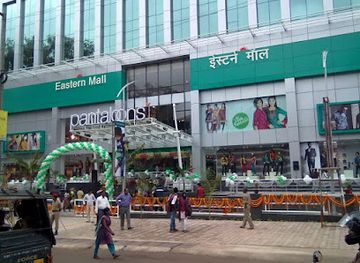
Pantaloons (Eastern Mall, Ranchi)
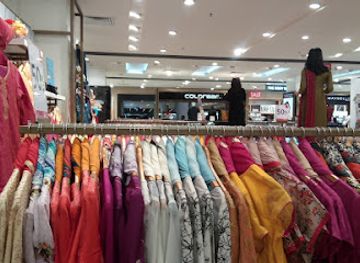
Explore Pantaloons in Ranchi for a stylish shopping experience with a wide range of clothing for all ages and occasions.
-
Department store
Shoppers Stop
Experience a diverse range of fashion and accessories at Shoppers Stop, Ranchi's leading department store in Nucleus Mall.
Get your free copy of our complete guide to Jharkhand, delivered straight to you.
Everything on this page, from attractions and restaurants to essentials and local phrases, in one PDF you can read offline, print or share.
Already have an account? Sign in
Your Jharkhand guide is ready.
We'll send it to · Not you? Sign out

Getting your guide ready…
We are putting together a fresh copy of the Jharkhand guide. This can take up to a minute.
This can take a few moments. If your browser asks, choose Allow so the download can start. You'll find the guide in your Downloads folder.
Nothing happened? Download it again
Sorry, the guide is taking longer than usual. Please try again in a minute, or get it by email instead.
Jharkhand essentials
Currency and Payment
Safety
Emergency Situations
Do's and Don'ts
Local Tips
From Eve
Local phrases worth knowing
You don't need to get them perfect. A few words go a long way, and locals appreciate the effort.
Basics
| English | Local | Say it |
|---|---|---|
| Hello | नमस्कार | [Namaskaar] |
| Goodbye | अलविदा | [Alvida] |
| Yes | हाँ | [Haan] |
| No | नहीं | [Nahin] |
| Please/You're welcome | कृपया/स्वागत है | [Kripya/Swagat hai] |
| Thank you | धन्यवाद | [Dhanyavaad] |
| Excuse me/Sorry | माफ कीजिए | [Maaf kijiye] |
| How are you? | आप कैसे हैं? | [Aap kaise hain?] |
| Fine. And you? | अच्छा। और आप? | [Accha. Aur aap?] |
| Do you speak English? | क्या आप अंग्रेजी बोलते हैं? | [Kya aap Angrezi bolte hain?] |
| I don't understand | मुझे समझ में नहीं आता | [Mujhe samajh mein nahin aata] |
Eating & Drinking
| English | Local | Say it |
|---|---|---|
| I'd like to see the menu, please | कृपया मेनू दिखाइए | [Kripya menu dikhaiye] |
| I don't eat meat | मैं मांस नहीं खाता/खाती | [Main maans nahin khata/khati] |
| Cheers! | स salud! | [Saluud!] |
| I would like to pay, please | कृपया, मैं भुगतान करना चाहता/चाहती हूँ | [Kripya, main bhugtaan karna chahta/chahti hun] |
Emergencies
| English | Local | Say it |
|---|---|---|
| Help! | मदद! | [Madad!] |
| Go away! | दूर जाओ! | [Door jao!] |
| Call the Police! | पुलिस को बुलाओ! | [Police ko bulao!] |
| Call a doctor! | डॉक्टर को बुलाओ! | [Doctor ko bulao!] |
| I'm lost | मैं खो गया हूँ | [Main kho gaya hun] |
| I'm ill | मैं बीमार हूँ | [Main bimar hun] |
Shopping
| English | Local | Say it |
|---|---|---|
| I'd like to buy... | मैं ... खरीदना चाहता/चाहती हूँ | [Main ... kharidna chahta/chahti hun] |
| I'm just looking | मैं बस देख रहा हूँ | [Main bas dekh raha hun] |
| How much is it? | यह कितना है? | [Yah kitna hai?] |
| That's too expensive | यह बहुत महंगा है | [Yah bahut mehnga hai] |
| Can you lower the price? | क्या आप कीमत कम कर सकते हैं? | [Kya aap keemat kam kar sakte hain?] |
Time & Numbers
| English | Local | Say it |
|---|---|---|
| What time is it? | कितने बजे हैं? | [Kitne baje hain?] |
| It's one o'clock | यह एक बजे हैं | [Yah ek baje hain] |
| Half past (10) | साढ़े (10) | [Saade (10)] |
| Morning | सुबह | [Subah] |
| Afternoon | दोपहर | [Dopahar] |
| Evening | शाम | [Shaam] |
| Yesterday | कल | [Kal] |
| Today | आज | [Aaj] |
| Tomorrow | कल | [Kal] |
| 1 | 1 | [1] |
| 2 | 2 | [2] |
| 3 | 3 | [3] |
| 4 | 4 | [4] |
| 5 | 5 | [5] |
| 6 | 6 | [6] |
| 7 | 7 | [7] |
| 8 | 8 | [8] |
| 9 | 9 | [9] |
| 10 | 10 | [10] |
Transport & Directions
| English | Local | Say it |
|---|---|---|
| Where's a/the...? | एक/वह ... कहाँ है? | [Ek/Vah ... kahan hai?] |
| What's the address? | पता क्या है? | [Pata kya hai?] |
| Can you show me (on the map)? | क्या आप मुझे (नक्शे पर) दिखा सकते हैं? | [Kya aap mujhe (nakshae par) dikha sakte hain?] |
| When's the next (bus)? | अगली (बस) कब है? | [Agli (bus) kab hai?] |
| A ticket (to ....) | एक टिकट (.... के लिए) | [Ek ticket (.... ke liye)] |
History of Jharkhand
Early settlement and megalithic landscapes
Jharkhand's plateau has been inhabited since prehistoric times, and archaeological evidence includes stone tools, habitation remains, rock art and megalithic monuments. In several parts of the state, memorial stones and stone arrangements remain connected with community traditions, although their meanings vary between places and peoples. These traces show that the region's history predates written dynasties and cannot be reduced to the later story of mining or state formation. The plateau's forests, rivers and mineral resources shaped patterns of movement and settlement long before modern administrative boundaries were established.
Nagvanshi rule and regional polities
The Nagvanshi dynasty is traditionally associated with the Chota Nagpur area and contributed to the development of regional centres, religious patronage and fortified settlements. Nagvanshi influence is particularly connected with the Ranchi plateau and the former capital at Khukhragarh, while local chiefs and zamindars exercised authority across other parts of present-day Jharkhand. Political control was often layered rather than uniform, with forest communities retaining their own institutions and customary systems. The surviving temples, local traditions and place histories reflect this long interaction between courtly power and village society.
Pilgrimage, temples and medieval cultural exchange
Jharkhand's sacred geography developed through Hindu, Jain and other religious traditions. Deoghar's Baidyanath temple became one of the most important Shaiva pilgrimage centres in eastern India, while Parasnath Hill, now known as Shikharji in Jain tradition, acquired exceptional importance as a place associated with the liberation of Jain tirthankaras. The terracotta temples of Maluti, built and patronised by local rulers in the early modern period, demonstrate the artistic and religious connections linking Bengal and the plateau. Pilgrimage routes helped connect villages and market towns with wider regional networks.
Colonial expansion and Adivasi resistance
British expansion brought new revenue demands, legal systems and commercial interests into the plateau, disrupting established relationships between communities, land and forests. Adivasi resistance became a recurring feature of the nineteenth century, including the Kol uprising of 1831–32 and the Santhal Hul of 1855–56. The Birsa Munda movement of the 1890s combined political, social and religious elements and challenged colonial rule and exploitative land arrangements. Birsa Munda remains a central figure in Jharkhand's public memory, and these movements strongly influenced later demands for recognition of Adivasi rights.
Coal, iron and the making of an industrial region
From the late nineteenth century onwards, the discovery and commercial exploitation of coal and iron ore transformed Jharkhand's economy. Jharia became one of India's major coalfields, while the establishment of Tata Iron and Steel in Jamshedpur in the early twentieth century created a planned industrial city and a major centre of steel production. Bokaro later developed around another important steel complex. Railways, mines, factories and migrant labour reshaped the plateau, bringing new urban cultures alongside serious questions about displacement, land rights, pollution and the long-term environmental cost of extraction.
The Jharkhand movement and statehood
The demand for a separate Jharkhand drew strength from Adivasi political organisations, cultural movements and wider opposition to the economic and administrative marginalisation of the plateau. Activists argued that the region's mineral wealth had not brought proportionate benefits to local communities and sought greater control over land, forests and development. After decades of campaigning and political negotiation, Jharkhand was created from the southern districts of Bihar on 15 November 2000, a date that also commemorates Birsa Munda's birth anniversary. Statehood gave the movement an institutional framework, while many underlying social and environmental debates continue.
Jharkhand in Photos
Browse through our photo collection highlighting the charm and character of the destination.
Neighbouring regions of Jharkhand
The closest regions to Jharkhand, if you have time for more than one.
-

-

-

-

-


Swipe for more regions
Explore more

Explore more of India
Discover the magic of India, where diverse landscapes, rich heritage, and vibrant culture come together to create an unforgettable travel experience.
Explore India