

Free East India Travel Guide & Mobile App
Explore East India with free travel guides. Discover regional history, expert tips, proposed trips, and audio guides on web or mobile app.


Explore East India for Kolkata's culture, Odisha's temples, Buddhist heritage in Bihar, Himalayan foothills, forests, rivers and the Bay of Bengal.
Read more about East India
When is the best time to visit East India?
Best: February–March, November · 23–28°C| Month | High (°C) | Rainfall (mm) |
|---|---|---|
| January | 20 | 10 |
| February (best) | 23 | 20 |
| March (best) | 28 | 30 |
| April | 32 | 40 |
| May | 34 | 60 |
| June | 35 | 80 |
| July | 33 | 100 |
| August | 33 | 100 |
| September | 32 | 80 |
| October | 30 | 60 |
| November (best) | 26 | 40 |
| December | 21 | 20 |
Getting to and around East India
How to get there
Transportation
Top city travel guides in East India
The cities of East India, and the easiest places to base yourself.
-

-

-

-

-
-


Swipe for more cities
Destinations in East India
Resorts, valleys and scenic spots worth a trip of their own.
-

-

-


Swipe for more destinations
Best attractions in East India
East India's attractions range from major pilgrimage and archaeological sites to wetlands, forests and urban cultural institutions. Kolkata offers museums, galleries, theatres, historic neighbourhoods and riverfront experiences, while West Bengal's northern districts add Darjeeling's tea gardens, Himalayan scenery and Kalimpong's hill culture. In Odisha, the temple architecture of Bhubaneswar, the pilgrimage landscape of Puri, the Sun Temple at Konark and the bird-rich waters of Chilika Lake form a varied coastal itinerary. Bihar's strongest draw is its Buddhist and ancient heritage, particularly Bodh Gaya, Nalanda and Rajgir. Jharkhand provides waterfalls, sal forests, plateau scenery and opportunities to learn about Adivasi traditions through responsible local interpretation. The Sundarbans offer guided waterways and mangrove ecology rather than conventional sightseeing. Across the region, attractions are often widely dispersed, and seasonal weather, conservation rules and religious observance can shape access.
-
Hindu temple
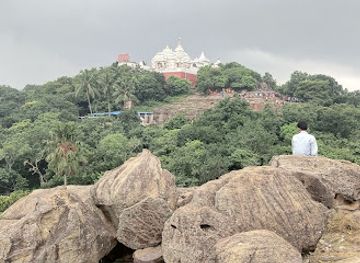
Shree Jagannatha Temple Puri
Discover the spiritual heart of Odisha at the Shree Jagannatha Temple, a magnificent monument of faith, art, and ancient traditions.
-
Fortress
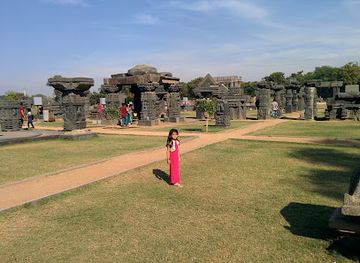
Warangal Fort
Explore the ruins of Warangal Fort, a 13th-century Kakatiya dynasty capital, and marvel at the iconic stone gateways and ancient architecture.
-
Zoo
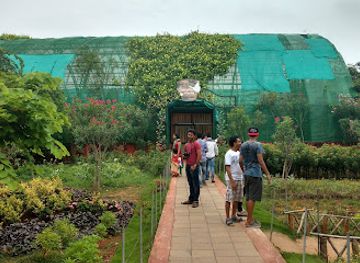
Indira Gandhi Zoological Park
Explore diverse wildlife in a natural setting at Vizag's Indira Gandhi Zoological Park, a sanctuary amidst the Eastern Ghats and Bay of Bengal.
-
Tourist attraction
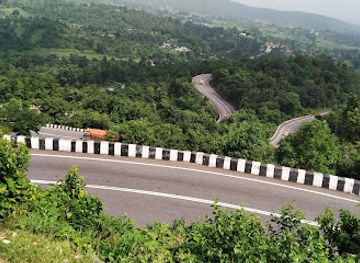
Patratu Valley
Escape to Patratu Valley: Mesmerizing roads, serene lake views, and Jharkhand's natural beauty await just a short drive from Ranchi.
Best landmarks in East India
East India's most recognisable landmarks reflect its religious, imperial, colonial and natural histories. Kolkata's Victoria Memorial, Howrah Bridge and Indian Museum belong to the city's colonial and civic landscape, while the Hooghly River remains a defining geographical feature. In Odisha, the Sun Temple at Konark is celebrated for its monumental stone chariot design, the Jagannath Temple shapes Puri's skyline and religious life, and the temples of Bhubaneswar demonstrate the mature Kalinga style. Bihar's Mahabodhi Temple at Bodh Gaya is one of the world's most important Buddhist pilgrimage landmarks, while the ruins of Nalanda evoke an earlier international centre of learning. Jharkhand's natural landmarks include Hundru Falls and the plateau scenery around Netarhat, although access is seasonal. In the north of West Bengal, Darjeeling's mountain setting and the Himalayan Railway landscape provide a markedly different visual identity from the delta and coastal plains.
-
Historical landmark
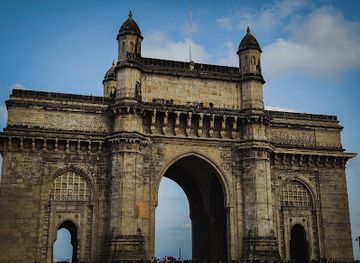
Gateway Of India Mumbai
Explore the Gateway of India, a breathtaking landmark in Mumbai that embodies the city's rich history and vibrant culture.
-
 Monument
India Gate
Explore India Gate, a monumental tribute in New Delhi honoring soldiers, surrounded by lush gardens and vibrant city life.
-
Monument
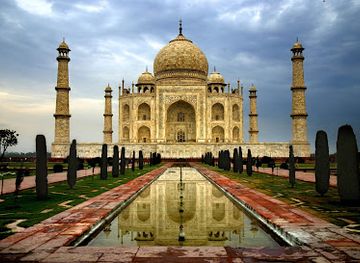
Taj Mahal
Explore the enchanting beauty and rich history of the Taj Mahal, a UNESCO World Heritage Site and a timeless symbol of love in Agra, India.
-
Hindu temple
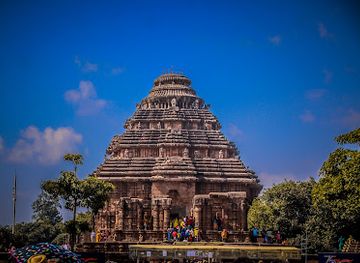
Konark Sun Temple
Explore the architectural splendor and rich heritage of the Konark Sun Temple, a UNESCO World Heritage Site in Odisha, India.
Explore East India on the map
Plan your trip on one map. See where the top cities, national parks and sights are, and book hotels and experiences in a few clicks.
Best hotels in East India
Best restaurants in East India
East Indian food is notably varied rather than uniform. Bengali cuisine in West Bengal emphasises rice, freshwater fish, mustard, vegetables and sweets such as sandesh and rasgulla, with Kolkata offering everything from traditional eateries and tea rooms to contemporary restaurants. Odisha has a strong seafood tradition and distinctive temple-linked cooking associated with Mahaprasad at Puri, while its coastal towns serve crab, prawns and fish alongside regional vegetarian dishes. Bihar is known for litti chokha, sattu-based preparations, sweets and savoury snacks, especially in market towns and city food streets. Jharkhand's food reflects rice, millets, forest produce and community traditions, though availability varies. Look for thalis, family-run restaurants, roadside stalls, cafés, Bengali sweets shops, coastal seafood kitchens and farmers' or produce markets. Hygiene and freshness matter more than formality, particularly in hot weather.
-
Buffet
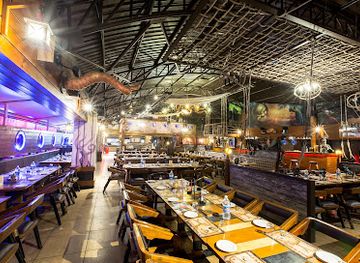
The Black Pearl Marathahalli |best barbeque restaurant in marathahalli
Discover exquisite barbecue delights at The Black Pearl Marathahalli - Bengaluru's premier buffet restaurant offering an exceptional dining experience.
-
Family-friendly
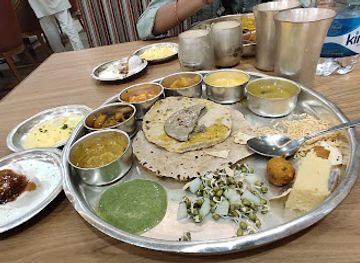
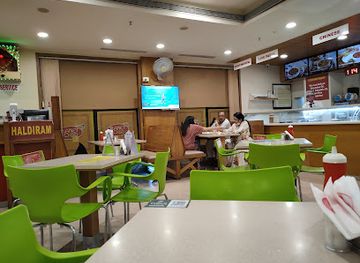
Haldiram's Thaat Baat Restaurant
Experience authentic Indian flavors at Haldiram's Thaat Baat Restaurant – where tradition meets modernity in every dish.
-
Indian
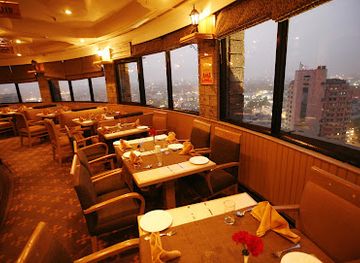
Parikrama The Revolving Restaurant
Experience fine dining at Parikrama The Revolving Restaurant with stunning views of New Delhi's skyline and diverse culinary delights.
-
Family-friendly
Haldiram's
Discover the flavors of India at Haldiram's in Nagpur - a family-friendly restaurant offering delicious meals and delightful sweets.
Best bars in East India
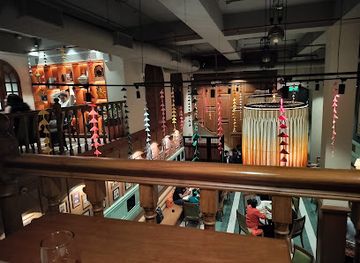
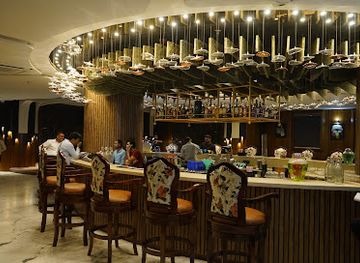
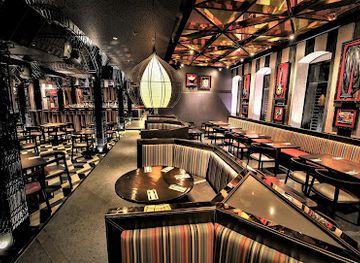
Nightlife in East India is concentrated in the larger cities rather than spread evenly across the region. Kolkata has the broadest evening scene, including historic cafés, traditional bars, hotel lounges, craft-beer venues, live music, theatre and late-opening restaurants, with activity strongest in central and southern districts. Bhubaneswar and Patna offer a smaller selection of lounges, bars and restaurants, while Ranchi and Jamshedpur have urban venues linked to their professional and industrial communities. In Darjeeling and Kalimpong, evenings are generally centred on cafés, pubs, hotel bars and occasional live music rather than large clubs. Puri has seasonal and hotel-based nightlife, but religious character and local regulations influence the atmosphere. In rural Odisha, Bihar and Jharkhand, evening social life is more likely to involve food, tea, local gatherings or a traditional bar than a nightclub, and visitors should respect local customs and closing arrangements.
-
Grill
Peter Cat
Experience the rich flavors of North Indian cuisine at Peter Cat, a renowned restaurant in Kolkata's Park Street area, famous for its delectable kebabs.
-
Pub
On The Rocks - Restobar & Lounge - Mahal
Experience the vibrant nightlife and exquisite dining at On The Rocks, Nagpur's premier restobar & lounge with stunning views.
-
American
Hard Rock Cafe
Immerse yourself in the vibrant world of music and American cuisine at Hard Rock Cafe Kolkata, a must-visit destination for every traveler.
-
Pub
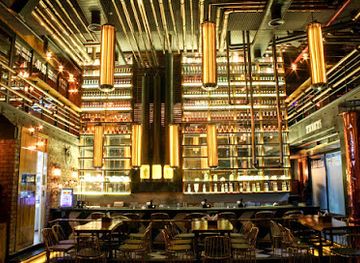
Refinery 091
Discover the vibrant ambiance and exquisite flavors at Refinery 091, Kolkata's top pub and restaurant, perfect for social gatherings and celebrations.
Best nightclubs in East India
Nightlife in East India is concentrated in the larger cities rather than spread evenly across the region. Kolkata has the broadest evening scene, including historic cafés, traditional bars, hotel lounges, craft-beer venues, live music, theatre and late-opening restaurants, with activity strongest in central and southern districts. Bhubaneswar and Patna offer a smaller selection of lounges, bars and restaurants, while Ranchi and Jamshedpur have urban venues linked to their professional and industrial communities. In Darjeeling and Kalimpong, evenings are generally centred on cafés, pubs, hotel bars and occasional live music rather than large clubs. Puri has seasonal and hotel-based nightlife, but religious character and local regulations influence the atmosphere. In rural Odisha, Bihar and Jharkhand, evening social life is more likely to involve food, tea, local gatherings or a traditional bar than a nightclub, and visitors should respect local customs and closing arrangements.
-
Night club
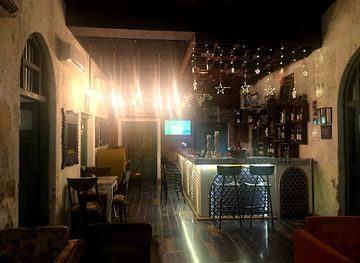
Nolimmits Lounge & Club
Discover Bengaluru's dynamic nightlife at Nolimmits Lounge & Club, a top destination for music, dancing, and unforgettable experiences.
-
Lounge
The East India Company - The Restro Lounge
Experience luxury dining at The East India Company in Nagpur, offering exquisite global cuisine and a vibrant lounge atmosphere.
-
Night club
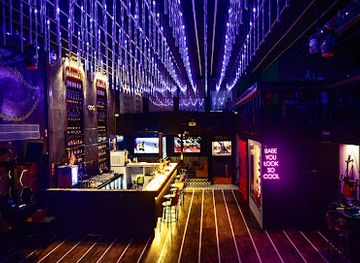
Prism Club & Kitchen
Discover the vibrant energy of Prism Club & Kitchen, Hyderabad's premier nightlife destination for exquisite dining and unforgettable experiences.
-
Disco club
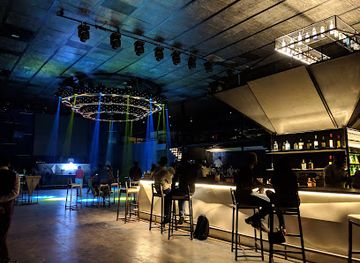
Club One Peg Down - OPD
Discover the pulse of Bhubaneswar's nightlife at Club One Peg Down - OPD, where music, dance, and unforgettable moments await.

Best shops in East India
Shopping varies from Kolkata's bookshops, textiles, handicrafts, Bengali sweets and contemporary design stores to the market towns and pilgrimage centres of the wider region. Kolkata is a strong place to look for handloom saris, terracotta work, leather goods, books, artworks and regional food products, while organised markets and shopping areas offer both modern retail and long-established independent traders. Odisha is known for handloom textiles, appliqué work, silver filigree, stone and wood crafts, and distinctive products associated with towns such as Bhubaneswar and Puri. Darjeeling and Kalimpong are useful for tea, woollens and Himalayan-influenced handicrafts, though quality and provenance vary. Bihar offers Madhubani painting, textiles and local foods, while Jharkhand has metalwork, forest products and crafts made by Adivasi communities. Buy directly from reputable cooperatives or established shops where possible, and check customs and airline rules before purchasing wildlife-derived or antique-looking objects.
-
Shopping mall
Phoenix Marketcity
Explore Phoenix Marketcity, Bengaluru's premier shopping mall, blending retail, dining, and entertainment under one roof for an unforgettable experience.
-
Shopping mall
DLF Mall of India
Explore the vibrant DLF Mall of India, where shopping meets entertainment in a stunning architectural marvel in Noida.
-
Shopping mall
Nexus Select CityWalk
Discover the ultimate shopping and entertainment destination at Nexus Select CityWalk in New Delhi, where every visit is a delightful experience.
-
Shopping mall
The Great India Place
Discover the ultimate shopping and entertainment experience at The Great India Place in Noida, a must-visit destination for every traveler.
Get your free copy of our complete guide to East India, delivered straight to you.
Everything on this page, from attractions and restaurants to essentials and local phrases, in one PDF you can read offline, print or share.
Already have an account? Sign in
Your East India guide is ready.
We'll send it to · Not you? Sign out

Getting your guide ready…
We are putting together a fresh copy of the East India guide. This can take up to a minute.
This can take a few moments. If your browser asks, choose Allow so the download can start. You'll find the guide in your Downloads folder.
Nothing happened? Download it again
Sorry, the guide is taking longer than usual. Please try again in a minute, or get it by email instead.
East India essentials
Currency and Payment
Safety
Emergency Situations
Do's and Don'ts
Local Tips
From Eve
Local phrases worth knowing
You don't need to get them perfect. A few words go a long way, and locals appreciate the effort.
Basics
| English | Local | Say it |
|---|---|---|
| Hello | নমস্কার | [Nomoskar] |
| Goodbye | বিদায় | [Bidai] |
| Yes | হ্যাঁ | [Hya] |
| No | না | [Na] |
| Please/You're welcome | দয়া করে/স্বাগতম | [Doya kore/Swagatam] |
| Thank you | ধন্যবাদ | [Dhonnobad] |
| Excuse me/Sorry | মাফ করবেন/দুঃখিত | [Maf korben/Dukhito] |
| How are you? | আপনি কেমন আছেন? | [Apni kemon achen?] |
| Fine. And you? | ভাল। এবং আপনি? | [Bhalo. Ebong apni?] |
| Do you speak English? | আপনি ইংরেজি বলতে পারেন? | [Apni Ingreji bolte paren?] |
| I don't understand | আমি বুঝি না | [Ami bujhi na] |
Eating & Drinking
| English | Local | Say it |
|---|---|---|
| I'd like to see the menu, please | মেনু দেখানো হবে, দয়া করে | [Menu dekhano hobe, doya kore] |
| I don't eat meat | আমি মাংস খাই না | [Ami mangsho khai na] |
| Cheers! | চিয়ার্স! | [Cheers!] |
| I would like to pay, please | আমি পেমেন্ট করতে চাই, দয়া করে | [Ami payment korte chai, doya kore] |
Emergencies
| English | Local | Say it |
|---|---|---|
| Help! | সাহায্য করুন! | [Sahajjo korun!] |
| Go away! | চলে যাও! | [Chole jao!] |
| Call the Police! | পুলিশ ডাকুন! | [Polish dakun!] |
| Call a doctor! | ডাক্তর ডাকুন! | [Doktor dakun!] |
| I'm lost | আমি হারিয়ে গেছি | [Ami hariye gechi] |
| I'm ill | আমি অসুস্থ | [Ami osustho] |
Shopping
| English | Local | Say it |
|---|---|---|
| I'd like to buy... | আমি কিনতে চাই... | [Ami kinte chai...] |
| I'm just looking | আমি শুধু দেখছি | [Ami shudhu dekhchi] |
| How much is it? | এটার দাম কত? | [Etar dam koto?] |
| That's too expensive | এটা খুব দামী | [Eta khub dami] |
| Can you lower the price? | আপনি কি দাম কমাতে পারেন? | [Apni ki dam komate paren?] |
Time & Numbers
| English | Local | Say it |
|---|---|---|
| What time is it? | এখন কত বাজে? | [Ekhon koto baje?] |
| It's one o'clock | এখন একটি বাজে | [Ekhon akta baje] |
| Half past (10) | দশটার অর্ধেক | [Dosh tar arddhek] |
| Morning | সকাল | [Shokal] |
| Afternoon | দুপুর | [Dupur] |
| Evening | সন্ধ্যা | [Shondhya] |
| Yesterday | গতকাল | [Gotokal] |
| Today | আজ | [Aaj] |
| Tomorrow | কাল | [Kal] |
| 1 | ১ | [1] |
| 2 | ২ | [2] |
| 3 | ৩ | [3] |
| 4 | ৪ | [4] |
| 5 | ৫ | [5] |
| 6 | ৬ | [6] |
| 7 | ৭ | [7] |
| 8 | ৮ | [8] |
| 9 | ৯ | [9] |
| 10 | ১০ | [10] |
Transport & Directions
| English | Local | Say it |
|---|---|---|
| Where's a/the...? | কোথায় একটি ...? | [Kothay akta ...?] |
| What's the address? | ঠিকানা কী? | [Thikana ki?] |
| Can you show me (on the map)? | আপনি কি আমাকে দেখাতে পারেন (ম্যাপে)? | [Apni ki amake dekhate paren (map-e)?] |
| When's the next (bus)? | পরবর্তী (বাস) কখন? | [Poroborti (bas) kokhon?] |
| A ticket (to ....) | একটি টিকেট (.... এর জন্য) | [Ekti ticket (... er jonno)] |
History of East India
Early Civilisations and the Mauryan Age
The middle and lower Ganges basin supported urban development, agriculture and long-distance exchange from the first millennium BCE. Ancient Magadha, centred in present-day Bihar, became one of the most powerful states in northern India and later formed the core of the Mauryan Empire. Pataliputra, near modern Patna, was a major political centre. Emperor Ashoka's association with Buddhism left a particularly strong legacy in Bihar and Odisha, including monuments and traditions connected with the spread of Buddhism across Asia.
Buddhist Learning in Bihar
Bihar became a major centre of Buddhist scholarship and pilgrimage. Bodh Gaya is traditionally identified as the place where Siddhartha Gautama attained enlightenment beneath the Bodhi tree, while Nalanda developed into an internationally connected monastic university from late antiquity. Rajgir and Vaishali also feature prominently in Buddhist history. Although these institutions declined after periods of political upheaval and changing patterns of patronage, their archaeological remains and continuing pilgrimage traditions give Bihar an importance that extends far beyond the region.
The Pala and Sena Worlds
From roughly the eighth to the twelfth centuries, the Pala rulers controlled much of Bengal and Bihar and supported Buddhism, Hinduism, art and scholarship. Sculpture, manuscript painting and monastic architecture flourished, while maritime and overland connections linked the region with wider parts of Asia. Later Sena rule strengthened Brahmanical institutions in Bengal. The period's artistic and religious legacy can be traced through archaeological sites, museum collections and the continuing prominence of Bengali and eastern Indian literary traditions.
Kalinga, Odisha and the Temple Tradition
The ancient kingdom of Kalinga occupied much of present-day Odisha and coastal surroundings. Its conquest by Ashoka in the third century BCE is one of the best-known turning points in South Asian history because it is traditionally associated with his embrace of Buddhism. In later centuries, regional dynasties supported a distinctive architectural tradition, culminating in the great temples of Bhubaneswar, Puri and Konark. These monuments remain central to Odisha's religious identity, artistic heritage and pilgrimage economy.
European Trade and the Rise of Calcutta
European trading companies established coastal and riverine settlements in eastern India, with the English East India Company developing Calcutta, now Kolkata, as a major base. After the Battle of Plassey in 1757, Company power expanded across Bengal and the city became the capital of British India until 1911. Colonial administration, commerce, printing, education and industry transformed the Hooghly corridor, while the economic system also brought exploitation, famine and political resistance. Kolkata's architecture and cultural institutions still reflect this complicated history.
Industrialisation, Railways and Mining
From the nineteenth century, railways, coal mining, iron and steel production transformed the eastern plains and the Chota Nagpur Plateau. Coalfields in present-day West Bengal and Jharkhand fuelled urban growth, while Jamshedpur became an important planned industrial city after the establishment of Tata steel production in the early twentieth century. These developments brought migration and new labour communities, but they also displaced populations and placed heavy pressure on forests, rivers and Adivasi lands. The region's economy remains closely connected to these legacies.
Partition, Independence and Modern East India
The end of British rule in 1947 divided Bengal and triggered large-scale migration, reshaping Kolkata and towns across West Bengal. The creation of Bangladesh in 1971 brought another major movement of people and altered regional political and economic relationships. Since independence, eastern India has combined rapid urbanisation with persistent rural, agrarian and industrial change. Jharkhand became a separate state from Bihar in 2000, while Odisha, West Bengal and Bihar have continued to develop distinct political, cultural and tourism identities within India's federal system.
East India in Photos
Browse through our photo collection highlighting the charm and character of the destination.
Neighbouring regions of East India
The closest regions to East India, if you have time for more than one.
-

-

-

-

-


Swipe for more regions
Explore more

Explore more of India
Discover the magic of India, where diverse landscapes, rich heritage, and vibrant culture come together to create an unforgettable travel experience.
Explore India