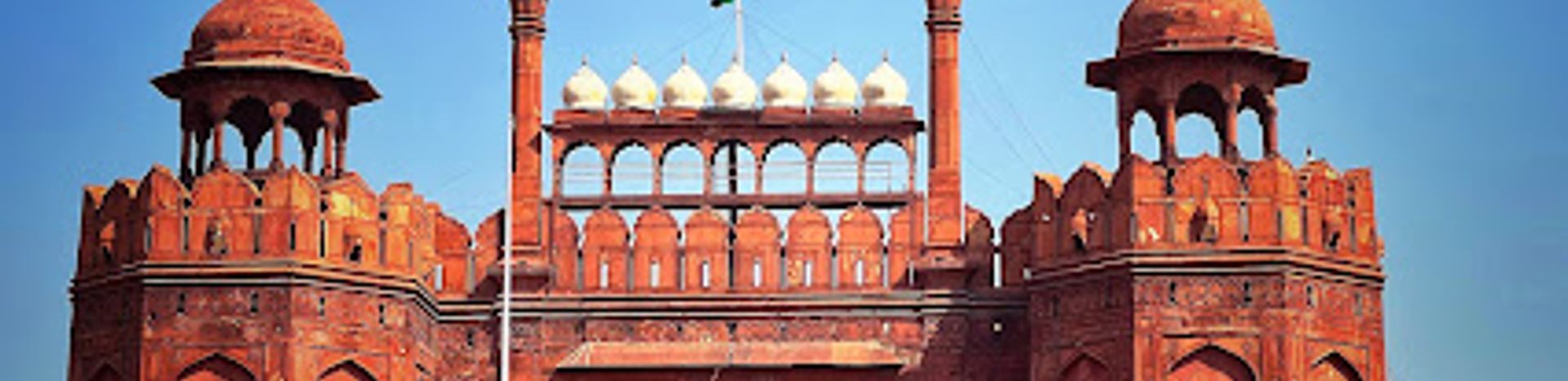
Shah Burj: A Mughal Marvel
Explore Shah Burj in Delhi's Red Fort: A testament to Mughal architecture, history, and engineering within a UNESCO World Heritage site.
Shah Burj, located within the Red Fort in Delhi, is a three-story octagonal tower showcasing the architectural brilliance of the Mughal era. Built by Emperor Shah Jahan, it served as his favored workplace and a key component of the fort's water system.
A brief summary to Shah Burj
- M65V+CFQ, Mahatma Gandhi Rd, New Delhi, Delhi, Lal Qila, Chandni Chowk, Delhi, 110006, IN
Local tips
- Visit during the cooler months (October to March) for a more comfortable experience exploring the Red Fort.
- Arrive early to avoid crowds, especially on weekends and holidays.
- Wear comfortable shoes, as you'll be doing a lot of walking within the Red Fort complex.
- Check for ongoing exhibitions and light shows at the Red Fort to enhance your visit.

Getting There
-
Walking
From within the Red Fort complex, follow the signs towards Diwan-i-Khas. Shah Burj is located in close proximity to it. As you walk, you'll notice the intricate marble carvings and the serene atmosphere of the fort. There are no additional costs involved in reaching Shah Burj once inside the Red Fort.
-
Public Transport
If arriving by Delhi Metro, get off at Chandni Chowk station. From there, you can hire an auto-rickshaw or walk to the Red Fort's entrance (approximately 15-20 minutes). Auto-rickshaw fares typically range from ₹50-₹100. After entering the Red Fort, follow the walking directions to reach Shah Burj.
Discover more about Shah Burj
Iconic landmarks you can’t miss

Lal qila
0.4 km
Experience the grandeur of Lal Qila, a UNESCO World Heritage site in Delhi, showcasing stunning Mughal architecture and rich history.
Archaeological Museum Red Fort
0.4 km
Discover the rich tapestry of India's history at the Archaeological Museum Red Fort, where ancient artifacts and culture come alive.
Excavation Branch- II , Archaeological Survey Of India
0.7 km
Explore the rich archaeological heritage of India at the Excavation Branch of the Archaeological Survey of India, a captivating museum in New Delhi.
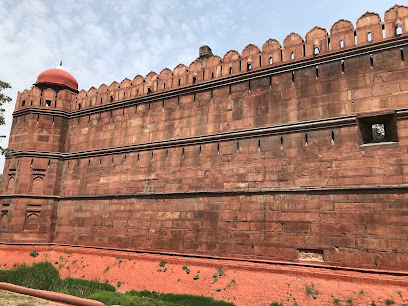
Chandni Chowk View Point
0.8 km
Explore the vibrant life of Chandni Chowk from a stunning viewpoint, where history and modern hustle blend seamlessly in the heart of Delhi.
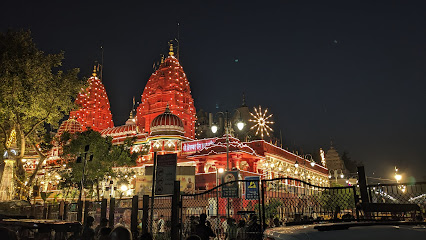
India City Walks
1.1 km
Explore Delhi's culture and history with expert-led walking tours at India City Walks, unveiling the city's hidden gems and vibrant life.
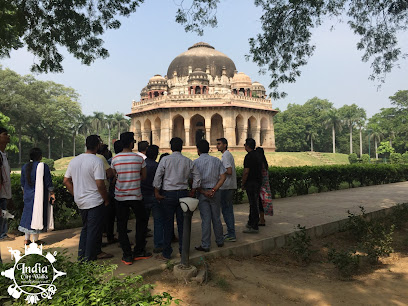
Old City
1.3 km
Experience the rich history and vibrant culture of Old City, Delhi, where ancient architecture meets lively bazaars and mouth-watering cuisine.
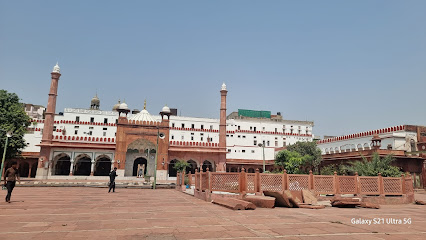
St. James' Church
1.5 km
Explore the rich history and stunning architecture of St. James' Church, a must-see landmark in the heart of Delhi's Kashmere Gate.
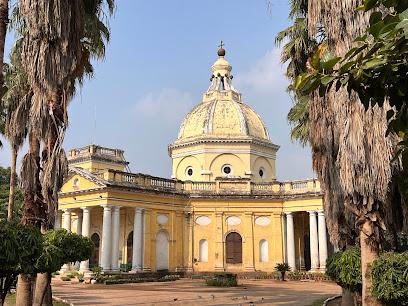
Ghantaghar Chandni Chowk
1.6 km
Discover the historical essence of Delhi at Ghantaghar Chandni Chowk, a vibrant cultural landmark brimming with stories and local flavors.
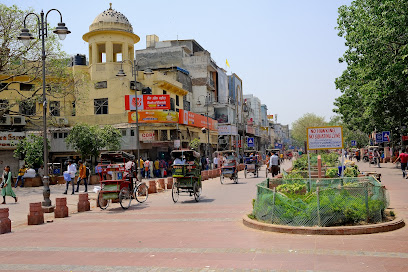
Kashmere Gate
1.7 km
Experience the vibrant history and culture at Kashmere Gate, a gateway to Old Delhi's rich heritage and culinary delights.
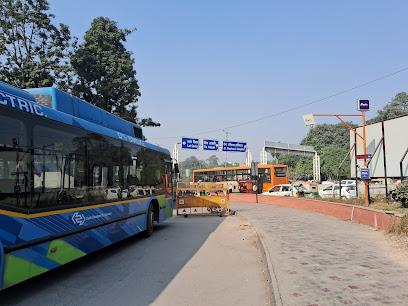
Razia Sultan Tomb
1.8 km
Explore the Razia Sultan Tomb in New Delhi, a magnificent historical landmark celebrating the first female ruler of the Delhi Sultanate.
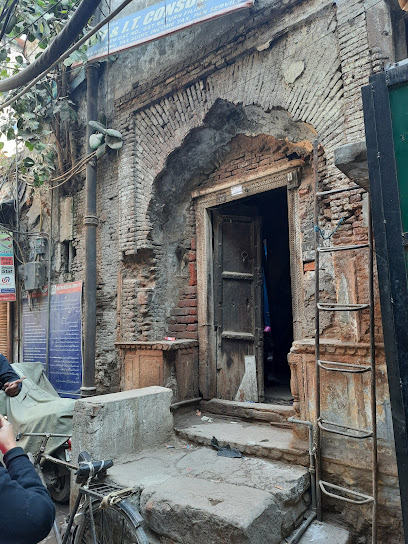
Martello Tower Delhi Wall
2.0 km
Explore the Martello Tower in Daryaganj, a historic landmark showcasing Delhi's rich colonial heritage and stunning architecture.
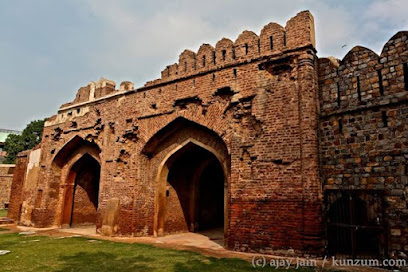
Drainage
2.0 km
Uncover the fascinating story behind the Drainage in Old Delhi, a unique historical landmark showcasing the city's rich architectural heritage.
Turkman Gate
2.1 km
Explore the historical splendor of Turkman Gate, a stunning monument in Delhi that reflects the rich Mughal heritage and vibrant local culture.
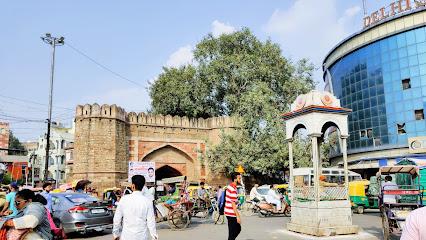
Flag of India at Central Park, Connaught Place
3.8 km
Experience the grandeur of the Flag of India at Central Park, a historic landmark symbolizing national pride in New Delhi's Connaught Place.
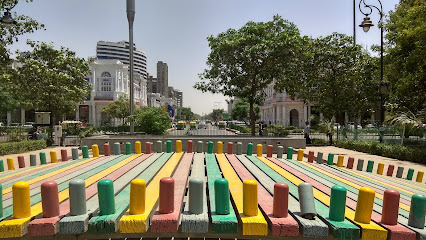
My North East India
4.0 km
Explore the vibrant culture, stunning landscapes, and diverse heritage of Northeast India at My North East India in New Delhi.
Unmissable attractions to see

Zafar Mahal, Delhi
0.1 km
Explore Zafar Mahal, Delhi's last Mughal monument, a poignant reminder of a bygone era and its architectural legacy.

Diwan-i-Khas
0.2 km
Experience the opulence of Mughal architecture at Delhi's Diwan-i-Khas, the Hall of Private Audiences in the iconic Red Fort.
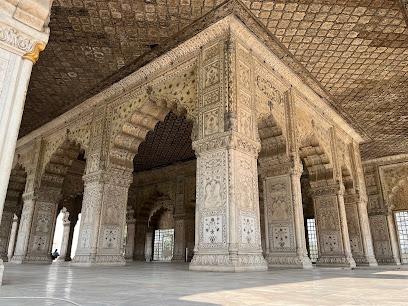
Khas Mahal
0.3 km
Explore the Khas Mahal in Delhi's Red Fort, a testament to Mughal artistry and Emperor Shah Jahan's private world.
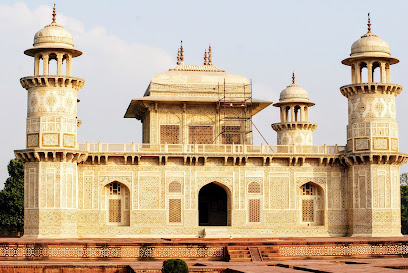
Rang Mahal
0.3 km
Explore the vibrant Rang Mahal at Delhi's Red Fort, a window into the opulent lives of Mughal royalty.
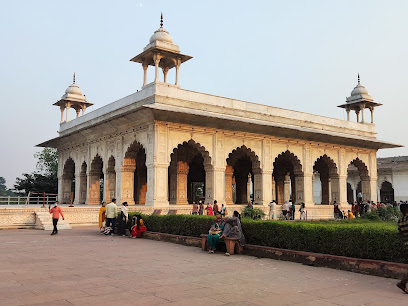
Diwan-i-Aam
0.3 km
Explore the Diwan-i-Aam at Delhi's Red Fort, where Mughal emperors once addressed the public and dispensed justice.
Red Fort
0.4 km
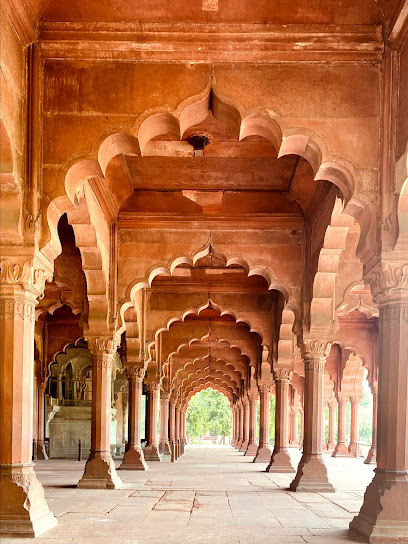
Explore the Red Fort: A UNESCO World Heritage Site in Delhi, showcasing Mughal architecture, rich history, and Indian independence.
Indian War Memorial Museum
0.4 km
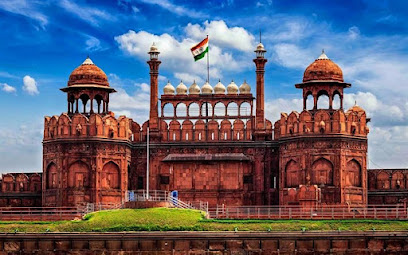
Honoring Indian soldiers: Explore historical arms, uniforms, and war artifacts within Delhi's iconic Red Fort complex.
Mumtaz Mahal
0.5 km
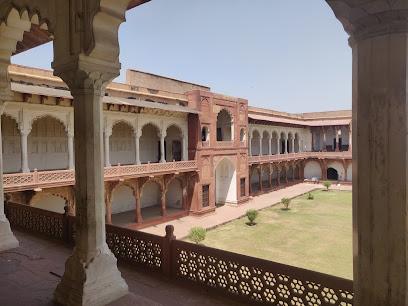
Explore the Mumtaz Mahal at Delhi's Red Fort: A window into the opulent world of Mughal emperors and their beloved empress.
Old Delhi Heritage Walking Tours
0.8 km
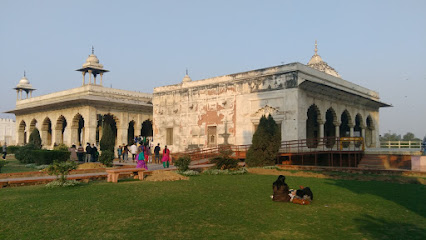
Discover the vibrant history & culture of Old Delhi with a walking tour through the bustling Chandni Chowk, a timeless testament to India's rich heritage.
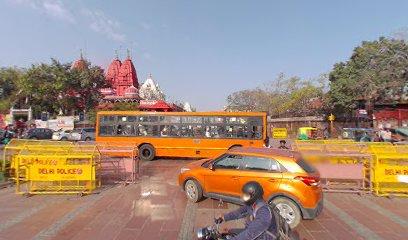
Delhi Gate
0.8 km
Explore Delhi Gate, a historic Mughal gateway in Old Delhi, showcasing stunning red sandstone architecture and a glimpse into the city's past.
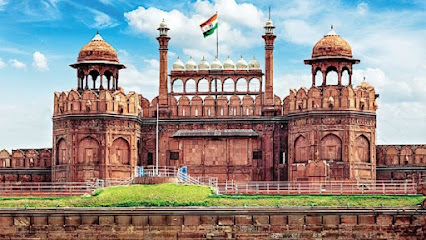
Shri Digambar Jain Atishay Kshetra Lal Mandir
0.8 km
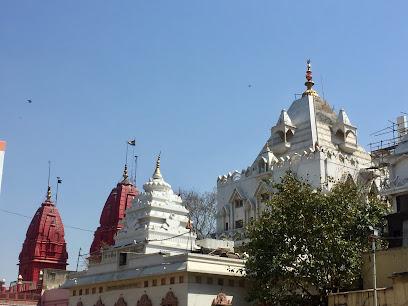
Discover Delhi's oldest Jain temple, a serene oasis of intricate architecture, spiritual significance, and a unique bird hospital in bustling Chandni Chowk.
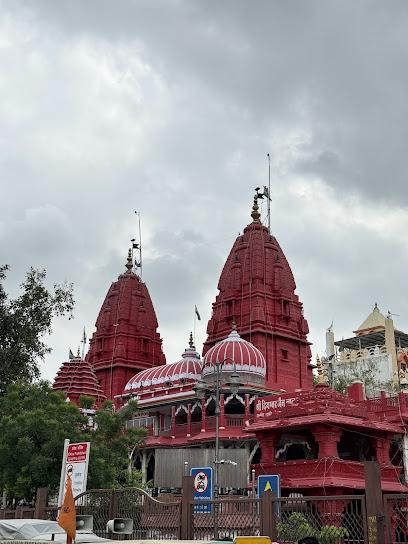
Yamuna Ghat
0.8 km
Experience the serene beauty of Yamuna Ghat in Delhi, a spiritual haven with captivating sunrise views and rich cultural heritage by the Yamuna River.
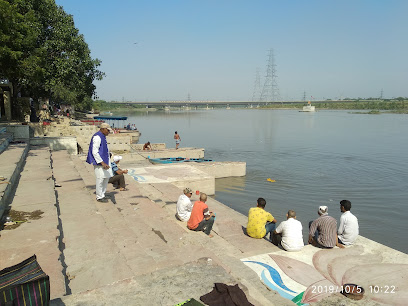
Gauri shankar temple
0.8 km
Discover spiritual serenity at the ancient Gauri Shankar Temple in Chandni Chowk, a haven of peace dedicated to Lord Shiva and Goddess Parvati.
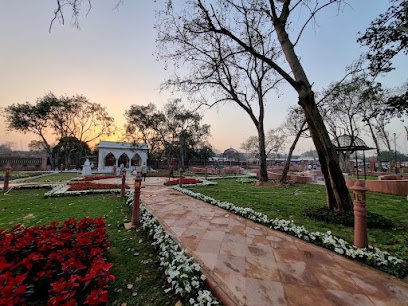
Charti Lal Goel Heritage Park
1.0 km
Discover a peaceful retreat in the heart of Old Delhi, surrounded by Mughal heritage and vibrant gardens at Charti Lal Goel Heritage Park.
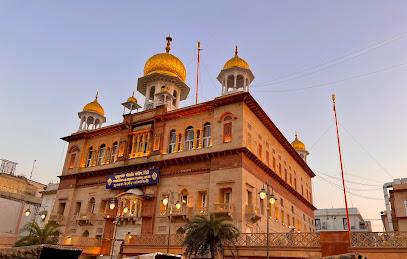
Gurudwara Sis Ganj Sahib
1.1 km
A historic Sikh shrine in Chandni Chowk, Delhi, commemorating the martyrdom of Guru Tegh Bahadur and the fight for religious freedom.
Essential places to dine

Wah Ji Wah
1.1 km
Experience the vibrant flavors of India at Wah Ji Wah, where traditional cuisine meets modern dining in Old Delhi's historic heart.
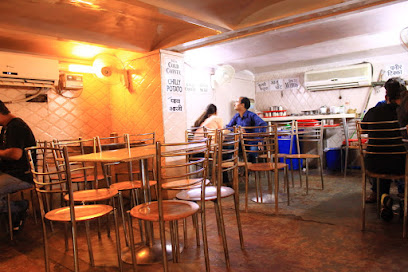
Haldiram's - Chandni Chowk
1.2 km
Discover the authentic taste of India at Haldiram's - Chandni Chowk, where vegetarian delights meet rich culinary traditions.
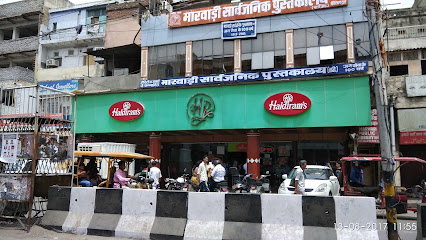
Lakhori
1.3 km
Discover authentic Mughlai cuisine in Old Delhi at Lakhori - where tradition meets taste in every dish.
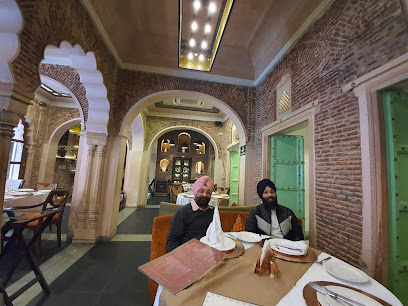
Kitchen tales
1.3 km
Discover authentic North Indian vegetarian delights at Kitchen Tales in Chandni Chowk, where every dish tells a story.
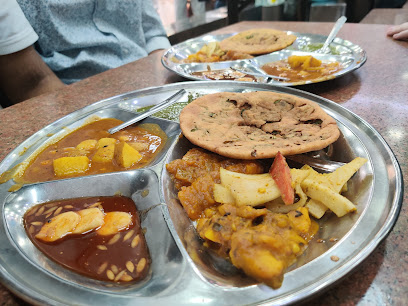
PT. Gaya Prashad Shiv Charan
1.3 km
Discover the authentic taste of North India at PT. Gaya Prashad Shiv Charan—home to delectable parathas in bustling Chandni Chowk.
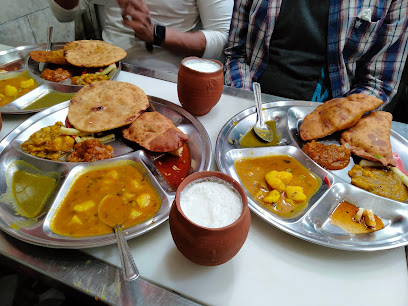
Milan Rasoi - Best Restaurant in Delhi
1.3 km
Experience authentic Chinese flavors at Milan Rasoi in Delhi's bustling Chandni Chowk – a culinary gem for food lovers.
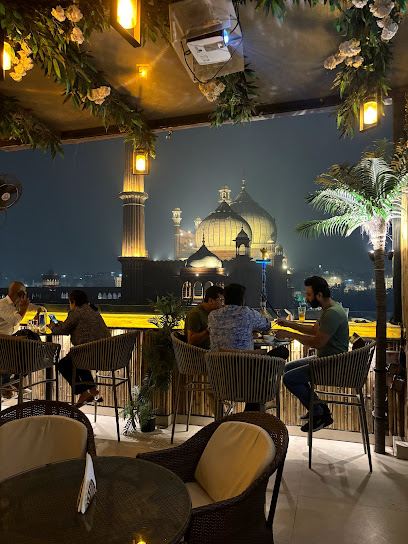
Al Jawahar Restaurant
1.4 km
Experience authentic Mughlai cuisine at Al Jawahar Restaurant in New Delhi – where every dish tells a story.
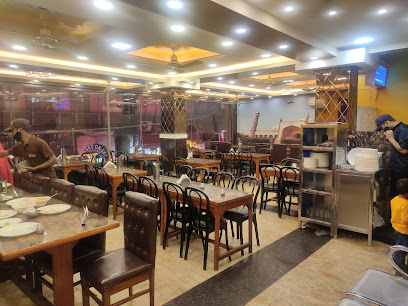
Jawahar Hotel
1.4 km
Discover authentic Indian flavors at Jawahar Hotel in Old Delhi - a culinary gem near Jama Masjid offering unforgettable dining experiences.
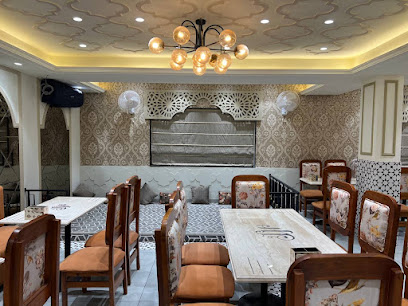
HOTEL MAAIDAH ( CHANGEZI CHICKEN)
1.6 km
Experience the rich flavors of Indian cuisine at Hotel Maidah, home to the famous Changezi Chicken and more delightful Mughlai dishes.
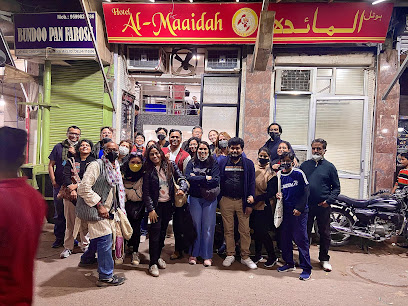
Kake Di Hatti
2.0 km
Discover authentic Punjabi flavors at Kake Di Hatti in Chandni Chowk – where tradition meets taste in every bite.
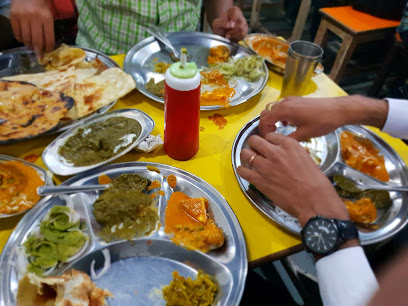
Smile Darbar A Family Restaurant
2.1 km
Experience authentic Indian flavors at Smile Darbar, where family dining meets delightful Mughlai cuisine in the heart of Delhi.
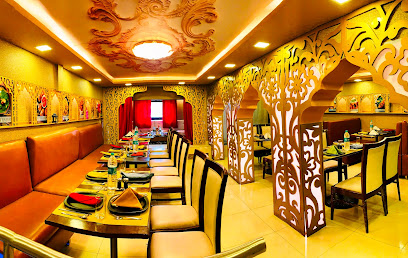
Best Of Delhi Restaurant
3.2 km
Experience authentic Indian cuisine at Best Of Delhi Restaurant in Paharganj - where flavor meets tradition in every dish.
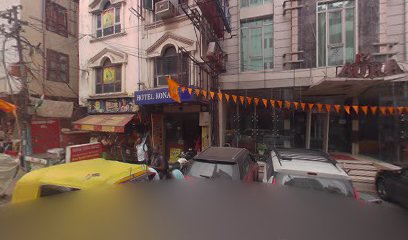
The Indian Grill Restaurant
3.2 km
Experience an unforgettable culinary journey at The Indian Grill Restaurant in Paharganj with diverse flavors from barbecue to international cuisines.
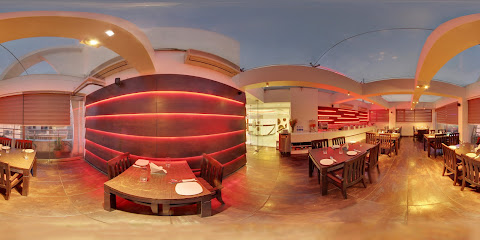
बलूची
3.4 km
Discover the essence of Indian cuisine at Baluchi in New Delhi – where tradition meets modern elegance.
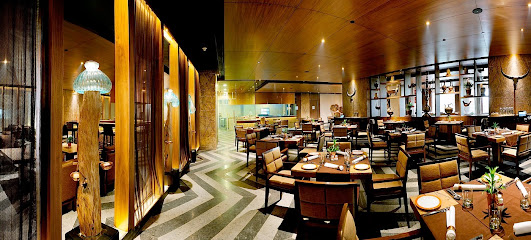
Minar Restaurant
3.4 km
Discover authentic Indian flavors at Minar Restaurant in Connaught Place – where culinary excellence meets vibrant ambiance.
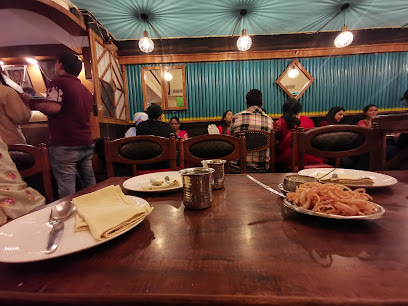
Markets, malls and hidden boutiques

Luv Indiya Concepts
0.4 km
Discover unique souvenirs and gifts at Luv Indiya Concepts, a charming store near Delhi's Red Fort, celebrating India's rich culture and craftsmanship.
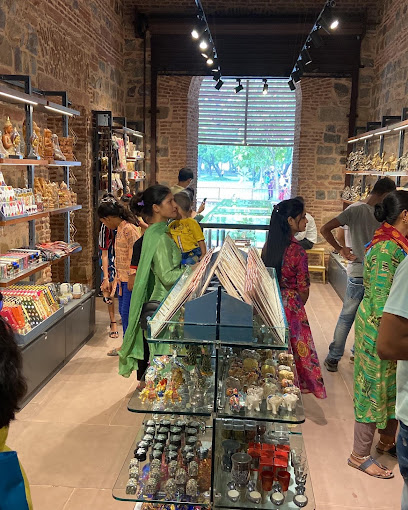
Keshav Creations - Best Bridal lehenga and Saree Store
0.9 km
Discover the elegance of traditional and contemporary bridal wear at Keshav Creations, your premier bridal shop in Chandni Chowk, Delhi.
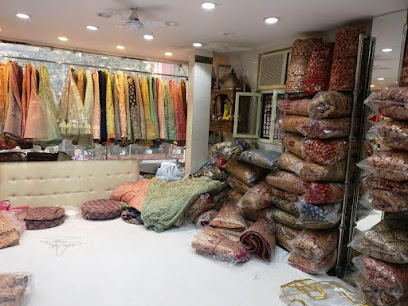
Maharani Collections
0.9 km
Explore the vibrant fashion scene at Maharani Collections in Chandni Chowk, Delhi, where tradition meets contemporary style.
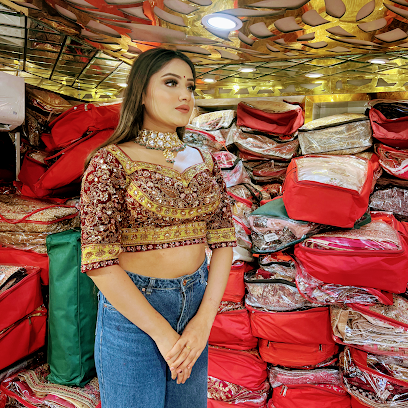
MéLANgE-Unique Gift Collection
1.1 km
Discover unique gifts and souvenirs at MéLANgE, a charming shop in Chandni Chowk, New Delhi, showcasing the best of Indian craftsmanship.
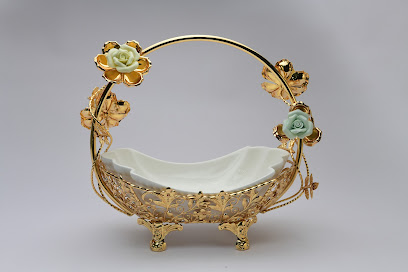
Old Delhi
1.2 km
Explore the vibrant streets of Old Delhi, where history, culture, and shopping come together in a rich tapestry of experiences.
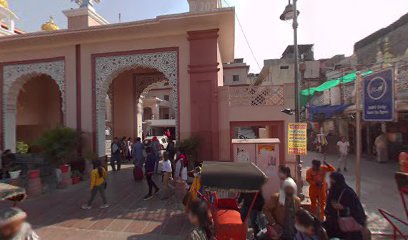
Jain Art Emporium |Brass God Statues| Brass Art Effects
1.2 km
Explore Jain Art Emporium in Chandni Chowk for exquisite brass god statues and unique gifts that reflect India's rich cultural heritage.
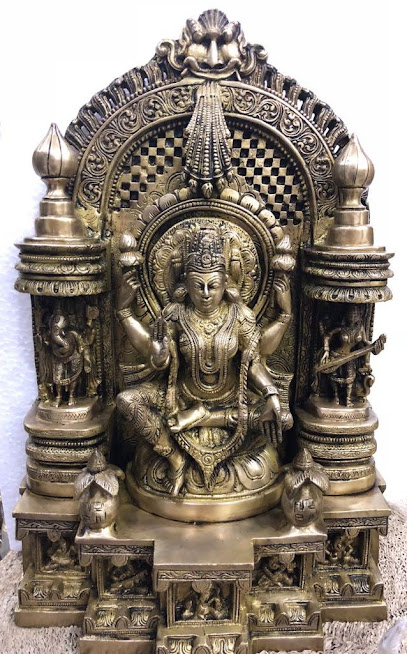
Novelty Creation - Chandni Chowk
1.2 km
Explore the essence of Indian fashion at Novelty Creation in Chandni Chowk, where vibrant styles and rich traditions come together.
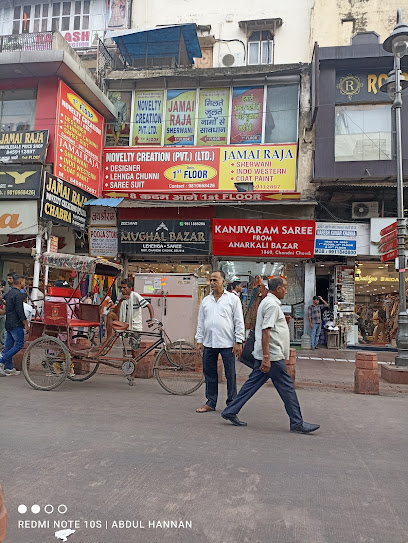
Lehenga House - Bridal Lehenga Store in Delhi
1.3 km
Discover the elegance of traditional bridal wear at Lehenga House in Delhi, where dreams become reality with exquisite lehengas and personalized service.
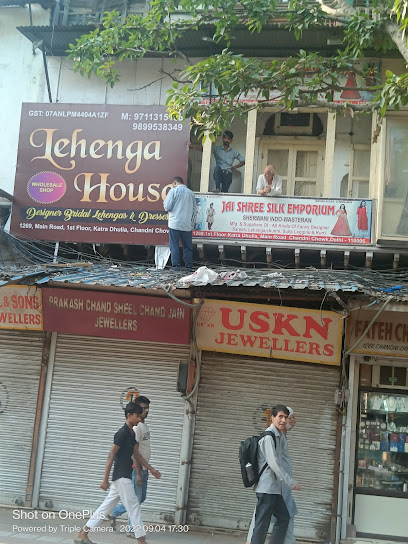
Victorian Emmpire U-O Sewa Singh and Sons
1.3 km
Explore Victorian Empire U/O Sewa Singh and Sons for exquisite clothing, unique handicrafts, and authentic Indian craftsmanship in the heart of Delhi.
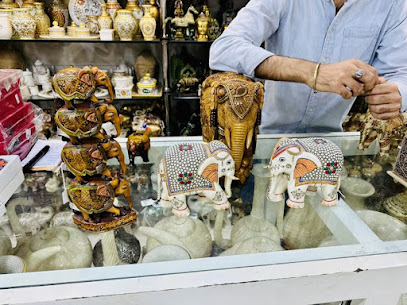
Queens By Aakarshan BTQ
1.4 km
Discover the elegance of bridal fashion at Queens By Aakarshan BTQ, where dreams meet exquisite designs in the heart of Chandni Chowk.
Bal Kishan Das & Sons
1.4 km
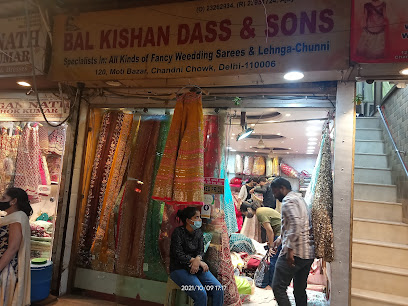
Explore Bal Kishan Das & Sons in Chandni Chowk for exquisite bridal wear and designer clothing—an essential stop for fashion enthusiasts in New Delhi.
Om Parkash Jawahar Lal
1.5 km
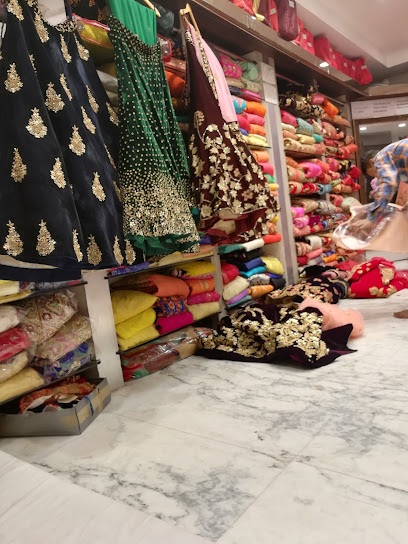
Explore Om Parkash Jawahar Lal in Chandni Chowk for a unique blend of traditional and modern Indian fashion, a must-visit for every traveler.
Unique attar world - Perfume Store
1.5 km
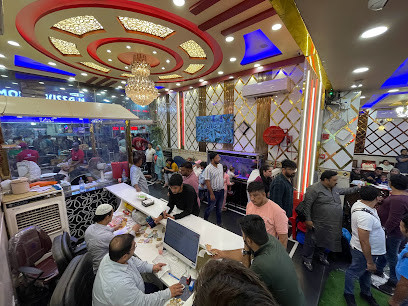
Explore the enchanting fragrances of India at Unique Attar World, the premier destination for exquisite attars in Delhi's historic Chandni Chowk.
Kanchan Fashion - Clothing & Bridal Store
1.6 km
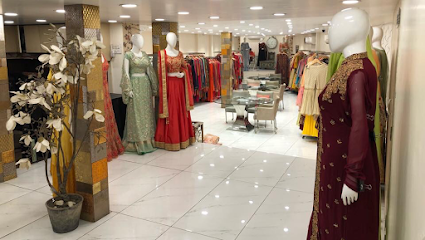
Discover the essence of Indian bridal fashion at Kanchan Fashion, Chandni Chowk – home to exquisite wedding attire and personalized service.
Vintage Crafts
2.0 km
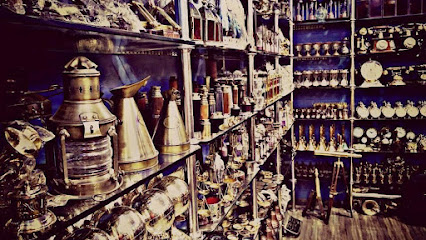
Discover a treasure trove of antiques and vintage collectibles at Vintage Crafts in Chandni Chowk, New Delhi - a must-visit for history enthusiasts.
Essential bars & hidden hideouts

Al Gulzar Restaurant
1.3 km
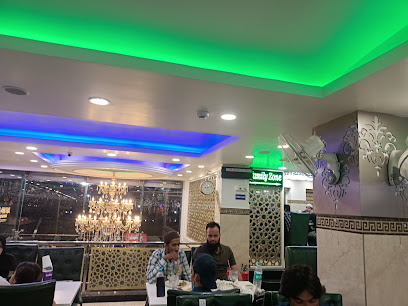
Discover the essence of Mughlai cuisine at Al Gulzar Restaurant in Chandni Chowk, New Delhi, where every dish tells a story of tradition and taste.
Paranthe Wali Gali
1.3 km
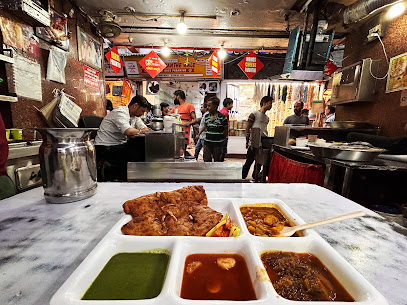
Discover the iconic Paranthe Wali Gali, where every bite of stuffed parathas tells a story of Delhi's rich culinary heritage.
MGM CLUB
1.3 km
Discover the vibrant MGM Club in Daryaganj, New Delhi - a perfect blend of lively bar atmosphere and exquisite continental dining.
BENCH & BAR CLUB
1.5 km
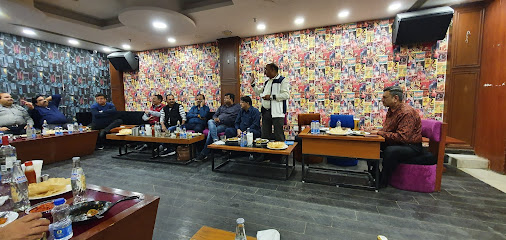
Discover the vibrant nightlife at Bench & Bar Club in Old Delhi, where great drinks and lively atmosphere create unforgettable experiences.
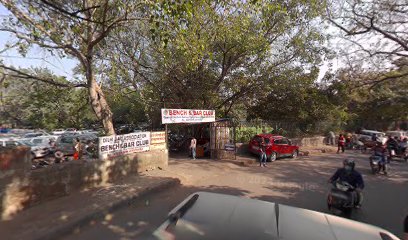
Ansari sahab
1.6 km
Discover the cozy ambiance and delightful flavors at Ansari Sahab, a lounge in Old Delhi that captures the essence of local culture and cuisine.

Manoj Sarpanch Dhana Narsan Bar
1.6 km
Discover the vibrant nightlife of Old Delhi at Manoj Sarpanch Dhana Narsan Bar, where culture, drinks, and great company come together in a lively atmosphere.

Appreciate
1.6 km
Discover the lively spirit of New Delhi at Appreciate Bar, your go-to destination for cocktails, camaraderie, and unforgettable evenings.

Baatli Bar
1.7 km
Experience vibrant nightlife at Baatli Bar in Kashmere Gate, New Delhi, with great drinks, lively music, and a welcoming atmosphere.
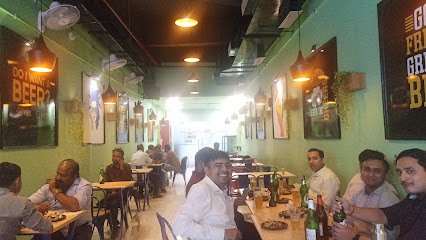
Revel : Lounge, Cafe and Bar
1.8 km
Experience a vibrant blend of culture and cuisine at Revel, Delhi's premier lounge, cafe, and bar nestled in the heart of Chandni Chowk.
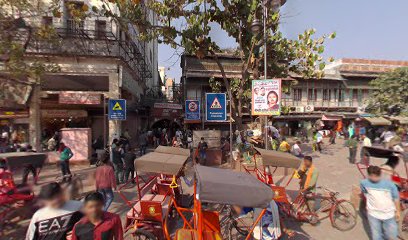
Lalla Singh
1.9 km
Discover the vibrant nightlife at Lalla Singh, a charming bar in Chandni Chowk, New Delhi, offering a delightful atmosphere and diverse drink selection.
Red Resto Bar
2.4 km
Discover the vibrant nightlife of New Delhi at Red Resto Bar, where delicious drinks and a lively atmosphere await.
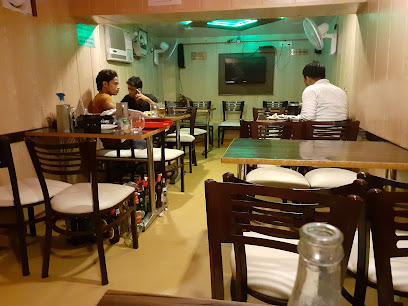
Bar Company
2.6 km
Experience the vibrant nightlife of New Delhi at Bar Company, where great drinks and delicious food come together in a lively atmosphere.
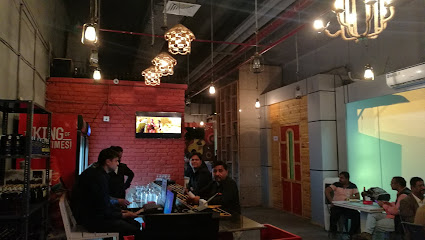
Civil Lines Social
2.7 km
Experience the vibrant atmosphere and diverse menu at Civil Lines Social, a trendy bar and café in New Delhi's Civil Lines area.
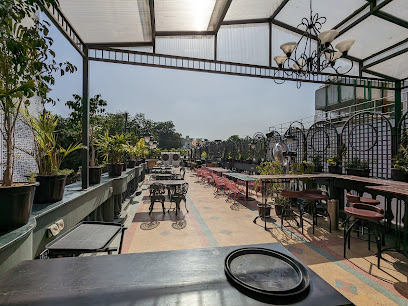
Your's Bar
3.3 km
Discover Your's Bar in Paharganj, a vibrant blend of North Indian and Chinese cuisine with live music, perfect for any traveler in New Delhi.
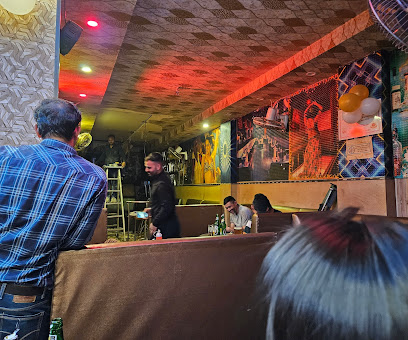
The Gem Bar
3.3 km
Discover The Gem Bar in Paharganj, a vibrant spot for cocktails, delicious food, and a lively atmosphere in the heart of New Delhi.
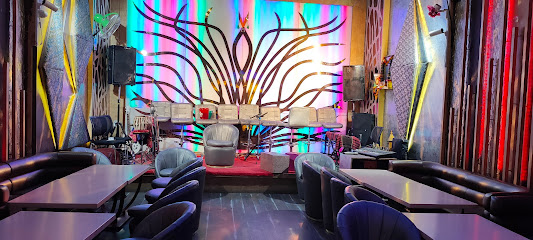
Nightclubs & after hour spots

Maya
0.8 km
Discover the heart of New Delhi's nightlife at Maya Night Club, where vibrant music and lively crowds create unforgettable memories.
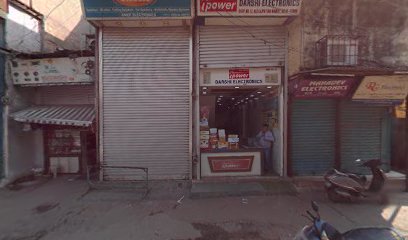
बोय्जोने
1.0 km
Immerse yourself in the vibrant nightlife of New Delhi at बोय्जोने, a premier gay bar with lively music and a welcoming atmosphere.

Pulwama
1.3 km
Discover the vibrant nightlife of New Delhi at Pulwama, a night club that offers an unforgettable experience filled with music, dance, and socializing.
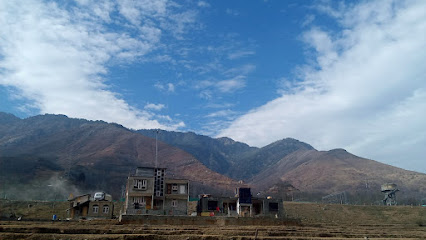
National Club
1.9 km
Dive into the energetic nightlife of Delhi at the National Club, where music, dance, and unforgettable experiences await you.
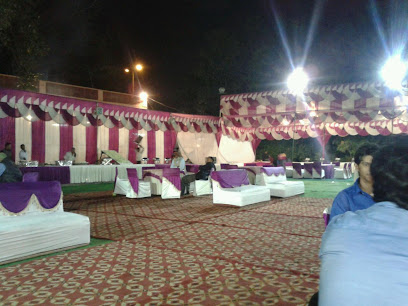
Kitty Su New Delhi
3.4 km
Immerse yourself in the vibrant nightlife of New Delhi at Kitty Su, a premier night club known for its energetic atmosphere and eclectic music.
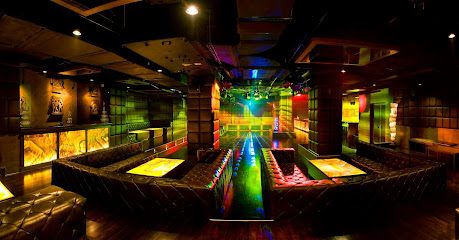
M Bar And Lounge
3.5 km
Discover the vibrant nightlife of New Delhi at M Bar And Lounge, where delicious food, crafted cocktails, and a lively atmosphere await.
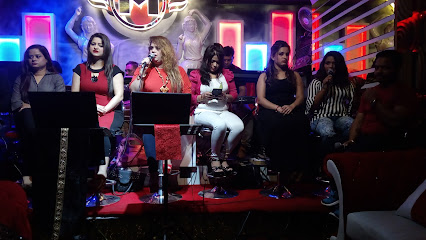
Amplifier The Club - CP
3.5 km
Experience the vibrant nightlife of New Delhi at Amplifier The Club, where great music, delicious drinks, and an electric atmosphere await.
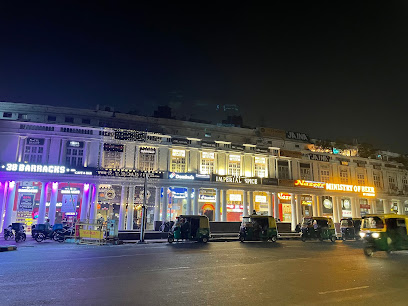
Knight CP
3.7 km
Experience a fusion of global flavors and vibrant nightlife at Knight CP, the premier lounge in Connaught Place, New Delhi.
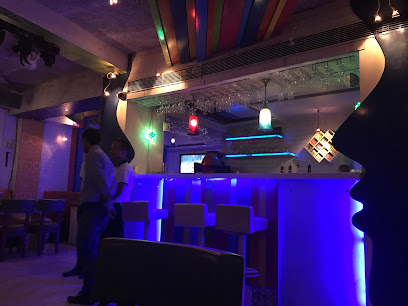
Bunon Bar And Lounge
4.1 km
Experience New Delhi's vibrant nightlife at Bunon Bar And Lounge, an electrifying disco club with great music and drinks.
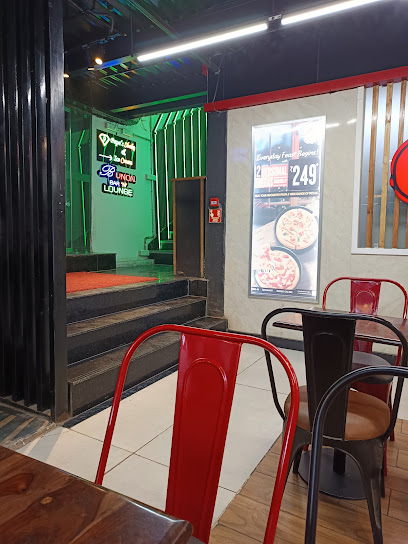
Sonudj
4.1 km
Discover the ultimate nightlife experience at Sonudj, New Delhi's top night club, where music, dance, and unforgettable moments await.
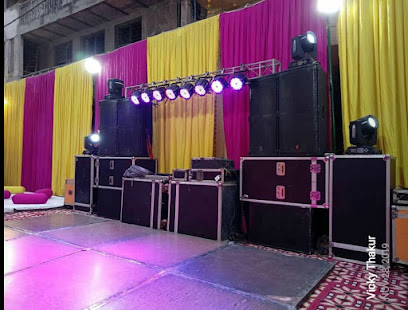
Rihan
4.5 km
Discover the electrifying nightlife at Rihan in New Delhi, where vibrant music and delectable drinks create an unforgettable experience.
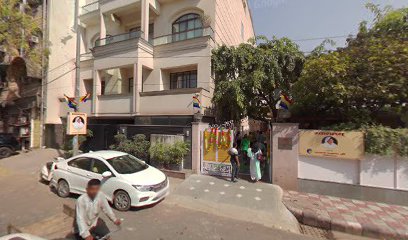
Prince chicken corner
4.8 km
Dive into the vibrant nightlife at Prince Chicken Corner, where delicious chicken dishes meet an energetic atmosphere in the heart of New Delhi.
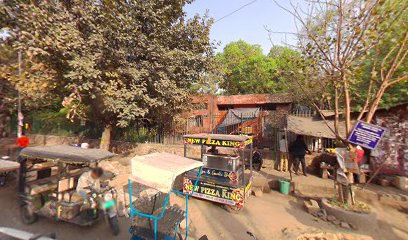
PRIVEE
4.9 km
Discover the vibrant nightlife at PRIVEE, New Delhi's premier club located in the luxurious Shangri-La's Eros Hotel, where unforgettable memories await.

Club Obello
4.9 km
Discover the electrifying nightlife of New Delhi at Club Obello, where top DJs and a vibrant atmosphere await every night.
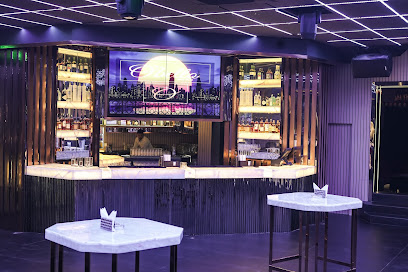
Horizon Club Lounge, Shangri-La Delhi
4.9 km
Experience luxury and tranquility at the Horizon Club Lounge, Shangri-La Delhi, where gourmet delights meet stunning city views.