

Free New Albany Travel Guide & Mobile App
Plan your New Albany trip with Evendo. Get free guides to top attractions, restaurants, hotels, and bars. Web access or download the mobile app.


New Albany, Indiana pairs Ohio River views with Victorian streets, historic homes, museums, local dining and easy access to Southern Indiana culture.
A River City with Deep Foundations
New Albany occupies the northern bank of the Ohio River in southern Indiana, directly across from Louisville, Kentucky. Founded in the early nineteenth century, it grew through river commerce, manufacturing and shipbuilding, leaving behind a substantial collection of nineteenth-century homes, commercial buildings and civic architecture. Its historic centre is compact enough to explore on foot, while the riverfront opens towards broad views of the water and the Kentucky shore.Read more about New Albany
Architecture and Local History
The Ohio River and Southern Indiana Life
When is the best time to visit New Albany?
Best: May, September–October · 20–27°C| Month | High (°C) | Rainfall (mm) |
|---|---|---|
| January | 5 | 66 |
| February | 7 | 71 |
| March | 15 | 83 |
| April | 20 | 90 |
| May (best) | 26 | 99 |
| June | 30 | 78 |
| July | 33 | 95 |
| August | 32 | 83 |
| September (best) | 27 | 81 |
| October (best) | 20 | 77 |
| November | 14 | 86 |
| December | 8 | 72 |
Getting to and around New Albany
How to get there
Transportation
Best attractions in New Albany
New Albany’s attractions centre on its historic streets, river setting and local cultural institutions. The Culbertson Mansion State Historic Site is the city’s most atmospheric historic interior, with ornate nineteenth-century rooms illustrating the ambitions of a prosperous industrial family. At the Carnegie Center for Art & History, changing exhibitions connect visual art with the history of New Albany and Floyd County. Downtown offers a walkable sequence of preserved commercial buildings, churches, independent businesses and residential architecture, including the grand houses associated with Mansion Row. Riverfront parks and sections of the Ohio River Greenway provide open views towards Kentucky and space for walking or cycling. Seasonal events add music, markets and community activity to the centre, while the nearby Falls of the Ohio State Park across the river in Clarksville offers a worthwhile regional excursion rather than an attraction within New Albany itself.
-
Tourist attraction
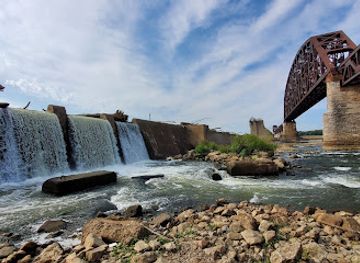
Falls of the Ohio State Park
Explore the breathtaking landscapes and unique fossil beds at Falls of the Ohio State Park, a natural gem along the Ohio River in Indiana.
21 min drive · 6.8 km from city centre
-
Tourist attraction
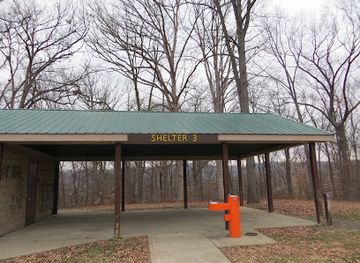
Sam Peden Community Park
Experience the beauty and tranquility of Sam Peden Community Park, a perfect destination for nature lovers and families in New Albany, Indiana.
16 min walk · 1.3 km from city centre
-
Tourist attraction
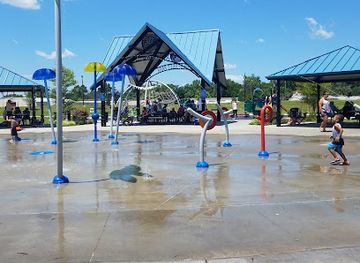
River Run Family Water Park
Experience endless fun and relaxation at River Run Family Water Park in New Albany, Indiana, perfect for families and thrill-seekers alike.
5 min drive · 1.5 km from city centre
-
Park
Silver Street Park
Explore the tranquility of Silver Street Park in New Albany, Indiana—a perfect retreat for families and nature lovers alike.
9 min walk · 0.7 km from city centre

Best landmarks in New Albany
New Albany’s principal landmarks document the wealth and civic confidence created by the Ohio River economy. The Culbertson Mansion State Historic Site, built in the late 1860s, is a highly ornamented Second Empire residence whose scale reflects the status of its original owner. Mansion Row and surrounding historic streets preserve rows of substantial nineteenth-century houses, making the residential landscape itself an important architectural record. The Carnegie Center for Art & History occupies a former Carnegie library building and links civic architecture with the city’s cultural life. Downtown churches, courthouse-area buildings and surviving commercial façades add further layers of Victorian and early modern development. Along the river, public spaces and trails express New Albany’s continuing relationship with the waterway that shaped its trade, industry and regional connections.
-
Fast Food
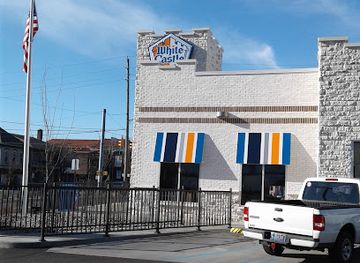
White Castle
Explore the iconic White Castle in New Albany, Indiana, where delicious sliders and American fast food heritage await every visitor.
7 min drive · 2.3 km from city centre
-
Restaurant
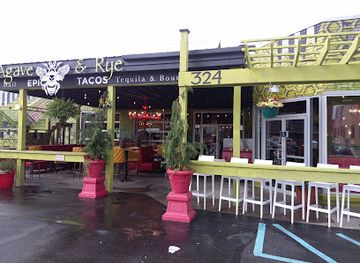
Agave & Rye New Albany
Discover the vibrant flavors of Mexico at Agave & Rye in New Albany, where every taco tells a story and every sip is a celebration.
8 min drive · 2.8 km from city centre
-
Park
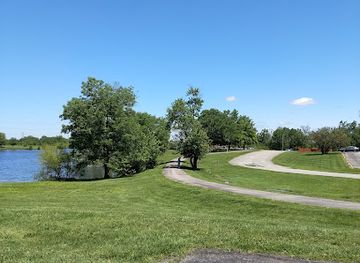
Sam Peden Community Park
Experience the beauty and tranquility of Sam Peden Community Park in New Albany, Indiana, where nature meets recreation for the entire family.
16 min walk · 1.3 km from city centre
-
Steak
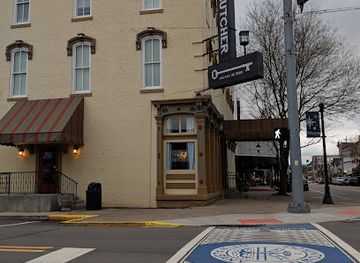
Brooklyn and The Butcher
Discover the best of New Albany dining at Brooklyn and The Butcher, where exceptional steaks meet an inviting atmosphere for an unforgettable experience.
8 min drive · 2.7 km from city centre
Explore New Albany on the map
Plan your New Albany trip on one map. See where the top attractions, landmarks, restaurants, bars and hotels are, find what's near where you're staying, and book hotels and experiences in a few clicks.
Best hotels in New Albany
Best restaurants in New Albany
New Albany’s dining scene reflects the foodways of the Ohio Valley, with Southern Indiana comfort food, American staples, barbecue, burgers, craft beer and contemporary interpretations of regional cooking appearing alongside cafés and bakeries. Downtown is the principal area for independent restaurants and evening dining, while the wider city has casual venues suited to families and informal meals. New Albanian Brewing Company is associated with the city’s craft-brewing culture, and the local restaurant landscape includes both relaxed pub-style settings and more polished dining rooms. Farmers’ markets and seasonal food events provide opportunities to encounter locally grown produce and regional products, although individual vendors and schedules vary. Its proximity to Louisville also brings a broader metropolitan influence without erasing New Albany’s own small-city, riverfront character.
-
Fast Food
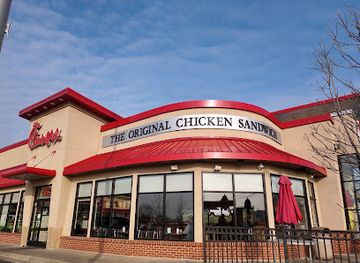
Chick-fil-A
Experience delicious Southern-style chicken dishes at Chick-fil-A in New Albany—perfect for families and travelers seeking comfort food.
5 min drive · 1.6 km from city centre
-
Gastropub
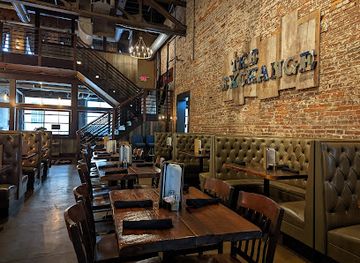
The Exchange Pub + Kitchen
Discover culinary excellence at The Exchange Pub + Kitchen, where innovative American dishes meet an inviting gastropub atmosphere in New Albany.
9 min drive · 2.8 km from city centre
-
Asian Fusion
Dragon King's Daughter
Discover unique Asian fusion cuisine at Dragon King's Daughter in New Albany - where culinary creativity meets fresh ingredients.
8 min drive · 2.8 km from city centre
-
Fast Food
White Castle
Discover the timeless taste of sliders at White Castle in New Albany - where fast food meets flavor!
7 min drive · 2.3 km from city centre
Best bars in New Albany
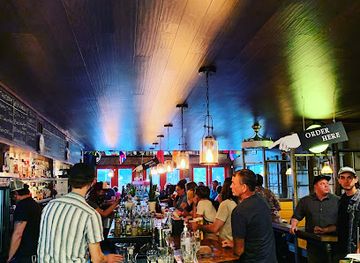
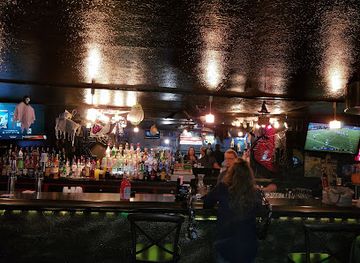
New Albany’s evening scene is modest rather than club-focused, with activity concentrated around downtown bars, breweries, restaurants and occasional live-music events. Craft beer is an important part of the local social landscape, and venues associated with New Albanian Brewing Company have helped give the city a recognisable brewing identity. Other evenings may involve cocktails, pub food, outdoor events or performances rather than late-night dancing. Community festivals and seasonal programmes can bring music and entertainment to public spaces, while Louisville provides a much larger choice of concerts, theatres and nightclubs across the river. Visitors should check current venue and event information, as opening patterns and live programming differ between ordinary weekdays and busy weekends.
-
Gastropub
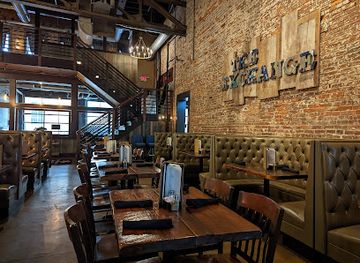
The Exchange Pub + Kitchen
Discover the perfect blend of upscale comfort and local flavor at The Exchange Pub + Kitchen in New Albany's historic district.
9 min drive · 2.8 km from city centre
-
Restaurant
Agave & Rye New Albany
Experience the vibrant flavors and festive atmosphere at Agave & Rye, New Albany's premier taco restaurant offering gourmet dishes and unique cocktails.
8 min drive · 2.8 km from city centre
-
Grill
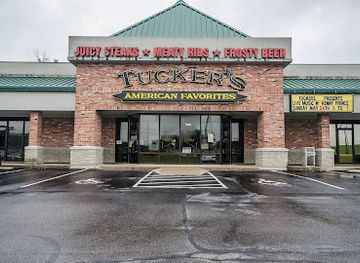
Tucker's American Favorites
Discover the essence of American cuisine at Tucker's American Favorites, where comfort food meets a lively bar atmosphere in New Albany.
6 min drive · 1.9 km from city centre
-
Bar
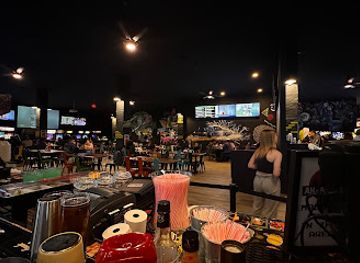
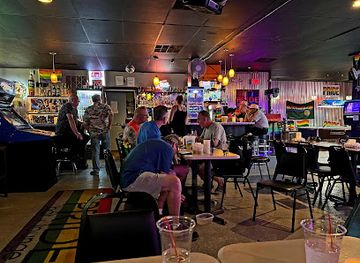
Recbar 812
Discover the ultimate destination for dining and gaming at Recbar 812 in New Albany, Indiana - where fun meets flavor!
8 min drive · 2.6 km from city centre
Best nightclubs in New Albany
New Albany’s evening scene is modest rather than club-focused, with activity concentrated around downtown bars, breweries, restaurants and occasional live-music events. Craft beer is an important part of the local social landscape, and venues associated with New Albanian Brewing Company have helped give the city a recognisable brewing identity. Other evenings may involve cocktails, pub food, outdoor events or performances rather than late-night dancing. Community festivals and seasonal programmes can bring music and entertainment to public spaces, while Louisville provides a much larger choice of concerts, theatres and nightclubs across the river. Visitors should check current venue and event information, as opening patterns and live programming differ between ordinary weekdays and busy weekends.
-
Bar
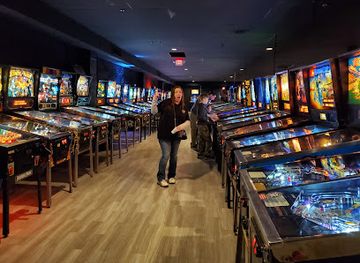
Recbar 812
Discover the ultimate fusion of food, drinks, and arcade games at Recbar 812, New Albany's premier entertainment destination.
8 min drive · 2.6 km from city centre
-
Pub
Pints & Union
Experience the heart of New Albany’s pub culture at Pints & Union, where craft beers and delicious bites come together in a vibrant atmosphere.
8 min drive · 2.7 km from city centre
-
Bar
PRIDE bar + lounge
Discover the lively atmosphere of PRIDE Bar + Lounge in New Albany, where inclusivity and great drinks meet for an unforgettable night out.
7 min drive · 2.4 km from city centre
-
Bar
Lit Cigar Bar and Lounge
Experience the elegance of Lit Cigar Bar and Lounge in New Albany, Indiana—where premium cigars meet exceptional drinks in a sophisticated atmosphere.
7 min drive · 2.4 km from city centre
Best shops in New Albany
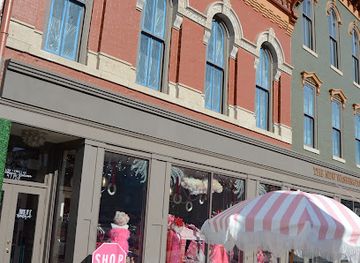
Shopping in New Albany is concentrated in and around the historic downtown, where independent boutiques, gift shops, cafés, antique businesses and small specialist retailers occupy restored buildings. The selection is more local and small-scale than that of a major shopping centre, making the experience closely connected to the city’s architectural character. Seasonal farmers’ markets and community events may offer produce, baked goods, crafts and work by regional makers, while antique and vintage shops reflect the wider Ohio Valley’s interest in historic objects and furnishings. Visitors seeking distinctive purchases should look for locally made art, regional food products, brewing-related goods and souvenirs connected with southern Indiana. Retail offerings and market schedules can vary by season, so the most reliable orientation comes from current local listings and downtown event information.
-
Antique store
Clarksville Peddlers Mall
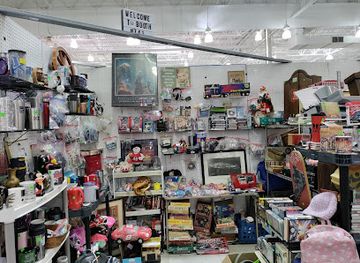
Explore the eclectic charm of Clarksville Peddlers Mall—a vintage haven for unique antiques and collectibles in Indiana.
14 min drive · 4.8 km from city centre
-
Furniture store
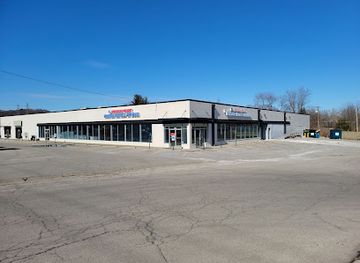
American Freight - Furniture, Mattress, Appliance
Explore American Freight in New Albany for unbeatable prices on stylish furniture, mattresses, and appliances perfect for every home and budget.
5 min drive · 1.6 km from city centre
-
Ice Cream
Uncommon Cups and Cones
Discover the unique flavors and charming atmosphere of Uncommon Cups and Cones, New Albany's beloved ice cream destination.
6 min drive · 2.1 km from city centre
-
Dress store
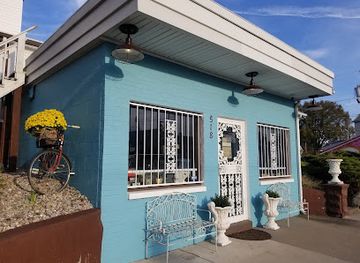
House of K Boutique
Discover the elegance of House of K Boutique in New Albany, where fashion meets personalized service in a charming historic setting.
8 min drive · 2.7 km from city centre
Get your free copy of our complete guide to New Albany, delivered straight to you.
Everything on this page, from attractions and restaurants to essentials and local phrases, in one PDF you can read offline, print or share.
Already have an account? Sign in
Your New Albany guide is ready.
We'll send it to · Not you? Sign out

Getting your guide ready…
We are putting together a fresh copy of the New Albany guide. This can take up to a minute.
This can take a few moments. If your browser asks, choose Allow so the download can start. You'll find the guide in your Downloads folder.
Nothing happened? Download it again
Sorry, the guide is taking longer than usual. Please try again in a minute, or get it by email instead.
New Albany essentials
Currency and Payment
Safety
Emergency Situations
Do's and Don'ts
Local Tips
From Eve
Local phrases worth knowing
You don't need to get them perfect. A few words go a long way, and locals appreciate the effort.
Basics
| English | Local | Say it |
|---|---|---|
| Hello | Howdy | [haw-dee] |
| Goodbye | See ya | [see yuh] |
| Yes | Yep | [yep] |
| No | Nope | [nope] |
| Please/You're welcome | Please/No problem | [pleez/no prob-lem] |
| Thank you | Thanks | [thanks] |
| Excuse me/Sorry | Pardon me/My bad | [par-dun me/my bad] |
| How are you? | How y'all doin'? | [how y'all doin'] |
| Fine. And you? | Fine. And you? | [fine. and yuh?] |
| Do you speak English? | Ya speak English? | [ya speak ing-glish?] |
| I don't understand | I ain't gettin' ya | [i ain't get-tin' yuh] |
Eating & Drinking
| English | Local | Say it |
|---|---|---|
| I'd like to see the menu, please | Can I see the menu? | [can i see the menu?] |
| I don't eat meat | I don't eat meat | [i don't eat meat] |
| Cheers! | Cheers! | [cheers!] |
| I would like to pay, please | Can I pay now? | [can i pay now?] |
Emergencies
| English | Local | Say it |
|---|---|---|
| Help! | Help! | [help!] |
| Go away! | Get lost! | [get lost!] |
| Call the Police! | Call the cops! | [call the cops!] |
| Call a doctor! | Call a doc! | [call a doc!] |
| I'm lost | I'm lost | [i'm lost] |
| I'm ill | I'm sick | [i'm sick] |
Shopping
| English | Local | Say it |
|---|---|---|
| I'd like to buy... | I wanna buy... | [i wanna buy...] |
| I'm just looking | Just browsing | [just browsin'] |
| How much is it? | How much? | [how much?] |
| That's too expensive | That's pricey | [that's pricey] |
| Can you lower the price? | Can ya lower the price? | [can ya lower the price?] |
Time & Numbers
| English | Local | Say it |
|---|---|---|
| What time is it? | What time is it? | [what time is it?] |
| It's one o'clock | It's one | [it's one] |
| Half past (10) | Half past ten | [half past ten] |
| Morning | Morning | [morning] |
| Afternoon | Afternoon | [afternoon] |
| Evening | Evening | [evening] |
| Yesterday | Yesterday | [yester-day] |
| Today | Today | [to-day] |
| Tomorrow | Tomorrow | [to-mor-row] |
| 1 | 1 | [1] |
| 2 | 2 | [2] |
| 3 | 3 | [3] |
| 4 | 4 | [4] |
| 5 | 5 | [5] |
| 6 | 6 | [6] |
| 7 | 7 | [7] |
| 8 | 8 | [8] |
| 9 | 9 | [9] |
| 10 | 10 | [10] |
Transport & Directions
| English | Local | Say it |
|---|---|---|
| Where's a/the...? | Where's the...? | [where's the...?] |
| What's the address? | What's the address? | [what's the address?] |
| Can you show me (on the map)? | Can you show me (on the map)? | [can you show me (on the map)?] |
| When's the next (bus)? | When's the next (bus)? | [when's the next (bus)?] |
| A ticket (to ....) | A ticket (to ....) | [a ticket (to ....)] |
History of New Albany
Founding on the Ohio River
New Albany was founded in 1813 by the Scribner brothers, who recognised the commercial potential of a town facing the Ohio River. The settlement was named after Albany, New York, and its position opposite the Falls of the Ohio placed it within an important regional transport corridor. New Albany was incorporated as a town in 1817 and later as a city in 1839. River traffic, nearby fertile farmland and connections with Kentucky encouraged early growth, while the rising town developed a street plan and civic institutions that established the framework of the present historic centre.
Shipbuilding and Commercial Growth
During the nineteenth century, New Albany became an important shipbuilding and river-trade centre. Local yards built steamboats and other vessels for use on the Ohio and Mississippi river systems, supporting skilled employment and attracting merchants, craftsmen and industrial workers. The river also carried agricultural produce, manufactured goods and passengers, linking the city to a broad inland economy. Prosperity from commerce appeared in substantial residences, churches, warehouses and public buildings. Many of the surviving historic structures in and around downtown reflect this period, when New Albany was among Indiana’s leading cities in population and economic importance.
The Culbertson Era
The city’s industrial wealth is particularly associated with William S. Culbertson, a businessman who commissioned the grand house now preserved as the Culbertson Mansion State Historic Site. Built between 1867 and 1869 in the Second Empire style, the mansion expresses the ambition of New Albany’s post-Civil War commercial elite. Its scale, ornament and interior detailing provide evidence of the social divisions and economic confidence of the period. More broadly, the residential streets developed during these decades created the architectural legacy now represented by Mansion Row and other historic neighbourhoods.
War, Industry and Urban Change
New Albany’s river position made it strategically relevant during the Civil War, when the Ohio River served as a major transport route for Union forces and supplies. The city continued to depend on manufacturing, commerce and regional transport after the war, although changing technologies gradually altered the role of river shipping and local industry. Railways, improved roads and expanding links with Louisville reshaped movement through the Ohio Valley. As industrial patterns changed, New Albany retained its courthouse, churches, commercial blocks and Victorian homes, even as twentieth-century development extended the city beyond its original riverfront core.
Preservation and Contemporary Identity
In the later twentieth century, local preservation efforts helped protect New Albany’s historic buildings and renew interest in the city’s river and industrial heritage. Institutions such as the Carnegie Center for Art & History interpret local stories through exhibitions, archives and public programmes, while the Culbertson Mansion preserves a more intimate view of nineteenth-century life. Downtown revitalisation has brought independent businesses and cultural events into historic streets without erasing their earlier character. Today, New Albany’s identity rests on the relationship between its preserved built environment, Ohio River setting and place within the wider Louisville metropolitan region.
New Albany in Photos
Browse through our photo collection highlighting the charm and character of the destination.
Cities near New Albany
The closest cities to New Albany, if you have time for more than one stop.
-

-

-

-

-


Swipe for more cities
Explore more

Explore more of Indiana
Explore Indiana: From the bustling streets of Indianapolis to the serene beauty of Indiana Dunes, discover the diverse experiences that make Indiana the Crossroads of America.
Explore Indiana