

Free Elizabethtown Travel Guide & Mobile App
Plan your Elizabethtown trip with Evendo. Get free guides to top attractions, restaurants, hotels, and bars. Web access or download the mobile app.


Discover Elizabethtown, Kentucky: A charming blend of history, nature, and Southern hospitality, perfect for family adventures and cultural exploration.
Read more about Elizabethtown
When is the best time to visit Elizabethtown?
Best: May, September–October · 19–26°C| Month | High (°C) | Rainfall (mm) |
|---|---|---|
| January | 6 | 81 |
| February | 9 | 85 |
| March | 15 | 100 |
| April | 20 | 95 |
| May (best) | 25 | 103 |
| June | 30 | 105 |
| July | 32 | 105 |
| August | 31 | 95 |
| September (best) | 26 | 90 |
| October (best) | 19 | 78 |
| November | 12 | 95 |
| December | 6 | 90 |
Getting to and around Elizabethtown
How to get there
Transportation
Best attractions in Elizabethtown
Elizabethtown, Kentucky offers a charming mix of history, culture, and outdoor activities for visitors to enjoy. Explore the historic downtown area with its quaint shops and local eateries, or visit the Brown-Pusey House, a beautifully preserved antebellum home. Outdoor enthusiasts can hike or bike along the scenic trails at Freeman Lake Park, or take a leisurely paddleboat ride on the lake. For history buffs, the Hardin County History Museum provides a fascinating look at the area's past, while the Civil War Museum of the Western Theater offers insight into the region's role in the conflict. With a variety of attractions to explore, Elizabethtown is sure to captivate visitors of all interests.
-
Park
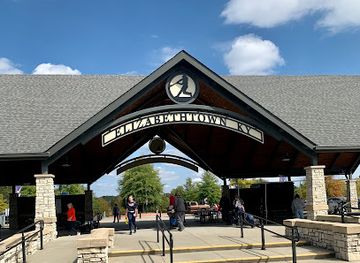
Elizabethtown Sports Park
Explore the Elizabethtown Sports Park, a premier destination for sports and outdoor activities in Kentucky, offering fun for the whole family.
11 min drive · 3.7 km from city centre
-
Park
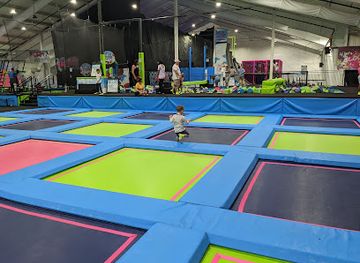
Sky's the Limit
Discover family-friendly fun at Sky's the Limit in Elizabethtown, KY, offering thrilling rides and engaging attractions for children of all ages.
8 min drive · 2.8 km from city centre
-
Tourist attraction
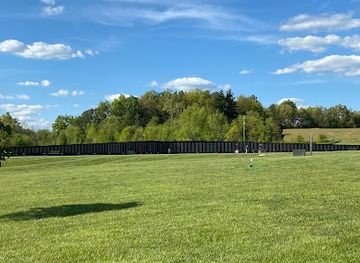
Elizabethtown Nature Park
Discover the beauty and tranquility of Elizabethtown Nature Park, a premier nature preserve perfect for outdoor activities and family outings.
13 min drive · 4.4 km from city centre
-
Tourist attraction
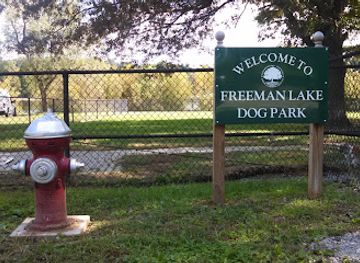
Etown Dog Park
Discover the beauty and community spirit of Etown Dog Park in Elizabethtown, KY – a perfect retreat for dog lovers and nature enthusiasts alike.
12 min drive · 3.9 km from city centre
Best landmarks in Elizabethtown
Elizabethtown, Kentucky offers visitors a rich tapestry of historical landmarks to explore, including the Brown-Pusey House, a beautifully preserved antebellum mansion; the Hardin County History Museum, which showcases the region's past through interactive exhibits; and the Lincoln Heritage House, where Abraham Lincoln's family lived during his formative years. Additionally, the Elizabethtown Nature Park provides a serene escape with walking trails, a fishing lake, and picnic areas, while the Swope's Cars of Yesteryear Museum offers a unique collection of vintage automobiles. Whether delving into the city's history or enjoying the natural beauty of the area, Elizabethtown's landmarks offer a diverse and captivating experience for all visitors.
-
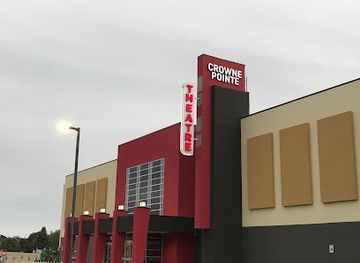
Movie theater
Crowne Pointe Theatre
Experience the magic of cinema at Crowne Pointe Theatre in Elizabethtown, KY, where every movie moment is a delightful adventure for all ages.
10 min drive · 3.2 km from city centre
-
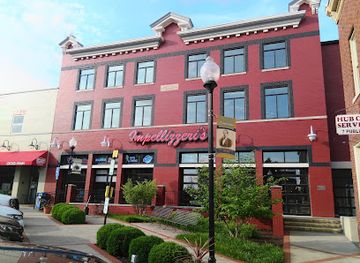
Pizza
The Original Impellizzeri's
Discover the heart of Elizabethtown with a visit to The Original Impellizzeri's, where authentic pizza and local charm create an unforgettable dining experience.
3 min walk · 0.2 km from city centre
-
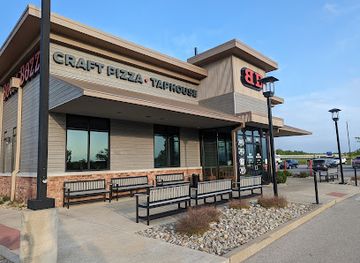
Pizza
Boombozz Craft Pizza & Taphouse - Elizabethtown
Discover the best pizza experience in Elizabethtown at Boombozz Craft Pizza & Taphouse, where gourmet flavors meet a lively atmosphere.
11 min drive · 3.5 km from city centre
-
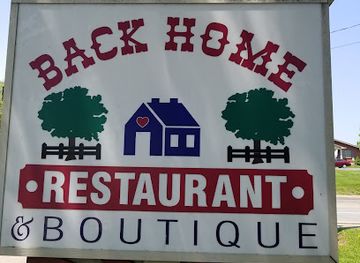
Restaurant
Back Home Restaurant
Discover the heart of Kentucky cuisine at Back Home Restaurant, where comfort food meets local charm in Elizabethtown.
4 min walk · 0.3 km from city centre
Explore Elizabethtown on the map
Plan your Elizabethtown trip on one map. See where the top attractions, landmarks, restaurants, bars and hotels are, find what's near where you're staying, and book hotels and experiences in a few clicks.
Best hotels in Elizabethtown
Best restaurants in Elizabethtown
Elizabethtown offers a diverse dining scene that caters to all tastes and preferences. From traditional Southern cuisine to international flavors, visitors can indulge in a culinary adventure like no other. Whether you're craving barbecue ribs, fresh seafood, or gourmet burgers, Elizabethtown has it all. Explore charming local diners, cozy cafes, and upscale restaurants that showcase the best of Kentucky's food culture. Don't miss out on the chance to savor mouthwatering dishes made with locally sourced ingredients and served with Southern hospitality.
-
Steak
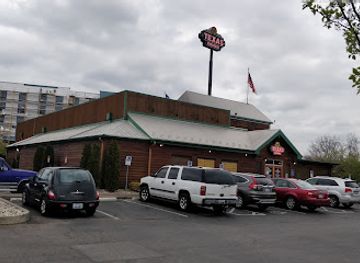
Texas Roadhouse
Experience the authentic taste of America at Texas Roadhouse in Elizabethtown – where every meal is a celebration of flavor.
9 min drive · 3.0 km from city centre
-
American
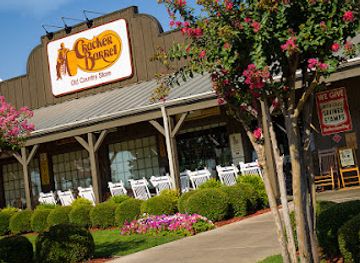
Cracker Barrel Old Country Store
Discover the charm of Southern cuisine at Cracker Barrel Old Country Store in Elizabethtown, KY - where every meal feels like home.
9 min drive · 3.2 km from city centre
-
Fast Food
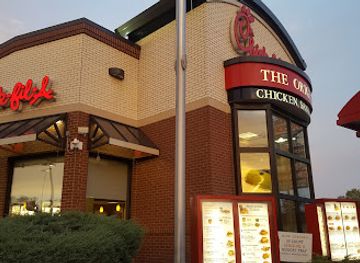
Chick-fil-A
Experience the iconic flavors of Chick-fil-A in Elizabethtown - where quality meets convenience in every bite!
16 min drive · 5.5 km from city centre
-
Fast Food
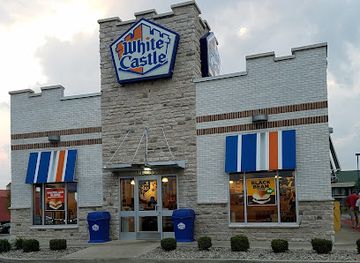
White Castle
Experience the classic American fast food delight at White Castle in Elizabethtown – home of iconic sliders and casual dining!
11 min drive · 3.7 km from city centre
Best bars in Elizabethtown
Experience the vibrant nightlife of Elizabethtown with a variety of bars and nightclubs offering live music, karaoke, and themed nights. From laid-back pubs to high-energy dance clubs, there is something for everyone to enjoy. Sip on craft cocktails, try local brews, or dance the night away to live bands. Whether you're looking for a relaxed evening or a lively party atmosphere, Elizabethtown's nightlife scene has it all.
-
Steak
LongHorn Steakhouse
Discover the best of American dining at LongHorn Steakhouse in Elizabethtown - where steak lovers unite for a hearty meal.
14 min drive · 4.7 km from city centre
-
American
O'Charley's Restaurant & Bar
Discover O'Charley's Restaurant & Bar in Elizabethtown, where American comfort food meets a lively bar atmosphere for an unforgettable dining experience.
14 min drive · 4.8 km from city centre
-
American
Ruby Tuesday
Experience the taste of American comfort food at Ruby Tuesday in Elizabethtown, KY, where every meal feels like home.
9 min drive · 3.0 km from city centre
-
Chicken Wings
Buffalo Wild Wings
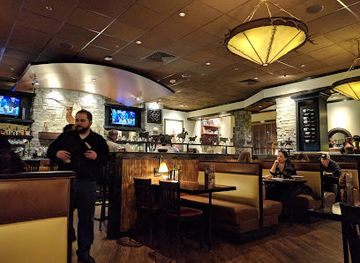
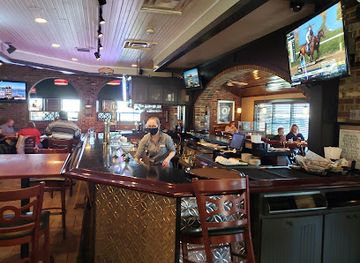
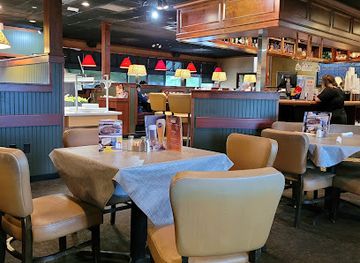
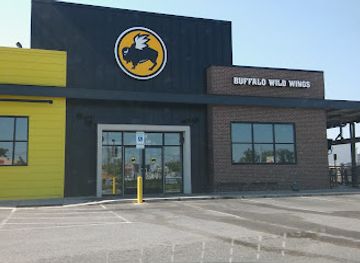
Experience the ultimate chicken wing destination at Buffalo Wild Wings in Elizabethtown, where sports meet flavor in a vibrant atmosphere.
13 min drive · 4.4 km from city centre
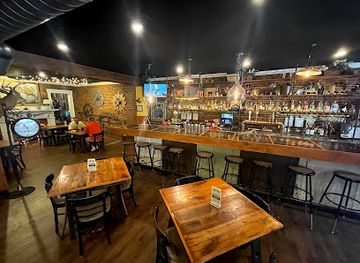
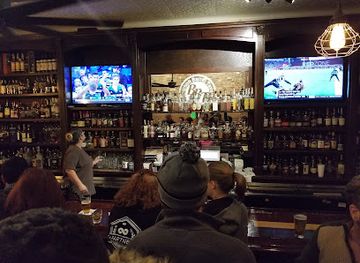
Best nightclubs in Elizabethtown
Experience the vibrant nightlife of Elizabethtown with a variety of bars and nightclubs offering live music, karaoke, and themed nights. From laid-back pubs to high-energy dance clubs, there is something for everyone to enjoy. Sip on craft cocktails, try local brews, or dance the night away to live bands. Whether you're looking for a relaxed evening or a lively party atmosphere, Elizabethtown's nightlife scene has it all.
-
Gastropub
The Wicked Eyed Woman
Experience the vibrant flavors of The Wicked Eyed Woman, a gastropub in Elizabethtown, KY, offering gourmet dishes and craft drinks in a lively atmosphere.
1 min walk · 0.1 km from city centre
-
Bar
Bourbon Barrel Tavern
Experience the vibrant atmosphere and delicious bourbon selections at Bourbon Barrel Tavern in Elizabethtown, Kentucky, a must-visit bar for travelers.
2 min walk · 0.1 km from city centre
-
Grill
Heartland Sports Pub
Experience the ultimate sports pub atmosphere at Heartland Sports Pub in Elizabethtown, where great food and thrilling games collide.
22 min drive · 7.3 km from city centre
-
Barbecue
Pappaw's BBQ & More
Indulge in authentic Southern barbecue at Pappaw's BBQ & More, where great food meets live music in Elizabethtown, KY.
18 min walk · 1.5 km from city centre
Best shops in Elizabethtown
Elizabethtown offers a unique shopping experience for visitors, with a mix of charming boutiques, antique stores, and local artisans showcasing their crafts. Stroll down the historic downtown area to discover hidden gems and one-of-a-kind treasures. From handmade jewelry to vintage clothing, there is something for everyone to enjoy. Don't forget to explore the local farmers' market for fresh produce and homemade goods. Whether you're looking for souvenirs or wanting to support local businesses, Elizabethtown's shopping scene has something special to offer.
-
Shopping mall
Towne Mall
Discover Towne Mall in Elizabethtown, KY—your ultimate shopping and dining destination, where fun meets convenience in a vibrant atmosphere.
15 min drive · 4.9 km from city centre
-
Craft store
Hobby Lobby
Discover a world of creativity at Hobby Lobby in Elizabethtown, Kentucky, your ultimate destination for all crafting needs.
13 min drive · 4.3 km from city centre
-
Department store
Kohl's
Explore Kohl's in Elizabethtown for an affordable shopping spree filled with fashion, home goods, and unique finds for every taste.
19 min drive · 6.2 km from city centre
-
Craft store
Michaels
Explore your creativity at Michaels, the ultimate craft store in Elizabethtown, offering a diverse selection of supplies for every artistic endeavor.
17 min drive · 5.7 km from city centre
Get your free copy of our complete guide to Elizabethtown, delivered straight to you.
Everything on this page, from attractions and restaurants to essentials and local phrases, in one PDF you can read offline, print or share.
Already have an account? Sign in
Your Elizabethtown guide is ready.
We'll send it to · Not you? Sign out

Getting your guide ready…
We are putting together a fresh copy of the Elizabethtown guide. This can take up to a minute.
This can take a few moments. If your browser asks, choose Allow so the download can start. You'll find the guide in your Downloads folder.
Nothing happened? Download it again
Sorry, the guide is taking longer than usual. Please try again in a minute, or get it by email instead.
Elizabethtown essentials
Currency and Payment
Safety
Emergency Situations
Do's and Don'ts
Local Tips
From Eve
Local phrases worth knowing
You don't need to get them perfect. A few words go a long way, and locals appreciate the effort.
Basics
| English | Local | Say it |
|---|---|---|
| Hello | Howdy | [haw-dee] |
| Goodbye | See ya | [see yuh] |
| Yes | Yep | [yep] |
| No | Nah | [nah] |
| Please/You're welcome | Please/You're welcome | [please / yur welcome] |
| Thank you | Thanks | [thanks] |
| Excuse me/Sorry | Sorry | [sor-ree] |
| How are you? | How y'all doin'? | [how yall doin'] |
| Fine. And you? | Fine. How 'bout you? | [fine. how bout yuh] |
| Do you speak English? | Ya speak English? | [ya speak ing-lish] |
| I don't understand | I don't git it | [I dont git it] |
Eating & Drinking
| English | Local | Say it |
|---|---|---|
| I'd like to see the menu, please | I'd like to see the menu, please | [I'd like to see the menu, please] |
| I don't eat meat | I don't eat meat | [I don't eat meat] |
| Cheers! | Cheers! | [cheers] |
| I would like to pay, please | I'd like to pay, please | [I'd like to pay, please] |
Emergencies
| English | Local | Say it |
|---|---|---|
| Help! | Help! | [help] |
| Go away! | Git outta here! | [git outta here!] |
| Call the Police! | Call the Police! | [Call the Police!] |
| Call a doctor! | Call a doctor! | [Call a doctor!] |
| I'm lost | I'm lost | [I'm lost] |
| I'm ill | I'm feelin' poorly | [I'm feelin' poorly] |
Shopping
| English | Local | Say it |
|---|---|---|
| I'd like to buy... | I'm fixin' to buy... | [I'm fixin' to buy...] |
| I'm just looking | I'm just lookin' | [I'm just lookin'] |
| How much is it? | How much is it? | [How much is it?] |
| That's too expensive | That's too pricey | [That's too pricey] |
| Can you lower the price? | Can ya do it cheaper? | [Can ya do it cheaper?] |
Time & Numbers
| English | Local | Say it |
|---|---|---|
| What time is it? | What time is it? | [What time is it?] |
| It's one o'clock | It's one o'clock | [It's one o'clock] |
| Half past (10) | Half past (10) | [Half past (10)] |
| Morning | Mornin' | [Mornin'] |
| Afternoon | Afternoon | [Afternoon] |
| Evening | Evenin' | [Evenin'] |
| Yesterday | Yesterday | [Yesterday] |
| Today | Today | [Today] |
| Tomorrow | Tomorrow | [Tomorrow] |
| 1 | One | [Wun] |
| 2 | Two | [Too] |
| 3 | Three | [Three] |
| 4 | Four | [For] |
| 5 | Five | [Fahv] |
| 6 | Six | [Siks] |
| 7 | Seven | [Sev-in] |
| 8 | Eight | [Ayt] |
| 9 | Nine | [Nahyn] |
| 10 | Ten | [Ten] |
Transport & Directions
| English | Local | Say it |
|---|---|---|
| Where's a/the...? | Where's a/the...? | [Where's a/the...?] |
| What's the address? | What's the address? | [What's the address?] |
| Can you show me (on the map)? | Can you show me (on the map)? | [Can you show me (on the map)?] |
| When's the next (bus)? | When's the next (bus)? | [When's the next (bus)?] |
| A ticket (to ....) | A ticket (to ....) | [A ticket (to ....)] |
History of Elizabethtown
Founding and Early Years
Elizabethtown, often referred to as 'E-town,' was established in 1797 and named after Elizabeth, the wife of Colonel Andrew Hynes, one of its founding pioneers. The area was originally settled by European Americans who were attracted by the fertile land and abundant water sources. The town quickly grew as a center for commerce and trade, thanks to its strategic location along the Louisville and Nashville Turnpike.
Civil War Significance
Elizabethtown played a notable role during the American Civil War. In December 1862, Confederate General John Hunt Morgan's cavalry raided the town as part of Morgan's Christmas Raid. The raid resulted in the destruction of the railroad depot and other key infrastructures, disrupting Union supply lines. The battle, although brief, left a significant mark on the town's history and is commemorated by historical markers and annual reenactments.
The Birthplace of Abraham Lincoln
While not directly in Elizabethtown, the nearby Sinking Spring Farm is famously known as the birthplace of the 16th President of the United States, Abraham Lincoln. Just a short drive from Elizabethtown, this historical site offers visitors a glimpse into Lincoln's early life and the frontier conditions of the era. The Abraham Lincoln Birthplace National Historical Park includes a symbolic cabin and a visitor center with exhibits about Lincoln's family and early years.
Industrial Growth and the Arrival of the Railroad
The arrival of the Louisville and Nashville Railroad in the mid-19th century spurred significant growth in Elizabethtown. The town became a crucial transportation hub, facilitating the movement of goods and people. This industrial boom attracted new businesses and residents, contributing to the town's economic development. The railroad depot, a historic landmark, now serves as a reminder of this transformative period in Elizabethtown's history.
Modern Developments and Cultural Heritage
In recent decades, Elizabethtown has continued to grow and evolve while preserving its rich historical heritage. The downtown area features beautifully restored buildings, quaint shops, and cultural landmarks. The Hardin County History Museum offers a comprehensive look at the town's past, from its early settlement to modern times. Annual events like the Heartland Festival celebrate the community's culture and bring residents and visitors together to enjoy music, food, and local traditions.
Elizabethtown in Photos
Browse through our photo collection highlighting the charm and character of the destination.
Cities near Elizabethtown
The closest cities to Elizabethtown, if you have time for more than one stop.
-
 Bardstown
Discover Bardstown, Kentucky: A historic gem nestled in the heart of bourbon country with rich heritage, charming streets, and world-renowned distilleries.
57 min drive · 37 km from city centre
Bardstown
Discover Bardstown, Kentucky: A historic gem nestled in the heart of bourbon country with rich heritage, charming streets, and world-renowned distilleries.
57 min drive · 37 km from city centre
-
 Louisville
Discover Louisville: From the Kentucky Derby to Urban Bourbon, explore a city rich in history, culture, and Southern charm on the banks of the scenic Ohio River.
1 h 23 min drive · 63 km from city centre
Louisville
Discover Louisville: From the Kentucky Derby to Urban Bourbon, explore a city rich in history, culture, and Southern charm on the banks of the scenic Ohio River.
1 h 23 min drive · 63 km from city centre
-
 Bowling Green
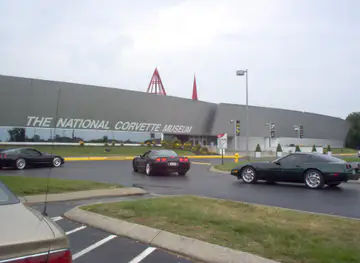
Discover Bowling Green, Kentucky: A blend of natural beauty, rich history, and vibrant culture. From the Corvette Museum to Mammoth Cave, there's something for everyone.
7 h 51 min drive · 451 km from city centre
Bowling Green
Discover Bowling Green, Kentucky: A blend of natural beauty, rich history, and vibrant culture. From the Corvette Museum to Mammoth Cave, there's something for everyone.
7 h 51 min drive · 451 km from city centre
-
 Frankfort
Discover the charm and history of Frankfort, Kentucky's capital city, with its stunning architecture, historical sites, natural beauty, and local flavors.
2 h 3 min drive · 103 km from city centre
Frankfort
Discover the charm and history of Frankfort, Kentucky's capital city, with its stunning architecture, historical sites, natural beauty, and local flavors.
2 h 3 min drive · 103 km from city centre
-
 Owensboro
Discover Owensboro, Kentucky – a charming city by the Ohio River, known for its rich history, mouth-watering barbecue, and vibrant music scene.
2 h 10 min drive · 110 km from city centre
Owensboro
Discover Owensboro, Kentucky – a charming city by the Ohio River, known for its rich history, mouth-watering barbecue, and vibrant music scene.
2 h 10 min drive · 110 km from city centre
Swipe for more cities

