

Free Crossroads of America Travel Guide & Mobile App
Explore Crossroads of America with free travel guides. Discover regional history, expert tips, proposed trips, and audio guides on web or mobile app.


Explore Indiana, the Crossroads of America, through Indianapolis culture, Lake Michigan dunes, historic towns, university cities and southern forests.
Read more about Crossroads of America
Getting to and around Crossroads of America
How to get there
Transportation
Top city travel guides in Crossroads of America
The cities of Crossroads of America, and the easiest places to base yourself.
-
-

-

-

-

-


Swipe for more cities
Destinations in Crossroads of America
Resorts, valleys and scenic spots worth a trip of their own.
-
-

-

-

-

-


Swipe for more destinations
Best attractions in Crossroads of America
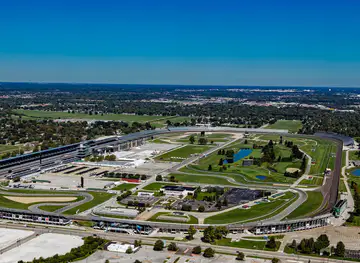
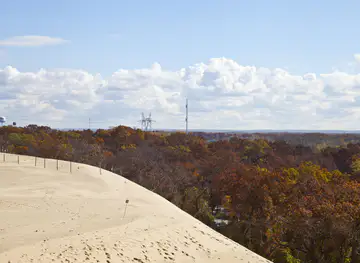
Indiana’s attractions range from major urban institutions to broad landscapes and small-town heritage. Indianapolis offers the Indianapolis Motor Speedway, the Indianapolis Zoo, the Indiana State Museum, the Eiteljorg Museum and the extensive grounds of Newfields. In the north-west, Indiana Dunes National Park combines Lake Michigan beaches with dunes, oak woodland, wetlands and habitats unusually varied for an urbanised shoreline. South Bend, Fort Wayne and Evansville provide museums, gardens and family-oriented cultural venues, while Bloomington adds university arts and access to nearby wooded country. State parks such as Turkey Run and Brown County are known for hiking through ravines, ridges and forest, and the Hoosier National Forest offers a more dispersed outdoor experience in southern Indiana. Historic destinations include Corydon, Madison and New Harmony, each presenting a different aspect of early statehood, river commerce or reform movements. Angel Mounds near Evansville preserves an important prehistoric archaeological landscape, while Columbus is a destination for modern architecture. Cycling, paddling, fishing, birdwatching and scenic driving are widely available, but activities and facilities vary significantly between urban and rural areas.
-
Children's museum
The Children's Museum of Indianapolis
Explore a World of Learning and Fun at The Children's Museum of Indianapolis, where imagination and discovery come alive for families and children.
-
National park
Indiana Dunes National Park
Experience the breathtaking beauty and diverse ecosystems of Indiana Dunes National Park, a must-visit destination for nature lovers and outdoor enthusiasts.
-
State park
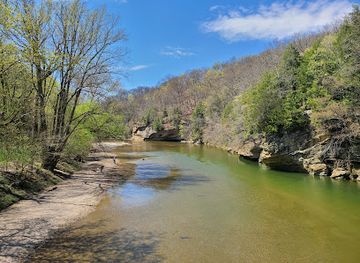
Turkey Run State Park
Explore Turkey Run State Park, Indiana's gem for outdoor adventures with breathtaking trails, serene waters, and vibrant wildlife.
-
State park
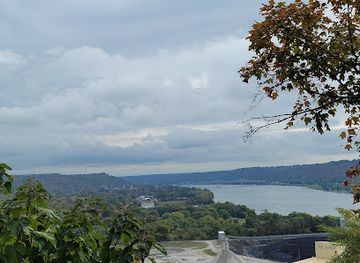
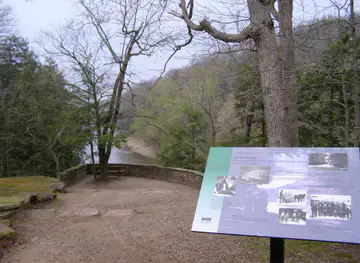
Clifty Falls State Park
Discover the breathtaking beauty of Clifty Falls State Park in Madison, Indiana, a natural retreat with stunning waterfalls and scenic trails for all adventurers.

Best landmarks in Crossroads of America
The Indiana Statehouse in Indianapolis is a prominent Romanesque Revival civic building and a practical starting point for understanding the state’s political history. Nearby Monument Circle, dominated by the Soldiers and Sailors Monument, provides the capital’s defining urban landmark. The Indianapolis Motor Speedway is another nationally recognised place, its oval track and associated museum representing more than a century of American motor racing. In southern Indiana, the Corydon Historic District preserves the setting of Indiana’s first state capital, while Madison’s riverfront historic district contains an unusually extensive collection of nineteenth-century buildings. Columbus is notable for the concentration of modern buildings by internationally recognised architects, including the First Christian Church and other civic, educational and religious structures. Indiana Dunes’ shifting ridges, beaches and woodland form the state’s most distinctive natural landmark landscape, shaped by Lake Michigan and industry nearby. Angel Mounds near Evansville is significant for its surviving earthworks and evidence of a large Mississippian community, offering a deeper perspective than the state’s later European-American architecture.
-
Monument
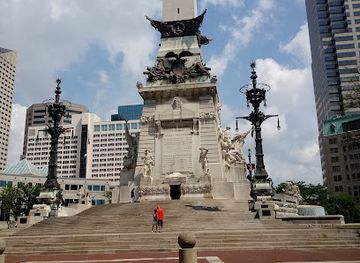
Soldiers & Sailors Monument
Explore the Soldiers & Sailors Monument, a stunning architectural marvel and historical landmark in the heart of Indianapolis, honoring military valor and sacrifice.
-
Museum
Indiana State Museum
Discover the rich history and natural beauty of Indiana at the Indiana State Museum, a must-visit attraction in Indianapolis for travelers.
-
Museum
Indiana War Memorial & Museum
Discover the Indiana War Memorial & Museum, where history, heroism, and remembrance come together in a captivating tribute to America's veterans.
-
Park
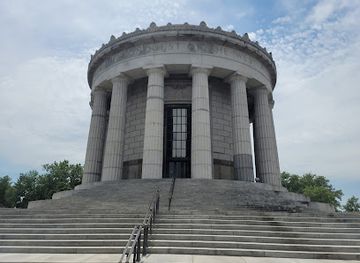
George Rogers Clark National Historical Park
Discover the rich history and serene beauty of George Rogers Clark National Historical Park, a treasure in Vincennes, Indiana.


Explore Crossroads of America on the map
Plan your trip on one map. See where the top cities, national parks and sights are, and book hotels and experiences in a few clicks.
Best hotels in Crossroads of America
Best restaurants in Crossroads of America
Indiana dining reflects Midwestern agriculture, immigrant influences and the distinct food cultures of its cities and small towns. The breaded pork tenderloin sandwich is the state’s most recognisable speciality, often served in diners, taverns and casual restaurants, while sugar cream pie is a traditional dessert associated with Indiana’s home baking. Corn, soy, seasonal fruit and locally raised meat appear on menus and at farmers’ markets, especially in the countryside and smaller communities. Indianapolis has the broadest choice of contemporary American, international and independent dining, while Bloomington, West Lafayette and South Bend benefit from university populations and diverse restaurant scenes. River towns and southern Indiana add traditional cafés, local bakeries and country inns, and the Lake Michigan area brings a stronger seasonal and beach-oriented dining culture. Craft breweries, coffee shops and food halls are most developed in the larger centres, but rural breweries and farm-based producers provide additional stops when travelling by car.
-
Seafood
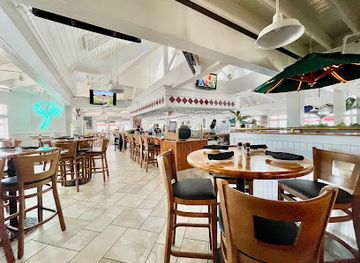
Rick's Café Boatyard
Discover fresh seafood and American favorites at Rick's Café Boatyard in Indianapolis - where every meal is a celebration by the water.
-
Sports bar
Twin Peaks
Experience delicious American cuisine and vibrant sports culture at Twin Peaks in Indianapolis – where every game feels like a celebration.
-
Steak
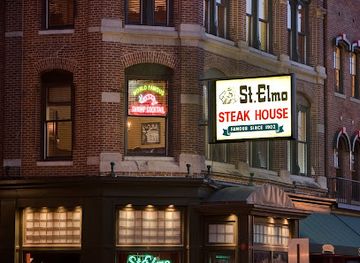
St. Elmo Steak House
Indulge in prime steaks and exquisite cocktails at St. Elmo Steak House - an iconic Indianapolis dining experience.
-
American
Ford's Garage Noblesville
Experience the best of American cuisine at Ford's Garage Noblesville—delicious burgers, BBQ delights, and a nostalgic automotive ambiance await.


Best bars in Crossroads of America
Indiana’s evening life is concentrated in Indianapolis, university cities and larger regional centres rather than spread evenly across the state. Indianapolis has the widest range of cocktail bars, breweries, live-music rooms, sports bars, theatres and late-night venues, particularly around the central city and nearby entertainment areas. Bloomington, West Lafayette and South Bend have a younger, student-influenced atmosphere, while Fort Wayne and Evansville provide established bar, concert and restaurant scenes for their surrounding regions. In smaller towns, evenings usually centre on traditional pubs, taverns, breweries, restaurants and occasional live music rather than nightclubs. Speedway has a strong motorsport identity, with the character of the area changing during major race periods. Rural destinations such as Brown County and the Ohio River towns are better suited to relaxed dinners, local drinks and early evening entertainment than to late-night clubbing.
-
Grill
Brothers Bar & Grill
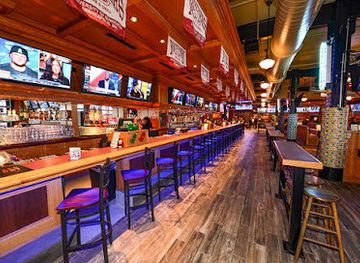
Experience the vibrant atmosphere of Brothers Bar & Grill in Indianapolis, where delicious food and sports entertainment come together.
-
New American
Tavern On South
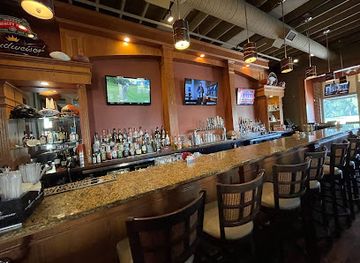
Experience the vibrant flavors of New American cuisine at Tavern On South, a must-visit culinary hotspot in Downtown Indianapolis.
-
Grill
Whiskey Bent Bar & Grill
Experience the ultimate grill and bar dining at Whiskey Bent Bar & Grill in Avon, Indiana—where flavor meets fun in a welcoming atmosphere.
-
Pub
The Lucky Marble
Discover Patoka's vibrant nightlife at The Lucky Marble, where friendly faces and great drinks create unforgettable experiences.


Best nightclubs in Crossroads of America
Indiana’s evening life is concentrated in Indianapolis, university cities and larger regional centres rather than spread evenly across the state. Indianapolis has the widest range of cocktail bars, breweries, live-music rooms, sports bars, theatres and late-night venues, particularly around the central city and nearby entertainment areas. Bloomington, West Lafayette and South Bend have a younger, student-influenced atmosphere, while Fort Wayne and Evansville provide established bar, concert and restaurant scenes for their surrounding regions. In smaller towns, evenings usually centre on traditional pubs, taverns, breweries, restaurants and occasional live music rather than nightclubs. Speedway has a strong motorsport identity, with the character of the area changing during major race periods. Rural destinations such as Brown County and the Ohio River towns are better suited to relaxed dinners, local drinks and early evening entertainment than to late-night clubbing.
-
Bar
Howl at the Moon Indianapolis
Unleash your fun at Howl at the Moon Indianapolis, where live music and crafted cocktails create an unforgettable nightlife experience.
-
Bar
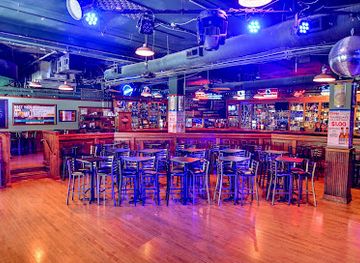
Epic Ultra Lounge
Discover the vibrant nightlife at Epic Ultra Lounge in Indianapolis, where great drinks, music, and a lively atmosphere await.
-
Night club
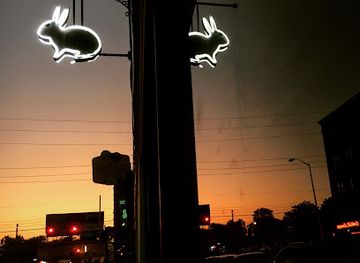
White Rabbit Cabaret
Discover the eclectic charm of White Rabbit Cabaret in Indianapolis, where live entertainment, comedy, and a vibrant atmosphere come together for an unforgettable night.
-
Night club
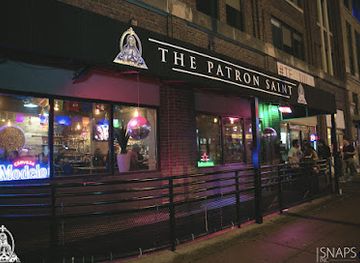
The Patron Saint
Discover the vibrant nightlife of Indianapolis at The Patron Saint, a premier night club in the Wholesale District offering music, dance, and unforgettable experiences.

Best shops in Crossroads of America
Shopping in Indiana is strongest in Indianapolis and the larger cities, where independent boutiques, bookshops, galleries, malls and speciality food retailers sit alongside national chains. The central capital has the broadest selection of art, design and locally produced goods, while Bloomington, West Lafayette and South Bend offer bookshops, record shops, crafts and gift stores influenced by university communities. Small historic towns such as Madison and New Harmony are suited to browsing antiques, galleries, handmade objects and architectural salvage rather than extensive retail. Farmers’ markets across the state are useful for seasonal produce, baked goods, preserves and locally made products, with schedules varying by community and season. Indiana-made souvenirs may include pottery, woodwork, textiles, art prints, specialty foods and products from local breweries. Near the dunes, shopping tends to combine practical outdoor goods, beach-oriented items and independent stores in lakeside communities, while outlet-style and large-scale retail is generally concentrated along major urban road corridors.
-
Shopping mall
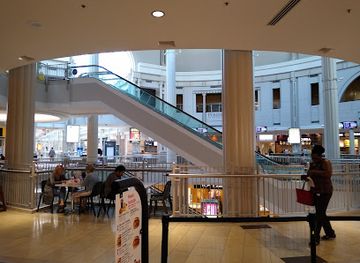
Circle Centre Mall
Discover the vibrant shopping experience at Circle Centre Mall in the heart of Indianapolis, featuring unique stores, dining, and entertainment.
-
Outlet mall
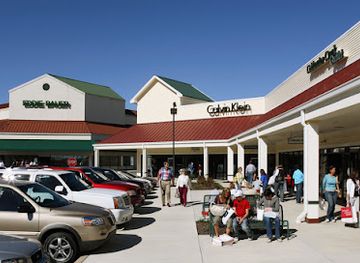
Indiana Premium Outlets
Discover incredible savings and a variety of brands at Indiana Premium Outlets—your ultimate shopping destination in Edinburgh, Indiana.
-
Outlet mall
Lighthouse Place Premium Outlets
Explore Lighthouse Place Premium Outlets in Michigan City, Indiana, for unbeatable deals on top brand merchandise in a serene outdoor setting.
-
Shopping mall
The Fashion Mall at Keystone
Explore the upscale shopping experience at The Fashion Mall at Keystone in Indianapolis, a blend of luxury boutiques and delightful dining.

Get your free copy of our complete guide to Crossroads of America, delivered straight to you.
Everything on this page, from attractions and restaurants to essentials and local phrases, in one PDF you can read offline, print or share.
Already have an account? Sign in
Your Crossroads of America guide is ready.
We'll send it to · Not you? Sign out

Getting your guide ready…
We are putting together a fresh copy of the Crossroads of America guide. This can take up to a minute.
This can take a few moments. If your browser asks, choose Allow so the download can start. You'll find the guide in your Downloads folder.
Nothing happened? Download it again
Sorry, the guide is taking longer than usual. Please try again in a minute, or get it by email instead.
Crossroads of America essentials
Currency and Payment
Safety
Emergency Situations
Do's and Don'ts
Local Tips
From Eve
Local phrases worth knowing
You don't need to get them perfect. A few words go a long way, and locals appreciate the effort.
Basics
| English | Local | Say it |
|---|---|---|
| Hello | Howdy | [Haudi] |
| Goodbye | See ya later | [See ya lay-ter] |
| Yes | Yep | [Yep] |
| No | Nope | [Nope] |
| Please/You're welcome | Please/No problem | [Please/No prob-lum] |
| Thank you | Thanks | [Thanks] |
| Excuse me/Sorry | Excuse me/Sorry | [Ex-kyoos me/Sor-ree] |
| How are you? | How ya doin'? | [How ya doin'?] |
| Fine. And you? | Good. And you? | [Good. And you?] |
| Do you speak English? | Do ya speak English? | [Do ya speak English?] |
| I don't understand | I don’t get it | [I don’t get it] |
Eating & Drinking
| English | Local | Say it |
|---|---|---|
| I'd like to see the menu, please | Can I see the menu, please? | [Can I see the menu, please?] |
| I don't eat meat | I’m a vegetarian | [I’m a vege-tarian] |
| Cheers! | Cheers! | [Cheers!] |
| I would like to pay, please | Can I get the check, please? | [Can I get the check, please?] |
Emergencies
| English | Local | Say it |
|---|---|---|
| Help! | Help! | [Help!] |
| Go away! | Leave me alone! | [Leave me a-lone!] |
| Call the Police! | Call the cops! | [Call the cops!] |
| Call a doctor! | Get me a doctor! | [Get me a doc-tor!] |
| I'm lost | I'm turned around | [I'm turned a-round] |
| I'm ill | I’m not feeling well | [I’m not feel-ing well] |
Shopping
| English | Local | Say it |
|---|---|---|
| I'd like to buy... | I wanna buy... | [I wanna buy...] |
| I'm just looking | Just browsing | [Just brows-ing] |
| How much is it? | What’s the price? | [What’s the price?] |
| That's too expensive | That’s too rich for my blood | [That’s too rich for my blood] |
| Can you lower the price? | Can ya give me a better deal? | [Can ya give me a better deal?] |
Time & Numbers
| English | Local | Say it |
|---|---|---|
| What time is it? | What time ya got? | [What time ya got?] |
| It's one o'clock | It’s one | [It’s one] |
| Half past (10) | Half past ten | [Half past ten] |
| Morning | Morning | [Morn-ing] |
| Afternoon | Afternoon | [Af-ter-noon] |
| Evening | Evening | [Eve-ning] |
| Yesterday | Yesterday | [Yes-ter-day] |
| Today | Today | [To-day] |
| Tomorrow | Tomorrow | [To-mor-row] |
| 1 | One | [One] |
| 2 | Two | [Two] |
| 3 | Three | [Three] |
| 4 | Four | [Four] |
| 5 | Five | [Five] |
| 6 | Six | [Six] |
| 7 | Seven | [Seven] |
| 8 | Eight | [Eight] |
| 9 | Nine | [Nine] |
| 10 | Ten | [Ten] |
Transport & Directions
| English | Local | Say it |
|---|---|---|
| Where's a/the...? | Where's a...? | [Where's a...?] |
| What's the address? | What’s the address? | [What’s the ad-dress?] |
| Can you show me (on the map)? | Can ya show me on the map? | [Can ya show me on the map?] |
| When's the next (bus)? | When’s the next bus? | [When’s the next bus?] |
| A ticket (to ....) | A ticket (to ...) | [A tick-et (to ...)] |
History of Crossroads of America
Indigenous Homelands and Ancient Earthworks
Long before Indiana became a US state, the region was home to Indigenous peoples including the Miami, Potawatomi, Delaware, Shawnee and Wea, among others. Earlier societies built earthworks, villages and ceremonial landscapes, and important archaeological remains survive at places such as Angel Mounds near Evansville in the south-west. Rivers including the Wabash, White and Ohio supported movement, trade and settlement. European-American expansion later brought treaties, warfare and forced removals that profoundly disrupted Indigenous communities, although Native nations and cultural organisations remain part of Indiana’s present-day story.
French Trade and the Wabash-Ohio Frontier
European influence developed through French exploration and trade networks connected to the Great Lakes and the Mississippi Valley. Forts and trading posts around the Wabash and lower Ohio corridors linked the region to wider imperial competition between France, Britain and Indigenous powers. After the American Revolution, the area became part of the United States’ north-western territories. Frontier settlement expanded unevenly, with river towns and military routes preceding the more systematic surveys and communities that followed.
Territorial Period and Statehood, 1800–1816
Indiana Territory was established in 1800, and Vincennes served as an important early centre of government and commerce. Corydon became the first state capital when Indiana entered the Union in 1816. The new state’s development involved land surveys, roads, river transport and contested relations with Indigenous peoples. Indianapolis was founded in 1821 near the centre of the state and was soon selected as the permanent capital, a decision that helped make it a political and transport centre.
Canals, Railways and the Rise of Industry
During the nineteenth century, Indiana’s economy shifted from scattered agricultural settlement towards an integrated market economy. The Wabash and Erie Canal briefly connected inland communities with Lake Erie, before railways became the dominant transport system. Grain, livestock, timber and limestone moved through growing towns, while manufacturing expanded in places such as Fort Wayne, South Bend, Muncie and Indianapolis. Limestone quarried in south-central Indiana became an important building material, visible in civic buildings and university architecture across the state.
Civil War and Indiana’s National Role
Indiana remained in the Union during the American Civil War and contributed soldiers, supplies and political support to the federal cause. Indianapolis developed as a major military camp and logistics centre, especially through Camp Morton, which also held Confederate prisoners of war. The war accelerated industrial production and transport links, while its aftermath shaped veterans’ organisations, public memory and the state’s relationship with national politics. Several museums, monuments and historic sites preserve aspects of this period.
Automobile Manufacturing and Industrial Modernity
Indiana became an important centre of automobile and related manufacturing during the twentieth century. The Indianapolis Motor Speedway opened in 1909, and the Indianapolis 500, first held in 1911, helped establish the state as a major centre of motor racing. Factories in Indianapolis, Fort Wayne, South Bend and other cities attracted workers and encouraged migration from across the United States and abroad. Manufacturing later contracted in many communities, but transport equipment, logistics, advanced manufacturing and racing remain important parts of Indiana’s economy and identity.
Modern Architecture and Cultural Investment
A notable twentieth-century cultural development was the commissioning of ambitious modern architecture in Columbus, in Bartholomew County. Industrialist J. Irwin Miller and the Cummins company supported architects including Eliel and Eero Saarinen, I. M. Pei and Richard Meier, producing a concentration of modern buildings in a relatively small city. Indianapolis also invested in museums, sports facilities and public spaces, while university towns such as Bloomington developed strong arts and music communities. These initiatives broadened Indiana’s cultural image beyond agriculture and industry.
Crossroads of America in Photos
Browse through our photo collection highlighting the charm and character of the destination.
Neighbouring regions of Crossroads of America
The closest regions to Crossroads of America, if you have time for more than one.
-

-

-

-

-


Swipe for more regions
Explore more

Explore more of Indiana
Explore Indiana: From the bustling streets of Indianapolis to the serene beauty of Indiana Dunes, discover the diverse experiences that make Indiana the Crossroads of America.
Explore Indiana