

Central Indiana, Indiana Travel Guide
Explore Central Indiana: A blend of vibrant city life, historical treasures, and natural beauty in the heart of the Midwest.
Central Indiana is a region filled with rich history, lush landscapes, and vibrant cities. This area is a blend of urban and rural experiences, offering something for every traveler. From the bustling streets of Indianapolis to the serene countryside, Central Indiana is a place of diverse experiences. Indianapolis, the state capital, is often the first stop for visitors. Known for its sporting events, including the famous Indianapolis 500, the city also boasts impressive museums and a thriving arts scene. The Indianapolis Museum of Art and the Children's Museum of Indianapolis are must-visits. For those who love the outdoors, the White River State Park offers beautiful trails and the Indianapolis Zoo. Beyond the city, Central Indiana's small towns and rural areas offer a peaceful retreat. Places like Brown County State Park and the quaint town of Nashville provide picturesque views and charming shops. The region is also known for its covered bridges and historical sites, such as the Conner Prairie Interactive History Park, which brings the 19th century to life with interactive exhibits and reenactments.

Know before you go
Hi, I'm Eve. Here are a few practical things to know before exploring Central Indiana.
- Visit during the Indianapolis 500 in May for an unforgettable experience.
- Explore the Indianapolis Cultural Trail on foot or by bike to see the city's best sights.
- Head to Brown County State Park in the fall for stunning foliage.
- Try local favorites like tenderloin sandwiches and sugar cream pie.
- Check out local farmers' markets for fresh produce and handmade goods.
Top City Travel Guides in Central Indiana
The cities of Central Indiana, and the easiest places to base yourself.

Destinations in Central Indiana
Resorts, valleys and scenic spots worth a trip of their own.


Explore Central Indiana: Things to Do, Places to Eat, Hotels & More
Handpicked recommendations for top attractions, local dining, accommodations, and more

Top Attractions & Sightseeing in Central Indiana
Top-rated picks
Best Attractions

Indianapolis Zoo
Discover diverse wildlife, engaging exhibits, and beautiful gardens at the Indianapolis Zoo, a top attraction for families and nature lovers.

The Children's Museum of Indianapolis
Discover imagination and adventure at The Children's Museum of Indianapolis, the largest children's museum in the world, perfect for family fun and learning.

Holiday World & Splashin' Safari
Experience the magic of holidays year-round at Holiday World & Splashin' Safari, a premier amusement and water park in Santa Claus, Indiana.

Lucas Oil Stadium
Discover the excitement of Lucas Oil Stadium, a premier sports and entertainment venue in Indianapolis, offering thrilling events and modern amenities.

Best landmarks in Central Indiana
Top-rated picks
Best Landmarks

Indianapolis Motor Speedway
Discover the thrill and history at the iconic Indianapolis Motor Speedway, home to the legendary Indy 500 and a premier destination for motorsport fans.

Louisville Slugger Museum & Factory
Explore the rich heritage of baseball at the Louisville Slugger Museum & Factory, where history and craftsmanship meet in the heart of Louisville.

Indiana Dunes National Park
Explore the breathtaking landscapes and rich biodiversity of Indiana Dunes National Park, a natural gem on Lake Michigan's southern shore.

Soldiers & Sailors Monument
Explore the Soldiers & Sailors Monument in Indianapolis, a historic tribute to valor with stunning views and rich tales of the past.

Best restaurants in Central Indiana
Top-rated picks
Best Restaurants

Das Dutchman Essenhaus
Experience authentic American cuisine and delightful baked goods at Das Dutchman Essenhaus in Middlebury - perfect for family gatherings.

Rick's Café Boatyard
Experience exquisite seafood and American cuisine at Rick's Café Boatyard—where delightful flavors meet stunning lakeside views.

St. Elmo Steak House
Experience culinary excellence at St. Elmo Steak House - where tradition meets exquisite flavors in the heart of Indianapolis.

The Beef House Restaurant & Dinner Theatre
Experience exquisite steaks and captivating live performances at The Beef House Restaurant & Dinner Theatre in Covington, Indiana.

Best bars in Central Indiana
Top-rated picks
Best Bars

Ale Emporium
Discover the vibrant Ale Emporium in Greenwood, Indiana, where delicious food, live music, and a lively atmosphere await every visitor.

Oaken Barrel Brewing Company
Discover the best of local craft beer and delicious pub cuisine at Oaken Barrel Brewing Company, a charming brewpub in Greenwood, Indiana.

Brothers Bar & Grill
Enjoy a delightful dining experience at Brothers Bar & Grill, where delicious grilled dishes meet a vibrant sports bar atmosphere in Indianapolis.

Tried & True Alehouse
Discover the heart of American cuisine at Tried & True Alehouse, where delicious meals and a lively atmosphere await in Greenwood, Indiana.

Best nightclubs in Central Indiana
Top-rated picks
Best Nightclubs

Howl at the Moon Indianapolis
Experience the vibrant nightlife at Howl at the Moon Indianapolis, where live music and handcrafted cocktails create unforgettable memories.

8 Seconds Saloon
Discover the lively nightlife of Indianapolis at 8 Seconds Saloon, where country music and great drinks create unforgettable memories.

The Bluebird
Discover the heart of Bloomington's nightlife at The Bluebird, where live music and vibrant energy create unforgettable nights out.

ICON Lounge
Experience the vibrant nightlife of Indianapolis at ICON Lounge, a stylish destination for cocktails and socializing in the heart of the city.

Best shops in Central Indiana
Top-rated picks
Best Shops

Circle Centre Mall
Discover the vibrant shopping and dining experience at Circle Centre Mall in the heart of Indianapolis, where local charm meets modern retail.

Indianapolis City Market
Explore the Indianapolis City Market: A vibrant hub of local culture, delicious food, and unique shopping experiences in the heart of downtown.

West Side Shoppes
Experience the lively atmosphere of West Side Shoppes, a premier shopping and dining destination in downtown Indianapolis.

Silver In the City
Explore Silver In the City - A treasure trove of unique gifts, home goods, and handcrafted jewelry in the heart of Indianapolis, IN.

Explore Central Indiana on the Map
A handpicked selection of must-see spots in Central Indiana, mapped for you.
Central Indiana Essentials
-
Central Indiana is accessible via several major highways including I-65, I-69, I-70, and I-74, making it easy to reach by car from neighboring states. The Indianapolis International Airport (IND) serves as the primary gateway for air travel, offering flights from multiple domestic and international destinations. Amtrak also provides rail service to Indianapolis via the Cardinal route, which connects Chicago to New York City. Greyhound and Megabus offer bus services to and from major cities across the Midwest.
-
Central Indiana offers a variety of transportation options. IndyGo operates the public bus system in Indianapolis, which includes the Red Line Bus Rapid Transit service. For intercity travel, renting a car is a convenient option, especially for exploring rural areas and small towns. Ride-sharing services like Uber and Lyft are widely available in urban areas. Biking is another viable option, particularly in Indianapolis, which has numerous bike lanes and the popular Cultural Trail.
-
The official currency is the United States Dollar (USD). Credit and debit cards are widely accepted in most establishments, including restaurants, hotels, and shops. ATMs are plentiful, particularly in urban areas. However, it's always a good idea to carry some cash, especially when visiting rural areas or smaller towns where card acceptance may be limited.
-
Central Indiana is generally a safe destination for tourists. However, it's advisable to exercise caution in certain areas of Indianapolis, such as parts of the east and west sides, which have higher crime rates. Always stay aware of your surroundings, avoid walking alone at night in unfamiliar areas, and keep your belongings secure. In case of emergency, dial 911 for immediate assistance.
-
In case of an emergency, dial 911. Indianapolis is home to several major hospitals, including IU Health Methodist Hospital and Eskenazi Health. Urgent care centers and pharmacies are also widely available. It's recommended to have travel insurance that covers medical emergencies. For non-emergencies, local police stations and fire departments are available to assist.
-
Fashion: Do dress in layers, as weather can be unpredictable. Avoid overly casual attire when dining in upscale restaurants. Religion: Do respect local customs, especially when visiting religious sites. Public Transport: Do use exact change on buses and be respectful of fellow passengers. Don't be loud or disruptive. Greetings: Do greet people with a friendly 'Hello' or 'Hi'. A firm handshake is common in business settings. Eating & Drinking: Do try local specialties like pork tenderloin sandwiches and sugar cream pie. Don't forget to tip your server, typically 15-20%.
-
To experience Central Indiana like a local, visit the Indianapolis City Market for fresh produce and local crafts. Take a stroll along the Canal Walk in downtown Indianapolis. Attend a local sporting event, such as an Indianapolis Colts football game or an Indiana Pacers basketball game. For a unique experience, explore the covered bridges in Parke County, known as the 'Covered Bridge Capital of the World'.
When is the best time to visit Central Indiana?
Useful Local Phrases for Central Indiana
You don't need to speak the language perfectly. Even learning a few simple words can make conversations warmer—and locals usually appreciate the effort.
— Eve

Here are the phrases I use most often in Central Indiana. Try a few—you'll be surprised how far they go! 😊
❤️
-
- HelloHey
[hay] - GoodbyeSee ya
[see yah] - YesYep
[yehp] - NoNope
[nohp] - Please/You're welcomeSure thing
[shur thing] - Thank youThanks
[thanks] - Excuse me/SorrySorry 'bout that
[saw-ree bowt that] - How are you?How ya doin'?
[how yah doin'?] - Fine. And you?Good. You?
[gud. yoo?] - Do you speak English?Do ya speak English?
[doo yah speek ing-glish?] - I don't understandI don’t get it
[eye dont get it]
- HelloHey
-
- I'd like to see the menu, pleaseCan I see the menu?
[kan eye see the men-yoo?] - I don't eat meatI don’t eat meat
[eye dont eet meet] - Cheers!Cheers!
[cheers] - I would like to pay, pleaseCan I get the check?
[kan eye get the chek?]
- I'd like to see the menu, pleaseCan I see the menu?
-
- Help!Help!
[help] - Go away!Leave me alone!
[leeve me uh-lone] - Call the Police!Call the cops!
[kol the cops] - Call a doctor!Get a doctor!
[get a dok-tor] - I'm lostI’m lost
[eye'm lost] - I'm illI feel sick
[eye feel sik]
- Help!Help!
-
- I'd like to buy...I wanna buy...
[eye wanna bye...] - I'm just lookingJust lookin'
[juhst lookin'] - How much is it?How much is this?
[how muhch is this?] - That's too expensiveThat’s way too pricey
[thats way too pry-see] - Can you lower the price?Can ya lower the price?
[kan yah loh-er the pryce?]
- I'd like to buy...I wanna buy...
-
- What time is it?What time is it?
[what time is it?] - It's one o'clockIt’s one o’clock
[its wun uh-clock] - Half past (10)Half past ten
[haf past ten] - MorningMorning
[mor-ning] - AfternoonAfternoon
[af-ter-noon] - EveningEvening
[eev-ning] - YesterdayYesterday
[yes-ter-day] - TodayToday
[to-day] - TomorrowTomorrow
[to-mor-row] - 1One
[wun] - 2Two
[too] - 3Three
[three] - 4Four
[for] - 5Five
[five] - 6Six
[six] - 7Seven
[sev-en] - 8Eight
[ate] - 9Nine
[nine] - 10Ten
[ten]
- What time is it?What time is it?
-
- Where's a/the...?Where’s the...?
[where’s the...?] - What's the address?What’s the address?
[what’s the ad-dress?] - Can you show me (on the map)?Can you show me on the map?
[kan you show me on the map?] - When's the next (bus)?When’s the next bus?
[when’s the next bus?] - A ticket (to ....)A ticket to...
[a tik-et to...]
- Where's a/the...?Where’s the...?
History of Central Indiana
-
Before European settlers arrived, Central Indiana was inhabited by various Native American tribes, including the Miami, Wea, and Potawatomi. These indigenous peoples cultivated the land, hunted, and established thriving communities. The region's rivers and forests provided ample resources, and evidence of their presence can be found in the numerous mounds and artifacts scattered across the area.
-
In 1821, Indianapolis was selected as the site for the new state capital of Indiana due to its central location. Alexander Ralston, a surveyor who had previously worked under Pierre L'Enfant in designing Washington, D.C., was tasked with planning the city. His grid design, centered around the Governor's Circle (now Monument Circle), remains a prominent feature of the city. Indianapolis quickly grew, aided by its strategic position along the National Road and later, the arrival of the railroad.
-
The discovery of natural gas in Central Indiana during the late 19th century led to an economic boom known as the Indiana Gas Boom. Towns like Muncie, Anderson, and Kokomo experienced rapid industrial growth as factories and glassworks were established to take advantage of the cheap and abundant energy source. This era significantly shaped the region's industrial landscape, although the boom eventually subsided as gas reserves were depleted.
-
Central Indiana played a crucial role in the early automobile industry. In the early 20th century, Kokomo became known as the 'City of Firsts' due to several automotive innovations, including America's first car built by Elwood Haynes in 1894. The region continued to be a hub for automotive manufacturing, with companies like Studebaker, Stutz, and Duesenberg contributing to its legacy. The Indianapolis Motor Speedway, opened in 1909, further cemented the area's connection to the automotive world.
-
During the early to mid-20th century, Central Indiana, particularly Indianapolis, experienced significant demographic changes as part of the Great Migration. African Americans moved from the rural South to urban centers in the North, seeking better economic opportunities and escaping racial segregation. This migration led to the development of vibrant African American communities in cities like Indianapolis, contributing richly to the region's cultural and social fabric.
-
In recent decades, Central Indiana has seen significant urban renewal and cultural renaissance. Indianapolis has transformed into a vibrant metropolis with a thriving arts scene, numerous museums, and sporting venues. The revitalization of neighborhoods, the establishment of cultural districts like Fountain Square and Mass Ave, and the growth of institutions such as the Indianapolis Museum of Art and the Children's Museum of Indianapolis highlight the region's ongoing evolution.
Neighbouring Regions of Central Indiana
The closest regions to Central Indiana, if you have time for more than one.


Your all‑in‑one travel companion app
Explore expert travel guides, compare and book tours, experiences, hotels, and more—all from the palm of your hand. Download now for seamless trip planning wherever your wanderlust takes you.


Explore More of Indiana

Looking beyond Central Indiana? Discover Indiana for broader travel guides, local hot-spots, and regional highlights.
Explore IndianaCentral Indiana in Photos
Browse through our photo collection highlighting the charm and character of the destination.


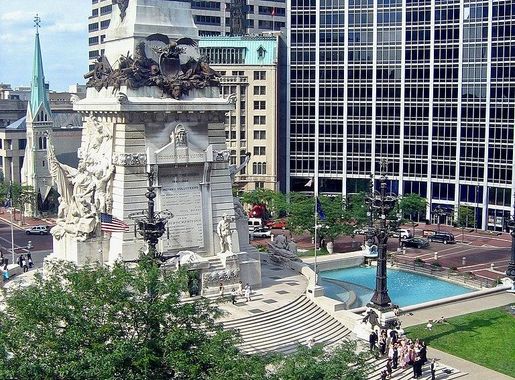


The Heartland of America: Central Indiana
Central Indiana is a region filled with rich history, lush landscapes, and vibrant cities. This area is a blend of urban and rural experiences, offering something for every traveler. From the bustling streets of Indianapolis to the serene countryside, Central Indiana is a place of diverse experiences. Indianapolis, the state capital, is often the first stop for visitors. Known for its sporting events, including the famous Indianapolis 500, the city also boasts impressive museums and a thriving arts scene. The Indianapolis Museum of Art and the Children's Museum of Indianapolis are must-visits. For those who love the outdoors, the White River State Park offers beautiful trails and the Indianapolis Zoo. Beyond the city, Central Indiana's small towns and rural areas offer a peaceful retreat. Places like Brown County State Park and the quaint town of Nashville provide picturesque views and charming shops. The region is also known for its covered bridges and historical sites, such as the Conner Prairie Interactive History Park, which brings the 19th century to life with interactive exhibits and reenactments.