

Free Aceh Travel Guide & Mobile App
Explore Aceh with free travel guides. Discover regional history, expert tips, proposed trips, and audio guides on web or mobile app.


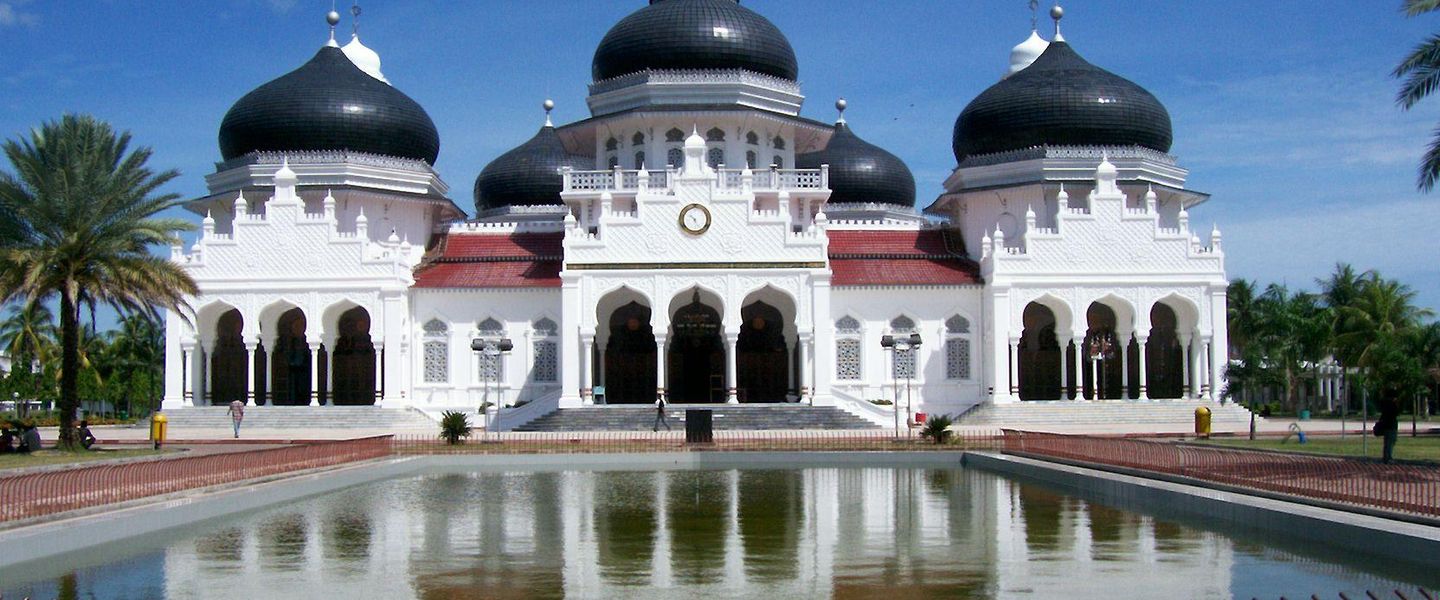


Explore Aceh's Islamic heritage, tsunami history, Gayo highlands, rainforest wildlife, coral reefs and island landscapes in northern Sumatra.
Read more about Aceh
When is the best time to visit Aceh?
Best: June–August · 30–31°C| Month | High (°C) | Rainfall (mm) |
|---|---|---|
| January | 30 | 200 |
| February | 30 | 190 |
| March | 30 | 180 |
| April | 31 | 170 |
| May | 31 | 160 |
| June (best) | 31 | 150 |
| July (best) | 30 | 140 |
| August (best) | 30 | 150 |
| September | 30 | 160 |
| October | 30 | 170 |
| November | 30 | 180 |
| December | 30 | 190 |
Getting to and around Aceh
How to get there
Transportation
Top city travel guides in Aceh
The cities of Aceh, and the easiest places to base yourself.

Swipe for more cities
Destinations in Aceh
Resorts, valleys and scenic spots worth a trip of their own.
-

-


Swipe for more destinations
Best attractions in Aceh
Aceh's attractions combine maritime history, Islamic heritage, post-tsunami remembrance and varied natural environments. Banda Aceh is the principal cultural centre, with the Baiturrahman Grand Mosque, the Aceh Tsunami Museum, Museum Aceh and monuments connected with the former sultanate and the 2004 disaster. Coastal districts near the capital offer beaches such as Lampuuk and Lhoknga, while the west coast and offshore islands provide quieter scenery, surfing and coral-rich waters. Weh Island is the province's best-established diving and snorkelling destination, with Iboih, Rubiah Island and other sites reached from the island's coastal villages. Inland, Lake Tawar and Takengon introduce visitors to the cooler Gayo highlands, coffee plantations and mountain landscapes. In southeastern Aceh, guided excursions around Ketambe and the Leuser ecosystem focus on rainforest ecology and wildlife, including the possibility of seeing orangutans without treating sightings as guaranteed. Remote areas such as Simeulue and the Banyak Islands appeal to surfers, divers and independent travellers prepared for simpler infrastructure, variable transport and weather-sensitive access.
-
History museum
Museum Tsunami Aceh
Discover the powerful history of the 2004 tsunami at Museum Tsunami Aceh, a poignant tribute to resilience and recovery in Banda Aceh.
-
Park
Lapangan Blang Padang
Explore the lush landscapes and cultural richness of Lapangan Blang Padang, a must-see park in Banda Aceh City.
-
Museum
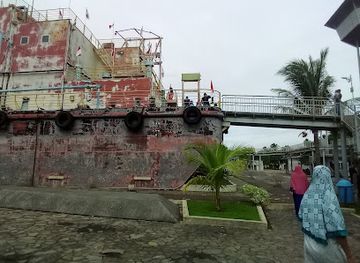
Museum PLTD Apung
Explore Banda Aceh's rich maritime history and resilience at the unique Museum PLTD Apung, a testament to culture and survival.
-
Landmark
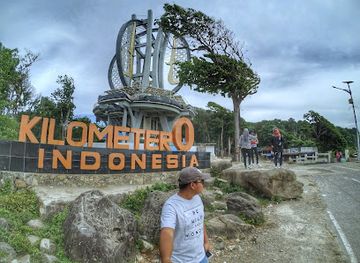
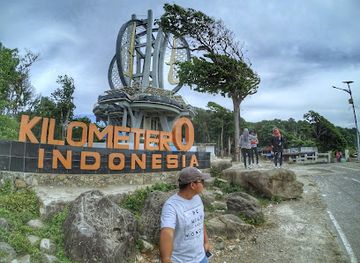
Kilometer Nol Monument
Discover the Kilometer Nol Monument in Sabang City, Aceh - a historical landmark marking the westernmost point of Indonesia, surrounded by breathtaking natural beauty.
Best landmarks in Aceh
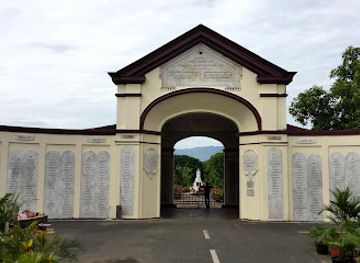
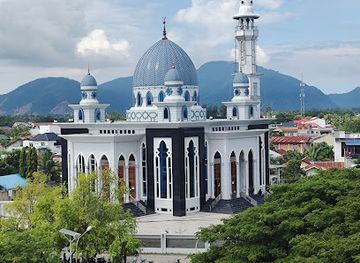
Baiturrahman Grand Mosque in central Banda Aceh is Aceh's most recognisable architectural landmark. Its white façades, dark domes and broad open setting make it both a major religious centre and a powerful symbol of the city, having survived the 2004 tsunami while surrounding areas were devastated. Nearby, Gunongan is an unusual white-plastered royal monument associated with the seventeenth-century Acehnese court, and the surviving gate of the former royal complex helps convey the scale of the old sultanate. The Aceh Tsunami Museum is an important contemporary landmark, designed as a memorial and educational institution rather than simply an exhibition venue. The large PLTD Apung, a power-generating barge carried inland by the tsunami, remains a striking reminder of the disaster's force. Outside the capital, Lake Tawar forms a major natural landmark of the Gayo highlands, enclosed by mountains and agricultural slopes. Weh Island's sea cliffs, forested headlands and the waters around Rubiah Island provide a different kind of landmark: a marine landscape whose significance lies in reefs, visibility and the meeting of island ecology with Aceh's western seaboard.
-
History museum
Museum Tsunami Aceh
Discover the powerful stories of resilience at Museum Tsunami Aceh, a poignant tribute to the 2004 tsunami and the strength of the Acehnese spirit.
-
Park
Lapangan Blang Padang
Explore Lapangan Blang Padang, Banda Aceh's lush park filled with history, culture, and vibrant community spirit, perfect for tourists and locals alike.
-
Museum
Museum PLTD Apung
Discover the resilience of Banda Aceh's history at Museum PLTD Apung, a maritime museum showcasing the region's journey through natural disasters and cultural heritage.
-
Landmark
Kilometer Nol Monument
Explore the stunning Kilometer Nol Monument in Sabang City, Aceh, marking Indonesia's westernmost point with rich history and breathtaking views.
Explore Aceh on the map
Plan your trip on one map. See where the top cities, national parks and sights are, and book hotels and experiences in a few clicks.
Best hotels in Aceh
Best restaurants in Aceh
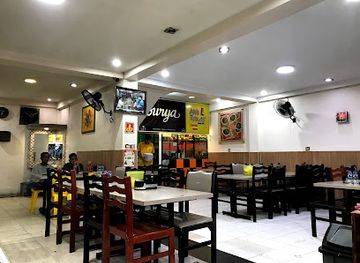
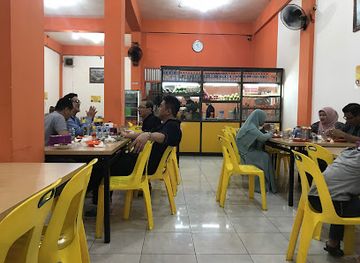
Acehnese cooking is one of northern Sumatra's most distinctive food traditions, combining noodles, seafood, meat, coconut, herbs and assertive spice. Mie Aceh, usually served fried or in a rich broth with seafood, beef or chicken, is widely available in Banda Aceh and other towns. Kuah pliek u, a vegetable and coconut-based dish associated with Aceh, offers a more specifically regional expression, while grilled fish, spicy curries, rice dishes and savoury snacks reflect the province's long coastal trade connections. Coffee is central to the culture of the Gayo highlands, and cafés in Takengon and Banda Aceh commonly serve beans from the surrounding plantations. Food stalls, simple restaurants and family-run coffee shops are often more representative than formal dining rooms. In coastal areas, local seafood is prominent, though availability varies by season and location. Visitors should ask about ingredients, chilli levels and cooking methods, particularly when navigating dietary restrictions, and should remember that alcohol is not a normal feature of public dining in much of Aceh.
-
Noodle Shop
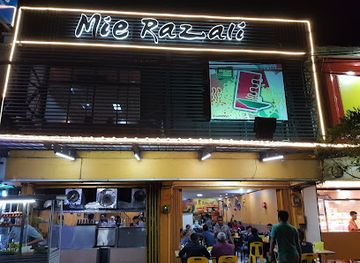
Mie Razali
Experience authentic Indonesian flavors at Mie Razali in Banda Aceh - a noodle lover's paradise offering rich dishes in a cozy setting.
-
Nasi goreng restaurant
Mie & Nasi Goreng Bardi
Experience authentic Indonesian cuisine at Mie & Nasi Goreng Bardi - a top spot for delicious fried rice and noodles in Banda Aceh.
-
Indian
Canai Mamak KL
Experience authentic Indian cuisine at Canai Mamak KL in Banda Aceh – where every dish tells a story.
-
Soup shop
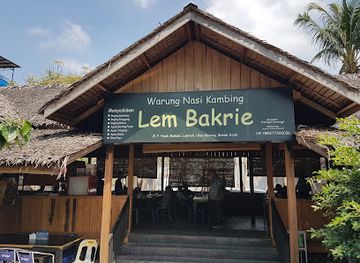
Lem Bakrie
Experience authentic Indonesian flavors at Lem Bakrie, Banda Aceh's top soup shop offering a delightful culinary journey.
Best bars in Aceh
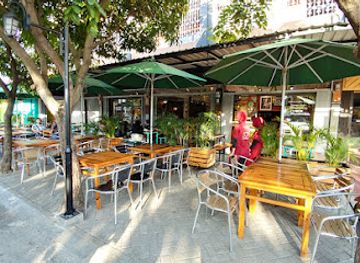
Aceh does not have the party-oriented nightlife associated with some Indonesian resort destinations. Evening life in Banda Aceh centres on coffee shops, tea stalls, casual restaurants, dessert cafés and public spaces where people meet and talk, with some venues remaining open late without functioning as bars. Weh Island has a small visitor-oriented evening scene around Iboih and other accommodation areas, but it is generally quiet and shaped by diving, sunset views and relaxed meals rather than nightclubs. Alcohol is restricted and socially sensitive under Aceh's local regulations, so visitors should not expect a conventional bar circuit. Music and cultural performances may appear through organised events, hotels or community programmes, while larger towns offer occasional live entertainment. During Ramadan and religious holidays, evening patterns change considerably, and visitors should follow local guidance rather than assuming that familiar nightlife customs apply.
-
Noodle Shop
Mie Razali
Discover the authentic taste of Banda Aceh at Mie Razali, a beloved noodle shop offering a delightful variety of traditional and modern noodle dishes.
-
Restaurant
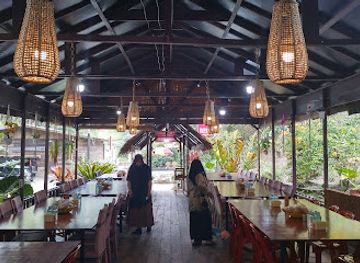
Gegarang Resto
Experience authentic Acehnese cuisine at Gegarang Resto, where flavors of the region come alive in a cozy dining atmosphere.
-
Coffee shop
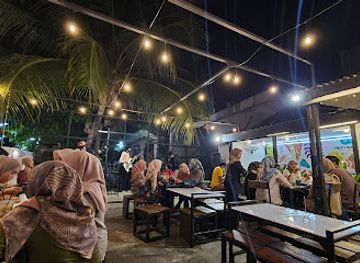
CIRCLE CAFE
Discover the charm of Banda Aceh at Circle Cafe, where local flavors meet a cozy atmosphere in a delightful coffee shop experience.
-
Cafe
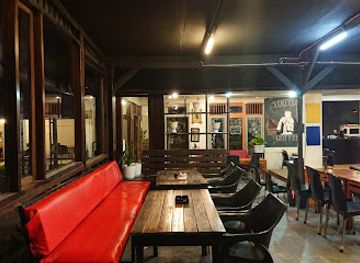
TOOTOR COFFEE, TAKENGON
Discover Tootor Coffee in Takengon, where exquisite brews meet a vibrant atmosphere, perfect for coffee lovers and food enthusiasts alike.
Best nightclubs in Aceh
Aceh does not have the party-oriented nightlife associated with some Indonesian resort destinations. Evening life in Banda Aceh centres on coffee shops, tea stalls, casual restaurants, dessert cafés and public spaces where people meet and talk, with some venues remaining open late without functioning as bars. Weh Island has a small visitor-oriented evening scene around Iboih and other accommodation areas, but it is generally quiet and shaped by diving, sunset views and relaxed meals rather than nightclubs. Alcohol is restricted and socially sensitive under Aceh's local regulations, so visitors should not expect a conventional bar circuit. Music and cultural performances may appear through organised events, hotels or community programmes, while larger towns offer occasional live entertainment. During Ramadan and religious holidays, evening patterns change considerably, and visitors should follow local guidance rather than assuming that familiar nightlife customs apply.
-
Cafe
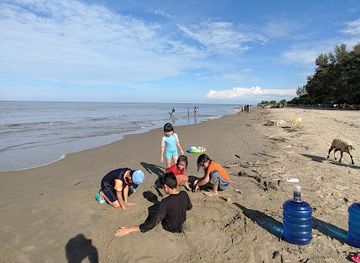
Moon Beach Club
Discover the tranquil beauty of Moon Beach Club, a charming café nestled along the stunning Aceh coastline, perfect for relaxation and delightful dining.
-
Night club
Scot Kupi
Experience the vibrant nightlife of Banda Aceh at Scot Kupi, where music, dance, and local culture collide for an unforgettable evening.
-
Lounge
Rebel's Smoke Room
Discover relaxation at Rebel's Smoke Room, Aceh's cozy lounge offering a delightful mix of local drinks and a welcoming atmosphere.
-
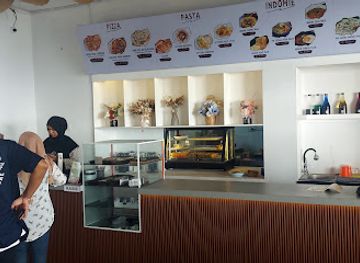
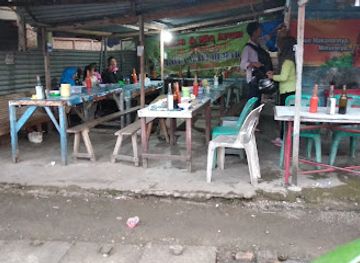
Bar
Kuala Beukah
Discover the vibrant local culture at Kuala Beukah, a lively bar in East Aceh Regency, where refreshing drinks meet friendly faces.

Best shops in Aceh
Shopping in Aceh is centred on traditional markets, modest urban high streets, food stores and specialist craft outlets rather than large luxury retail districts. Banda Aceh is the best place to look for regional snacks, woven textiles, Islamic goods, books, household products and souvenirs connected with Acehnese history. Coffee from the Gayo highlands is one of the most practical gifts, although buyers should choose sealed, clearly labelled beans when travelling internationally. Acehnese songket and other woven fabrics, traditional jewellery, carved objects and locally made handicrafts may be found through markets or craft sellers, with designs and availability varying between communities. Weh Island offers small shops aimed at visitors, while Takengon is a useful place to explore highland produce and coffee. Markets are also important for experiencing everyday commerce, but bargaining should remain courteous and realistic. Check customs and airline restrictions before purchasing food, plant products, shells or wildlife-related items, and avoid anything made from protected species or taken from coral reefs.
-
Shopping mall
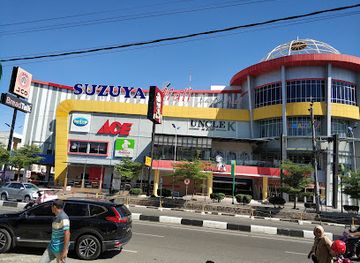
Suzuya Mall Banda Aceh
Experience the best of shopping, dining, and local culture at Suzuya Mall Banda Aceh – a vibrant hub for tourists and locals alike.
-
Market
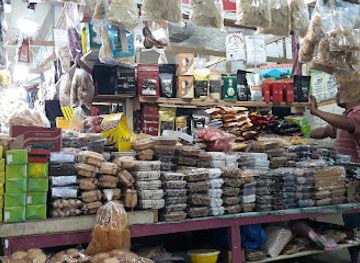
Pasar Aceh
Pasar Aceh: A lively market experience blending local culture, delicious cuisine, and unique crafts in the heart of Banda Aceh.
-
Shopping mall
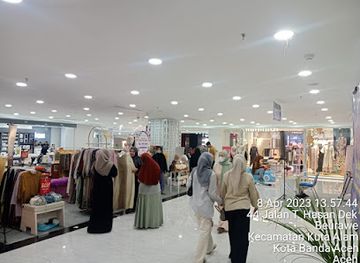
Plaza Aceh
Discover the essence of Banda Aceh at Plaza Aceh, a shopping mall offering a unique blend of local culture, international brands, and culinary delights.
-
Store
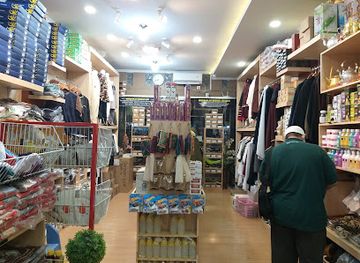
Saudi Store
Explore the vibrant Saudi Store in Banda Aceh for unique local crafts, souvenirs, and an authentic shopping experience that reflects Aceh's rich culture.
Get your free copy of our complete guide to Aceh, delivered straight to you.
Everything on this page, from attractions and restaurants to essentials and local phrases, in one PDF you can read offline, print or share.
Already have an account? Sign in
Your Aceh guide is ready.
We'll send it to · Not you? Sign out

Getting your guide ready…
We are putting together a fresh copy of the Aceh guide. This can take up to a minute.
This can take a few moments. If your browser asks, choose Allow so the download can start. You'll find the guide in your Downloads folder.
Nothing happened? Download it again
Sorry, the guide is taking longer than usual. Please try again in a minute, or get it by email instead.
Aceh essentials
Currency and Payment
Safety
Emergency Situations
Do's and Don'ts
Local Tips
From Eve
Local phrases worth knowing
You don't need to get them perfect. A few words go a long way, and locals appreciate the effort.
Basics
| English | Local | Say it |
|---|---|---|
| Hello | Halo | [ha-lo] |
| Goodbye | Selamat tinggal | [se-la-mat tin-gal] |
| Yes | Iya | [ee-ya] |
| No | Tidak | [ti-dak] |
| Please/You're welcome | Silakan/Sama-sama | [si-la-kan/sa-ma sa-ma] |
| Thank you | Terima kasih | [te-ri-ma ka-sih] |
| Excuse me/Sorry | Maaf | [ma-af] |
| How are you? | Apa kabar? | [a-pa ka-bar] |
| Fine. And you? | Baik. Dan kamu? | [ba-ik. dan ka-mu] |
| Do you speak English? | Apakah kamu bisa bahasa Inggris? | [a-pa-kah ka-mu bi-sa ba-ha-sa ing-gris] |
| I don't understand | Saya tidak mengerti | [sa-ya ti-dak meng-er-ti] |
Eating & Drinking
| English | Local | Say it |
|---|---|---|
| I'd like to see the menu, please | Saya ingin melihat menu, silakan | [sa-ya in-gin me-li-hat me-nu, si-la-kan] |
| I don't eat meat | Saya tidak makan daging | [sa-ya ti-dak ma-kan da-ging] |
| Cheers! | Selamat! | [se-la-mat] |
| I would like to pay, please | Saya ingin membayar, silakan | [sa-ya in-gin mem-ba-yar, si-la-kan] |
Emergencies
| English | Local | Say it |
|---|---|---|
| Help! | Tolong! | [to-long] |
| Go away! | Pergi! | [per-gi] |
| Call the Police! | Panggil Polisi! | [pang-gil po-li-si] |
| Call a doctor! | Panggil dokter! | [pang-gil dok-ter] |
| I'm lost | Saya tersesat | [sa-ya ter-se-sat] |
| I'm ill | Saya sakit | [sa-ya sa-kit] |
Shopping
| English | Local | Say it |
|---|---|---|
| I'd like to buy... | Saya ingin membeli... | [sa-ya in-gin mem-be-li] |
| I'm just looking | Saya hanya melihat | [sa-ya han-ya me-li-hat] |
| How much is it? | Berapa harganya? | [be-ra-pa har-ga-nya] |
| That's too expensive | Itu terlalu mahal | [i-tu ter-la-lu ma-hal] |
| Can you lower the price? | Bisakah Anda menurunkan harga? | [bi-sa-kah an-da me-nu-run-kan har-ga] |
Time & Numbers
| English | Local | Say it |
|---|---|---|
| What time is it? | Jam berapa? | [jam be-ra-pa] |
| It's one o'clock | Jam satu | [jam sa-tu] |
| Half past (10) | Setengah (10) | [se-ten-gah] |
| Morning | Pagi | [pa-gi] |
| Afternoon | Sore | [so-re] |
| Evening | Malam | [ma-lam] |
| Yesterday | Kemarin | [ke-ma-rin] |
| Today | Hari ini | [ha-ri i-ni] |
| Tomorrow | Besok | [be-sok] |
| 1 | Satu | [sa-tu] |
| 2 | Dua | [du-a] |
| 3 | Tiga | [ti-ga] |
| 4 | Empat | [em-pat] |
| 5 | Lima | [li-ma] |
| 6 | Enam | [e-nam] |
| 7 | Tujuh | [tu-juh] |
| 8 | Delapan | [de-la-pan] |
| 9 | Sembilan | [sem-bi-lan] |
| 10 | Sepuluh | [se-pu-luh] |
Transport & Directions
| English | Local | Say it |
|---|---|---|
| Where's a/the...? | Di mana ...? | [di ma-na] |
| What's the address? | Apa alamatnya? | [a-pa a-la-mat-nya] |
| Can you show me (on the map)? | Bisakah kamu tunjukkan (di peta)? | [bi-sa-kah ka-mu tun-juk-kan di pe-ta] |
| When's the next (bus)? | Kapan (bus) berikutnya? | [ka-pan bus be-ri-kut-nya] |
| A ticket (to ....) | Tiket (ke ....) | [ti-ket ke] |
History of Aceh
Early Settlement and the Gayo Highlands
Archaeological discoveries around the Gayo highlands, particularly near Lake Tawar, indicate human settlement in Aceh long before the emergence of written states. Highland communities developed agricultural systems suited to volcanic valleys and maintained distinctive cultural traditions, while coastal populations participated in exchange across the Indian Ocean and the Malacca Strait. The region's geography encouraged several centres of power rather than one uniform society. Evidence from caves, upland settlements and later trading ports helps explain why Aceh contains both strongly local traditions and cultural influences arriving by sea.
Samudera Pasai and the Arrival of Islam
The northern coast of Sumatra became an important centre of Muslim trade during the medieval period. Samudera Pasai, generally associated with the area around present-day North Aceh, is widely regarded as one of the earliest Islamic sultanates in the Indonesian archipelago. Its rulers issued coins, built commercial relationships across the Indian Ocean and helped establish Islam as a major force in the region. Although the historic kingdom is not identical to the modern province, its legacy is central to Aceh's reputation as one of Southeast Asia's oldest Islamic political centres.
The Aceh Sultanate and Indian Ocean Trade
From the sixteenth century, the Aceh Sultanate became a powerful state based in the northern part of Sumatra. Its rulers controlled or influenced ports, traded pepper and other commodities, and competed with Portuguese, Malay and other regional powers for access to the Malacca Strait. The sultanate also supported Islamic scholarship, diplomacy and architecture. Banda Aceh's surviving religious and royal monuments, together with traditions of learning and manuscript culture, reflect this period of political ambition and commercial connection.
Colonial War and the Dutch East Indies
The Dutch declared war on the Aceh Sultanate in 1873, beginning one of the longest and most costly conflicts of Dutch colonial expansion in the archipelago. Fighting continued for decades, involving the sultanate's forces, religious leaders, local communities and changing Dutch military strategies. Although the Dutch established greater administrative control, resistance persisted in many areas. The conflict left a deep legacy in Acehnese historical memory and helps explain the importance attached to local religious authority, political autonomy and resistance to outside rule.
War, Occupation and the Modern Province
Aceh experienced upheaval during the Japanese occupation in the 1940s and the Indonesian struggle for independence that followed. Tensions over the relationship between the province and the central government later contributed to the emergence of the Free Aceh Movement, or GAM, in 1976. The conflict affected towns and rural communities for decades. The 2005 Helsinki Memorandum of Understanding ended the armed conflict and led to a new political settlement, including expanded regional autonomy and the formation of local political institutions.
The 2004 Indian Ocean Tsunami
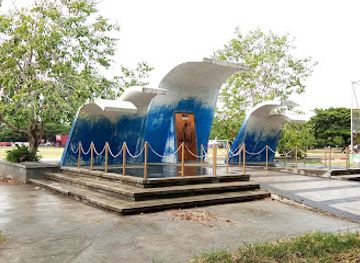
On 26 December 2004, a powerful undersea earthquake off the western coast of Sumatra generated a tsunami that devastated Aceh more severely than any other region. Banda Aceh and coastal districts suffered enormous loss of life, displacement and destruction of homes, infrastructure and historic neighbourhoods. International relief and reconstruction reshaped the province in the following years. The Tsunami Museum, mass graves, the floating power barge known as PLTD Apung and surviving coastal landscapes serve both as memorials and as places for understanding disaster preparedness and recovery.
Aceh in Photos
Browse through our photo collection highlighting the charm and character of the destination.
Neighbouring regions of Aceh
The closest regions to Aceh, if you have time for more than one.
-

-

-

-

-


Swipe for more regions
Explore more

Explore more of Indonesia
Explore Indonesia: An archipelago of diverse cultures, stunning landscapes, and endless adventures from bustling cities to serene beaches.
Explore Indonesia