

Free North Sumatra Travel Guide & Mobile App
Explore North Sumatra with free travel guides. Discover regional history, expert tips, proposed trips, and audio guides on web or mobile app.


North Sumatra combines Medan’s heritage, Lake Toba’s volcanic scenery, Batak culture, highland farms and rainforest wildlife.
Read more about North Sumatra
When is the best time to visit North Sumatra?
Best: December–February · 31°C| Month | High (°C) | Rainfall (mm) |
|---|---|---|
| January (best) | 31 | 100 |
| February (best) | 31 | 110 |
| March | 32 | 130 |
| April | 32 | 140 |
| May | 32 | 150 |
| June | 32 | 160 |
| July | 32 | 150 |
| August | 32 | 140 |
| September | 32 | 130 |
| October | 32 | 120 |
| November | 32 | 110 |
| December (best) | 31 | 100 |
Getting to and around North Sumatra
How to get there
Transportation
Top city travel guides in North Sumatra
The cities of North Sumatra, and the easiest places to base yourself.

Swipe for more cities
Destinations in North Sumatra
Resorts, valleys and scenic spots worth a trip of their own.
-

-


Swipe for more destinations
Best attractions in North Sumatra
North Sumatra’s attractions range from Medan’s palaces, mosques, museums and historic commercial streets to expansive natural landscapes. The Lake Toba basin is the province’s central scenic draw, with boat trips, lakeside villages, swimming areas and cultural visits across Samosir and the surrounding shores. In the Karo highlands, Berastagi offers agricultural scenery, fruit and flower markets, mountain viewpoints and access to Mount Sibayak, subject to current conditions. Bukit Lawang provides a base for guided rainforest walks on the edge of Gunung Leuser National Park, where the focus is habitat and conservation as much as wildlife viewing. The western island of Nias adds traditional villages, megalithic sites and surf beaches, while coastal and rural districts offer quieter journeys through plantations, rice fields and fishing communities. Visitors should expect substantial travel times between these areas and arrange specialist activities with responsible local guides.
-
Tourist attraction
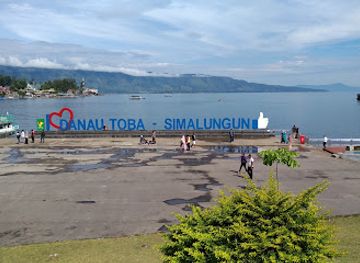
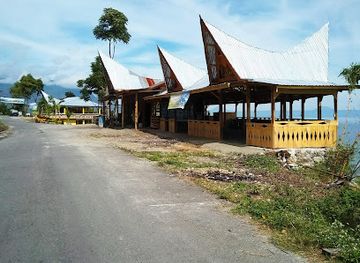
Pantai Bebas Parapat Danau Toba
Experience the breathtaking beauty of Pantai Bebas Parapat, a must-visit tourist attraction along Lake Toba, offering relaxation and cultural immersion.
-
Scenic spot
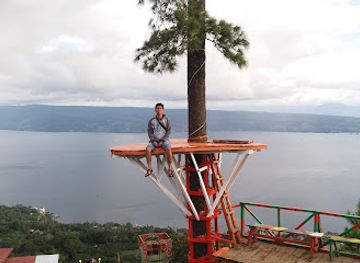
Bukit Indah Simarjarunjung
Explore Bukit Indah Simarjarunjung, where stunning views of Lake Toba meet rich cultural experiences in the heart of North Sumatra.
-
Catholic church
Graha Bunda Maria Annai Velangkanni
Explore the stunning Graha Bunda Maria Annai Velangkanni, a magnificent Catholic church blending Indian and local architectural styles in Medan.
-
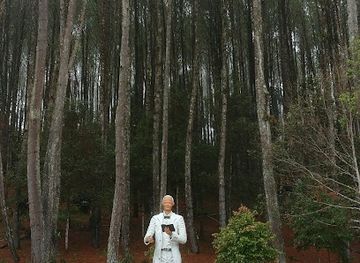
Tourist attraction
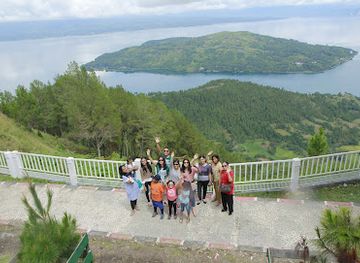
Sipinsur Park Geosite and Pine Forest
Explore Sipinsur Park Geosite and Pine Forest in North Sumatra, a serene destination with stunning views and lush pine forests perfect for nature lovers.

Best landmarks in North Sumatra
Maimun Palace in Medan is North Sumatra’s most recognisable royal building, associated with the Deli Sultanate and notable for its combination of Malay, Islamic, Indian and European architectural influences. Nearby, the Great Mosque of Medan, or Masjid Raya Al-Mashun, forms an important historic and religious ensemble dating from the same period of sultanate patronage. Lake Toba itself is the province’s defining natural landmark: its immense caldera, steep margins and island of Samosir express the scale of the ancient volcanic event that shaped the region. In Samosir, traditional Batak houses, stone seats, tombs and ceremonial sites preserve distinctive architectural and ancestral traditions, particularly around villages such as Tomok and nearby cultural settlements. Mount Sibayak is a prominent volcanic landmark above the Karo highlands, while the forests of Gunung Leuser represent a nationally and internationally significant natural landscape rather than a single monument. On Nias, megalithic stones and traditional houses provide landmarks of a cultural world distinct from the mainland.
-
Scenic spot
Air Terjun Sipiso Piso
Experience the breathtaking beauty of Air Terjun Sipiso Piso, one of Indonesia's tallest waterfalls, surrounded by lush nature and hiking trails.
-
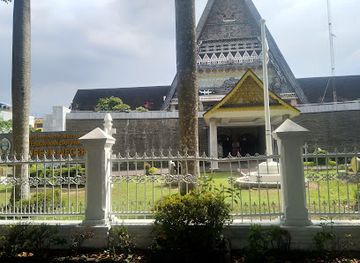
Museum
State Museum of North Sumatra
Uncover the fascinating history and culture of North Sumatra at the State Museum, a must-visit destination for every traveler in Medan.
-
Tourist attraction
Efrata Waterfall
Discover the enchanting Efrata Waterfall, a breathtaking gem in Samosir Regency, North Sumatra, where nature's beauty meets tranquility.
-
Monument
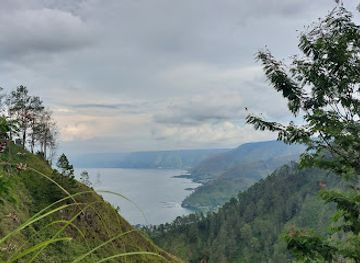
Salib Kasih
Discover the spiritual and scenic allure of Salib Kasih, a monumental cross in North Tapanuli, perfect for reflection and breathtaking views.
Explore North Sumatra on the map
Plan your trip on one map. See where the top cities, national parks and sights are, and book hotels and experiences in a few clicks.
Best hotels in North Sumatra
Best restaurants in North Sumatra
North Sumatran food reflects the province’s Batak, Malay, Chinese, Indian and broader Indonesian influences. Medan is particularly rewarding for street food, coffee shops, market eating and restaurants serving dishes such as soto Medan, a coconut-rich spiced soup, and the sweet, layered dessert known as bika ambon. Batak cooking may include strongly seasoned grilled or stewed meats and freshwater fish, while local menus vary according to religious and community traditions; visitors should ask about ingredients, especially pork, blood, alcohol and halal preparation. Around Lake Toba, freshwater fish, cassava, vegetables and simple grilled dishes are common, while Berastagi’s fertile uplands supply fruit, vegetables and flowers to the region. Nias has its own food traditions based on rice, root crops, seafood and local seasonings. Cafés and restaurants in Medan offer the widest choice, whereas lakeside and rural dining often centres on family-run eateries, guesthouses and market stalls.
-
Indonesian
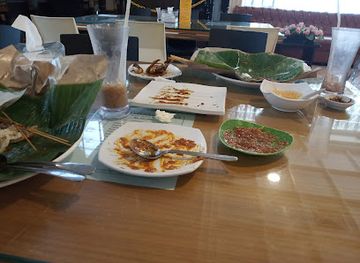
Budaya Resto
Experience authentic Indonesian flavors at Budaya Resto - a seafood paradise nestled in North Sumatra's vibrant dining scene.
-
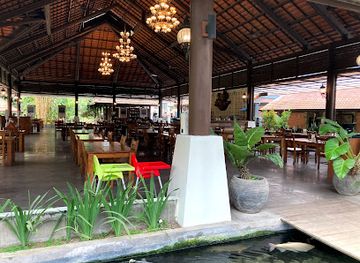
Restaurant
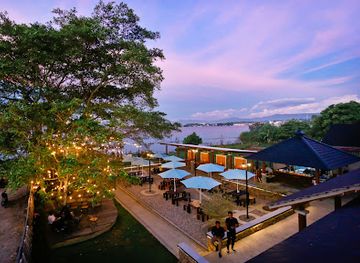
Damar Toba ~ Lakeside Eatery & Stay
Discover Damar Toba: Where Culinary Excellence Meets Lakeside Serenity in North Sumatra.
-
Indonesian
Miramar Restaurant, Medan
Experience authentic Indonesian cuisine at Miramar Restaurant in Medan – where tradition meets taste in every dish.
-
Restaurant
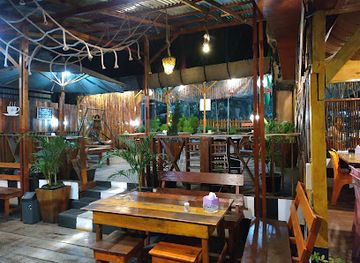
LaPinus Damasus
Experience authentic Indonesian cuisine at LaPinus Damasus near Lake Toba - where flavor meets breathtaking views.
Best bars in North Sumatra
North Sumatra’s evening culture is concentrated in Medan, where restaurants, cafés, hotel lounges, karaoke venues and a modest selection of bars provide the broadest choice. Alcohol availability varies according to venue, neighbourhood and local regulations, and nightlife is generally less extensive in rural districts. In Berastagi and around Lake Toba, evenings are more likely to centre on cafés, hotel restaurants, guesthouse terraces and informal live music than on large clubs. Samosir has a small visitor-oriented after-dark scene in lakeside areas, but it can be seasonal and quiet outside peak periods. Bukit Lawang is focused on early starts, riverside restaurants and social guesthouse spaces rather than late-night entertainment. Local customs and religious observance differ between communities, so visitors should keep public behaviour considerate and avoid assuming that alcohol is part of every social setting.
-
Restaurant
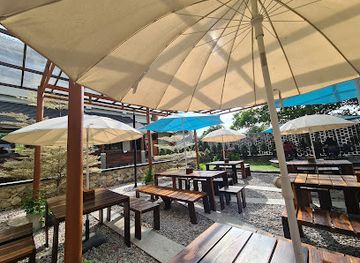
Damar Toba ~ Lakeside Eatery & Stay
Experience the perfect blend of culinary delight and serene lakeside views at Damar Toba, your ultimate destination on the shores of Lake Toba.
-
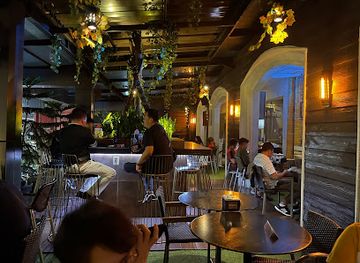
Bar
BISTRONOMIX
Discover the vibrant culinary scene at Bistronomix in Medan, where bar culture meets café charm for an unforgettable dining experience.
-
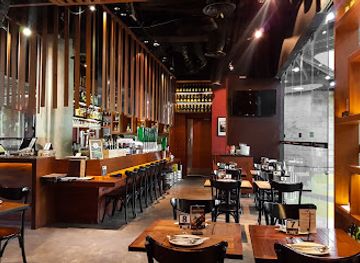
Bar
District 10 Restaurant & Bar
Discover the vibrant culinary experience at District 10 Restaurant & Bar, where diverse flavors meet a lively atmosphere in Medan.
-
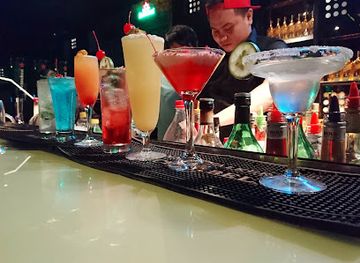
Disco club
Retrospective Reserve
Join the vibrant nightlife at Retrospective Reserve, Medan's premier disco club, where electrifying beats and a lively atmosphere await.
Best nightclubs in North Sumatra
North Sumatra’s evening culture is concentrated in Medan, where restaurants, cafés, hotel lounges, karaoke venues and a modest selection of bars provide the broadest choice. Alcohol availability varies according to venue, neighbourhood and local regulations, and nightlife is generally less extensive in rural districts. In Berastagi and around Lake Toba, evenings are more likely to centre on cafés, hotel restaurants, guesthouse terraces and informal live music than on large clubs. Samosir has a small visitor-oriented after-dark scene in lakeside areas, but it can be seasonal and quiet outside peak periods. Bukit Lawang is focused on early starts, riverside restaurants and social guesthouse spaces rather than late-night entertainment. Local customs and religious observance differ between communities, so visitors should keep public behaviour considerate and avoid assuming that alcohol is part of every social setting.
-
Disco club
Retrospective Reserve
Dive into the nightlife at Retrospective Reserve, Medan's premier disco club, where music, dance, and unforgettable memories await.
-
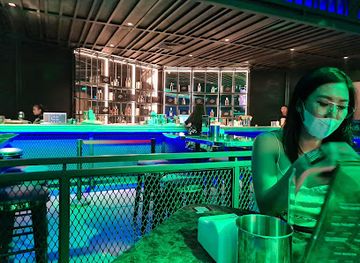
Night club
SHOOT RESTO BAR CLUB
Dive into the vibrant nightlife of Medan at SHOOT RESTO BAR CLUB, where music, drinks, and fun come together in an unforgettable experience.
-
Bar
H7 Club & KTV
Discover Medan's vibrant nightlife at H7 Club & KTV, where music, drinks, and unforgettable entertainment come alive.
-
Club
HW Tiger Club Medan
Experience the vibrant nightlife of Medan at HW Tiger Club, a premier destination for unforgettable nights filled with music, dance, and socializing.



Best shops in North Sumatra
Medan has North Sumatra’s widest shopping scene, combining modern malls with traditional markets, independent food shops and established commercial streets. Visitors commonly look for local coffee, dried fruit, spices, sambal, sweets and packaged snacks, although freshness and labelling should be checked before carrying food internationally. Berastagi’s markets are known for highland produce, including fruit, vegetables and flowers, while lakeside markets and workshops on Samosir offer woven textiles, woodcarving and other Batak-inspired handicrafts. Buy directly from makers where possible and ask about the meaning and provenance of culturally significant designs rather than treating ceremonial objects as ordinary souvenirs. Nias offers distinctive woven goods, carvings and locally made crafts, though choice varies by island and town. Art galleries, small craft shops and guesthouse displays are more common than formal luxury retail outside Medan, and bargaining is customary in many markets but should remain polite.
-
Shopping mall
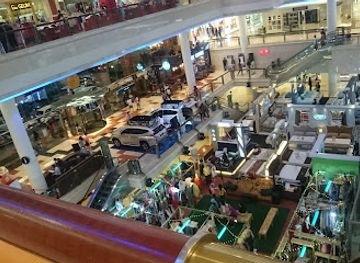
Sun Plaza
Explore Sun Plaza: Medan's premier shopping mall offering diverse retail, dining, and entertainment experiences in a modern setting.
-
Shopping mall
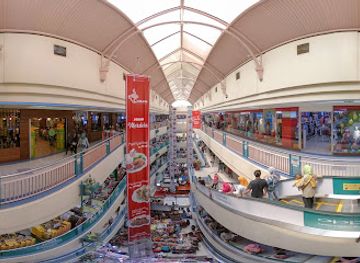
Plaza Medan Fair
Discover a vibrant shopping haven at Plaza Medan Fair, where diverse retail, dining, and entertainment await every visitor in Medan.
-
Shopping mall
Medan Mall
Explore Medan Mall, a vibrant shopping haven in Medan City, offering a variety of stores, dining options, and a lively atmosphere for all visitors.
-
Market
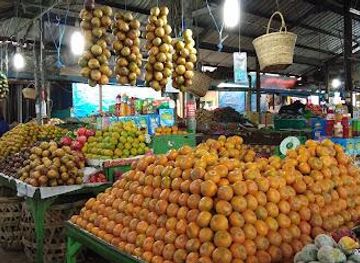
Pasar Buah Berastagi
Discover the colorful and vibrant Pasar Buah Berastagi, a cultural market in North Sumatra brimming with fresh produce and local handicrafts.

Get your free copy of our complete guide to North Sumatra, delivered straight to you.
Everything on this page, from attractions and restaurants to essentials and local phrases, in one PDF you can read offline, print or share.
Already have an account? Sign in
Your North Sumatra guide is ready.
We'll send it to · Not you? Sign out

Getting your guide ready…
We are putting together a fresh copy of the North Sumatra guide. This can take up to a minute.
This can take a few moments. If your browser asks, choose Allow so the download can start. You'll find the guide in your Downloads folder.
Nothing happened? Download it again
Sorry, the guide is taking longer than usual. Please try again in a minute, or get it by email instead.
North Sumatra essentials
Currency and Payment
Safety
Emergency Situations
Do's and Don'ts
Local Tips
From Eve
Local phrases worth knowing
You don't need to get them perfect. A few words go a long way, and locals appreciate the effort.
Basics
| English | Local | Say it |
|---|---|---|
| Hello | Halo | [Hah-lo] |
| Goodbye | Selamat tinggal | [Seh-lah-mat teen-gahl] |
| Yes | Iya | [Ee-yah] |
| No | Tidak | [Tee-dahk] |
| Please/You're welcome | Silakan/ Sama-sama | [See-lah-kahn/ Sah-mah sah-mah] |
| Thank you | Terima kasih | [Teh-ree-mah kah-see] |
| Excuse me/Sorry | Permisi/Maaf | [Pehr-mee-see/ Mah-ahf] |
| How are you? | Apa kabar? | [Ah-pah kah-bar] |
| Fine. And you? | Baik. Dan Anda? | [Ba-eek. Dan Ah-ndah?] |
| Do you speak English? | Apakah Anda bisa berbahasa Inggris? | [Ah-pah-kah Ah-ndah bee-sah ber-bah-sah Eeng-gris?] |
| I don't understand | Saya tidak mengerti | [Sah-yah tee-dahk men-gehr-tee] |
Eating & Drinking
| English | Local | Say it |
|---|---|---|
| I'd like to see the menu, please | Saya ingin melihat menu, silakan | [Sah-yah een-gin meh-lihat meh-noo, see-lah-kahn] |
| I don't eat meat | Saya tidak makan daging | [Sah-yah tee-dahk mah-kahn dah-ging] |
| Cheers! | Selamat minum! | [Seh-lah-mat mee-noom] |
| I would like to pay, please | Saya ingin membayar, silakan | [Sah-yah een-gin mem-bah-yar, see-lah-kahn] |
Emergencies
| English | Local | Say it |
|---|---|---|
| Help! | Tolong! | [Toh-long] |
| Go away! | Pergi jauh! | [Peh-r-gee jah-oo] |
| Call the Police! | Panggil polisi! | [Pahn-gil poh-lee-see] |
| Call a doctor! | Panggil dokter! | [Pahn-gil dok-ter] |
| I'm lost | Saya tersesat | [Sah-yah ter-seh-saht] |
| I'm ill | Saya sakit | [Sah-yah sah-kit] |
Shopping
| English | Local | Say it |
|---|---|---|
| I'd like to buy... | Saya ingin membeli... | [Sah-yah een-gin mem-beh-li...] |
| I'm just looking | Saya hanya melihat | [Sah-yah han-yah meh-lihat] |
| How much is it? | Berapa harganya? | [Beh-rah-pah har-gah-nya?] |
| That's too expensive | Itu terlalu mahal | [Ee-too ter-lah-loo mah-hal] |
| Can you lower the price? | Bisakah Anda menurunkan harga? | [Bee-sah-kah Ah-ndah meh-noo-roon-kahn har-gah?] |
Time & Numbers
| English | Local | Say it |
|---|---|---|
| What time is it? | Jam berapa sekarang? | [Jahm beh-rah-pah seh-kah-rang?] |
| It's one o'clock | Jam satu | [Jahm sah-too] |
| Half past (10) | Setengah sebelas | [Seh-teng-ah seh-beh-lahs] |
| Morning | Pagi | [Pah-gee] |
| Afternoon | Sore | [Soh-ray] |
| Evening | Malam | [Mah-lahm] |
| Yesterday | Kemarin | [Keh-mah-rin] |
| Today | Hari ini | [Hah-ree ee-nee] |
| Tomorrow | Besok | [Beh-sok] |
| 1 | Satu | [Sah-too] |
| 2 | Dua | [Doo-ah] |
| 3 | Tiga | [Tee-gah] |
| 4 | Empat | [Em-pah-t] |
| 5 | Lima | [Lee-mah] |
| 6 | Enam | [Eh-nahm] |
| 7 | Tujuh | [Too-joo] |
| 8 | Delapan | [Deh-lah-pahn] |
| 9 | Sembilan | [Sem-bee-lahn] |
| 10 | Sepuluh | [Seh-poo-looh] |
Transport & Directions
| English | Local | Say it |
|---|---|---|
| Where's a/the...? | Di mana ...? | [Dee mah-nah ...?] |
| What's the address? | Apa alamatnya? | [Ah-pah ah-lah-maht-nya?] |
| Can you show me (on the map)? | Bisakah Anda menunjukkan (di peta)? | [Bee-sah-kah Ah-ndah men-unjuk-kahn (dee peh-tah)?] |
| When's the next (bus)? | Kapan bus berikutnya? | [Kah-pahn boos beh-ree-kut-nya?] |
| A ticket (to ....) | Sebuah tiket (ke ....) | [Seh-boo-ahh tee-ket (keh ....)] |
History of North Sumatra
Early settlement and megalithic traditions
North Sumatra has a long history of settlement by Austronesian-speaking communities, with agricultural societies developing across the highlands, river valleys and islands. Archaeological and cultural evidence is particularly visible in the megalithic traditions of Nias, where stone monuments, ancestral memorials and ceremonial architecture remain important to the island’s historical identity. Around Lake Toba, the Batak peoples developed distinct communities, customary law and artistic traditions. These societies were not isolated: trade routes connected inland settlements with the west and east coasts, allowing goods, ideas and religious influences to circulate across the region.
Indian Ocean and Islamic trading networks
From the early second millennium onwards, maritime commerce linked the northern Sumatran coast with ports around the Indian Ocean, the Malay world and the Bay of Bengal. Islam spread through trading connections and political centres, especially in coastal areas, while older belief systems continued to shape inland societies. Muslim sultanates including Deli, Langkat and Asahan later became important in the lowlands. Their influence can still be seen in surviving royal buildings, mosques, court traditions and place names, particularly around Medan and the eastern coastal plain.
The Deli Sultanate and the rise of Medan
Medan grew from a settlement in the territory of the Deli Sultanate into a major regional centre during the nineteenth century. Its expansion was closely tied to the commercial value of tobacco cultivated on the fertile Deli plain. The sultanate retained a ceremonial and political presence while European companies, Chinese merchants, Indian traders and migrant labourers transformed the city’s population and economy. Maimun Palace and the Great Mosque of Medan belong to this period of political and commercial change, when Medan became the principal urban gateway to northern Sumatra.
Plantations, railways and colonial infrastructure
Dutch colonial rule brought large-scale plantation agriculture to eastern North Sumatra, initially associated with tobacco and later with rubber, oil palm and other commodities. The plantation economy reshaped landholding, labour and migration, drawing workers from Java and elsewhere in the archipelago as well as from overseas communities. Roads, railways, ports and administrative buildings were constructed to move produce towards the coast. Many modern economic patterns and social contrasts in the province have roots in this period, although the system also involved coercive labour conditions and unequal control of land and resources.
War, occupation and Indonesian independence
North Sumatra experienced the upheavals of Japanese occupation during the Second World War, followed by the Indonesian Revolution and the struggle to establish the new republic. Wartime shortages and forced labour affected communities across the province, while the post-1945 conflict brought political uncertainty and armed confrontation. The end of colonial rule altered the status of sultanates and plantations, although royal institutions and colonial buildings remained part of the cultural landscape. Medan’s strategic position made it especially important in the political and military history of early independent Indonesia.
The 1948–1949 Darul Islam conflict
Parts of North Sumatra were affected by the Darul Islam rebellion, an armed movement that challenged the authority of the Indonesian state in the late 1940s and 1950s. The conflict reflected disputes over the shape of the new republic, regional autonomy and the role of Islam in national politics. It was eventually suppressed, but the period left a lasting mark on the province’s political history. Understanding this episode helps place North Sumatra within the wider difficulties Indonesia faced while consolidating independence across a geographically fragmented archipelago.
Lake Toba, tourism and environmental change
Lake Toba became increasingly prominent as a domestic and international tourism destination during the twentieth century, combining scenic landscapes with Batak cultural heritage. Tourism brought new income to Samosir and lakeside communities, while roads, hotels and ferry connections expanded access. At the same time, plantation growth, deforestation, fisheries, waste and changing land use have created environmental pressures throughout North Sumatra. Contemporary conservation efforts therefore address both the protection of forests and wildlife, including orang-utans in the Gunung Leuser landscape, and the sustainable management of heavily visited lake and highland areas.
North Sumatra in Photos
Browse through our photo collection highlighting the charm and character of the destination.
Neighbouring regions of North Sumatra
The closest regions to North Sumatra, if you have time for more than one.
-

-

-

-

-


Swipe for more regions
Explore more

Explore more of Indonesia
Explore Indonesia: An archipelago of diverse cultures, stunning landscapes, and endless adventures from bustling cities to serene beaches.
Explore Indonesia