

Free Lake Placid Travel Guide & Mobile App
Plan your Lake Placid trip with Evendo. Get free guides to top attractions, restaurants, hotels, and bars. Web access or download the mobile app.


Lake Placid, New York blends Adirondack scenery, Olympic heritage, village walks, museum visits and year-round outdoor adventures in the High Peaks.
Mountain Village and Olympic Stage
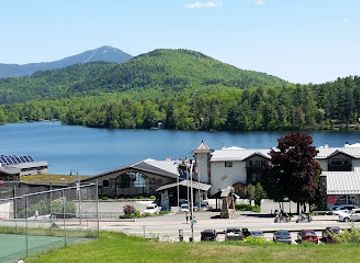
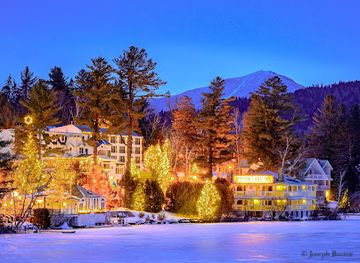
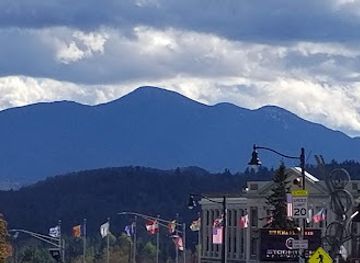
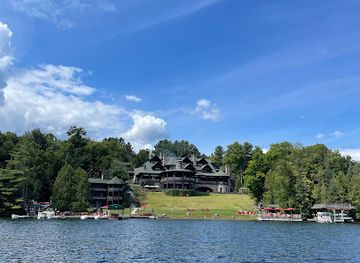
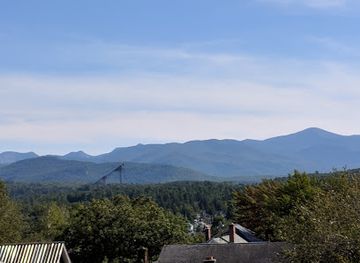
Lake Placid occupies a sheltered valley in New York State’s Adirondack Mountains, where forested peaks rise around a compact village and the calm waters of Mirror Lake. Its identity is inseparable from winter sport: the community hosted the 1932 and 1980 Winter Olympics, and the venues, arenas and ski structures remain central to the visitor experience. Yet Lake Placid is more than an Olympic setting. Main Street follows the lakefront with independent shops, cafés and restaurants, while nearby paths, viewpoints and wooded roads lead into a landscape shaped by paddling, hiking, skiing and cycling.Read more about Lake Placid
Adirondack Character
When is the best time to visit Lake Placid?
Best: June–August · 23–26°C| Month | High (°C) | Rainfall (mm) |
|---|---|---|
| January | -2 | 69 |
| February | -2 | 58 |
| March | 5 | 69 |
| April | 11 | 79 |
| May | 18 | 94 |
| June (best) | 23 | 109 |
| July (best) | 26 | 99 |
| August (best) | 24 | 104 |
| September | 19 | 94 |
| October | 14 | 89 |
| November | 6 | 89 |
| December | -1 | 79 |
Getting to and around Lake Placid
How to get there
Transportation
Best attractions in Lake Placid
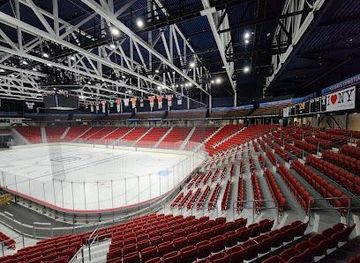
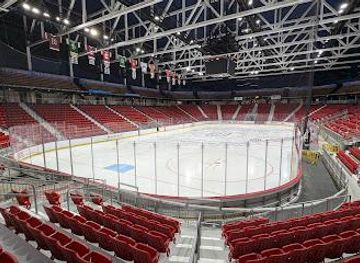
Lake Placid’s principal attractions combine Olympic history with the landscape of the Adirondacks. The Lake Placid Olympic Museum, in the Olympic Center, explores the 1932 and 1980 Winter Games through sporting objects, film and interpretive displays, while the arena remains an important setting for skating and events. Mirror Lake provides a quieter counterpoint, with a shoreline path, paddling and clear views towards the surrounding hills. Mount Van Hoevenberg, outside the village, offers year-round trails and Olympic cross-country, biathlon and sliding-sport facilities. John Brown Farm State Historic Site in nearby North Elba adds a powerful layer of nineteenth-century abolitionist history. Seasonal activities range from swimming and boating to snow sports and mountain walks, with Whiteface Mountain and its Olympic alpine facilities forming a notable regional excursion rather than a village attraction.
-
Museum
Lake Placid Olympic Museum
Experience the thrill of Olympic history at Lake Placid Olympic Museum, where sports legends come alive and inspire the next generation.
2 min walk · 0.1 km from city centre
-
Museum
Lake Placid Olympic Museum
Explore the fascinating history of the Winter Olympics at Lake Placid Olympic Museum, where sports and storytelling converge in a breathtaking setting.
2 min walk · 0.1 km from city centre
-
Sports complex
The Olympic Center
Explore the iconic Olympic Center in Lake Placid, a historic venue celebrating winter sports and Olympic history nestled in the stunning Adirondack Mountains.
2 min walk · 0.1 km from city centre
-
Sports complex
The Olympic Center
Experience the legacy of the Winter Olympics at the Olympic Center in Lake Placid, a destination for sports enthusiasts and history lovers.
2 min walk · 0.1 km from city centre
Best landmarks in Lake Placid
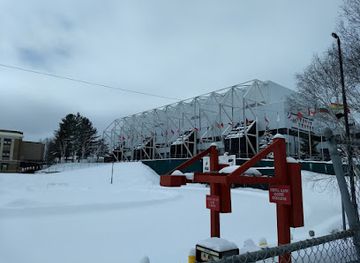
Lake Placid’s landmarks are closely tied to sport, landscape and the area’s reform-era history. The Olympic Center on Main Street is the village’s most recognisable civic complex, encompassing the arenas associated with the 1932 and 1980 Winter Olympics and the famous American ice-hockey victory of 1980. Mirror Lake is a natural landmark as well as a defining edge to the village, its motor-free waters framed by a public shoreline route and mountain views. The Olympic ski jumps and the facilities at Mount Van Hoevenberg mark the surrounding hills with structures built for international competition. At John Brown Farm State Historic Site, the abolitionist’s home and gravesite connect North Elba to the national struggle over slavery. Whiteface Mountain, outside Lake Placid in Wilmington, forms a prominent regional landmark rather than part of the village itself.
-
Resort hotel
Mirror Lake Inn
Discover the tranquil beauty and luxurious comfort of Mirror Lake Inn, your ultimate retreat in Lake Placid, New York, surrounded by nature's splendor.
14 min walk · 1.1 km from city centre
-
Museum
Lake Placid Olympic Museum
Discover the legacy of Olympic greatness at the Lake Placid Olympic Museum, where history and sportsmanship come alive in the heart of the Adirondacks.
2 min walk · 0.1 km from city centre
-
Boat club
Lake Placid Marina
Discover waterfront adventures at Lake Placid Marina, your gateway to unforgettable experiences in the stunning Adirondack region.
5 min drive · 1.6 km from city centre
-
Ice skating rink
Olympic Speed Skating Oval
Experience the legacy of the 1980 Winter Olympics at the Olympic Speed Skating Oval in Lake Placid, where thrilling speed skating meets stunning mountain views.
3 min walk · 0.3 km from city centre
Explore Lake Placid on the map
Plan your Lake Placid trip on one map. See where the top attractions, landmarks, restaurants, bars and hotels are, find what's near where you're staying, and book hotels and experiences in a few clicks.
Best hotels in Lake Placid
Best restaurants in Lake Placid
Dining in Lake Placid reflects both Adirondack produce and the expectations of a long-established mountain resort. Menus often draw on local trout, game, maple and seasonal vegetables, alongside familiar American comfort food, pizzas, burgers and dishes shaped by contemporary farm-to-table cooking. Main Street and the streets around Mirror Lake contain the greatest concentration of restaurants, cafés, bakeries and relaxed places to eat, while hotels provide more formal dining rooms with views towards the water or mountains. The Lake Placid Pub & Brewery is associated with the village’s craft-beer culture, and independent cafés are useful for breakfasts, packed lunches and post-hike refreshments. In the wider region, farm stands and small producers offer cheese, preserves, baked goods and maple products, although operating patterns can be seasonal.
-
American
Smoke Signals
Discover exceptional American cuisine and vibrant bar vibes at Smoke Signals in Lake Placid - your perfect dining destination.
6 min walk · 0.5 km from city centre
-
American
Lisa G's
Experience the best of American cuisine at Lisa G's in Lake Placid - where comfort food meets vibrant flavors in a cozy atmosphere.
10 min walk · 0.8 km from city centre
-
Restaurant
the breakfast club, etc
Discover delightful breakfast classics at The Breakfast Club, Etc in Lake Placid – where every meal feels like home.
9 min walk · 0.7 km from city centre
-
Steak
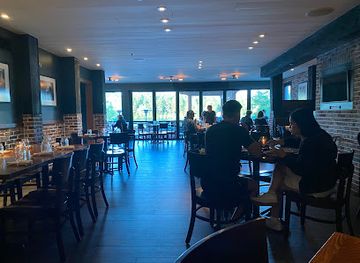
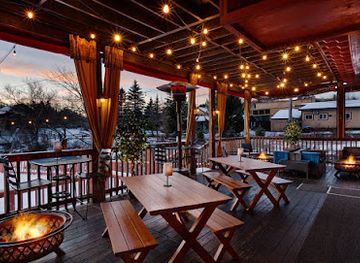
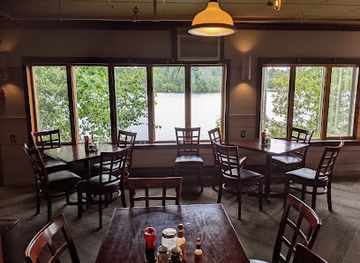
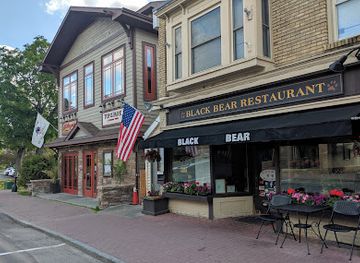
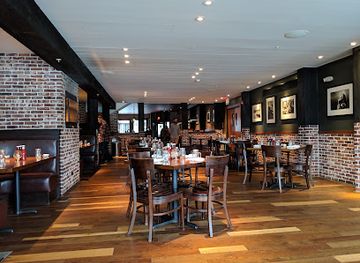
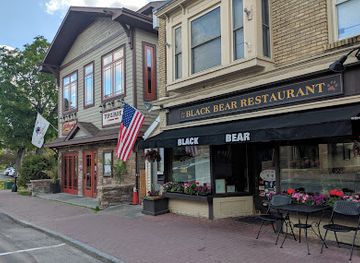
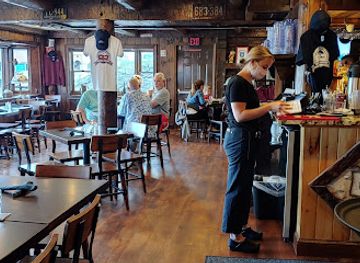
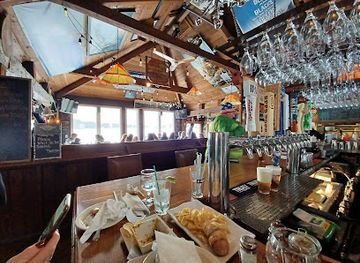
Black Bear Restaurant
Experience delightful dining at Black Bear Restaurant in Lake Placid—where fresh ingredients meet hearty flavors in a charming atmosphere.
10 min walk · 0.8 km from city centre
Best bars in Lake Placid
Lake Placid’s evening scene is sociable and resort-oriented rather than built around large nightclubs. Main Street and the streets near Mirror Lake offer pubs, hotel lounges, brewery drinks and restaurants where visitors gather after hiking, skiing or attending an event. The Lake Placid Pub & Brewery provides a familiar local setting for beer and casual evenings, while other bars and dining rooms vary in style from sports-focused spaces to quieter rooms with mountain or lake views. Live music and entertainment may accompany seasonal events, and the Olympic Center can bring evening skating or competition activity to the village. After dark, the atmosphere becomes notably quieter outside the centre, with outdoor recreation, lodging and early starts shaping local habits more than late-night clubbing.
-
American
Smoke Signals
Experience the best of American cuisine in Lake Placid at Smoke Signals, where flavor meets a welcoming atmosphere.
6 min walk · 0.5 km from city centre
-
Steak
Black Bear Restaurant
Experience the culinary delights of Black Bear Restaurant in Lake Placid, where steak, seafood, and burgers are served in a cozy, inviting atmosphere.
10 min walk · 0.8 km from city centre
-
Restaurant
Great Adirondack Brewing Company (formerly Great Adirondack Steak and Seafood)
Experience local craft brews and delicious steakhouse dishes at Great Adirondack Brewing Company in the heart of Lake Placid.
8 min walk · 0.7 km from city centre
-
Bar
The Cottage at Mirror Lake Inn
Discover the enchanting Cottage at Mirror Lake Inn, where New American cuisine meets stunning lakeside views in Lake Placid.
13 min walk · 1.0 km from city centre
Best nightclubs in Lake Placid
Lake Placid’s evening scene is sociable and resort-oriented rather than built around large nightclubs. Main Street and the streets near Mirror Lake offer pubs, hotel lounges, brewery drinks and restaurants where visitors gather after hiking, skiing or attending an event. The Lake Placid Pub & Brewery provides a familiar local setting for beer and casual evenings, while other bars and dining rooms vary in style from sports-focused spaces to quieter rooms with mountain or lake views. Live music and entertainment may accompany seasonal events, and the Olympic Center can bring evening skating or competition activity to the village. After dark, the atmosphere becomes notably quieter outside the centre, with outdoor recreation, lodging and early starts shaping local habits more than late-night clubbing.
-
Restaurant
The Pickled Pig
Experience the vibrant flavors of The Pickled Pig, a premier barbecue gastropub in the heart of Lake Placid, offering delightful dishes and a lively atmosphere.
2 min walk · 0.2 km from city centre
-
Brewpub
Lake Placid Pub & Brewery
Experience the charm of Lake Placid with craft beers and delicious American cuisine at this inviting brewpub in the heart of the Adirondacks.
5 min walk · 0.4 km from city centre
-
Bar
Top Of The Park
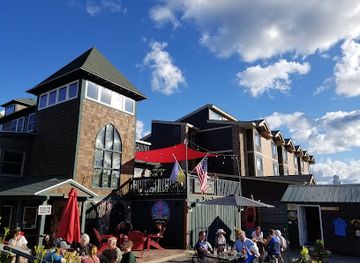
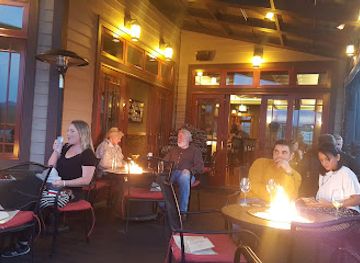
Experience breathtaking views and vibrant nightlife at Top Of The Park, Lake Placid's premier bar offering local craft drinks and live music.
10 min walk · 0.8 km from city centre
-
Sports bar
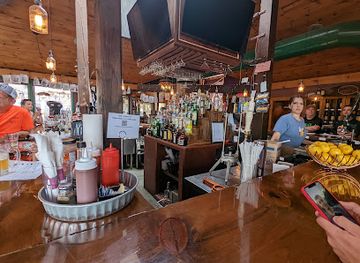
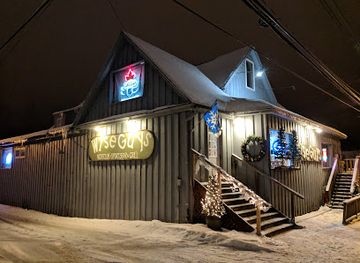
Wiseguys Sports Bar & Grill
Experience the ultimate sports bar atmosphere at Wiseguys Sports Bar & Grill in Lake Placid, where great food meets live sports excitement.
5 min walk · 0.4 km from city centre
Best shops in Lake Placid
Shopping in Lake Placid is concentrated along Main Street and nearby village blocks, where independent retailers, outdoor outfitters, galleries and gift shops serve both residents and visitors. Adirondack-inspired furniture, woodwork, pottery, woven goods, locally made jewellery and mountain-themed art are among the products associated with the region, while maple syrup, preserves and other food items make practical souvenirs. Shops also reflect the area’s active culture, with equipment and clothing for hiking, paddling, skiing and other outdoor pursuits. Olympic memorabilia is prominent around the museums and venues, linking retail to the village’s sporting history. The shopping experience is relatively compact and seasonal in character, with a mixture of established businesses, specialist craftspeople and everyday services rather than a large urban retail district.
-
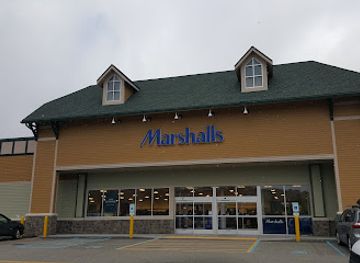
Department store
Marshalls
Shop stylish clothing and accessories for the whole family at Marshalls in Lake Placid, where quality meets affordability.
6 min drive · 1.8 km from city centre
-
Book store
The Bookstore Plus
Discover a haven for book lovers and artists at The Bookstore Plus in Lake Placid, featuring an extensive selection of books, art supplies, and unique stationery.
6 min walk · 0.5 km from city centre
-
Organic shop
Your CBD Store | SUNMED - Lake Placid, NY
Experience the best in wellness at Your CBD Store | SUNMED in Lake Placid, NY. Discover premium CBD and health products for your health and beauty needs.
9 min walk · 0.7 km from city centre
-
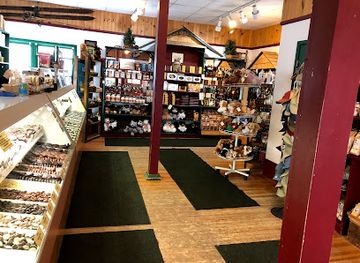
Chocolate shop
Adirondack Chocolates
Discover artisanal chocolates and handcrafted confections at Adirondack Chocolates, a sweet escape in Lake Placid, NY.
7 min walk · 0.6 km from city centre

Get your free copy of our complete guide to Lake Placid, delivered straight to you.
Everything on this page, from attractions and restaurants to essentials and local phrases, in one PDF you can read offline, print or share.
Already have an account? Sign in
Your Lake Placid guide is ready.
We'll send it to · Not you? Sign out

Getting your guide ready…
We are putting together a fresh copy of the Lake Placid guide. This can take up to a minute.
This can take a few moments. If your browser asks, choose Allow so the download can start. You'll find the guide in your Downloads folder.
Nothing happened? Download it again
Sorry, the guide is taking longer than usual. Please try again in a minute, or get it by email instead.
Lake Placid essentials
Currency and Payment
Safety
Emergency Situations
Do's and Don'ts
Local Tips
From Eve
Local phrases worth knowing
You don't need to get them perfect. A few words go a long way, and locals appreciate the effort.
Basics
| English | Local | Say it |
|---|---|---|
| Hello | Hey | [hey] |
| Goodbye | See ya | [see ya] |
| Yes | Yup | [yup] |
| No | Nah | [nah] |
| Please/You're welcome | Please/No worries | [please/no worries] |
| Thank you | Thanks | [thanks] |
| Excuse me/Sorry | Pardon me/My bad | [pardon me/my bad] |
| How are you? | How you doin'? | [how you doin'] |
| Fine. And you? | Good. You? | [good. you?] |
| Do you speak English? | You speak English? | [you speak English?] |
| I don't understand | I don't get it | [I don't get it] |
Eating & Drinking
| English | Local | Say it |
|---|---|---|
| I'd like to see the menu, please | Can I see the menu? | [can I see the menu?] |
| I don't eat meat | I'm vegetarian | [I'm vegetarian] |
| Cheers! | Cheers! | [cheers!] |
| I would like to pay, please | Check, please | [check, please] |
Emergencies
| English | Local | Say it |
|---|---|---|
| Help! | Help! | [help!] |
| Go away! | Get lost! | [get lost!] |
| Call the Police! | Call the cops! | [call the cops!] |
| Call a doctor! | Get a doctor! | [get a doctor!] |
| I'm lost | I'm lost | [I'm lost] |
| I'm ill | I'm sick | [I'm sick] |
Shopping
| English | Local | Say it |
|---|---|---|
| I'd like to buy... | I wanna buy... | [I wanna buy...] |
| I'm just looking | Just browsing | [just browsing] |
| How much is it? | How much? | [how much?] |
| That's too expensive | Too pricey | [too pricey] |
| Can you lower the price? | Can you give a discount? | [can you give a discount?] |
Time & Numbers
| English | Local | Say it |
|---|---|---|
| What time is it? | What time is it? | [what time is it?] |
| It's one o'clock | It's one | [it's one] |
| Half past (10) | Ten thirty | [ten thirty] |
| Morning | Morning | [morning] |
| Afternoon | Afternoon | [afternoon] |
| Evening | Evening | [evening] |
| Yesterday | Yesterday | [yesterday] |
| Today | Today | [today] |
| Tomorrow | Tomorrow | [tomorrow] |
| 1 | One | [one] |
| 2 | Two | [two] |
| 3 | Three | [three] |
| 4 | Four | [four] |
| 5 | Five | [five] |
| 6 | Six | [six] |
| 7 | Seven | [seven] |
| 8 | Eight | [eight] |
| 9 | Nine | [nine] |
| 10 | Ten | [ten] |
Transport & Directions
| English | Local | Say it |
|---|---|---|
| Where's a/the...? | Where's the...? | [where's the...?] |
| What's the address? | What's the address? | [what's the address?] |
| Can you show me (on the map)? | Show me (on the map) | [show me on the map] |
| When's the next (bus)? | When's the next (bus)? | [when's the next bus?] |
| A ticket (to ....) | One ticket (to ...) | [one ticket to ...] |
History of Lake Placid
Indigenous Adirondack Homelands
The Lake Placid area forms part of the wider Adirondack landscape long used by Indigenous peoples, including communities connected with the Haudenosaunee and Algonquian-speaking peoples. Lakes, rivers and forest routes supported seasonal movement, hunting, fishing and exchange before Euro-American settlement altered the region. The lakes and mountains also carried names and meanings that reflected the landscape’s practical importance. Modern Lake Placid sits within the town of North Elba, whose history cannot be separated from the broader displacement, land transfer and environmental transformation of the Adirondacks. Indigenous presence is less visibly represented in the village than the later sporting history, but it remains essential context for understanding the region as a longstanding cultural landscape rather than an empty wilderness awaiting development.
Settlement and Early Agriculture
Euro-American settlement expanded around North Elba during the nineteenth century, when farmers, timber workers and small-scale businesses established lives among difficult soils, long winters and rugged terrain. John Brown, the abolitionist who led the 1859 raid on Harpers Ferry, moved to North Elba in 1849 with the intention of helping Black settlers establish farms. His farm became a significant site in local and national memory, and John Brown Farm State Historic Site preserves the house and burial place associated with him. As roads and rail connections improved, the area’s mountain scenery began attracting travellers, gradually shifting the local economy towards hospitality and recreation.
The Lake Placid Club Era
In 1895, educational reformer Melvil Dewey founded the Lake Placid Club, helping transform the settlement into a resort known for lectures, recreation and organised winter activities. The club promoted skiing, skating and other pursuits that helped establish Lake Placid’s reputation beyond the summer season. Its history also includes exclusionary policies and social attitudes that reflected the prejudices of its era, particularly towards Jewish visitors and other groups. The club’s influence encouraged hotel building, improved facilities and a more international visitor profile, laying much of the groundwork for the village’s later role as a centre for organised winter sport.
The 1932 Winter Olympics
Lake Placid hosted the 1932 Winter Olympics, the first Winter Games held in the United States. The event brought international attention to a relatively small Adirondack community and required purpose-built facilities for skiing, skating, bobsleigh and other competitions. The Games strengthened the area’s accommodation, transport and event infrastructure, while also making winter sport part of Lake Placid’s public identity. Several historic sporting sites and the Olympic Center preserve this legacy, although many original facilities have been adapted or replaced. The 1932 Games also demonstrated how an American mountain resort could stage an international winter competition despite the logistical challenges of distance and severe weather.
The 1980 Games and Olympic Memory
Lake Placid returned to the international stage when it hosted the 1980 Winter Olympics. The event is especially remembered for the United States ice-hockey team’s victory over the Soviet Union at the Olympic Center, an episode commonly known as the Miracle on Ice. Other competitions, including alpine skiing on Whiteface Mountain and events at the newly developed Mount Van Hoevenberg complex, reinforced the Adirondacks’ sporting profile. The Games left a durable working legacy rather than a disused spectacle: arenas, tracks, trails and museums continue to support competition, training and tourism. Contemporary Lake Placid therefore presents its Olympic history through active venues as well as commemorative displays.
Lake Placid in Photos
Browse through our photo collection highlighting the charm and character of the destination.
Cities near Lake Placid
The closest cities to Lake Placid, if you have time for more than one stop.
-

-

-

-

-


Swipe for more cities
Explore more

Explore more of New York
Discover the electrifying energy, iconic landmarks, and diverse cultural experiences of New York City, the ultimate urban playground for travelers from around the world.
Explore New York