

East Village (Des Moines) Travel Guide - Free
Explore East Village in Des Moines with Evendo's free guide. Find the best shops, historic streets, restaurants, and gems on web or mobile.


East Village Des Moines pairs historic storefronts, Iowa Capitol views, independent shops, creative dining, craft drinks and lively culture in a walkable district.
Between the River and the Capitol
East Village occupies the eastern side of the Des Moines River, directly across from the older commercial core and within easy reach of the Iowa State Capitol. Its streets combine nineteenth- and early twentieth-century brick buildings with contemporary apartments, restaurants, galleries and independent shops. The district is compact enough to explore on foot, yet its varied architecture gives each block a different emphasis: restored storefronts along East Grand Avenue, older commercial façades on East Locust Street and quieter edges towards the Capitol grounds.Read more about East Village
Historic Buildings, Independent Businesses
Everyday Life After Dark
Best attractions in East Village
East Village's principal attraction is its walkable concentration of restored commercial architecture, independent businesses and civic surroundings rather than a single enclosed museum. East Grand Avenue and East Locust Street provide the main browsing routes, with historic façades, cafés, restaurants and design-led shops occupying buildings that once served more conventional commercial purposes. The Iowa State Capitol and its grounds form a major landmark at the eastern edge of the district, offering visitors an opportunity to connect the neighbourhood's everyday streets with Iowa's political history; the building and grounds should be treated as a separate civic precinct within the wider East Village setting. The Des Moines River and nearby Principal Riverwalk also help explain the area's geography, linking it to downtown and public spaces along the water. Seasonal events and temporary markets add another layer, although individual programmes vary from year to year.
-
Historical landmark
Iowa State Capitol
Discover the architectural beauty and historical significance of the Iowa State Capitol, a must-visit landmark in Des Moines for every traveler.
4 min walk · 0.3 km from neighbourhood centre
-
Historical landmark
Shattering Silence Memorial
Explore the Shattering Silence Memorial in Des Moines, Iowa, a poignant tribute to resilience and peace amidst the echoes of violence.
2 min walk · 0.1 km from neighbourhood centre
-
Historical landmark
Holocaust Memorial
Visit the Holocaust Memorial in Des Moines, IA, and reflect on the resilience of the human spirit through a poignant tribute to history.
4 min walk · 0.3 km from neighbourhood centre
-
Museum
Des Moines Heritage Trust / East Union Depot
Explore Des Moines' rich history at the Heritage Trust and East Union Depot, where captivating exhibits bring the city's past to life for all ages.
7 min walk · 0.5 km from neighbourhood centre


Best landmarks in East Village
The Iowa State Capitol is East Village's defining landmark and occupies the eastern side of the neighbourhood's urban setting. Completed in 1886, its central dome, broad grounds and formal civic architecture provide a powerful contrast with the smaller brick commercial buildings nearby. Within East Village itself, the most significant landmarks are less monumental: the surviving late nineteenth- and early twentieth-century storefronts and warehouses that form the East Village Historic District, listed on the National Register of Historic Places in 2005. Buildings such as the Hohberger Building help convey the district's former commercial role, while the streets leading towards the Des Moines River preserve the relationship between trade, government and movement that shaped the area. The riverwalk and bridges are also important geographical markers, even when they are experienced as public infrastructure rather than heritage monuments.
-
Historical landmark
Iowa State Capitol
Discover the stunning Iowa State Capitol in Des Moines, a historical landmark showcasing beautiful architecture and rich state history.
4 min walk · 0.3 km from neighbourhood centre
-
Historical landmark
Japanese Bell of Peace & Friendship
Explore the Japanese Bell of Peace & Friendship in Des Moines, a historical landmark symbolizing harmony and cultural exchange.
2 min walk · 0.2 km from neighbourhood centre
-
Historical landmark
Senator William B. Allison Memorial
Discover the Senator William B. Allison Memorial in Des Moines, a historical landmark celebrating Iowa's rich political heritage and the legacy of its notable senator.
2 min walk · 0.2 km from neighbourhood centre
-
Historical landmark
Liberty Bell Memorial
Visit the Liberty Bell Memorial in Des Moines, a stunning tribute to American independence and a must-see historical landmark.
5 min walk · 0.4 km from neighbourhood centre


Explore East Village on the map
A handpicked selection of must-see spots in East Village, mapped for you.
Best hotels in East Village
Best restaurants in East Village
East Village has one of Des Moines's most concentrated independent dining scenes, with restaurants and casual food businesses occupying historic storefronts along East Grand Avenue, East Locust Street and nearby cross-streets. Zombie Burger is the best-known name, offering an exuberant burger-focused setting, while Bubba Southern Comforts brings Southern-influenced cooking to the district. The Iowa Taproom is associated with a broad selection of Iowa-made beers and a substantial food menu, making it a useful introduction to the state's brewing culture. Elsewhere, visitors will find pizza, contemporary American cooking, cafés, sweets and informal places suited to a quick meal between shops. The area works well for a progressive evening of small stops rather than a single, uniform culinary style, and the mix reflects East Village's transformation from older commercial quarter into a dining and social district.
-
Hamburger
Zombie Burger + Drink Lab
Experience the ultimate burger adventure at Zombie Burger + Drink Lab in Des Moines—where gourmet meets ghastly in a thrilling dining experience.
9 min walk · 0.7 km from neighbourhood centre
-
Restaurant
The Iowa Taproom
Explore the flavors of Iowa at The Iowa Taproom—your go-to destination for craft beer and delicious American cuisine in Des Moines.
9 min walk · 0.7 km from neighbourhood centre
-
Greek
Olympic Flame Restaurant
Experience the best of Greek and American cuisine at Olympic Flame Restaurant in Des Moines' East Village – where every meal is a flavorful journey.
7 min walk · 0.6 km from neighbourhood centre
-
American
Alba Restaurant
Discover culinary excellence at Alba Restaurant in Des Moines – where New American cuisine meets innovative flair in a vibrant setting.
8 min walk · 0.6 km from neighbourhood centre


Best bars in East Village
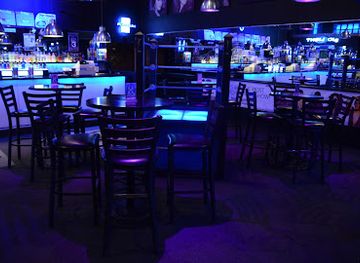
East Village's nightlife is centred on bars, breweries, restaurant lounges and informal evening gatherings rather than a large cluster of nightclubs. The Iowa Taproom gives the district a strong beer-focused presence, while smaller bars around East Grand and East Locust streets provide places for conversation, cocktails and late meals. The Continental and Cooney's Tavern are established names associated with the area's bar culture, although the precise mix of venues and operating arrangements can change. Evenings are generally busiest around dining times and seasonal events, with the atmosphere becoming quieter on residential side streets. Visitors looking for larger clubs, concerts or theatre productions may need to continue into downtown or other parts of Des Moines; East Village is better understood as a compact social quarter where drinking is closely connected to restaurants, independent businesses and a walkable historic setting.
-
Bar
Beechwood Lounge
Experience the vibrant nightlife at Beechwood Lounge in East Village, Des Moines, where great drinks and good company await.
7 min walk · 0.6 km from neighbourhood centre
-
Bar
Bellhop
Discover Bellhop Bar in Des Moines for innovative cocktails and a vibrant atmosphere that captures the local nightlife spirit.
8 min walk · 0.6 km from neighbourhood centre
-
Bar
Black Sheep
Discover Black Sheep Bar in Des Moines: A cocktail haven with a lively atmosphere, perfect for unwinding and socializing in East Village.
9 min walk · 0.7 km from neighbourhood centre
-
Lounge
The Continental
Discover the vibrant flavors of Des Moines at The Continental, a must-visit lounge and gastropub in East Village offering delicious cuisine and craft drinks.
7 min walk · 0.6 km from neighbourhood centre


Best nightclubs in East Village
East Village's nightlife is centred on bars, breweries, restaurant lounges and informal evening gatherings rather than a large cluster of nightclubs. The Iowa Taproom gives the district a strong beer-focused presence, while smaller bars around East Grand and East Locust streets provide places for conversation, cocktails and late meals. The Continental and Cooney's Tavern are established names associated with the area's bar culture, although the precise mix of venues and operating arrangements can change. Evenings are generally busiest around dining times and seasonal events, with the atmosphere becoming quieter on residential side streets. Visitors looking for larger clubs, concerts or theatre productions may need to continue into downtown or other parts of Des Moines; East Village is better understood as a compact social quarter where drinking is closely connected to restaurants, independent businesses and a walkable historic setting.
-
Night club
The Garden Nightclub
Discover the electrifying atmosphere of The Garden Nightclub, Des Moines' premier destination for live music, dancing, and inclusive nightlife.
6 min walk · 0.5 km from neighbourhood centre
-
Karaoke bar
AJ's on East Court
Experience the lively atmosphere of AJ's on East Court, a karaoke bar in Des Moines perfect for an unforgettable night of music and fun.
7 min walk · 0.5 km from neighbourhood centre
-
Restaurant
The Republic on Grand
Experience upscale dining and unique cocktails at The Republic on Grand in Des Moines, a perfect blend of restaurant, bar, and lounge.
9 min walk · 0.7 km from neighbourhood centre
-
Bar
Beechwood Lounge
Discover the lively atmosphere and delicious drinks at Beechwood Lounge, the perfect bar for a night out in Des Moines, Iowa.
7 min walk · 0.6 km from neighbourhood centre


Best shops in East Village
Shopping in East Village is defined by independent retail, design-conscious businesses and small storefronts rather than department stores. East Grand Avenue and East Locust Street are the principal browsing streets, with clothing, homewares, gifts, books, art and locally oriented products appearing among cafés and restaurants. RAYGUN is associated with witty Iowa-themed clothing and stationery, while Domestica is known for home goods, gifts and a carefully selected design sensibility. The district's appeal lies in the way retail remains embedded in historic commercial buildings, allowing a short shopping route to become an architectural walk. Stock and opening arrangements change, and the area is not a traditional produce market district; visitors should expect independent boutiques and specialist shops rather than a broad everyday retail range. Seasonal events can bring additional makers and temporary vendors into the neighbourhood.
-
Jewelry store
KIN
Explore KIN in Des Moines' East Village: a luxurious jewelry boutique offering unique pieces, home goods, and metaphysical supplies in an elegant setting.
9 min walk · 0.7 km from neighbourhood centre
-
Gift shop
Porch Light
Explore the eclectic charm of Porch Light, a gift shop in Des Moines offering antiques, home goods, jewelry, and unique stationery.
7 min walk · 0.5 km from neighbourhood centre
-
Vintage clothing store
Goldeneye Curations
Explore Goldeneye Curations in Des Moines for an eclectic mix of vintage clothing and accessories that tell a story.
6 min walk · 0.5 km from neighbourhood centre
-
Home goods store
She Home & Gift
Discover unique home décor and gifts at She Home & Gift in East Village, Des Moines – a treasure trove of local creativity and charm.
8 min walk · 0.7 km from neighbourhood centre


East Village essentials
Getting There
Getting Around
Safety
Emergency Situations
Do's and Don'ts
Local Tips

From Eve
Local phrases worth knowing
You don't need to get them perfect. A few words go a long way, and locals appreciate the effort.
Basics
| English | Local | Say it |
|---|---|---|
| Hello | Howdy | [haw-dee] |
| Goodbye | See ya | [see yuh] |
| Yes | Yep | [yep] |
| No | Nah | [nah] |
| Please/You're welcome | Please/No worries | [pleez/no wur-eez] |
| Thank you | Thanks | [thanks] |
| Excuse me/Sorry | Pardon me/My bad | [par-dun me/my bad] |
| How are you? | Howdy | [haw-dee] |
| Fine. And you? | I'm good. You? | [ahym gud. yuh?] |
| Do you speak English? | Y'all speak English? | [yawl speak ing-glish?] |
| I don't understand | I ain't gettin' it | [ahynt get-tin it] |
Eating & Drinking
| English | Local | Say it |
|---|---|---|
| I'd like to see the menu, please | Can I check out the menu? | [can ah chek owt thee menu?] |
| I don't eat meat | I don't eat meat | [ahy dohnt eet meet] |
| Cheers! | Cheers! | [cheers] |
| I would like to pay, please | Can I settle up, please | [can ah set-tul up, please] |
Emergencies
| English | Local | Say it |
|---|---|---|
| Help! | Help! | [help] |
| Go away! | Git! | [git] |
| Call the Police! | Call the cops! | [call thee cops!] |
| Call a doctor! | Call a doc! | [call a doc!] |
| I'm lost | I'm lost | [ahym lost] |
| I'm ill | I'm sick | [ahym sik] |
Shopping
| English | Local | Say it |
|---|---|---|
| I'd like to buy... | I wanna buy... | [ahy wanna buy...] |
| I'm just looking | I'm just lookin' | [ahym just look-in] |
| How much is it? | How much? | [how much?] |
| That's too expensive | That's too pricey | [thats too pry-see] |
| Can you lower the price? | Can ya budge on the price? | [can yuh buhj on thee pryce?] |
Time & Numbers
| English | Local | Say it |
|---|---|---|
| What time is it? | What time is it? | [what time is it?] |
| It's one o'clock | It's one | [its one] |
| Half past (10) | Half past ten | [haff past ten] |
| Morning | Morning | [mornin] |
| Afternoon | Afternoon | [afternoon] |
| Evening | Evenin' | [even-in] |
| Yesterday | Yesterday | [yester-day] |
| Today | Today | [to-day] |
| Tomorrow | Tomorra | [toh-mor-uh] |
| 1 | One | [wun] |
| 2 | Two | [too] |
| 3 | Three | [three] |
| 4 | Four | [fore] |
| 5 | Five | [fahyv] |
| 6 | Six | [siks] |
| 7 | Seven | [sev-uhn] |
| 8 | Eight | [ayt] |
| 9 | Nine | [nine] |
| 10 | Ten | [ten] |
Transport & Directions
| English | Local | Say it |
|---|---|---|
| Where's a/the...? | Where's the...? | [wheres thee...?] |
| What's the address? | What's the address? | [whats thee address?] |
| Can you show me (on the map)? | Can ya show me (on the map)? | [can yuh show me (on thee map)?] |
| When's the next (bus)? | When's the next (bus)? | [whens thee next (bus)?] |
| A ticket (to ....) | A ticket (to ....) | [ah ticket (to ....)] |
History of East Village
Settlement East of the River
East Village developed on the east side of the Des Moines River as the young city expanded beyond its original commercial centre. Its position near the river crossing and the rising Capitol area gave it an early connection to trade, movement and civic growth. Streets were laid out as Des Moines grew during the nineteenth century, and modest homes, shops and service businesses gradually joined the area around East Grand and East Locust streets. The neighbourhood was never simply residential: its proximity to the river, downtown and government buildings encouraged a mixed urban role that remains visible in its combination of commercial blocks and older houses.
Commercial Growth and Civic Expansion
During the late nineteenth and early twentieth centuries, East Village became part of the expanding commercial landscape east of the river. Brick buildings accommodated retailers, offices, lodging and small businesses, while the development of the Iowa State Capitol and its surrounding grounds strengthened the area's connection with state government. The Capitol building was completed in 1886, and its presence helped shape the streetscape and movement patterns around the eastern side of the district. Many of the buildings that now give East Village its visual identity date from this period of commercial and civic expansion.
Decline, Clearance and Preservation
Like many older American urban districts, East Village experienced commercial decline as shoppers and investment moved towards newer retail areas and suburban development. Some buildings were altered, left vacant or threatened with demolition, while large-scale road and redevelopment projects changed the relationship between the neighbourhood, downtown and the river. Preservation work later placed greater value on the surviving nineteenth- and early twentieth-century building stock. The East Village Historic District, listed on the National Register of Historic Places in 2005, reflects this recognition of the area's architectural and urban significance.
A Contemporary Urban Quarter
Since the early twenty-first century, East Village has undergone substantial reinvestment through building restoration, new housing and the arrival of independent retailers, restaurants and bars. The change has made the neighbourhood a prominent part of Des Moines's pedestrian-oriented city centre, while also raising the familiar tensions that accompany urban revival: older commercial spaces are more active, but rents, ownership and the balance between local and newer businesses continue to evolve. Today, East Village is defined by this layered history, with historic façades and civic surroundings supporting a contemporary dining, shopping and residential district.
East Village in Photos
Browse through our photo collection highlighting the charm and character of the destination.
Neighbourhoods near East Village
The closest neighbourhoods to East Village, if you have time for more than one stop.

Swipe for more neighbourhoods
Explore more

Explore more of Des Moines
Des Moines, Iowa blends a golden-domed Capitol, riverfront trails, public art, farmers' markets, museums and welcoming neighbourhoods in America's heartland.
Explore Des Moines