
Glen Maye, Isle of Man Travel Guide
Discover Glen Maye: A tranquil village on the Isle of Man, featuring enchanting waterfalls, scenic coastal paths, and rich history, perfect for nature lovers and history enthusiasts.
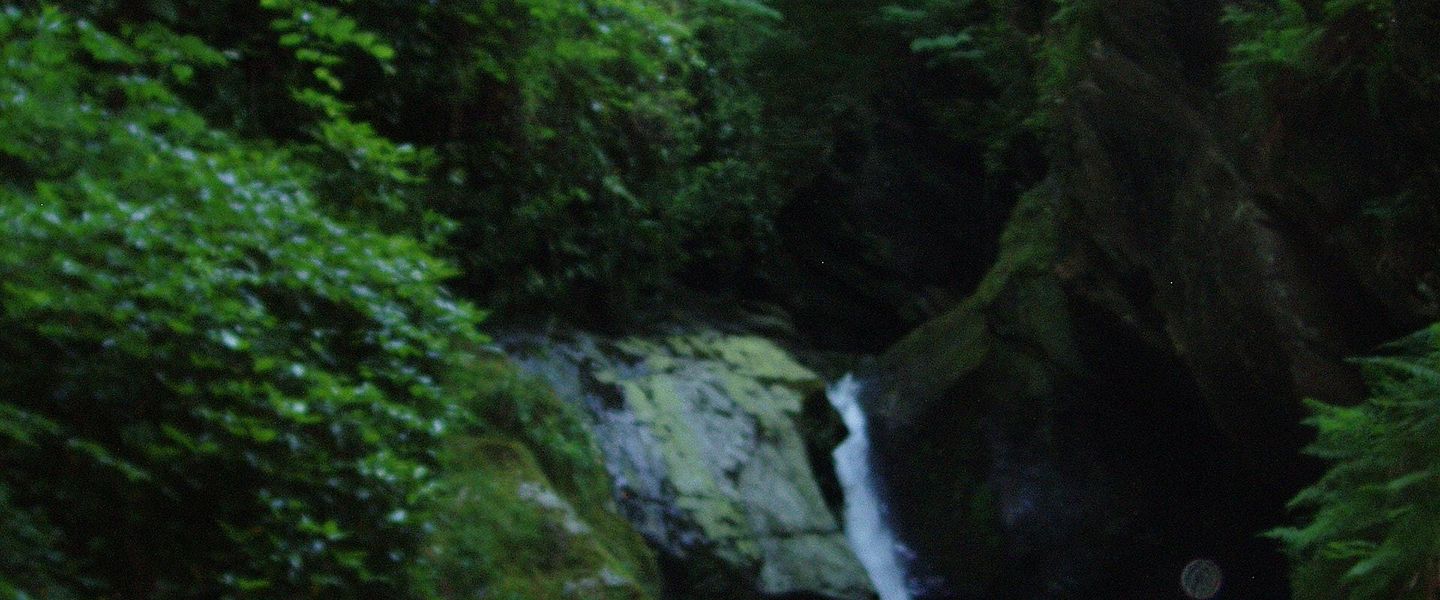
Nestled on the Isle of Man, Glen Maye is a serene and picturesque village that promises a tranquil escape for nature lovers. The village is famed for its stunning waterfall, which cascades down a lush, wooded glen, creating an enchanting atmosphere that feels like stepping into a fairy tale. Glen Maye is also home to a beautiful coastal path offering breathtaking views of the Irish Sea. The area is perfect for leisurely walks, with trails that wind through dense forests and vibrant meadows. It's an ideal spot for bird watchers, as the glen hosts a variety of local and migratory bird species. Besides its natural beauty, Glen Maye has a rich history, evident in its charming stone cottages and the old lead mines that hint at a bygone era. The village pub, known for its warm hospitality and traditional Manx fare, offers a cozy retreat after a day of exploration. Whether you are looking for adventure or relaxation, Glen Maye in the Isle of Man offers an unforgettable experience.

Know before you go
Hi, I'm Eve. Here are a few practical things to know before exploring Glen Maye.
- Visit the waterfall early in the morning to avoid crowds and capture the best light for photography.
- Wear sturdy walking shoes, as the trails can be uneven and slippery, especially after rain.
- Bring binoculars for bird watching, as the glen is a popular spot for both local and migratory birds.
- Don't miss the local pub for a taste of traditional Manx cuisine and a chance to meet friendly locals.
- Check the weather forecast before planning your visit, as the coastal paths can be exposed to strong winds.
Explore Glen Maye: Things to Do, Places to Eat, Hotels & More
Handpicked recommendations for top attractions, local dining, accommodations, and more

Best attractions in Glen Maye
Top-rated picks
Best Attractions

Castle Rushen
Discover the enchanting Castle Rushen, a historical landmark in Castletown, Isle of Man, steeped in medieval history and architectural beauty.

The Great Laxey Wheel
Discover the Great Laxey Wheel, an iconic symbol of the Isle of Man's mining history, surrounded by stunning landscapes and rich heritage.

Curraghs Wildlife Park
Discover the wonders of nature at Curraghs Wildlife Park, a captivating wildlife sanctuary in the Isle of Man, ideal for families and animal lovers.

Peel Beach
Discover the enchanting Peel Beach on the Isle of Man, where breathtaking views, rich history, and local culture come together for a perfect getaway.

Best landmarks in Glen Maye
Top-rated picks
Best Landmarks

Peel Castle
Explore the historic Peel Castle, a stunning medieval fortress on the Isle of Man offering breathtaking views and rich heritage.

Castle Rushen
Explore the enchanting Castle Rushen, a historical landmark in the Isle of Man, where medieval history meets stunning views and rich heritage.

The Great Laxey Wheel
Discover the Great Laxey Wheel, a stunning feat of engineering and a symbol of Isle of Man’s rich mining heritage, set against breathtaking natural scenery.

House of Manannan
Discover the enchanting maritime heritage and vibrant culture of the Isle of Man at the House of Manannan museum in Peel.

Best restaurants in Glen Maye
Top-rated picks
Best Restaurants

Jak's Bar & Smokehouse
Discover Jak's Bar & Smokehouse: A top-notch grill experience with exquisite views in Douglas on the Isle of Man.

The Marine Hotel
Experience unparalleled comfort and breathtaking coastal views at The Marine Hotel in Peel, Isle of Man.

The Hawthorn
Experience local flavors at The Hawthorn Bar Bistro in Greeba – where island hospitality meets exquisite cuisine.

Bradda Glen Restaurant, Function Rooms & Wedding Venue
Bradda Glen Restaurant: A Scenic Dining Experience in Port Erin with Diverse Menus & Stunning Views Perfect for Every Occasion.

Best bars in Glen Maye
Top-rated picks
Best Bars

The Creg-Ny-Baa
Experience the warmth of Isle of Man hospitality at The Creg-Ny-Baa, where tradition meets breathtaking views and delightful cuisine.

The Creek Inn
Discover the warmth and flavor of The Creek Inn, a beloved pub in Peel, Isle of Man, ideal for food lovers and socializers alike.

The Marine Hotel
Discover The Marine Hotel in Peel, where stunning coastal views meet exquisite dining and comfortable accommodations, all in one beautiful location.

Bradda Glen Restaurant, Function Rooms & Wedding Venue
Discover the perfect blend of fine dining, casual café culture, and stunning event spaces at Bradda Glen in Port Erin.

Best nightclubs in Glen Maye
Top-rated picks
Best Nightclubs

The Creek Inn
Discover the warmth and charm of The Creek Inn, a popular pub in Peel known for its local ales and hearty meals, perfect for tourists and locals alike.

The Original Quids Inn
Discover the lively atmosphere of The Original Quids Inn, your go-to spot for live music, karaoke, and sports in Douglas, Isle of Man.

Bradda Glen Restaurant, Function Rooms & Wedding Venue
Discover Bradda Glen, a scenic restaurant in Port Erin offering delicious cuisine, a charming beer garden, and versatile event spaces for all occasions.

Bar George
Experience the elegance of Bar George in Douglas, where fine wines and gourmet cuisine create an unforgettable dining experience.

Best shops in Glen Maye
Top-rated picks
Best Shops

Tynwald Mills
Explore the unique shopping and dining experience at Tynwald Mills in Ballig, Isle of Man, where local culture meets cozy charm.

Davisons Ice Cream Parlour, Peel
Discover the irresistible flavors of Davisons Ice Cream Parlour in Peel, Isle of Man, where every scoop is a delightful experience.

The Strand Shopping Centre
Explore The Strand Shopping Centre in Douglas for a vibrant shopping experience filled with diverse stores, eateries, and local culture.

Strang Stores
Explore Strang Stores for a taste of local life and unique Isle of Man treasures in a welcoming shopping environment.

Explore Glen Maye on the Map
A handpicked selection of must-see spots in Glen Maye, mapped for you.
Glen Maye Essentials
-
Glen Maye is situated on the west coast of the Isle of Man. The nearest airport is Isle of Man Airport (IOM), located around 15 kilometers away. From the airport, you can take a taxi or a bus to Glen Maye, which typically takes about 30 minutes. Alternatively, you can arrive by ferry to Douglas, the capital of the Isle of Man, from various ports in the UK and Ireland. From Douglas, you can take a bus or taxi, with the journey to Glen Maye taking approximately 40 minutes by road.
-
Glen Maye is a small village, making it easy to explore on foot. For longer distances, the Isle of Man's public bus service connects Glen Maye with other parts of the island, including Douglas and Peel. Renting a car is also a convenient option if you prefer to explore at your own pace. Taxis are available but can be more expensive. Cycling is another popular way to get around, with several bike rental services available.
-
The official currency is the Manx pound (IMP), which is pegged to the British pound (GBP) and is used interchangeably. Credit and debit cards are widely accepted in hotels, restaurants, and shops. However, some smaller establishments may only accept cash, so it's wise to carry some cash with you. ATMs are available in nearby towns like Peel and Douglas.
-
Glen Maye is generally very safe for tourists. The crime rate is low, and violent crime is rare. However, as with any travel destination, it's prudent to take standard precautions: avoid leaving valuables unattended, be cautious when walking alone at night, and stay aware of your surroundings. There are no specific high-crime areas targeting tourists in Glen Maye.
-
In case of emergency, dial 999 or 112 for immediate assistance. The nearest medical facilities are located in Peel and Douglas, both of which have hospitals and clinics. It is advisable to have travel insurance that includes medical coverage. For minor health issues, there are pharmacies in Peel and Douglas where you can purchase over-the-counter medications.
-
Fashion: Do dress comfortably and appropriately for the weather. Layering is advisable due to the variable climate. Avoid overly revealing clothing. Religion: Do respect local customs and traditions, especially in religious sites. Public Transport: Do be punctual for bus schedules and give up your seat for elderly passengers. Don't eat or drink on public transport. Greetings: Do greet people with a friendly 'hello' or 'good day.' A handshake is also appropriate in more formal settings. Eating & Drinking: Do try the local cuisine, including Manx kippers and queenies. Don't refuse hospitality, as it is considered rude.
-
To experience Glen Maye like a local, take a walk through the beautiful Glen Maye National Glen, which features a picturesque waterfall and scenic trails. Visit the local pub, where you can enjoy traditional Manx ales and engage in conversation with the friendly locals. Don't miss the chance to explore nearby Peel, known for its historic castle and stunning sunsets. For a unique experience, try attending a local event or festival, such as the annual Tynwald Day celebrations.
When is the best time to visit Glen Maye?
Useful Local Phrases for Glen Maye
You don't need to speak the language perfectly. Even learning a few simple words can make conversations warmer—and locals usually appreciate the effort.
— Eve

Here are the phrases I use most often in Glen Maye. Try a few—you'll be surprised how far they go! 😊
❤️
-
- HelloShiu
[shee-oo] - GoodbyeSlane lhiat
[slahn-eh lee-at] - YesVarrick
[var-rik] - NoCha nel
[kaa nel] - Please/You're welcomeCur dooyt
[koor doo-it] - Thank youGura mie ayd
[gurra mee ayd] - Excuse me/SorryConaase mee
[kon-as-eh mee] - How are you?Kys t'ou?
[kees too] - Fine. And you?S'mie. As t'ou?
[s'mee as too] - Do you speak English?Vel oo loayrt Engliish?
[vel oo loy-ert eng-lish] - I don't understandCha nel feme aym
[kaa nel fem-eh aim]
- HelloShiu
-
- I'd like to see the menu, pleaseTa mee gra dy lhaiys y çhadjin, cur dooyt
[taa mee graa dee lhais ee khad-jin, koor doo-it] - I don't eat meatCha nel mee goll magh bhlieau
[kaa nel mee goll magh vlee-ow] - Cheers!Slaynt!
[slaynt] - I would like to pay, pleaseTa mee gra dy phie, cur dooyt
[taa mee graa dee fee, koor doo-it]
- I'd like to see the menu, pleaseTa mee gra dy lhaiys y çhadjin, cur dooyt
-
- Help!Cooney!
[koo-ney] - Go away!Gow mygeayrt!
[gow mi-gart] - Call the Police!Cur y Polis!
[koor uh pol-iss] - Call a doctor!Cur dhyt y dooar
[koor y dwoar] - I'm lostTa mee currit
[taa mee koo-rit] - I'm illTa mee feer vie
[taa mee fer vee]
- Help!Cooney!
-
- I'd like to buy...Ta mee gra dy cheau...
[taa mee graa dee kyoo...] - I'm just lookingCha nel mee gobbraghey
[kaa nel mee gob-bruh-ghee] - How much is it?Cre va shen?
[kree va shen] - That's too expensiveTa shen ro hoilley
[taa shen roh hoyl-eh] - Can you lower the price?Vel oo gobbraghey yn phriys?
[vel oo gob-bruh-ghee un free-s]
- I'd like to buy...Ta mee gra dy cheau...
-
- What time is it?Cre'n traa t'eh?
[kren traa teh] - It's one o'clockTa un oor ec
[taa oon oor ek] - Half past (10)Lheie er dorrys (jeih)
[lay er doh-ris jeh] - MorningYn traa
[un traa] - AfternoonAghin traa
[ag-in traa] - EveningFeayr traa
[fair traa] - YesterdayJeid
[jed] - TodayJiu
[joo] - TomorrowJiuish
[joo-ish] - 1Un
[oon] - 2Doo
[doo] - 3Tree
[tree] - 4Kiare
[kee-ar] - 5Queig
[kwee] - 6Shey
[shay] - 7Shiaght
[shee-akht] - 8Hoght
[hokht] - 9Nuy
[noo-ee] - 10Jeih
[jeh]
- What time is it?Cre'n traa t'eh?
-
- Where's a/the...?Feer eh y...
[fer eh uh...] - What's the address?Cre'n ard-valleyr?
[kren ard-vall-er] - Can you show me (on the map)?Vel oo er-lheh mee (er y harvaal)?
[vel oo er-lay mee er uh har-val] - When's the next (bus)?Quoi yn cheead (bas)?
[kwee un k-yed bas] - A ticket (to ....)Billee (oo ...)
[bill-ee oo]
- Where's a/the...?Feer eh y...
History of Glen Maye
-
Glen Maye, a picturesque glen located on the Isle of Man, is steeped in natural beauty and history. The name 'Glen Maye' is derived from the Manx Gaelic 'Glion Muigh,' meaning 'the glen of the plain.' The glen has long been cherished for its lush vegetation, cascading waterfalls, and serene atmosphere, making it a beloved spot for both locals and visitors alike.
-
In the 19th century, Glen Maye became a hub of industrial activity with the establishment of the Glen Maye Mill. This water-powered mill was used for carding and spinning wool, playing a significant role in the local economy. The remains of the mill buildings and the mill race can still be seen today, offering a glimpse into the industrial past of the glen.
-
The Victorian era saw Glen Maye becoming a popular destination for tourists. The Isle of Man's improved transport links, including the development of the Manx Electric Railway, made it easier for visitors to explore the island's natural wonders. During this time, Glen Maye was celebrated for its scenic walks and the beauty of its waterfalls, drawing visitors from far and wide.
-
The Glen Maye Waterfall, also known as Spooyt Vane, holds cultural and historical significance. The waterfall is a focal point of the glen, with its dramatic 40-foot drop into a deep pool below. Historically, it has been a source of inspiration for artists, photographers, and poets, capturing the imagination of all who visit.
-
In more recent times, Glen Maye has been designated as a nature reserve, ensuring the protection of its diverse flora and fauna. The reserve is managed by the Manx Wildlife Trust, which works to preserve the natural habitat and promote environmental education. Visitors can explore the well-maintained trails and enjoy the tranquility of this protected area.
-
Glen Maye is rich in local legends and folklore. One such tale is that of the 'Moddey Dhoo,' a ghostly black dog said to haunt the glen. Stories of this spectral hound have been passed down through generations, adding an element of mystery and intrigue to the area's cultural heritage.
-
Today, Glen Maye continues to be a highlight for tourists visiting the Isle of Man. Its combination of historical landmarks, natural beauty, and cultural stories makes it a must-visit destination. The glen offers a peaceful retreat for those looking to connect with nature and explore the rich history of the Isle of Man.
Neighbouring destination travel guides
Browse our curated selection of top destinations, scenic points, and must-visit spots in the area.


Your all‑in‑one travel companion app
Explore expert travel guides, compare and book tours, experiences, hotels, and more—all from the palm of your hand. Download now for seamless trip planning wherever your wanderlust takes you.


Explore More of Isle of Man

Looking beyond Glen Maye? Discover Isle of Man for broader travel guides, local hot-spots, and regional highlights.
Explore Isle of ManGlen Maye in Photos
Browse through our photo collection highlighting the charm and character of the destination.



Glen Maye: The Hidden Gem of Isle of Man
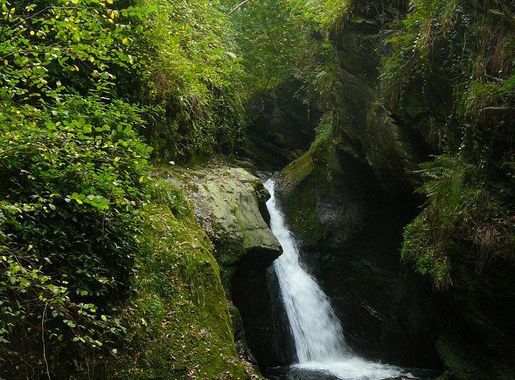
Nestled on the Isle of Man, Glen Maye is a serene and picturesque village that promises a tranquil escape for nature lovers. The village is famed for its stunning waterfall, which cascades down a lush, wooded glen, creating an enchanting atmosphere that feels like stepping into a fairy tale. Glen Maye is also home to a beautiful coastal path offering breathtaking views of the Irish Sea. The area is perfect for leisurely walks, with trails that wind through dense forests and vibrant meadows. It's an ideal spot for bird watchers, as the glen hosts a variety of local and migratory bird species. Besides its natural beauty, Glen Maye has a rich history, evident in its charming stone cottages and the old lead mines that hint at a bygone era. The village pub, known for its warm hospitality and traditional Manx fare, offers a cozy retreat after a day of exploration. Whether you are looking for adventure or relaxation, Glen Maye in the Isle of Man offers an unforgettable experience.