

Città Alta (Bergamo) Travel Guide - Free
Explore Città Alta in Bergamo with Evendo's free guide. Find the best shops, historic streets, restaurants, and gems on web or mobile.


Città Alta in Bergamo, Italy, combines Venetian walls, medieval squares, grand churches, hilltop views, local food and atmospheric historic streets.
Behind the Venetian Walls
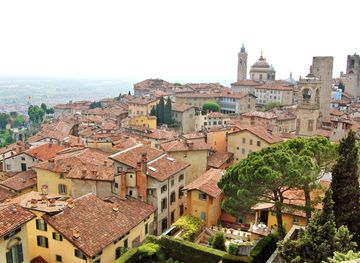
Città Alta is Bergamo’s historic upper town, a compact ridge of medieval streets enclosed by the massive Venetian Walls. Rising above the modern lower city, it preserves a remarkable concentration of churches, civic palaces, towers and stone lanes, while remaining a lived-in neighbourhood rather than an open-air museum. Visitors usually arrive by the funicular from the lower city, emerging near Piazza Mercato delle Scarpe, or walk up through one of the old gates.Read more about Città Alta
Squares, Streets and Architecture
Daily Life and Evening Atmosphere
Best attractions in Città Alta
Città Alta’s attractions are concentrated within a walkable historic core. Piazza Vecchia is the natural starting point, framed by the Palazzo della Ragione, the Civic Tower or Campanone, the Biblioteca Angelo Mai and the Palazzo Nuovo. Beside it, the Basilica di Santa Maria Maggiore and the Cappella Colleoni offer some of Bergamo’s most compelling interiors, while the cathedral completes the monumental ensemble. The Venetian Walls invite a slower circuit along bastions and gates, with particularly broad views from the stretches near Porta San Giacomo. The Rocca provides another fortified viewpoint and green public space, and the Museo Civico di Scienze Naturali Enrico Caffi adds a family-oriented cultural stop near Piazza della Cittadella. For a higher perspective, the San Vigilio funicular continues from the upper town towards the hill beyond, where paths and viewpoints extend the outing beyond the central streets.
-
Tourist attraction
Bergamo Cathedral
Discover the captivating beauty and rich history of Bergamo Cathedral, a must-visit gem in northern Italy's cultural landscape.
5 min walk · 0.4 km from neighbourhood centre
-
Tourist attraction
Palazzo e Giardini Moroni
Discover the beauty of Palazzo e Giardini Moroni in Bergamo, where art meets nature in a stunning historical setting.
9 min walk · 0.7 km from neighbourhood centre
-
Museum
Rocca di Bergamo
Visit Rocca di Bergamo for an enriching experience that combines history, stunning views, and serene parkland in the heart of Italy.
8 min walk · 0.6 km from neighbourhood centre
-
Tourist attraction
Saint Lorenzo Gate
Experience the historical allure of Saint Lorenzo Gate, a magnificent landmark in Bergamo, Italy, steeped in rich heritage and architectural beauty.
4 min walk · 0.3 km from neighbourhood centre


Best landmarks in Città Alta
The defining landmark of Città Alta is the Venetian Walls, a sixteenth-century defensive circuit whose bastions, gates and elevated walkways shape the neighbourhood’s outline and later gained UNESCO recognition as part of the Venetian Works of Defence. Inside them, Piazza Vecchia preserves the political centre of the historic town, with the Palazzo della Ragione and Torre del Campanone marking its civic identity. The Basilica di Santa Maria Maggiore is closely paired with the Cappella Colleoni, whose richly ornamented façade and Renaissance memorial function distinguish it within the square’s architectural group; Bergamo Cathedral stands alongside them. The Rocca represents the hill’s military history, while Porta San Giacomo is both a monumental entrance and one of the most recognisable viewpoints over the lower city. Together these structures show how religious, civic and defensive power accumulated on the upper ridge.
-
Historical landmark
Porta San Giacomo
Discover Porta San Giacomo, a historical landmark in Bergamo, Italy, showcasing stunning architecture and breathtaking views of the city.
8 min walk · 0.6 km from neighbourhood centre
-
Historical landmark
Piazza Vecchia Bergamo Alta
Discover the enchanting ambiance of Piazza Vecchia, a historical landmark in Bergamo Alta, where history, culture, and beauty converge.
5 min walk · 0.4 km from neighbourhood centre
-
Basilica
Basilica di Santa Maria Maggiore
Explore the exquisite beauty and rich history of the Basilica di Santa Maria Maggiore in Bergamo, a must-see attraction for every traveler.
5 min walk · 0.4 km from neighbourhood centre
-
Museum
Rocca di Bergamo
Discover the stunning Rocca di Bergamo, a historical fortress offering panoramic views and rich cultural heritage in the heart of Italy's enchanting Bergamo.
8 min walk · 0.6 km from neighbourhood centre


Explore Città Alta on the map
A handpicked selection of must-see spots in Città Alta, mapped for you.
Best hotels in Città Alta
Best restaurants in Città Alta
Dining in Città Alta centres on the lanes around Piazza Vecchia, Via Gombito and Via Bartolomeo Colleoni, where traditional Bergamasque cooking shares space with cafés, gelaterias and contemporary restaurants. Local specialities to look for include casoncelli alla bergamasca, a filled pasta traditionally served with butter and sage, polenta, and cheeses from the Bergamo valleys; menus vary, so dishes are best treated as regional possibilities rather than guaranteed offerings. Established restaurants such as Da Mimmo and Lalimentari are associated with the central upper town, while La Marianna near Colle Aperto is known as a long-standing café and gelateria. The dining scene is geared towards historic streets and evening meals rather than large food halls, and tables around the main squares can be lively at popular times. Small food shops and bakeries provide useful options for a simpler daytime stop.
-
Restaurant
Da Mimmo Bergamo Alta
Discover authentic Italian flavors at Da Mimmo Bergamo Alta - where delicious pizzas meet tradition in a charming atmosphere.
2 min walk · 0.2 km from neighbourhood centre
-
Restaurant
Da Franco Restaurant
Discover authentic Italian cuisine at Da Franco Restaurant in Bergamo – where every dish tells a story.
4 min walk · 0.3 km from neighbourhood centre
-
Restaurant
Mimì • La Casa dei Sapori
Experience authentic Italian cuisine at Mimì • La Casa dei Sapori in Bergamo - where every dish tells a story.
2 min walk · 0.2 km from neighbourhood centre
-
 Restaurant
Ristorante la Tana
Experience authentic Italian flavors at Ristorante la Tana in Bergamo – where tradition meets taste in every dish.
6 min walk · 0.5 km from neighbourhood centre


Best bars in Città Alta
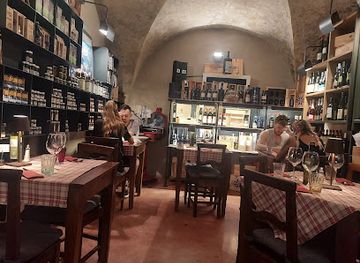
Nightlife in Città Alta is intimate and concentrated around Piazza Vecchia, Via Gombito, Corsarola and the approaches to Colle Aperto rather than organised around large clubs. Visitors will find wine bars, cafés, aperitivo spots and restaurants that continue into the evening, with the historic façades and illuminated walls providing much of the atmosphere. La Marianna is a recognised meeting place near the upper town’s western approach, while central venues often combine drinks with dining in compact interiors. The neighbourhood’s cultural calendar can also bring concerts and performances connected with Bergamo’s musical traditions, although programmes vary. After dinner, the upper streets become quieter beyond the main squares, and residential lanes call for restrained conversation and care around closing times. Those seeking a larger club scene generally need to continue into the lower city rather than expect a dense nightclub district inside Città Alta.
-
Irish pub
The Tucans Pub
Discover the vibrant atmosphere of The Tucans Pub, a cozy Irish gastropub in Bergamo offering hearty food and a wide selection of drinks.
7 min walk · 0.6 km from neighbourhood centre
-
Gastropub
Birreria di Città Alta
Discover Birreria di Città Alta, a vibrant gastropub in Bergamo offering local beers and delicious Italian cuisine amidst stunning city views.
5 min walk · 0.4 km from neighbourhood centre
-
Pub
Pozzo Bianco - Bergamo - Città Alta
Experience the vibrant culinary scene of Bergamo at Pozzo Bianco, where local flavors meet a welcoming atmosphere in the heart of Città Alta.
10 min walk · 0.8 km from neighbourhood centre
-
Bar
Bar Flora
Experience the essence of Italian culture at Bar Flora, where exquisite coffee and delightful pastries await in Bergamo's historic Piazza Vecchia.
4 min walk · 0.3 km from neighbourhood centre


Best nightclubs in Città Alta
Nightlife in Città Alta is intimate and concentrated around Piazza Vecchia, Via Gombito, Corsarola and the approaches to Colle Aperto rather than organised around large clubs. Visitors will find wine bars, cafés, aperitivo spots and restaurants that continue into the evening, with the historic façades and illuminated walls providing much of the atmosphere. La Marianna is a recognised meeting place near the upper town’s western approach, while central venues often combine drinks with dining in compact interiors. The neighbourhood’s cultural calendar can also bring concerts and performances connected with Bergamo’s musical traditions, although programmes vary. After dinner, the upper streets become quieter beyond the main squares, and residential lanes call for restrained conversation and care around closing times. Those seeking a larger club scene generally need to continue into the lower city rather than expect a dense nightclub district inside Città Alta.
-
Irish pub
The Tucans Pub
Experience the vibrant spirit of Ireland at The Tucans Pub in Bergamo, a perfect blend of Irish hospitality and local flavors.
7 min walk · 0.6 km from neighbourhood centre
-
Pub
Bar Dell Angelo
Experience the charm of Bar Dell Angelo, a vibrant pub in Bergamo offering local flavors and a welcoming atmosphere for all travelers.
6 min walk · 0.4 km from neighbourhood centre
-
Arts organization
MAITE
Discover MAITE in Bergamo: a vibrant blend of bar, restaurant, and performing arts venue, where culture and cuisine come together for an unforgettable experience.
3 min walk · 0.2 km from neighbourhood centre
-
Bar
Ol Baretì
Experience Bergamo's vibrant nightlife at Ol Baretì, a charming bar offering an exquisite selection of drinks and a cozy atmosphere for all.
6 min walk · 0.5 km from neighbourhood centre


Best shops in Città Alta
Shopping in Città Alta is smaller in scale than Bergamo’s lower-city retail areas and is best understood as a stroll through specialist food shops, bakeries, souvenir outlets, craft businesses and independent boutiques along Via Gombito and Via Bartolomeo Colleoni. The historic streets offer regional cheeses, cured products, pasta, sweets and wines alongside practical everyday shops, making food an important part of the visitor retail experience. Around Piazza Vecchia and Piazza Mercato delle Scarpe, businesses are oriented towards the heritage district, while side lanes reveal more local services and galleries. There is no single permanent market comparable to a major city food market, and stock and individual businesses change over time. Visitors interested in Bergamasque products should read labels and ask shopkeepers about provenance rather than assume that every regional speciality was made in the upper town.
-
Souvenir store
DonaDoni Souvenir Bergamo
Explore DonaDoni Souvenir in Bergamo for unique handmade crafts and authentic Italian souvenirs that capture the essence of Italian culture.
7 min walk · 0.5 km from neighbourhood centre
-
Gift shop
Boutique Legami
Explore Boutique Legami in Bergamo for unique gifts and exquisite stationery that reflect Italian creativity and charm.
6 min walk · 0.5 km from neighbourhood centre
-
Souvenir store
Dolfi Home Bergamo
Explore exquisite handcrafted souvenirs at Dolfi Home Bergamo, a charming store showcasing the artistry of local wooden crafts and more.
3 min walk · 0.2 km from neighbourhood centre
-
Souvenir store
Decorazioni Artistiche
Explore Decorazioni Artistiche in Bergamo for unique souvenirs and handcrafted treasures that reflect the local culture and artistry.
2 min walk · 0.1 km from neighbourhood centre


Città Alta essentials
Getting There
Getting Around
Safety
Emergency Situations
Do's and Don'ts
Local Tips

From Eve
Local phrases worth knowing
You don't need to get them perfect. A few words go a long way, and locals appreciate the effort.
Basics
| English | Local | Say it |
|---|---|---|
| Hello | Ciao | [chow] |
| Goodbye | Arrivederci | [ah-ree-veh-dehr-chee] |
| Yes | Sì | [see] |
| No | No | [noh] |
| Please/You're welcome | Per favore/Prego | [pehr fah-voh-reh/preh-goh] |
| Thank you | Grazie | [grah-tsyeh] |
| Excuse me/Sorry | Mi scusi/Scusa | [mee skoo-zee/skoo-zah] |
| How are you? | Come stai? | [koh-meh stah-ee] |
| Fine. And you? | Bene. E tu? | [beh-neh. eh too] |
| Do you speak English? | Parli inglese? | [pahr-lee een-gleh-zeh] |
| I don't understand | Non capisco | [nohn kah-pee-skoh] |
Eating & Drinking
| English | Local | Say it |
|---|---|---|
| I'd like to see the menu, please | Vorrei vedere il menu, per favore | [vohr-ray veh-deh-reh eel meh-noo, pehr fah-voh-reh] |
| I don't eat meat | Non mangio carne | [nohn mahn-joh kahr-neh] |
| Cheers! | Salute! | [sah-loo-teh] |
| I would like to pay, please | Vorrei pagare, per favore | [vohr-ray pah-gah-reh, pehr fah-voh-reh] |
Emergencies
| English | Local | Say it |
|---|---|---|
| Help! | Aiuto! | [ah-yoo-toh] |
| Go away! | Vai via! | [vah-ee vyah] |
| Call the Police! | Chiama la polizia! | [kyah-mah lah poh-lee-tsya] |
| Call a doctor! | Chiama un dottore! | [kyah-mah oon doht-toh-reh] |
| I'm lost | Mi sono perso/a | [mee soh-no pehr-soh/ah] |
| I'm ill | Mi sento male | [mee sehn-toh mah-leh] |
Shopping
| English | Local | Say it |
|---|---|---|
| I'd like to buy... | Vorrei comprare... | [vohr-ray kohm-prah-reh] |
| I'm just looking | Sto solo guardando | [stoh soh-loh gwar-dahn-doh] |
| How much is it? | Quanto costa? | [kwahn-toh kohs-tah] |
| That's too expensive | È troppo caro | [eh troh-poh kah-roh] |
| Can you lower the price? | Puoi abbassare il prezzo? | [pwah-ee ahb-bahs-sah-reh eel preh-tsoh] |
Time & Numbers
| English | Local | Say it |
|---|---|---|
| What time is it? | Che ora è? | [keh oh-rah eh] |
| It's one o'clock | È l'una | [eh loo-nah] |
| Half past (10) | Sono le dieci e mezza | [soh-no leh dyeh-chee eh meh-tzah] |
| Morning | Mattina | [maht-tee-nah] |
| Afternoon | Pomeriggio | [poh-meh-ree-djoh] |
| Evening | Sera | [seh-rah] |
| Yesterday | Ieri | [yeh-ree] |
| Today | Oggi | [oh-jee] |
| Tomorrow | Domani | [doh-mah-nee] |
| 1 | Uno | [oo-noh] |
| 2 | Due | [doo-eh] |
| 3 | Tre | [treh] |
| 4 | Quattro | [kwah-troh] |
| 5 | Cinque | [cheen-kweh] |
| 6 | Sei | [seh-ee] |
| 7 | Sette | [seht-teh] |
| 8 | Otto | [oht-toh] |
| 9 | Nove | [noh-veh] |
| 10 | Dieci | [dyeh-chee] |
Transport & Directions
| English | Local | Say it |
|---|---|---|
| Where's a/the...? | Dov'è...? | [doh-veh] |
| What's the address? | Qual è l'indirizzo? | [kwahl eh leen-dee-reet-soh] |
| Can you show me (on the map)? | Puoi farmi vedere (sulla mappa)? | [pwah-ee fahr-mee veh-deh-reh (sool-lah mahp-pah)] |
| When's the next (bus)? | Quando passa il prossimo (bus)? | [kwahn-doh pahs-sah eel prohs-see-moh (boos)] |
| A ticket (to ....) | Un biglietto (per ....) | [oon beel-lyet-toh (pehr)] |
History of Città Alta
Roman and Medieval Foundations
The upper hill was the site of Bergamo’s ancient settlement, and its elevated position continued to shape the town through the early medieval period. The Roman street plan and later fortifications helped establish the compact urban pattern still visible around Piazza Vecchia and the routes of Via Gombito and Via Bartolomeo Colleoni. During the Middle Ages, Città Alta developed as the city’s political and religious centre, with communal institutions, defensive towers and churches concentrated on the ridge. The Basilica di Santa Maria Maggiore grew from an earlier church into one of the area’s defining monuments, while the Palazzo della Ragione and the civic square expressed the authority of the medieval commune.
The Venetian Defensive System
Bergamo came under Venetian rule in 1428, and the Republic later transformed Città Alta into a major fortified frontier town. Work on the Venetian Walls began in 1561 and continued through the late sixteenth century, requiring the clearance of houses and the reshaping of the hill’s edges. Four principal gates connected the upper town with the surrounding territory, while bastions, moats and covered passages created a powerful defensive circuit. Although the fortifications were never tested by a major siege, they altered Città Alta’s relationship with the lower city and remain its most visible layer of early modern history. The walls became part of the UNESCO-listed Venetian Works of Defence in 2017.
A Religious and Cultural Centre
From the Renaissance into the modern era, Città Alta retained its role as Bergamo’s ceremonial and ecclesiastical centre. The Cappella Colleoni, built beside Santa Maria Maggiore in the late fifteenth century, added a highly individual Renaissance monument to the medieval core, while Bergamo Cathedral continued to develop through successive periods. Churches, confraternities, libraries and charitable institutions gave the upper town a dense cultural life. The area is also closely associated with Gaetano Donizetti, Bergamo’s celebrated nineteenth-century composer, whose birthplace lies in the historic urban fabric near Borgo Canale and whose legacy remains present in the city’s musical institutions.
Preservation and Contemporary Città Alta
Industrial growth and population expansion shifted much of Bergamo’s economic energy into the lower city during the nineteenth and twentieth centuries, leaving Città Alta with a more strongly historic and residential character. The funicular, opened in 1887, improved the connection between the two parts of the city without replacing the upper town’s pedestrian scale. Conservation of the walls, churches and civic buildings has since supported cultural tourism, while restaurants, cafés, galleries and small shops occupy historic premises along the principal streets. Città Alta remains both a heritage landscape and an inhabited neighbourhood, with residents, religious institutions and everyday services sharing space with visitors.
Città Alta in Photos
Browse through our photo collection highlighting the charm and character of the destination.
Neighbourhoods near Città Alta
The closest neighbourhoods to Città Alta, if you have time for more than one stop.

Swipe for more neighbourhoods
Explore more
Explore more of Bergamo
Bergamo pairs a UNESCO-listed hilltop city with Renaissance art, Italian cuisine, elegant streets and mountain views near Milan in northern Italy.
Explore Bergamo