

Free Tosa Travel Guide & Mobile App
Explore Tosa with free travel guides. Discover regional history, expert tips, proposed trips, and audio guides on web or mobile app.


Explore Tosa in Kochi for Pacific coastlines, clear rivers, samurai history, bonito cuisine, pilgrimage temples and Japan's great outdoors.
When is the best time to visit Tosa?
Best: May, October–November · 18–25°C| Month | High (°C) | Rainfall (mm) |
|---|---|---|
| January | 12 | 70 |
| February | 13 | 80 |
| March | 16 | 120 |
| April | 20 | 150 |
| May (best) | 25 | 160 |
| June | 28 | 210 |
| July | 32 | 260 |
| August | 32 | 240 |
| September | 29 | 200 |
| October (best) | 23 | 130 |
| November (best) | 18 | 100 |
| December | 13 | 80 |
Getting to and around Tosa
How to get there
Transportation
Destinations in Tosa
Resorts, valleys and scenic spots worth a trip of their own.

Swipe for more destinations
Best attractions in Tosa
Tosa's attractions range from urban history to large-scale coastal and river landscapes. Kochi city brings together Kochi Castle, the Sakamoto Ryoma Memorial Museum at Katsurahama, the Tosa Museum of Art and Makino Botanical Garden, while nearby Chikurinji Temple connects the region with the Shikoku pilgrimage. East of the city, Muroto offers geopark landscapes, sea cliffs and marine culture; in the centre, the Niyodo River supports swimming, canoeing and rafting in suitable conditions. The western districts are known for the Shimanto River, traditional low bridges, forested valleys and quiet cycling routes. Farther south, Cape Ashizuri combines ocean views, unusual rock formations and subtropical vegetation. Visitors can also explore local pottery and paper-making traditions, fishing ports, agricultural landscapes and seasonal markets. The attraction landscape is defined less by a concentration of ticketed sights than by the relationship between historic settlements, rivers, mountains and the Pacific, so a car or carefully planned regional transport is often necessary.
-
Tourist attraction
Nagoya Castle
Explore Nagoya Castle: A majestic landmark showcasing reconstructed feudal architecture, serene gardens, and captivating history in the heart of Nagoya.
-
Tourist attraction
Showa Kinen National Park
Escape Tokyo's bustle in this vast park with seasonal flowers, diverse gardens, recreational areas, and historical significance.
-
Tourist attraction
Hida no Sato Open Air Museum
Discover traditional Gassho-style farmhouses and explore the rich cultural heritage of the Hida region at this open-air museum in Takayama.
-
Tourist attraction
Shiretoko National Park
Discover Shiretoko National Park: A UNESCO World Heritage site offering pristine wilderness, diverse wildlife, and stunning natural landscapes in Hokkaido, Japan.


Best landmarks in Tosa
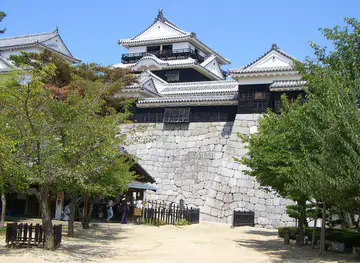
Kochi Castle is Tosa's most important architectural landmark, retaining its original keep and several historic buildings from the Edo-period castle complex. Its elevated position also explains the relationship between the domain capital, the plain and the surrounding mountains. Katsurahama, a curved Pacific beach south of Kochi city, is one of the region's most recognisable coastal landscapes and is closely associated with the monument to Sakamoto Ryoma and the nearby memorial museum. At Cape Muroto, cliffs, wave-cut platforms and striking rock formations reveal the geological forces shaping the Pacific margin; the headland's designation as a UNESCO Global Geopark reflects its scientific importance. In the west, the Shimanto River is a natural landmark rather than a single monument, with its broad channel and low chinkabashi bridges forming a defining regional scene. Cape Ashizuri, at Shikoku's southernmost point, is marked by ocean-facing cliffs, lighthouse views and a warmer plant community. Chikurinji's temple buildings and wooded approach provide a contrasting religious landmark above the Kochi plain.
-
Shinto shrine
Fushimi Inari Taisha
Explore the enchanting Fushimi Inari Taisha, a Kyoto shrine adorned with thousands of iconic torii gates, reflecting Japan's spiritual heritage and stunning scenery.
-
Observation deck
Tokyo Skytree
Experience the stunning 360-degree views of Tokyo from the iconic Tokyo Skytree, the tallest structure in Japan, blending modern architecture with cultural insights.
-
Observation deck
Tokyo Tower
Experience breathtaking views and cultural richness at Tokyo Tower, a symbol of Japan's vibrant spirit blending history and modernity.
-
 Buddhist temple
Sensō-ji
Explore Sensō-ji, Tokyo's historic Buddhist temple, where spirituality meets vibrant culture in the heart of Asakusa.


Explore Tosa on the map
Plan your trip on one map. See where the top cities, national parks and sights are, and book hotels and experiences in a few clicks.
Best hotels in Tosa
Best restaurants in Tosa
Tosa's best-known dish is katsuo no tataki, bonito briefly seared over straw and served with salt, garlic, onion or citrus-based accompaniments. It appears in Kochi's markets, izakaya and restaurants, but coastal towns also provide a strong setting for seafood, including seasonal fish and local shellfish. Yuzu, ginger, Tosa-buntan citrus, tomatoes, mountain vegetables and river fish contribute to a food culture shaped by warm coastal conditions and steep inland terrain. In Kochi city, market-style dining and casual izakaya make it easy to sample several dishes, while rural towns rely more on family-run restaurants, cafés, roadside food stalls and traditional inns. Local sake and shochu accompany meals, and regional sweets and citrus products are common gifts. Food availability can be seasonal, and smaller establishments may have limited English information, so photographs, translation tools and flexible meal times are useful.
-
Soba noodle shop
Kawakamian
Experience authentic handmade soba noodles at Kawakamian in Karuizawa, where tradition meets exquisite taste in every bowl.
-
Japanese regional restaurant
Tosa Tataki Dojo
Discover authentic Japanese cuisine at Tosa Tataki Dojo, where fresh udon noodles and local flavors come together in a delightful dining experience.
-
Japanese regional restaurant
Takamori Dengaku no Sato
Experience authentic Japanese cuisine at Takamori Dengaku no Sato, where local flavors meet tradition in the heart of Kumamoto's Aso District.
-
Sushi
KINKA sushi bar izakaya 六本木
Discover KINKA Sushi Bar Izakaya in Roppongi - where traditional flavors meet modern dining in an inviting atmosphere.


Best bars in Tosa
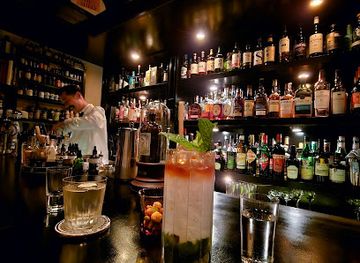
Evening life in Tosa is concentrated in Kochi city, where izakaya, casual bars, live-music venues and restaurants cluster around the central streets near the market area. The atmosphere is generally sociable and dining-led rather than centred on a large international club scene. Yosakoi-related culture, local music and seasonal celebrations can add energy at particular times, but events and opening arrangements vary. In smaller towns and along the coast, the evening choice is more likely to be a neighbourhood izakaya, a traditional pub, a hotel bar or a drink with dinner than a nightclub. Rural accommodation may have little nightlife nearby, so visitors should check the last bus or train and arrange transport in advance. Drinking is not necessary to engage with local evening culture; food markets, festivals and early coastal or river excursions are equally characteristic ways to experience the region.
-
Cocktail bar
L'Escamoteur
Discover the enchanting L'Escamoteur cocktail bar in Kyoto, where creativity meets ambiance for an unforgettable night out.
-
Cocktail bar
Bar Nayuta
Discover the magic of mixology at Bar Nayuta, Osaka's premier cocktail bar, where each drink tells a delightful story of flavor and creativity.
-
Bar
The SG Club
Discover The SG Club in Shibuya, Tokyo: a cocktail paradise blending creativity, culture, and a vibrant nightlife experience.
-
Cocktail bar
Bar TRENCH
Experience Tokyo's vibrant nightlife at Bar TRENCH, a cocktail bar known for unique drinks and an inviting atmosphere.


Best nightclubs in Tosa
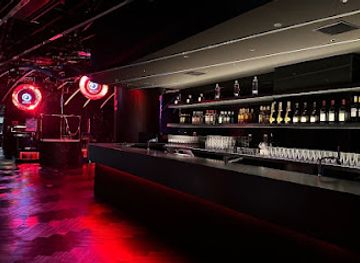
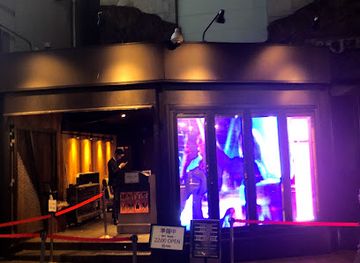
Evening life in Tosa is concentrated in Kochi city, where izakaya, casual bars, live-music venues and restaurants cluster around the central streets near the market area. The atmosphere is generally sociable and dining-led rather than centred on a large international club scene. Yosakoi-related culture, local music and seasonal celebrations can add energy at particular times, but events and opening arrangements vary. In smaller towns and along the coast, the evening choice is more likely to be a neighbourhood izakaya, a traditional pub, a hotel bar or a drink with dinner than a nightclub. Rural accommodation may have little nightlife nearby, so visitors should check the last bus or train and arrange transport in advance. Drinking is not necessary to engage with local evening culture; food markets, festivals and early coastal or river excursions are equally characteristic ways to experience the region.
-
Night club
TK
Discover the vibrant nightlife at TK Nightclub in Shibuya, Tokyo's ultimate destination for dancing and entertainment.
-
Night club
Kujira Entertainment
Dive into the vibrant nightlife of Tokyo at Kujira Entertainment, where cocktails meet captivating performances in a lively atmosphere.
-
Night club
ZEROTOKYO
Discover the electrifying nightlife at ZEROTOKYO, a premier nightclub in Shinjuku, Tokyo, where unforgettable experiences await every night.
-
Night club
Atom Tokyo
Immerse yourself in the lively atmosphere of Atom Tokyo, a top night club in Shibuya offering unforgettable music and vibrant nightlife.


Best shops in Tosa
Shopping in Tosa is strongest in Kochi city, where markets, covered streets, department stores and independent food shops provide regional specialities as well as everyday Japanese goods. The central market area is particularly useful for bonito products, yuzu preserves, pickles, dried seafood, local sake and sweets, although individual stalls and opening patterns change. Outside the city, roadside stations and market towns sell seasonal citrus, ginger, vegetables, rice, tea and products from small-scale producers. Tosa washi paper, made in the region through long-established techniques, is a distinctive craft purchase, and bamboo work, ceramics, carved wooden goods and textile items can also be found through specialist shops and craft centres. Souvenirs connected with Sakamoto Ryoma, Yosakoi and local food are common in Kochi, while western and coastal districts offer a more agricultural and maritime selection. Rural shopping is dispersed, so visitors should buy essentials before heading into mountain valleys or remote coastal areas.
-
Outlet mall
Tosu Premium Outlets
Shop in style at Tosu Premium Outlets, where designer brands meet unbeatable prices in a scenic shopping paradise.
-
Souvenir store
Ji-no-mon Ichiba Hareta
Explore Ji-no-mon Ichiba Hareta, your gateway to authentic Japanese souvenirs and local specialties in Tosa, Kochi.
-
Bakery
BAKERY CAFE IWAGO
Discover the delightful flavors of freshly baked goods and coffee at Bakery Cafe Iwago in Tosa, Kochi.
-
Grocery store
Sunny Mart Takaoka
Discover local flavors and international products at Sunny Mart Takaoka, your go-to grocery store in Tosa, Kochi, Japan.


Get your free copy of our complete guide to Tosa, delivered straight to you.
Everything on this page, from attractions and restaurants to essentials and local phrases, in one PDF you can read offline, print or share.
Already have an account? Sign in
Your Tosa guide is ready.
We'll send it to · Not you? Sign out

Getting your guide ready…
We are putting together a fresh copy of the Tosa guide. This can take up to a minute.
This can take a few moments. If your browser asks, choose Allow so the download can start. You'll find the guide in your Downloads folder.
Nothing happened? Download it again
Sorry, the guide is taking longer than usual. Please try again in a minute, or get it by email instead.
Tosa essentials
Currency and Payment
Safety
Emergency Situations
Do's and Don'ts
Local Tips
From Eve
Local phrases worth knowing
You don't need to get them perfect. A few words go a long way, and locals appreciate the effort.
Basics
| English | Local | Say it |
|---|---|---|
| Hello | Howdy | [haʊdi] |
| Goodbye | See ya | [si jə] |
| Yes | Yep | [jɛp] |
| No | Nope | [noʊp] |
| Please/You're welcome | Sure thing | [ʃʊr θɪŋ] |
| Thank you | Thanks | [θæŋks] |
| Excuse me/Sorry | Oops, my bad | [ups maɪ bæd] |
| How are you? | How's it going? | [haʊz ɪt ˈɡoʊɪŋ] |
| Fine. And you? | Good. You? | [ɡʊd ju] |
| Do you speak English? | Do ya speak English? | [du jə spiːk ˈɪŋɡlɪʃ] |
| I don't understand | I don’t get it | [aɪ doʊnt ɡɛt ɪt] |
Eating & Drinking
| English | Local | Say it |
|---|---|---|
| I'd like to see the menu, please | Can I see the menu? | [kæn aɪ si ðə ˈmɛnju] |
| I don't eat meat | I’m a vegetarian | [aɪm ə ˌvɛdʒəˈtɛriən] |
| Cheers! | Cheers! | [ʧɪrz] |
| I would like to pay, please | Can I get the check? | [kæn aɪ ɡɛt ðə ʧɛk] |
Emergencies
| English | Local | Say it |
|---|---|---|
| Help! | Help! | [hɛlp] |
| Go away! | Leave me alone! | [liːv mi əˈloʊn] |
| Call the Police! | Call 911! | [kɔl naɪn wʌn wʌn] |
| Call a doctor! | Get a doctor! | [ɡɛt ə ˈdɑktər] |
| I'm lost | I'm turned around | [aɪm tɜrnd əˈraʊnd] |
| I'm ill | I'm not feeling well | [aɪm nɑt ˈfiːlɪŋ wɛl] |
Shopping
| English | Local | Say it |
|---|---|---|
| I'd like to buy... | I wanna buy... | [aɪ ˈwɑnə baɪ] |
| I'm just looking | Just browsing | [dʒʌst ˈbraʊzɪŋ] |
| How much is it? | What's the price? | [wʌts ðə praɪs] |
| That's too expensive | That's a bit pricey | [ðæts ə bɪt ˈpraɪsi] |
| Can you lower the price? | Can you cut the price? | [kæn jə kʌt ðə praɪs] |
Time & Numbers
| English | Local | Say it |
|---|---|---|
| What time is it? | What time ya got? | [wʌt taɪm jə ɡɑt] |
| It's one o'clock | It's 1 o'clock | [ɪts wʌn əˈklɑk] |
| Half past (10) | Half past ten | [hæf pæst tɛn] |
| Morning | Morning | [ˈmɔrnɪŋ] |
| Afternoon | Afternoon | [ˌæftərˈnun] |
| Evening | Evening | [ˈivnɪŋ] |
| Yesterday | Yesterday | [ˈjɛstərdeɪ] |
| Today | Today | [təˈdeɪ] |
| Tomorrow | Tomorrow | [təˈmɔroʊ] |
| 1 | One | [wʌn] |
| 2 | Two | [tu] |
| 3 | Three | [θri] |
| 4 | Four | [fɔr] |
| 5 | Five | [faɪv] |
| 6 | Six | [sɪks] |
| 7 | Seven | [sɛvən] |
| 8 | Eight | [eɪt] |
| 9 | Nine | [naɪn] |
| 10 | Ten | [tɛn] |
Transport & Directions
| English | Local | Say it |
|---|---|---|
| Where's a/the...? | Where's the...? | [wɛrz ðə] |
| What's the address? | What's the address? | [wʌts ði əˈdrɛs] |
| Can you show me (on the map)? | Can you show me on the map? | [kæn jə ʃoʊ mi ɑn ðə mæp] |
| When's the next (bus)? | When's the next bus? | [wɛn z ðə nɛkst bʌs] |
| A ticket (to ....) | One ticket to... | [wʌn ˈtɪkɪt tu] |
History of Tosa
Early Settlement and Ancient Tosa
Archaeological evidence shows long human occupation across the river valleys and coastal lowlands of what is now Kochi Prefecture, including settlements and artefacts from the Jomon and Yayoi periods. The mountainous terrain encouraged communities to develop around river basins, while the Pacific supported fishing and maritime exchange. In the seventh-century administrative reforms, the area became Tosa Province. Its relative distance from political centres on Honshu helped give the province a distinctive regional identity, although it remained connected to wider Japanese religious, agricultural and commercial networks.
Medieval Lords and Chosokabe Power
During the medieval period, control of Tosa was contested by local warrior families and larger powers from elsewhere in Shikoku. The Chosokabe clan, based in the southern part of the island, gradually expanded its authority and reached its greatest strength under Chosokabe Motochika in the sixteenth century. Mountain routes, castles and strategic river crossings shaped this politics. The clan's dominance was ultimately ended by Toyotomi Hideyoshi's campaign in Shikoku in 1585, bringing Tosa more firmly into the national power structure of the late Sengoku period.
The Yamauchi Domain and Kochi Castle
After the Battle of Sekigahara in 1600, Yamauchi Kazutoyo became lord of Tosa under Tokugawa rule. He established a new political centre at Kochi, then known as Tosa, and his family governed the Tosa Domain throughout the Edo period. Kochi Castle and the surrounding castle town embodied this authority, while the domain's economy depended on agriculture, forestry, fishing, paper-making and coastal trade. The castle town's street plan and surviving historic buildings still express the structure of an Edo-period regional capital.
Maritime Trade, Forestry and Regional Industries
Tosa's mountains and Pacific coastline supported industries that linked remote settlements to wider markets. Timber, charcoal, paper, agricultural goods, dried seafood and bonito moved along rivers and through coastal ports. Traditional Tosa washi paper became an important craft, while forestry shaped both local livelihoods and the appearance of the interior. The region's distance from Japan's political core did not make it isolated: coastal shipping and merchant networks carried people, information and goods between Tosa, other parts of Shikoku and the main islands.
The Bakumatsu Crisis and Sakamoto Ryoma
Tosa played an important role in the political turmoil that preceded the Meiji Restoration. Sakamoto Ryoma, born in the Tosa Domain, became a prominent advocate of cooperation between rival domains and helped promote the alliance between Satsuma and Choshu. His political activities contributed to the movement that ended the Tokugawa shogunate, although he was assassinated in Kyoto in 1867 before the restoration was completed. His memory remains particularly strong around Kochi and Katsurahama, where museums and monuments interpret his contribution to modern Japanese history.
Freedom and People's Rights in Meiji Japan
Tosa also produced influential figures in the Freedom and People's Rights Movement of the late nineteenth century. Itagaki Taisuke, a former Tosa samurai and national politician, argued for representative government and helped organise popular political activity after the Meiji Restoration. The movement connected local political debate with a national campaign for a constitution and elected institutions. Its legacy is visible in Kochi's museums, public monuments and historical interpretation, giving the region a place in the development of modern Japanese civil politics.
Modern Regional Identity and Yosakoi
During the twentieth century, Tosa's economy continued to combine forestry, farming, fishing, food production and public-sector activity, while transport improvements made Kochi more closely connected to the rest of Shikoku and Japan. The Yosakoi Festival, launched in Kochi in 1954, became a powerful expression of post-war civic culture. Its energetic dance groups and naruko clappers have since influenced festivals elsewhere, but the tradition remains closely identified with Kochi and the wider Tosa region.
Tosa in Photos
Browse through our photo collection highlighting the charm and character of the destination.
Neighbouring regions of Tosa
The closest regions to Tosa, if you have time for more than one.
-

-

-
-

-


Swipe for more regions
Explore more

Explore more of Japan
Discover the harmony of tradition and modernity in Japan, where ancient temples and cutting-edge technology coexist in perfect balance.
Explore Japan