

Best Landmarks in Buzen
Planning a trip to Buzen? Discover the best landmarks in Buzen with history, expert tips, and routes. Free on web or the Evendo app.


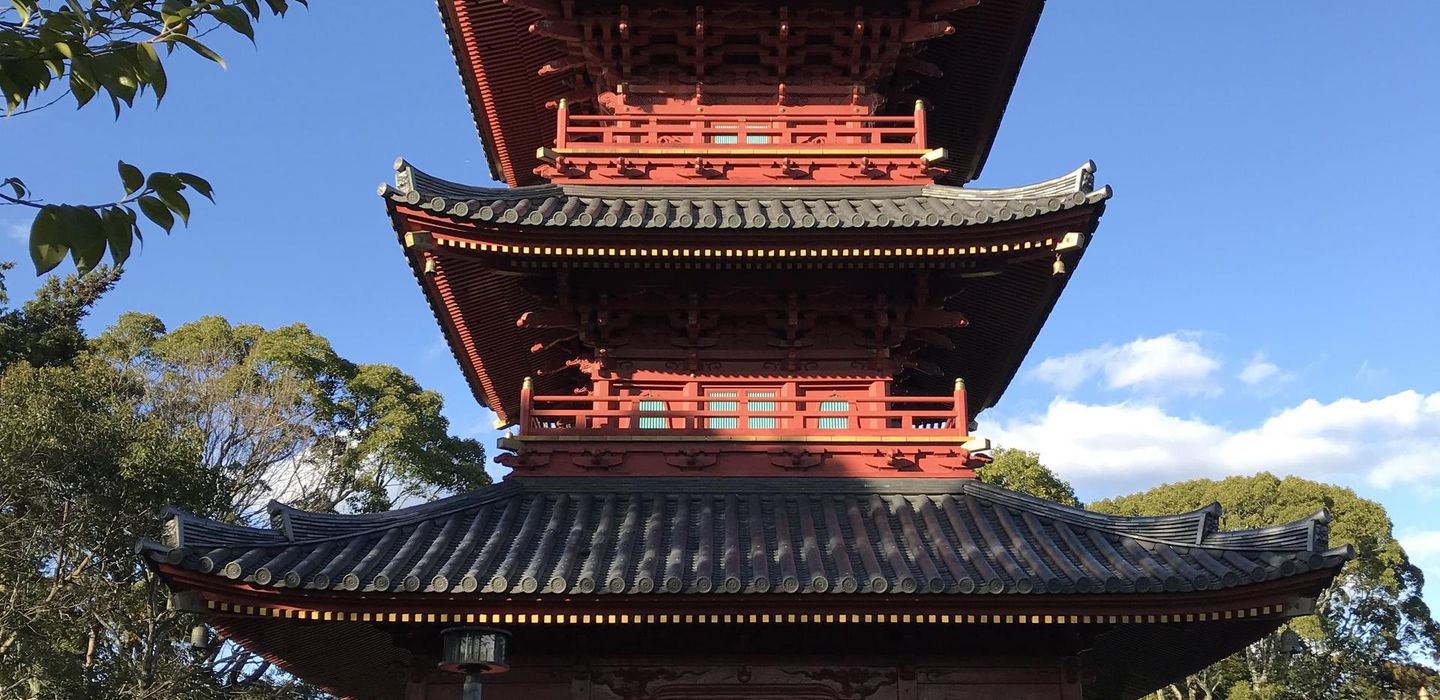
The best landmarks in Buzen
- Top rated
- Closest to the centre
- A–Z
47 landmarks
-
Shinto shrine4.6★70,318 reviews
Fushimi Inari Taisha
Fushimi Inari Taisha is a captivating Shinto shrine in Kyoto, famed for its thousands of vibrant vermilion torii gates that wind up Mount Inari. Dedicated to Inari, the god of rice, business, and prosperity, it's a mesmerizing blend of natural beauty and spiritual significance.
Open 24 hours
-
Observation deck4.4★89,852 reviews
Tokyo Skytree
Rising 634 meters above Tokyo, the Skytree is Japan's tallest structure and a prominent broadcasting and observation tower. Offering panoramic views, dining, and shopping, it's a symbol of the city's modern spirit and engineering prowess.
Mon–Fri 10:00–22:00 · Sat–Sun 9:00–22:00
-
Observation deck4.5★75,523 reviews
Tokyo Tower
Tokyo Tower, inspired by the Eiffel Tower, is a prominent symbol of Japan's post-war resurgence. Standing at 333 meters, it offers panoramic views of Tokyo from its observation decks and houses various attractions.
Daily 9:00–22:30
-
Buddhist temple4.5★75,244 reviews
Sensō-ji
Sensō-ji, Tokyo's oldest temple, is a vibrant and historically significant Buddhist site in Asakusa. Founded in 645 AD, it's dedicated to Kannon, the Bodhisattva of compassion. The temple complex features the iconic Kaminarimon gate, Nakamise shopping street, Hozomon Gate, a five-story pagoda, and the main hall, offering visitors a glimpse into Tokyo's rich cultural heritage.
-
Castle4.4★71,661 reviews
Osaka Castle
Osaka Castle, a prominent landmark in Osaka, Japan, played a significant role in the country's unification during the 16th century. Originally built in 1583 by Toyotomi Hideyoshi, it has been destroyed and rebuilt several times throughout history. The current castle tower, reconstructed in 1931, houses a museum with exhibits detailing the castle's history and offers panoramic views of the city.
Daily 9:00–17:00
-
Tourist attraction4.4★69,734 reviews
Dotonbori
Dotonbori is a lively district in Osaka, renowned for its neon lights, street food, and vibrant atmosphere. A must-visit for anyone looking to experience the essence of Japanese culture, this bustling area offers a sensory overload with its sights, sounds, and flavors.
Open 24 hours
-
Park4.5★57,928 reviews
Nara Park
Nara Park is a spacious public park in Nara, Japan, famous for its free-roaming deer and historical landmarks. Established in 1880, the park is home to Todaiji Temple, Kasuga Taisha Shrine, Kofukuji Temple and the Nara National Museum, offering a blend of nature and culture.
Open 24 hours
-
Castle4.6★48,672 reviews
Himeji Castle
Himeji Castle, a UNESCO World Heritage site, stands as a stunning testament to Japan's feudal history. Known for its breathtaking architecture and rich cultural significance, this remarkable castle offers tourists an unparalleled glimpse into Japan's past. With beautifully preserved structures, serene gardens, and scenic views, it is a must-visit destination for history enthusiasts and casual travelers alike.
Daily 9:00–16:00
-
Buddhist temple4.5★53,219 reviews
Kiyomizu-dera
Kiyomizu-dera, or 'Pure Water Temple,' is a celebrated Buddhist temple in Kyoto, founded in 780. Perched in the hills east of Kyoto, it offers stunning views and a rich cultural experience. The temple's iconic wooden stage and the Otowa Waterfall are must-sees.
Daily 6:00–18:00
-
Buddhist temple4.5★52,603 reviews
Kinkaku-ji
Kinkaku-ji, also known as the Golden Pavilion, is a dazzling Zen Buddhist temple in Kyoto, Japan, with its top two floors covered in gold leaf. Originally built in 1397 as a retirement villa for Shogun Ashikaga Yoshimitsu, it was converted into a temple after his death in 1408. The shimmering reflection of the pavilion on the surrounding Mirror Pond creates a captivating scene.
Daily 9:00–17:00


Meiji Jingu
Meiji Jingu, or Meiji Shrine, is a Shinto shrine dedicated to Emperor Meiji and Empress Shoken, located in the bustling Shibuya district of Tokyo. Surrounded by a vast, man-made evergreen forest, it offers a serene escape from the city's vibrant energy.

Shirakawa-go
Shirakawa-go is a UNESCO World Heritage site in the Gifu Prefecture of Japan, famed for its unique gassho-style farmhouses. These traditional homes, with their steeply pitched thatched roofs resembling hands in prayer, offer a glimpse into a bygone era of rural Japan.

Itsukushima Jinja
Itsukushima Shrine, a UNESCO World Heritage site, is famed for its iconic 'floating' torii gate. The current shrine dates back to the 12th century, though the site has been sacred for much longer. Built over water, the complex appears to float during high tide, offering a mesmerizing blend of natural beauty and architectural ingenuity.
Daily 6:30–18:00

Nikkō Tōshogū
Nikkō Tōshogū is a lavishly decorated Shinto shrine in Nikkō, Japan, dedicated to Tokugawa Ieyasu, the founder of the Tokugawa shogunate. Initially built in 1617, it was expanded by his grandson Iemitsu into the opulent complex seen today, featuring intricate carvings and gold leaf. A UNESCO World Heritage site, it exemplifies Edo-period shrine architecture and the intertwining of Shinto and Buddhist elements.
Daily 9:00–17:00

Umeda Sky Building
The Umeda Sky Building is an architectural marvel in Osaka's Kita district, consisting of two 40-story towers connected by the remarkable Floating Garden Observatory. Completed in 1993, it offers panoramic city views and a unique experience with its open-air deck and retro-themed basement.
Daily 9:30–22:30

Kumamoto Castle
Kumamoto Castle, an iconic landmark in Kumamoto City, is one of Japan's most impressive castles, known for its imposing black exterior and strategic design. Originally constructed in the early 17th century, it has withstood sieges, wars, and earthquakes, embodying the city's resilient spirit. While undergoing extensive restoration after the 2016 earthquake, the castle remains a must-see attraction, offering visitors a glimpse into its rich history and architectural grandeur.
Daily 9:00–16:30

Tokyo Station
Tokyo Station, a major railway station in Chiyoda, Tokyo, is more than just a transit hub. Its iconic red brick Marunouchi building, dating back to 1914, stands as a symbol of the city, blending historical charm with modern functionality.

Arashiyama Bamboo Forest
Immerse yourself in the enchanting beauty of the Arashiyama Bamboo Forest, a tranquil oasis in the heart of Kyoto. This iconic location offers a serene escape with its towering bamboo stalks swaying gently in the breeze, providing a unique experience for nature lovers and photographers alike. As you wander along the winding paths, the soft rustling of leaves and the filtered sunlight create a magical atmosphere, making it a must-visit destination for tourists seeking a peaceful retreat amidst the hustle and bustle of city life.
Open 24 hours

Ryōan-ji
Ryōan-ji, a Zen temple in Kyoto, is famed for its mesmerizing rock garden, a UNESCO World Heritage Site. The garden's minimalist design, featuring 15 rocks arranged in a sea of raked white gravel, invites contemplation and has captivated visitors for centuries, sparking diverse interpretations of its meaning.
Daily 8:00–17:00

Imperial Palace East Gardens
Discover the serene beauty of the Imperial Palace East Gardens, a perfect blend of historical significance and natural splendor in the heart of Tokyo. With lush greenery, winding paths, and stunning views, it's an ideal escape for tourists seeking a peaceful retreat amidst the bustling city life.
Tue–Thu 9:00–18:00 · Sat–Sun 9:00–18:00

Kobe Port Tower
Kobe Port Tower, an iconic landmark completed in 1963, stands as a symbol of Kobe's maritime history and modern aspirations. Designed to resemble a traditional Japanese drum, the tower offers panoramic views of the city, port, and surrounding mountains.
Daily 9:00–23:00

Arashiyama
Arashiyama is a picturesque district on Kyoto's western outskirts, known for its natural beauty and historical significance. A favored retreat since the Heian period, it boasts iconic landmarks like the Togetsukyo Bridge and the mesmerizing Bamboo Grove. It offers a serene blend of nature and tradition.

Suizenji Jojuen Garden
Suizenji Jojuen Garden is a meticulously crafted traditional Japanese garden in Kumamoto, dating back to 1632. Featuring a miniature Mount Fuji, a serene pond, and historical shrines, it offers a tranquil escape and a glimpse into Kumamoto's feudal past.
Daily 8:30–17:00

Nippon Budokan
The Nippon Budokan, located in Tokyo's Kitanomaru Park, is an iconic arena initially built for the 1964 Tokyo Olympics to host judo competitions. Today, it remains a central location for martial arts and a celebrated concert venue, hosting many famous artists.
Daily 9:30–17:30

Sumiyoshi Jinja
Step into the serene world of Sumiyoshi Jinja, a Shinto shrine in Fukuoka that beautifully blends history and tranquility. Embrace the cultural richness as you stroll through its picturesque grounds, adorned with traditional architecture and lush greenery, perfect for a peaceful retreat amidst the bustling city.
Daily 9:00–17:00

Rainbow Bridge
The Rainbow Bridge, a stunning suspension bridge spanning Tokyo Bay, connects Shibaura Pier and Odaiba. Completed in 1993, it's a symbol of Tokyo, offering pedestrian walkways with panoramic city views and vibrant illuminations, especially during December when it lives up to its name with rainbow lights.
Daily 9:00–21:00

Daikanbo
Daikanbo is an observation deck along the Tateyama Kurobe Alpine Route, offering stunning panoramic views of the Northern Japan Alps, including the iconic Mount Tateyama and the vast Kurobe Gorge. It's a key stop on the route, accessible via the Tateyama Tunnel Trolley Bus and the Tateyama Ropeway.
Daily 7:30–16:30

The Sky Garden
Ascend to the 69th floor of the Yokohama Landmark Tower and discover the Sky Garden, one of Japan's highest observation decks. Offering a 360-degree panorama, witness breathtaking views of Yokohama, Tokyo, and even Mount Fuji on clear days from 273 meters above ground.

Shugakuin Imperial Villa
Shugakuin Imperial Villa, a historical landmark nestled in Kyoto, is a serene oasis that showcases exquisite gardens, stunning architecture, and a rich cultural heritage. This enchanting site invites tourists to explore its picturesque paths and immerse themselves in Japan's imperial history.
Tue–Sun 9:00–15:00

Shofukuji
Shofukuji Temple in Fukuoka is Japan's first Zen temple, founded in 1195 by Eisai, who introduced Zen Buddhism from China. Visitors can explore the serene temple grounds and admire the traditional Zen architecture.
Daily 8:00–17:00

Jotenji
Jotenji Temple, founded in 1242, offers a serene escape in the heart of Fukuoka's bustling Hakata district. Known as the birthplace of udon and soba noodles in Japan, this Zen temple features a beautiful, though often private, rock garden and historical monuments.
Daily 8:30–16:30

ART HOTEL Oita
ART HOTEL Oita is a modern 3-star hotel conveniently located in the heart of Oita City, Japan, offering comfortable accommodations and easy access to local attractions. With its central location and various amenities, it serves as an ideal base for both business and leisure travelers.

Hakata
Hakata Ferry Terminal in Fukuoka serves as a vital maritime hub, connecting Kyushu to nearby islands and international destinations like Busan, South Korea. Offering convenient access to island escapes and cultural experiences, it's a bustling gateway for travelers.

Hakata Sennen-no-Mon Gate
The Hakata Sennen-no-Mon Gate welcomes visitors to Fukuoka's temple district, a symbolic gesture acknowledging Hakata's rich history and promising future prosperity. Constructed with a blend of traditional design and materials, the gate offers a glimpse into the city's cultural heritage.
Mon–Fri 8:45–17:15

The Onefive Villa Fukuoka
The Onefive Villa Fukuoka offers spacious, modern accommodations with river views in the vibrant Nakasu district. Its central location provides easy access to Fukuoka's main attractions and entertainment.
Ryokan Kunisakisou
Nestled in the heart of Beppu's famed Kannawa Onsen district, Ryokan Kunisakisou offers a serene escape with its traditional Japanese inn experience. Guests can indulge in natural hot spring baths, savor local cuisine, and immerse themselves in the area's rich geothermal landscape.

Koishiwaragawa Dam
Koishiwaragawa Dam, nestled in Asakura, Fukuoka, is a stunning blend of engineering and nature. Visitors can enjoy scenic walks, capture beautiful photos, and immerse themselves in the area's peaceful atmosphere, making it a perfect escape from city life.
Open 24 hours
Fukuoka Guesthouse Little Asia Kokura
Fukuoka Guesthouse Little Asia Kokura offers budget-conscious travelers a comfortable and conveniently located stay in Kitakyushu. Situated a short walk from Kokura Station, this guesthouse provides easy access to local attractions, free laundry facilities, and a welcoming atmosphere for exploring the city and surrounding areas.

Bizen Pottery Museum
The Bizen Pottery Museum in Bizen, Okayama, showcases the rich history and artistry of Bizen ware, a unique style of Japanese pottery known for its unglazed, earthy aesthetic and distinctive reddish-brown hues. The museum features a diverse collection of Bizen pottery, from ancient masterpieces to contemporary works, offering visitors an immersive experience into this traditional craft.
Tue–Sun 9:00–17:00

Gion Station
Gion Station, located in Hakata Ward, Fukuoka, is a key subway stop on the Airport Line, providing easy access to the city's attractions. Known for its efficiency, it connects travelers to shopping, historical sites, and cultural landmarks.

Lantern Marker, trademark for the Fukuoka & Hakata families.
The Lantern Marker, a historical landmark in Fukuoka's Hakata Ward, stands as a testament to the area's rich commercial heritage during the Meiji period. Donated to Sumiyoshi Shrine in 1899, its stone wall features 140 advertising spaces, offering a unique glimpse into the businesses that thrived in Hakata at the time.
Open 24 hours

Iwaya Shrine
Nestled in the verdant hills of Toho Village, Fukuoka, Iwaya Shrine is a place of serene beauty and spiritual significance. Known for its unique architecture that incorporates a massive rock face and a sacred 'wishing stone,' the shrine offers visitors a tranquil escape and a glimpse into ancient Japanese beliefs.

Maison HAKOSHIMA メゾンハコシマ
Maison Hakoshima is a charming boutique and café in Fukuoka's Hakata Ward, offering a curated selection of women's clothing alongside a relaxing café experience. It's a local gem where fashion meets a cozy atmosphere.
Tue–Sat 12:00–18:00

Nishijin Shopping District
The Nishijin Shopping District in Fukuoka is a lively blend of traditional and modern commerce. Known for its textile heritage, especially Nishijin-ori weaving, it offers a mix of shops, food stalls, and cultural experiences that immerse visitors in local artistry and craftsmanship.

Trip To Japan
Trip To Japan, located in Shinagawa City, Tokyo, is a travel agency specializing in crafting personalized and immersive travel experiences throughout Japan. With over a decade of expertise, they handle every detail, from accommodations to tours, ensuring a seamless and unforgettable journey for every traveler.
Open 24 hours

Kushida
Kushida Shrine, nestled in Fukuoka's Hakata district, is a historic Shinto shrine founded in 757 AD. Known locally as 'Okushida-san,' it's a spiritual haven and cultural landmark, famous for the Hakata Gion Yamakasa festival and its traditional architecture. Visitors can explore its serene grounds, admire the Kazari Yamakasa float, and experience the heart of Hakata's traditions.
Daily 4:00–22:00

LIVE JAPAN office
The LIVE JAPAN office, situated in Tokyo Midtown Hibiya, serves as a hub for tourists seeking information and guidance for exploring Tokyo and beyond. Though not a tourist attraction in itself, it's a valuable resource for planning your Japanese adventure.
Mon–Fri 9:00–18:00
Explore Buzen on the map
A handpicked selection of must-see spots in Buzen, mapped for you.
More about Buzen
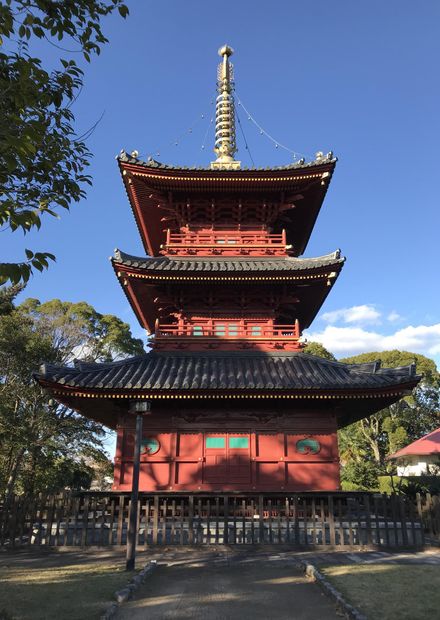
Buzen travel guide
Buzen in Fukuoka combines Mount Kubote's sacred forests, Suo Sea seafood, rural scenery and quiet coastal travel in northern Kyushu.
Tell me more about BuzenMore to explore in Buzen

 Best attractions in Buzen

 Best shops in Buzen

 Best bars in Buzen

 Best restaurants in Buzen

 Best nightclubs in Buzen

 Best experiences in Buzen

 Best hotels in Buzen
Explore more

Explore more of Japan
Discover the harmony of tradition and modernity in Japan, where ancient temples and cutting-edge technology coexist in perfect balance.
Explore Japan
Getting your guide ready…
We are putting together a fresh copy of the Buzen guide. This can take up to a minute.
This can take a few moments. If your browser asks, choose Allow so the download can start. You'll find the guide in your Downloads folder.
Nothing happened? Download it again
Sorry, the guide is taking longer than usual. Please try again in a minute, or get it by email instead.

