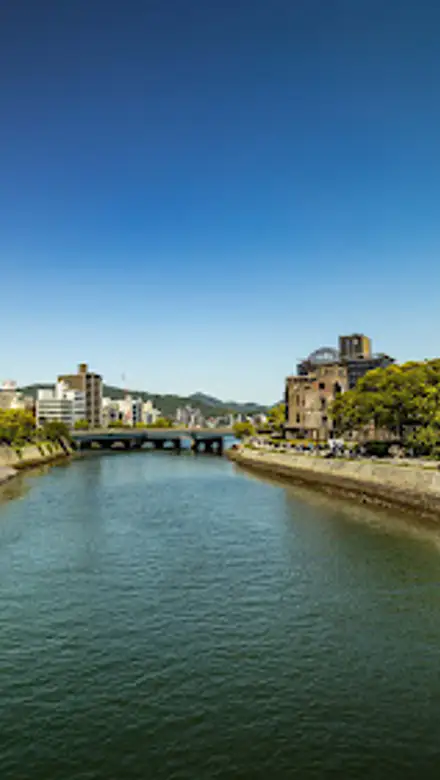
Atomic Bomb Dome Travel Guide
Free Guide: A haunting reminder of Hiroshima's past, the Atomic Bomb Dome stands as a symbol of peace and a call for nuclear disarmament.


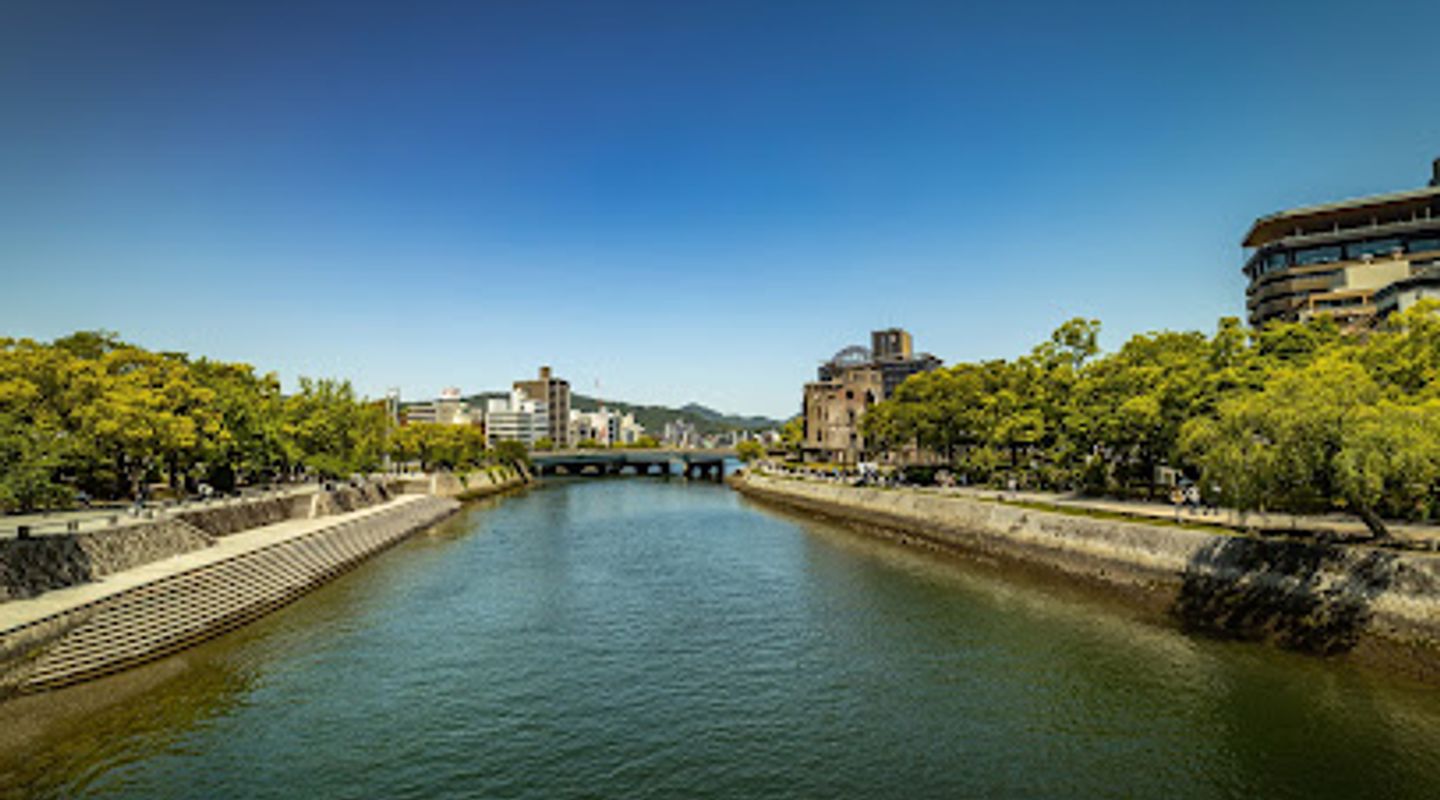
A brief summary of Atomic Bomb Dome
A haunting reminder of Hiroshima's past, the Atomic Bomb Dome stands as a symbol of peace and a call for nuclear disarmament.
The Atomic Bomb Dome in Hiroshima stands as a haunting reminder of the atomic bombing on August 6, 1945. Preserved as a UNESCO World Heritage Site, it symbolizes the devastation of nuclear weapons and a beacon for lasting world peace, urging the abolition of nuclear arms.
Opening hours
- Every dayOpen 24 hours
Opening hours as listed on the venue’s Google Business Profile. Hours can change for services and special events, so check with the venue before you go.
- Address
- 1-10 Otemachi, Naka Ward, Hiroshima, 730-0051
- Phone
- Website
Getting there
Public Transport
Bus
Walking
Discover more about Atomic Bomb Dome
Overview
The Atomic Bomb Dome, formerly the Hiroshima Prefectural Industrial Promotion Hall, is a skeletal structure that serves as a powerful symbol of Hiroshima's tragic past and its commitment to peace. Designed by Czech architect Jan Letzel and completed in 1915, the hall was a modern European-style building used to promote local products and host exhibitions.On August 6, 1945, at 8:15 a.m., the atomic bomb detonated approximately 600 meters away, almost directly above the hall. The blast and heat rays destroyed the building, killing everyone inside. However, because the pressure came from above, a part of the wall escaped collapse. The skeletal remains, including the distinctive domed steel frame, became known as the Atomic Bomb Dome.After the war, there was debate about whether to preserve or demolish the Dome. In 1966, the Hiroshima City Council resolved to preserve it as a reminder of the devastation and a symbol of hope for a peaceful future. Today, the Atomic Bomb Dome is a central feature of the Hiroshima Peace Memorial Park, attracting visitors worldwide who come to pay their respects and reflect on the importance of peace. It was registered as a World Heritage Site in December 1996. Visitors can view the Dome from all angles, with nighttime visits offering a particularly striking view as the structure is beautifully lit.
Evendo Review Centre
 Google
Guest reviews
Explore Atomic Bomb Dome on the map
A handpicked selection of must-see spots near Atomic Bomb Dome, mapped for you.
Get your free copy of our complete guide to Atomic Bomb Dome, delivered straight to you.
Everything on this page, from opening hours and how to get there to Eve’s tips and the best time to go, in one PDF you can read offline, print or share.
Already have an account? Sign in
Your Atomic Bomb Dome guide is ready.
We'll send it to · Not you? Sign out

Getting your guide ready…
We are putting together a fresh copy of the Atomic Bomb Dome guide. This can take up to a minute.
This can take a few moments. If your browser asks, choose Allow so the download can start. You'll find the guide in your Downloads folder.
Nothing happened? Download it again
Sorry, the guide is taking longer than usual. Please try again in a minute, or get it by email instead.
Unlock the best of Atomic Bomb Dome
Skip-the-line tickets, guided tours with entry, and walking tours of the area, booked in a few clicks.


Other nearby places you may find interesting
The closest places of the same kind, if this one is not quite what you had in mind.
-
-
-
-
-


Swipe for more places
More to explore near Atomic Bomb Dome

 Best experiences near Atomic Bomb Dome
 Best hotels near Atomic Bomb Dome
 Best landmarks near Atomic Bomb Dome
 Best attractions near Atomic Bomb Dome
 Best shops near Atomic Bomb Dome
 Best restaurants near Atomic Bomb Dome
 Best bars near Atomic Bomb Dome
Do you manage this location?
Take control to get all the benefits, like improved information, better appearance, and stronger visibility across AI-powered discovery.
Explore more

Explore more of Chugoku
Discover Chugoku: Explore Japan's serene landscapes, rich history, and delectable cuisine in this captivating region of Honshu island.
Explore Chugoku
Explore more of Japan
Discover the harmony of tradition and modernity in Japan, where ancient temples and cutting-edge technology coexist in perfect balance.
Explore Japan